How to Stop Your Cat from Licking a Wound: Expert Tips for Safe Healing
Is your cat obsessively licking a wound, and you’re worried it’s slowing their recovery or risking infection? Cats naturally lick their wounds, but this instinct can do more harm than good, leading to irritation, infection, or delayed healing. At Cat Bloom Haven, we understand how stressful it can be to manage cat wound care while keeping your feline friend safe and comfortable.
In this comprehensive guide, we’ll walk you through proven strategies to stop your cat from licking a wound, promote cat wound healing, and prevent complications like infections. From Elizabethan collars for cats to DIY cat wound care solutions, you’ll find expert-backed tips to ensure your cat heals quickly and safely.
Key Takeaways for Cat Wound Care
- Why cats lick wounds: It’s a natural instinct to clean and soothe, but excessive licking can cause infections or reopen wounds.
- Risks of licking: Infection, delayed healing, and irritation are common issues when cats lick wounds excessively.
- Effective solutions: Use E-collars, soft E-collar alternatives, protective pet clothing, or vet-approved topical treatments to stop licking.
- Home care tips: Clean wounds gently, monitor for infection, and consult a vet for serious injuries.
- Prevention is key: Regular grooming, a clean environment, and prompt wound care reduce licking risks.
- Explore more: Discover our detailed guide on cat health and hygiene for additional tips.
Why Do Cats Lick Their Wounds?
Cats are hardwired to lick their wounds it’s part of their grooming instinct. When your cat gets a scratch, cut, or surgical incision, their first reaction is to clean it with their tongue. But why?
The Instinct Behind Cat Wound Licking
- Self-soothing: Licking releases endorphins, which help calm your cat and reduce pain.
- Cleaning mechanism: Cats use their rough tongues to remove debris, dirt, or blood from wounds.
- Historical survival: In the wild, licking kept wounds clean to avoid predators detecting injury.
- Saliva myths: While cat saliva contains enzymes like lysozyme that may have mild antibacterial properties, it’s not a cure-all. The cat saliva healing myth often overstates its benefits, as saliva can also introduce harmful bacteria.
Real-life example: When my Maine Coon, Luna, had a minor scratch from a tussle with a stray, she licked it constantly. At first, I thought it was harmless, but the wound became red and swollen. A quick vet visit confirmed a mild infection caused by her licking. This experience taught me the importance of intervening early.
Learn more in our guide on cat health and hygiene to understand feline instincts better.
Risks of Cat Licking Wounds
Excessive licking can turn a minor injury into a serious problem. Here’s why you need to act fast:
- Infection risk: Cat saliva harbors bacteria like Pasteurella or Staphylococcus, which can lead to cat wound infections.
- Delayed healing: Licking removes healing tissue and reopens wounds, slowing cat wound healing.
- Hot spots: Constant licking can create inflamed, painful areas known as hot spots.
- Abscess formation: Deep wounds can trap bacteria, leading to painful abscesses requiring surgical drainage.
Vet tip: According to Dr. Sarah Johnson, a feline veterinarian with 15 years of experience, “Licking is a cat’s way of coping, but it often introduces more bacteria than it removes. Always monitor wounds closely and intervene if licking becomes obsessive.”
When to Intervene: Signs Your Cat’s Wound Needs Attention
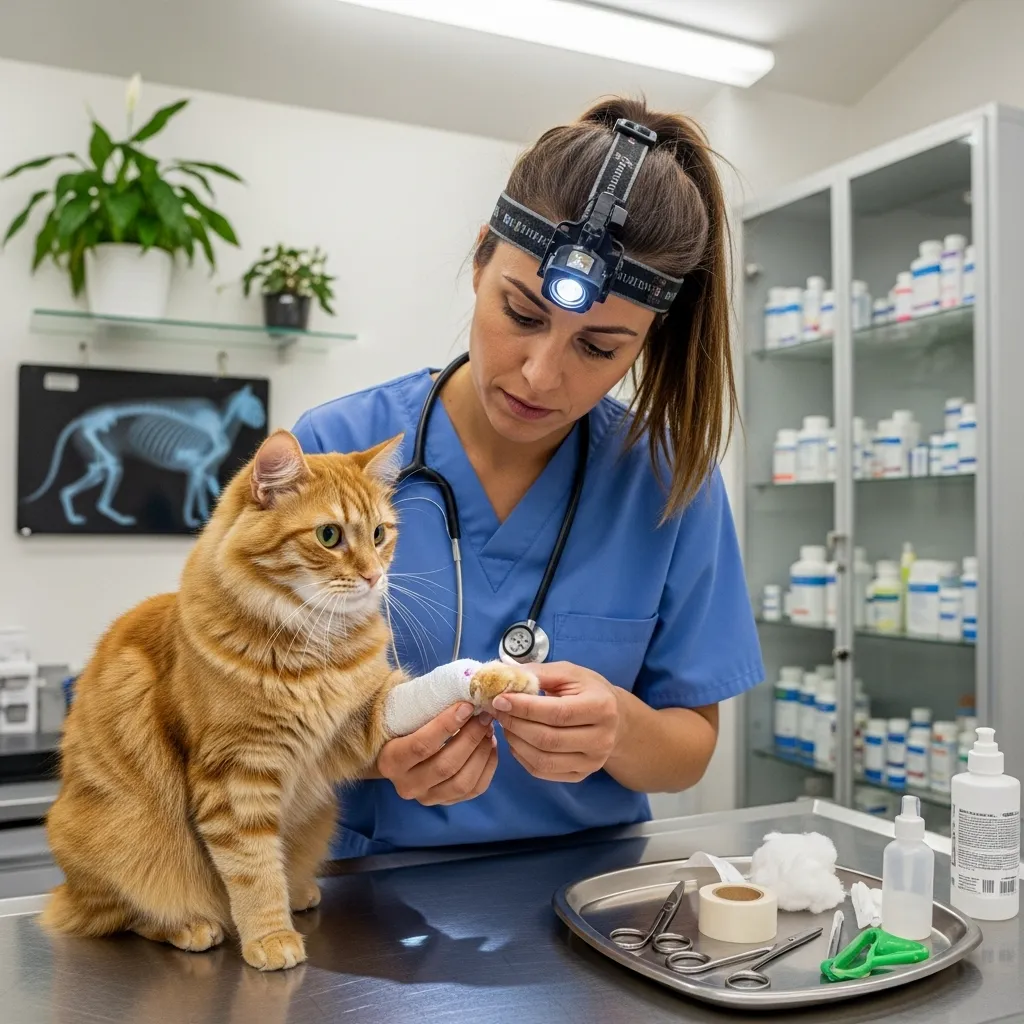
Not every scratch requires a vet visit, but knowing when to step in is critical for cat wound treatment. Here’s how to assess the situation.
Understanding Wound Severity
- Minor wounds: Small scratches or superficial cuts that are clean and not bleeding heavily. These can often be managed with home care for cat wounds.
- Moderate wounds: Deeper cuts, puncture wounds, or surgical incisions (e.g., from spaying). These require monitoring and possibly vet advice.
- Severe wounds: Large, deep, or heavily bleeding wounds, or those showing signs of infection (redness, swelling, pus, or foul odor). Seek immediate veterinary care.
Pro tip: If you’re unsure about a wound’s severity, check our guide on cat first aid tips for guidance on when to call a vet.
Immediate Steps Before Veterinary Assistance
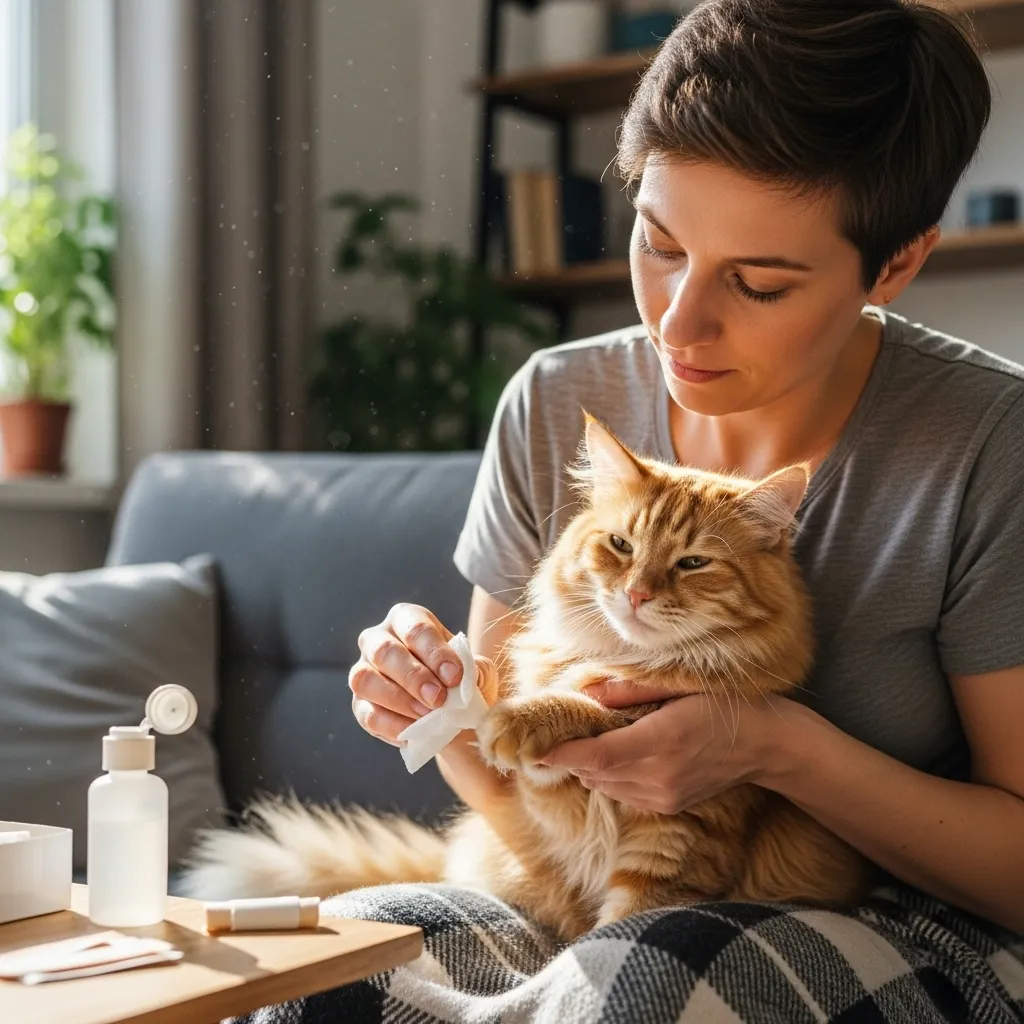
- Clean the wound: Use warm water and a mild, vet-approved antiseptic (like chlorhexidine) to gently clean the area. Avoid human antiseptics like hydrogen peroxide, which can irritate feline skin.
- Stop bleeding: Apply gentle pressure with a clean cloth if the wound is bleeding. Do not use tourniquets.
- Prevent licking: Temporarily distract your cat with a toy or treat to stop immediate licking.
- Contact a vet: For anything beyond a minor scratch, consult a professional. Learn how to find the best vet for your cat.
How to Stop a Cat from Licking a Wound: Proven Methods
Stopping your cat from licking a wound is the cornerstone of effective cat wound care. Here are the most reliable methods, complete with pros, cons, and practical tips.
1. Elizabethan Collars (E-Collars)
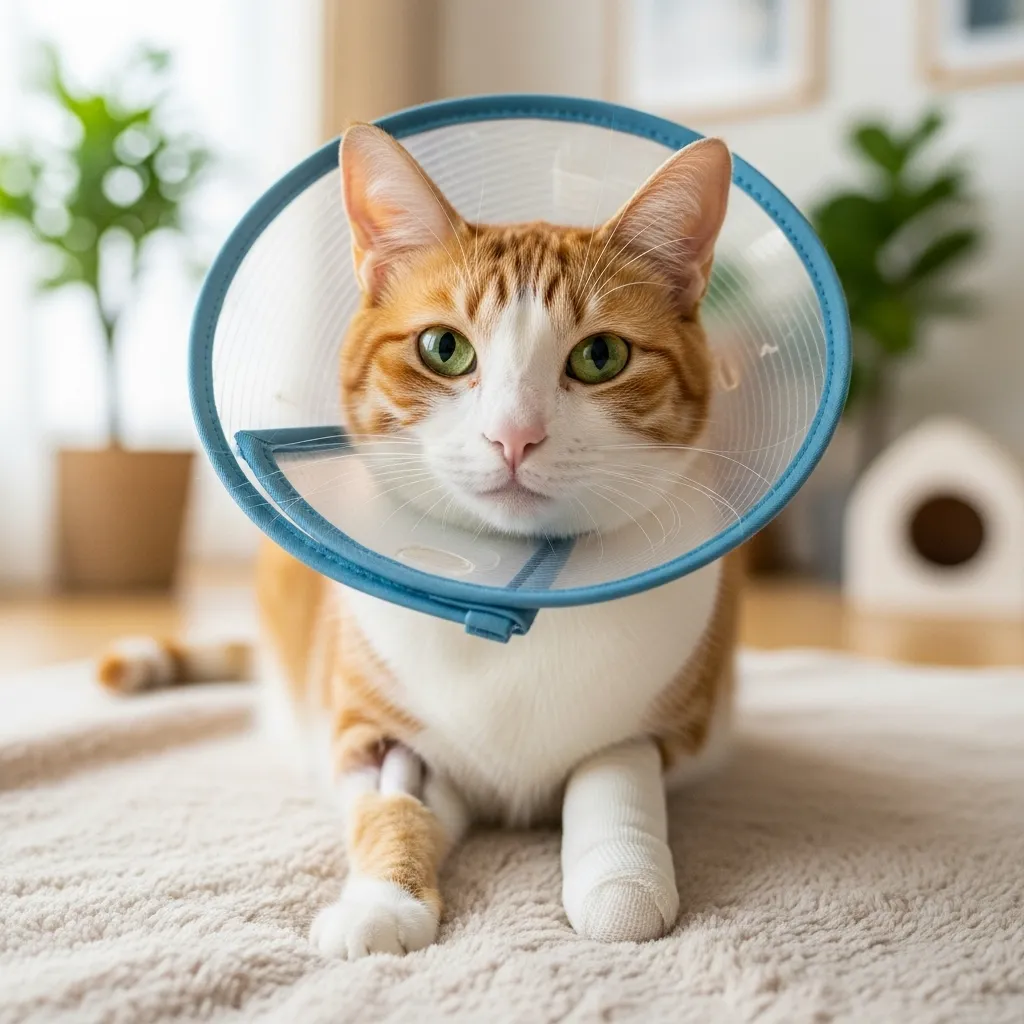
The classic Elizabethan collar for cats—often called the “cone of shame”—is a go-to solution for preventing licking.
- How it works: A plastic or fabric cone fits around your cat’s neck, blocking access to the wound.
- Pros:
- Highly effective for most cats.
- Widely available and vet-recommended.
- Prevents scratching and licking completely.
- Cons:
- Can stress cats, especially if not introduced gradually.
- May affect eating, drinking, or movement.
- Tips for success:
- Choose a properly sized collar (snug but not tight).
- Introduce it slowly with treats to reduce stress.
- Monitor for discomfort and adjust as needed.
Real-life example: My Siamese, Jasper, needed an E-collar after a neutering procedure. He sulked for a day but adapted after I placed his favorite treats near his water bowl to encourage drinking. Explore our Siamese cat care guide for more breed-specific tips.
2. Soft E-Collar Alternatives
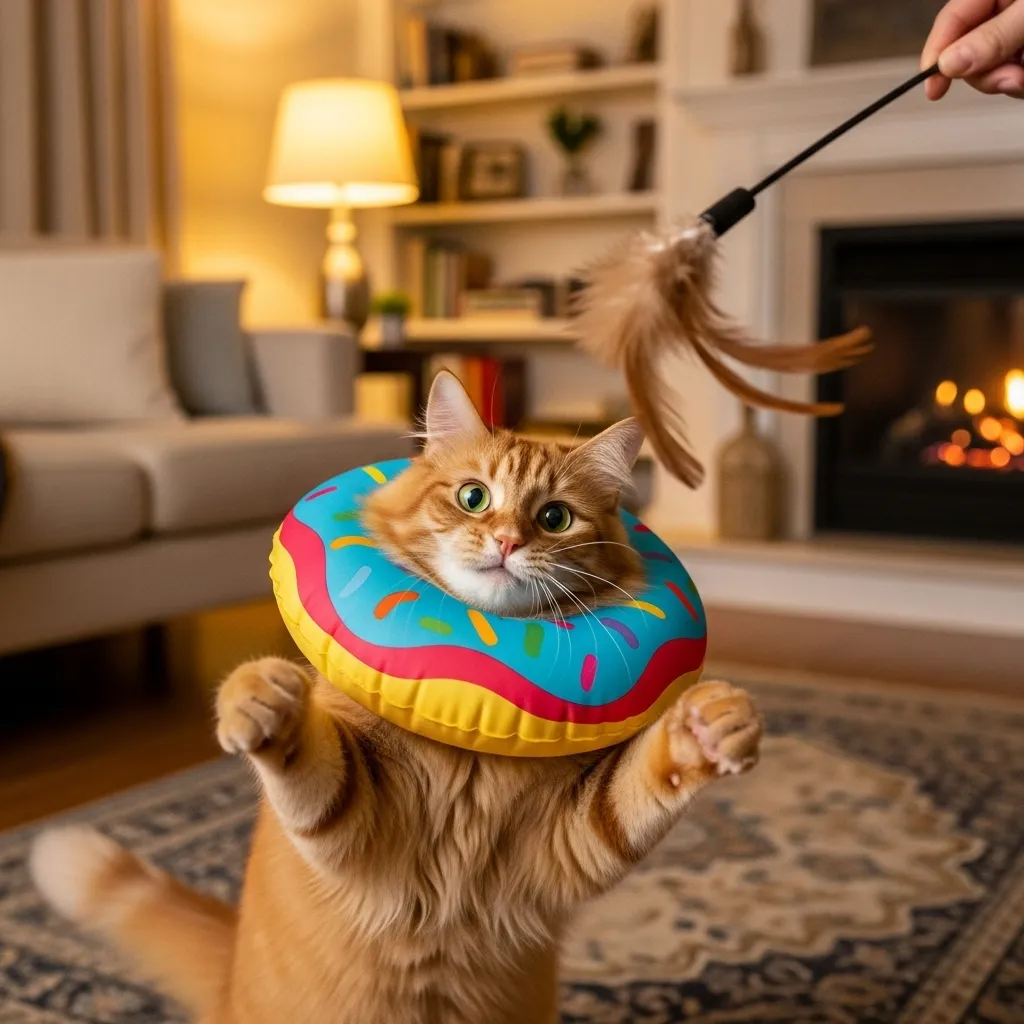
For cats that hate traditional cones, soft E-collar for cats options like inflatable collars or fabric donuts are gentler alternatives.
- How it works: These softer, padded collars restrict access to the wound while being less intrusive.
- Pros:
- More comfortable for sensitive cats.
- Allows better movement and peripheral vision.
- Less stressful for long-term use.
- Cons:
- May not work for flexible cats who can still reach wounds.
- Less durable than plastic E-collars.
- Tips for success:
- Ensure the collar is snug but doesn’t restrict breathing.
- Pair with distraction techniques like puzzle toys.
3. Protective Pet Clothing and Recovery Suits
Protective pet clothing for cats or recovery suits cover wounds, making them ideal for post-surgical care or larger injuries.
- How it works: These snug-fitting suits (like onesies) cover the wound, preventing licking while allowing mobility.
- Pros:
- Comfortable and less stressful than collars.
- Stylish and available in various designs.
- Great for long-term healing (e.g., spay recovery).
- Cons:
- May not cover all wound locations (e.g., head or paws).
- Requires regular washing to stay hygienic.
- Tips for success:
- Choose breathable, stretchy fabrics like cotton.
- Check for irritation around seams or zippers.
- Discover the best cat recovery suits for 2025 (Note: Placeholder link, as no specific recovery suit article is listed).
4. Topical Deterrents
Bitter-tasting sprays or vet-approved creams can discourage licking.
- How it works: Applied around (not on) the wound, these products make licking unpleasant.
- Pros:
- Non-invasive and easy to apply.
- Works well for minor wounds.
- Cons:
- Some cats ignore the taste.
- Must be vet-approved to avoid toxicity.
- Tips for success:
- Test a small area first to ensure your cat doesn’t react negatively.
- Reapply as directed, usually every 12–24 hours.
5. Distraction and Environmental Enrichment
Keeping your cat mentally and physically engaged can reduce obsessive licking.
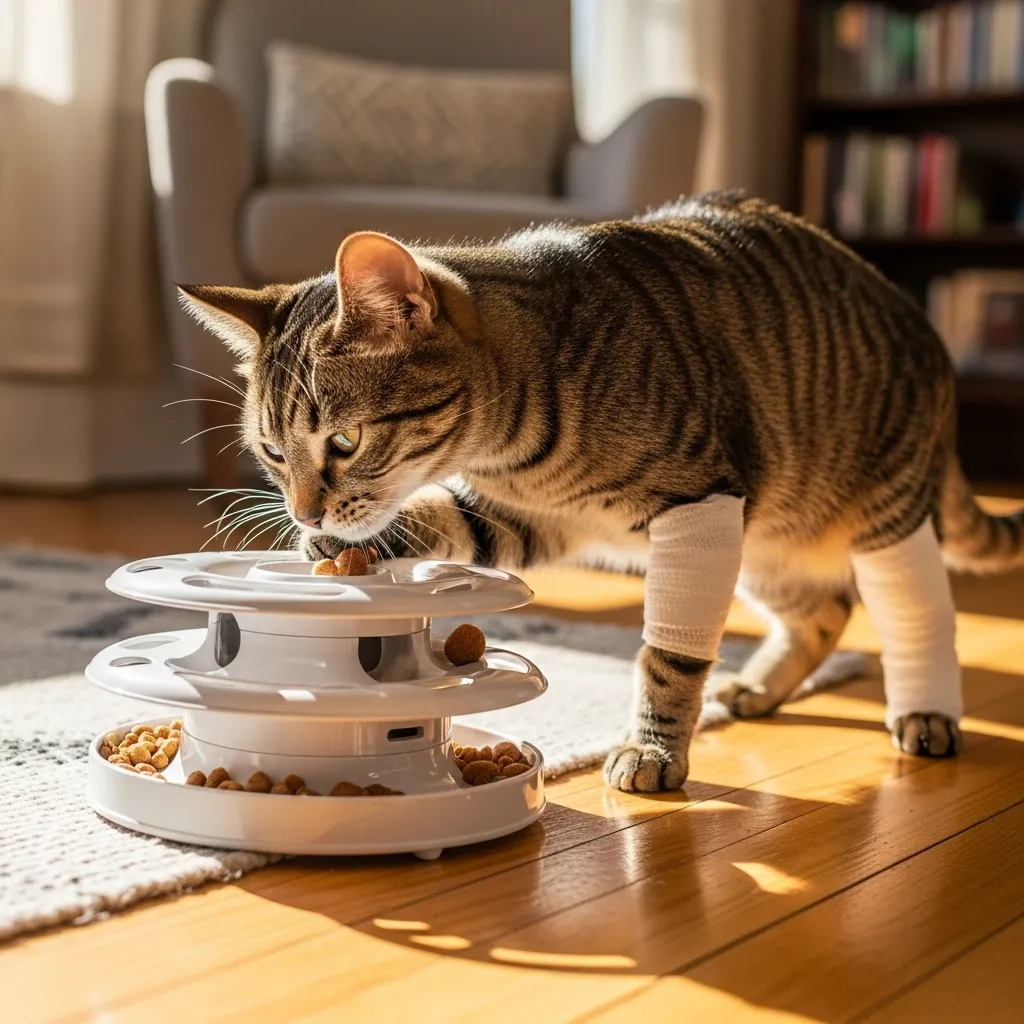
- How it works: Puzzle feeders, toys, or interactive play redirect your cat’s focus from the wound.
- Pros:
- Reduces stress and boredom.
- Supports overall mental health.
- Cons:
- Not a standalone solution for severe wounds.
- Requires consistent effort from you.
- Tips for success:
- Try catnip toys or laser pointers for high-energy cats.
- Learn how to keep your cat entertained for more ideas.
6. Vet-Prescribed Medications
For persistent licking or infected wounds, your vet may prescribe medications.
- How it works: Anti-itch creams, antibiotics, or anti-anxiety meds reduce the urge to lick.
- Pros:
- Targets underlying issues like itching or infection.
- Tailored to your cat’s needs.
- Cons:
- Requires a vet visit and prescription.
- Possible side effects.
- Tips for success:
- Follow dosing instructions carefully.
- Monitor for side effects like lethargy or appetite changes.
Explore our guide on cat vet visits for tips on working with your veterinarian.
DIY Cat Wound Care at Home
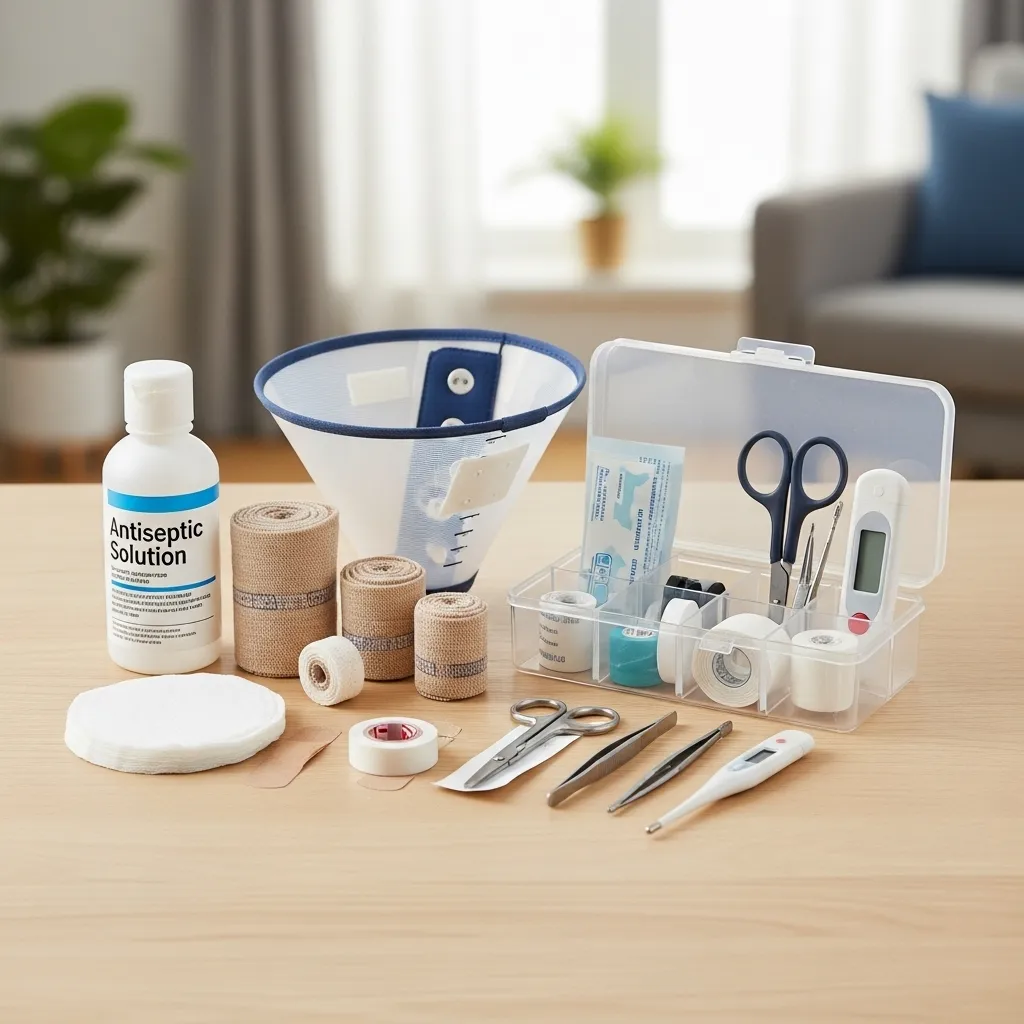
For minor wounds, cat wound care at home can be effective if done correctly. Here’s a step-by-step guide to keep your cat’s wound clean and protected.
- Assess the wound: Ensure it’s superficial (no deeper than the skin) and not bleeding heavily.
- Clean gently:
- Use warm water and a vet-approved antiseptic.
- Pat dry with a clean, lint-free cloth.
- Apply a barrier: Use a vet-recommended ointment (e.g., silver sulfadiazine) to protect the wound.
- Prevent licking: Apply an E-collar, recovery suit, or bitter spray immediately.
- Monitor daily:
- Check for redness, swelling, or pus.
- If the wound worsens, contact your vet.
Table: Common Vet-Approved Antiseptics for Cat Wounds
| Antiseptic | Use Case | Notes |
|---|---|---|
| Chlorhexidine | General wound cleaning | Dilute to 0.05% for safety |
| Povidone-Iodine | Minor cuts and abrasions | Avoid overuse; can stain fur |
| Silver Sulfadiazine | Burns or infected wounds | Prescription-only, vet-guided |
Caution: Never use human medications like Neosporin unless explicitly approved by your vet, as some ingredients (e.g., zinc) are toxic to cats.
Learn more about cat first aid tips for additional home care strategies.
Preventing Cat Wound Infections
Cat wound infection prevention is critical to avoid complications. Here’s how to keep your cat’s wound clean and safe:
- Keep the environment clean: Wash bedding and litter boxes regularly to reduce bacteria.
- Groom regularly: Brush your cat to prevent matting, which can hide wounds. Check our grooming tips for Norwegian Forest Cats for breed-specific advice.
- Monitor behavior: Excessive licking, lethargy, or appetite loss can signal infection.
- Use vet-approved products: Stick to recommended antiseptics and avoid home remedies like essential oils, which can be toxic.
Vet insight: “Cleanliness is your cat’s best defense against infection. A clean wound and a clean environment make all the difference,” says Dr. Emily Carter, a feline health specialist.
Natural Cat Healing Remedies: What’s Safe?
While natural cat healing remedies like aloe vera or honey are popular, most are unsafe for cats. Cats have sensitive systems, and many natural substances are toxic. Stick to these safe options:
- Coconut oil: In tiny amounts, it can soothe dry skin around a wound (vet approval required).
- Oatmeal baths: For skin irritation near wounds, use a vet-approved oatmeal shampoo.
- Hydration: Ensure your cat drinks plenty of water to support healing. See our cat hydration guide for tips.
Warning: Never use tea tree oil, garlic, or raw honey, as these are toxic to cats.
FAQ: Quick Answers to Common Cat Wound Questions
Why do cats naturally lick their wounds?
Cats lick wounds to clean them and soothe pain, driven by instinct. However, this can introduce bacteria and delay healing.
Are there risks associated with a cat licking its wounds?
Yes, licking can cause infections, reopen wounds, or create hot spots, slowing cat wound healing.
Does a cat’s saliva aid in healing wounds?
Cat saliva has mild antibacterial properties, but the cat saliva healing myth is overstated. Bacteria in saliva often cause more harm than good.
How can I tell if my cat’s wound licking requires intervention?
Intervene if the wound worsens (redness, swelling, pus), or if licking is excessive or obsessive.
What should I do initially if my cat has a wound?
Clean the wound with a vet-approved antiseptic, prevent licking, and consult a vet for moderate or severe wounds.
What are effective methods to stop my cat from licking its wound?
Use Elizabethan collars, soft E-collars, protective pet clothing, bitter sprays, or distraction techniques like toys.
Are soft E-collar alternatives effective for cat wound care?
Yes, soft collars are less stressful and work well for many cats, though flexible cats may still reach wounds.
Are recovery suits a good option for preventing licking?
Yes, best cat recovery suits for 2025 are comfortable and effective, especially for surgical wounds, but ensure proper fit and hygiene.
Explore more cat wound care tips for additional insights.
Conclusion: Keep Your Cat Safe and Healthy
Helping your cat heal from a wound doesn’t have to be stressful. By understanding why cats lick wounds and using tools like Elizabethan collars, soft E-collar alternatives, or protective pet clothing, you can stop licking and promote cat wound healing. Combine these with proper cat wound care at home and regular vet check-ins to ensure your feline friend recovers quickly and safely. At Cat Bloom Haven, we’re here to support you with expert advice tailored to your cat’s needs.
Ready to dive deeper into feline care? Explore our expert cat care and behavior guides for more tips on keeping your cat happy and healthy!