How to Keep Your Outside Cat Warm: Essential Winter Care Tips for Feline Comfort
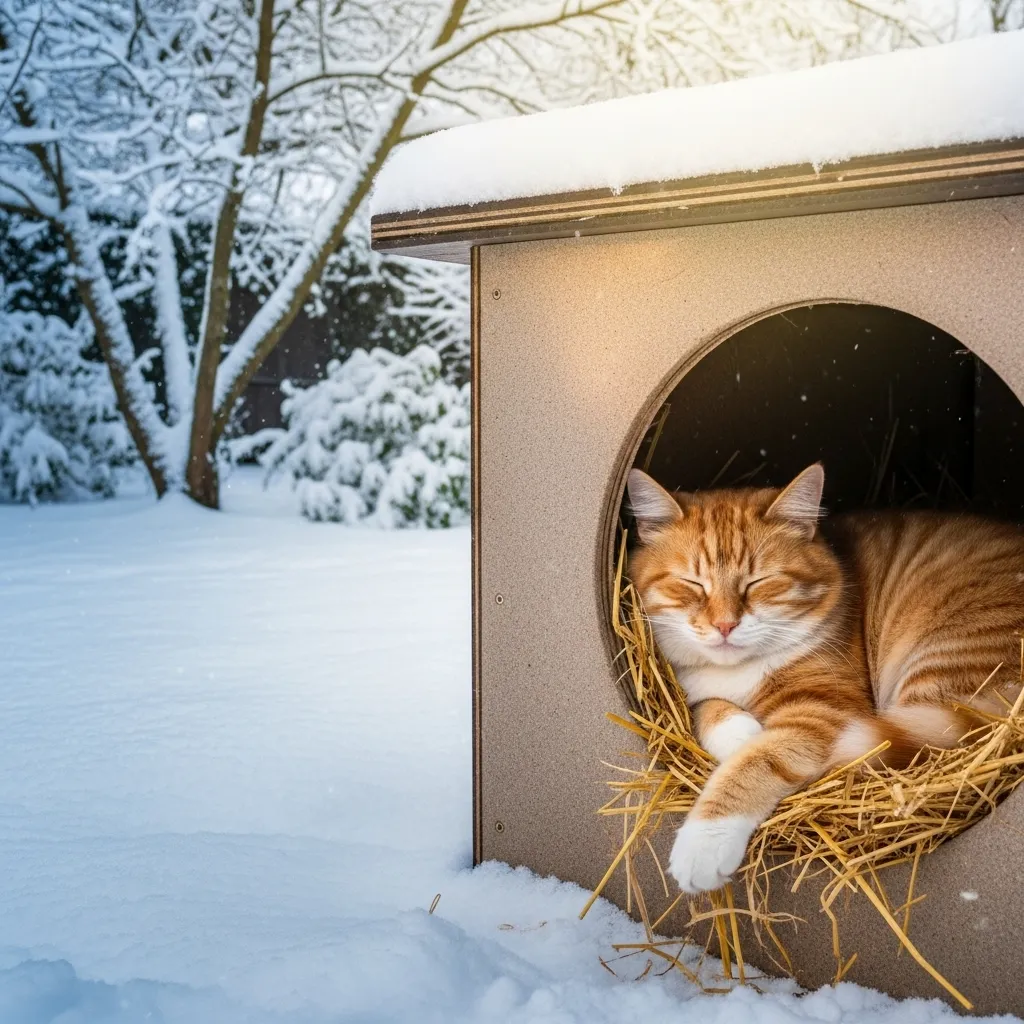
As winter’s chill sets in, outdoor cats whether strays, ferals, or your adventurous pet face tough challenges to stay warm and healthy. Frigid temperatures, biting winds, and frozen water sources can put their well-being at risk. If you’re wondering how to keep outdoor cats warm, you’re not alone. At Cat Bloom Haven, we’re committed to helping you ensure your feline friends thrive, even in the coldest months.
This guide dives deep into outdoor cat winter care, offering practical, vet-backed solutions like insulated shelters, safe heating options, and nutrition tips to keep your cat cozy and healthy. You’ll also learn how to spot and prevent cold-weather dangers like frostbite and hypothermia, ensuring your outdoor cat feels safe and cared for all winter long.
Key Takeaways for Outdoor Cat Winter Care
- Shelter is critical: Provide a dry, insulated cat shelter to protect outdoor cats from wind, snow, and freezing temperatures.
- Safe heating solutions: Use pet-safe heated pads or beds designed for outdoor use to maintain warmth without risks.
- Nutrition matters: Increase food portions and ensure access to unfrozen water to support energy and hydration needs.
- Health vigilance: Monitor for signs of frostbite or hypothermia, like shivering or discolored paws, and schedule vet check-ups.
- Winter-proof environment: Elevate shelters, use straw for bedding, and clear snow from entry points to maximize comfort.
Why Outdoor Cats Need Special Winter Care
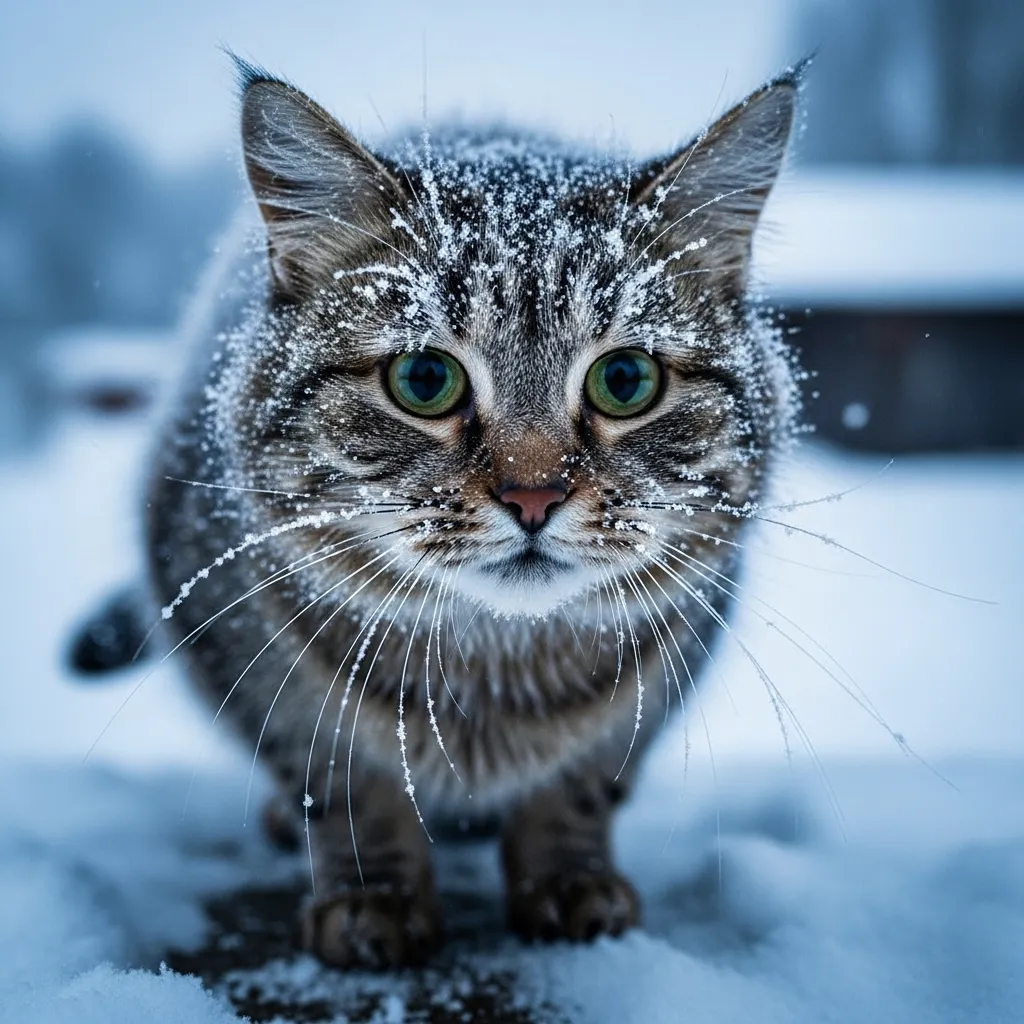
Outdoor cats, whether strays or pets that roam, rely on their instincts and environment to survive winter’s harsh conditions. Unlike indoor cats, they face exposure to freezing temperatures, wind, and moisture, which can lead to serious health risks like hypothermia or frostbite. Understanding their needs is the first step to effective cold weather care for cats.
Cats naturally seek warmth, but their fur alone isn’t enough in extreme cold, especially for short-haired breeds or seniors. A study from the American Veterinary Medical Association notes that cats can develop hypothermia when their body temperature drops below 99°F, which can happen quickly in subfreezing weather. By providing proper shelter, nutrition, and monitoring, you can help outdoor cats stay safe and comfortable.
Building or Buying the Best Outdoor Cat Shelter for Winter
A well-designed outdoor cat shelter for winter is the cornerstone of keeping your cat warm. Whether you’re crafting a DIY solution or purchasing a pre-made option, focus on insulation, size, and placement to create a cozy haven.
Choosing the Right Shelter Size and Design
The ideal shelter is small enough to trap a cat’s body heat but large enough for comfort. A shelter for one or two cats should measure about 2 feet by 3 feet, with a low entry to block wind. For community cats, larger shelters can house multiple felines but should have multiple exits to prevent territorial disputes.
- Tip: Ensure the shelter is elevated off the ground (e.g., on bricks or pallets) to prevent moisture seepage. Learn more about creating safe spaces in our cat adoption guide.
Best Insulation Materials for Warmth
Straw is the gold standard for insulated cat shelter bedding because it repels moisture and insulates well. Avoid blankets or towels, as they absorb water and freeze, making the shelter colder.
- Materials to use: Straw, mylar reflective insulation, or foam boards.
- Materials to avoid: Hay (molds easily), fabric bedding, or loose cotton.
DIY Cat Shelter Ideas for Budget-Friendly Warmth
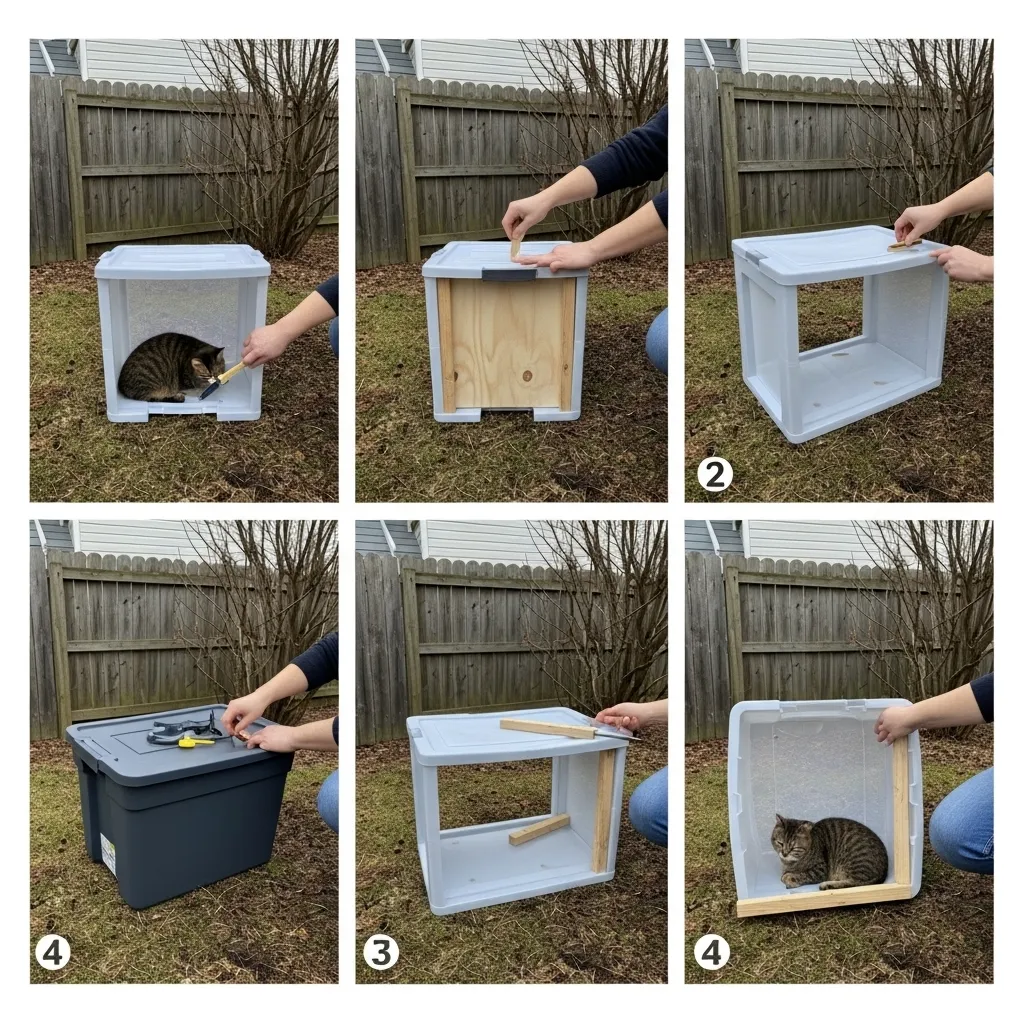
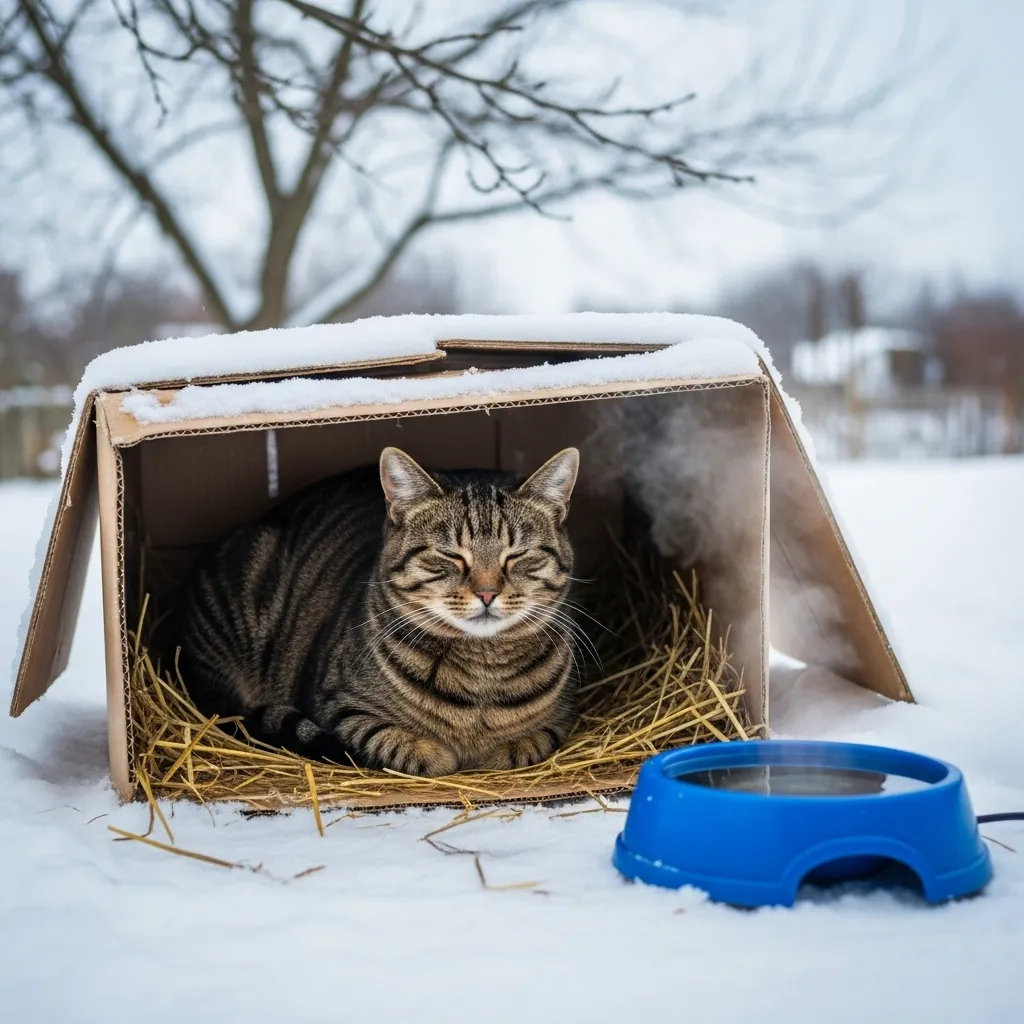
If you’re handy, a DIY cat shelter can be made from everyday items. A popular option is a plastic storage bin with a cut-out entrance, lined with styrofoam or foam insulation and filled with straw. Seal the edges with weatherproof tape to keep it dry.
- Example: Cut a 6-inch round entrance in a 30-gallon plastic bin, insulate the interior with 1-inch-thick foam boards, and add a slanted roof (like a piece of plywood) to shed snow. Place straw inside for bedding.
Top Picks for Pre-Made Outdoor Cat Houses
For those short on time, best outdoor cat houses like the K&H Pet Products Outdoor Heated Kitty House or the Petsfit Weatherproof Cat Shelter offer durability and warmth. Look for models with waterproof materials, raised floors, and optional heating features.
- K&H Heated Kitty House: Includes a removable heated pad, ideal for subzero temperatures.
- Petsfit Cat Shelter: Cedar construction with a sloped roof for snow runoff, unheated but highly insulated.
Safe Heating Solutions for Outdoor Cats
While shelters provide baseline protection, heating solutions for outdoor cats can make a big difference in extreme cold. Safety is key never use human heating pads or space heaters, which pose fire and burn risks.
Heated Cat Pads and Beds
Safe heating pads for cats like the K&H Pet Products Outdoor Heated Bed are designed for low-wattage, pet-safe warmth. These pads maintain a consistent temperature (around 102°F, a cat’s normal body temp) and are weather-resistant for outdoor use.
- Pros: Energy-efficient, durable, and safe for continuous use.
- Cons: Requires access to electricity, so ensure cords are protected from chewing or weather.
Heated Cat Houses for Ultimate Comfort
Best heated cat houses 2025 combine shelter and warmth in one. Models like the CozyCatFurniture Heated Outdoor Cat House feature insulated walls and built-in heating elements. Place these in a covered area to protect electrical components.
- Tip: Use a GFCI outlet for safety and check cords regularly for wear. Discover more pet-safe products in our best beds for cats.
DIY Warming Alternatives
If electricity isn’t an option, try these low-tech solutions:
- Self-warming pads: Mylar-lined mats reflect a cat’s body heat.
- Rice socks: Fill a sock with rice, microwave it, and place it in the shelter for temporary warmth (replace daily).
- Snuggle Safe Disc: A microwavable heat disc that stays warm for hours.
Nutrition and Hydration for Outdoor Cats in Winter
Outdoor cat nutrition in winter is crucial for maintaining body heat and energy. Cats burn more calories to stay warm, so their diet needs extra attention.
Increasing Food Portions for Energy
Offer 10-20% more food than usual, focusing on high-protein, high-calorie options. Wet food is ideal because it’s easier to digest and provides hydration, but dry food can supplement if kept fresh.
- Example: A 10-pound cat may need 300-350 calories daily in winter vs. 250 in summer. Check out our cat food nutrition guide for more details.
Preventing Frozen Food and Water
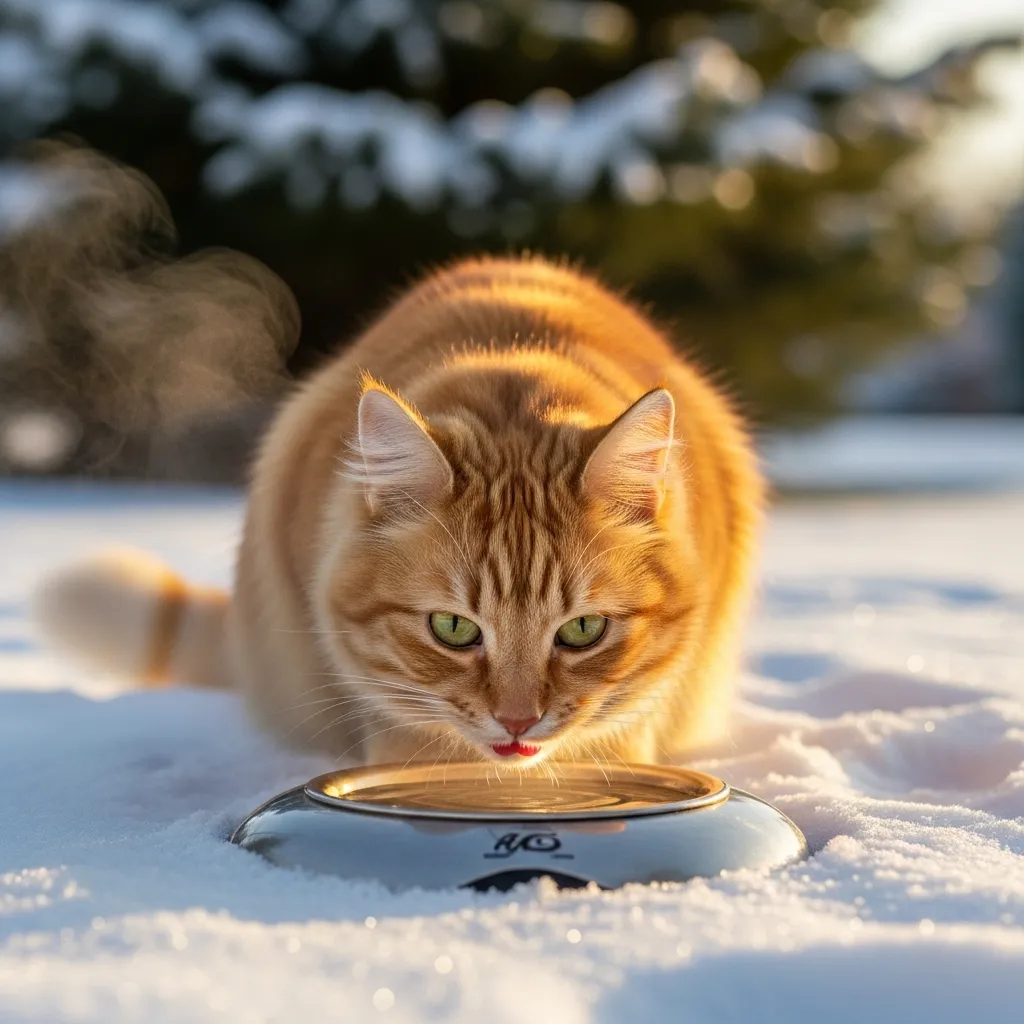
Frozen water bowls are a major issue for outdoor cats. Use heated water bowls (like the Farm Innovators Heated Pet Bowl) or check and refresh water multiple times daily. Place food and water inside or near the shelter to protect them from freezing.
- Tip: Add a splash of low-sodium broth to water to encourage drinking. Learn more in our cat hydration guide.
Wet vs. Dry Food Considerations
Wet food provides moisture, which is critical since cats may drink less in cold weather. Dry food is convenient but can freeze or become stale if left out too long. Combine both for a balanced approach.
- Best practice: Feed wet food in small, frequent portions to prevent freezing, and store dry food in a sealed container.
Protecting Outdoor Cats from Cold-Weather Health Risks
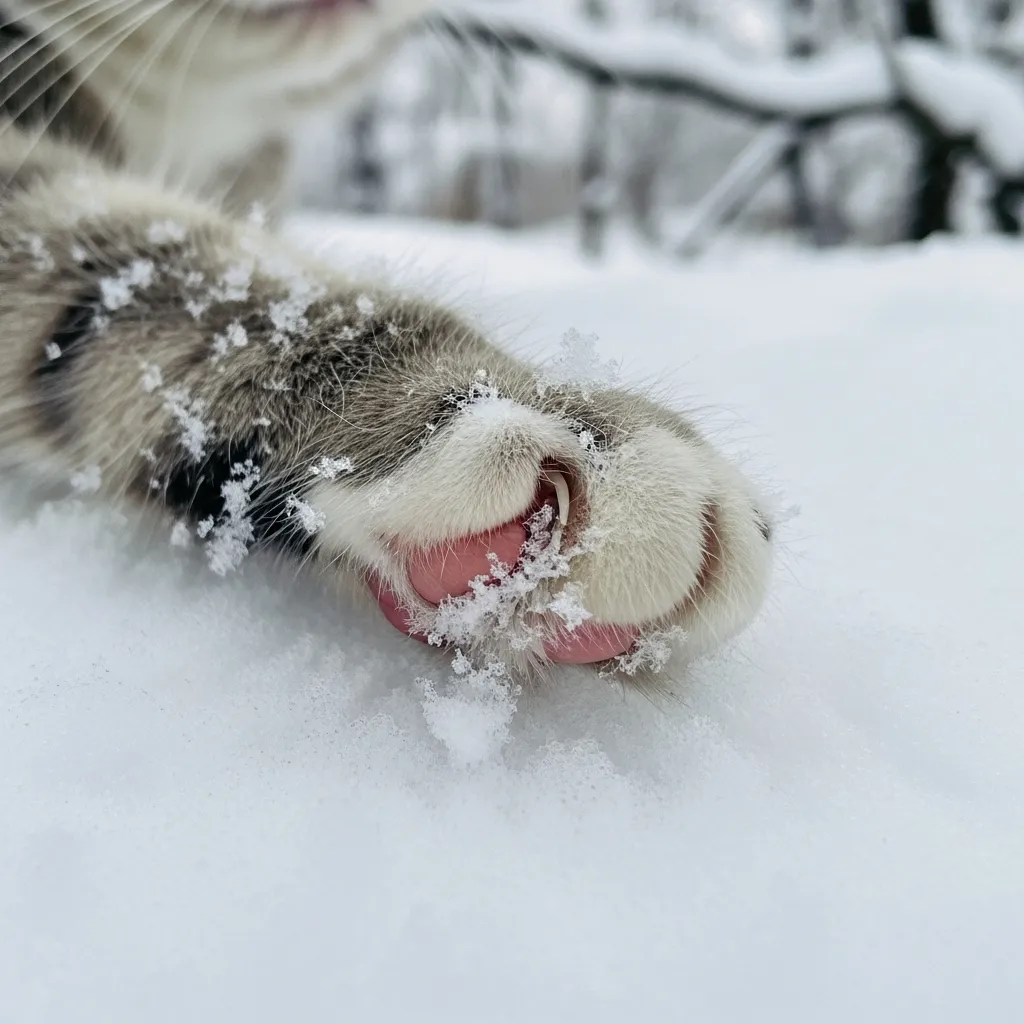
Cat safety in winter goes beyond warmth monitoring for health issues is essential. Frostbite and hypothermia are serious risks, especially for kittens, seniors, or cats with thin coats.
Recognizing Cat Frostbite Symptoms
Frostbite often affects extremities like ears, paws, and tails. Look for:
- Red, pale, or grayish skin.
- Swelling or blisters in affected areas.
- Pain when touched.
If you suspect frostbite, gently warm the area with lukewarm water and contact a vet immediately. Explore more in our cat health care guide.
Preventing Cat Hypothermia
Preventing cat hypothermia starts with keeping cats dry and warm. Hypothermia sets in when a cat’s body temperature drops dangerously low. Symptoms include:
- Shivering or lethargy.
- Weak pulse or slow breathing.
- Dilated pupils or disorientation.
If you notice these signs, wrap the cat in a warm blanket and seek veterinary care. A pre-winter vet check-up can catch underlying issues learn more in our cat vet visit schedule.
Spaying/Neutering for Winter Health
Spayed or neutered cats are less likely to roam in search of mates, reducing their exposure to cold. This also lowers stress and boosts overall health. See our spaying a cat guide for more.
Winter-Proofing Your Outdoor Cat’s Environment
A winter-proof cat shelter is only part of the equation. Create a safe, warm environment by:
- Clearing snow: Keep shelter entrances and feeding areas accessible.
- Wind protection: Place shelters behind windbreaks like fences or shrubs.
- Regular checks: Inspect shelters weekly for moisture, damage, or pest intrusion.
For stray or feral cats, consider setting up multiple shelters in a colony to accommodate more cats. Our how to care for stray cats guide offers additional tips.
Real-Life Example: A Stray Cat’s Winter Survival
Last winter, Sarah, a Cat Bloom Haven reader, noticed a stray tabby shivering in her backyard. She built a DIY cat shelter using a plastic bin, foam insulation, and straw, placing it under her porch. She added a heated water bowl and fed the cat high-protein wet food twice daily. By mid-winter, the tabby was thriving, gaining weight, and even became friendly enough for adoption. Sarah’s story shows how small actions can make a big difference for outdoor cats.
FAQ: Winter Tips for Outdoor Cats
How can you keep an outside cat warm during winter?
Provide an insulated shelter with straw bedding, use safe heating solutions like heated pads, and ensure access to high-calorie food and unfrozen water.
What are the best outdoor cat heating options?
Pet-safe heated pads, heated cat houses, or self-warming mats are ideal. Avoid human heating pads or space heaters due to safety risks.
How should you construct an insulated outdoor cat shelter?
Use a plastic bin or wooden box, insulate with foam or mylar, fill with straw, and elevate it off the ground with a slanted roof for snow runoff.
What are signs of hypothermia or frostbite in cats?
Look for shivering, lethargy, pale or grayish skin, swelling, or pain in extremities. Seek vet care immediately if symptoms appear.
How should you feed outdoor cats in winter?
Increase high-protein food by 10-20%, use wet food for hydration, and ensure water stays unfrozen with heated bowls or frequent checks.
Can regular heating pads be used for outdoor cats?
No, they’re unsafe due to burn and fire risks. Use pet-specific heated pads designed for outdoor conditions.
Conclusion: Keep Your Outdoor Cat Warm and Thriving
Winter can be tough for outdoor cats, but with the right strategies, you can ensure their safety and comfort. From building an insulated cat shelter to providing safe heating pads for cats and boosting their nutrition, every step counts.
Monitor for health risks like frostbite or hypothermia, and make their environment as cozy as possible. At Cat Bloom Haven, we’re here to support you with expert tips for all your feline friends. Explore more our pet winter care guide to keep your cats happy year-round!