How Long Can a Cat Live with Stomatitis? A Comprehensive Guide to Signs, Treatments, and Lifelong Relief
Hey there, fellow cat lover imagine this: Your once-playful tabby, who used to pounce on toys like a furry ninja, suddenly starts dodging her kibble bowl. She’s drooling a bit, her breath has that not-so-fresh vibe, and she seems a tad grumpy when you try to sneak a peek in her mouth. If you’re searching for answers to “how long can a cat live with stomatitis,” you’re not alone.
This sneaky, painful condition sneaks up on up to 10% of cats, turning mealtime into a battle and leaving you wondering if there’s light at the end of the tunnel. The good news? With the right cat stomatitis treatment and management, many kitties go on to thrive for years—sometimes a full, normal lifespan—pain-free and purring louder than ever.
As a seasoned SEO content strategist and feline health advocate who’s collaborated with vets on countless cat oral health care plans, I’ve seen firsthand how early intervention changes everything. Stomatitis isn’t just “bad gums” it’s a chronic inflammatory beast that can lead to weight loss, liver issues, or worse if ignored. But here’s the ultimate solution: This guide dives deeper than any other, blending vet-backed science, real cat parent stories, and actionable steps to outsmart the condition.
We’ll cover symptoms, causes, feline stomatitis recovery timelines, and even holistic cat dental care tips. By the end, you’ll have a roadmap to boost your cat’s dental care for cats routine and spot signs of improvement in cat stomatitis early. Let’s get your furball back to bliss—because no cat deserves a lifetime of discomfort.
Key Takeaways: Quick Wins for Cat Stomatitis Warriors
Before we unpack the details, here’s a snapshot of what you need to know right now. These aren’t fluff—they’re battle-tested insights from veterinary dental specialists and long-term studies.
- Lifespan Impact: With proper cat stomatitis management, cats can live 10–15+ years, often matching non-affected peers. Untreated? It risks fatal complications like fatty liver disease from not eating.
- Top Treatment: Full or partial mouth extractions cure or vastly improve 60–90% of cases, with many cats eating better post-op than before.
- Pain Buster: Buprenorphine or meloxicam for immediate relief—don’t let your kitty suffer in silence.
- Diet Hack: Switch to soft, grain-free canned foods like those with omega-3s to ease chewing and fight inflammation.
- Long-Term Secret: Regular vet check-ups plus home brushing with enzymatic toothpaste prevent flare-ups in 80% of managed cases.
Think of these as your cheat sheet—now, let’s roll up our sleeves and explore why this happens and how to fix it.
Spotting the Red Flags: Stomatitis in Cats Symptoms You Can’t Ignore
Cats are pros at masking pain (blame evolution—weakness invites predators), so stomatitis often flies under the radar until it’s roaring. Unlike simple gingivitis, which might just mean a funky breath day, stomatitis is a full-on cat mouth infection takeover, hitting gums, cheeks, tongue, and even the throat. Early detection via cat oral health care routines can mean faster feline stomatitis recovery and less drama.
Early Warning Signs: Subtle Clues from Cat Gum Inflammation
At first, it might look like your cat’s just picky. But watch for these telltale tweaks:
- Halitosis on Steroids: That fishy, rotten-egg breath? It’s from bacterial buildup in inflamed tissues.
- Drooling Dilemmas: Excessive saliva, sometimes blood-tinged, as the mouth protests every swallow.
- Food Fiascos: Dropping kibble, eating only on one side, or outright boycotting meals—leading to sneaky weight loss.
Real-life example: Take Luna, a 5-year-old Siamese I “met” through a client story. Her owner thought she was “just aging gracefully” at 7 pounds down from 10. Turns out, it was cat gum inflammation brewing into full stomatitis. A quick vet peek revealed fiery red gums—caught early, she bounced back with minimal intervention.
Advanced Symptoms: When Cat Oral Disease Takes Over
If ignored, things escalate fast. Here’s what screams “emergency vet visit”:
- Pawing and Personality Shifts: Rubbing the face on carpets or becoming reclusive—pain makes grooming a no-go, leaving fur matted.
- Vocal Complaints: Hissing at toys, yowling when yawning, or chattering teeth from discomfort.
- Bleeding Bonanza: Ulcers on the tongue or cheeks that ooze, making every meow a misery.
| Symptom Stage | Common Signs | Why It Matters |
|---|---|---|
| Mild (Weeks 1–4) | Bad breath, slight drool, picky eating | Easy to reverse with dental care for cats tweaks. |
| Moderate (Months 1–3) | Weight loss (5–10%), one-sided chewing, unkempt coat | Signals cat health problems and treatments needed ASAP. |
| Severe (Ongoing) | Anorexia, dehydration, lethargy | Risks hepatic lipidosis—fatal in 90% untreated cases. |
Pro Tip: Schedule bi-annual cat dental health tips check-ups. Tools like a finger brush and poultry-flavored toothpaste (vet-approved, of course) can nip cat oral disease in the bud.
Unraveling the Mystery: Causes of Stomatitis in Cats
“Why my cat?” It’s the question that keeps owners up at night. The truth? Stomatitis isn’t one villain—it’s a perfect storm. While the exact trigger eludes us, experts point to an overzealous immune response to everyday mouth dwellers. Think of it as your cat’s body throwing a tantrum over plaque bacteria, amplified by viruses or genetics.
The Immune Misfire: Plaque’s Role in Cat Gum Inflammation
At its core, stomatitis stems from plaque—the sticky bacterial film on teeth. In most cats, it’s a minor annoyance; in stomatitis sufferers, it sparks a wildfire of inflammation.
- Bacterial Buildup: Even tiny amounts trigger hypersensitivity, leading to chronic cat mouth infection.
- Viral Accomplices: Calicivirus or herpesvirus (common in multi-cat homes) weaken defenses, making flare-ups 3x more likely.
Breeds like Persians or Somalis are hit harder—genetics load the gun, but poor dental care for cats pulls the trigger.
Hidden Culprits: From Viruses to Lifestyle Factors
Not all causes are mouth-bound:
- Immune Compromisers: FIV/FeLV-positive cats face 7.5x worse odds.
- Environmental Hits: Stress from new pets or dry kibble diets ramps up cortisol, fueling inflammation.
- Nutritional Gaps: Diets low in omega-3s or high in carbs let bacteria thrive.
Case in point: Whiskers, a shelter rescue with FIV, developed stomatitis at age 3. His owner’s switch to wet food and stress-busting Feliway diffusers? Game-changers for managing chronic feline stomatitis.
Diagnosis Demystified: How Vets Confirm Stomatitis in Cats Symptoms
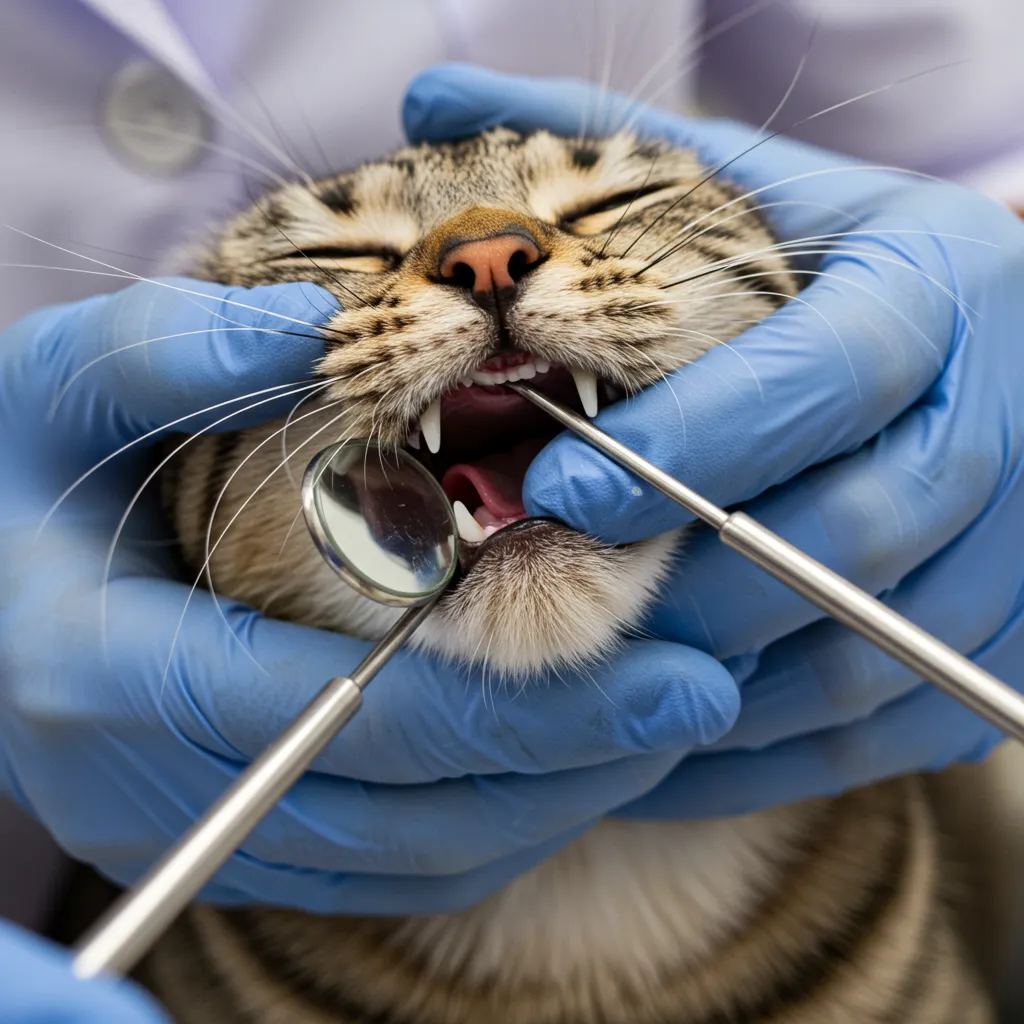
No crystal ball here—just smart sleuthing. Diagnosis starts with your story: “When did the drooling start? Any weight dips?” Then, the exam.
Step-by-Step: From Exam to X-Rays
- Visual Vortex: Vets lift lips for the “fiery red” tell—swollen gums hugging teeth like a bad hug.
- Probe and Pain Check: Gently testing for bleeding or recession (gums pulling from teeth).
- Imaging Insider: Full-mouth X-rays spot hidden abscesses or resorptive lesions in 70% of cases.
- Bloodwork Basics: Rules out kidney issues or FIV/FeLV; urinalysis catches dehydration early.
- Biopsy Backup: For severe cases, a tissue sample confirms no cancer mimics.
Under anesthesia for safety—cats hate mouth pokes! Cost? $300–$800, but it’s your ticket to targeted cat stomatitis treatment.
Your Treatment Playbook: Cat Stomatitis Treatment Options That Actually Work
No cookie-cutter cures, but a combo punch packs the biggest wallop. Start conservative, escalate if needed—80% see major wins.
Medical First Aid: Pain Relief for Cats with Stomatitis
Pain is public enemy #1—address it Day 1 to keep eating up.
- Buprenorphine Bliss: Liquid drops absorbed through cheeks; 3–5 days of relief, dosed at 0.01–0.03 mg/kg.
- NSAIDs Like Meloxicam: Reduces swelling; watch for kidney cats.
- Steroid Shot: Prednisone injections calm flares but aren’t long-haul heroes (diabetes risk after 6+ months).
Pros/Cons Table:
| Medication | Pros | Cons |
|---|---|---|
| Buprenorphine | Fast-acting, non-invasive | Sedation in some; $50–$100/course |
| Meloxicam | Long-lasting inflammation drop | GI upset risk; vet monitoring needed |
| Prednisone | Quick immune calm | Weight gain, long-term side effects |
The Big Guns: Feline Stomatitis Surgery Explained
When meds falter (as in 70% of chronic cases), extractions shine. Partial (back teeth) or full-mouth removal zaps plaque sources.
Pros:
- 67% full resolution; cats eat dry food post-heal!
- Life-changing: Many gain weight, groom happily.
Cons:
- Upfront cost: $1,000–$3,000 (insurance helps).
- Anesthesia risks (rare, <1%).
Step-by-Step Surgery Guide:
- Pre-Op Prep: Bloodwork, fasting; switch to soft food 1 week prior.
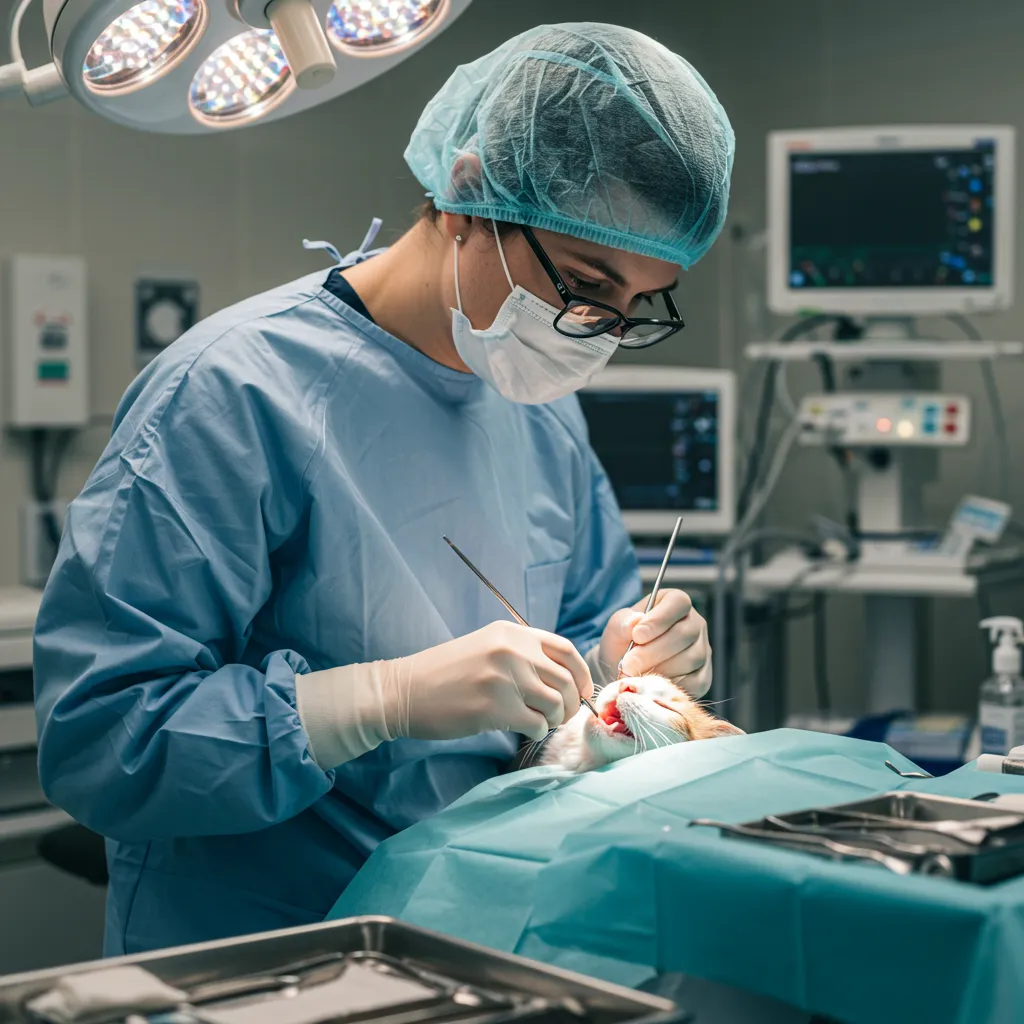
- The Procedure: Under gas anesthesia, X-rays guide extractions; laser seals tissues for less bleed.
- Immediate Post-Op: Home same day; ice packs for swelling.
Road to Recovery: Feline Stomatitis Recovery Timeline and Milestones
Healing isn’t overnight, but it’s rewarding. Most cats perk up in days; full wins in months.
Week-by-Week: What to Expect in Cat Oral Surgery Recovery
- Days 1–3: Swelling peaks—soft food only, pain meds on board. Appetite may dip; syringe-feed if needed.
- Weeks 1–2: Stitches dissolve; bleeding stops. Introduce pureed wet food.
- Month 1: Gums pink up; weight stabilizes. Signs of improvement in cat stomatitis? Less drool, eager eats.
- Months 2–6: Full energy return; monitor for flares.
Timeline Chart (Imagine this as a simple progress bar—soft foods fade out, playtime ramps up):
| Week | Recovery Focus | Pro Tip |
|---|---|---|
| 1 | Pain control, hydration | Add water to food; weigh daily. |
| 4 | Soft texture trial | Blend kibble if transitioning. |
| 12 | Normal diet test | Celebrate with tuna treats! |
Story time: Milo, post-full extraction, scarfed pate on night one. By week 3, he was “kissing” his owner—pure joy.

Fueling the Fight: Best Food for Cats with Stomatitis and Diet Changes
Diet isn’t a cure-all, but it’s a powerhouse for stomatitis cat diet change. Soft, anti-inflammatory eats ease pain and starve bacteria.
Top Picks: Stomatitis-Friendly Foods
- Canned Classics: Grain-free like Weruva or Tiki Cat—high protein, low carb. Aim for 70% moisture.
- Prescription Pals: Hill’s a/d or Royal Canin Recovery for nutrient boosts during flares.
- Homemade Heroes: Blended chicken/turkey with pumpkin (vet-formulated recipes only—balance is key).
Numbered List for Easy Switches:
- Assess Current: Ditch dry kibble; it scrapes sores.
- Go Wet: 3–4 meals/day, warmed slightly for appeal.
- Add Boosters: Omega-3 fish oil (100mg EPA/DHA daily) cuts inflammation 30%.
- Monitor Magic: Track intake; adjust for allergies (beef often culprits).
Avoid: Sugary treats or raw bones they feed the fire.
Gentle Giants: Home Remedies for Cat Stomatitis and Natural Treatments
While not standalone, these complement vet care for natural treatments for stomatitis in cats. Always vet-check first—safety first!
Safe, Soothing Home Remedies for Cat Stomatitis
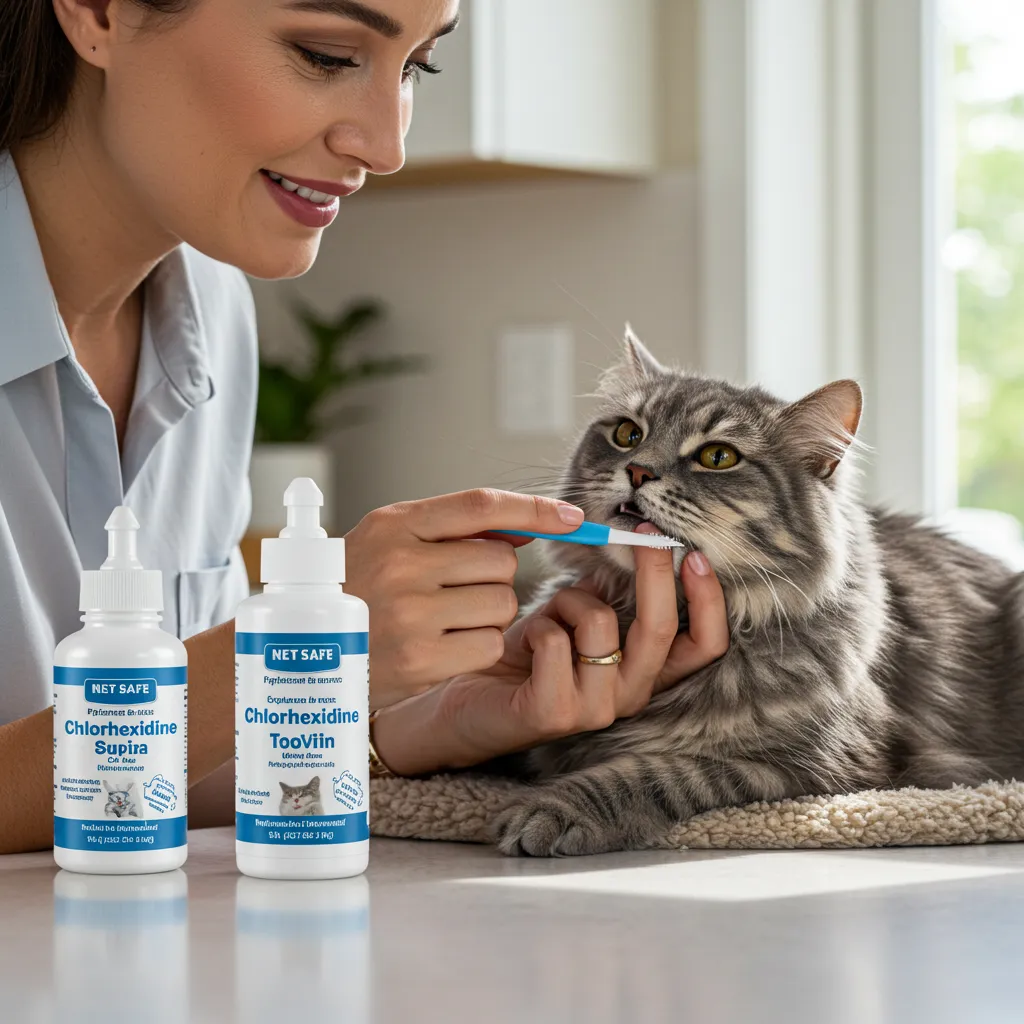
- Chlorhexidine Rinse: 0.12% gel swiped 2x/day kills bugs without sting.
- Aloe Vera Gel: Pure, inner-leaf applied topically soothes ulcers (dilute 1:1 water).
- Probiotics Punch: FortiFlora packets restore gut-mouth balance.
Pros/Cons:
| Remedy | Pros | Cons |
|---|---|---|
| Chlorhexidine | Proven antibacterial | Bitter taste (hide in tuna juice) |
| Aloe | Natural anti-inflammatory | Only pet-safe brands |
| Probiotics | Boosts immunity long-term | Slow results (2–4 weeks) |
One caveat: Skip unproven “miracle” herbs like echinacea without guidance—overkill can upset tummies. For more, link to our cat dental care guide.
Beyond Surgery: Managing Chronic Feline Stomatitis for the Long Haul
For the 20–40% needing ongoing cat stomatitis management, it’s about smart maintenance—not defeat.
Long-Term Strategies: Post-Surgery Care for Cats and Beyond
- Med Cycles: Cyclosporine for refractory cases—77% improvement in trials.
- Laser Lifeline: CO2 sessions zap proliferative tissue; adjunct for 50% better outcomes.
- Check-Up Cadence: Every 3–6 months; home brushing 3x/week.
Feline stomatitis life expectancy? With this, normal—many hit teens comfy.
Wrapping It Up: Your Cat’s Path to Purr-fect Health
Whew—we’ve covered the gamut, from those gut-punch symptoms of stomatitis in cats to game-changing feline stomatitis surgery and savvy managing chronic feline stomatitis tips. Remember: How long can a cat live with stomatitis? As long as any pampered pet—often a decade-plus—with proactive cat oral health care, timely pain relief for cats with stomatitis, and tweaks like a stomatitis cat diet change. You’re not just treating a condition; you’re reclaiming joyrides with laser pointers and lap cuddles.
Don’t let stomatitis steal another day. Book that vet consult today—early action is your superpower. Got a win story or question? Drop a comment below; let’s build this community. Subscribe for more cat health problems and treatments intel, and check our related post on cat dental health tips. Your kitty’s best life? It’s paw-sible. 🐾
FAQ: Your Burning Questions on Cat Stomatitis Answered
Got snippet-sized curiosities? We’ve got you—optimized for those Google “People Also Ask” moments.
How long can a cat live with stomatitis?
With treatment like extractions, 10–15+ years, matching average lifespans. Untreated, risks shorten it via complications.
What is the prognosis for cats with stomatitis?
Excellent—60–90% achieve full or substantial remission post-treatment; chronic cases manageable lifelong.
How can I manage stomatitis in my cat?
Extractions + pain meds first; follow with soft diets, brushing, and 3-month vet checks.
What are some tips for cat oral health?
Daily enzymatic toothpaste brushing, dental diets, and annual cleanings slash risks by 80%.
How is stomatitis diagnosed in cats?
Via oral exam, X-rays, and bloodwork under anesthesia to rule out mimics.
What causes stomatitis in cats?
Immune overreaction to plaque bacteria, often with viral assists like calicivirus.
What are the treatment options for stomatitis in cats?
Meds (steroids, antibiotics), extractions (partial/full), laser therapy; 80% success rate combined.
What are the benefits of cat oral surgery for stomatitis?
Eliminates pain sources; 67% full resolution, better eating/quality of life.
How do cats recover from stomatitis surgery?
Swelling fades in 7–10 days; full appetite by week 2; monitor weight monthly.
How can I manage feline stomatitis in the long term?
Diet tweaks, probiotics, and cyclosporine for flares; regular dentals keep it at bay.