Designing a Cat-Friendly Home: The Ultimate Guide to a Stylish, Safe, and Happy Feline Sanctuary
Introduction: The Art and Science of Creating Purr-fect Harmony
Imagine walking into a home that feels like a sanctuary for both you and your feline companion—a space where sleek design meets whisker-twitching functionality, where every corner invites curiosity and every surface offers comfort. This isn’t just about adding a scratching post next to your sofa; it’s about fundamentally rethinking your living space through a cat’s eyes.
Designing a cat-friendly home represents the beautiful intersection of animal behavior science, interior design, and compassionate care. It’s the difference between merely housing a cat and co-creating an environment where they can truly thrive. Whether you’re welcoming your first kitten, seeking to improve your current setup, or planning a full-scale renovation with your feline family in mind, this comprehensive guide will transform how you approach your shared space.
The modern cat owner faces a unique challenge: balancing aesthetic preferences with their cat’s instinctual needs. The solution isn’t to sacrifice style for functionality, but to integrate both seamlessly. A well-designed cat-friendly home reduces behavioral issues, strengthens your bond, and creates a more peaceful, engaging environment for everyone. Let’s explore how to transform your house into a haven that celebrates both human comfort and feline nature.
Key Takeaways:
- A cat-friendly home addresses five core feline needs: safety, territory, stimulation, comfort, and resources
- Vertical space is as important as floor space for cat wellbeing
- Strategic placement of resources (food, water, litter) can prevent stress and behavioral issues
- Safety-proofing protects both your cat and your belongings
- Enrichment elements should be integrated naturally into your décor
Understanding Your Cat’s World: The Feline Perspective
Before moving furniture or buying products, we must enter the feline mind. Cats perceive and interact with their environment differently than humans do. They’re territorial creatures who value security, routine, and controlled exploration. Their wild ancestors were both predators and prey, which explains their conflicting desires for high vantage points and secure hiding spots.
The Five Pillars of Feline Environmental Needs:
- Security: Safe places to retreat and observe
- Territory: Multiple, separate resource stations
- Play & Predatory Outlets: Opportunities to express natural hunting behaviors
- Human-Cat Interaction: Positive, predictable engagement
- Environmental Respect: Scents, sounds, and textures that respect their sensitive nature
When designing a cat-friendly home, consider these pillars in every decision. For instance, a cat who feels insecure about their food location (too exposed, too close to litter) may develop stress-related issues. Understanding these needs helps prevent common problems before they start.
The Vertical Advantage: Creating a Three-Dimensional Habitat
Cats are climbers by nature. In the wild, elevation means safety, better hunting opportunities, and temperature regulation. In your home, vertical space utilization can dramatically reduce conflicts, especially in multi-cat households, and provide essential mental stimulation.
Strategic Vertical Elements:
Cat Trees and Towers:
Choose structures that serve multiple purposes scratching, perching, resting, and playing. Position them near windows for entertainment value, but ensure they’re stable enough for enthusiastic climbing. The best cat trees offer varying textures (carpet, sisal, wood) and include enclosed cubbies for privacy.
Wall-Mounted Systems:
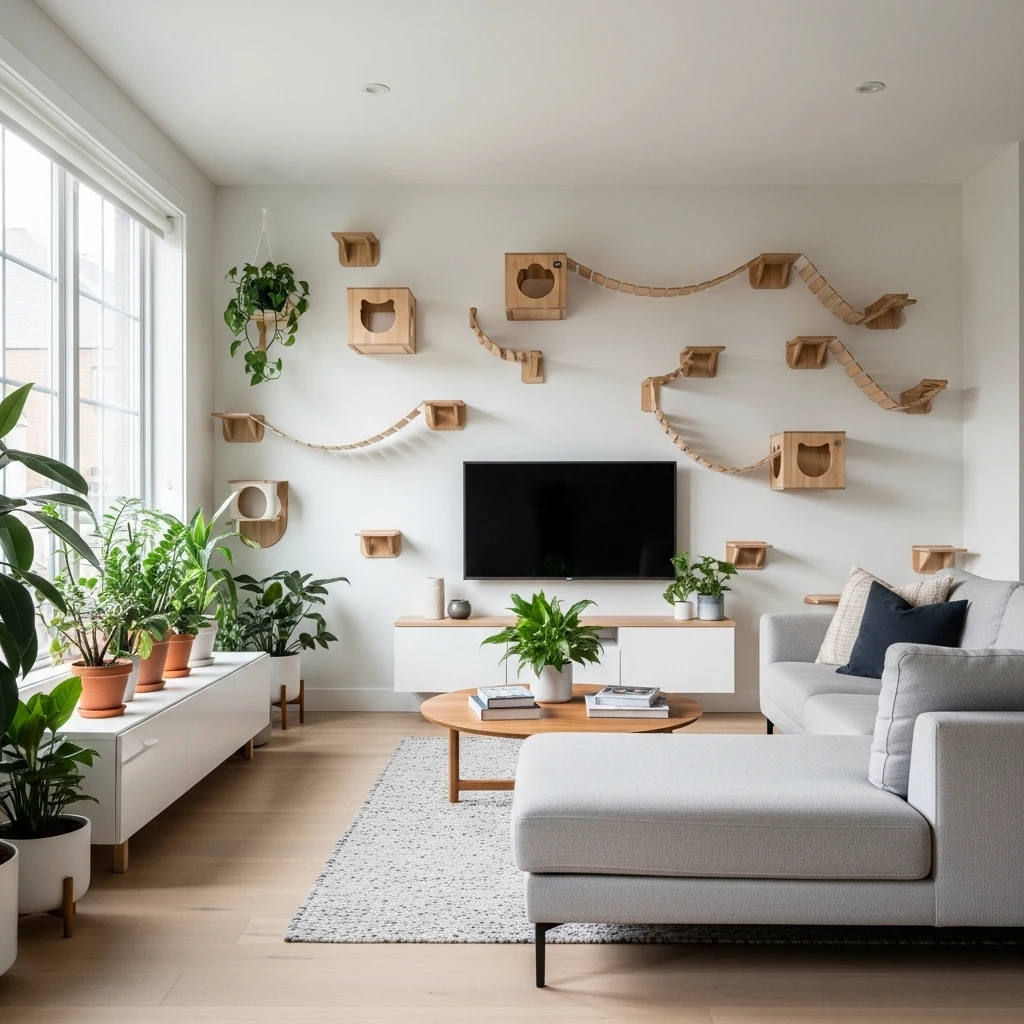
Modern wall-mounted shelves, bridges, and steps create an aerial highway that keeps cats engaged without sacrificing floor space. These systems work particularly well in apartments or smaller homes. Arrange them in a circuit that allows movement between different areas of the room.
Window Perches:
Cats spend hours watching the outside world it’s television, theater, and enrichment channel all in one. Install sturdy window perches with comfortable padding. Consider heated versions for colder climates, as cats seek warmth.
Top of Furniture Access:
If your cat already jumps on bookcases or cabinets, make it official. Ensure these surfaces are stable and clear space for them. Place a non-slip mat or small blanket to define their spot and protect your furniture.
Pro Tip: Create multiple vertical pathways to key resources. For example, a shelf pathway leading from a resting area to a window perch, then down to a feeding station. This mimics natural movement patterns and provides daily enrichment through simple navigation.
The Resource Placement Revolution: Beyond the Basics
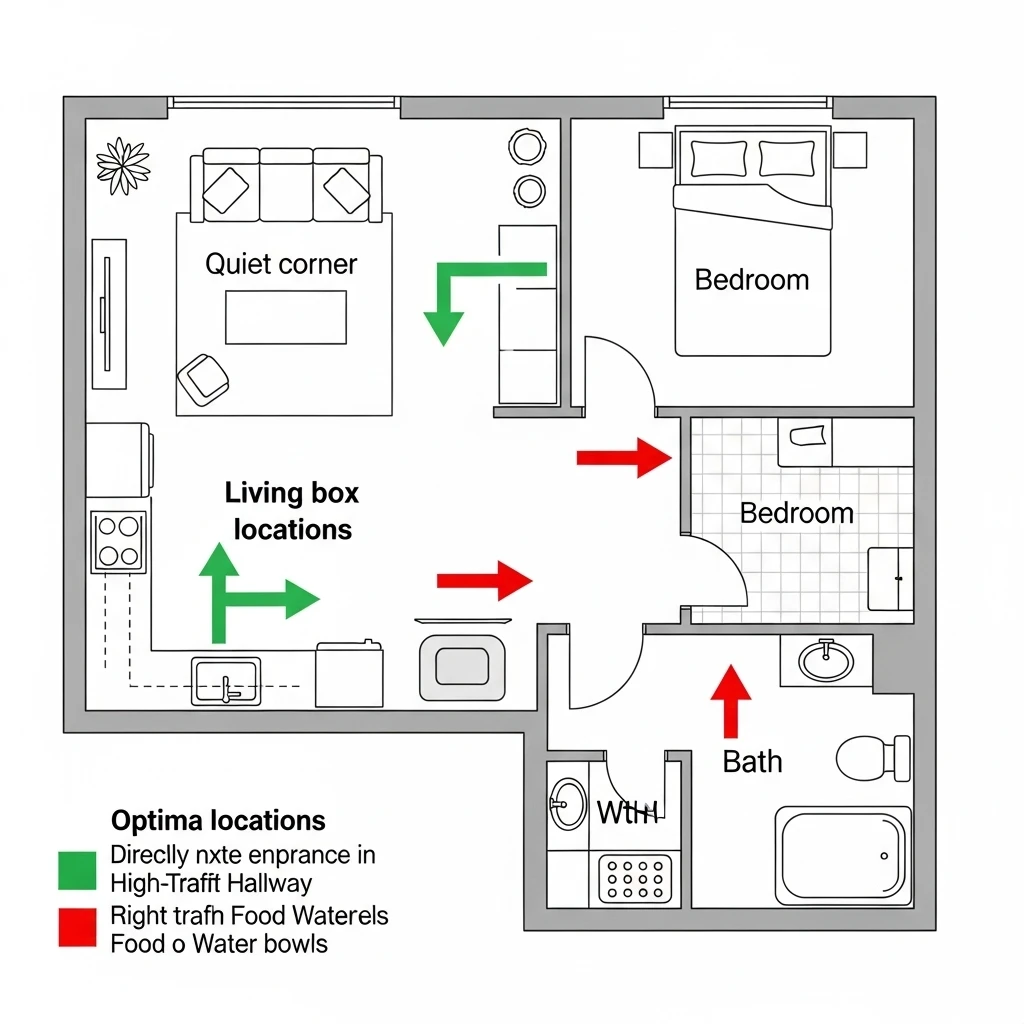
The arrangement of food, water, and litter resources significantly impacts cat stress levels and behavioral health. Traditional placement often overlooks feline preferences, leading to litter box avoidance, resource guarding, or anxiety.
Food and Water Stations:
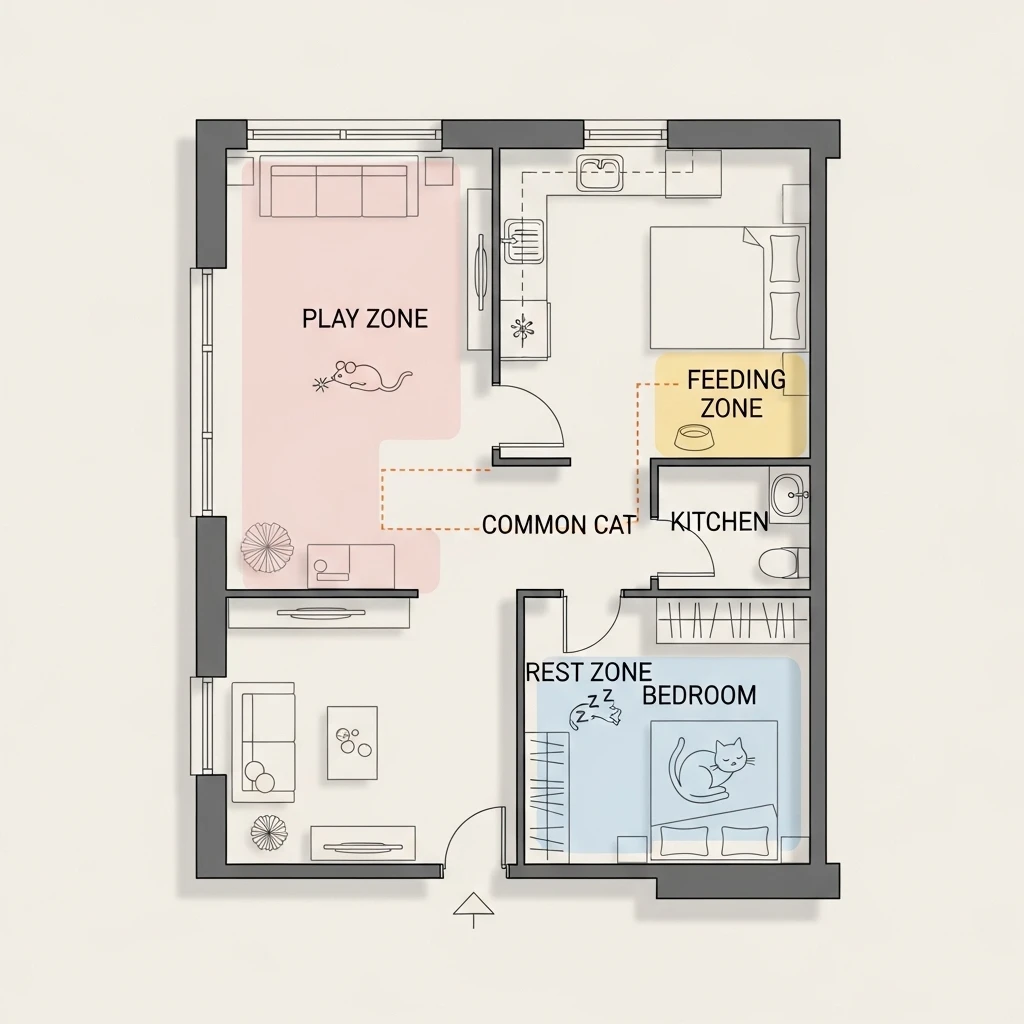
- Separate Locations: Place food and water bowls in different areas. Cats instinctively avoid drinking near their food (contaminated water in nature).
- Quiet Zones: Feed cats in low-traffic areas where they won’t be startled while eating
- Elevated Options: Some cats prefer raised bowls, especially older cats or those with arthritis
- Multiple Stations: In multi-cat homes, provide N+1 stations (one more than the number of cats) to prevent competition
Discover more tips in our guide to cat feeding schedules and behavior and learn about how diet affects cat energy and coat.
Litter Box Strategy:
The golden rule: one box per cat, plus one extra. But placement matters equally:
- Avoid High-Traffic Areas: But not so remote that your cat feels vulnerable
- Separate from Food: At minimum, place in different corners of a room
- Multiple Exits: Ensure cats don’t feel trapped while using the box
- Low-Sided Entries: Especially important for kittens, seniors, or cats with mobility issues
- Unscented Litter: Cats prefer unscented options with a soft, sand-like texture
Explore our detailed guide on cat litter box problems and litter training solutions.
Safety First: Cat-Proofing Your Home Beautifully
A cat-friendly home must first be a safe home. Many common household items pose hidden dangers, and prevention is always simpler than emergency vet visits.
Hidden Hazards and Solutions:
Toxic Plants:
Many popular houseplants are poisonous to cats. Replace dangerous varieties with safe options like spider plants, Boston ferns, or cat grass.
Learn more about cat-safe indoor plants and what to do if your cat ate a toxic plant.
Window and Balcony Security:
Cats can fall from incredible heights, suffering “high-rise syndrome.” Install secure screens or window guards that allow fresh air without risk.
Electrical Cord Management:
Use cord concealers, bitter apple spray, or cord wraps to prevent chewing. Consider wireless alternatives where possible.
Small Object Storage:
Hair ties, rubber bands, and small toys can cause intestinal blockages if swallowed. Store these in closed containers.
Chemical Safety:
Secure cleaning supplies, medications, and antifreeze. Many cats are attracted to sweet-tasting chemicals with fatal consequences.
Furniture Stability:
Secure tall bookcases and televisions to walls. Cats jumping on unstable furniture can cause serious injuries.
Discover common invisible cat hazards at home you might be overlooking.
Enrichment Through Design: Creating a Stimulating Environment
Boredom leads to behavioral issues in cats. A well-designed home provides daily mental and physical stimulation through its very structure.
Integrated Enrichment Ideas:
Hunting Sequence Stations:
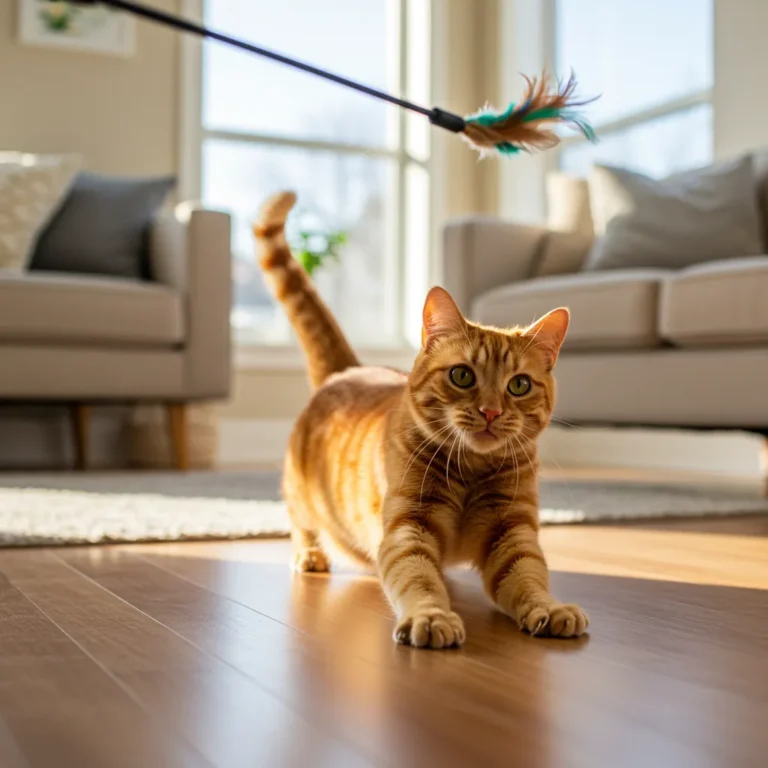
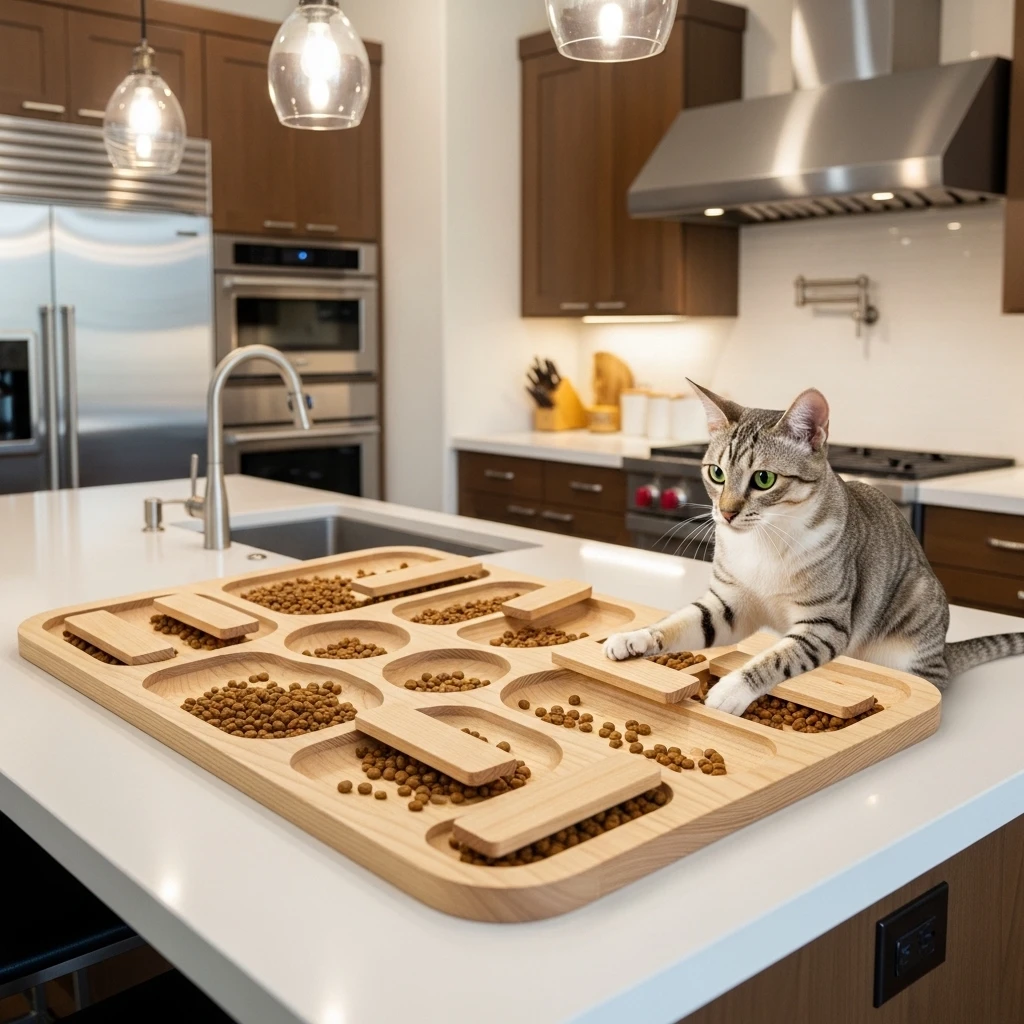
Create a “hunt, catch, kill, eat” circuit. Hide toys along a pathway leading to a food puzzle or meal. This satisfies predatory instincts healthily.
Sensory Variety:
Incorporate different textures throughout your home: soft blankets, cool tiles, scratchable surfaces, grassy mats. Cats explore through touch.
View Stations:
Position perches near windows with bird feeders or activity outside. Rotate which windows have access to maintain novelty.
Controlled Exploration:
Use baby gates to create “zones” that can be opened during supervised exploration. This maintains novelty without overwhelming your cat.
Puzzle Integration:
Incorporate food puzzles into your décor. Modern, attractive puzzle feeders can sit alongside decorative objects.
Explore more cat enrichment ideas that look expensive and DIY cat toys you can make today.
Multi-Cat Household Design: Peaceful Coexistence
Multiple cats require thoughtful design to prevent resource competition and reduce stress. Cats in nature would have separate territories; we must recreate this separation within shared spaces.
Essential Multi-Cat Considerations:
Resource Distribution:
Place food, water, litter, and resting spots in multiple locations—not lined up in a row. This prevents one cat from guarding all resources.
Visual Breaks:
Use furniture, room dividers, or shelving to create visual barriers. Cats appreciate being able to avoid direct eye contact while moving through shared spaces.
Vertical Escape Routes:
Ensure cats can pass each other at different heights. A wall-mounted system that allows one cat to travel above another prevents confrontations.
Separate Core Areas:
Even bonded cats appreciate having their own “base camp” with their preferred bed and toys.
Observation Periods:
Monitor which resources each cat prefers. Some may prefer elevated eating stations while others want floor-level options.
Learn about multi-cat home dynamics and how to introduce cats properly.
Style Meets Function: Aesthetic Solutions for Cat Needs
Your home can be both beautiful and cat-functional. Modern design offers numerous solutions that integrate seamlessly with various décor styles.
Design-Forward Cat Products:
Discreet Litter Solutions:
Furniture-style litter cabinets, hidden in benches or side tables, contain odors while blending with your décor.
Built-in Feeding Stations:
Consider creating a feeding nook in kitchen cabinetry with pull-out trays for easy cleaning.
Custom Scratching Surfaces:
Replace traditional posts with wall-mounted sisal panels, decorative scratching logs, or integrated staircase scratchers.
Cohesive Resting Areas:
Choose cat beds that complement your color scheme and texture palette. Many modern designs look like decorative pillows or furniture.
Hidden Play Areas:
Create access points to “secret” spaces behind bookshelves or under staircases where toys can be stored and used.
Get inspired by minimalist cat shelves and Scandinavian cat interiors.
Room-by-Room Guide to Cat-Friendly Design
Living Room: The Social Hub
- Create vertical pathways around the perimeter
- Place scratching options near seating (where you are)
- Include cozy resting spots with a view of family activities
- Hide charging cords and secure electronics
- Use durable, washable fabrics on furniture
Kitchen: The Resource Center
- Separate feeding area from cooking/prep zones
- Provide water source away from food (consider a pet fountain)
- Secure trash and recycling bins
- Create a quiet eating space away from foot traffic
- Ensure safe plants on windowsills
Bedroom: The Sanctuary
- Offer elevated resting spots with views
- Provide under-bed access or alternative hiding spots
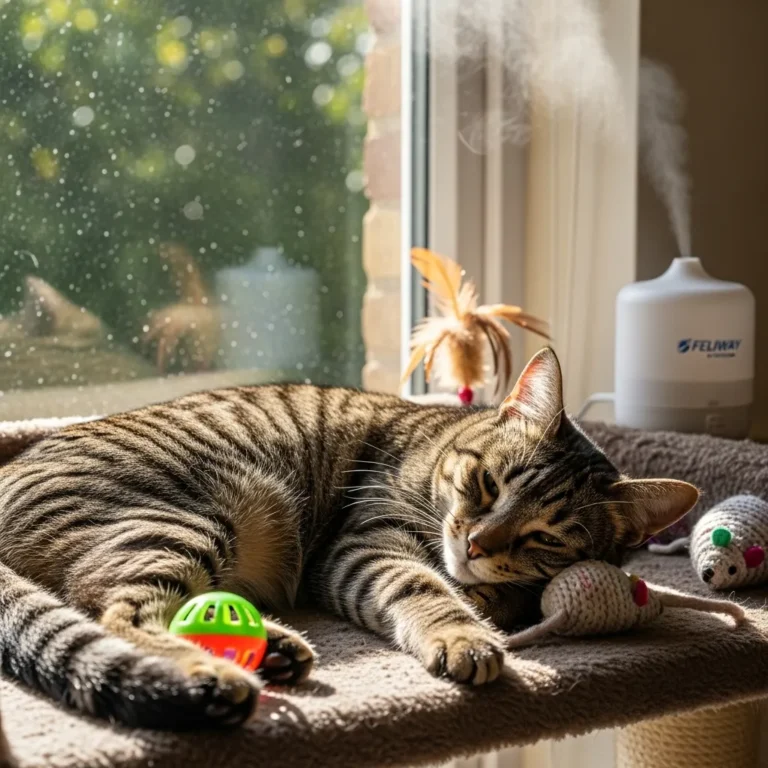
- Use calming pheromone diffusers near resting areas
- Keep small items (jewelry, hair accessories) secured
- Consider a designated “cat corner” with their bed and toys
Home Office: The Supervised Space
- Create a comfortable perch near your desk
- Provide appropriate chewing alternatives for cords
- Include interactive toys for break-time engagement
- Designate a “do not disturb” cat bed for meetings
- Secure paperwork and small office supplies
Find specific ideas for cat room decor and home office setups that work for both of you.
Special Considerations: Life Stages and Needs
Kittens:
- More frequent, smaller resting areas throughout home
- Lower climbing options with soft landing spots
- Multiple, very accessible litter boxes with low sides
- Extensive cord protection and small-object management
- Interactive play stations to burn energy
Senior Cats:
- Ramps or steps to favorite elevated spots
- Orthopedic bedding in warm locations
- Multiple water stations to encourage hydration
- Lower-sided litter boxes for easy access
- Non-slip flooring surfaces
- Heated beds for arthritic joints
Cats with Special Needs:
- Blind/deaf cats: maintain consistent furniture arrangement
- Anxious cats: create more hiding opportunities and visual barriers
- Physically limited cats: ensure all resources on one accessible level
- Diabetic cats: establish consistent feeding station routines
Learn about senior cat care adjustments and life stage nutrition.
The Maintenance Mindset: Sustainable Cat-Friendly Living
A beautiful cat-friendly home requires maintenance routines that respect both aesthetics and feline needs.
Daily:
- Quick litter box scooping
- Fresh water in clean bowls
- Brief play sessions to maintain pathways
- Check for safety hazards (loose strings, accessible small objects)
Weekly:
- Complete litter change and box washing
- Wash bedding and blankets
- Wipe down vertical surfaces and perches
- Inspect climbing structures for stability
- Rotate toys to maintain novelty
Monthly:
- Deep clean food and water stations
- Trim any sisal scratching surfaces that have become frayed
- Check window screens and safety installations
- Reassess resource placement based on your cat’s current preferences
Discover cat grooming hacks and cleaning tips for a fresh-smelling home.
Frequently Asked Questions About Designing a Cat-Friendly Home
Q: How much does it cost to create a cat-friendly home?
A: Costs range significantly based on approach. DIY solutions using existing furniture and creativity can cost almost nothing, while full renovations with custom installations can reach thousands. Most homeowners spend between $200-$800 on strategic additions like quality cat trees, window perches, and puzzle feeders.
Q: Can I have a cat-friendly home with nice furniture?
A: Absolutely. Choose furniture with durable, washable fabrics like microfiber, leather, or tightly-woven synthetics. Provide appealing scratching alternatives near furniture, use protective covers when needed, and trim your cat’s nails regularly. Many stylish furniture pieces now integrate cat-friendly features.
Q: How do I stop my cat from scratching the wrong things?
A: Place appropriate scratching surfaces (vertical and horizontal options with different textures) near the “off-limits” items. Use catnip or silver vine to attract them to correct surfaces. Consider soft nail caps for temporary protection while training. Never punish scratching redirect to appropriate surfaces.
Q: My cat seems bored with their environment. How can I refresh it?
A: Cats thrive on novelty. Rotate toys weekly, create new pathways with temporary furniture arrangements, introduce new textures (a cardboard box, a bamboo mat), or set up a bird feeder outside a rarely-used window. Even moving a bed to a new location can provide mental stimulation.
Q: How do I create a cat-friendly home in a small apartment?
A: Maximize vertical space with wall-mounted systems. Use multi-functional furniture (ottomans with hidden beds, shelves with integrated perches). Create zones using room dividers. Utilize windowsills and the tops of cabinets. The key is thinking upward rather than outward.
Q: What’s the single most important element of a cat-friendly home?
A: Security and choice. Your cat needs to feel safe while having options multiple resting spots, multiple escape routes, multiple resources. A secure cat with choices is a confident, content cat.
Conclusion: Your Journey to Feline-Human Harmony
Designing a cat-friendly home isn’t a one-time project but an evolving practice of observation, adaptation, and mutual respect. Start with one change perhaps separating food and water stations or adding a single window perch and observe how your cat responds. Small adjustments often create significant improvements in behavior and wellbeing.
Remember that every cat is unique. What works for a playful Bengal may not suit a sedate Persian. Your home should reflect both your aesthetic values and your specific cat’s personality, age, and preferences. The most successful designs emerge from watching how your cat naturally uses space and enhancing those patterns.
The ultimate goal isn’t perfection but progress toward a home where both species flourish where your cat exhibits natural behaviors in appropriate ways, and where you enjoy a peaceful, beautiful living space strengthened by the quiet joy of feline companionship.
Continue your journey toward creating the perfect feline-human habitat. Explore more expert cat care, behavior, and design guides on Cat Bloom Haven, where we combine evidence-based advice with real-life practicality for modern cat owners.