The Complete Guide to a Cat’s Nutritional Needs at Every Life Stage
Key Takeaways: Understanding a Cat’s Nutritional Needs at Every Life Stage
Before we dive deep, here’s what every cat guardian needs to know:
- Kittens (0-12 months) require nearly 3x more calories per pound than adult cats, with precise calcium-to-phosphorus ratios for bone development.
- Adult Cats (1-7 years) need high-protein, moderate-fat diets tailored to their activity level, with careful weight management being crucial.
- Senior Cats (7+ years) benefit from increased omega-3s, reduced phosphorus, and often need moisture-rich foods to support kidney function and hydration.
- Special Life Stages including pregnancy, lactation, and recovery require calorie-dense, highly digestible formulas with increased nutrients.
- The biggest mistake is feeding the same food from kittenhood through senior years without adjustment for changing metabolic needs.
Introduction: Why One Diet Doesn’t Fit All Nine Lives
If you’ve ever watched a kitten pounce with relentless energy, an adult cat maintain its sleek physique, or a senior feline enjoy a sunny nap, you’ve witnessed the remarkable transformation that occurs across a cat’s lifespan. What fuels these changes? Nutrition the precise, evolving alchemy of proteins, fats, vitamins, and minerals that literally builds their bodies from the inside out.
Understanding a cat’s nutritional needs at every life stage isn’t just about following package directions; it’s about recognizing that your cat is a biological masterpiece whose requirements shift dramatically from their first curious bite to their golden years. Get this right, and you’re not just feeding a cat you’re supporting optimal development, maintaining vibrant health, and potentially adding quality years to their life.
This comprehensive guide moves beyond basic feeding charts to explore the why behind nutritional science. We’ll translate veterinary research into practical strategies, helping you make confident decisions whether you’re raising a spirited kitten, managing an active adult, or caring for a dignified senior.
The Foundational Science: What Makes Cats Unique Eaters
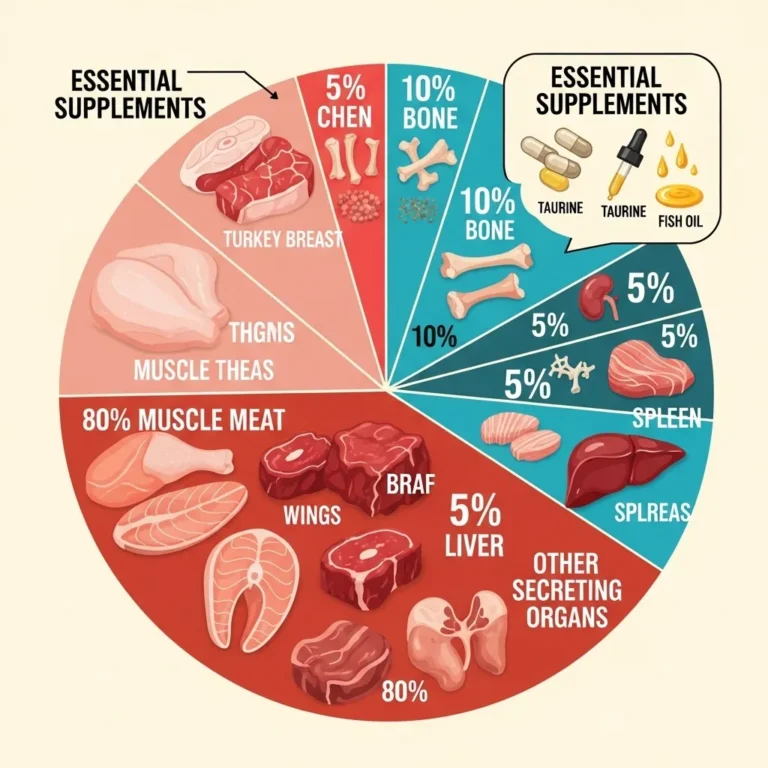
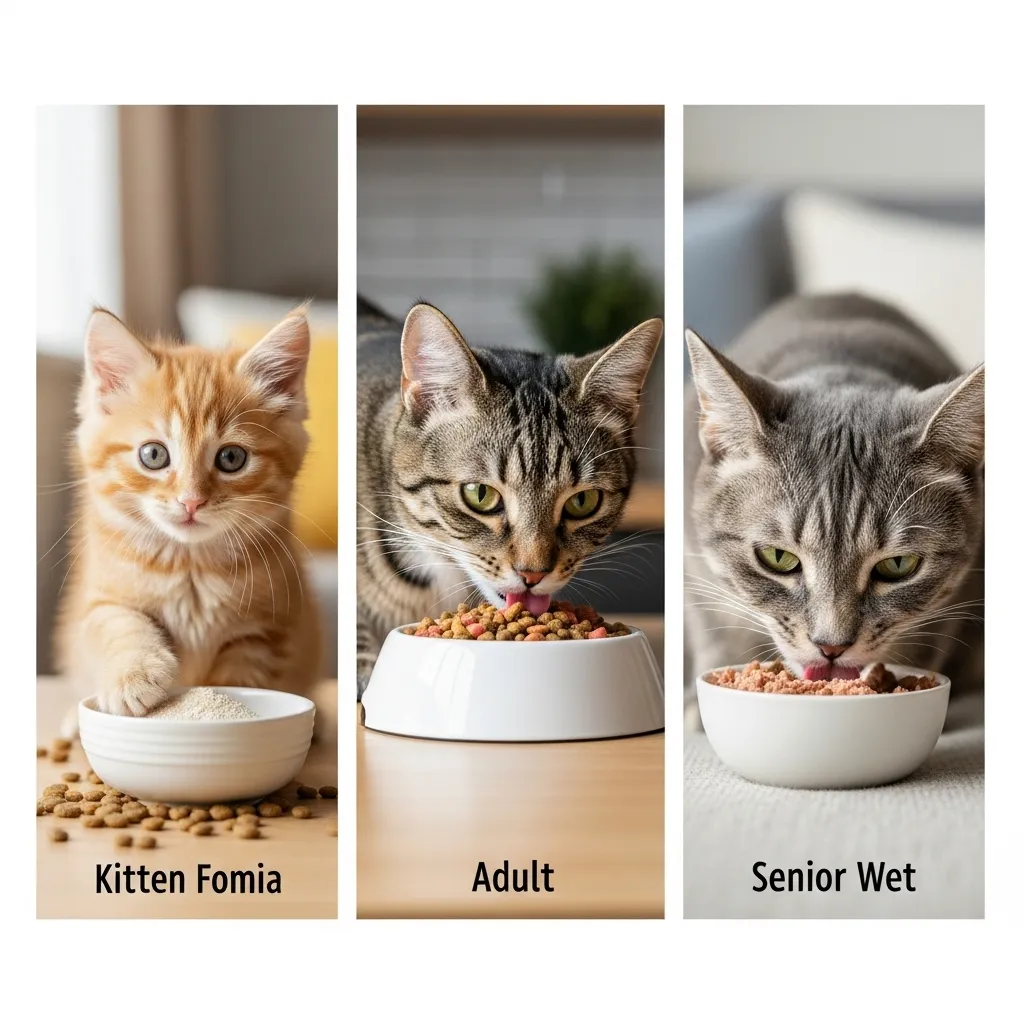
Before exploring specific life stages, we must understand the feline blueprint. Cats are obligate carnivores, a biological fact with profound nutritional implications. Unlike dogs or humans, cats have evolved to derive essential nutrients primarily from animal tissue.
Their metabolism demands:
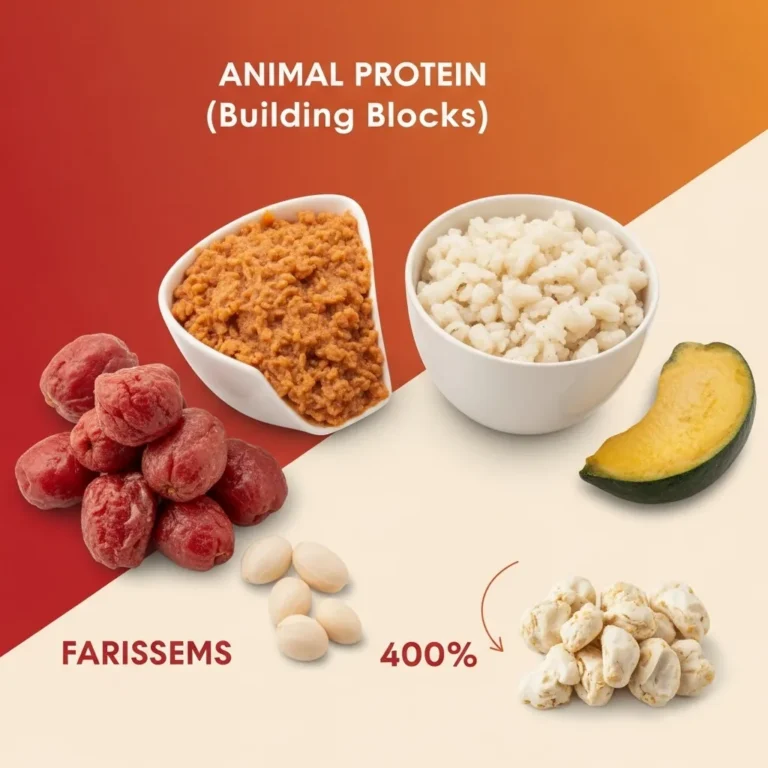
- High Animal Protein: For maintaining muscle mass, producing antibodies, and creating essential enzymes. Plant-based proteins lack complete amino acid profiles for cats.
- Taurine: An amino acid found almost exclusively in animal muscle meat, critical for vision, heart function, and reproduction. Cats cannot synthesize enough on their own.
- Arachidonic Acid: A fatty acid from animal fats necessary for skin health, kidney function, and inflammation response.
- Preformed Vitamin A: From liver and fish oils; cats cannot convert beta-carotene from plants effectively.
- Specific Vitamin B Forms: Such as niacin, which must come directly from animal sources.
This carnivorous heritage means that regardless of life stage, the foundation of a cat’s diet must be high-quality animal-based ingredients. The proportions and additional supports, however, change dramatically with age.
For a deeper look at how breed can influence dietary needs, explore our guide on Bengal cat nutrition and Maine Coon specific requirements.
Life Stage 1: Kittenhood (0-12 Months) – Building the Framework
The first year represents the most intense growth period outside of the womb. A kitten’s birth weight can multiply twenty-five times by six months. This explosive development requires precision nutrition.
Newborn to 4 Weeks: The Milk-Only Phase
For the first month, queen’s milk or a specifically formulated kitten milk replacer (KMR) provides perfect nutrition. Never give cow’s milk it causes digestive upset and lacks essential nutrients.
- Key Nutrients: Colostrum in first milk provides antibodies. Milk is high in fat and protein for brain and body growth.
- Feeding Frequency: Neonates nurse every 2-3 hours.
Weaning (4-8 Weeks): The Introduction to Solids
This is a transitional period of immense importance.
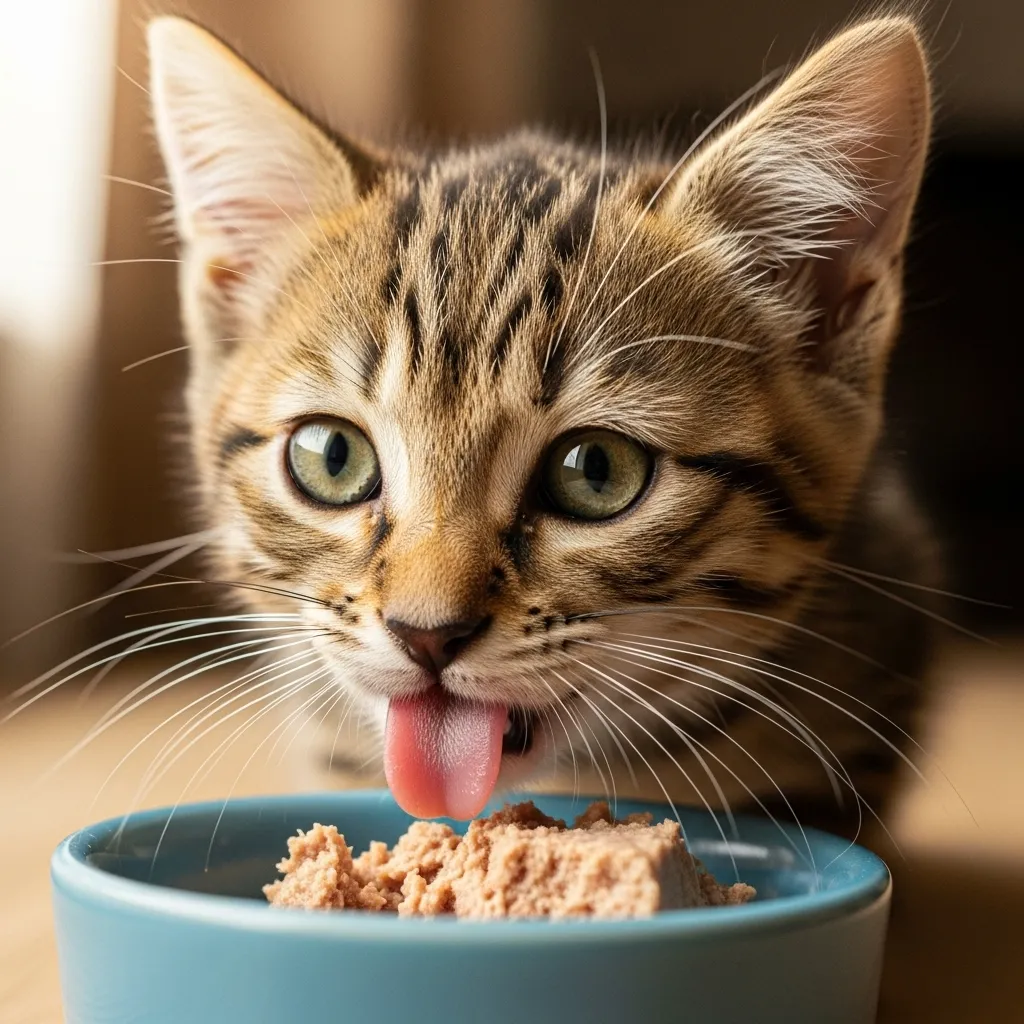
- Process: Introduce a high-quality, mushy kitten pâté or kibble soaked in warm KMR. Texture should be gruel-like.
- Nutritional Focus: Food must be highly digestible and palatable. Look for DHA (an omega-3 fatty acid) listed in ingredients it supports cognitive and visual development.
- Frequency: Offer small amounts 4-6 times daily alongside continued nursing/ bottle feeding.
Rapid Growth (2-6 Months): Peak Nutritional Demand
Calorie and nutrient needs per pound are highest during this period.
- Calories: May need 200-250 kcal/kg of body weight daily (compared to 70-80 for adults).
- Protein: Minimum 30% on a dry matter basis from high-quality animal sources.
- Calcium & Phosphorus: Crucial for skeletal development. Look for a calcium-to-phosphorus ratio between 1:1 and 1.5:1.
- Feeding Style: Free-choice feeding is often recommended for kittens under 6 months to support constant growth. Always ensure fresh water is available.
Adolescent (6-12 Months): Slowing Growth, Establishing Habits
Growth rate slows, but development continues.
- Transition: Can begin scheduled meals (2-3 times daily).
- Spay/Neuter Impact: Metabolism may slow post-surgery. Monitor intake to prevent excessive weight gain. Learn about post-surgery care and nutrition.
- Key Practice: This is the ideal window to expose kittens to different textures (pâté, chunks, gravy, kibble) to prevent future food neophobia.
Common Kitten Feeding Mistake: Switching to adult food too early. Kittens need the concentrated nutrition of kitten formula until at least 12 months old (larger breeds like Maine Coons may need 18-24 months).
Discover more about kitten development in our guide on how to raise a kitten.
Life Stage 2: Adult Maintenance (1-7 Years) – The Art of Balance
The goal shifts from growth to optimal maintenance. Nutrition should support a lean body condition, sustained energy, and disease prevention.
Nutritional Profile for the Healthy Adult Cat:
- Protein: 25-30% on a dry matter basis remains essential. Quality is paramount.
- Fat: 10-20% provides energy and supports skin/coat health. Adjust based on activity.
- Carbohydrates: Minimal requirement. Cats utilize protein and fat for energy more efficiently. High-carb diets can lead to obesity and diabetes.
- Moisture: Often overlooked. Cats have a low thirst drive. Incorporating wet food significantly increases total water intake, supporting urinary tract health. Compare options in our best wet cat food guide.
Tailoring to Lifestyle: The “Couch Potato” vs. “Explorer”
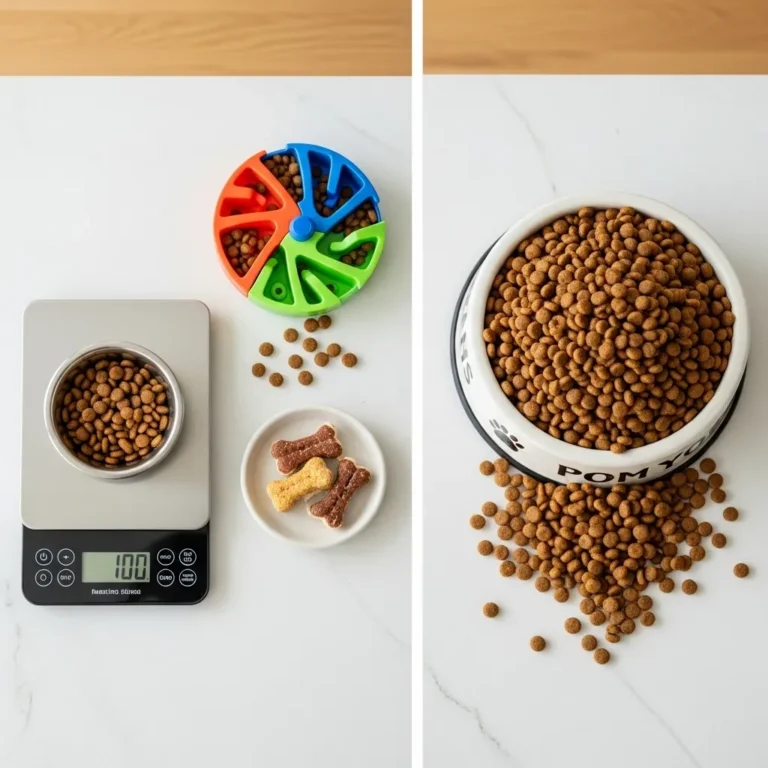
- Indoor, Low-Activity Cats: Prone to weight gain. Need carefully measured portions, potentially a light formula, and interactive feeding (puzzle toys) to stimulate mind and body.
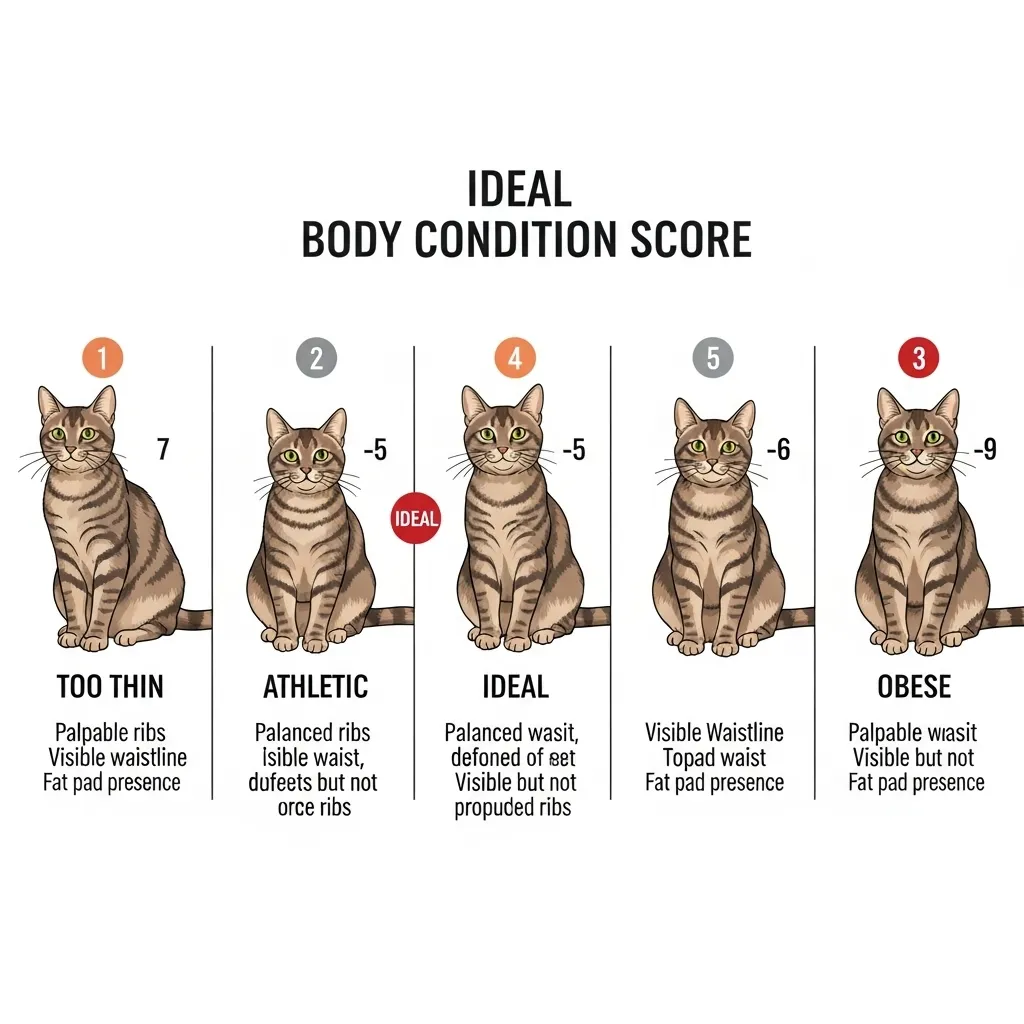
- Active, Agile Cats: May require more calories and protein to maintain muscle mass. Monitor body condition score (you should feel ribs with a slight fat cover; see a visible waist).
Weight Management: The Critical Component
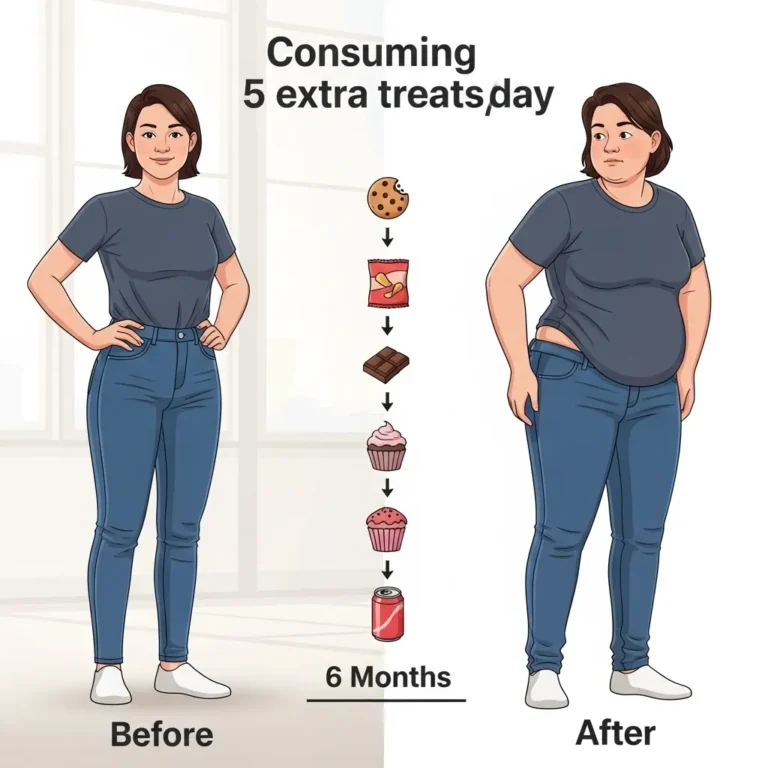
Obesity is the #1 nutritional disorder in cats, leading to diabetes, arthritis, and urinary issues.
- Portion Control is Key: Use a measuring cup or kitchen scale. Follow package guidelines as a starting point, then adjust based on your individual cat’s metabolism.
- Feeding Frequency: Most adults thrive on two measured meals per day. This mimics natural hunting rhythms and prevents gorging.
- Assess Regularly: Monthly weigh-ins and body condition checks are essential.
If your cat is struggling with weight, our cat obesity guide offers practical solutions.
Life Stage 3: The Senior & Geriatric Cat (7+ Years) – Supporting Graceful Aging
“Senior” isn’t just a number; it’s a biological shift. Metabolism slows, organ function may decline, and mobility can change. Nutrition becomes a powerful tool for compression of morbidity maximizing healthy years.
Key Nutritional Adjustments for Seniors:
- Increased Protein (with caution): Older cats need high-quality, easily digestible protein to prevent sarcopenia (muscle loss). However, cats with impaired kidney function may need controlled high-quality protein. Always consult your vet before changing a senior cat’s diet, especially regarding protein levels.
- Enhanced Omega-3 Fatty Acids: EPA and DHA from fish oil have proven anti-inflammatory effects, supporting aging joints, cognitive function, and kidney health.
- Controlled Phosphorus: Slightly reduced phosphorus levels can help protect kidney function, a common concern in older cats.
- Increased Antioxidants: Vitamins E and C, beta-carotene, and others help combat cellular aging and support the immune system.
- Moisture, Moisture, Moisture: Kidney disease and dehydration are major risks. A diet high in wet food or supplemented with water, broth (no onion/garlic), or hydrating treats is crucial. Learn about supporting senior cat hydration.
Addressing Common Senior Issues Through Diet:
- Decreased Sense of Smell/Taste: Warm food slightly to enhance aroma. Offer highly palatable, nutrient-dense options.
- Dental Issues: If dry food is difficult, switch to wet or moisten kibble. Don’t let dental pain cause weight loss. Explore cat dental care tips.
- Constipation: Increased dietary moisture and soluble fiber (like pumpkin puree) can help.
- Cognitive Decline: Diets with added medium-chain triglycerides (MCTs), antioxidants, and omega-3s may support brain health.
For comprehensive advice, see our dedicated senior cat care resource.
Special Life Stages: Pregnancy, Lactation, and Convalescence
These periods demand a return to kitten-like nutritional intensity.
- Pregnancy: Calorie needs increase by about 25-50% in the final trimester. Use a high-quality kitten or pregnancy/lactation formula. Frequent, small meals are best as space in the abdomen decreases.
- Lactation: This is the most energy-demanding phase. A queen may need 2-4 times her maintenance calories. Continue with calorie-dense kitten food and allow free-choice feeding. Discover more in our cat pregnancy guide.
- Recovery from Illness/Surgery: The body needs extra protein and calories to repair. Offer highly palatable, easily digestible food. Appetite stimulation is critical. Warming food, hand-feeding, or veterinary-prescribed appetite stimulants may be necessary.
Practical Guide: How to Read a Cat Food Label Like a Pro
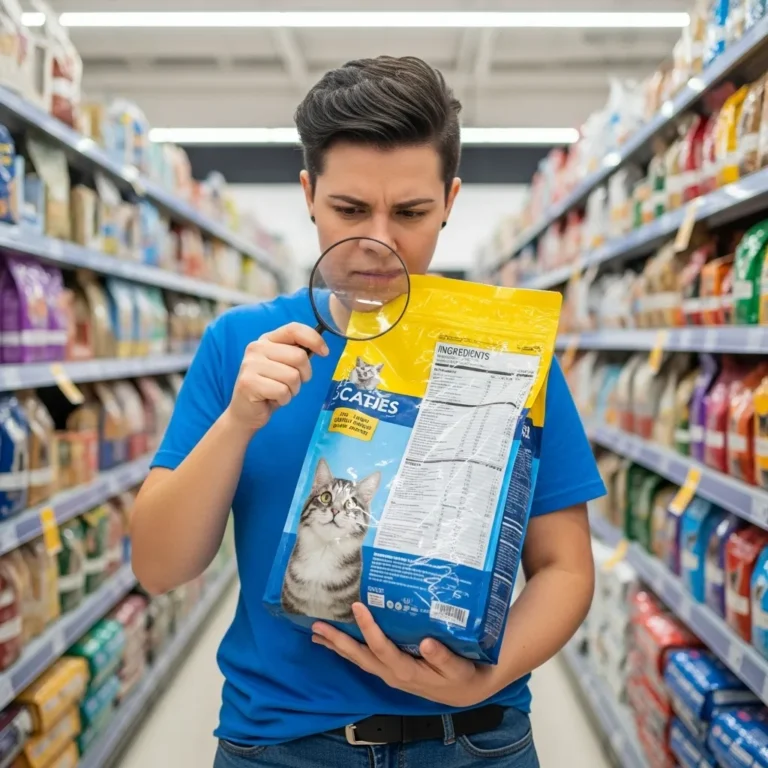
Labels are your primary tool for understanding a cat’s nutritional needs at every life stage.
- AAFCO Statement: The most important line. It must state the food is complete and balanced for a specific life stage (e.g., “for growth,” “for all life stages,” “for adult maintenance”). This is your guarantee of nutritional adequacy.
- Ingredient List: Ordered by weight pre-processing. Look for named animal proteins as first ingredients (e.g., “chicken,” “salmon meal,” not “poultry by-product meal”). Beware of excessive grain or filler listings.
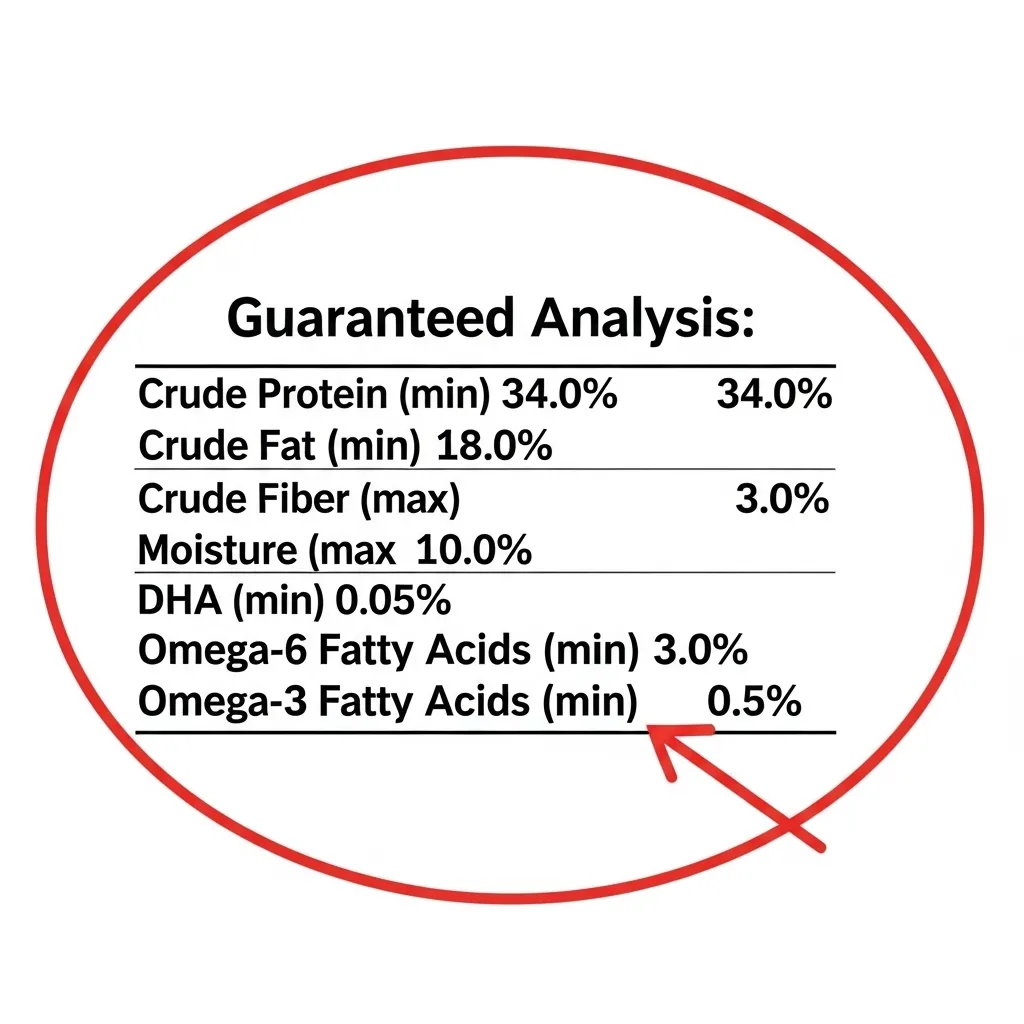
- Guaranteed Analysis: Lists minimum percentages of protein/fat and maximum percentages of fiber/moisture. To compare dry vs. wet food fairly, you must convert to a Dry Matter Basis (DMB).
- Calorie Content: Usually listed in kcal/cup or kcal/can. This is essential for accurate portioning.
FAQ: Answering Your Top Questions on Feline Nutrition
Q: How often should I feed my cat?
A: It depends on life stage. Kittens under 6 months do well with free-choice feeding. Most adults thrive on 2-3 scheduled meals. Seniors with smaller appetites may need 3-4 smaller meals. Scheduled meals aid in weight management and monitoring appetite changes, a key early sign of health issues.
Q: Is wet food or dry food better?
A: Both have roles. Wet food is superior for hydration and is often more palatable and lower in carbohydrates. Dry food can be convenient and may aid dental health (though not a substitute for brushing). A combination feeding approach is often ideal, leveraging the benefits of both. Get specifics in our wet vs. dry food analysis.
Q: When should I switch from kitten to adult food?
A: At approximately 12 months of age. For larger breed cats, consult your vet, as they may benefit from kitten food up to 18-24 months.
Q: How do I transition my cat to a new food?
A: Gradually over 7-10 days to avoid gastrointestinal upset. Start with 25% new/75% old, progress to 50/50, then 75% new/25% old, finally 100% new.
Q: Are grain-free diets necessary for cats?
A: Not necessarily. True food allergies in cats are most commonly to animal proteins (beef, dairy, fish). Grain-free diets are not inherently healthier and have been linked to certain heart conditions in dogs (research in cats is ongoing). Focus on animal protein content and quality over grain-free marketing.
Q: My cat is a picky eater. What can I do?
A: First, rule out medical causes with a vet. Then, try warming food, offering different textures, using food toppers (like a sprinkle of bonito flakes), and ensuring a consistent, stress-free feeding routine. Avoid “buffet-style” offerings that reinforce pickiness.
Conclusion: Nutrition as an Act of Lifelong Care
Understanding a cat’s nutritional needs at every life stage is one of the most profound ways we can honor our bond with them. From the protein-rich bites that build a kitten’s playful leap to the thoughtfully balanced meals that support a senior’s contented purr, what we offer in their bowl directly shapes their quality of life.
This journey requires observation, adjustment, and partnership with your veterinarian. It’s not about perfection, but about informed, loving attention. By committing to stage-appropriate nutrition, you’re doing more than feeding a cat you’re nourishing a unique life through all its wonderful chapters.
Ready to explore more? Dive deeper into feline wellness with our extensive library of expert guides on Cat Bloom Haven. From breed-specific advice to behavior and health care, we’re here to help you and your cat thrive together, at every stage.