Why Life With Cats Is Never Boring: The Secret Science Behind Feline Fascination
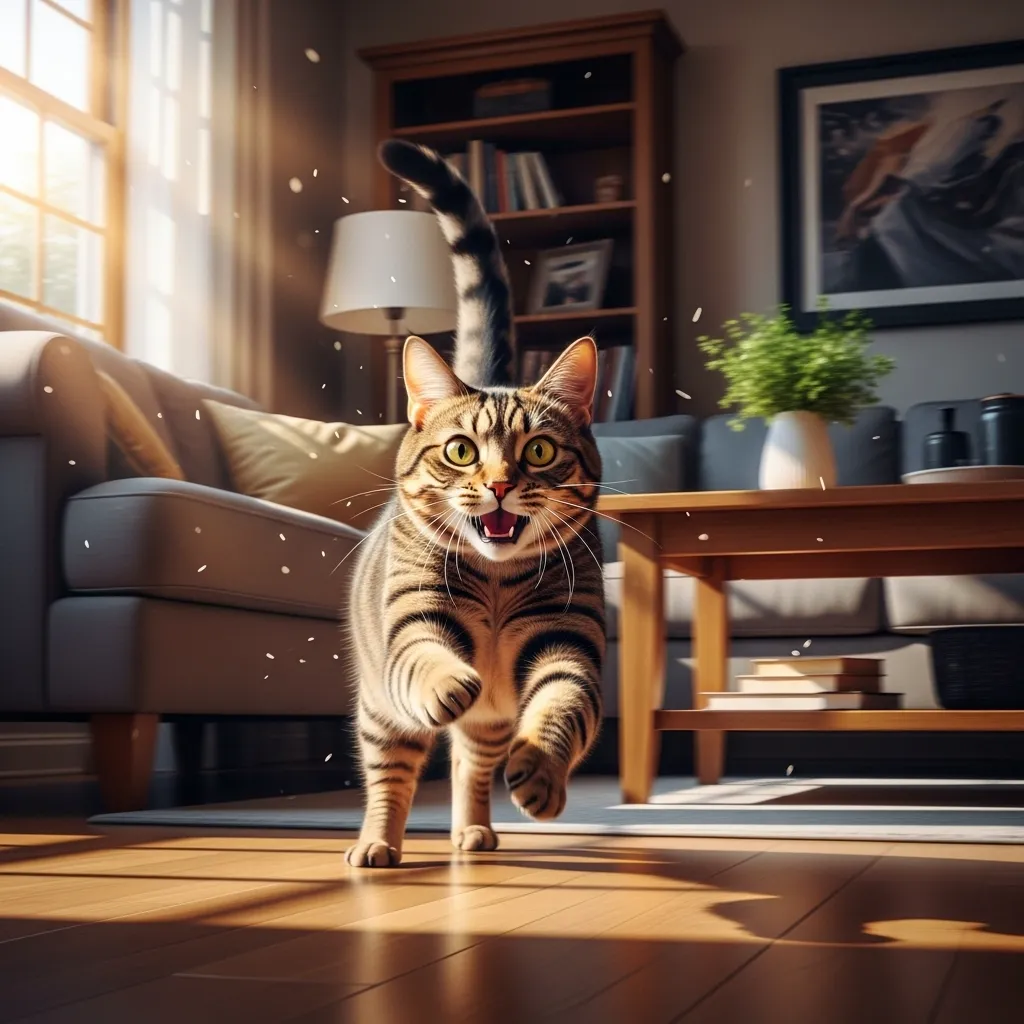
If you’ve ever found yourself wondering why your living room suddenly became a feline racetrack at 3 a.m., or why your cat gazes with profound intensity at an empty wall, you already understand the core truth of sharing your home with these creatures. Life with cats is never boring. This isn’t just a cute saying for mugs and memes; it’s a biological, behavioral, and emotional reality grounded in the very essence of what makes a cat a cat. Forget the stereotype of the aloof, lazy pet. A cat is a dynamic ecosystem of instincts, intelligence, and idiosyncrasies, and inviting one in is a permanent ticket to a show where the script is rewritten daily.
This article isn’t just a list of funny cat behaviors. We’re going deep into the why the evolutionary psychology, the sensory capabilities, and the social intelligence that make domestic cats such endlessly fascinating companions. You’ll learn to see the world from their perspective, turning baffling antics into understandable communication and random chaos into enriching engagement. By the end, you won’t just agree that life with cats is never boring; you’ll have the knowledge to actively participate in and enhance that beautifully unpredictable partnership.
Key Takeaways: What Makes Cat Life So Unpredictably Engaging?
- Sensory Superpowers: Cats experience a world invisible to us, full of ultrasonic sounds, ultraviolet glimpses, and scent stories, driving much of their “random” behavior.
- Predatory Playbook: Their innate need to hunt creates daily cycles of stalking, pouncing, and “killing” toys (or your ankles), providing natural drama and exercise.
- Social on Their Terms: Cats form complex, nuanced bonds with us, communicating through blinks, head-butts, and strategic proximity, making their affection a rewarding puzzle to solve.
- Environmental Engineers: A cat views your home as a dynamic landscape to conquer, hide in, and observe from, leading to inventive uses of furniture and space.
- Emotional Mirrors: Cats are sensitive to our routines and moods, often reacting in ways that reflect or disrupt our own energy, adding a layer of interactive empathy to daily life.
The Unseen World: How Your Cat’s Senses Create Constant Drama
Your cat lives in a parallel dimension layered on top of your own. Their reality is shaped by senses far sharper and broader than human capabilities, explaining what we often mislabel as bizarre or purposeless activity.
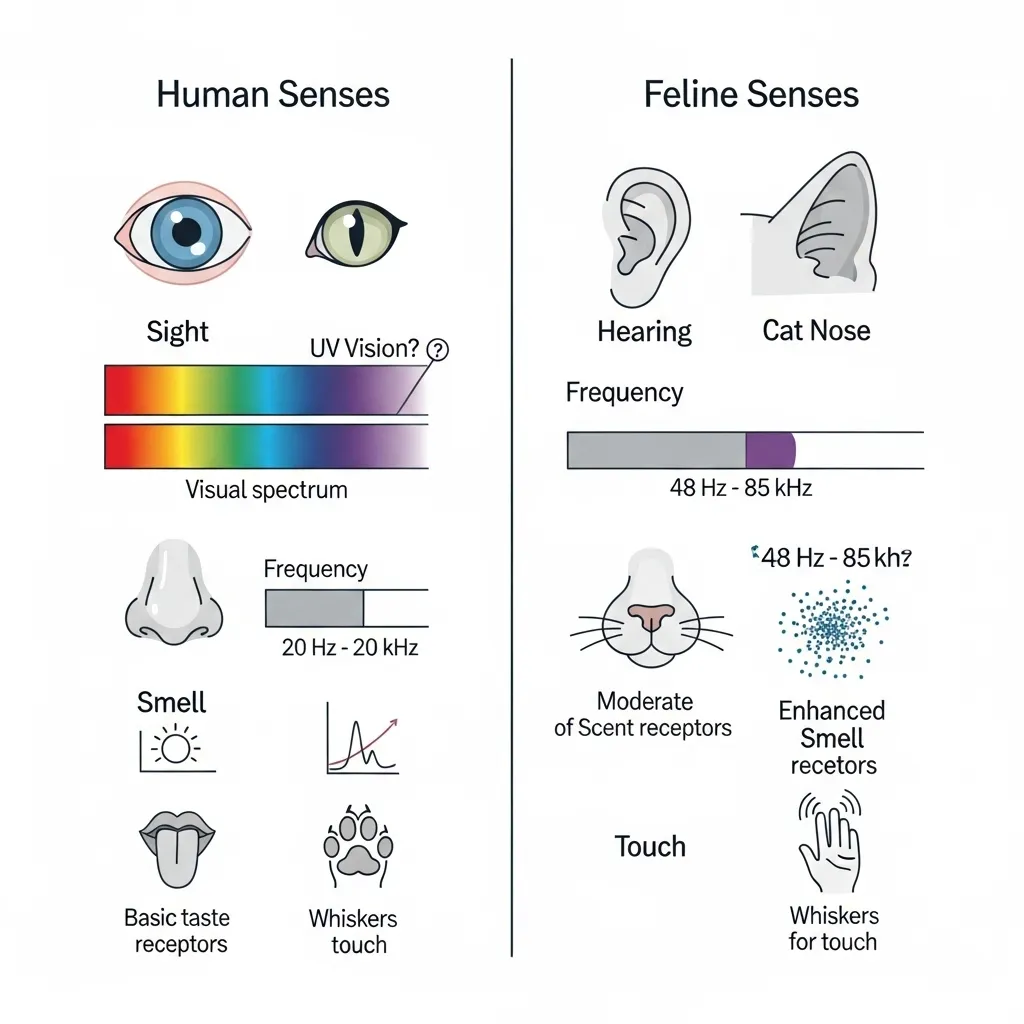
Hearing the Inaudible: A cat’s ear can rotate 180 degrees and detect frequencies up to 64 kHz, far into the ultrasonic range. That subtle, high-pitched chirp of a computer charger, the scuttle of a mouse in the walls, or the barely-there sound of a bug’s wings it’s all a symphony (or a siren call) to your cat. When they stare intently at a blank spot on the ceiling, they’re likely tracking a sound tapestry completely hidden from you. This is why life with cats is never boring; they are your personal alert system to the hidden acoustic life of your home. For more on how cats perceive their environment, explore our guide on what is my cat thinking?.
Vision Beyond Our Spectrum: Recent studies suggest cats may see some ultraviolet light. This means patterns on flowers, urine trails, or certain fabrics glow in a way we cannot comprehend. That frantic pawing at a seemingly plain sunspot? They might be seeing a galaxy of UV patterns dancing on the floor. Their vision is optimized for detecting the slightest motion in low light, turning a drifting dust mote into compelling prey.
A Nose That Reads History: A cat’s sense of smell is their primary newspaper. They don’t just smell your shoe; they read a detailed story about where you’ve been, what you touched, and what other animals you may have encountered. This is why they rub their faces on everything they are depositing their scent to create a comforting, familiar narrative in their territory. When your cat suddenly becomes obsessed with sniffing your grocery bag or your visitor’s leg, they are engaging in deep, investigative journalism. Discover more about this behavior in our article on why does my cat sniff me?.
The Hunter in Your Hallway: Predatory Instincts as Daily Entertainment
Domestication didn’t delete the wild cat’s software; it just gave it new, often amusing, applications. Your living room is their savannah, and every day is a hunt.
The Ritual of the Hunt: A cat’s natural hunting sequence is Observe > Stalk > Chase > Pounce > Kill > Dispose. You see this played out with toys, laser pointers, and, unfortunately, sometimes with houseflies or your wiggling toes under the blanket. This cycle is non-negotiable for their mental well-being. The frantic energy bursts known as “zoomies” are often a culmination of pent-up predatory energy, a wild celebration of the chase itself. Learn to manage this energy with our cat zoomies guide.
(Image Placement 3: Within the “Hunter” section)
Image Prompt: A sequence of four photos showing a cat in different hunting stages: staring intently, crouching low, mid-pounce on a toy mouse, and triumphantly holding it.
Alt Text: Photo sequence of a cat demonstrating the hunting sequence: stalking, pouncing, and capturing a toy.
Gift-Giving and Its Messy Meaning: When your cat deposits a dead (or half-dead) creature at your feet, it’s not an insult. In their mind, you are a clumsy, incompetent hunter who needs feeding or teaching. It’s a behavior rooted in maternal instinct (bringing food to kittens) and social bonding. While gruesome, it’s a profound, if misplaced, compliment. It’s also a stark reminder that their instincts are fully intact, ensuring life with cats is never boring and occasionally macabre. We delve deeper into this instinct in why cats bring dead animals.
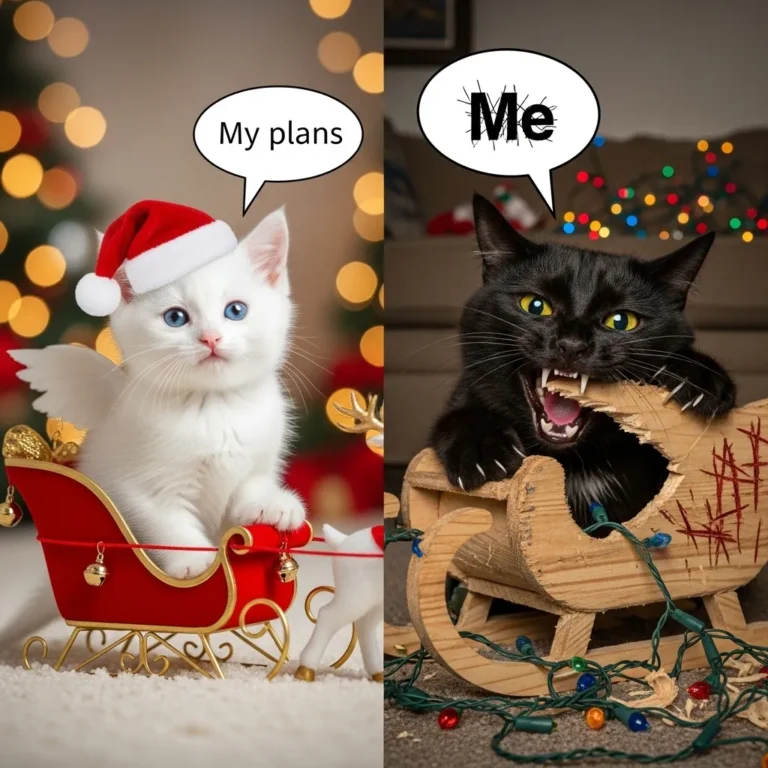
Play as Practice: That five-minute frenzy with a feather wand isn’t just cute; it’s critical life practice. It hones coordination, satisfies deep-seated urges, and prevents behavioral problems born of boredom. A cat without an outlet for these instincts will often create one, usually involving your curtains or couch. Providing structured play sessions is the key to a harmonious home. Get ideas from our roundup of DIY cat toys.
The Secret Language: Decoding Feline Social Quirks
Cats are not solitary by nature; they are facultatively social. They choose to form bonds, and their communication system is subtle, sophisticated, and endlessly engaging to decode.
Affection Without Overt Demand: A cat’s love is often quiet. The slow blink a deliberate closing and opening of the eyes while looking at you is a feline “kiss,” a sign of ultimate trust and contentment. Returning the blink strengthens your bond. The head-butt (or bunting) deposits scent from glands on their head, marking you as safe and familiar. When they curl up next to you or on your laptop, they are seeking shared warmth and claiming a valued resource: your attention.
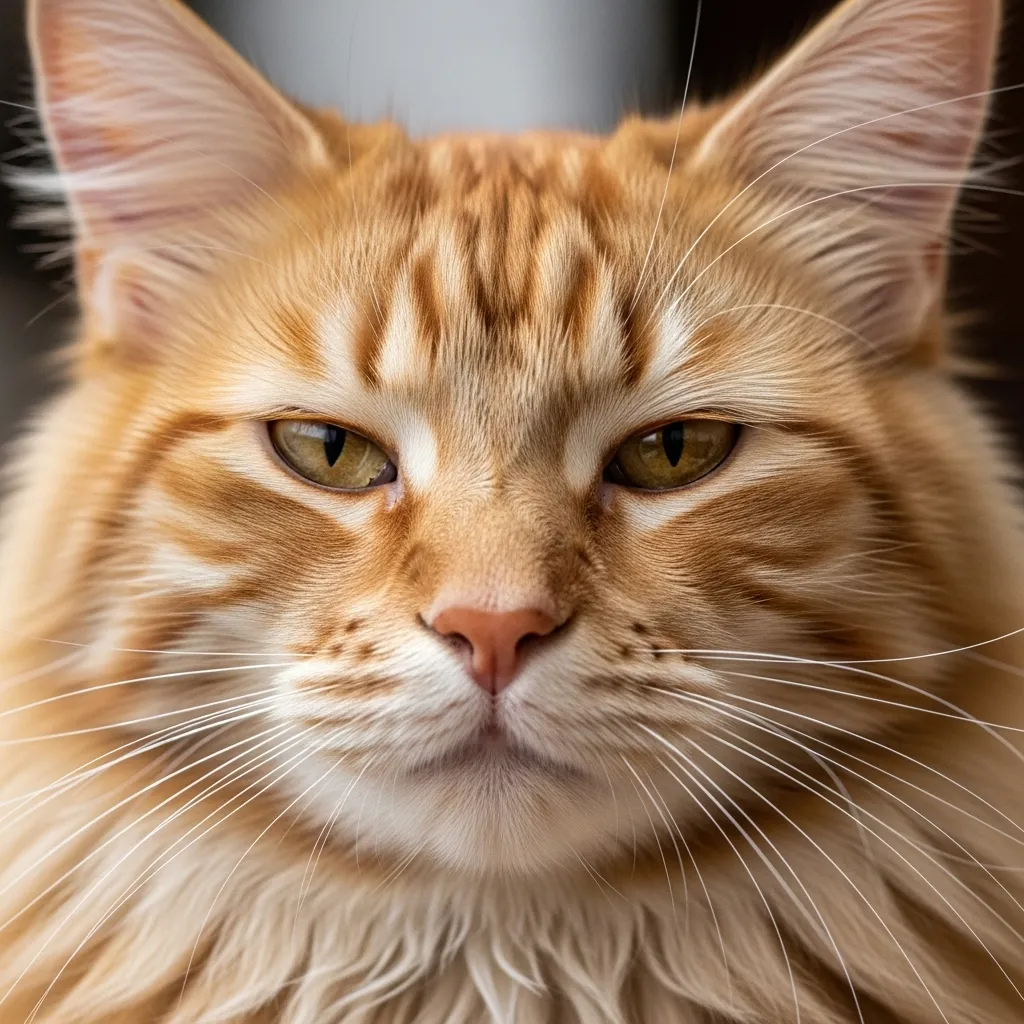
Conversations in Meows and Trills: Adult cats rarely meow to communicate with each other. They’ve largely developed this vocalization to talk to us. Each cat crafts a unique meow vocabulary for their human. The demanding meow for food, the chirpy trill of greeting, the plaintive cry of confusion they are learning what sounds manipulate us most effectively. It’s a cross-species dialogue you are both actively shaping. Understand their vocalizations better with cat sounds and what they mean.
The Comedy of Contradiction: The “I-want-attention-but-don’t-touch-me” paradox is classic cat. This often stems from overstimulation during petting or a conflict between social desire and personal space needs. Learning your individual cat’s thresholds where their chin-scratch bliss turns into a tail-swish warning is an ongoing, rewarding challenge. It proves that their social rules are complex, making life with cats is never boring but a constant lesson in consent and observation. Recognize the signs of overstimulation in our guide to sudden cat aggression.
The Home as an Adventure Park: Feline Environmental Enrichment
A bored cat is often a “bad” cat. But from a feline perspective, a standard human home is full of untapped potential for adventure, ambush, and repose.
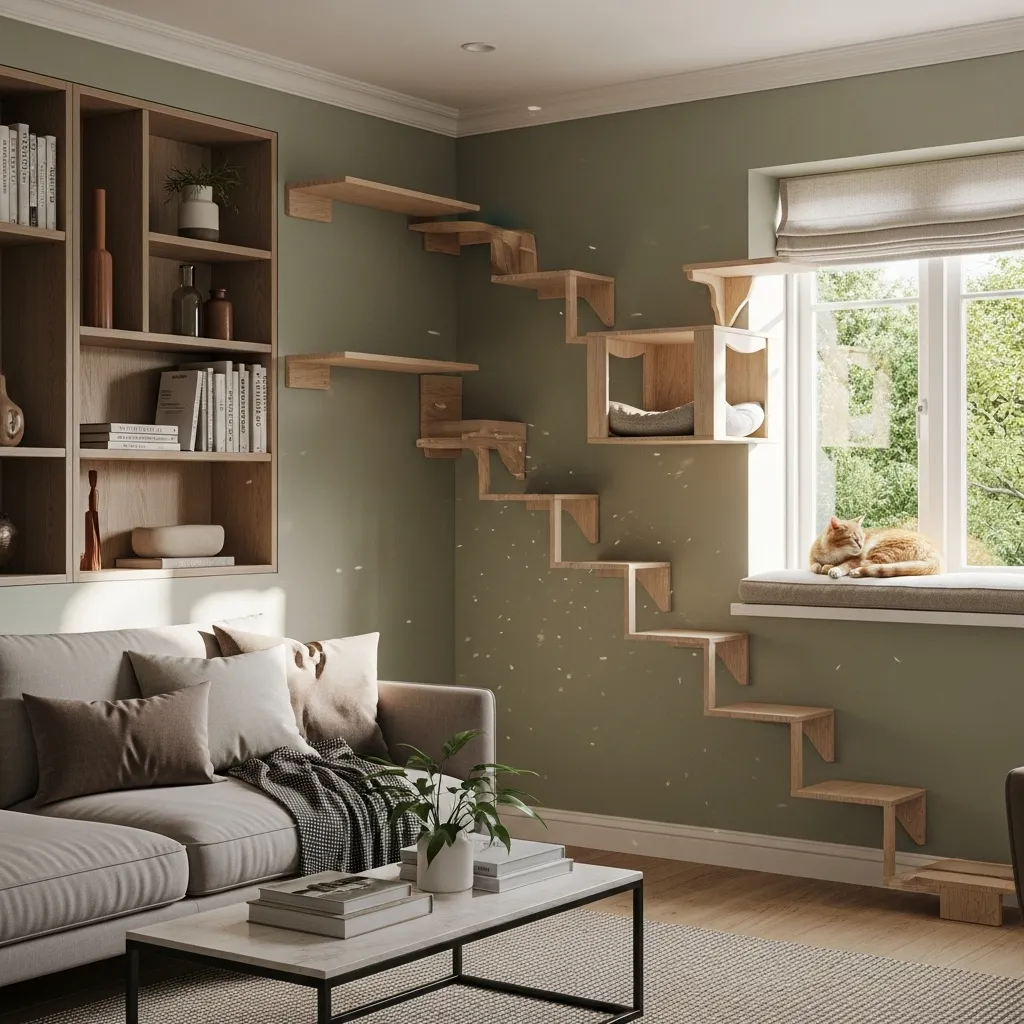
The Law of Elevated Spaces: Cats feel secure when they can survey their domain from above. The top of the fridge, a high bookshelf, a cat tree these are strategic observation posts. Providing vertical space isn’t a luxury; it’s a necessity for their confidence and can drastically reduce territorial stress, especially in multi-cat homes. It turns your vertical space into their kingdom. For inspiration, look at our ideas for minimalist cat shelves.
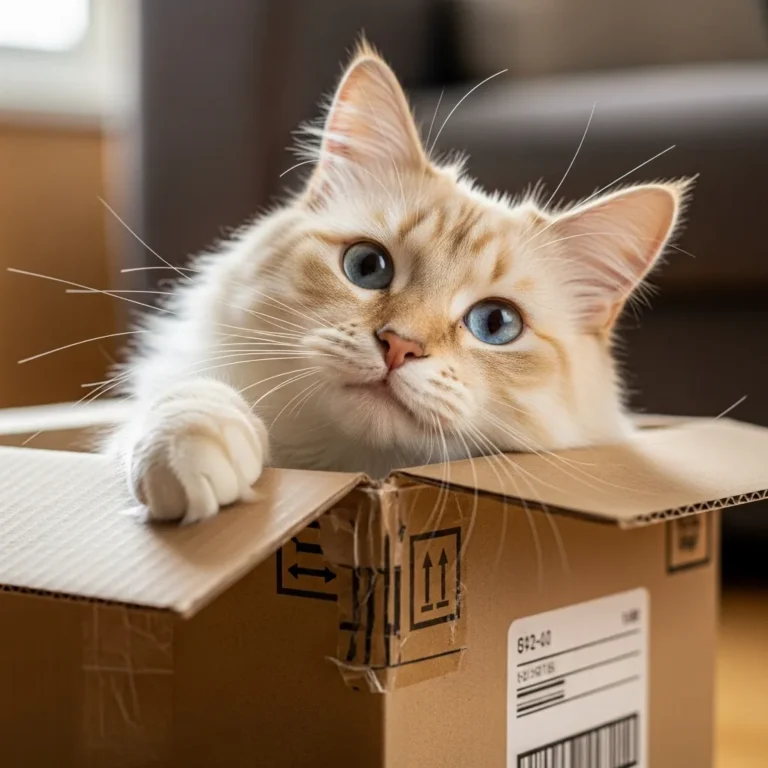
The Allure of the Container: Why does a cat choose a tiny cardboard box over a plush $100 bed? Boxes offer security, insulation, and the perfect ambush spot. It’s a primal need for a concealed, protected den. This is why they also love sinks, bowls, bags, and any space that fits their form. Their choice of resting spot is a daily surprise, a constant reminder of their simple, quirky needs. See the phenomenon in action with our cat box meme collection.
Midnight Symphony: The nocturnal (or more accurately, crepuscular) nature of cats means their peak activity is at dawn and dusk. Your 5 a.m. wake-up call isn’t malice; it’s biological programming. Managing this through evening play sessions and timed feeders can help sync their rhythms with yours, but a certain level of nighttime intrigue is part of the package. Find solutions in our article on why cat wakes me up at night.
The Emotional Mirror: How Cats Reflect and Respond to Us
Perhaps the most profound reason life with cats is never boring is their sensitivity to our emotional states. They are more attuned to us than we often realize.
Sensing Stress and Calm: Cats read our body language, tone of voice, and even changes in our scent caused by stress hormones. You may find your cat becomes clingy when you’re sad or anxious, or alternatively, they might hide if the household energy is chaotic and loud. They are barometers for the home’s emotional weather.
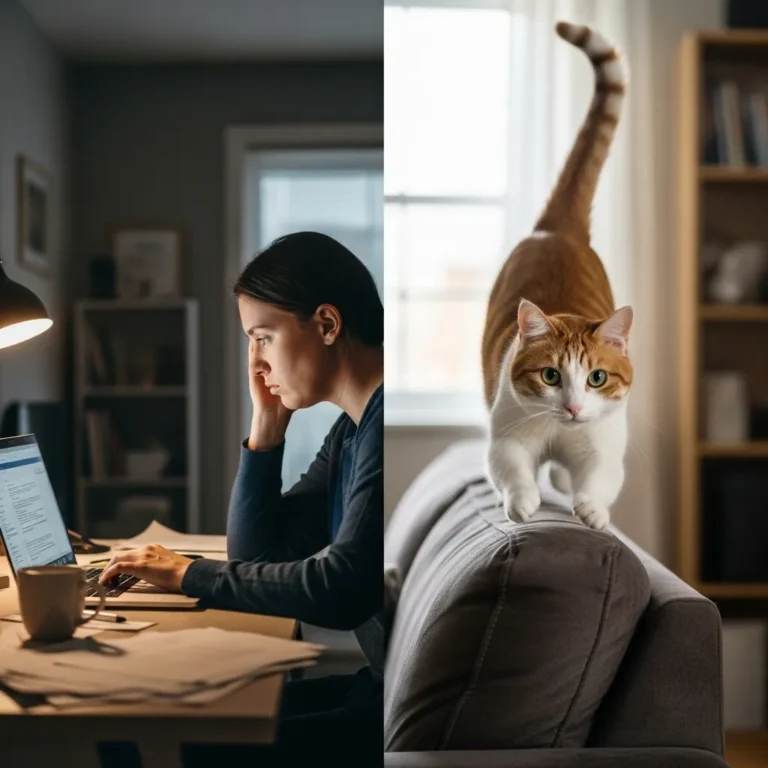
Disruptors of Routine: Cats thrive on predictable routines for feeding and care, but they also instinctively disrupt human monotony. Their demand for play when you’re working, their insistence on sitting on the book you’re reading, their comic intervention during yoga practice these are breaks in the mundane, forcing moments of presence and playfulness upon you.
The Unpredictable Bond: Unlike the often-unconditional, predictable affection of a dog, a cat’s trust and love feel earned. Every purr received, every lap chosen, every sleepy head tucked against you is a quiet victory. This relationship is a dynamic dance, not a static state, keeping you perpetually engaged in the subtle art of being worthy of your cat.
Frequently Asked Questions (FAQ)
Q: Is it normal for my cat’s behavior to seem totally random?
A: Yes, but the “randomness” usually has a cause rooted in their senses or instincts. What looks like a sudden sprint across the room (zoomies) is often a release of pent-up energy. Staring at a wall could be tracking a tiny insect or hearing a sound in the structure. The key is observing patterns to understand their unique triggers.
Q: My cat ignores expensive toys but plays with bottle caps. Why?
A: This is extremely common. Cats are often attracted to items that mimic prey in size, sound, and movement. A crinkly bottle cap skittering across the floor is a perfect pretend mouse. Expensive toys may be too large, static, or smell unnatural. Simple, interactive toys you move like prey are often the most successful. See more in cat ignores expensive toys.
Q: How can I make my home more engaging for my cat to prevent boredom?
A: Think vertically (shelves, perches), provide puzzle feeders, rotate toys to keep them novel, create hiding spots (boxes, tunnels), and dedicate time for daily interactive play sessions that mimic the hunt. Even a window perch for bird-watching provides hours of enrichment.
Q: Why is my cat affectionate one minute and aloof the next?
A: This is typical feline behavior. Cats have shorter social interaction cycles than humans and value their independence. Their affection is often on their terms. Respecting their space when they signal a need for it (by walking away, not responding to calls) will build more trust for future cuddle sessions.
Q: Do cats get bored?
A: Absolutely. A lack of environmental and mental stimulation can lead to boredom, which manifests as lethargy, overeating, or destructive behaviors like scratching furniture or excessive meowing. An enriched environment is crucial for their well-being.
Conclusion: Embracing the Beautiful Unpredictability
To live with a cat is to willingly surrender to a gentle, pawed chaos. It is to accept that your heart will skip a beat when you can’t find them, only to discover them sleeping soundly in the linen cupboard you just checked. It is to laugh when they attack a grocery bag with the ferocity of a jungle tiger. It is to feel a profound sense of peace when they purr on your chest.
Life with cats is never boring because it is a daily dialogue with a mysterious, intelligent, and instinctual being. They remind us to find wonder in a sunbeam, to engage fully in play, to communicate with subtlety, and to respect boundaries. They are not decor; they are dynamic participants in our lives. The spilled water glass, the mysterious missing hair tie, the sudden weight on your lap in the evening these are not interruptions to a quiet life. They are the vivid, textured, and utterly captivating life you signed up for.
Ready to dive deeper into understanding your fascinating feline? Explore our library of expert guides on cat behavior, care, and enrichment at Cat Bloom Haven. From decoding cat tail language to creating the perfect catio, we’re here to help you build a more joyful, engaging life with your cat.