Why Does My Cat Bring Me Dead Animals? A Complete Guide to Feline Hunting Gifts
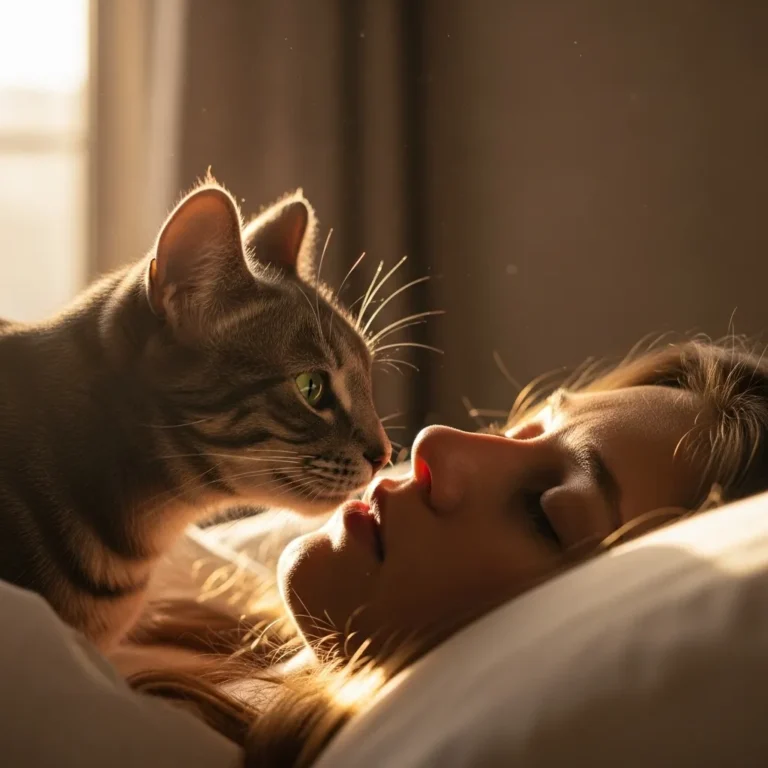
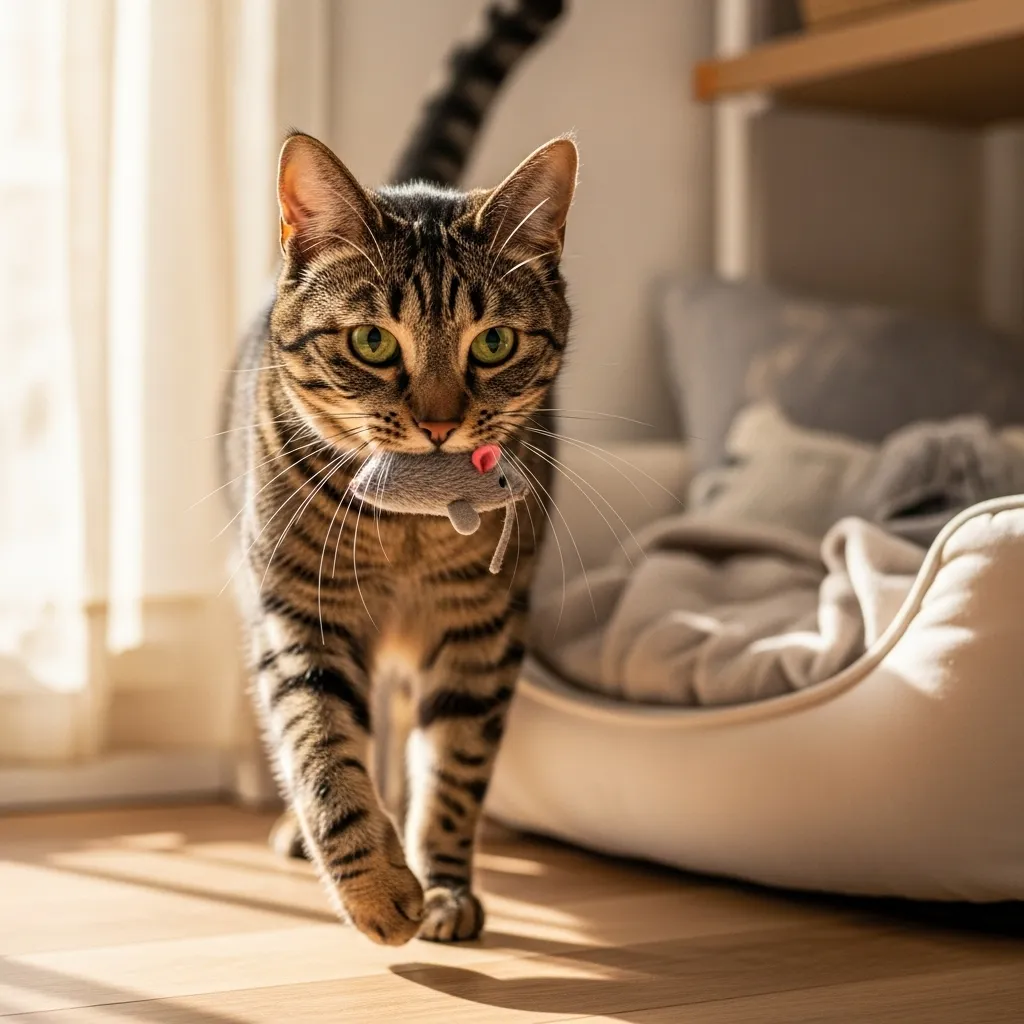
Picture this: you step into your bedroom after a long day, and there it is, a lifeless mouse staring up from your pillow. Your cat sits nearby, tail flicking, eyes wide with what looks like pride. Gross? Yes. Confusing? Absolutely. But this behavior, often called cat prey gifting behavior, reveals deep truths about your pet’s instincts and bond with you.
In this guide, we uncover the real meaning behind why cats bring dead animals to owners. We explore cat hunting instincts, maternal instincts in cats, and psychological reasons cats bring prey. You’ll learn how to redirect this natural drive, keep your cat fulfilled indoors, and even protect local wildlife. By the end, those “gifts” will feel less like horror movie props and more like love letters from a tiny predator.
Key Takeaways
- Cats bring dead animals as signs of affection, teaching, or sharing, not spite.
- Domestic cat hunting behavior persists even in well-fed pets.
- Playtime and enrichment reduce real hunts; interactive toys mimic prey effectively.
- Indoor-only cats stay safer and hunt less wildlife.
- Never punish the behavior; redirect it instead.
The Evolutionary Roots of Cat Hunting Instincts
Cats descend from solitary hunters. African wildcats, their closest ancestors, survived by stalking small rodents and birds. Over 10,000 years of domestication, little changed in their wiring. A 2023 study in Animal Behaviour found that 87% of domestic cats retain strong predatory sequences: stalk, pounce, grab, kill.
Your house cat doesn’t hunt for food; kibble fills that need. Yet the drive remains. Why cats hunt boils down to instinct, not hunger. Even spayed or neutered pets show the same sequences. The behavior peaks between 2 and 7 years old, when energy and skill align.
Real example: My neighbor’s indoor Bengal, Luna, never sees live prey. Still, she “hunts” laser dots for 20 minutes nightly. Without outlets, she’d target toes under blankets.
Decoding the Gift: What Cat Bringing Dead Animals Means
When your cat drops a mouse at your feet, three main messages emerge.
- Teaching Moment – Mother cats carry prey to kittens to demonstrate hunting. You’re family, so your cat teaches you (the helpless human) survival skills.
- Sharing Resources – In multi-cat colonies, successful hunters share kills. Your cat views you as a colony member and offers the best part of the catch.
- Affection Signal – Signs of affection in cats include head bumps, slow blinks, and yes, prey gifts. A dead bird says, “I trust you with my prize.”
Cat communication with humans blends these instincts. The behavior strengthens the cat-owner bond, even if we recoil.
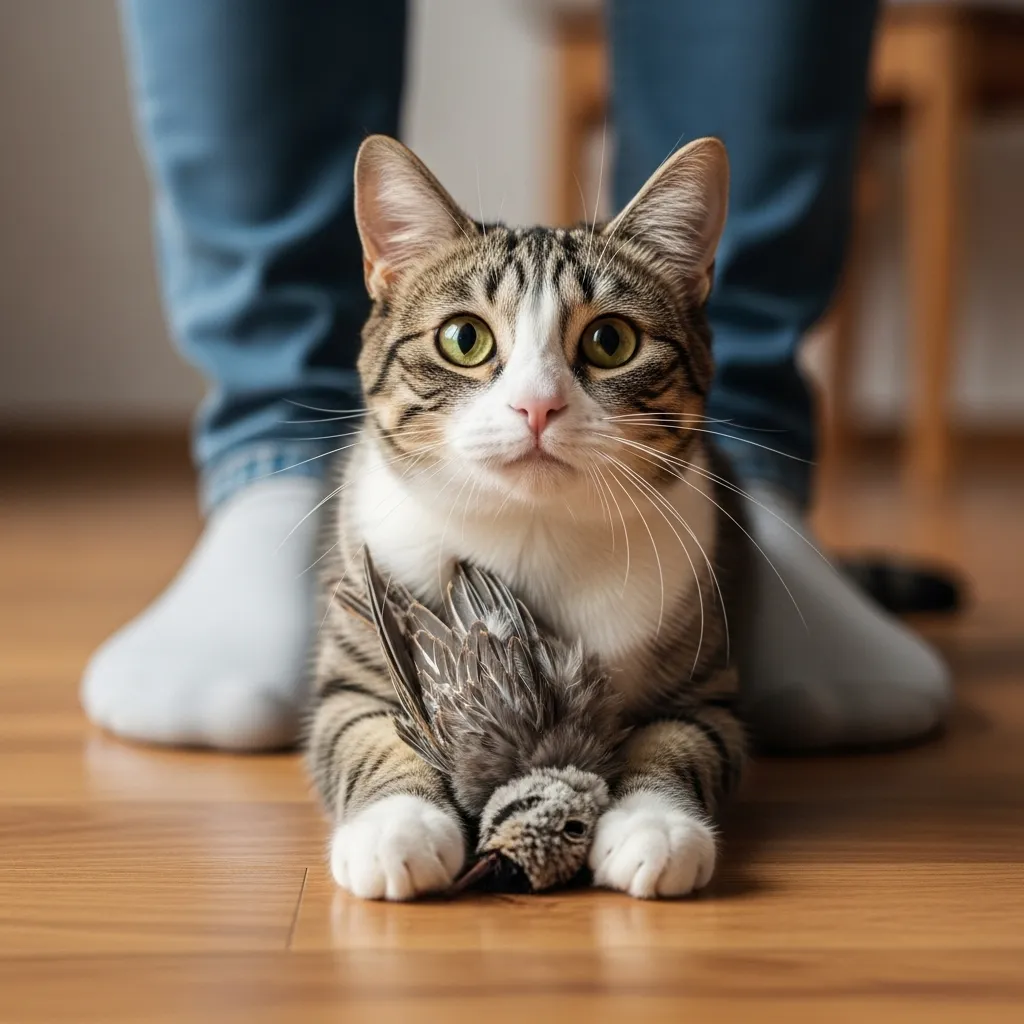
Maternal Instincts in Cats: More Than Kittens
Unspayed females show the strongest prey-bringing. Hormones amplify maternal instincts in cats. Yet neutered males and spayed females do it too. The pattern is hardwired.
Kittens watch mothers carry stunned prey, then live prey, building skills. Adult cats repeat this with humans. A 2021 survey by the Journal of Veterinary Behavior noted 62% of gift-givers were female, but 38% male, proving it transcends reproduction.
Territorial Behavior or Love Language?
Some owners wonder if gifts mark territory. Cats do rub and scratch for scent, but prey placement differs. Gifts land in high-traffic spots: beds, doorways, food bowls. These are safe zones, not borders.
Compare: a cat spraying urine claims space; a cat leaving a mouse shares bounty. Territorial behavior in cats looks defensive, hissing, blocking. Prey gifting looks proud, tail high, chirping.
Why Indoor Cats Still Hunt (and Bring Gifts)
Indoor cats face fewer chances, yet why indoor cats still hunt surprises owners. Toys, bugs, even shadows trigger sequences. One client’s cat, Milo, dragged stuffed mice to the kitchen nightly. Without real prey, imagination fills the gap.
Instinctive behavior in domestic cats ignores full food bowls. The kill satisfies neurology, not nutrition. Dopamine spikes during the pounce; bringing the “kill” home extends the reward.
The Psychology Behind the Present
Cat behavior psychology reveals layered motives. Beyond instinct, gifts address feline psychological needs.
- Boredom Relief – Understimulated cats hunt more. A 2024 UK study linked low playtime to higher gift frequency.
- Attention Seeking – Your reaction, even disgust, counts as interaction. Cats learn fast.
- Confidence Boost – Successful hunts affirm competence, vital for mental health.
Understanding psychological reasons cats bring prey helps you respond constructively.
Is It Ever a Cry for Help?
Rarely, excessive gifting signals stress. Sudden increases pair with hiding, appetite loss, or aggression. Check for changes: new pets, moves, loud noises. Consult vets to rule out pain or anxiety.
Most times, though, it’s normal cat play behavior scaled up.
How to Stop Cat Bringing Dead Animals Humanely
You can’t erase instincts, but you can redirect cat hunting behavior. Follow these steps.
Step 1: Boost Cat Enrichment and Stimulation
Schedule two 10-minute play sessions daily. Use wand toys, laser pointers (end on a catchable toy), or puzzle feeders.
Table: Top Interactive Cat Toys for Hunters
| Toy Type | Why It Works | Example Product Link (internal) |
|---|---|---|
| Wand with feathers | Mimics bird flight | Explore feather wand tips in [cat enrichment activities] |
| Motorized mouse | Unpredictable movement | See motorized options in [interactive cat toys for hunters] |
| Treat puzzle | Mental + physical challenge | Discover puzzles in [cat mental stimulation ideas] |
Step 2: Bell Collars and Deterrents
Bells warn birds; studies show 30-40% fewer kills. Avoid if your cat stresses over noise. Motion-activated sprinklers protect yards without harm.
Step 3: Indoor-Only Lifestyle
Indoor vs outdoor cat safety tilts heavily indoor. Outdoor cats face cars, predators, diseases. Average indoor lifespan: 15-18 years. Outdoor: 2-5 years.
Learn transition tips in [keep cat indoors guide].
Step 4: Positive Reinforcement
Praise toy catches. Offer treats after play. Ignore real prey; dispose quietly when cat’s distracted. Punishment backfires, increasing stress gifts.
[Image placement: After Table. Prompt: Energetic cat leaping after a feather wand toy in a sunlit living room, owner smiling in background. Alt text: Cat engaged in interactive play to redirect hunting instincts]
Safe Outdoor Options for Cats
Want fresh air? Try these.
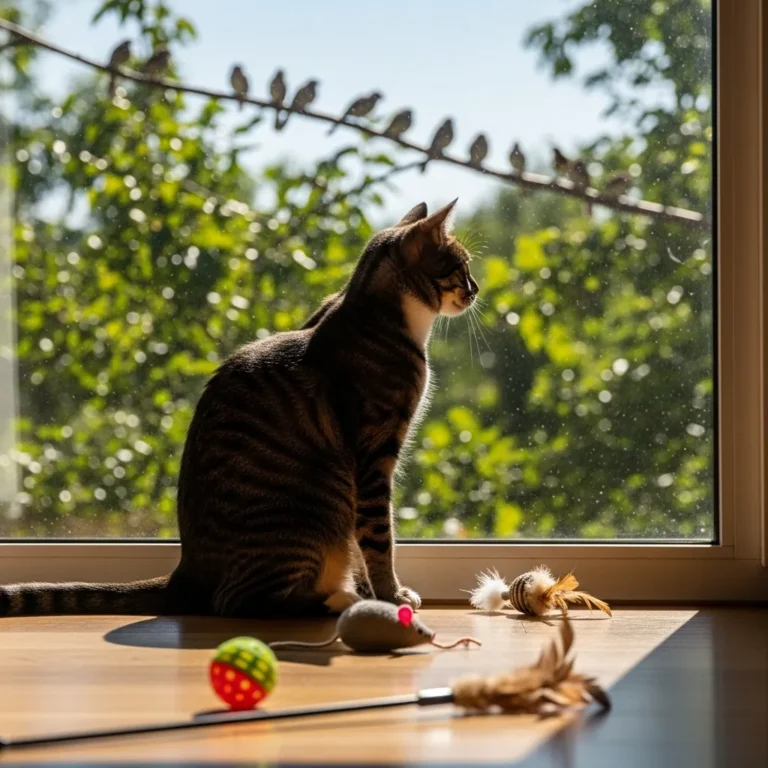
- Catios – Enclosed patios let cats watch birds safely. DIY plans in [ragdoll cat outdoor enclosure].
- Harness Training – Start young; use figure-8 harnesses. Details in [how to harness train a cat].
- Leashed Walks – Short sessions build confidence.
See supervised adventure ideas in [safe outdoor options for cats].
Wildlife Protection from Cats
Cats kill billions of birds yearly. Every prevented hunt matters.
- Plant native shrubs for bird cover.
- Feed birds high, away from jump zones.
- Support trap-neuter-return programs for ferals.
Read community strategies in [preventing cats from killing birds].
Cat Training Basics to Curb Gifts
Clicker training teaches “leave it” or “drop it.” Pair commands with treats. Five-minute daily sessions work wonders.
Step-by-step in cat training basics and teach cat to fetch.
Common Myths Debunked
Myth: Cats bring gifts to feed you because they think you’re hungry.
Truth: They know you eat differently; it’s teaching or sharing.
Myth: Only outdoor cats gift.
Truth: Indoor cats substitute toys or bugs.
Myth: Scolding stops it.
Truth: Stress increases unwanted behaviors.
When to Worry About Excessive Hunting
Track frequency. More than one gift weekly indoors may signal boredom or anxiety. Sudden drops in energy or appetite warrant vet visits. Hyperthyroidism or pain can ramp instincts.
Strengthening the Cat-Owner Bond Without Gore
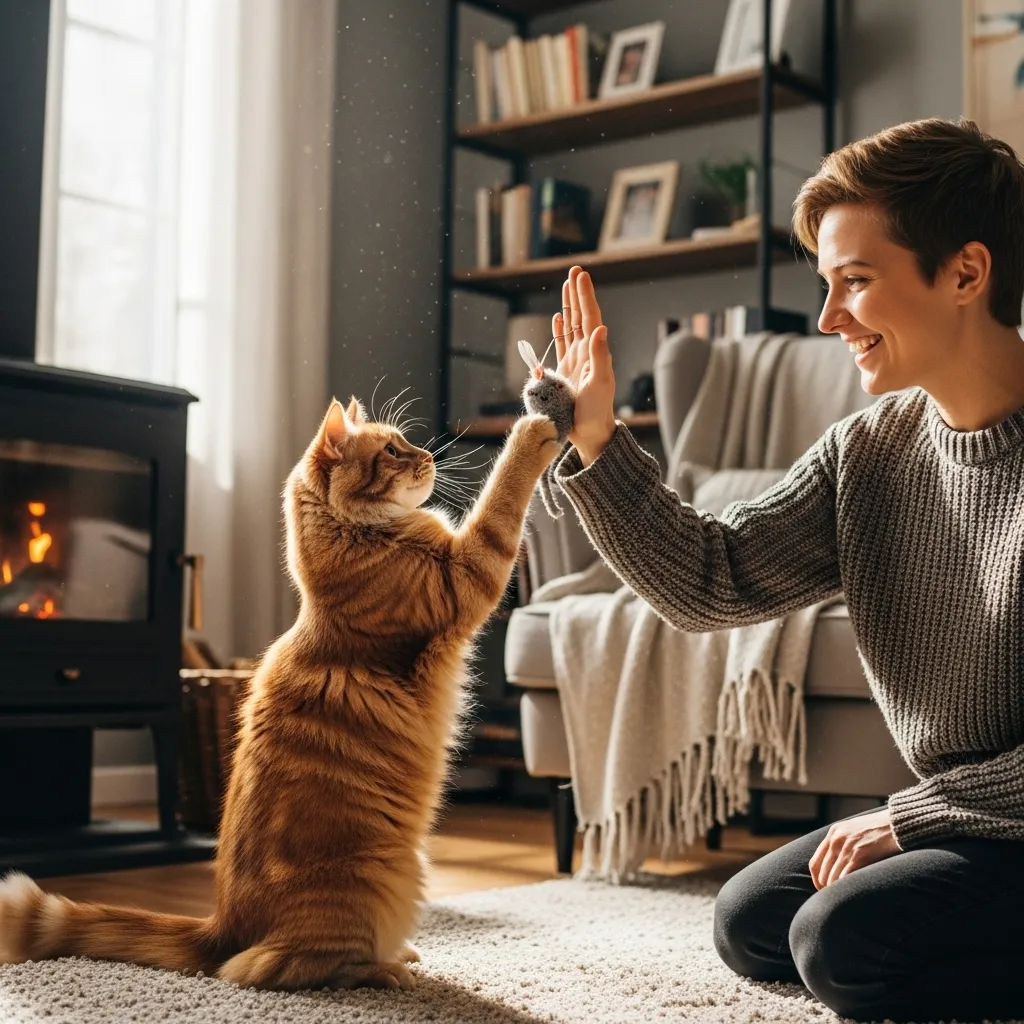
Channel energy into bonding games. Teach tricks, build obstacle courses, or try food puzzles. The more you engage the predator, the less it needs real prey.
FAQ

What is the primary reason cats bring dead animals to owners?
Instinctive teaching or sharing; they see you as family to train or feed.
Do all cats bring dead animals, even if well-fed?
Most retain the drive, but frequency varies by personality and stimulation.
How does maternal instinct play into prey gifting?
Mothers teach kittens by bringing prey; adults extend this to humans.
Can I train my cat to stop bringing gifts entirely?
No, but consistent play reduces real hunts 60-80%.
Are bells on collars cruel?
Not if introduced gradually; monitor for stress.
Is prey gifting a sign my cat loves me?
Yes, one of many signs of affection in cats.
What if my indoor cat starts bringing bugs?
Increase play; it’s the same instinct.
How can I protect birds without confining my cat?
Catios, high feeders, native plants.
Does spaying or neutering reduce gifting?
Slightly in females; instinct remains.
When should I see a vet about this behavior?
Sudden increase plus hiding, vomiting, or lethargy.
Final Thoughts
Your cat’s gruesome gifts aren’t personal attacks; they’re ancient love notes. Honor the instinct, redirect the outlet, and everyone wins: happier cat, cleaner floors, safer wildlife.
Ready for more feline insights? Explore expert cat care and behavior guides on Cat Bloom Haven, from american shorthair playful personality to cat enrichment activities. Your curious hunter deserves the best.