Teach Your Cat to Fetch: The Ultimate Guide to Fun, Bonding, and Feline Fitness
Ever tossed a toy for your cat, hoping they’d chase it and bring it back, only to get a blank stare or a lazy swat? Teaching your cat to fetch might sound like a dog’s game, but with the right approach, your feline friend can master this trick too! Whether you’re struggling to engage your indoor cat or looking for cat play and bonding activities that spark joy, this guide is your one-stop solution.
Packed with cat training tips, step-by-step instructions, and smart cat training hacks, this article will transform your cat into a fetching pro while deepening your bond. Let’s dive into the world of cat fetch training steps and unlock a fun, interactive way to keep your kitty active and happy.
Why Teach Your Cat to Fetch? The Benefits of This Playful Trick
Fetching isn’t just a game—it’s a powerful tool for cat mental stimulation games, and physical exercise. Indoor cats, especially, need fun activities for indoor cats to prevent boredom, obesity, and behavioral issues. Here’s why teaching cats new tricks like fetching is a game-changer:
- Physical Exercise: Fetching gets your cat moving, burning energy, and keeping them fit.
- Mental Stimulation: Learning a new skill engages your cat’s brain, satisfying their natural curiosity, and cat behavior and play instincts.
- Strengthened Bond: Interactive play builds trust and strengthens your connection, making it one of the best cat play and bonding activities.
- Behavior Improvement: Positive reinforcement for cats during training can reduce unwanted behaviors like scratching or excessive meowing.
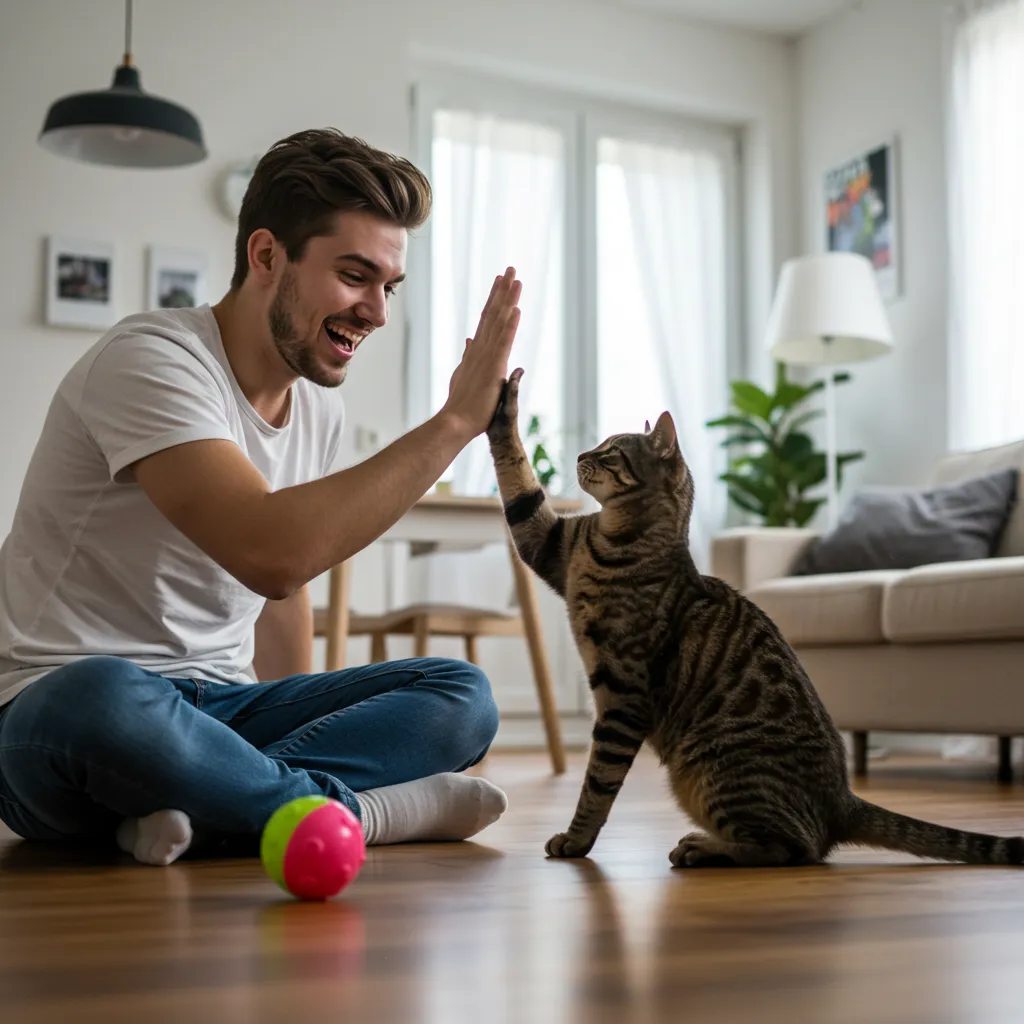
In this guide, we’ll break down how to train a cat to fetch with clear, actionable steps, expert tips, and real-life examples to ensure success.
Understanding Your Cat’s Behavior and Play Instincts
Before diving into cat fetch training steps, let’s explore cat behavior understanding. Cats are natural hunters, driven by instincts to chase, pounce, and capture prey. Fetch taps into these instincts, mimicking the hunt playfully. However, not all cats are instantly game—some may need coaxing to engage.
Why Some Cats Resist Fetching
- Personality Differences: Some cats are naturally more playful, while others are laid-back or cautious.
- Lack of Motivation: Without the right rewards (like training cats with treats), your cat might not see the point.
- Environmental Factors: A distracting or stressful environment can hinder training success.
How to Spark Interest
To tap into your cat’s cat behavior and play instincts, observe what excites them. Does your cat go wild for a crinkly ball, a feather toy, or a laser pointer? Use these preferences to choose the perfect best cat fetch toys 2025 for training.
Pro Tip: Start training in a quiet, familiar space to keep your cat focused. A cozy living room or bedroom works better than a busy kitchen.
Step-by-Step Guide: How to Train a Cat to Fetch
Here’s a detailed, foolproof guide to teach your cat to fetch, broken into manageable steps. Each step builds on the last, using positive reinforcement for pets to make learning fun and rewarding.
Step 1: Choose the Right Toy
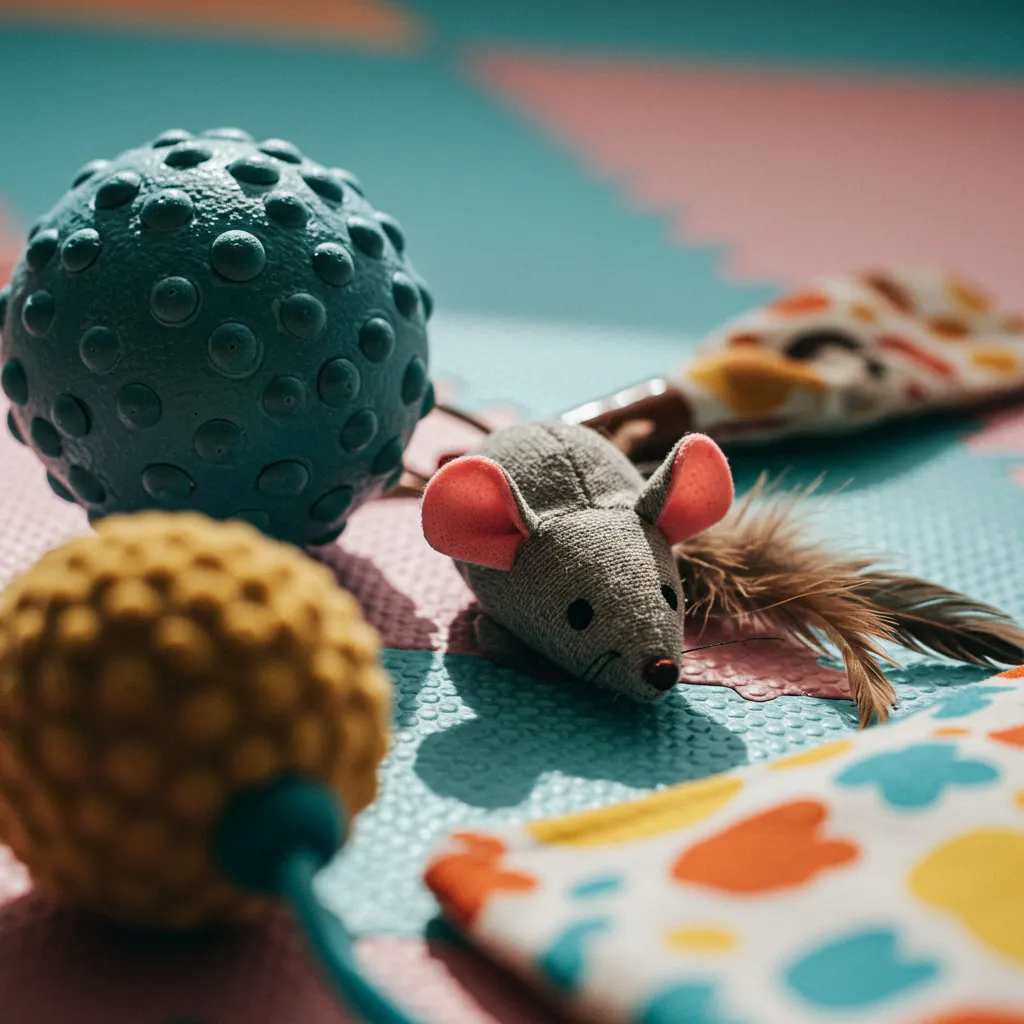
The toy you pick is critical for cat toy training guide success. Cats are picky, so experiment with different textures and sizes to find what clicks.
- Best Cat Fetch Toys 2025:
- Crinkle balls (lightweight and noisy, perfect for chasing)
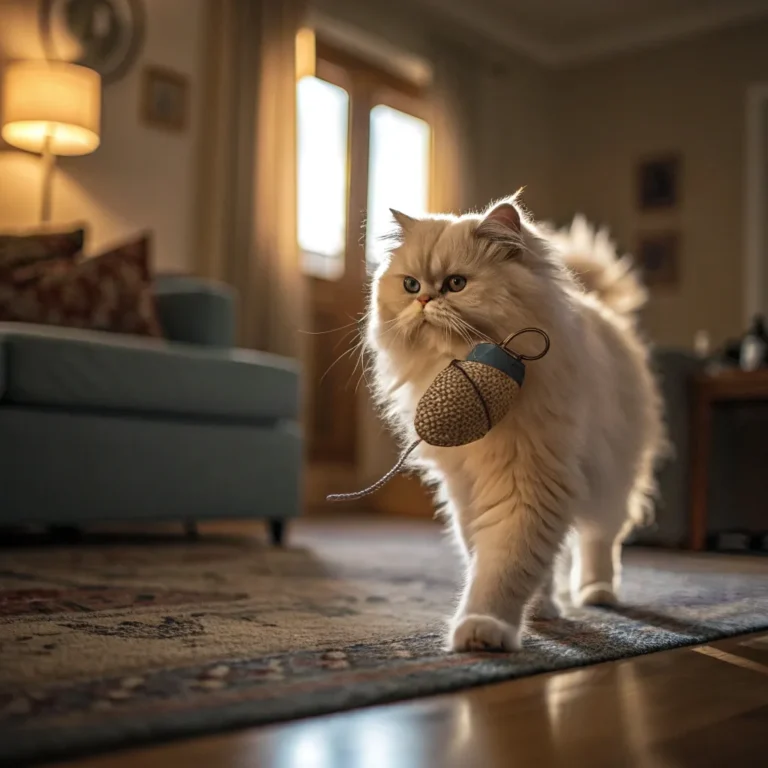
- Small stuffed mice (easy to grab and carry)
- Soft fabric toys (gentle on teeth and claws)
- Avoid heavy or oversized toys that are hard for your cat to carry.
- Test multiple toys to see what your cat loves—my cat, Luna, goes crazy for a sparkly pom-pom but ignores rubber balls.
Step 2: Introduce Clicker Training for Cats
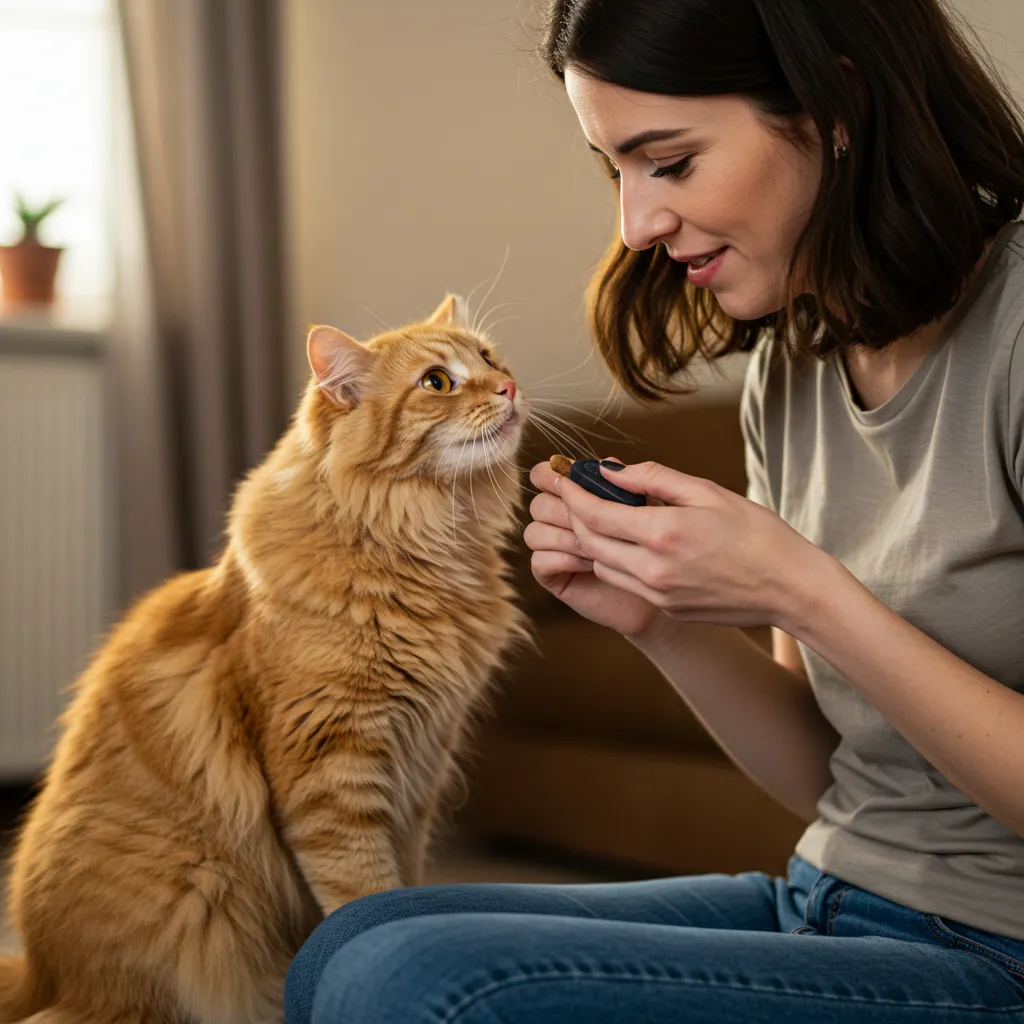
Clicker training for cats is a game-changer for teaching tricks. A clicker (or a consistent verbal cue like “yes!”) marks the exact moment your cat does something right, paired with a reward.
- How to Start:
- Get a clicker (available online or at pet stores for $2–$5).
- Click and immediately give a treat to teach your cat that “click = reward.”
- Practice 5–10 times until your cat associates the click with a treat.
Real-Life Example: When I trained my cat, Milo, I clicked every time he touched a toy with his paw. Within a day, he was eagerly pawing at it to earn treats!
Step 3: Get Your Cat to Chase the Toy
Start by tapping into your cat’s natural chase instinct.
- Steps:
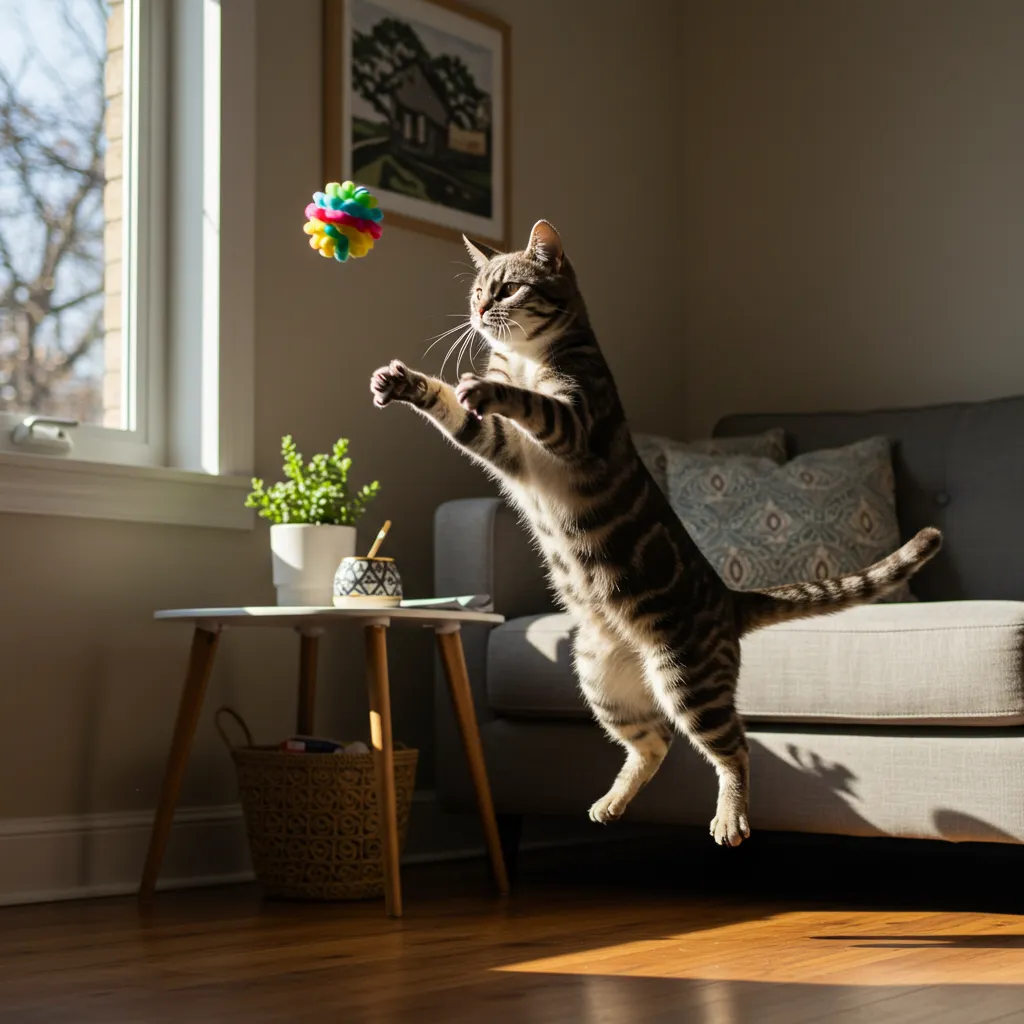
- Toss the toy a short distance (2–3 feet) to encourage chasing.
- When your cat pounces or touches the toy, click and reward with a treat.
- Gradually increase the distance of the toss as they get comfortable.
- DIY Cat Training Ideas: Tie a string to the toy and drag it slowly to mimic prey, making it irresistible for your cat to chase.
Step 4: Encourage Mouthing the Toy
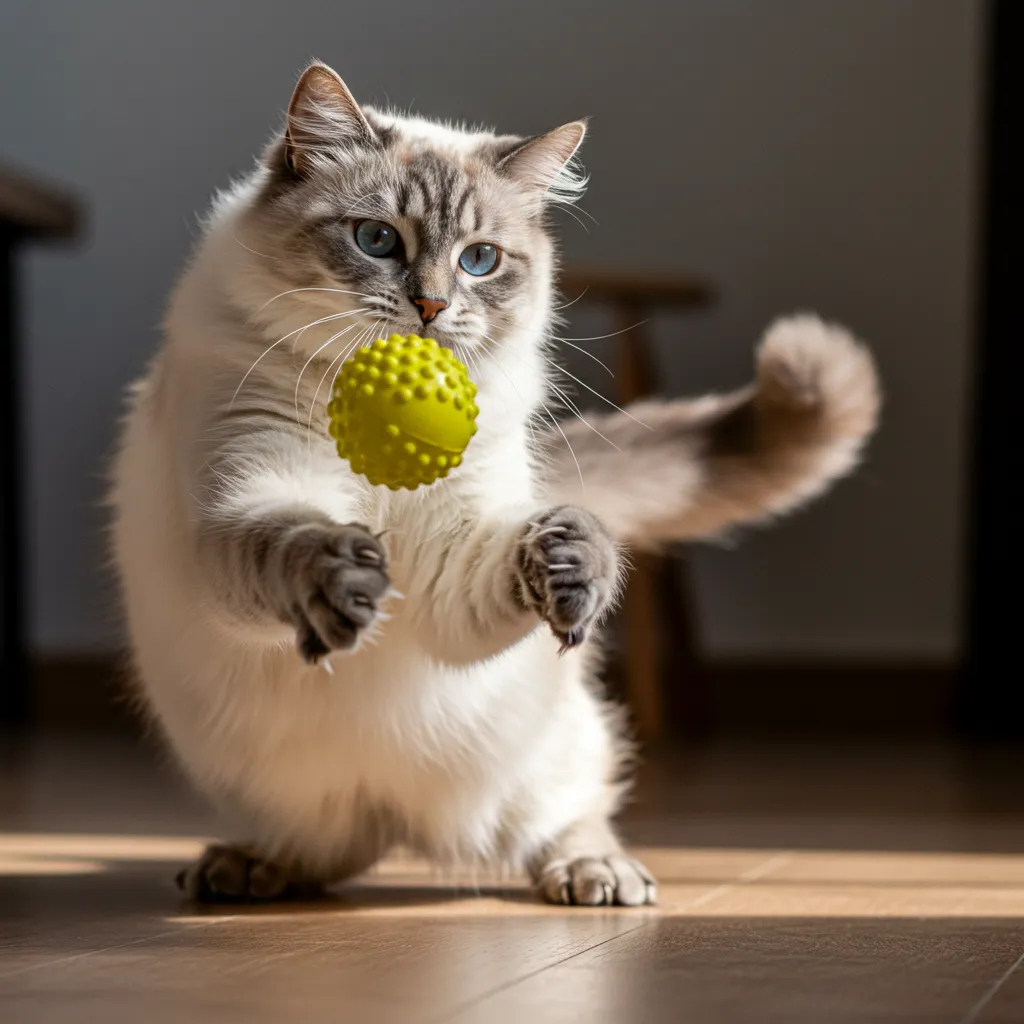
Now, teach your cat to pick up the toy with their mouth—a key step in fetching.
- Steps:
- Hold the toy near your cat’s mouth and reward any contact (sniffing, licking, or biting).
- Click and treat when they put their mouth on the toy.
- If they don’t engage, rub a treat on the toy to make it more appealing.
Tip: Use training cats with treats like small bits of tuna or freeze-dried chicken for high motivation.
Step 5: Teach Retrieval
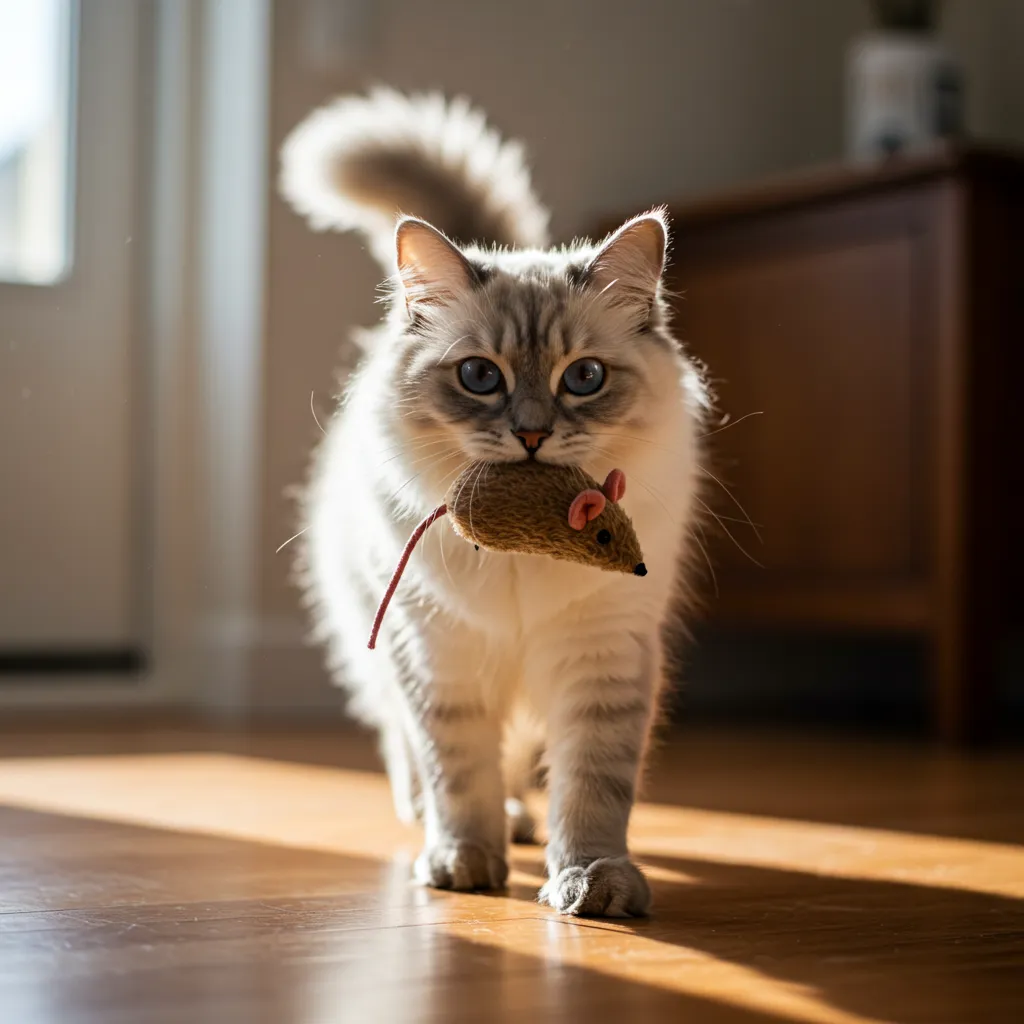
This is where the magic happens—getting your cat to bring the toy back.
- Steps:
- Toss the toy a short distance.
- When your cat picks it up, call them back with an excited tone or use a treat to lure them.
- Click and reward when they return with the toy, even if it’s just a few steps.
- Smart Cat Training Hacks: If your cat drops the toy halfway, reward partial progress and gradually expect them to bring it closer.
Step 6: Build Consistency
Practice short sessions (5–10 minutes) daily to reinforce the behavior.
- Tips for Success:
- Keep sessions fun and stress-free to maintain interest.
- Use positive reinforcement for cats consistently—never punish or scold.
- Mix up toys to keep things exciting and prevent boredom.
Real-Life Example: My friend Sarah trained her cat, Whiskers, to fetch in just two weeks by practicing 5 minutes each evening with a crinkle ball and tiny salmon treats.
The Power of Positive Reinforcement for Cats
Positive reinforcement for pets is the cornerstone of successful training. Cats respond best to rewards like treats, praise, or playtime, not punishment.
- Why It Works:
- Builds trust and makes training a positive experience.
- Encourages your cat to repeat desired behaviors.
- Strengthens your bond, turning training into a cat play and bonding activity.
- Best Rewards:
- High-value treats (e.g., Temptations or Greenies)
- Verbal praise in a cheerful tone
- Extra playtime with a favorite toy
Caution: Avoid overfeeding treats—use tiny pieces and limit sessions to prevent weight gain.
Fun Games to Play with Your Cat Beyond Fetch
Once your cat masters fetching, expand your repertoire with other fun games to play with your cat to keep them engaged.
- Hide-and-Seek: Hide treats or toys around the house for your cat to find.
- Laser Pointer Chase: Guide your cat through an obstacle course with a laser pointer.
- Puzzle Toys: Use treat-dispensing toys for cat mental stimulation games.
Related Post Suggestion: Link to an article on “Top 10 Indoor Cat Games for Mental Stimulation” for more ideas.
Common Challenges and Solutions in Cat Fetch Training
Training isn’t always smooth sailing. Here’s how to tackle common hurdles:
| Challenge | Solution |
|---|---|
| Cat loses interest quickly | Keep sessions short (5–10 minutes) and use high-value treats. |
| Cat chases but doesn’t retrieve | Reward small steps, like touching or mouthing the toy, and gradually build up. |
| Cat is distracted | Train in a quiet, distraction-free environment. |
| Cat doesn’t like the toy | Experiment with different best cat fetch toys 2025 to find their favorite. |
How to Bond with Your Cat Through Play
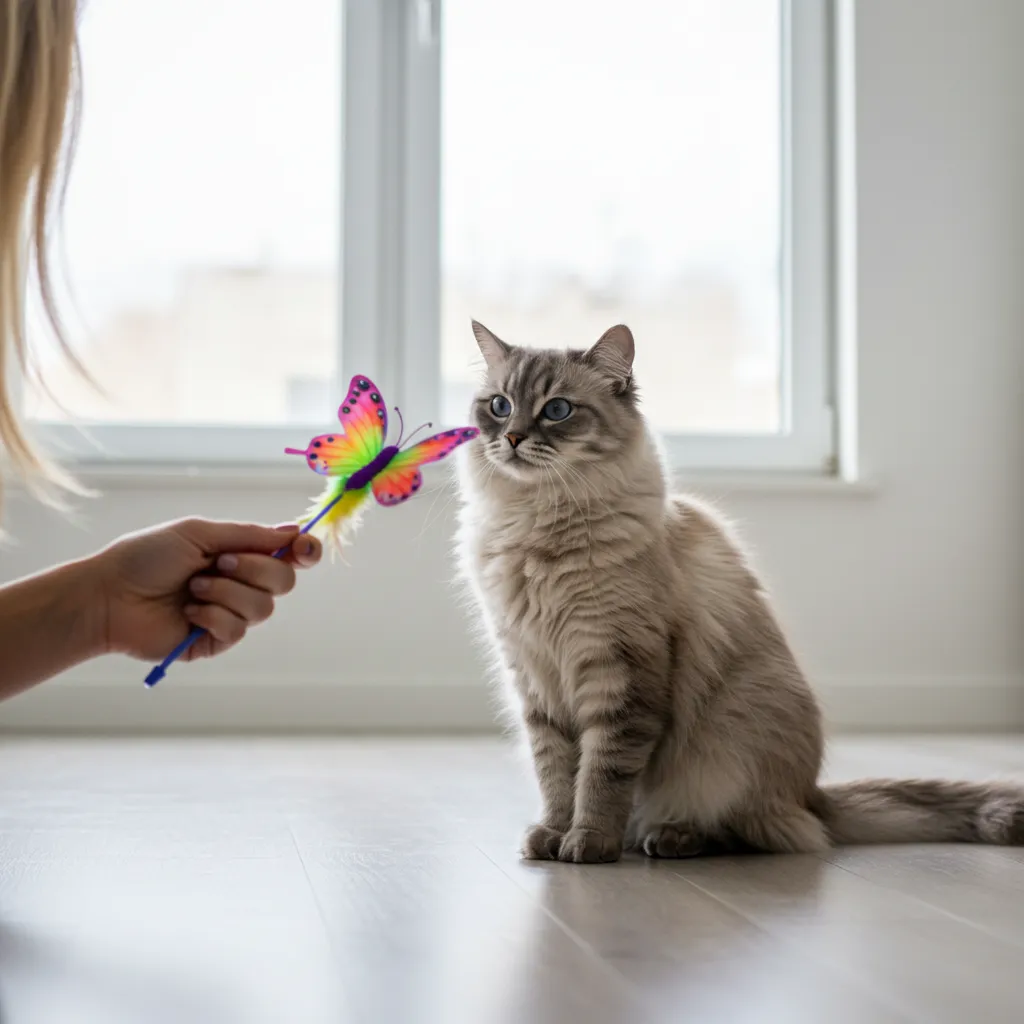
Fetch isn’t just about tricks—it’s a powerful way to bond with your cat. Regular interactive play with cats builds trust and creates lasting memories.
- Tips for Bonding:
- Be patient and let your cat set the pace.
- Celebrate small wins with enthusiasm to keep them motivated.
- Pair training with cuddles or grooming for extra bonding time.
External Link: For more on cat bonding, check out ASPCA’s guide to cat behavior.
Best Practices for Long-Term Success
To make fetch a lasting habit, follow these cat training tips:
- Consistency is Key: Practice regularly to reinforce the behavior.
- Vary the Routine: Switch up toys or locations to keep it fresh.
- Monitor Progress: Track how long it takes your cat to master each step to adjust your approach.
Table: Training Timeline
| Step | Estimated Time | Tips |
|---|---|---|
| Chase the toy | 1–3 days | Use FacUse short tosses and high-value treats. |
| Mouth the toy | 3–5 days | Rub treats on the toy to encourage biting. |
| Retrieve the toy | 1–2 weeks | Reward partial returns and build distance gradually. |
FAQs: Your Questions About Teaching Your Cat to Fetch Answered
How can I teach my cat to fetch?
Follow a step-by-step process: choose a favorite toy, use clicker training for cats, encourage chasing, mouthing, and retrieving, and reward with positive reinforcement for cats. Practice daily for 5–10 minutes.
Is it possible to train any cat to fetch?
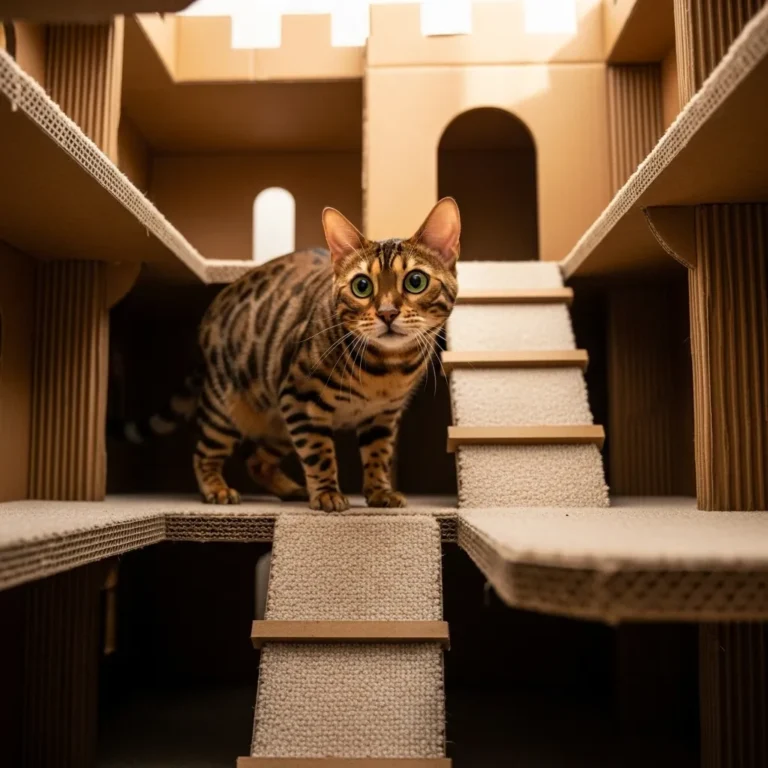
Most cats can learn to fetch, but success depends on their personality, motivation, and the right rewards. Kittens and playful breeds like Bengals are often easier to train.
What are the key steps to teaching a cat to fetch?
- Choose a toy your cat loves.
- Use a clicker to mark correct behaviors.
- Encourage chasing, mouthing, and retrieving with treats.
- Practice consistently in short sessions.
How long does it take to teach a cat to fetch?
With daily practice, most cats learn to fetch in 1–4 weeks, depending on their level of interest and the consistency of training.
Is positive reinforcement important during training?
Yes, positive reinforcement for cats (treats, praise, play) encourages desired behaviors and builds trust, making training effective and fun.
Can interactive play help teach a cat to fetch?
Absolutely! Interactive play with cats taps into their hunting instincts, making fetch a natural and engaging game.
What are the best toys for cat fetch training?
Lightweight, noisy toys like crinkle balls, stuffed mice, or soft fabric toys are ideal for achieving success with cat toy training.
Conclusion: Start Fetching Fun Today!
Teaching your cat to fetch is more than just a trick—it’s a fun, rewarding way to boost your cat’s physical and mental health while deepening your bond. By using positive reinforcement for pets, choosing the best cat fetch toys 2025, and following our cat fetch training steps, you’ll turn your cat into a fetching superstar in no time. Whether you’re looking for fun activities for indoor cats or smart cat training hacks, this guide has you covered.