How Often Do You Take a Cat to the Vet? Your Ultimate Cat Vet Visit Schedule Guide
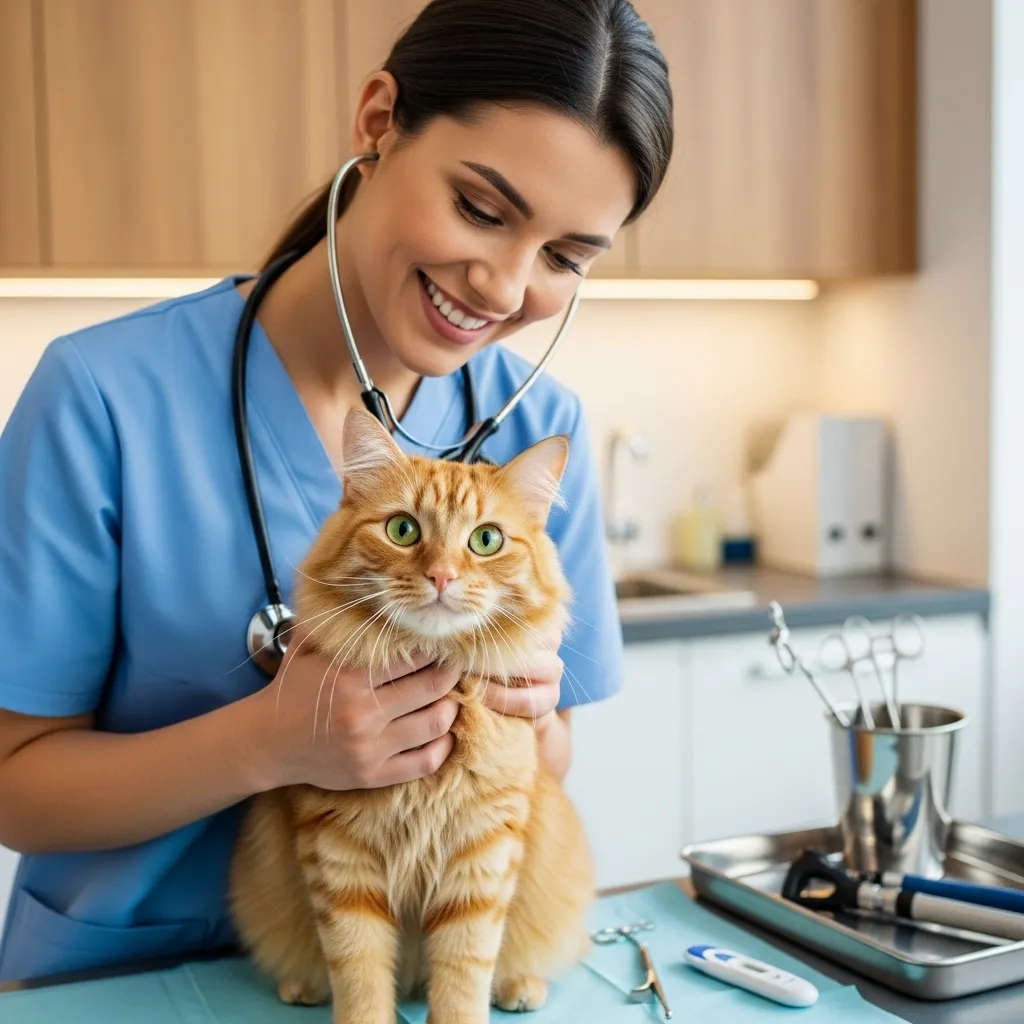
Every cat owner wants their feline friend to live a long, healthy life, but figuring out how often to take a cat to the vet can feel like solving a puzzle. Kittens need frequent check-ups, senior cats have unique needs, and every cat’s lifestyle indoor or outdoor plays a role. Get it wrong, and you might miss early signs of illness; get it right, and you’re setting your cat up for a vibrant, purr-filled life.
This comprehensive guide breaks down the cat vet visit schedule by age, lifestyle, and health needs, offering expert-backed tips to keep your cat thriving. You’ll learn how often to schedule routine vet check-ups for cats, when to rush to the vet for emergencies, and how to customize a cat health check-up guide tailored to your furry companion.
Key Takeaways
- Kittens need vet visits every 3–4 weeks until 16 weeks for vaccinations and early care.
- Adult cats typically require annual check-ups for preventive care and monitoring.
- Senior cats (7+ years) benefit from bi-annual visits to catch age-related issues early.
- Indoor vs. outdoor cats have different vet care needs based on lifestyle risks.
- Vaccinations and neutering are critical for long-term feline health.
- Behavioral and physical signs like lethargy or vomiting signal urgent vet visits.
- Explore more tips in our cat health care guide.
Why Routine Vet Visits Matter for Your Cat’s Health
Regular vet visits are the cornerstone of feline preventive health care. They catch issues before they become serious, ensure vaccinations are up to date, and help tailor a customized cat vet schedule to your pet’s unique needs. According to the American Veterinary Medical Association (AVMA), preventive care can extend a cat’s life by catching problems early—think dental disease, diabetes, or kidney issues. Whether you have a playful kitten, a chill adult cat, or a wise senior, a consistent cat check-up frequency keeps them purring.
The Problem: Missing the Right Vet Schedule
Skipping vet visits or waiting for obvious symptoms can lead to undetected health issues. For example, cats are masters at hiding pain—by the time you notice something’s wrong, it might be advanced. This guide solves that by giving you a clear cat care routine based on age, lifestyle, and warning signs.
What You’ll Learn
- Age-based cat vet visit schedules for kittens, adults, and seniors.
- How indoor vs. outdoor cats require different care.
- The role of vaccinations, neutering, and preventive care for cats.
- How to spot early signs of cat illness for urgent vet trips.
- Practical tips to make vet visits stress-free.
Let’s dive into the details to create a cat wellness routine that works for you and your feline friend.

Cat Vet Visit Schedule by Age: Kittens, Adults, and Seniors
Your cat’s age determines how often they need to see the vet. Here’s a breakdown of the cat check-up frequency for each life stage, with actionable tips to keep them healthy.
Kitten Vet Schedule: Building a Healthy Foundation
Kittens are bundles of energy, but their developing immune systems need extra attention. A kitten vet schedule typically involves visits every 3–4 weeks from 6 to 16 weeks of age. These visits focus on vaccinations, deworming, and early health checks.
- 6–8 weeks: First vet visit for physical exam, FVRCP vaccine (protects against feline distemper and respiratory viruses), and fecal testing for parasites.
- 9–12 weeks: Booster shots for FVRCP, deworming, and discussions about spaying/neutering.
- 12–16 weeks: Final kitten vaccinations (including rabies, depending on local laws) and scheduling spay/neuter surgery.
- Cost tip: Expect $50–$150 per visit, depending on location and tests. Ask about vaccine packages to save money.
- Real-life example: When my friend adopted a 7-week-old Siamese kitten, her vet caught an early ear infection during the first check-up, saving the kitten from discomfort with timely treatment.
Pro tip: Learn more about kitten care in our Siamese cat vet visits guide.
Adult Cat Vet Visits: Maintaining Wellness
Once your cat hits adulthood (1–7 years), routine vet check-ups for cats typically shift to once a year. These visits focus on preventive care for cats, like dental health, weight management, and booster shots.
- Annual check-up checklist:
- Physical exam to check weight, heart, and lungs.
- Booster vaccinations (FVRCP, rabies, and optional feline leukemia for outdoor cats).
- Bloodwork or fecal tests for underlying issues like kidney function or parasites.
- Dental cleaning to prevent periodontal disease, which affects 70% of cats by age 3 (per Cornell Feline Health Center).
- Indoor vs. outdoor cats: Outdoor cats may need more frequent checks due to higher risks of fleas, ticks, or injuries.
- Example: My neighbor’s adult Munchkin cat had a routine check-up that revealed early dental issues, fixed with a cleaning before it became painful.
Pro tip: Discover more in our Munchkin cat dental care guide.
Senior Cat Health Care: Extra Attention for Aging Felines
Cats over 7 years enter their senior phase, where senior cat health care requires bi-annual vet visits (every 6 months). Aging cats are prone to conditions like hyperthyroidism, arthritis, or kidney disease, so regular monitoring is key.
- What to expect:
- Comprehensive bloodwork to monitor organ function.
- Urine tests to detect diabetes or kidney issues.
- Weight and mobility checks to spot arthritis or obesity.
- Tailored diet advice, especially for breeds like Ragdolls prone to weight gain.
- Data point: The American Association of Feline Practitioners (AAFP) recommends bi-annual visits for cats over 10 to catch age-related diseases early.
- Example: A friend’s 12-year-old Norwegian Forest Cat had bi-annual visits that caught early kidney disease, managed with diet changes to extend her life.
Pro tip: Explore our Ragdoll cat obesity guide for senior cat weight management tips.
| Life Stage | Vet Visit Frequency | Key Focus Areas |
|---|---|---|
| Kitten (0–1 year) | Every 3–4 weeks until 16 weeks | Vaccinations, deworming, spay/neuter |
| Adult (1–7 years) | Once a year | Annual exams, boosters, dental care |
| Senior (7+ years) | Every 6 months | Bloodwork, organ function, mobility |

Indoor vs. Outdoor Cats: Tailoring the Vet Schedule
Your cat’s lifestyle indoor or outdoor impacts their cat veterinary care needs. Here’s how to adjust their cat routine vet visits based on where they roam.
Indoor Cats: Lower Risk, But Not Risk-Free
Indoor cats face fewer environmental hazards, but they still need regular vet care to monitor for issues like obesity or dental disease.
- Vet frequency: Annual check-ups are usually sufficient unless health issues arise.
- Focus areas:
- Weight management, as indoor cats are prone to obesity.
- Dental health, since indoor cats may not chew enough to naturally clean teeth.
- Mental health checks for signs of stress or boredom.
- Example: My indoor Bengal cat needed a vet visit after showing signs of stress-related overgrooming, caught early during a routine check.
Pro tip: Check out our Bengal cat personality guide for tips on keeping indoor cats happy.
Outdoor Cats: Higher Risks, More Monitoring
Outdoor cats face greater risks from fights, parasites, or accidents, so they may need more frequent vet visits.
- Vet frequency: Annual check-ups, with additional visits if injuries or parasites are suspected.
- Focus areas:
- Flea and tick prevention, as outdoor cats are more exposed.
- Feline leukemia vaccine, recommended for cats with outdoor access.
- Wound checks for scratches or bites from other animals.
- Example: An outdoor American Shorthair I know needed an extra vet visit after a minor fight left a small abscess, treated quickly to avoid infection.
Pro tip: Learn more in our American Shorthair cat guide.
The Role of Vaccinations and Neutering in Cat Health
Cat vaccination schedules and neutering are critical components of preventive vet care for cats. Here’s why they matter and how they fit into your cat care routine.
Cat Vaccination Schedule
Vaccinations protect against deadly diseases like feline distemper, rabies, and feline leukemia. The cat vaccination importance cannot be overstated—unvaccinated cats are at risk of preventable illnesses.
- Core vaccines (all cats):
- FVRCP: Protects against feline viral rhinotracheitis, calicivirus, and panleukopenia. Given every 3–4 weeks for kittens, then every 1–3 years for adults.
- Rabies: Required by law in many areas, given at 12–16 weeks and boosted every 1–3 years.
- Non-core vaccines (lifestyle-based):
- Feline leukemia (FeLV): Recommended for outdoor cats, given annually.
- Cost range: $20–$50 per vaccine, depending on the clinic.
Pro tip: See our cat health care guide for more on vaccine schedules.
Cat Neutering Importance
Spaying or neutering prevents unwanted litters and reduces health risks like uterine infections or testicular cancer. It also curbs behaviors like spraying or aggression.
- When to neuter: Typically at 5–6 months, though some vets recommend earlier for kittens.
- Benefits:
- Reduces roaming and fighting in males.
- Eliminates heat cycles in females.
- Lowers risk of mammary cancer if done before the first heat.
- Example: A friend’s unneutered male cat was aggressive until neutering at 6 months, which calmed him significantly.

Pro tip: Explore our spaying a cat guide for detailed advice.
Signs Your Cat Needs a Vet Urgently
Knowing when to take your cat to the vet urgently can save their life. Cats hide illness well, so watch for these cat behavior health warning signs and physical symptoms.
Physical Symptoms Requiring Immediate Care
- Vomiting or diarrhea: Persistent or bloody vomiting, like brown liquid, needs urgent attention. See our cat vomiting brown liquid guide.
- Lethargy or weakness: If your cat is unusually tired or can’t move normally, it could signal serious issues like anemia or infection.
- Difficulty breathing: Wheezing, panting, or open-mouth breathing is an emergency. Check our cat wheezing guide.
- Urinary issues: Straining to urinate or blood in urine could indicate a blockage, especially in males. See our cat urinary health guide.
Behavioral Warning Signs
- Hiding or aggression: Sudden changes, like a normally social cat hiding, may indicate pain or stress.
- Loss of appetite: Not eating for 24+ hours is a red flag, especially in seniors. Explore our cat not eating guide.
- Excessive vocalization: Crying when touched or meowing at the litter box could signal discomfort. See our cat meow litter box guide.
Example: My cat’s sudden refusal to eat led to a vet visit that caught early dental disease, treated before it worsened.
Customizing Your Cat’s Vet Schedule
Every cat is unique, so a customized cat vet schedule considers their breed, health history, and lifestyle. Here’s how to tailor it:
- Breed-specific needs: Breeds like Persians are prone to respiratory issues, while Maine Coons may face joint problems. Check breed guides like our Persian cat breed guide.
- Health history: Cats with chronic conditions like diabetes need more frequent monitoring. See our cat diabetes guide.
- Lifestyle factors: Active outdoor cats or multi-cat households may require extra parasite checks.
Pro tip: Work with your vet to create a personalized cat health monitoring plan based on your cat’s needs.
Making Vet Visits Stress-Free for Your Cat
Vet trips can be stressful, but these tips make routine vet check-ups for cats easier:
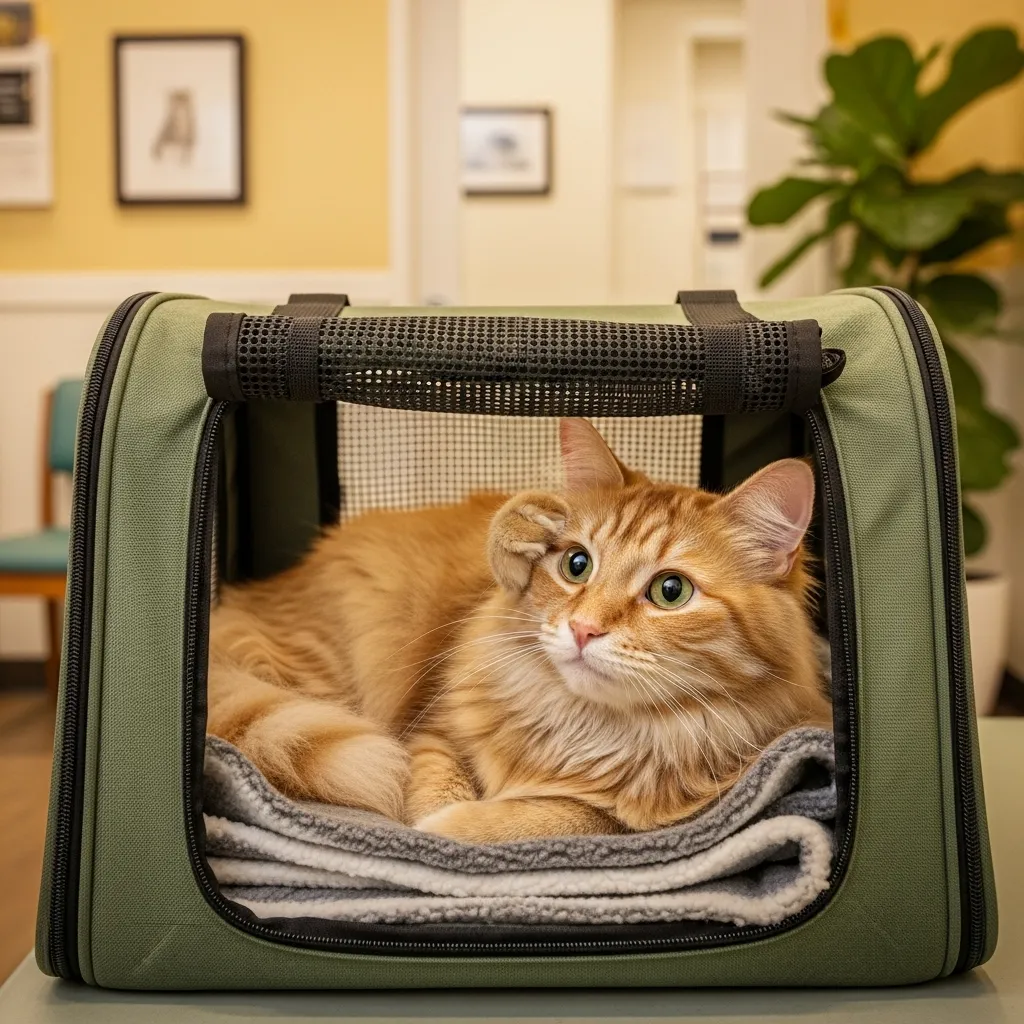
- Use a sturdy carrier: Choose one with good ventilation, like those in our best Munchkin cat carriers guide.
- Familiarize your cat: Leave the carrier out at home so it feels safe.
- Calming aids: Try pheromone sprays or consult your vet about mild sedatives for anxious cats.
- Post-visit care: Remove vet smells to reduce stress, as outlined in our remove vet smell from cat guide.
FAQ: Quick Answers to Common Cat Vet Questions
How often should kittens visit the vet?
Kittens need vet visits every 3–4 weeks until 16 weeks for vaccinations, deworming, and health checks.
What does an adult cat’s annual check-up include?
It includes a physical exam, booster shots, dental checks, and optional bloodwork to monitor health.
How frequently should senior cats see the vet?
Senior cats (7+ years) should visit every 6 months for bloodwork, urine tests, and age-related issue monitoring.
Do indoor and outdoor cats need different vet care?
Yes, outdoor cats need more frequent checks for parasites and injuries, while indoor cats focus on obesity and dental health.
How essential are vaccinations and neutering?
Vaccinations prevent deadly diseases, and neutering reduces health risks and behavioral issues. Both are critical for long-term health.
What are signs my cat needs urgent vet attention?
Vomiting, lethargy, breathing issues, or urinary problems require immediate care. Behavioral changes like hiding or aggression also warrant a visit.
Can preventive care reduce vet visits?
Yes, regular check-ups, vaccinations, and a healthy diet catch issues early, potentially reducing emergency visits.
Pro tip: Learn more about spotting issues in our cat stress signs guide.
Conclusion: Keep Your Cat Thriving with a Tailored Vet Schedule
A well-planned cat vet visit schedule is the key to a long, healthy life for your feline friend. From frequent kitten check-ups to bi-annual senior visits, tailoring routine vet check-ups for cats to your cat’s age, lifestyle, and health needs ensures they stay vibrant and happy. Watch for early signs of cat illness, prioritize cat vaccination schedules and neutering, and use preventive care for cats to catch issues before they escalate. With this cat health check-up guide, you’re equipped to make informed decisions and keep your cat purring.
Explore more expert cat care and behavior guides on Cat Bloom Haven to deepen your bond with your feline companion!