Why Does My Cat Look Away When I Slow Blink? The Real Meaning Behind This Tiny Gesture (And How It Can Deepen Your Bond)
You’re sitting on the couch, your cat is finally relaxed on the armrest, and you decide to try that “slow blink” thing you read about. You soften your eyes, blink slowly, and… your cat immediately looks away.
Sound familiar?
Don’t worry – you didn’t just get snubbed. In fact, the opposite is usually true. When a cat looks away after you slow blink, it’s one of the sweetest compliments a feline can give you.
In this complete guide, we’ll break down exactly what cat slow blinking means, why cats look away after a slow blink, the science behind this behavior, and – most importantly – how to use it to build unbreakable trust with your cat.
Quick Summary (For the Curious Cats Who Scroll)
- A slow blink from a cat = “I feel safe with you.” It’s the feline version of a hug.
- When your cat looks away after you slow blink, they’re usually returning the trust signal and de-escalating the moment so it stays comfortable.
- Prolonged staring feels threatening to cats; breaking eye contact is polite cat language.
- Studies (yes, actual peer-reviewed ones) confirm cats slow blink more at humans who slow blink back.
- Mastering the slow blink is one of the fastest, free ways to strengthen your bond.
Now let’s dive deeper.
What Is Cat Slow Blinking, Really?
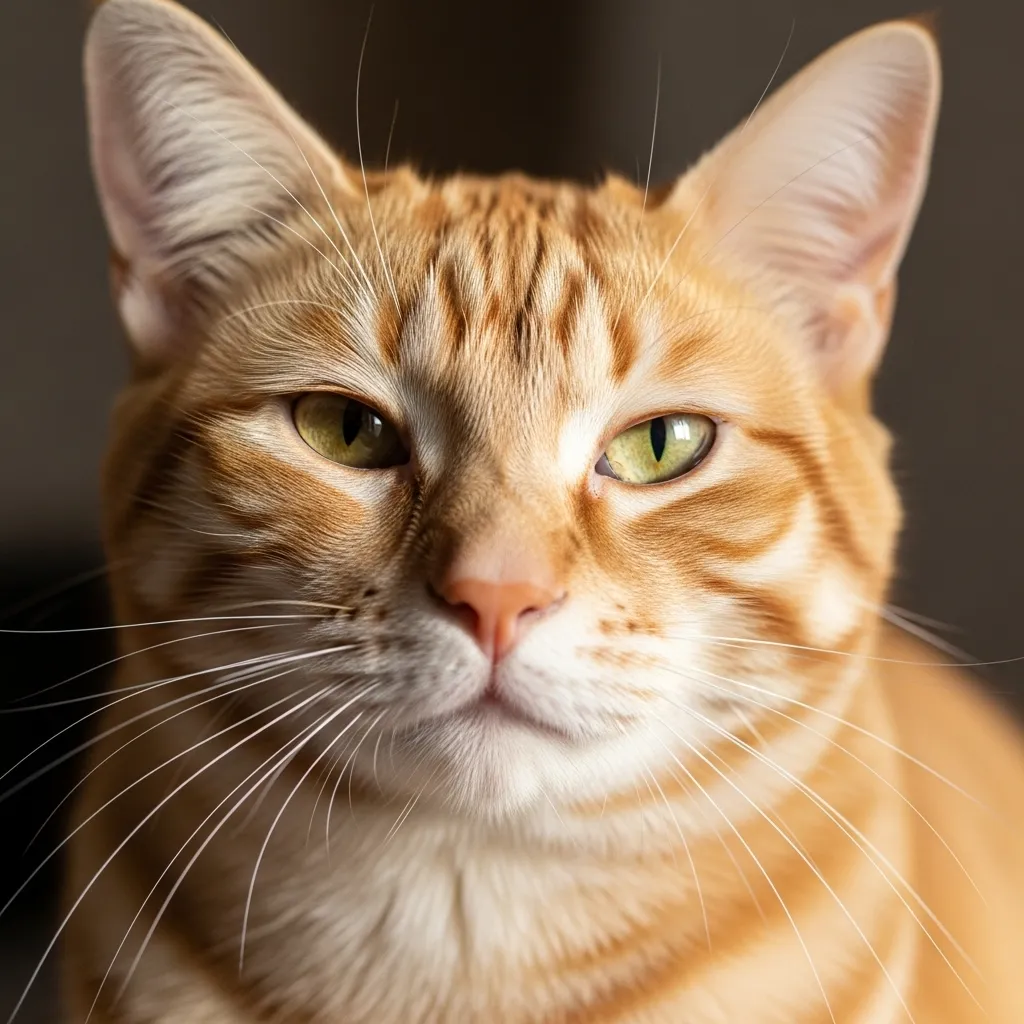
Cat slow blinking – sometimes called a “cat kiss” or “kitty kiss” – is a deliberate, relaxed blink that lasts longer than a normal reflex blink. The eyes narrow softly, sometimes almost closing, then open again slowly.
In cat body language, this is a powerful trust signal. In the wild, closing your eyes in front of another animal is risky. When a cat slow blinks at you (or accepts your slow blink by looking away or blinking back), they’re saying: “I’m not worried about you attacking me right now.”
Why Does My Cat Look Away When I Slow Blink? (The #1 Question Answered)
Looking away is the most common positive response.
Here’s what’s actually happening in your cat’s brain:
- You slow blink → Your cat registers the non-threatening gesture.
- They feel safe enough to break eye contact (which is polite in cat culture).
- Looking away prevents the moment from turning into a stare – something cats find confrontational.
- Many cats will then blink slowly back or settle into an even more relaxed posture (loafing, rolling over, purring).
So when your cat looks away after you slow blink, celebrate. You just exchanged the cat equivalent of “I love you” without words.
The Difference Between a Slow Blink and a Stare in Cats
| Behavior | Eye Appearance | Body Language | Meaning in Cat World |
|---|---|---|---|
| Slow blink | Soft, half-closed, relaxed | Ears forward or neutral, whiskers relaxed | “I trust you, I’m calm” |
| Hard stare | Wide open, unblinking | Ears sideways or back, tense body | Challenge, fear, or aggression |
| Slow blink + look away | Soft blink then gentle turn | Relaxed posture afterward | Returning affection + keeping it chill |
The Science Behind Cat Slow Blinking (Yes, Researchers Studied This)
Two landmark studies back up what cat lovers have known forever:
- University of Sussex & University of Portsmouth (2020) – Cats were more likely to approach a stranger who slow blinked at them versus one who used a neutral face.
- Animals journal (2020) – Cats slow blink more frequently toward owners who slow blink back, proving it’s a genuine form of cat-human communication.
Bottom line: The cat slow blink is not coincidence or myth. It’s measurable, repeatable, and reciprocal.
How to Slow Blink at Your Cat: Step-by-Step Guide
- Get on their level – sit or crouch so you’re not towering over them.
- Relax your own face completely (think “bedtime eyes”).
- Look at your cat with soft eyes – no hard staring.
- Slowly close your eyes for 1–2 seconds, then open them just as slowly.
- Repeat 2–3 times.
- If they look away, half-close their eyes, or slow blink back – success!
- End the session. Don’t push it; less is more.
Pro tip: Pair the slow blink with a quiet, calm environment. Turning off bright lights or playing soft music helps shy cats respond better.
Why Cats Avoid Direct Eye Contact (Even When They Love You)
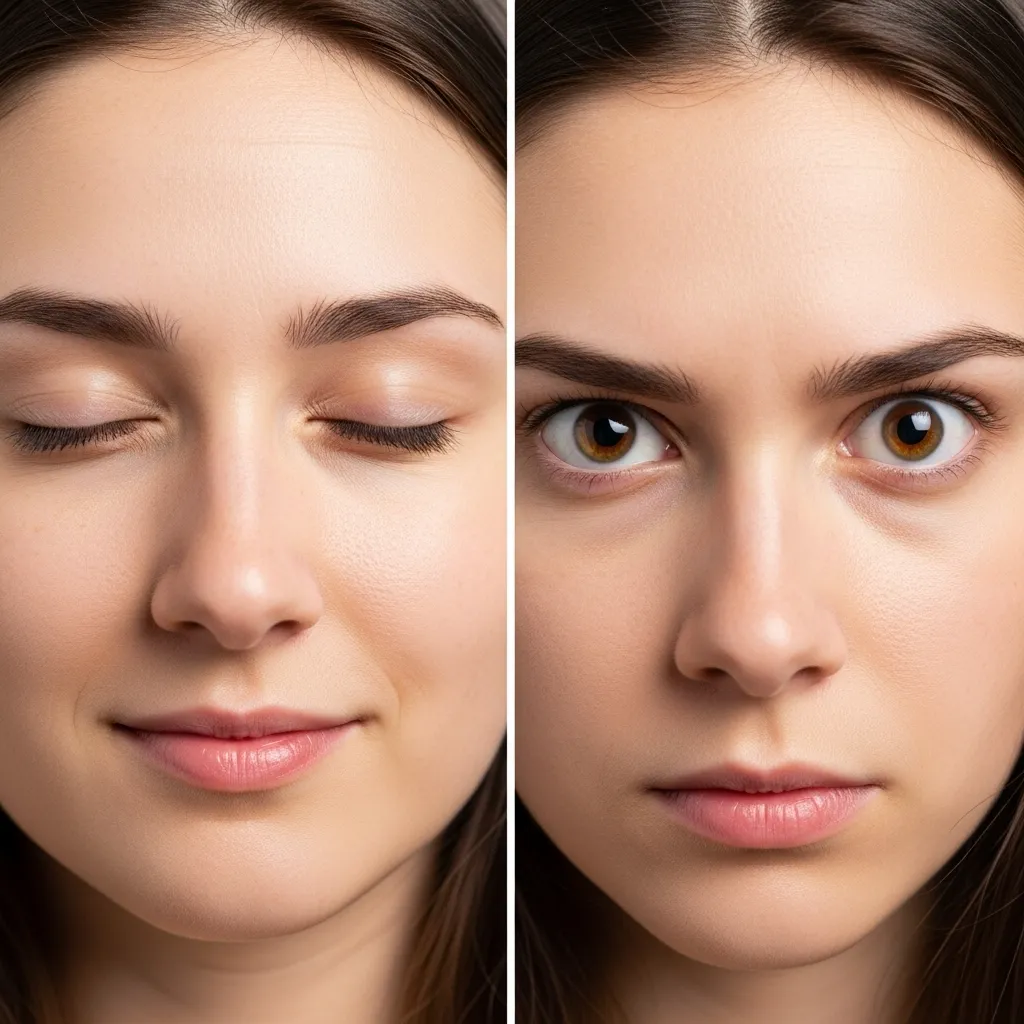
Direct, prolonged eye contact triggers a cat’s flight-or-fight response. In feral colonies, staring contests decide dominance. Your living-room tabby still carries that wiring.
That’s why even the most bonded cats rarely lock eyes for more than a few seconds. Breaking gaze or slow blinking is how they keep the peace.
Reading Cat Emotions Through Their Eyes: Quick Reference Table
| Eye Signal | Likely Emotion | What to Do Next |
|---|---|---|
| Slow blink | Content, trusting | Slow blink back, stay calm |
| Half-closed eyes + purring | Blissed out | Gentle pets usually welcome |
| Wide pupils + slow blink | Overstimulated but still okay | Give space soon |
| Dilated pupils + hard stare | Fear or aggression | Look away, stop whatever you’re doing |
| Squinting + ears back | Pain or annoyance | Check for injury, visit vet if persistent |
Do Cats Like Being Slow Blinked At?
Overwhelmingly, yes especially from people they already know. The 2020 studies showed higher approach behavior and more reciprocal slow blinking when humans initiated.
Shy or newly adopted cats may take weeks to respond, but consistency pays off.
Reciprocating the Slow Blink to Build an Unbreakable Bond
Make slow blinking part of your daily routine:
- Morning greeting when you first see them
- Before feeding (pairs the gesture with something positive)
- During quiet cuddle sessions on the couch
- When they hop on your lap uninvited (perfect moment to say “I love you” in cat)
Over time, many cats start initiating slow blinks first. That’s the ultimate compliment.
Common Slow Blink Myths Busted
Myth: “My cat never slow blinks, so he doesn’t love me.”
Truth: Some cats are just less visual communicators. They show love through head bumps, tail wraps, or sleeping pressed against you.
Myth: “Looking away means my cat is ignoring me.”
Truth: In most cases, it means the opposite – they’re comfortable enough to stop monitoring you.
Myth: “All cats hate eye contact.”
Truth: Confident, well-socialized cats often enjoy brief soft eye contact paired with slow blinks.
Frequently Asked Questions About Cat Slow Blinking
Do cats understand when you slowly blink at them?
Yes. Multiple studies show cats recognize and respond positively to human slow blinking.
What does it mean when a cat stares at you then looks away?
Usually curiosity followed by polite disengagement. If the body stays relaxed, it’s friendly.
Is it bad to stare at your cat?
Prolonged hard staring stresses most cats. Use soft eyes and slow blinks instead.
Why does my cat slow blink then walk away?
They just said “love you” and now feel safe enough to go about their day.
How long should you slow blink at a cat?
One to two seconds per blink is perfect. Any longer feels unnatural.
Do kittens slow blink?
Yes, but they learn the full social meaning around 8–12 weeks.
Final Thoughts: The Tiny Gesture That Says Everything
Next time your cat looks away after you slow blink, smile. You’ve just shared one of the purest forms of cross-species affection on the planet.
Keep practicing. Be patient with shy or skeptical cats. Over days and weeks, you’ll notice more reciprocal blinks, more head boops, more laps sat on, and more of those magical moments when your cat chooses you.
Because at the end of the day, a slow blink isn’t just a blink. It’s your cat’s way of saying, “In a world full of threats, you’re my safe place.”
Want to understand even more cat communication signals? Check out these guides next:
→ Cat tail language: The ultimate decoder
→ Why cats show their bellies (and when you can actually touch them)
→ The complete guide to cat body language and trust
Keep blooming (and blinking),
The Cat Bloom Haven Team
P.S. Try the slow blink challenge tonight – report back in the comments how your cat responded! 🐾