Lost Cat Recovery: Proven Strategies to Find Your Missing Feline

Losing a cat is a heart-wrenching experience that no pet owner wants to face. The panic sets in: Where could they be? Will they come back? The good news is that with the right approach, many lost cats are reunited with their families. This guide dives deep into lost cat recovery, offering practical, expert-backed strategies to boost your chances of finding your missing feline.
From immediate actions to leveraging technology and community support, we’ll cover everything you need to know to bring your cat home safely. You’ll also learn how to prevent future escapes and why tools like microchipping are game-changers. Let’s get started.
Key Takeaways for Lost Cat Recovery
- Act Fast: Start searching within 24 hours to maximize recovery odds.
- Microchipping Matters: Cats with microchips are far more likely to be returned.
- Community Power: Engage neighbors, local shelters, and social media for wider reach.
- Smart Search Tactics: Use scent, sound, and strategic timing to lure your cat back.
- Prevention Saves Heartache: Secure your home and use tracking tech to keep your cat safe.
Why Cats Go Missing: Understanding the Problem
Cats are curious creatures, and their instinct to explore can lead them to slip out an open door, climb through a window, or dart into unfamiliar territory. Indoor cats may wander if they’re scared, stressed, or chasing something, while outdoor cats face risks like getting trapped or disoriented. According to ASPCA lost cat statistics, about 15% of cat owners lose their pet at some point, but proactive strategies can significantly improve recovery odds.
Common reasons cats go missing include:
- Curiosity or Hunting Instincts: Cats chase prey or explore new areas.
- Fear or Stress: Loud noises (fireworks, storms) can spook them into hiding.
- Territory Disputes: Unneutered cats may roam to find mates or defend territory.
- Accidental Trapping: Cats can get stuck in sheds, garages, or neighbors’ yards.
Understanding why your cat might have vanished helps tailor your search. For example, a scared Siamese might hide close to home, while a bold Bengal could wander farther. Explore our guide on Siamese cat behavior or Bengal cat personality for breed-specific insights.

Immediate Steps to Take When Your Cat Goes Missing
Time is critical when your cat disappears. The sooner you act, the better your chances of recovery. Here’s a step-by-step plan to kickstart your lost cat search strategies:
1. Search Your Home Thoroughly
Cats often hide in unexpected places. Check:
- Under furniture, beds, or appliances.
- Inside closets, cabinets, or boxes.
- Behind curtains or in warm spots like laundry baskets.
Tip: Use a flashlight to spot reflective eyes in dark corners. Learn more about cat hiding behavior.
2. Expand the Search to Your Property
Indoor cats rarely stray far. Search:
- Bushes, trees, or under decks.
- Garages, sheds, or crawl spaces.
- Neighboring yards (with permission).
Pro Tip: Leave a door or window open with familiar items like their bed or litter box outside to lure them back.
3. Alert Your Neighbors
Knock on doors and ask neighbors to check their properties. Provide:
- A clear photo of your cat.
- Your contact information.
- Details about your cat’s personality (e.g., shy or friendly).
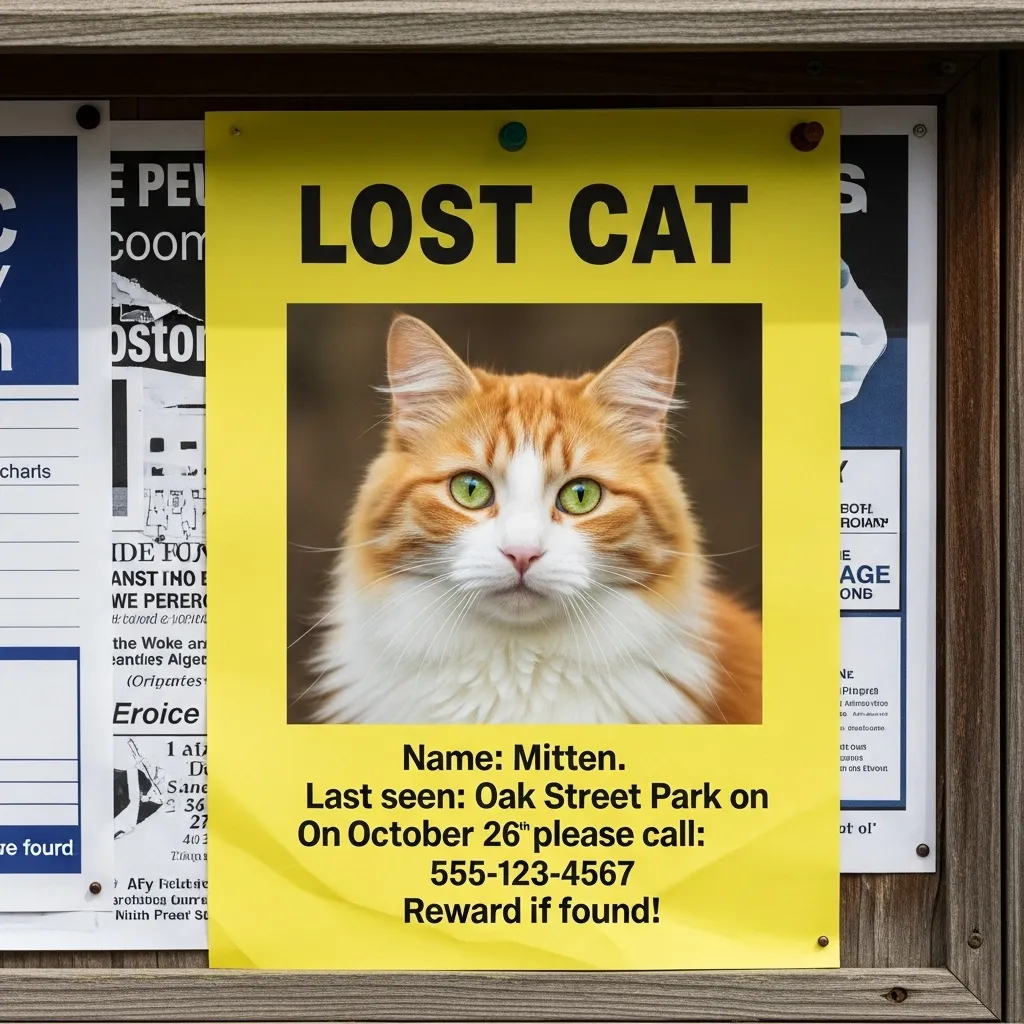
4. Create and Distribute Lost Cat Posters
Make eye-catching lost cat posters and flyers with:
- A high-quality photo.
- Your cat’s name, description, and unique markings.
- Contact details and any reward offered.
- Mention if your cat is microchipped.
Post flyers in high-traffic areas like community boards, vet clinics, and local stores. Discover tips for creating effective pet posters.
5. Contact Local Shelters and Vets
Call or visit nearby shelters, rescue groups, and vet offices. Provide:
- A description of your cat.
- Microchip information (if applicable).
- A recent photo.
Note: Check shelters daily, as cats can be brought in at any time.
The Power of Microchipping: A Game-Changer for Lost Cat Recovery
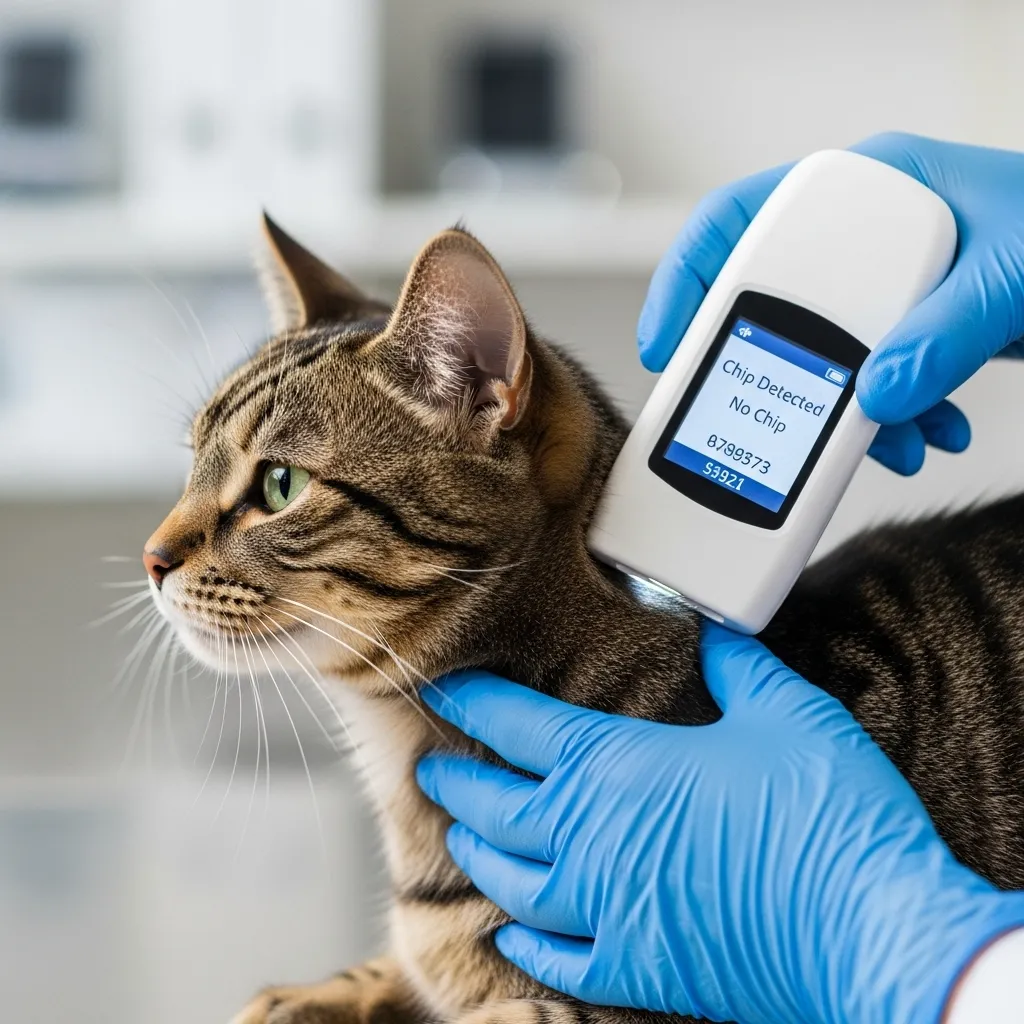
Microchipping significantly boosts missing cat recovery odds. A microchip is a tiny device implanted under your cat’s skin, containing a unique ID number linked to your contact information. When scanned at a vet or shelter, it helps reunite you with your pet.
Microchipped vs. Non-Microchipped Cats
- ASPCA Data: Cats with microchips are 20 times more likely to be returned than non-microchipped cats.
- Success Rate: About 38% of microchipped cats are reunited with owners, compared to just 2% of non-microchipped cats.
- Cost-Effective: Microchipping costs $20–$50 and lasts a lifetime.
Vet Tip: Ensure your microchip is registered with updated contact details. Services like 24Petwatch lost pet resources can help manage this. Learn more about the importance of microchipping cats.
Leveraging Community and Social Media for Lost Cat Search
Your community—both local and online—can be a lifeline in finding a lost cat. Here’s how to tap into community help for lost pets:
1. Engage Your Neighborhood
- Organize a search party with friends and neighbors.
- Share flyers in mailboxes or community centers.
- Ask local delivery drivers or mail carriers to keep an eye out.
Real-Life Example: In 2023, a Maine Coon named Luna was found after a neighbor spotted her in a garage, thanks to a widely shared flyer. Read more about Maine Coon traits.
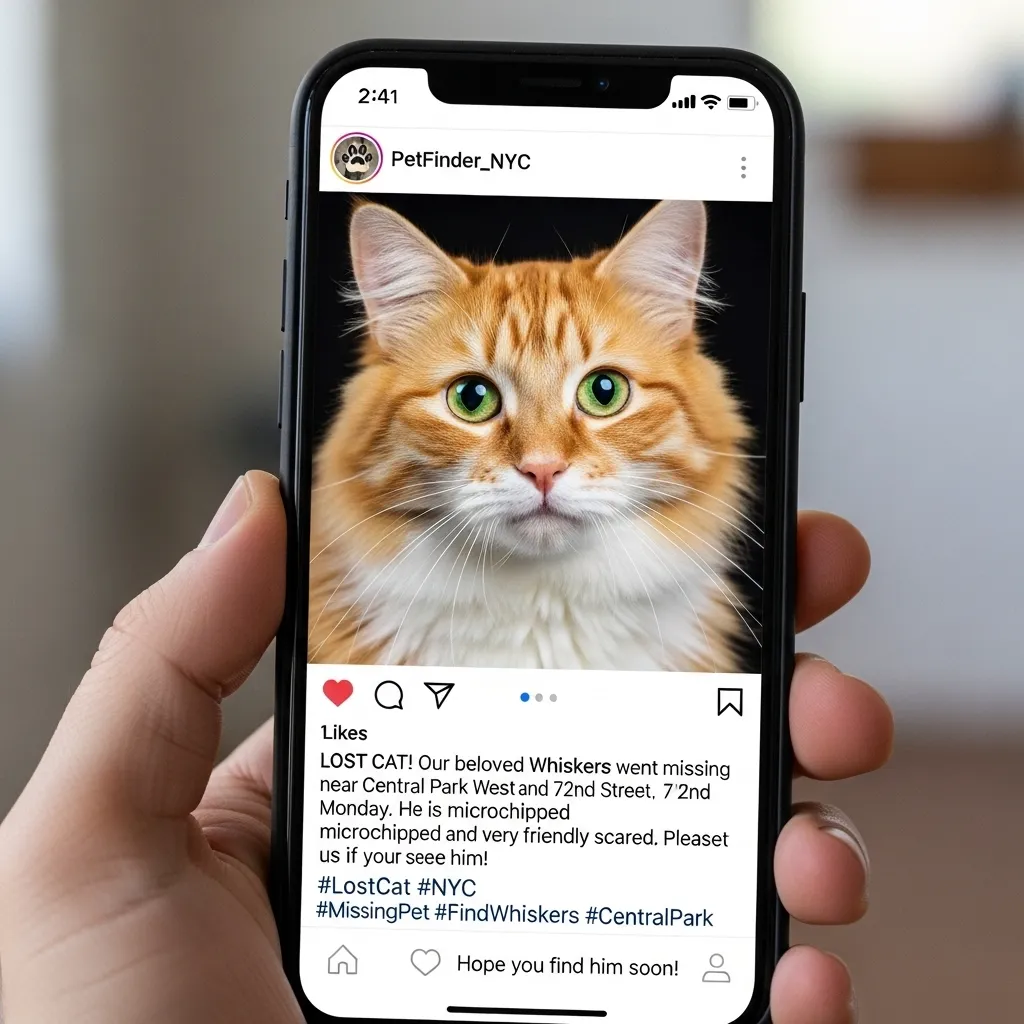
2. Harness Lost Cat Social Media Campaigns
Post on platforms like:
- Facebook: Join lost pet Facebook groups or local community pages.
- Nextdoor: Alert neighbors in your area with real-time lost cat near me posts.
- Instagram/Twitter: Use hashtags like #LostCat or #MissingPet with your location.
Tip: Include a clear photo, your cat’s name, and a call-to-action like “Please share!” to boost visibility.
3. Collaborate with Local Shelters and Rescue Services
Partner with organizations like:
- Local animal shelters.
- Rescue groups (e.g., Humane Society).
- 24Petwatch lost pet resources for online registries.
Pro Tip: Register your cat on lost pet databases to widen the net.
Advanced Search Strategies: Neighborhood and Beyond
If your cat isn’t found within a day or two, expand your neighborhood search tips for lost cats with these tactics:
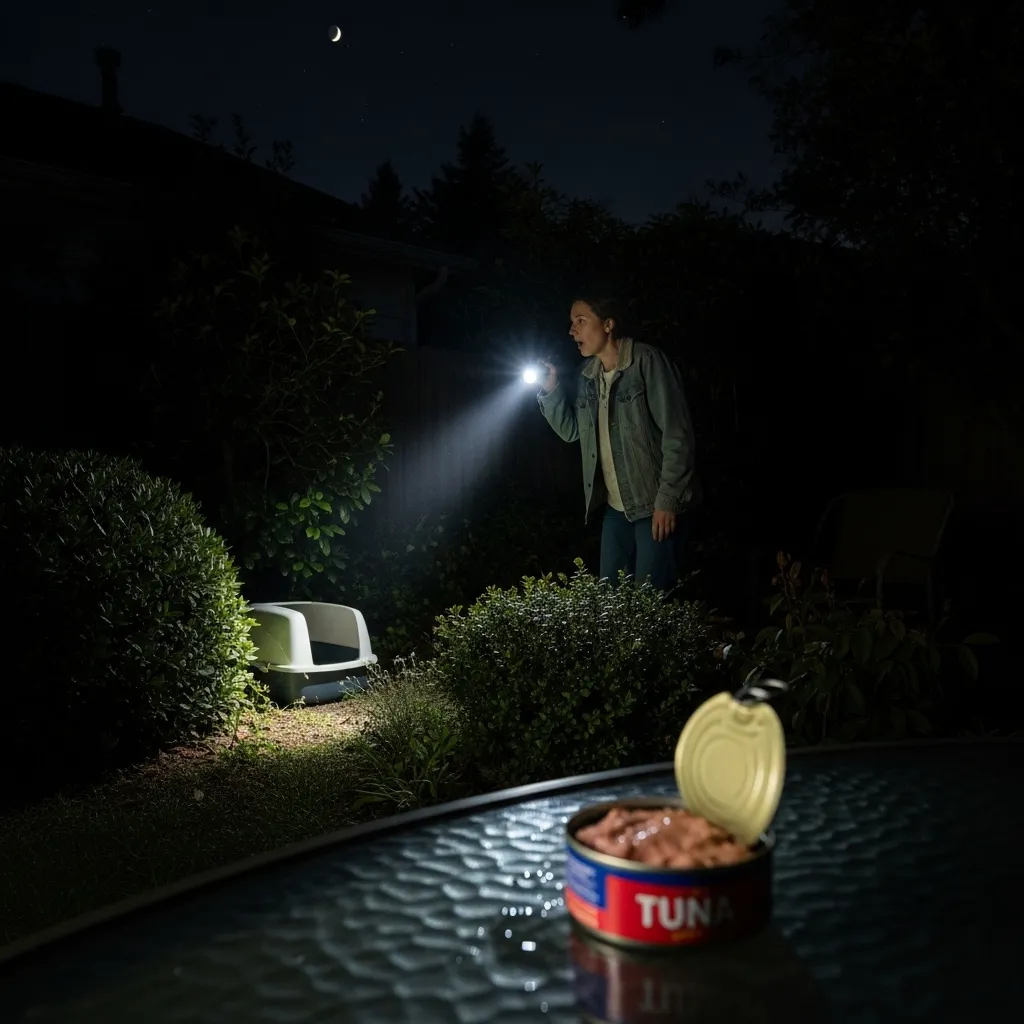
1. Search at Night
Cats are often more active at dusk or dawn. Use a flashlight and call their name softly to avoid scaring them. Bring familiar items like treats or toys to attract them.
2. Use Scent to Lure Your Cat
Place items with familiar smells outside, such as:
- Your cat’s bedding or litter box.
- An unwashed shirt with your scent.
- Their favorite food (e.g., tuna or wet cat food).
Note: Avoid leaving food out too long to prevent attracting wildlife. Check out our guide on cat food choices.
3. Set Up a Humane Trap
If your cat is skittish, use a humane trap baited with food. Check it frequently to avoid stress or injury. Local shelters often lend traps.
4. Expand the Radius
Indoor cats typically stay within a 5-house radius, while outdoor cats may roam up to a mile. Use a map to systematically search nearby streets, parks, and wooded areas.
Technology to Aid Lost Cat Recovery
Modern pet tracking technology can make a huge difference. Consider these tools:
1. Cat GPS Collars
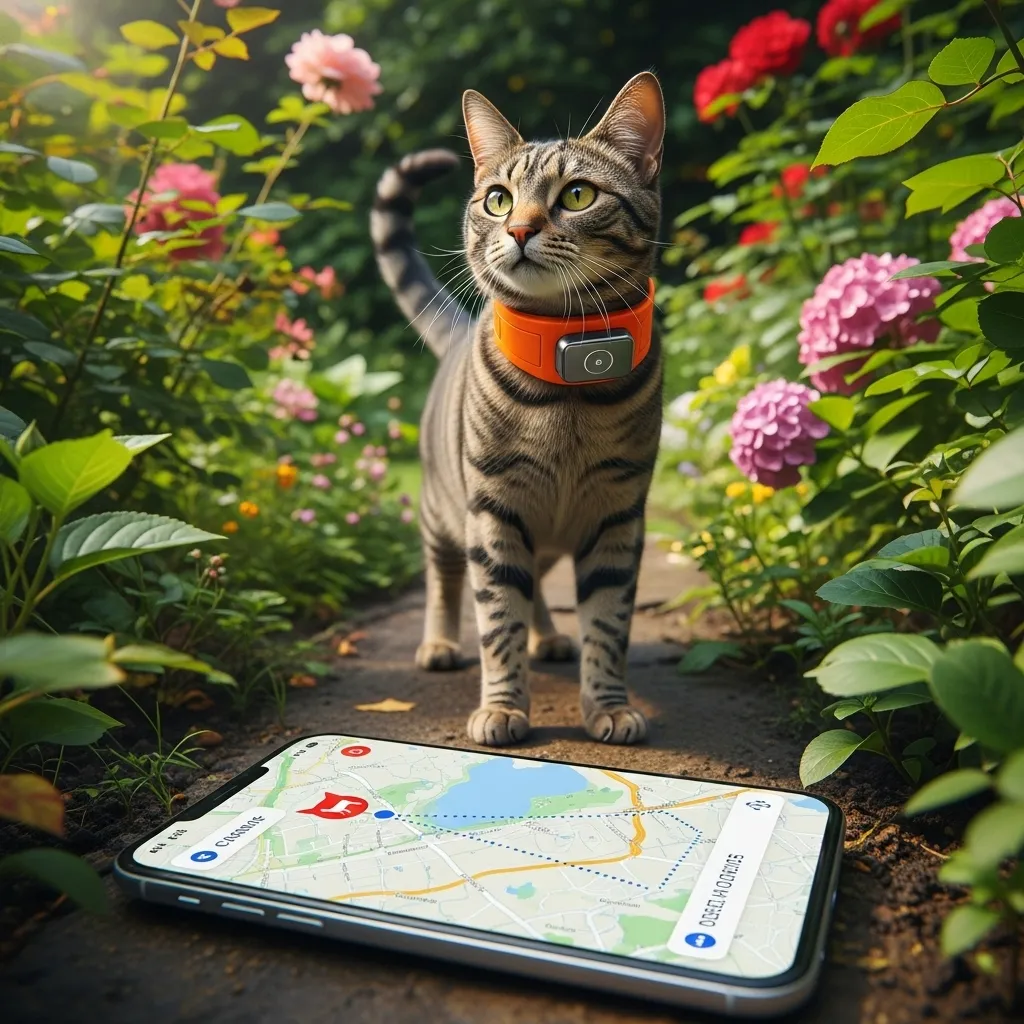
Devices like Tractive or Whistle attach to your cat’s collar and track their location in real-time via a smartphone app. Cost: $50–$150 plus subscription fees.
2. Pet Tracker Apps
Apps like Petco’s Lost Pet Alert or 24Petwatch allow you to register your cat and receive real-time lost cat alerts if someone scans their microchip.
3. Security Cameras or Trail Cams
Set up cameras around your property to monitor for your cat’s return, especially at night.
Example: A Ragdoll named Max was found after his owner spotted him on a neighbor’s security footage, wandering at 2 a.m. Learn more about Ragdoll behavior.
Preventing Future Escapes: Cat Safety Tips
The best way to avoid the stress of a lost cat is prevention. Here are cat safety and prevention tips to keep your feline secure:
- Secure Your Home: Check for gaps in windows, doors, or fences. See our guide on keeping cats indoors.
- Spay/Neuter: Neutered cats are less likely to roam. Learn about neutering benefits.
- Use ID Tags: Ensure your cat wears a collar with your contact info.
- Microchip Early: Implant and register a microchip before your cat goes missing.
- Create a Safe Space: Provide indoor enrichment to reduce escape attempts. Discover ways to entertain your cat.
Table: Prevention Tools Comparison
| Tool | Cost | Effectiveness | Notes |
|---|---|---|---|
| Microchip | $20–$50 | High | Lifetime solution, needs registration |
| GPS Collar | $50–$150 | High | Requires battery and subscription |
| ID Tag | $5–$15 | Moderate | Can fall off, needs updating |
| Window Screens | $10–$50 | High | Prevents escapes, easy to install |

Pet Recovery Success Stories: Inspiration to Keep Going
Hearing about others’ successes can keep you motivated. Here are two pet recovery success stories:
- Milo the Munchkin: Milo, a Munchkin cat, escaped during a move. His owner posted on a lost pet Facebook group, and a neighbor found him hiding in a shed three days later, thanks to a microchip scan. Read more about Munchkin cat care.
- Bella the Norwegian Forest Cat: Bella vanished during a storm. Her owner used a trail cam and tuna to lure her back after five days. Explore Norwegian Forest Cat traits.
These stories show that persistence pays off. Stay hopeful and keep searching!
FAQ: Your Top Lost Cat Questions Answered
What are the chances of finding a lost cat?
About 74% of lost cats are found, with microchipped cats having a 38% reunion rate compared to 2% for non-microchipped cats, per ASPCA data.
How does microchipping increase my lost cat’s recovery odds?
A microchip provides a permanent ID that shelters and vets can scan to contact you, drastically improving reunion chances.
What should I do if my cat goes missing?
Search your home, alert neighbors, post flyers, contact shelters, and use social media immediately. Act within 24 hours for best results.
How can I improve the odds of finding my lost cat quickly?
Use scent lures, search at night, post on social media, and check local shelters daily. A microchip significantly boosts success.
How can technology and community networks aid in my lost cat search?
GPS collars, pet tracker apps, and social media platforms like Nextdoor or Facebook groups amplify visibility and connect you with helpers.
What preventive measures can I take to keep my cat from getting lost?
Microchip your cat, use ID tags, secure your home, and spay/neuter to reduce roaming behavior.
Conclusion: Bringing Your Cat Home
Losing a cat is stressful, but with quick action, smart strategies, and community support, you can boost your lost cat recovery odds. Start with a thorough home search, leverage microchip cat recovery success tools, and tap into lost cat social media campaigns for maximum reach. Most importantly, don’t lose hope—many cats return home thanks to persistent owners.
For more expert tips on keeping your feline safe and happy, explore our resources at Cat Bloom Haven. From cat safety tips to preventing escape behavior, we’ve got you covered. Keep searching, stay proactive, and bring your furry friend home!