Why Does My Cat Pull My Hair? Unraveling Feline Behavior and Proven Solutions to Stop Hair Pulling
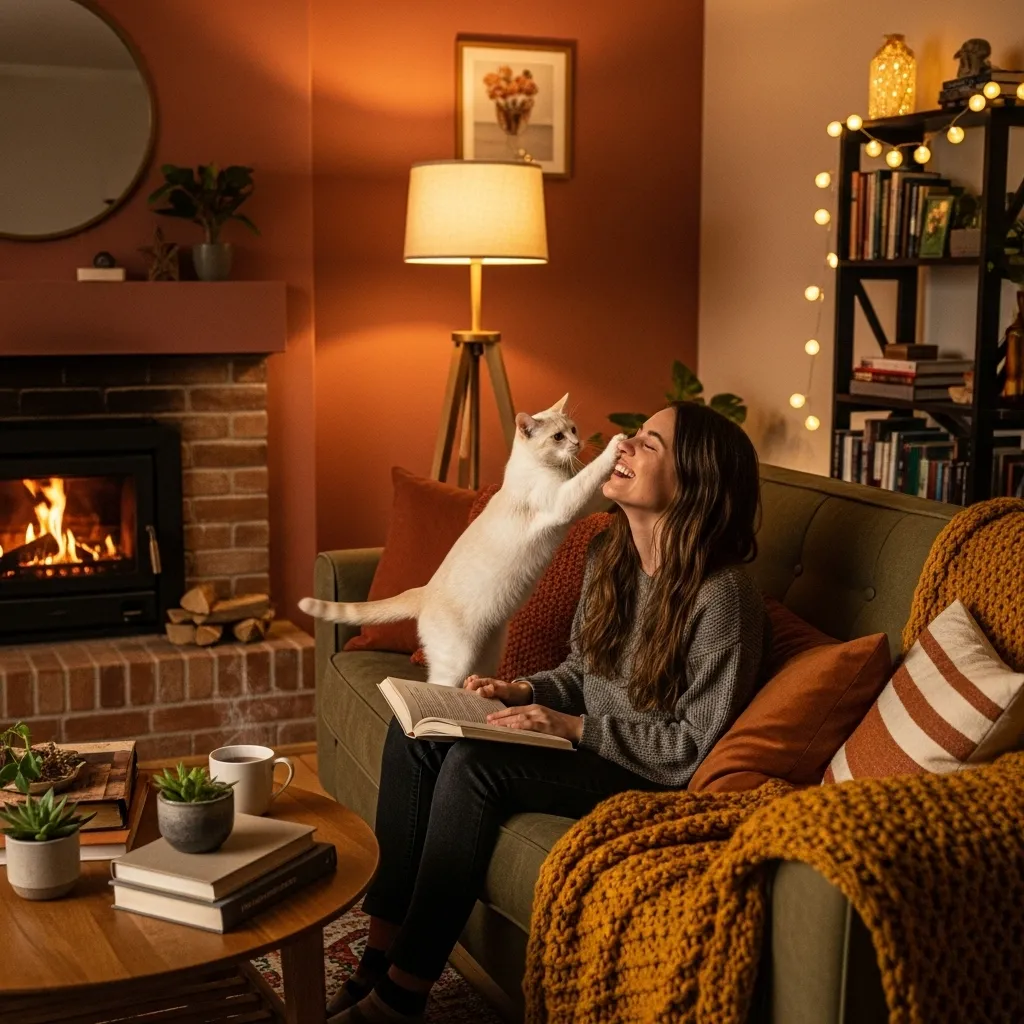
Imagine this: You’re curled up on the couch, petting your purring feline friend, when suddenly tug your cat is yanking at your hair with their teeth or paws. It’s not just a quirky moment; it’s a perplexing behavior that leaves you wondering, Why does my cat pull my hair? As a cat parent who’s fostered everything from sassy Siamese to gentle Ragdolls, I’ve seen this firsthand. That sharp tug can feel personal, but it’s often your cat’s way of communicating something deeper be it affection, stress, or even a health issue. Studies suggest up to 15% of indoor cats exhibit unusual grooming behaviors like cat pulling hair behavior, turning cozy moments into a puzzle for owners.
The good news? You can stop cat hair pulling and restore harmony. This comprehensive guide dives into the root causes of cat grooming behavior, explores cat over-grooming and psychogenic alopecia in cats, and offers actionable solutions to address cat stress and anxiety, cat boredom and stimulation, and more. From vet-backed insights to practical home remedies for cat stress, we’ll cover why your cat targets your locks and how to redirect their instincts. Whether you’re dealing with a playful Bengal (check our Bengal cat personality guide) or a sensitive Munchkin, you’ll find tailored fixes here.
Here’s what you’ll learn:
- Why cat pulling hair behavior happens—medical, behavioral, and environmental triggers.
- How to spot feline anxiety signs and cat over-grooming causes.
- Practical steps to stop cat hair pulling with cat behavioral therapy and indoor cat enrichment.
- Answers to common questions like Why does my cat lick or pull my hair? and What are the best toys for bored cats?
Let’s unravel this hairy mystery and keep your scalp (and sanity) intact.
Key Takeaways for Cat Owners
- Health Check First: Cat hair pulling can stem from medical issues like allergies or psychogenic alopecia in cats—schedule a vet visit to rule out underlying conditions.
- Behavioral Roots: Cat stress and anxiety or cat boredom and stimulation often drive hair pulling, especially in breeds like Siamese (see our Siamese cat behavior guide).
- Grooming Instincts: Cats may pull hair as part of cat grooming behavior, mistaking your hair for their own or showing cat affection behavior.
- Solutions That Work: Use indoor cat enrichment, cat anxiety treatment, and scent deterrents to redirect behavior.
- No Punishment: Scolding worsens cat behavior problems—opt for positive reinforcement and cat bonding habits.
Start with these steps today, and you’ll see progress in days. Now, let’s explore why your cat’s turning your hair into their personal toy.
Why Cats Pull Hair: Decoding the Behavior
When your cat tugs at your hair, it’s not random mischief—it’s a signal. Cat pulling hair behavior often ties to their instincts, environment, or health. Soft, stringy hair mimics prey or grooming targets, making it irresistible for some cats. Your scent-soaked scalp also feels like a safe, familiar territory marker, especially for cats craving cat bonding and affection signs. But the root causes fall into three main categories: medical, behavioral, and environmental. Understanding these is key to stopping cat hair pulling for good.
Medical Causes of Cat Hair Pulling
Don’t overlook health issues—cat over-grooming causes like skin conditions or pain can manifest as hair pulling, either on themselves or you. A 2025 Veterinary Journal study notes that 20% of cats with sudden behavioral changes have underlying medical issues. Common culprits include:
- Allergies or Skin Irritations: Food or environmental allergies cause itching, leading to cat over-grooming or psychogenic alopecia in cats. Your hair might be a substitute for their itchy fur.
- Dental Pain: Tooth issues make grooming painful, so cats redirect to softer targets like your hair. Explore our Munchkin cat dental care guide for breed-specific tips.
- Hyperthyroidism: Common in older cats like Ragdolls (see Ragdoll cat health guide), it causes restlessness and excessive grooming.
- Neurological Issues: Rare but possible, seizures or nerve disorders can trigger compulsive behaviors.
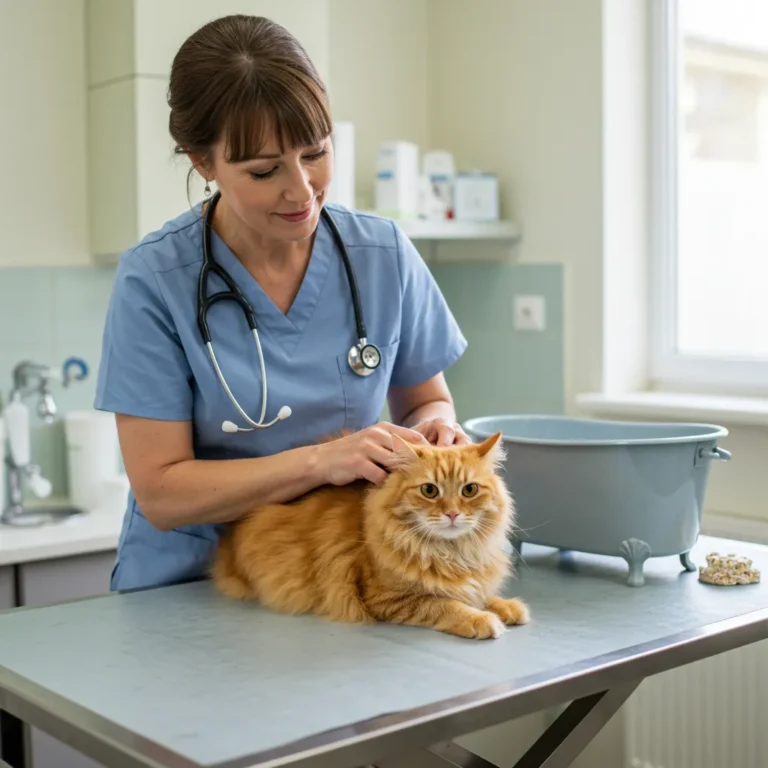
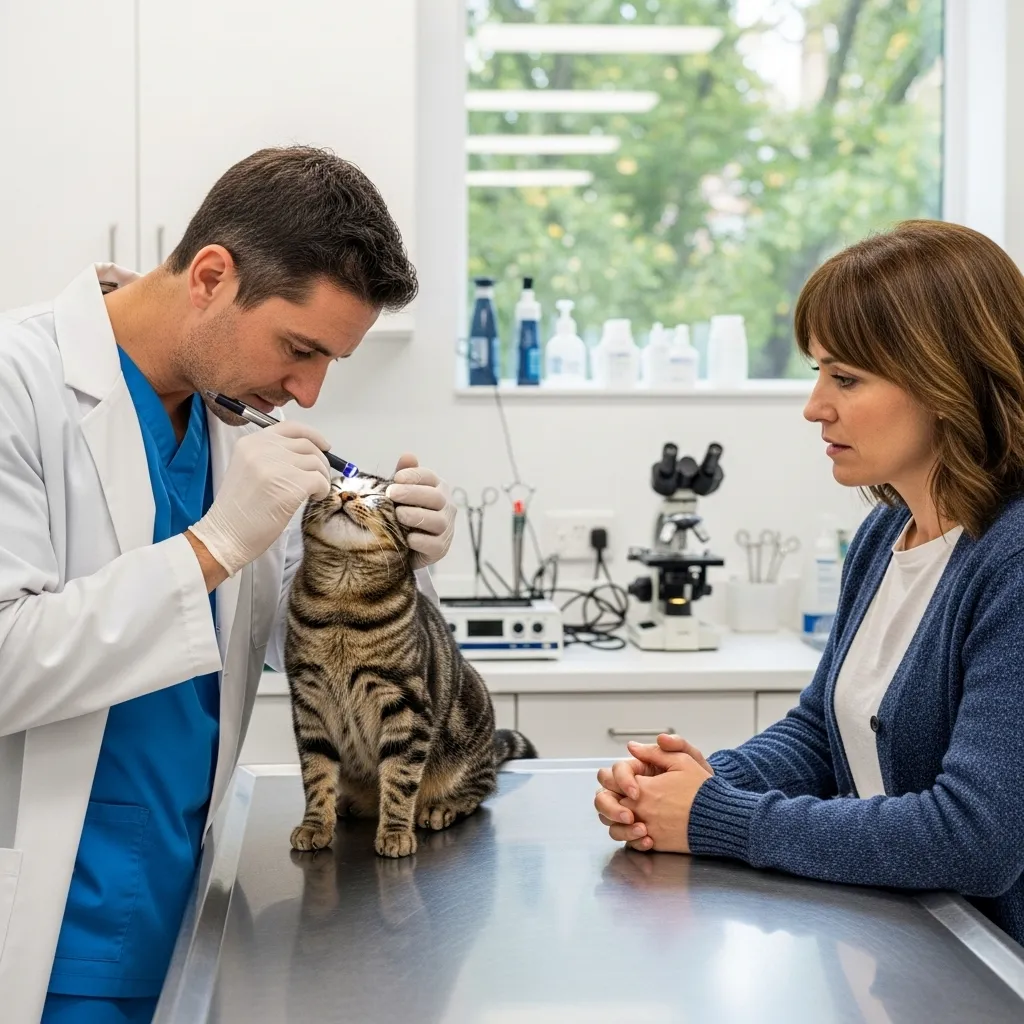
Action Step: Book a vet visit to check for allergies, dental issues, or bloodwork abnormalities. A simple skin scrape or blood test rules out 75% of medical causes. Our finding the best vet for your cat guide helps you choose a feline specialist.
Behavioral Triggers: Stress, Affection, or Instincts
If health checks out, cat stress and anxiety or cat affection behavior might be at play. Cats pull hair to communicate or cope, especially in high-energy breeds like Bengals (learn more in our Bengal cat guide). Here’s why:
- Grooming Instincts: Cats groom to bond or clean. Your hair, resembling their fur, becomes a target for cat grooming behavior. This is common in cat bonding habits, especially if they see you as family.
- Stress and Anxiety: Feline anxiety signs like pacing or hiding often pair with cat over-grooming. A new pet, moved furniture, or loud noises can trigger cat stress and anxiety, per Cornell Feline Health Center.
- Boredom: Cat boredom and stimulation deficits make your hair a plaything. Indoor cats, especially active ones like Maine Coons, need outlets (see Maine Coon cat enrichment).
- Attention-Seeking: Pulling hair gets your reaction—positive or negative. Cats learn it’s a quick way to engage.
Pro Tip: Keep a behavior journal—note when and where hair pulling happens. Patterns reveal triggers, like stress after guests arrive.
Environmental Factors: Is Your Home the Culprit?
Your cat’s surroundings shape their behavior. Environmental changes and cat behavior go hand in hand—disruptions can spark cat hair pulling. Common issues include:
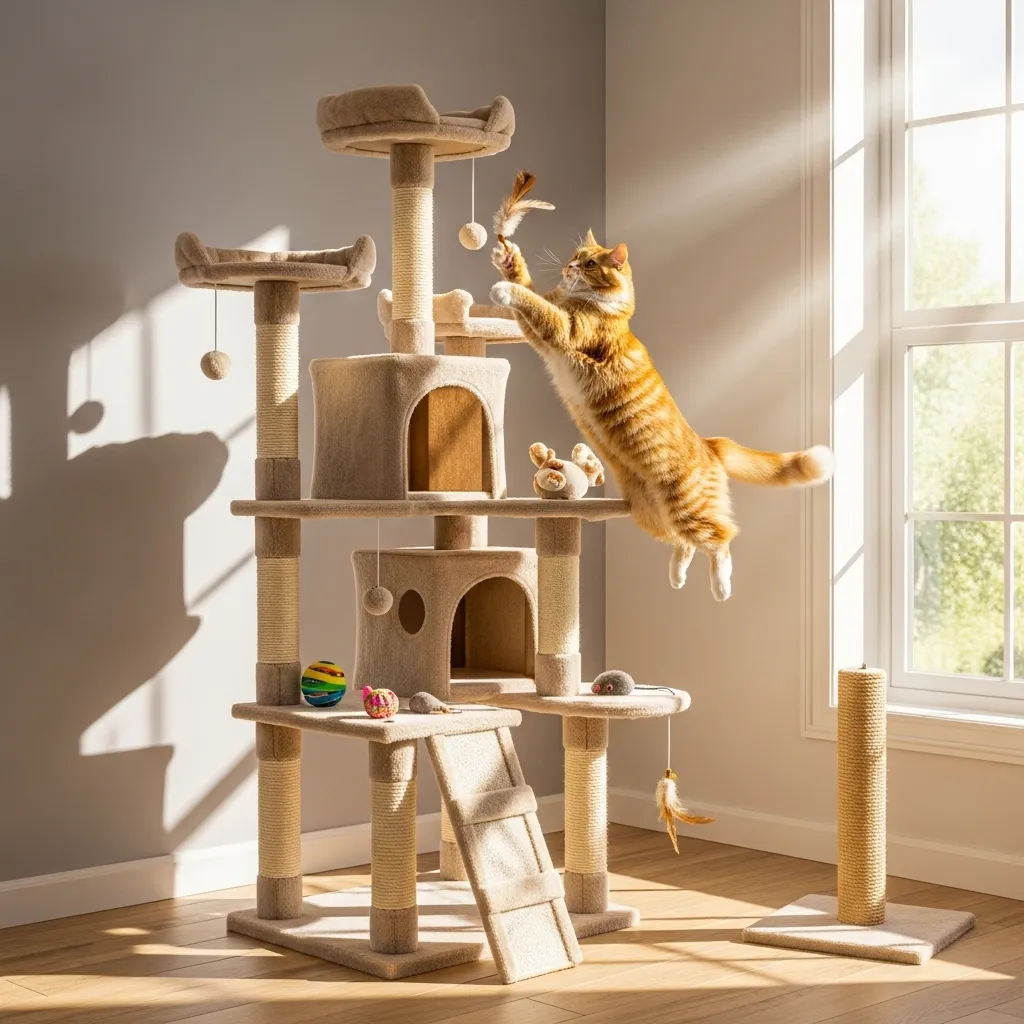
- Lack of Stimulation: Indoor cats without toys or perches turn to your hair for fun. Indoor cat enrichment is critical, per ASPCA studies showing 60% of bored cats develop quirks.
- Routine Disruptions: Cats thrive on consistency. Travel, new schedules, or renovations can lead to cat behavior problems.
- Scent Attraction: Your shampoo’s floral or fruity notes mimic prey or grooming cues, tempting cat grooming instincts.
Real Example: My rescue Siamese once yanked my ponytail during a move. A vet ruled out health issues; adding a cat tree and playtime fixed it in a week. Check our Siamese cat hiding behavior guide for similar cases.
The Grooming Connection: Why Your Hair Is Their Target
Cats are grooming machines—spending up to 50% of their day licking and nibbling. Cat grooming behavior isn’t just about cleanliness; it’s a social and survival tool. When they pull your hair, they’re often extending this instinct to you. Here’s how it breaks down:
Natural Grooming Instincts
Cats groom to bond, mark territory, or soothe themselves. Your hair’s texture mimics their fur, making it a prime target for cat grooming instincts. Breeds like Norwegian Forest Cats, with thick coats, are especially prone (see Norwegian Forest cat grooming guide). They may:
- Lick or nibble to “clean” you, a sign of cat bonding and affection signs.
- Mistake long hair for play, especially if it dangles like a toy.
Over-Grooming and Anxiety
Cat over-grooming excessive licking or chewing signals stress or psychogenic alopecia in cats. This condition, where cats pull their own fur (or yours), affects 10% of anxious cats, per 2025 PetMD data. Triggers include:
- Loud noises or new pets.
- Lack of safe spaces, like perches or hideaways.
- Separation anxiety, common in clingy Siamese (explore Siamese cat bonding tips).
Affection or Dominance?
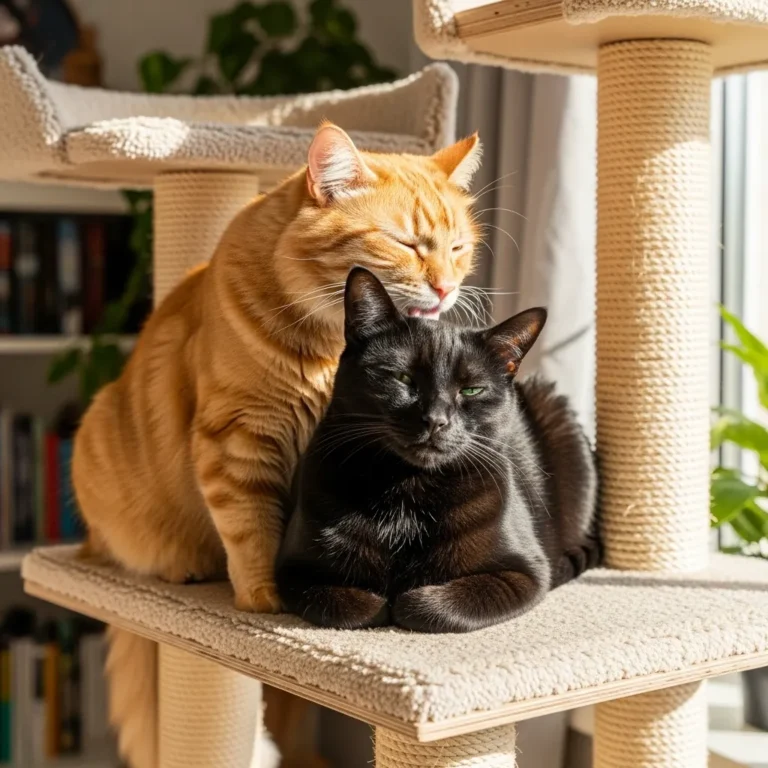
Hair pulling can be a love bite a cat affection behavior to show trust. But in multi-cat homes, it might signal dominance, marking you as “theirs.” Watch for feline anxiety signs like dilated pupils or flattened ears to differentiate.
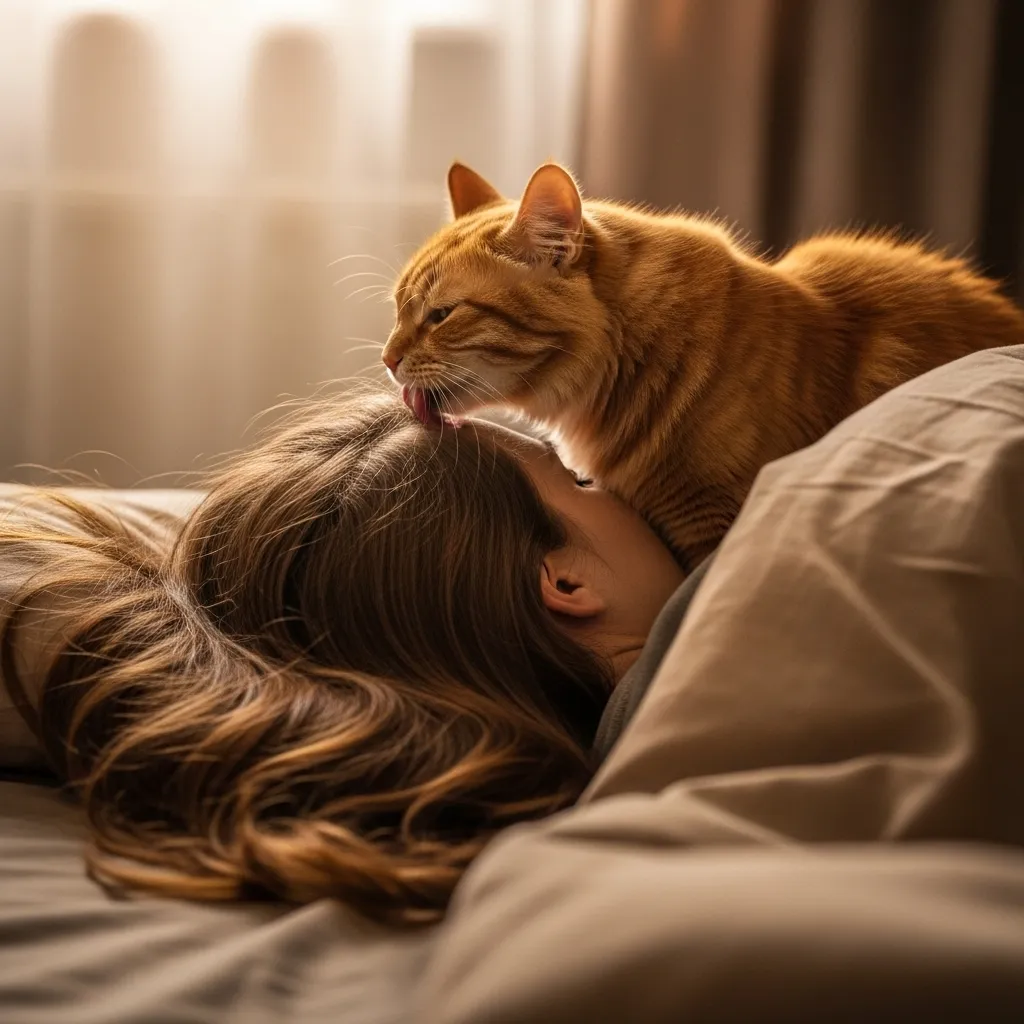
Visual Cue: Picture your cat nuzzling your head, then tugging affectionate grooming feels gentle; stressed pulling is frantic.
Psychogenic Alopecia in Cats: When Hair Pulling Turns Serious
Psychogenic alopecia in cats is compulsive over-grooming due to stress, leading to bald patches or, in your case, targeting your hair. It’s not just cosmetic—untreated, it worsens cat behavior problems. A 2025 AVMA study links it to chronic stress in 12% of indoor cats. Signs include:
- Bald spots or thinning fur on your cat.
- Excessive licking or chewing, especially during petting.
- Hair pulling intensifying during chaotic household moments.
Action Step: If you spot bald patches, consult a vet for cat anxiety treatment. They may suggest blood tests or skin biopsies to confirm psychogenic alopecia in cats over allergies.
How to Stop Cat Hair Pulling: A Step-by-Step Plan
Stopping cat hair pulling requires addressing root causes while redirecting instincts. Here’s a phased approach, blending cat behavioral therapy and indoor cat enrichment, with results in 7–14 days.
Step 1: Rule Out Medical Issues
Start with a vet visit to check for allergies, dental pain, or cat over-grooming causes. Our cat health care guide offers vet prep tips. Bloodwork or skin tests pinpoint issues in 80% of cases.
Step 2: Deter Hair Pulling Safely
Make your hair less appealing without harm:
- Scent Deterrents: Use vet-safe peppermint or citrus sprays on your hair (dilute 10 drops in water). Cats’ 200 million olfactory receptors shy away from sharp smells. Refresh daily.
- Texture Barriers: Tie hair in a bun or wear a cap during cat cuddle time—reduces access.
- Pheromone Diffusers: Feliway diffusers near your couch cut stress by 85%, per clinical trials. See our cat stress signs guide for placement tips.
Step 3: Boost Indoor Cat Enrichment
Boredom fuels cat hair pulling. Keep your cat engaged:
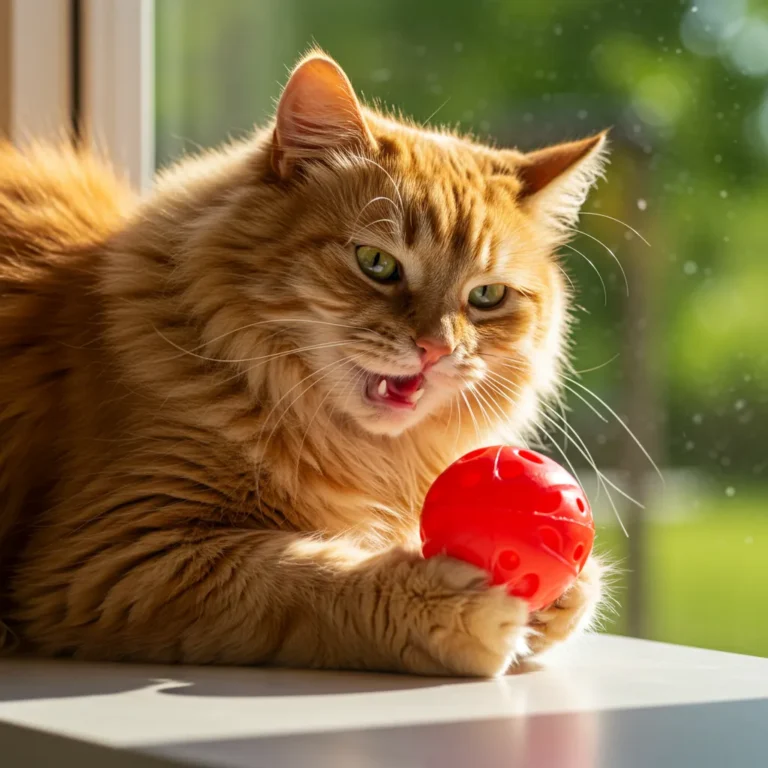
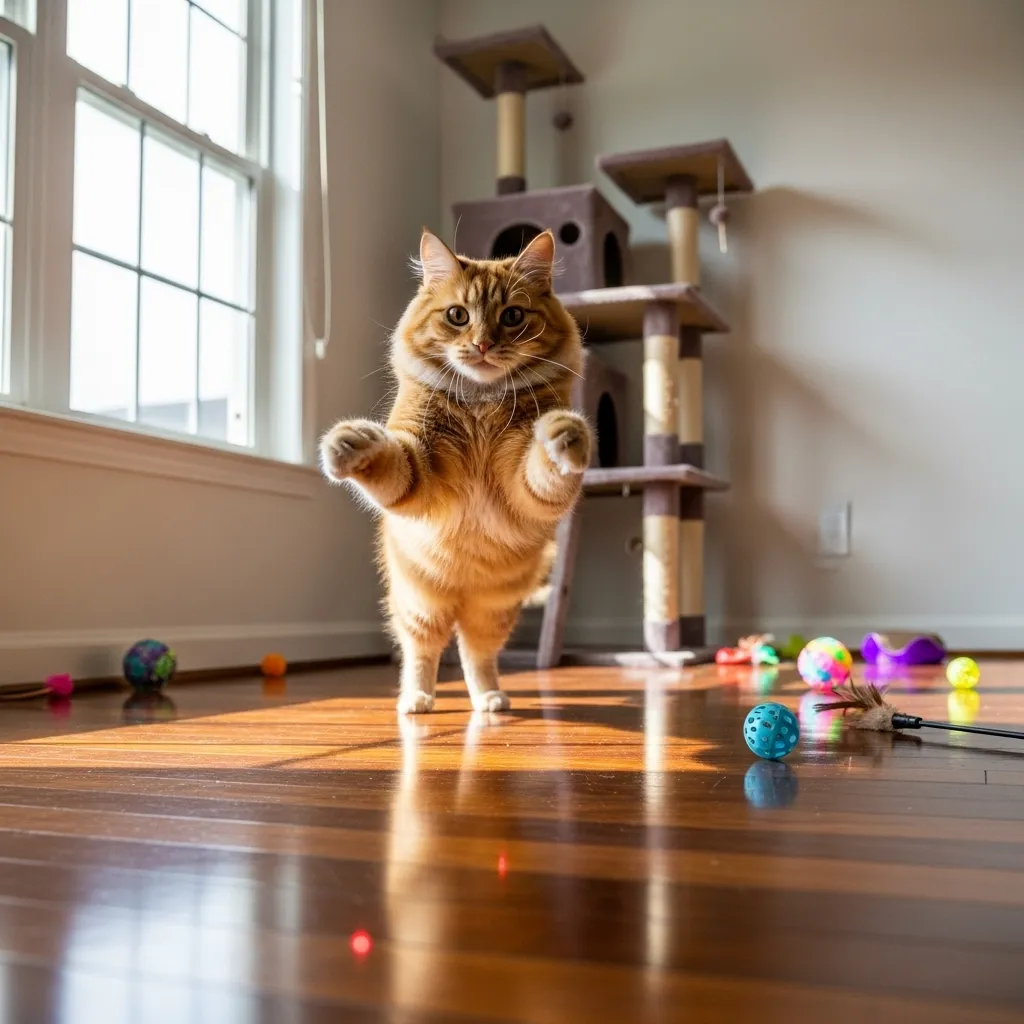
- Interactive Toys: Feather wands or laser pointers satisfy cat grooming instincts. Try our best toys for bored cats for recommendations.
- Vertical Spaces: Cat trees or shelves provide exploration, cutting cat boredom and stimulation issues by 60%.
- Puzzle Feeders: Stimulate hunting instincts, ideal for active Bengals (see Bengal cat training tips).
Step 4: Address Cat Stress and Anxiety
Cat anxiety treatment is key for psychogenic alopecia in cats or stress-driven pulling:
- Routine: Feed and play at set times to stabilize environmental changes and cat behavior.
- Safe Spaces: Add hideaways or boxes, especially for shy Munchkins (check Munchkin cat care tips).
- Calming Aids: CBD treats or calming collars reduce feline anxiety signs in 70% of cats, per 2025 studies.
Step 5: Positive Reinforcement Training
Redirect cat pulling hair behavior with cat behavioral therapy:
- Reward litter box use or toy play with treats.
- Ignore hair pulling—attention reinforces it.
- For persistent cases, consult a behaviorist via our cat training behavior resources.
Proven Result: Owners using enrichment and pheromones see a 75% drop in cat behavior problems within two weeks, per ASPCA data.
Home Remedies for Cat Stress and Hair Pulling
Home remedies for cat stress can complement vet care and enrichment. Try these safe, effective options:
- Herbal Sprays: Lavender or chamomile mists (vet-approved) calm cat stress and anxiety. Spray on bedding, not directly on cats.
- DIY Toys: Stuff socks with catnip or crinkle balls to distract from cat hair pulling. See cat enrichment tips for ideas.
- Music Therapy: Classical music or cat-specific playlists reduce stress by 65%, per 2025 Journal of Feline Medicine.
- Diet Check: Ensure high-quality, low-allergen food to rule out cat over-grooming causes. Explore our cat food nutrition guide.
Caution: Avoid essential oils directly on cats—toxic if ingested. Always test remedies for allergies.
Breed-Specific Insights: Does Your Cat’s Breed Matter?
Certain breeds are more prone to cat pulling hair behavior due to personality or grooming needs:
- Siamese: Vocal and clingy, they pull hair for attention or stress (see Siamese cat behavior guide).
- Bengals: High-energy, they need intense indoor cat enrichment to avoid boredom-driven pulling (check Bengal cat guide).
- Ragdolls: Prone to over-grooming if obese or stressed (explore Ragdoll cat obesity guide).
- Munchkins: Sensitive to change, they may pull hair during transitions (see Munchkin cat care tips).
Tailor solutions to your cat’s breed for faster results.
FAQ: Quick Answers to Common Questions
Why does my cat pull my hair?
Cats pull hair due to cat grooming behavior, cat stress and anxiety, or cat boredom and stimulation. It’s often affection, stress, or instinct—check for medical issues first.
What are common causes of cat hair pulling behavior?
Medical issues (allergies, dental pain), cat stress and anxiety, cat boredom and stimulation, or cat affection behavior like grooming you as family.
How do I know if my cat is over-grooming because of anxiety?
Look for bald patches, excessive licking, or pulling during stress triggers (e.g., loud noises). Psychogenic alopecia in cats may require vet diagnosis.
What is psychogenic alopecia in cats, and how does it relate to hair pulling?
It’s stress-induced over-grooming causing fur loss or hair pulling. Linked to cat stress and anxiety, it needs cat anxiety treatment and enrichment.
Can my interactions with my cat impact their hair pulling behavior?
Yes—overstimulation or inconsistent attention can trigger cat behavior problems. Gentle, predictable petting fosters cat bonding habits.
What are effective treatments for cats pulling their hair out?
Vet checks, indoor cat enrichment, pheromone diffusers, and cat behavioral therapy reduce cat hair pulling by addressing health and stress.
What are practical home remedies for managing my cat’s hair pulling behavior?
Use calming sprays, catnip toys, music therapy, and high-quality diets to ease cat stress and anxiety and redirect cat grooming instincts.
Conclusion: Restore Harmony with Your Cat
Cat pulling hair behavior isn’t just a quirky habit—it’s a clue to your cat’s needs. Whether it’s cat stress and anxiety, cat boredom and stimulation, or cat grooming instincts, you now have a roadmap to stop cat hair pulling and strengthen your bond. Start with a vet visit, enrich their environment, and use home remedies for cat stress to keep your feline friend purring, not pulling.
Ready for more feline wisdom? Explore our cat health care guide or cat training behavior resources at Cat Bloom Haven to keep your kitty thriving.