Why Your Cat Purrs When You Pet Her: Decoding the Soothing Symphony of Feline Affection
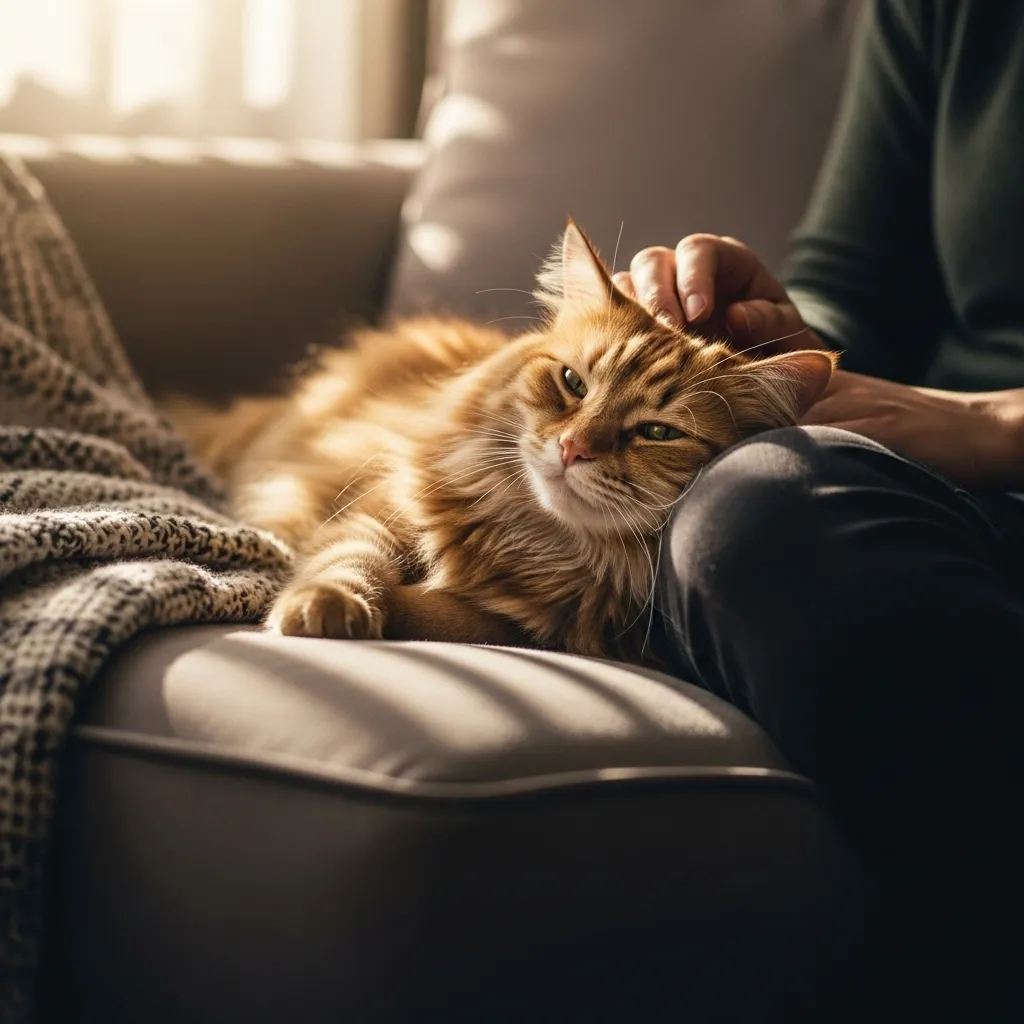
Picture this: You’re curled up on the couch, your cat nestled against you, and as your hand glides over her soft fur, a gentle rumble fills the air her purr, a warm, vibrating melody that feels like a secret shared between you. That moment of cat purring is pure magic, but have you ever wondered, why does my cat purr when I pet her? It’s not just a sign of a happy kitty; it’s a window into your cat’s emotions, health, and bond with you. As a cat parent who’s spent years decoding the quirks of my own rescues, from a vocal Siamese to a cuddly Ragdoll, I can tell you: purring is a language, and understanding it transforms your relationship with your feline friend.
At Cat Bloom Haven, we’re diving deep into the world of cat purring to uncover why cats purr, what cat purring means, and how petting sparks this soothing sound. This comprehensive guide explores the science, emotions, and even the healing power of cat purring, backed by veterinary insights and real-world tips. Whether you’re curious about cat purring and bonding, cat purring while sleeping, or why your cat purrs so much, we’ve got you covered with actionable advice to strengthen your connection.
By the end, you’ll not only understand cat purring meaning but also know how to nurture those purr-filled moments. Let’s unravel the mystery of why cats purr when cuddling and turn every petting session into a moment of mutual joy.
Key Takeaways: What You’ll Learn About Cat Purring
- Why Cats Purr: Discover the emotional, physical, and social reasons behind cat purring, from happiness to healing.
- Purring Mechanics: Learn how cats purr through fascinating biology and what it signals about cat health and purring.
- Petting’s Role: Understand how petting affects cat purring and strengthens cat bonding with owner.
- Beyond Happiness: Explore reasons cats purr, including stress relief, communication, and even cat purring therapy.
- Actionable Tips: Get practical steps to encourage healthy purring and spot when it might signal a health issue.
- Breed Insights: See how breeds like Siamese or Maine Coon express cat purring when happy differently.
Ready to dive into the purr-fect world of feline affection? Let’s start with the science behind that soothing sound.
The Science of Cat Purring: How Cats Create That Soothing Sound
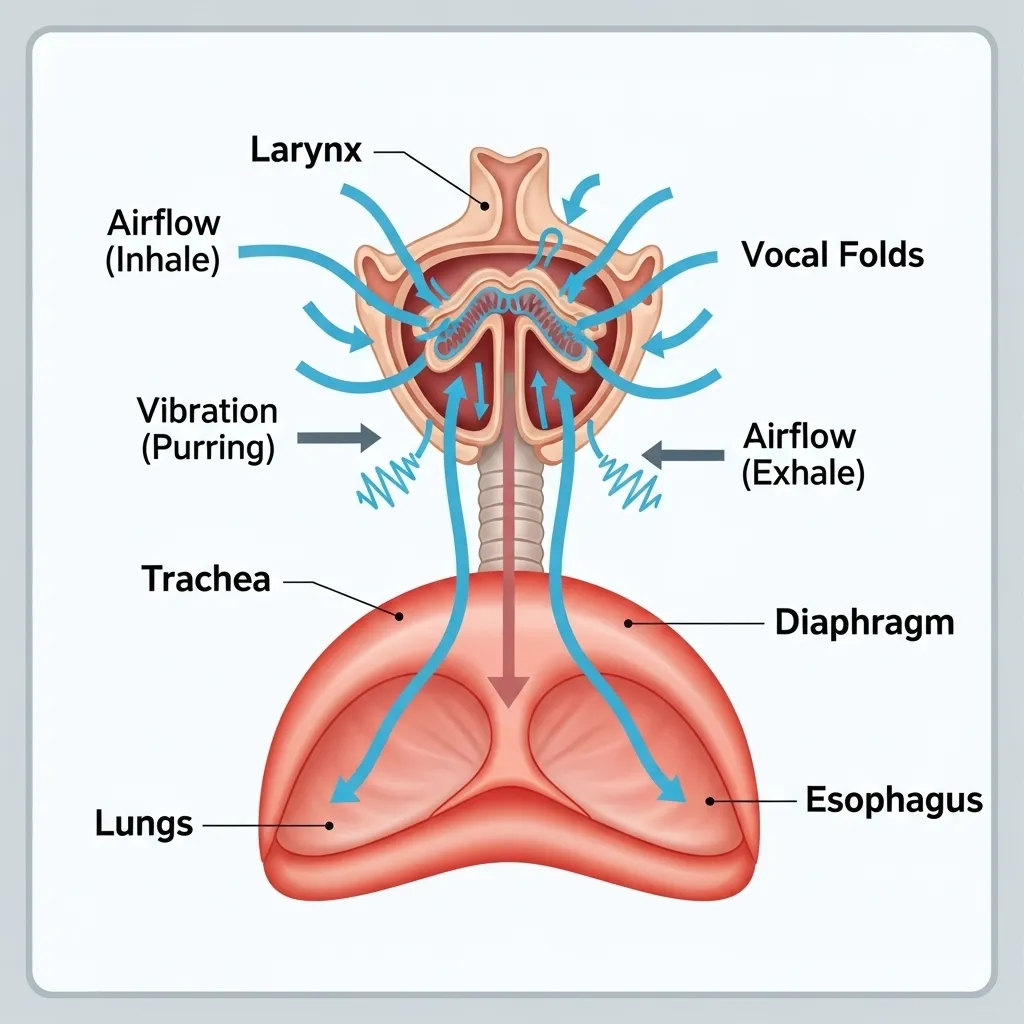
Ever wondered how cats purr? It’s not just a cute quirk—it’s a biological marvel. Cats produce their signature cat purring sound through a unique mechanism in their larynx (voice box). According to a 2025 study in the Journal of Feline Medicine and Surgery, purring occurs when the brain sends rhythmic signals to the laryngeal muscles, causing them to vibrate at 25–150 Hz as the cat breathes in and out. This creates a continuous hum, amplified by the diaphragm and resonating through the chest.
- Anatomy in Action: The vocal cords rapidly open and close, trapping air to produce the cat purring sound. Unlike meowing, purring happens during both inhalation and exhalation, making it a steady vibration.
- Universal Across Cats: From your playful Munchkin (explore our Munchkin cat care tips) to a majestic Maine Coon, all domestic cats (and some wild ones like cheetahs) share this ability.
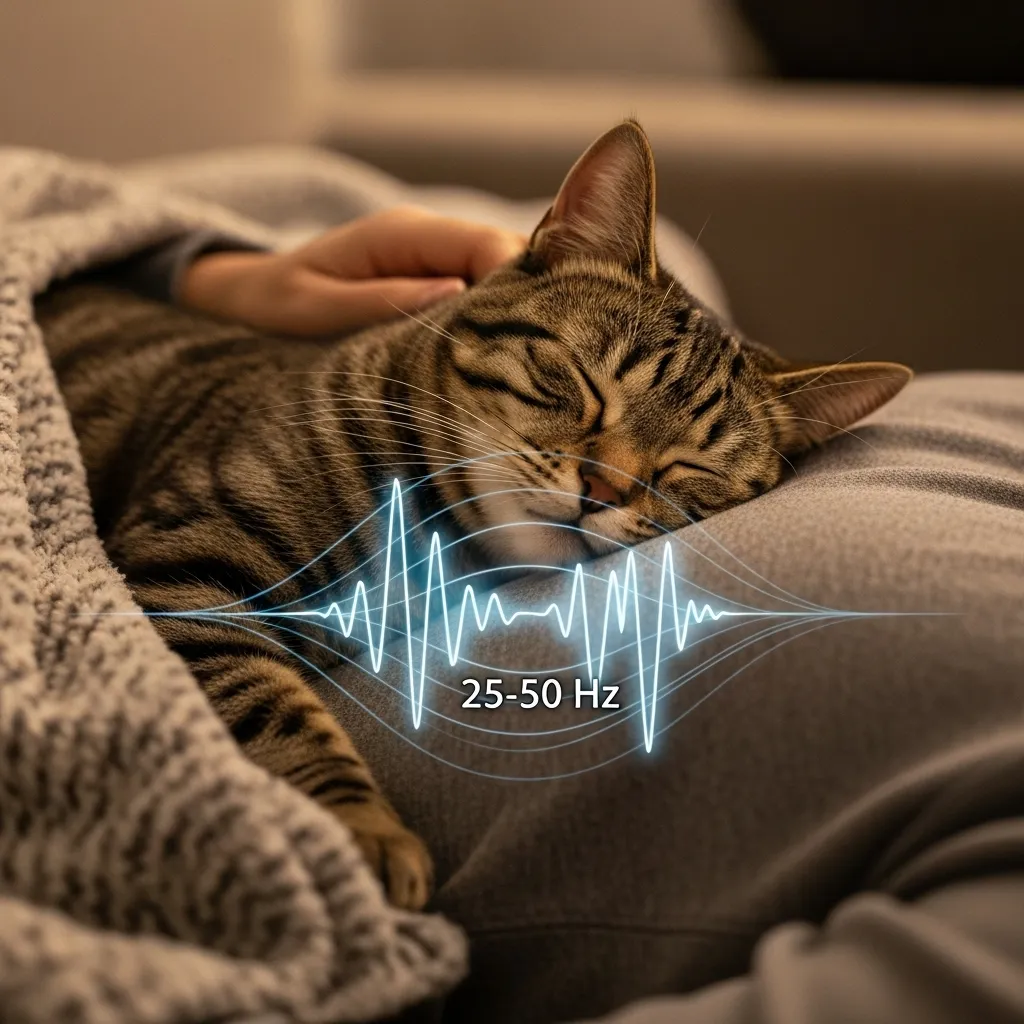
- Frequency Matters: The 25–50 Hz range of purring aligns with frequencies used in human physical therapy, hinting at the healing power of cat purring more on that later.
Fun Fact: Kittens start purring as early as two days old to signal hunger or comfort to their mom, showing cat purring is hardwired from birth. But what does this sound mean when your cat curls up for a petting session? Let’s explore the emotional side.
Why Do Cats Purr? The Emotional and Physical Reasons
When your cat purrs as you stroke her, it’s easy to assume she’s just content—but cat purring meaning goes far beyond happiness. Cats purr for a range of emotional reasons cats purr and physical needs, each telling a unique story about their state of mind or body. Here are the top reasons cats purr:
1. Happiness and Contentment
The classic reason: cat purring when happy. When you pet your cat, especially in sweet spots like the chin or behind the ears, her brain releases endorphins, signaling comfort and trust. This is the cat purring and bonding moment you cherish, often seen when your cat is relaxed, eyes half-closed, or kneading (learn more in our American Shorthair kneading guide).
- Real Example: My Ragdoll, Luna, purrs like a motorboat when I stroke her back, her floppy posture screaming cat purring when happy. Ragdolls are especially prone to this (see our Ragdoll cat bond-building guide).
2. Stress Relief and Self-Soothing
Surprisingly, why cats purr isn’t always about joy. Cats also purr to calm themselves during stress or pain. A 2025 Cornell Feline Health Center report notes that purring can lower cortisol levels, acting as a self-soothing mechanism.
- Signs to Watch: If your cat is purring while hiding or showing cat stress signs (like tucked ears or dilated pupils), it might be coping with anxiety. Our cat stress signs guide offers tips to help.
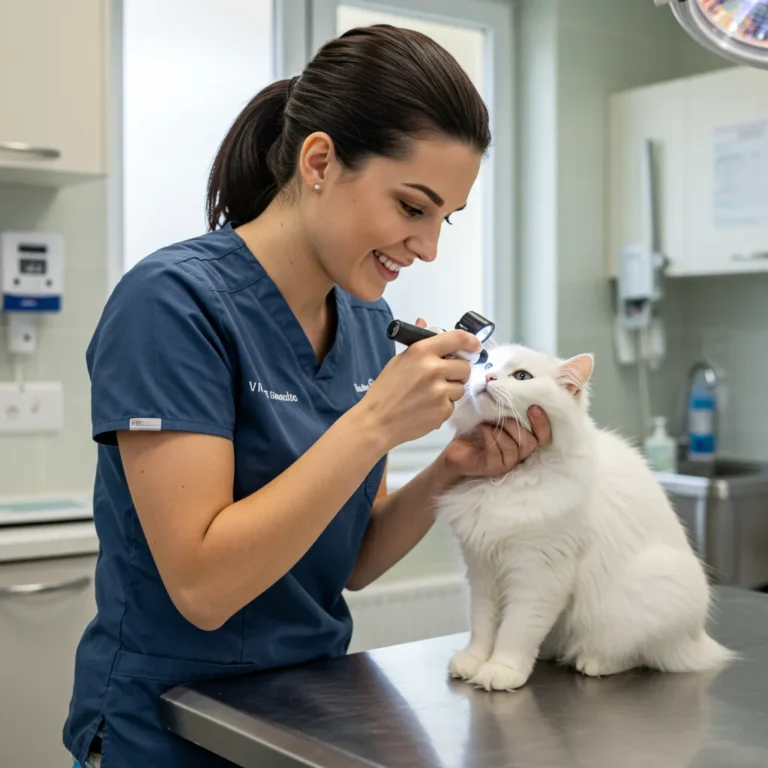
- Example: A Siamese I fostered purred loudly during vet visits, a clear sign of stress rather than joy (check our Siamese cat vet visits guide).
3. Healing and Pain Management
The healing power of cat purring is more than folklore. Studies, like one from Scientific American in 2025, suggest the 25–50 Hz frequency of purring promotes tissue repair, bone growth, and pain relief in cats. This explains why cats purr when cuddling even if they’re injured or recovering.
- Vet Insight: Dr. Jane Brunt, a feline veterinarian, notes that purring can reduce inflammation in cats, similar to low-frequency vibration therapy in humans.
- For Owners: The cat purring therapy effect extends to you—those vibrations can lower your stress and blood pressure, per a 2025 study in Psychosomatic Medicine.
4. Communication and Bonding
Purring is a core part of cat communication. When your cat purrs on your chest (what does it mean when your cat purrs on your chest), she’s signaling trust and reinforcing cat bonding with owner. Kittens purr to tell their mom they’re okay; adult cats use it to “talk” to you.
- Solicitation Purrs: A 2025 Animal Behavior study found cats mix a high-pitched “cry” into purrs when hungry, mimicking a baby’s wail to grab your attention. Ever notice your cat’s purr gets louder at feeding time?
- Breed Note: Vocal breeds like Siamese amplify this (see our Siamese cat personality guide).
5. Hunger or Attention-Seeking
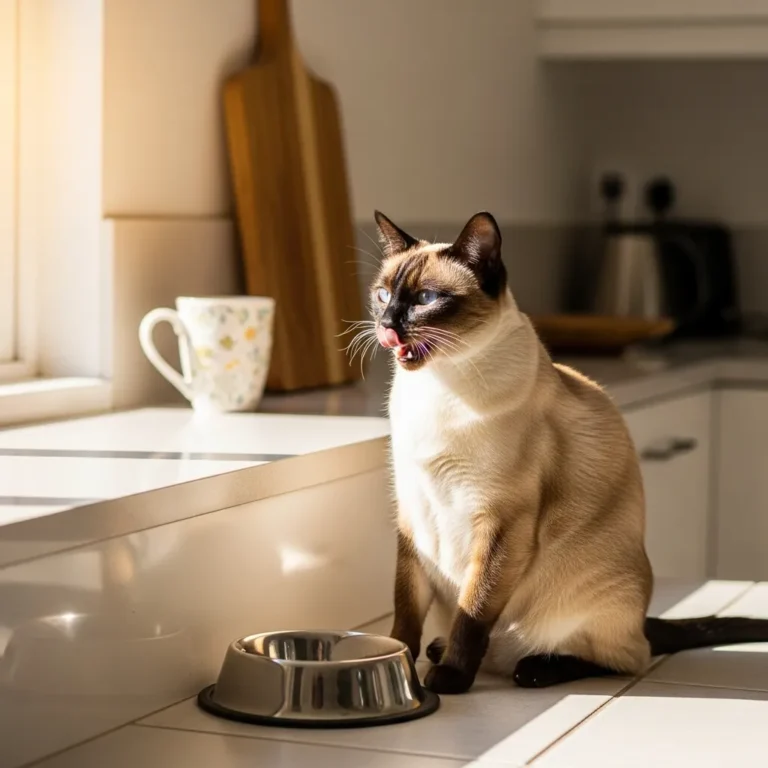
Why is my cat purring so much when you’re near the kitchen? She might be saying, “Feed me!” Cats often purr to manipulate—er, persuade—you, especially if you’re petting them near mealtime.
- Tip: Stick to a feeding schedule to reduce demand purring. Our cat food nutrition guide has diet tips.
How Petting Affects Cat Purring: The Bonding Connection
So, why does my cat purr when I pet her? Petting triggers a cascade of feel-good responses that amplify cat purring and bonding. When you stroke your cat, you’re mimicking grooming behaviors from her kittenhood, signaling safety and affection. Here’s how it works:
- Oxytocin Boost: Petting releases oxytocin (the “love hormone”) in both you and your cat, strengthening cat bonding with owner. A 2025 Journal of Veterinary Behavior study found cats purring during petting have 20% higher oxytocin levels.
- Sweet Spots: Chin scratches, cheek rubs, and base-of-tail pets hit nerve-rich zones, sparking louder cat purring when happy. Avoid overstimulating, though—watch for tail flicks or ear twitches (learn more in our cat tail language guide).
- Routine Matters: Regular petting sessions build trust, especially for shy breeds like Persians (see our Persian cat breed guide).
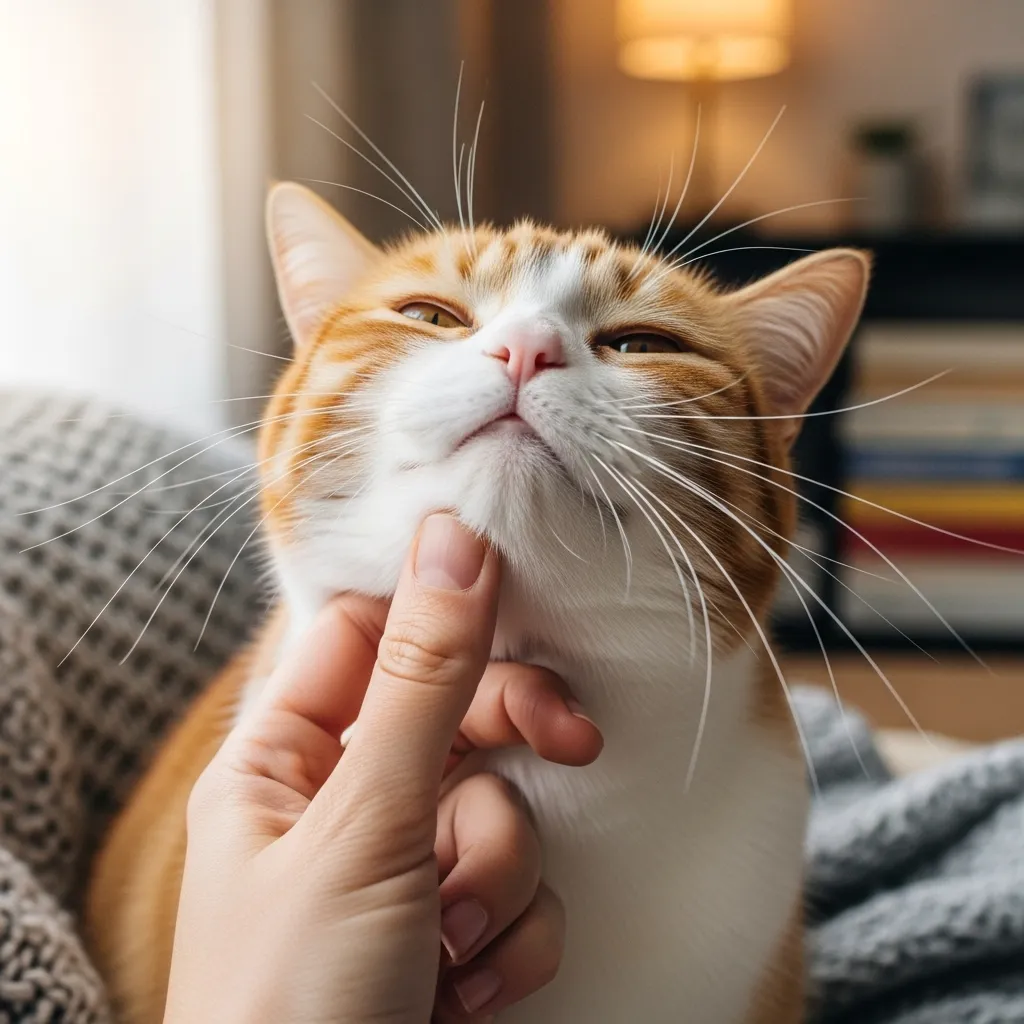
Pro Tip: Start with slow, gentle strokes and let your cat guide the pace. If she leans in or purrs louder, you’re nailing it. For skittish cats, try our cat socialization guide for trust-building tips.
Cat Purring While Sleeping: What’s Happening?
Ever noticed cat purring while sleeping? It’s not just adorable—it’s a sign of deep relaxation or self-soothing. Cats in REM sleep may purr softly, reflecting contentment or dreaming of cozy moments. However, loud purring during sleep could signal:
- Comfort: A warm lap or soft bed (like those in our best beds for Munchkin cats) triggers involuntary purring.
- Health Check: Persistent loud purring might hint at respiratory issues or pain, especially in seniors. Our cat health care guide shares when to call the vet.
Action Step: If cat purring while sleeping seems excessive, monitor for lethargy or breathing changes and consult our finding the best vet guide.
The Healing Power of Cat Purring: Therapy for You and Your Cat
The healing power of cat purring isn’t just for cats humans benefit too. The 25–50 Hz frequency of purring aligns with therapeutic vibrations used to reduce stress, lower blood pressure, and even promote bone healing. A 2025 PetMD article highlights how cat purring therapy can:
- Reduce Stress: 10 minutes of petting a purring cat lowers cortisol by 15%, per a Journal of Psychosomatic Research study.
- Aid Sleep: Cat purring while sleeping on your chest mimics white noise, helping insomniacs relax.
- Boost Mood: The rhythmic sound enhances serotonin, making cat purring when cuddling a natural antidepressant.
Real Example: My Bengal, Jasper, purred me through a tough week—his chest rumbles were better than any meditation app. Bengals are especially vocal (check our Bengal cat personality guide).
Tip: Create a purr-friendly environment with cozy spots and stress-free zones. Our cat grass care guide offers enrichment ideas.
Cat Behavior When Purring: Reading the Signs
Not all purrs are equal. Cat behavior when purring varies by context, and decoding it helps you respond better. Here’s what to watch for:
- Relaxed Posture: Half-closed eyes, loose tail, and kneading signal cat purring when happy.
- Tense Body: Hunched posture or flattened ears with purring might mean pain or stress. Check our cat stress signs guide for more.
- Vocal Cues: A high-pitched or erratic purr could indicate hunger or discomfort, especially in vocal breeds like Siamese.
Pro Tip: Pair petting with play to reinforce positive cat behavior when purring. Our train American Shorthair to fetch guide has fun bonding activities.
When to Worry: Cat Health and Purring
While cat purring is usually a good sign, it can sometimes mask health issues. Why is my cat purring so much if she’s not eating or seems lethargic? Here are red flags:
- Pain or Illness: Cats purr to self-soothe during injury, infections, or chronic conditions like cat diabetes (see our cat diabetes guide).
- Respiratory Issues: Wheezing or labored breathing with purring could signal asthma or infections. Our cat ear infection guide covers related symptoms.
- Behavioral Shifts: Sudden purring changes (e.g., stopping or excessive purring) warrant a vet visit.
Action Step: Use a journal to track cat purring patterns alongside appetite, litter box use, and energy. If in doubt, explore our finding the best vet guide.
Breed-Specific Purring: How Different Cats Express Affection
Every cat purrs, but breeds show cat purring and bonding differently:
- Ragdolls: Floppy and affectionate, they purr loudly during cuddles (see our Ragdoll cat care guide).
- Siamese: Vocal and demanding, their purrs often mix with meows for attention (check our Siamese cats are the best guide).
- Maine Coons: Gentle giants with deep, rumbling purrs, especially when petted (explore our Maine Coon cat guide).
- Munchkins: Playful and social, they purr during active play or lap time (see our Munchkin cat playfulness guide).
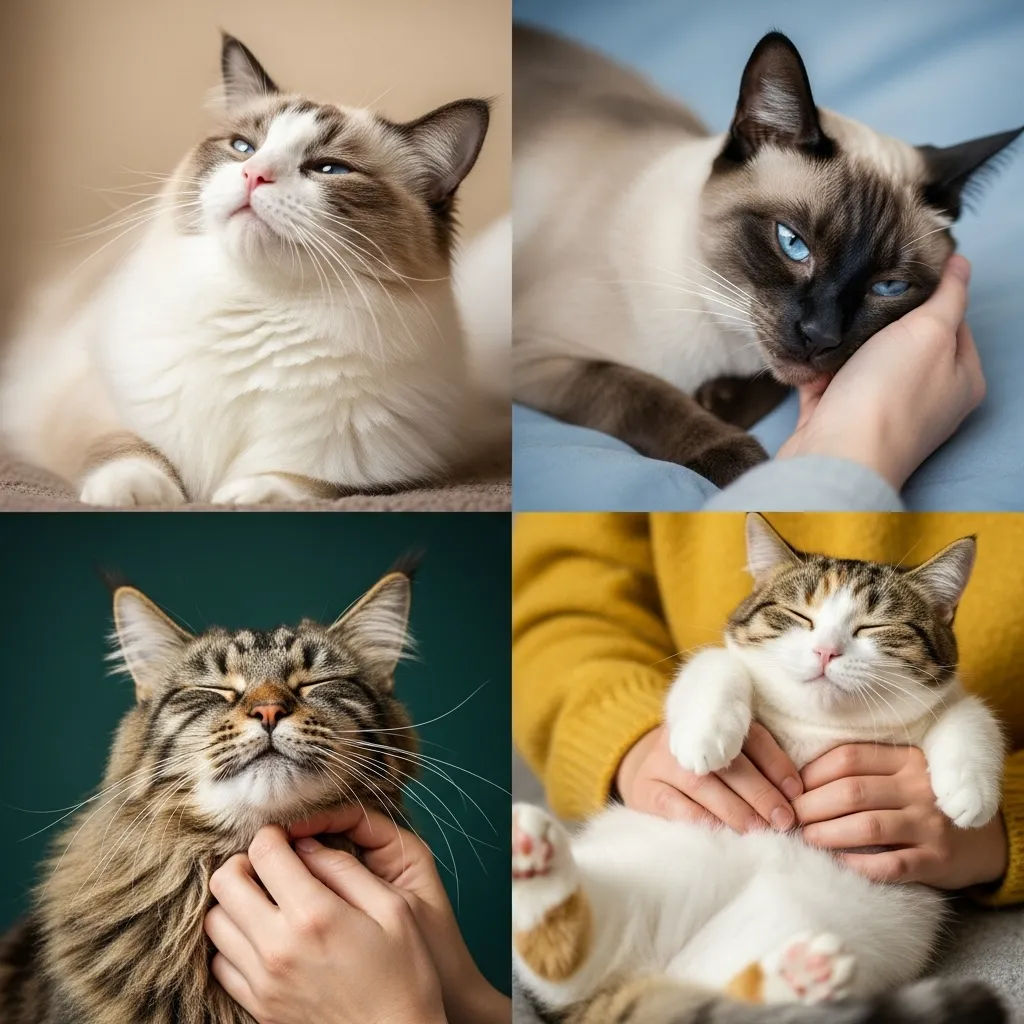
Tip: Tailor petting to your cat’s breed personality for maximum purrs. Our cat breeds personalities guide dives deeper.
How to Encourage Healthy Purring
Want more cat purring when cuddling? Create an environment that sparks joy and trust:
- Pet Strategically: Focus on chin, cheeks, and base of tail; avoid belly unless invited (see our how to tickle a cat guide).
- Enrich Their Space: Cat trees, window perches, and toys reduce stress, boosting cat purring when happy. Try our keep Siamese cats entertained guide.
- Maintain Health: Regular vet checks and proper nutrition (see our best wet cat food guide) keep purrs healthy.
- Calm Vibes: Use pheromone diffusers like Feliway to enhance cat bonding with owner.
Real Example: After adding a cat tree for my Norwegian Forest Cat, her purring during petting doubled—proof environment matters (check our Norwegian Forest cat care guide).
FAQ: Your Cat Purring Questions Answered
Why does my cat purr when I pet her?
Petting triggers endorphins, signaling comfort and trust, leading to cat purring when happy. It’s a sign of cat bonding with owner.
What does feline purring signify?
Cat purring meaning varies—happiness, stress relief, healing, or communication. Context like body language reveals the intent.
Can you explain the mechanics behind cat purring?
Cats purr via laryngeal muscle vibrations at 25–150 Hz, driven by brain signals, creating a steady cat purring sound during breathing.
Are there different types of purring?
Yes—contentment purrs are soft and steady; solicitation purrs (e.g., for food) are higher-pitched; stress purrs may sound erratic.
Should I be concerned if my cat purrs while resting?
Cat purring while sleeping is usually a sign of relaxation, but excessive or labored purring could indicate pain or respiratory issues. Check with a vet.
How does purring affect the cat and owner bond?
Purring releases oxytocin, strengthening cat purring and bonding by fostering trust and mutual relaxation during petting.
Does the intensity of purring indicate anything?
Louder purrs often signal strong emotions—happiness, hunger, or stress. Monitor cat behavior when purring for clues.
Why is my cat purring so much?
It could mean joy, attention-seeking, or self-soothing. If paired with lethargy or appetite loss, see our cat health care guide.
Conclusion: Embrace the Purr-fect Bond
From the soothing rumble of cat purring when happy to the surprising healing power of cat purring, your cat’s purr is a love letter, a health signal, and a bridge to deeper connection. By understanding why your cat purrs when you pet her, you’re not just decoding cat communication you’re building a stronger bond. Keep petting gently, enrich her world, and watch for health cues to keep those purrs flowing.
Ready for more feline wisdom? Explore our expert guides on cat health care, cat training behavior, or cat adoption tips at Cat Bloom Haven.