How to Tickle a Cat: Gentle Techniques for a Happy, Bonded Feline
Tickling a cat might sound like a playful whim, but it’s an art that can deepen your bond with your feline friend when done right. Cats are sensitive creatures, and understanding how to tickle a cat involves more than just a quick scratch behind the ears. It’s about reading their signals, respecting their boundaries, and using gentle touch to foster trust and affection. Whether you’re a new cat parent or a seasoned feline enthusiast, this guide will walk you through safe, effective, and vet-approved techniques to make your cat purr with contentment.
In this article, you’ll learn how to pet a cat properly, identify their favorite spots, read their body language, and avoid common mistakes. We’ll also share expert tips to ensure every tickle session strengthens your cat-human connection. Let’s dive into the world of feline affection and discover how to make your cat feel loved and secure.
Key Takeaways: Your Guide to Tickling a Cat
- Understand cat preferences: Every cat is unique—learn their likes and dislikes to tailor your approach.
- Read body language: Watch for signs like purring, slow blinks, or tail flicks to gauge their comfort.
- Use gentle techniques: Soft, slow strokes in preferred areas like the chin or cheeks work best.
- Avoid overstimulation: Stop if your cat shows signs of discomfort, like flattened ears or swatting.
- Build trust through touch: Consistent, respectful petting fosters a stronger bond.
- Explore more tips: Discover additional cat care insights in our cat bonding guide.
Why Tickling a Cat Matters for Bonding
Petting or tickling a cat isn’t just about physical touch—it’s a language of trust and affection. Cats are naturally cautious, and their willingness to let you touch them signals a deep level of comfort. According to feline behaviorists, gentle petting mimics the grooming behaviors cats use with each other, reinforcing social bonds. When you tickle your cat correctly, you’re telling them, “You’re safe with me.”
But here’s the catch: cats aren’t like dogs. They’re more selective about touch, and what feels good to one cat might stress another. That’s why understanding cat bonding through touch is key to creating a positive experience for both of you.
The Science Behind Cat Affection
Studies show that petting releases oxytocin in both cats and humans, promoting relaxation and emotional connection. A 2019 study in Applied Animal Behaviour Science found that cats who enjoy regular, gentle handling are less likely to exhibit stress behaviors like hiding or aggression. By mastering gentle cat tickling techniques, you’re not just making your cat happy—you’re boosting their emotional health.
Reading Cat Body Language: The Foundation of Safe Tickling
Before you even think about tickling, you need to become fluent in cat body language. Cats communicate their feelings through subtle cues, and misreading them can turn a bonding moment into a scratch fest. Here’s how to decode your cat’s signals.
Signs Your Cat Enjoys Petting
When your cat is loving the attention, they’ll show it through:
- Purring: A steady rumble often signals contentment (though some cats purr when stressed, so context matters).
- Slow blinking: This is a cat’s version of a smile—try blinking back to build trust.
- Leaning in or bunting: If your cat rubs their head against you (called bunting in cats), they’re marking you as family.
- Relaxed posture: A loose body, upright tail, or kneading paws indicate they’re happy.

Learn more about feline signals in our cat tail language guide.
Signs Your Cat Wants You to Stop
If your cat’s had enough, they’ll let you know with:
- Flattened ears: A sign of irritation or fear.
- Twitching tail: Rapid flicks mean they’re annoyed or overstimulated.
- Swatting or nipping: Gentle bites or paw swipes are a polite “back off.”
- Hiss or growl: These are clear signals to stop immediately.
How to Tell If Your Cat Trusts You
Trust is the cornerstone of successful tickling. Cats show trust by:
- Exposing their belly (but don’t always pet it—some cats find this invasive).
- Sleeping near you or on you.
- Following you around or seeking your attention.
- For more on building trust, check out our guide to signs your cat trusts you.
Where Cats Love to Be Tickled: Finding Their Sweet Spots
Not all petting spots are created equal. Cats have specific areas where they love (or hate) to be touched. Here’s a breakdown of cat’s favorite petting spots and how to approach them.
| Petting Spot | Why Cats Love It | How to Tickle |
|---|---|---|
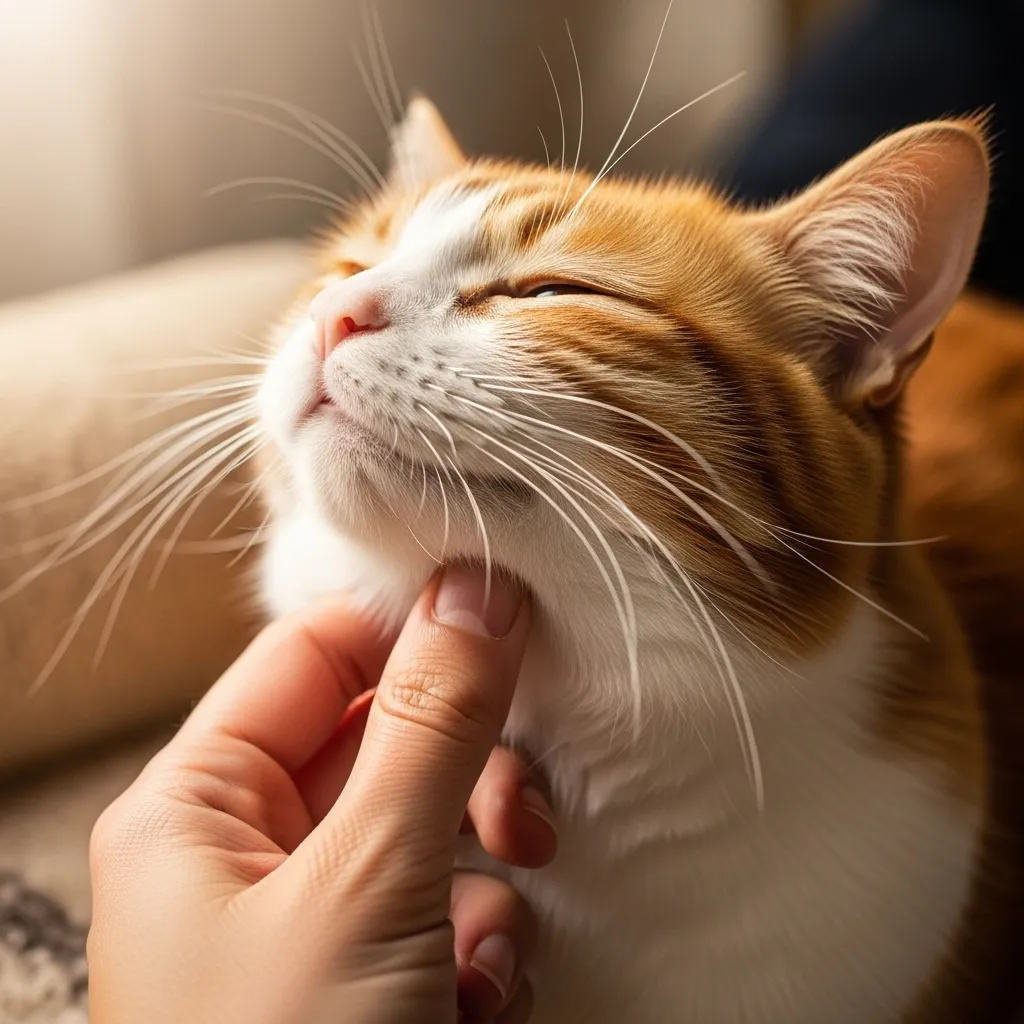
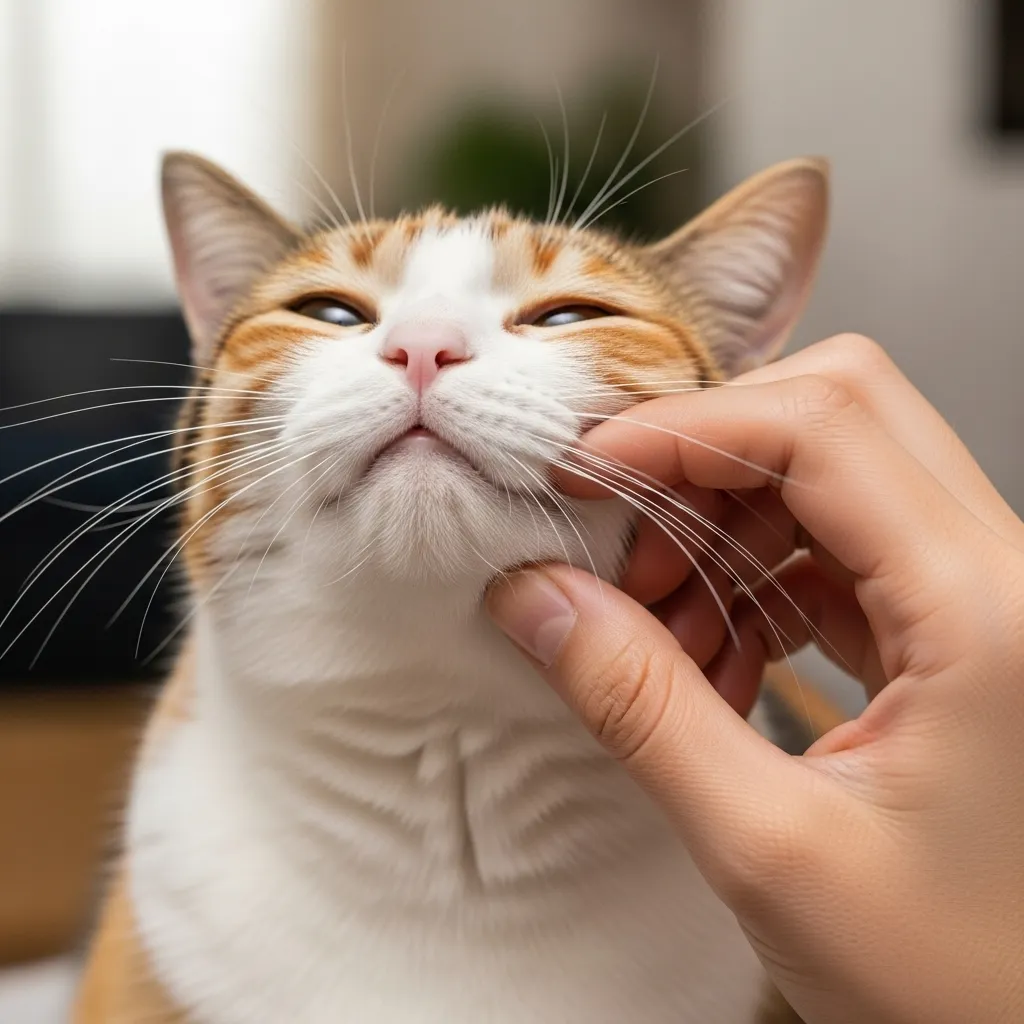
| Chin and Cheeks | Scent glands here make it a prime spot for affection. | Use soft, circular strokes with your fingertips. |
| Base of Ears | Sensitive but soothing when touched gently. | Lightly scratch with one or two fingers. |
| Base of Tail | A favorite for many cats, but some dislike it. | Gently stroke or scratch, watching for reactions. |
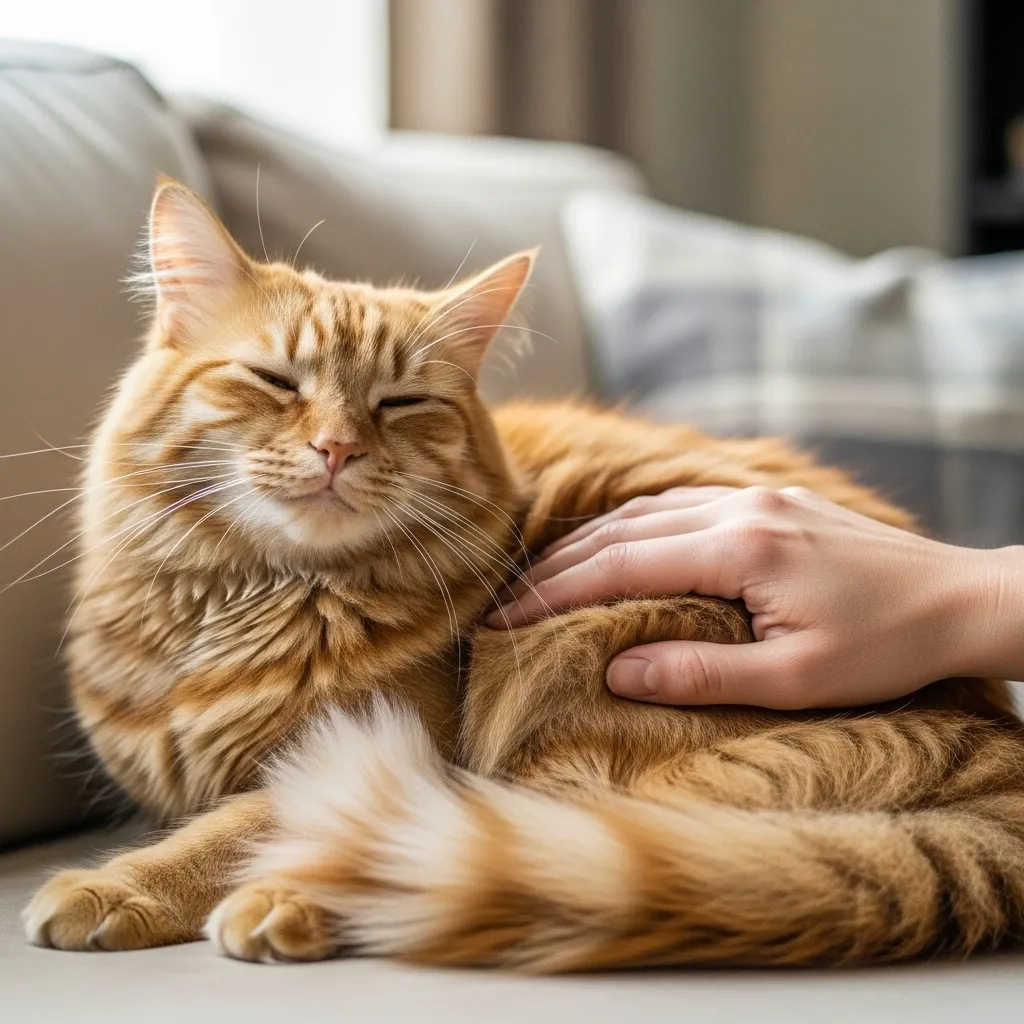
| Back of Neck | Mimics grooming by another cat. | Use slow, light strokes along the spine. |
| Belly (Proceed with Caution) | Exposed bellies signal trust, but many cats dislike belly rubs. | If allowed, use feather-light touches; stop if they tense. |
Pro Tip: Start with the Head
Most cats prefer head scratches over body strokes. Begin with the cheeks or chin, as these areas are less likely to trigger defensiveness. For breed-specific preferences, explore our cat breeds personalities guide.
Why Bunting Matters
Bunting in cats—when they rub their head against you releases scent from their facial glands, marking you as part of their territory. It’s a sign of affection and trust. Encourage bunting by offering your hand or forehead for them to rub against before tickling.
How to Tickle a Cat: Step-by-Step Techniques
Now that you know where and when to pet, let’s get into the how. These gentle cat tickling techniques ensure your cat feels safe and loved.
- Approach Calmly
- Sit at their level to avoid looming over them.
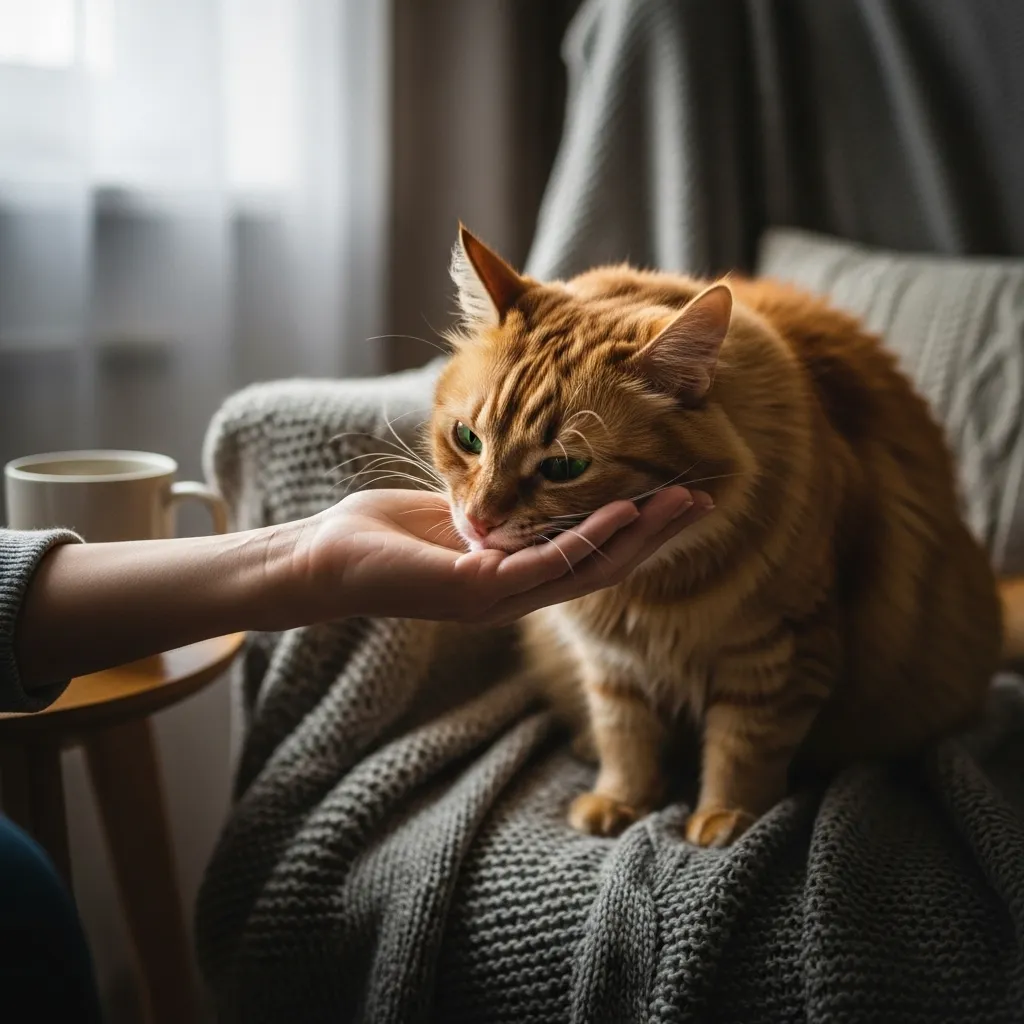
- Extend a hand slowly, letting them sniff and approach you.
- Avoid sudden movements or loud noises.
- Start with a Test Touch
- Lightly stroke their cheek or chin with one finger.
- Watch their reaction—if they lean in, proceed; if they pull back, give them space.
- Use Soft, Slow Strokes
- Mimic a cat’s grooming by using gentle, rhythmic touches.
- Keep your hand relaxed and avoid pressing too hard.
- Stick to short sessions (1–2 minutes) to prevent overstimulation.
- Adjust Based on Feedback
- If they purr or nudge you, keep going.
- If their tail twitches or ears flatten, pause and reassess.
- End on a Positive Note
- Stop before they get overstimulated.
- Offer a treat or toy to reinforce the positive experience.
For more on introducing yourself to a new cat, see our cat introduction tips.
Breed-Specific Tickling Tips
Different breeds have unique preferences:
- Siamese: Love vocal interaction paired with petting. Talk softly while tickling their cheeks. Learn more about Siamese personalities.
- Ragdolls: Often enjoy longer petting sessions, especially on the back. See our Ragdoll bonding guide.
- Maine Coons: Prefer gentle head scratches and may tolerate belly rubs. Explore Maine Coon care.
Cat Tickling Dos and Don’ts
To keep tickling sessions stress-free, follow these cat tickling dos and don’ts.
Do:
- Respect their boundaries: Always let your cat initiate or guide the interaction.
- Keep sessions short: Cats often prefer brief moments of affection.
- Use a calm environment: Avoid tickling during loud or chaotic moments.
- Groom gently: Pair tickling with light brushing for cats that enjoy it. See grooming tips.
Don’t:
- Force interaction: Never hold or restrain a cat to pet them.
- Touch sensitive areas without testing: Avoid the tail or belly unless they’re clearly comfortable.
- Ignore warning signs: Stop immediately if they show discomfort.
- Pet against the fur: Stroke in the direction of hair growth for comfort.
Common Mistakes to Avoid When Petting a Cat
Even well-meaning cat owners can make missteps. Here are pitfalls to dodge:
- Overstimulation: Petting too long can overwhelm your cat, leading to bites or scratches. Limit sessions to a few minutes.
- Wrong spots: Avoid the lower back or belly unless your cat explicitly enjoys it.
- Sudden grabs: Always let your cat see and smell you first.
- Ignoring context: A stressed cat (e.g., after a vet visit) may not want touch. Learn about cat stress signs.
Building a Stronger Bond Through Touch
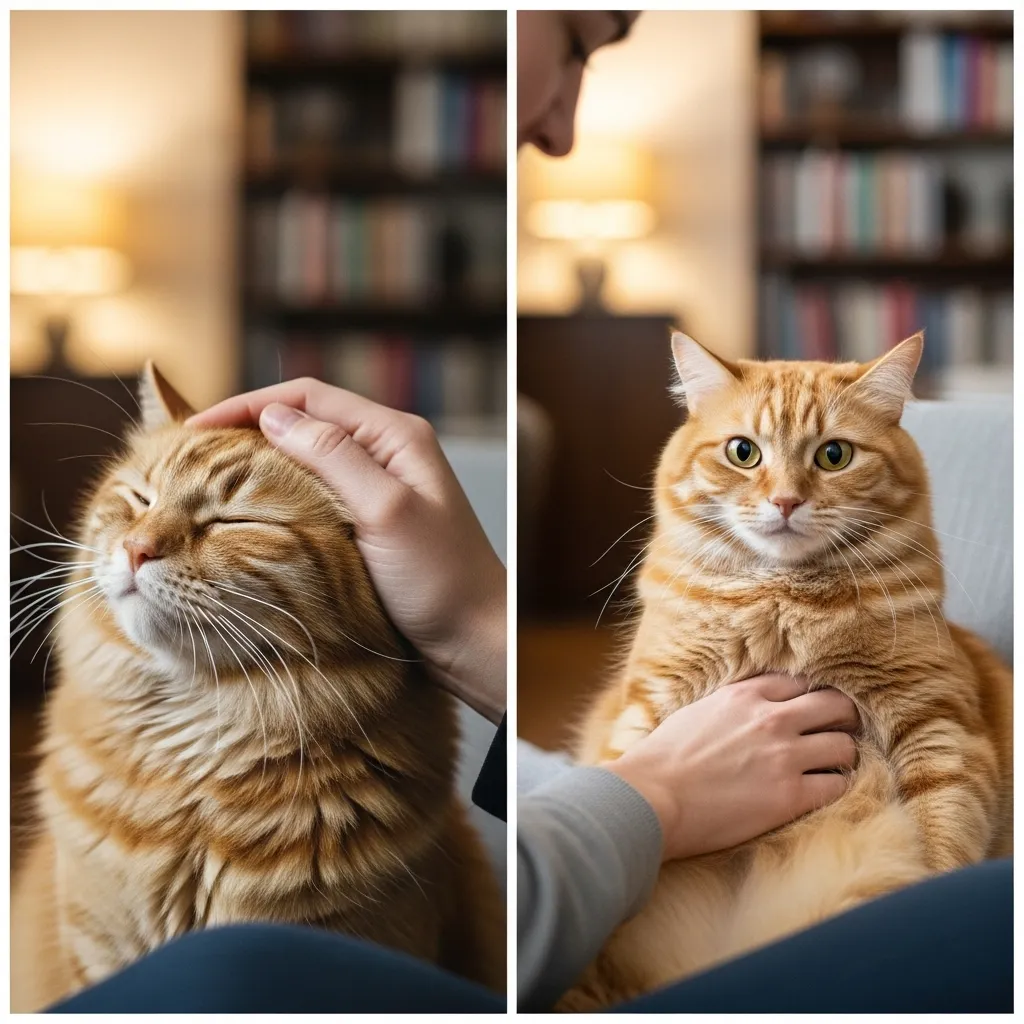
Tickling isn’t just about immediate affection—it’s a long-term investment in your relationship. Consistent, respectful touch builds trust over time. Here’s how to make it a habit:
- Daily mini-sessions: Spend 1–2 minutes petting your cat during calm moments, like after meals.
- Pair with play: Follow tickling with a toy session to keep them engaged. Check out play tips.
- Respect their mood: Some days, your cat may want space—honor that to build trust.
- Observe and adapt: Each cat is unique, so note what makes yours happiest.
Troubleshooting: What to Do If Your Cat Doesn’t Like Tickling
Not all cats are cuddle bugs, and that’s okay. If your cat shies away from touch:
- Check for health issues: Pain or discomfort (e.g., arthritis) can make petting unpleasant. Learn about cat health.
- Build trust slowly: Offer treats or play to associate you with positive experiences.
- Try alternative bonding: Some cats prefer play or quiet companionship over physical touch. Explore bonding tips.
- Consult a vet or behaviorist: Persistent aversion to touch may signal stress or medical issues.
FAQ: Quick Answers to Common Cat Tickling Questions
What are some cat tickling techniques that promote bonding?
Use soft, slow strokes on the cheeks, chin, or base of the ears. Keep sessions short and watch for positive cues like purring or bunting.
How can I understand my cat’s preferences for petting?
Observe their body language—purring and leaning in mean they’re enjoying it, while twitching tails or flattened ears signal discomfort.
What’s the proper way to introduce myself to a cat before petting?
Approach slowly, sit at their level, and let them sniff your hand. Avoid direct eye contact and wait for them to initiate contact.
How can I tell if my cat is enjoying being petted?
Look for purring, slow blinks, kneading, or a relaxed posture. If they lean into your hand, they’re likely happy.
What are signs I should stop tickling my cat?
Stop if you see flattened ears, a twitching tail, swatting, or hissing. These indicate overstimulation or discomfort.
Where do cats typically enjoy being tickled?
Most cats love their chin, cheeks, base of ears, or neck scratched gently. Test each spot and watch their reaction.
What is bunting in cats, and what does it signify?
Bunting is when a cat rubs their head against you, marking you with their scent. It’s a sign of trust and affection.
What are the dos and don’ts of tickling a cat?
Do: Use gentle strokes, respect boundaries, and stop if they seem uncomfortable. Don’t: Force touch, pet sensitive areas, or ignore warning signs.
For more feline behavior insights, explore our cat behavior guide.

Conclusion: Create Lasting Bonds with Your Cat
Mastering how to tickle a cat is about more than just a quick pet—it’s about building a relationship rooted in trust, respect, and understanding. By reading your cat’s body language, choosing the right petting spots, and using gentle techniques, you can turn every tickle session into a moment of connection. Whether your cat loves a chin scratch or prefers a brief ear rub, tailoring your approach to their preferences will make them feel safe and loved.
Ready to deepen your feline friendship? Explore more expert cat care and behavior guides on Cat Bloom Haven to keep your cat happy, healthy, and purring.