Why Does My Cat Smell Sweet? Uncovering the Reasons Behind Your Feline’s Delightful Scent
Have you ever snuggled up with your cat and noticed an unexpectedly sweet smell wafting from their fur? That delightful feline fragrance—whether it’s a hint of honey, maple syrup, or something sugary—can be both charming and puzzling. Why does your cat smell sweet? Is it their diet, grooming habits, or something else entirely?
At Cat Bloom Haven, we’re diving deep into the reasons behind your cat’s sweet odor, offering expert insights, vet-backed advice, and practical tips to help you understand this quirky trait. From natural feline scent glands to potential health signals, this guide covers it all, ensuring you leave with answers and actionable steps to keep your kitty healthy and happy.
Key Takeaways
- Natural Causes: Cats may smell sweet due to grooming habits, diet, or scent glands producing pheromones.
- Dietary Influence: Foods like fish, certain proteins, or treats can subtly alter your cat’s aroma.
- Health Signals: A sweet smell, especially like maple syrup, could indicate health issues like diabetes—consult a vet if persistent.
- Environmental Factors: Your cat’s surroundings, like scented bedding or household products, can influence their fur’s fragrance.
- Grooming Matters: Regular grooming enhances your cat’s natural scent, keeping their fur fresh.
- When to Act: Unusual or strong sweet odors may require veterinary attention to rule out underlying conditions.
Explore our detailed guide on cat hygiene and health for more tips on keeping your feline friend in top shape.
The Science Behind Your Cat’s Sweet Scent
Cats are naturally clean animals, and their unique fragrance often comes from a combination of biological, environmental, and behavioral factors. A sweet smell on your cat could be perfectly normal—or, in some cases, a sign to pay closer attention. Let’s break down the key reasons why your cat smells sweet, starting with their biology.
Feline Scent Glands: Nature’s Perfume
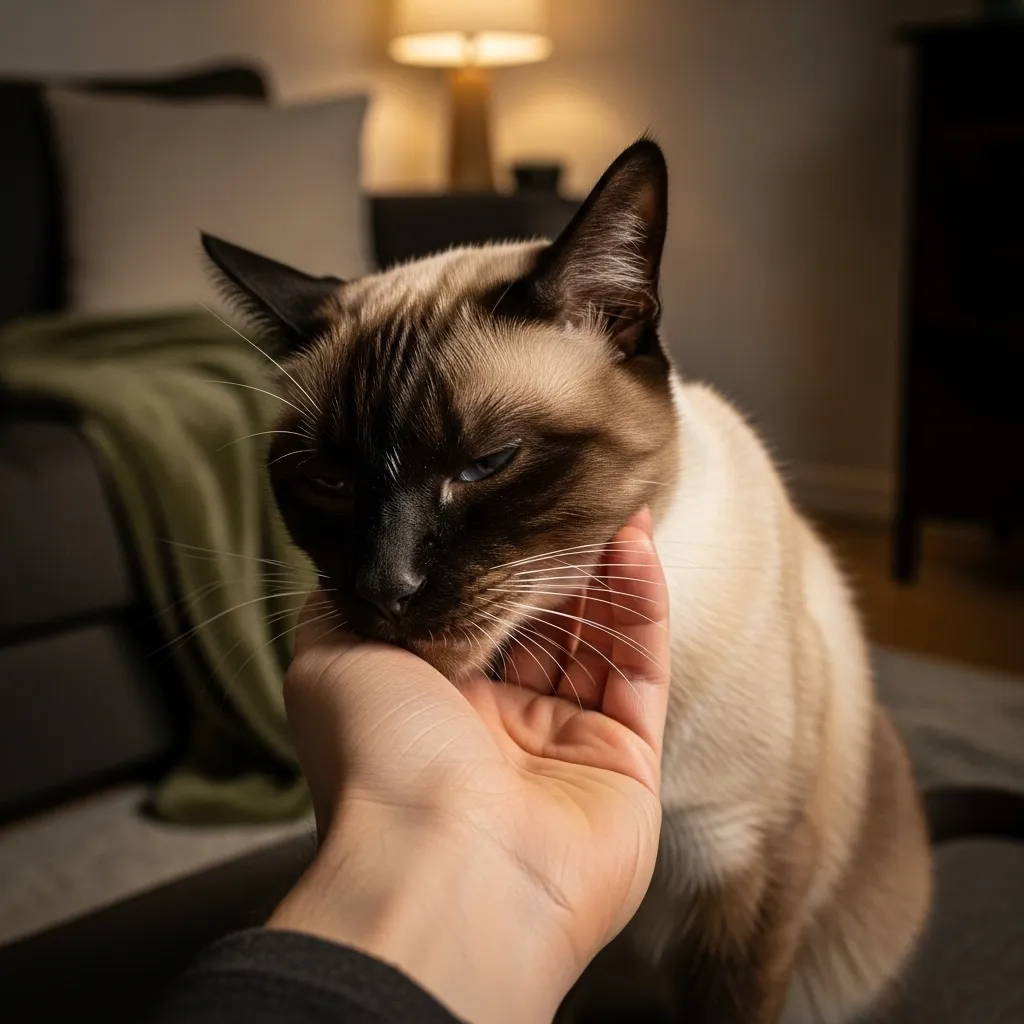
Cats have scent glands in several areas—around their face, paws, and base of the tail—that secrete oils and pheromones. These secretions help cats mark their territory, communicate with other felines, and even bond with you. Sometimes, these natural oils can carry a subtly sweet or musky aroma, especially in well-groomed cats.
- Facial Glands: When your cat rubs their face on you or furniture (like in why cats rub on shoes), they’re depositing pheromones that may have a faintly sweet scent.
- Anal Glands: Located near the tail, these glands can release a stronger odor, but in healthy cats, they contribute minimally to a sweet smell unless expressed naturally during grooming.
- Paw Pads: Sweat glands in the paws can mix with natural oils, creating a mild fragrance that some owners describe as sweet.
Vet Insight: Dr. Sarah Thompson, a feline veterinarian, explains, “Healthy cats often have a natural, slightly sweet scent from their glandular secretions, especially around the face and tail. This is normal and often more noticeable in breeds like Siamese or Ragdolls due to their grooming habits.”
Discover more about feline scent glands and how they influence your cat’s behavior.
Grooming Habits: The Key to a Sweet-Smelling Cat
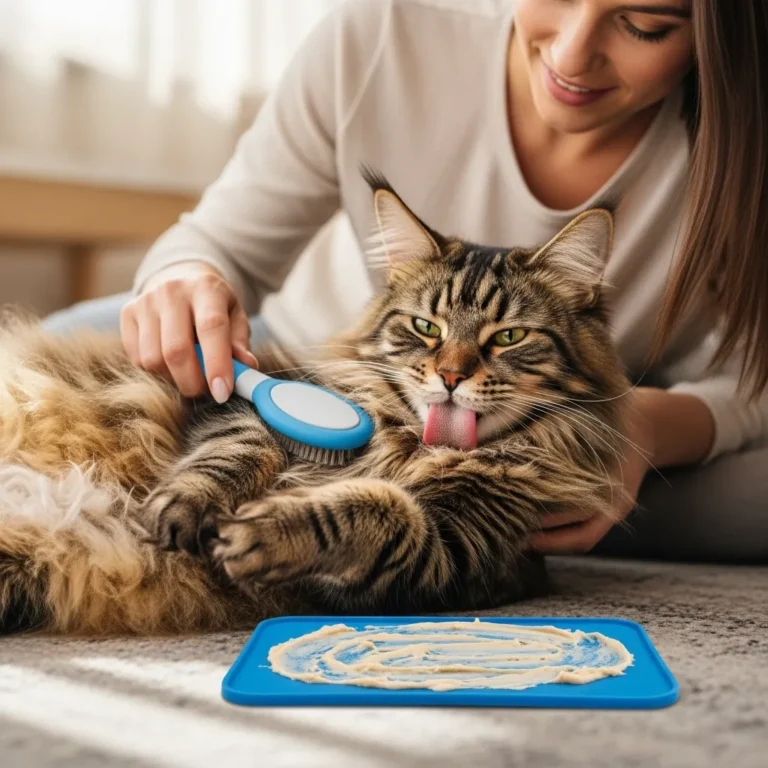
Cats are meticulous groomers, spending up to 50% of their day licking their fur to stay clean. This self-grooming not only removes dirt but also distributes natural oils across their coat, enhancing their feline fragrance. A cat that smells sweet often owes it to their diligent grooming routine.
- Saliva’s Role: Cat saliva contains enzymes that break down debris, leaving a clean, sometimes sweet-smelling coat.
- Frequency: Breeds like Norwegian Forest Cats or Persians with dense fur may retain a sweeter scent due to frequent grooming.
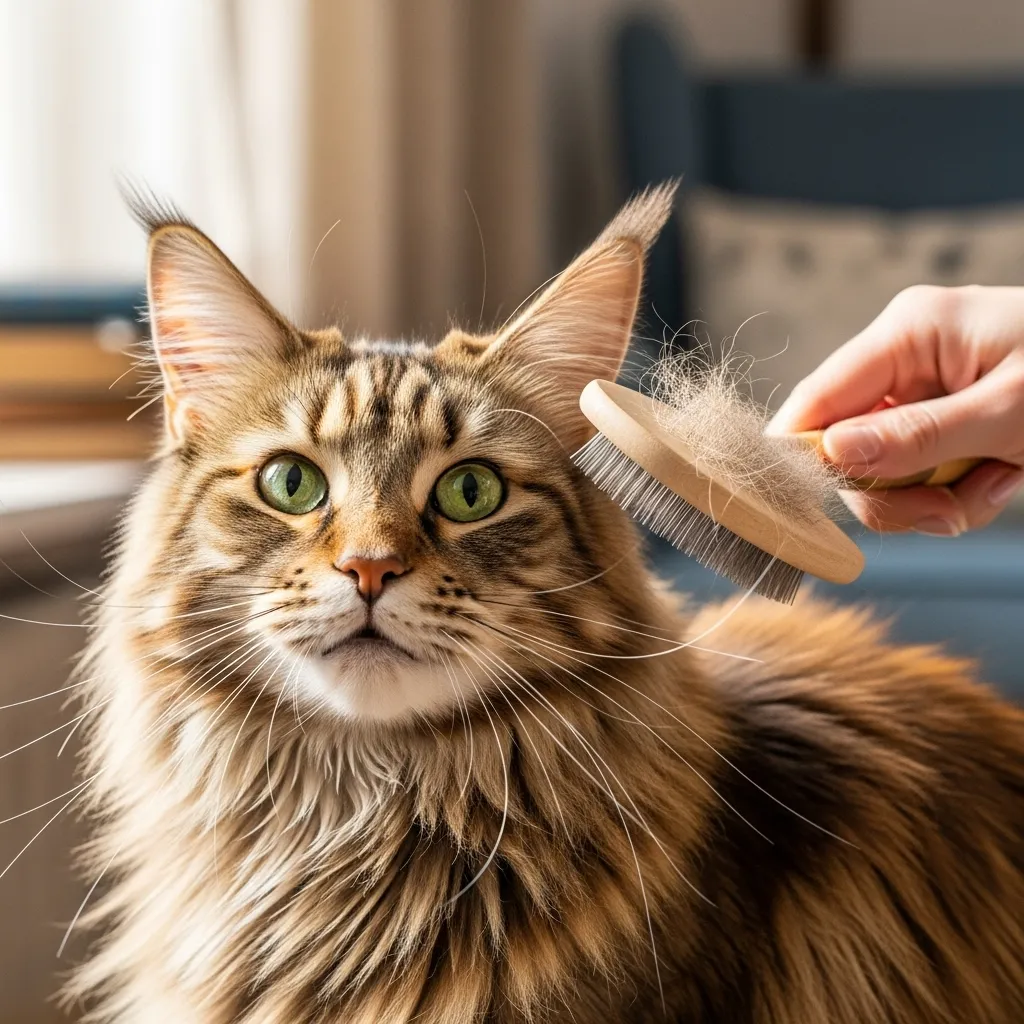
- Tools for Owners: Brushing your cat regularly (try our tips in cat grooming habits) can enhance their natural scent while reducing dander.
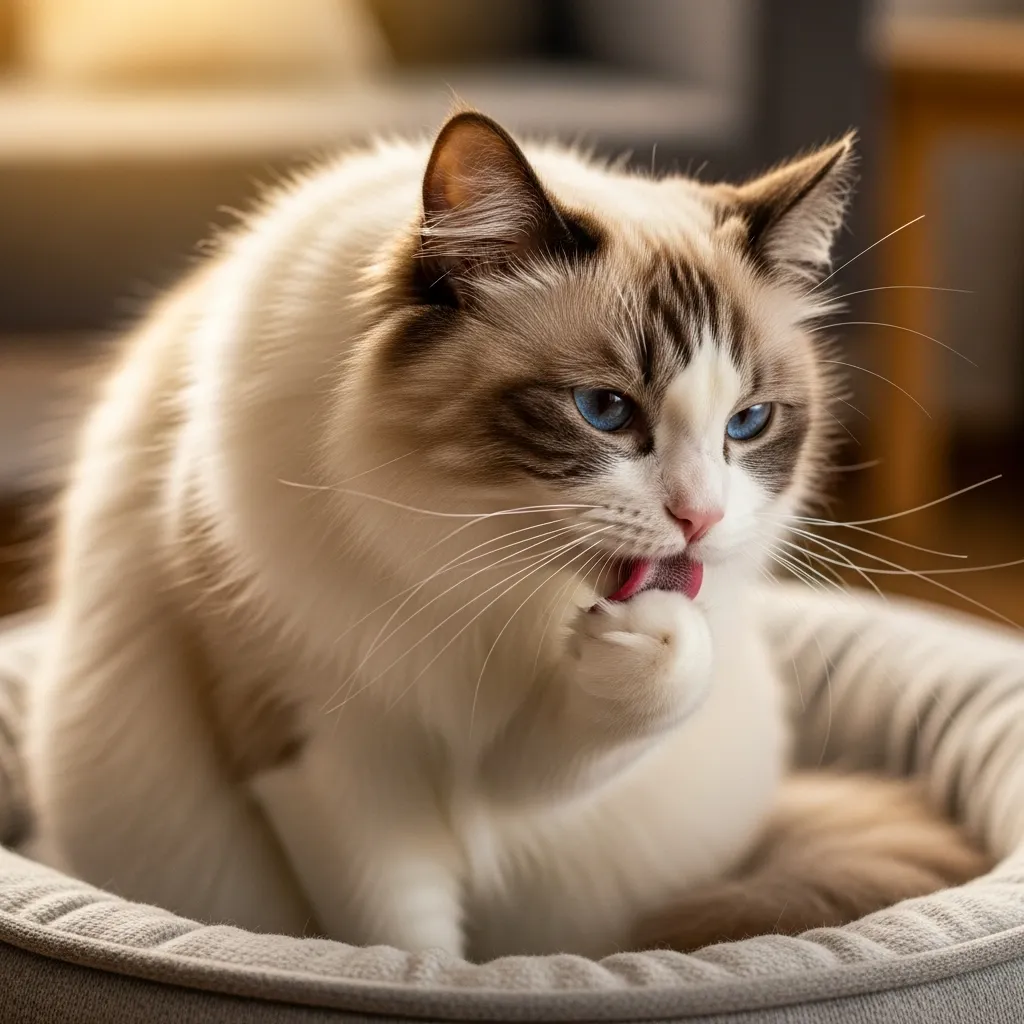
Real-Life Example: Lisa, a cat owner from Seattle, noticed her Maine Coon, Luna, had a sweet, honey-like smell after brushing sessions. “I thought it was her shampoo at first, but it’s just her natural grooming! Regular brushing keeps her coat shiny and sweet-smelling.”
Diet and Nutrition: Can Food Make Your Cat Smell Sweet?
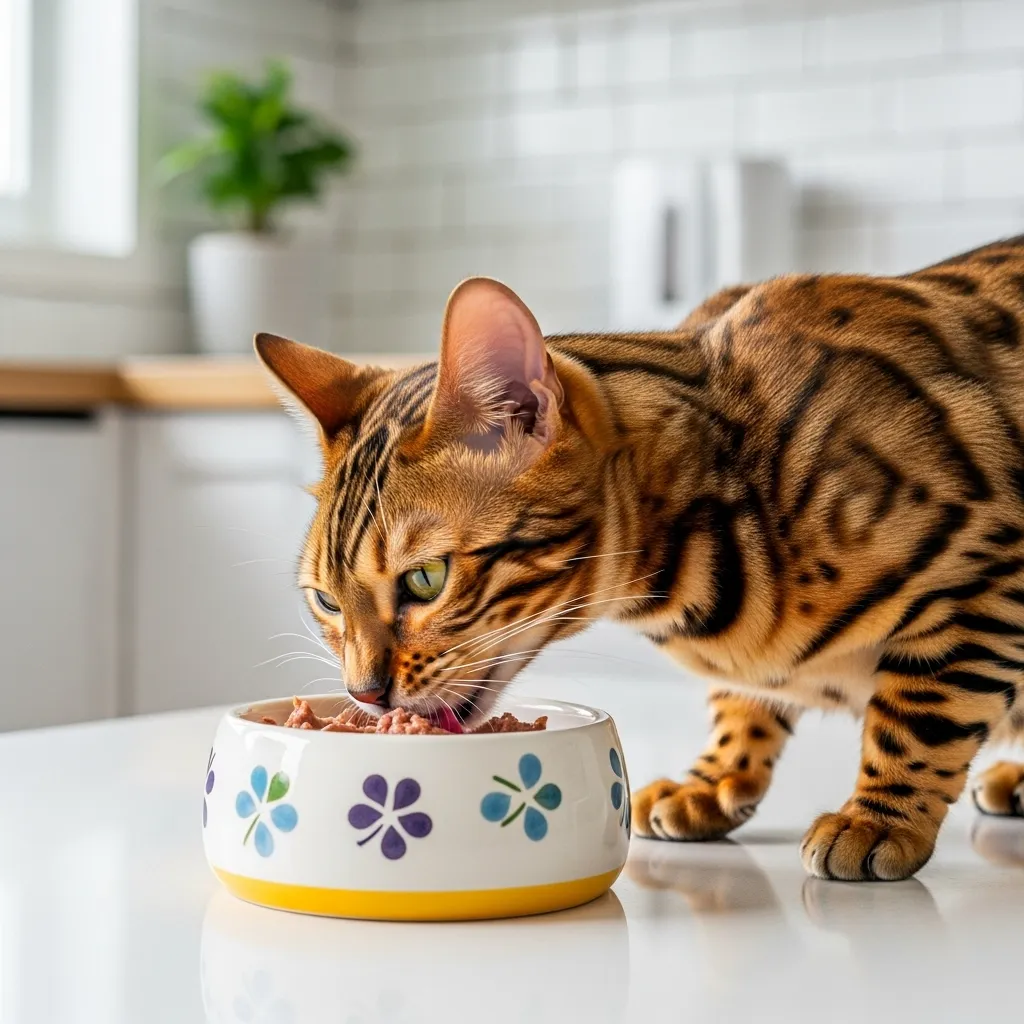
What your cat eats can directly influence how they smell. Certain foods, especially those high in specific proteins or oils, can give their fur or breath a sweet odor. Here’s how diet plays a role:
| Food Type | Potential Effect on Scent |
|---|---|
| Fish-based wet food | May impart a slightly sweet, oceanic aroma to fur. |
| High-protein diets | Can enhance natural oil production, leading to a sweet or musky smell. |
| Treats with molasses or honey | May subtly affect breath or saliva, contributing to a sweet scent. |
| Grain-heavy diets | In some cats, grains can cause a faintly sweet odor in breath or skin. |
- High-Quality Diets: Feeding your cat premium wet food (check our guide on best wet cat food) can promote healthy skin and a pleasant scent.
- Hydration: Proper hydration (learn more in cat hydration guide) ensures healthy oil production, enhancing natural fragrance.
- Avoid Overfeeding Treats: Sugary or flavored treats in excess may alter your cat’s scent unnaturally.
Pro Tip: Switch to a balanced diet tailored to your cat’s breed and age, like those recommended in our cat diet and nutrition guide, to maintain a healthy, sweet-smelling coat.
Environmental Factors: How Your Home Affects Your Cat’s Scent
Your cat’s surroundings play a big role in their aroma. From bedding to household products, here’s what might make your cat smell sweet:
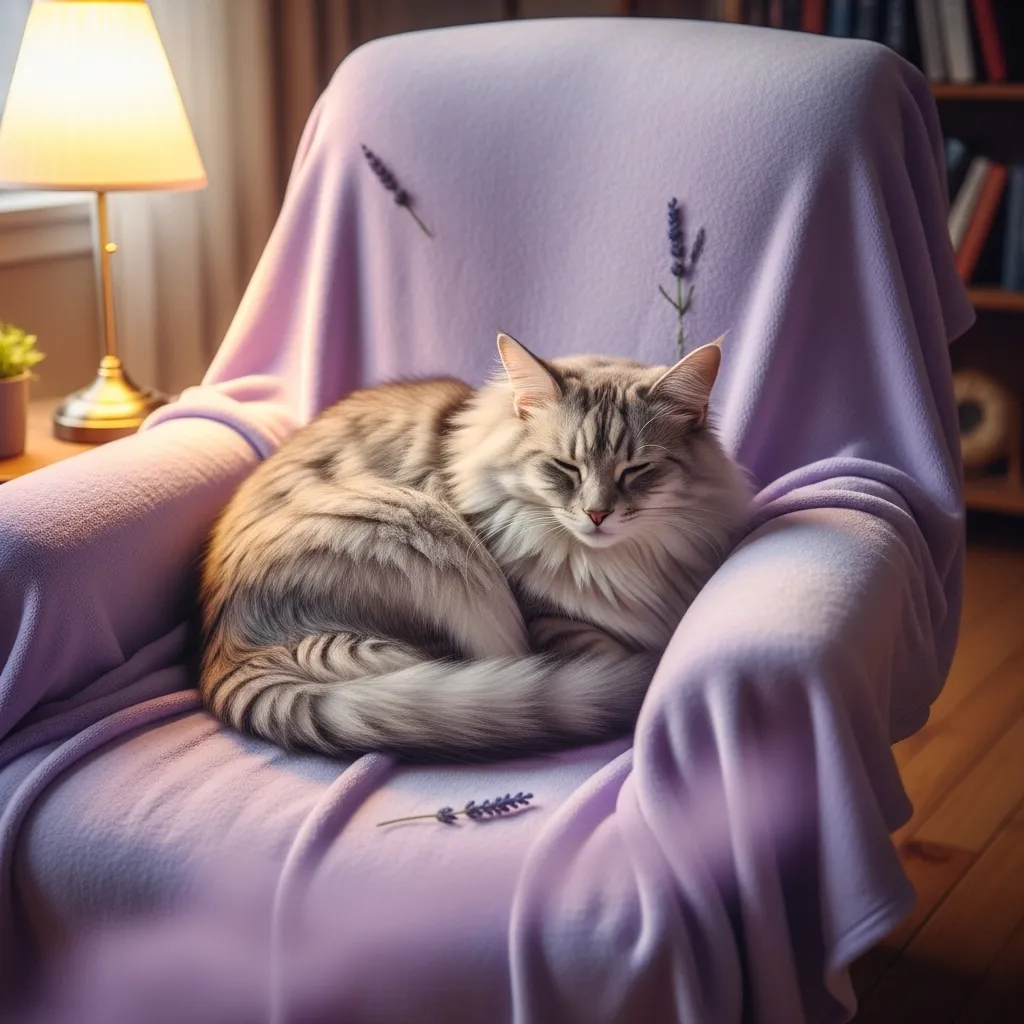
- Scented Bedding or Blankets: Cats love cozy spots (see why cats burrow under blankets). If their favorite bed smells like lavender or vanilla, their fur might pick up that sweet scent.
- Household Products: Air fresheners, scented candles, or even your laundry detergent can transfer to your cat’s coat during snuggle sessions.
- Plants or Grass: Cats that nibble on safe plants like cat grass may carry a fresh, slightly sweet herbal scent.
Actionable Tip: Wash your cat’s bedding with unscented detergent to isolate their natural scent. If you suspect environmental factors, check out our cat care guide for tips on creating a cat-friendly home.
Health-Related Causes of a Sweet Smell in Cats
While a sweet smell is often harmless, it can sometimes signal health issues. Here are the key conditions to watch for:
Diabetes and Sweet Odors
A strong, sweet smell—often described as maple syrup or caramel—can be a red flag for feline diabetes. This occurs when excess glucose in the blood affects your cat’s breath or skin odor.
- Symptoms to Watch: Increased thirst, frequent urination, weight loss, or lethargy (see cat diabetes guide).
- Action: If the sweet smell is persistent or paired with these symptoms, schedule a vet visit immediately. Early detection is key.
Vet Insight: Dr. Emily Rivera notes, “A sweet, fruity odor in cats, especially around the mouth, can indicate diabetic ketoacidosis, a serious condition. Blood tests can confirm the diagnosis.”
Skin Infections or Yeast Overgrowth
Yeast or bacterial infections on the skin, especially in folds or ears, can produce a sweet, musty odor. Breeds like Ragdolls with thick fur are more prone.
- Signs: Itching, redness, or scaly skin (learn more in cat skin bumps guide).
- Solution: Regular cleaning and vet-prescribed treatments can clear infections. Check our cat ear infection guide for ear-specific care.
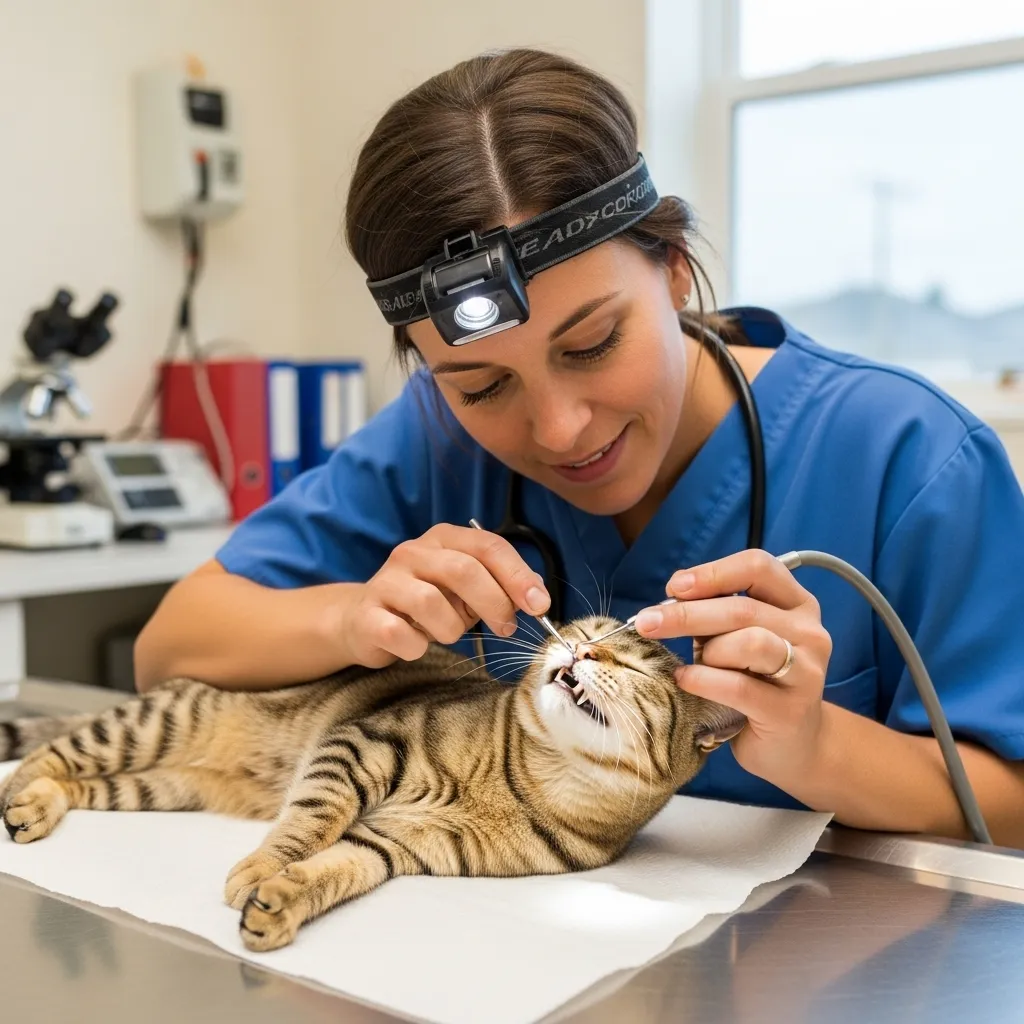
Dental Issues
Sweet-smelling breath might stem from dental problems, like plaque buildup or gingivitis, which can alter saliva’s scent.
- Check For: Bad breath mixed with a sweet undertone, drooling, or difficulty eating (see cat dental care).
- Fix: Brush your cat’s teeth regularly or consult a vet for professional cleaning.
Breed-Specific Scent Tendencies
Some cat breeds are more likely to have a naturally sweet smell due to their grooming habits, fur type, or oil production. Here’s a quick look:
| Breed | Scent Tendency | Why? |
|---|---|---|
| Siamese | Mildly sweet | Frequent grooming and sleek coats distribute oils evenly. |
| Ragdoll | Sweet, plush-like | Thick fur traps natural oils, enhancing fragrance. |
| Maine Coon | Subtly sweet | Long, well-groomed fur retains a clean scent. |
| Persian | Sweet, powdery | Dense coats and frequent grooming create a soft aroma. |
Learn more about breed-specific traits in our cat breeds guide.
How to Maintain Your Cat’s Pleasant Scent
Want to keep your cat smelling sweet and fresh? Here are vet-approved tips:
- Regular Grooming: Brush your cat 2–3 times a week to spread natural oils and remove dirt. For long-haired breeds, see our Norwegian Forest Cat grooming guide.
- Balanced Diet: Feed high-quality food suited to your cat’s needs (check cat food nutrition).
- Clean Environment: Wash bedding and litter boxes regularly to prevent odor transfer (see cat litter box guide).
- Vet Checkups: Annual exams catch health issues early. Explore our cat vet visit schedule for guidance.
- Hydration: Ensure fresh water access to support skin health (try tips from cat hydration guide).
Real-Life Example: Mark, a Bengal cat owner, found that switching to a fish-free diet and brushing weekly made his cat’s sweet scent more consistent. “It’s like he’s naturally perfumed now!”
When to See a Vet for a Sweet Smell
While a sweet-smelling cat is often a sign of good health, certain red flags warrant a vet visit:
- Persistent Sweet Odor: Especially if it smells like maple syrup or fruit, as it may indicate diabetes.
- Behavioral Changes: Lethargy, excessive thirst, or changes in appetite (see cat not eating guide).
- Skin or Ear Issues: Redness, itching, or discharge paired with a sweet smell could signal infections.
- Unusual Grooming: If your cat stops grooming or over-grooms, check our cat grooming habits for advice.
Schedule a visit with a trusted vet (find one using our best vet guide) if you notice these signs.
FAQ: Common Questions About Sweet-Smelling Cats
Why does my cat smell sweet?
A sweet smell can come from natural scent glands, grooming habits, diet, or environmental factors like scented bedding. Persistent sweet odors, especially like maple syrup, may indicate health issues like diabetes—consult a vet if concerned.
Can my cat’s diet cause a sweet smell?
Yes, foods like fish-based wet food or treats with molasses can give your cat’s fur or breath a sweet aroma. A balanced diet supports a healthy scent (see cat diet and nutrition).
Do grooming habits affect my cat’s scent?
Absolutely. Regular grooming distributes natural oils, keeping your cat’s coat clean and sweet-smelling. Learn more in our cat grooming habits guide.
Could a sweet smell indicate health problems?
A strong, persistent sweet odor, especially resembling maple syrup, could signal diabetes or skin infections. Check for symptoms like increased thirst or lethargy and see a vet (explore cat diabetes guide).
Why does my cat smell like maple syrup?
A maple syrup-like smell may point to diabetes, particularly diabetic ketoacidosis. Schedule a vet visit immediately if accompanied by symptoms like weight loss or excessive drinking.
How do environmental factors affect my cat’s odor?
Scented bedding, household products, or plants like cat grass can transfer sweet smells to your cat’s fur. Keep their environment clean with tips from our cat care guide.
Are certain cat breeds more likely to smell sweet?
Breeds like Siamese, Ragdolls, and Maine Coons may have sweeter scents due to grooming habits and fur type. Discover more in our cat breeds guide.
Conclusion: Embrace Your Cat’s Unique Fragrance
A sweet-smelling cat is often a sign of a healthy, well-groomed feline, with their natural oils, diet, and environment creating a delightful aroma. From the subtle perfume of their scent glands to the influence of a fishy diet, your cat’s fragrance is as unique as their personality. However, if the sweet smell is unusually strong or paired with symptoms like increased thirst or lethargy, it’s time to consult a vet to rule out conditions like diabetes.
At Cat Bloom Haven, we’re passionate about helping you understand and care for your feline friend. Explore more expert cat care and behavior guides, like our cat health and care or cat grooming tips, to keep your kitty happy, healthy, and smelling sweet!