How Often Should a Cat Use the Litter Box? Your Ultimate Guide to Feline Litter Box Habits and Maintenance
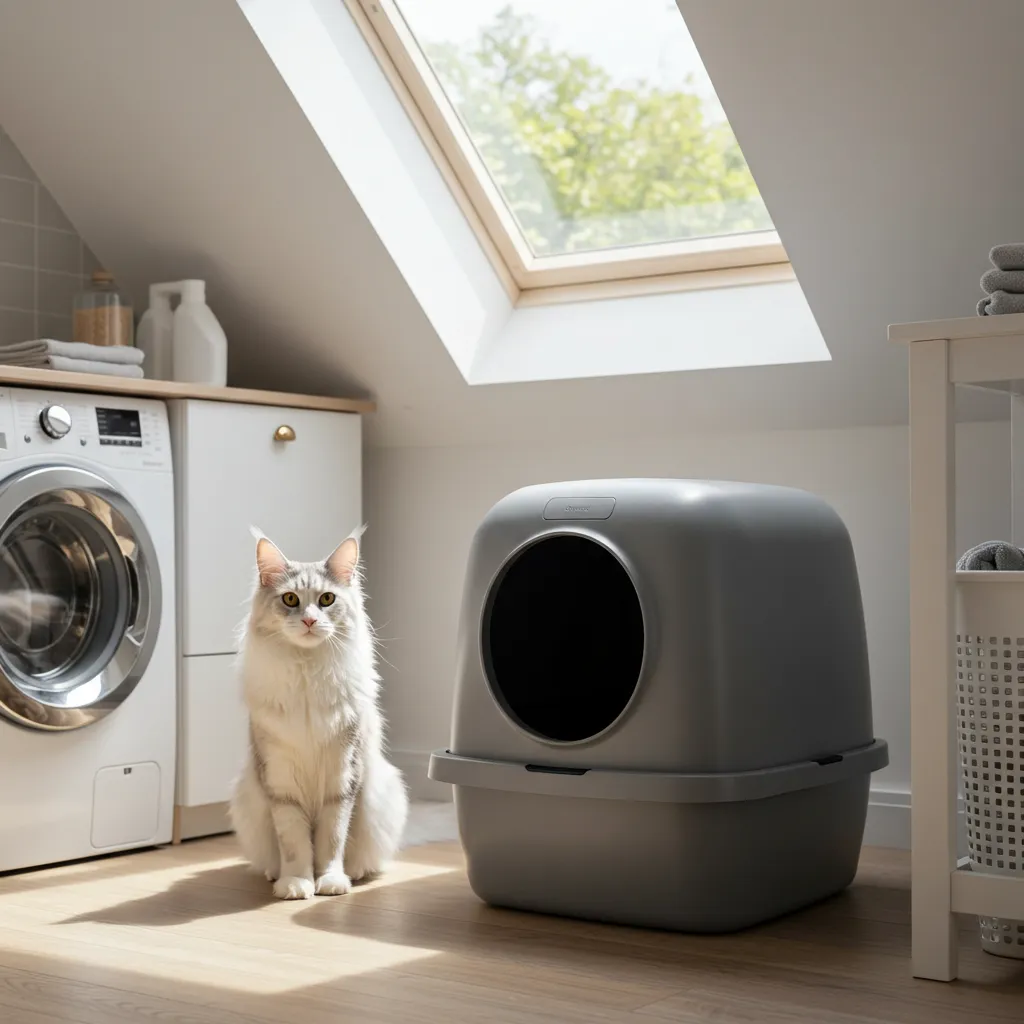
Ever caught yourself staring at your cat’s litter box, wondering if they’re using it enough—or maybe too much? If you’re like most cat owners, questions about “how often should a cat use the litter box” pop up all the time, especially when you notice changes in their routine that could signal health issues or just plain old dissatisfaction with the setup.
It’s a common headache: a dirty box leads to odors, behavioral problems, or even vet visits, but figuring out the right cat litter box frequency can feel overwhelming. That’s where this guide comes in—packed with expert insights, real-world tips, and everything you need to keep your feline friend happy and your home fresh. We’ll dive deep into habits, schedules, and maintenance, drawing from trusted sources like veterinarians and cat behaviorists, so you can outsmart those litter box woes once and for all.
As a cat lover who’s spent years researching and advising on pet care, I’ve seen how getting this right transforms lives—for both you and your kitty. Let’s break it down step by step, from understanding their natural instincts to creating a foolproof clean litter box routine.
Understanding Feline Litter Box Habits: How Often Do Cats Typically Go?
Cats are creatures of habit, and their litter box usage ties directly to their biology and daily life. On average, a healthy adult cat will use the litter box 3-5 times a day for urination and 1-2 times for defecation. That’s roughly 4-7 visits total, but it varies based on factors like age, diet, and hydration. For instance, kittens might go more frequently—up to 6-8 times daily—because their bladders are smaller and they’re still learning. Senior cats, on the other hand, could have reduced frequency due to slower metabolism, but any sudden drop might indicate issues like kidney problems.
Think about it like this: Cats in the wild bury their waste to avoid predators, so indoor cats mimic this by seeking a clean, private spot. If your cat’s on a wet food diet, expect more trips since it increases urine output. Dry kibble? Fewer visits, but watch for dehydration signs. Real-life example: My friend’s cat switched to a high-protein diet and started using the box 5 times a day instead of 3—totally normal, but it meant adjusting the scooping schedule to keep up with cat litter hygiene.
Monitoring these feline litter box habits is key. Track visits for a week using a simple journal or app, noting times and types (pee vs. poop). If it’s less than 2-3 times a day, consult a vet—it could be constipation or urinary tract infections. Pro tip: Place the box in a quiet, low-traffic area to encourage regular use, aligning with their natural instincts.
The Importance of Monitoring Cat Litter Box Frequency
Why bother tracking cat litter box frequency? It’s not just about avoiding messes—it’s a window into your cat’s health. Changes in habits can be early red flags for serious issues. For example, increased frequency might point to diabetes or hyperthyroidism, while decreased use could signal blockages, especially in males prone to urinary crystals.
Hygiene plays a huge role too. A dirty box discourages use, leading to accidents elsewhere and stressing both you and your cat. Studies show cats prefer spotless environments, reducing risks of bacterial infections or behavioral problems like inappropriate elimination. In multi-cat homes, territorial disputes can arise if boxes aren’t monitored, so aim for one box per cat plus one extra.
Real-world impact: One cat owner I know ignored infrequent use, only to discover a UTI that could’ve been caught earlier. By keeping tabs, you ensure cat hygiene and litter box care stays top-notch, preventing costly vet bills and maintaining a harmonious home.
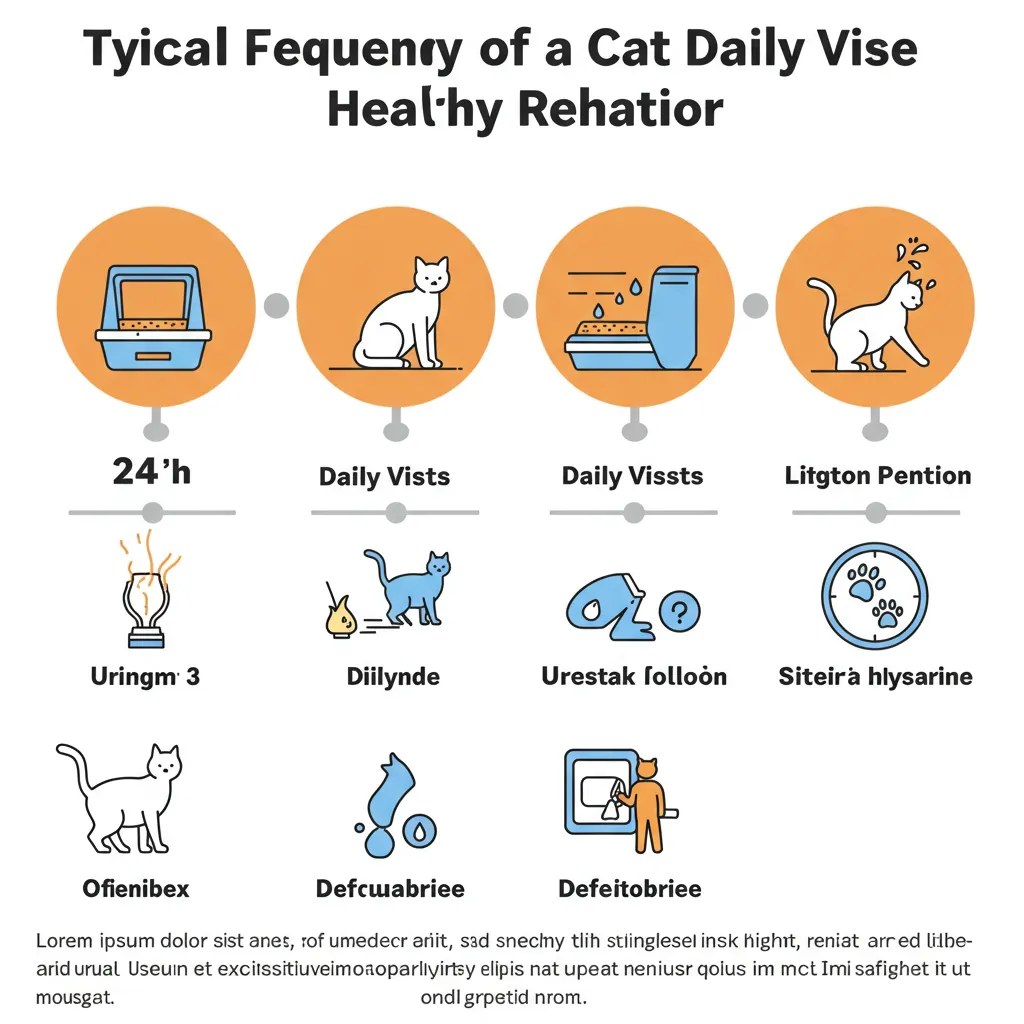
How Often to Scoop Cat Litter: Establishing a Daily Routine
Scooping is the frontline defense in your cat litter box maintenance arsenal. Experts recommend scooping at least once a day, but twice is ideal for most households to control odors and keep things sanitary. For multi-cat setups, bump it to 2-3 times daily—clumps build up fast!
Here’s a step-by-step daily scooping guide:
- Gear up: Use a sturdy metal scoop (plastic ones break easily) and wear gloves if you’re sensitive.
- Scan and remove: Look for clumps and solids; scoop them into a compostable bag for eco-friendliness.
- Top off: Add fresh litter to maintain 3-4 inches depth—prevents sticking and odors.
- Quick wipe: Dab the sides with a pet-safe wipe if needed.
Pros of daily scooping: Fresher air, happier cat, fewer health risks. Cons: It takes 5-10 minutes, but it’s worth it. If life’s busy, consider an automatic box (more on that later). Remember, consistent scooping ties into your overall cat litter cleaning tips for a stink-free zone.
How Often to Change Cat Litter: Weekly and Monthly Guidelines
Changing the entire litter? It depends on type and usage. For clumping clay, aim for every 1-2 weeks if you scoop daily. Non-clumping needs more frequent changes—every 3-7 days—to avoid sogginess. In single-cat homes, you might stretch to 2-4 weeks; multi-cat? Weekly is safer.
Factors influencing this:
- Litter type: Silica gels last longer (up to a month) but can be pricier.
- Cat count: More cats = faster buildup.
- Odor threshold: If it smells, change it sooner.
Example: A reader shared switching to clumping litter cut changes from weekly to bi-weekly, saving time and money. Always dump old litter responsibly—avoid flushing unless it’s flushable eco-litter to prevent plumbing issues.
How Often to Clean a Cat Litter Box: Deep Cleaning for Optimal Hygiene
Deep cleaning—washing the box itself—should happen every 1-4 weeks, depending on litter type and cat habits. For clumping litters, monthly is often enough; non-clumping might need bi-weekly scrubs.
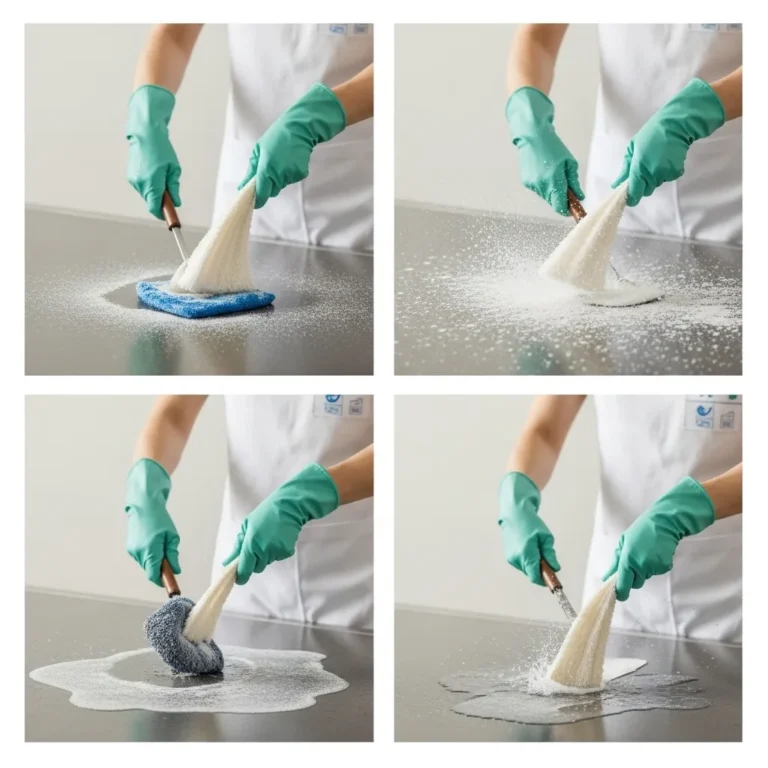
Step-by-step deep clean:
- Empty it: Dump litter into a bag; recycle if possible.
- Scrub: Use hot water and mild dish soap—no harsh chemicals that linger and deter cats.
- Disinfect: Rinse with a vinegar-water mix (1:1) for natural odor control.
- Dry thoroughly: Air dry to prevent mold.
- Refill: Add baking soda at the bottom for extra freshness.
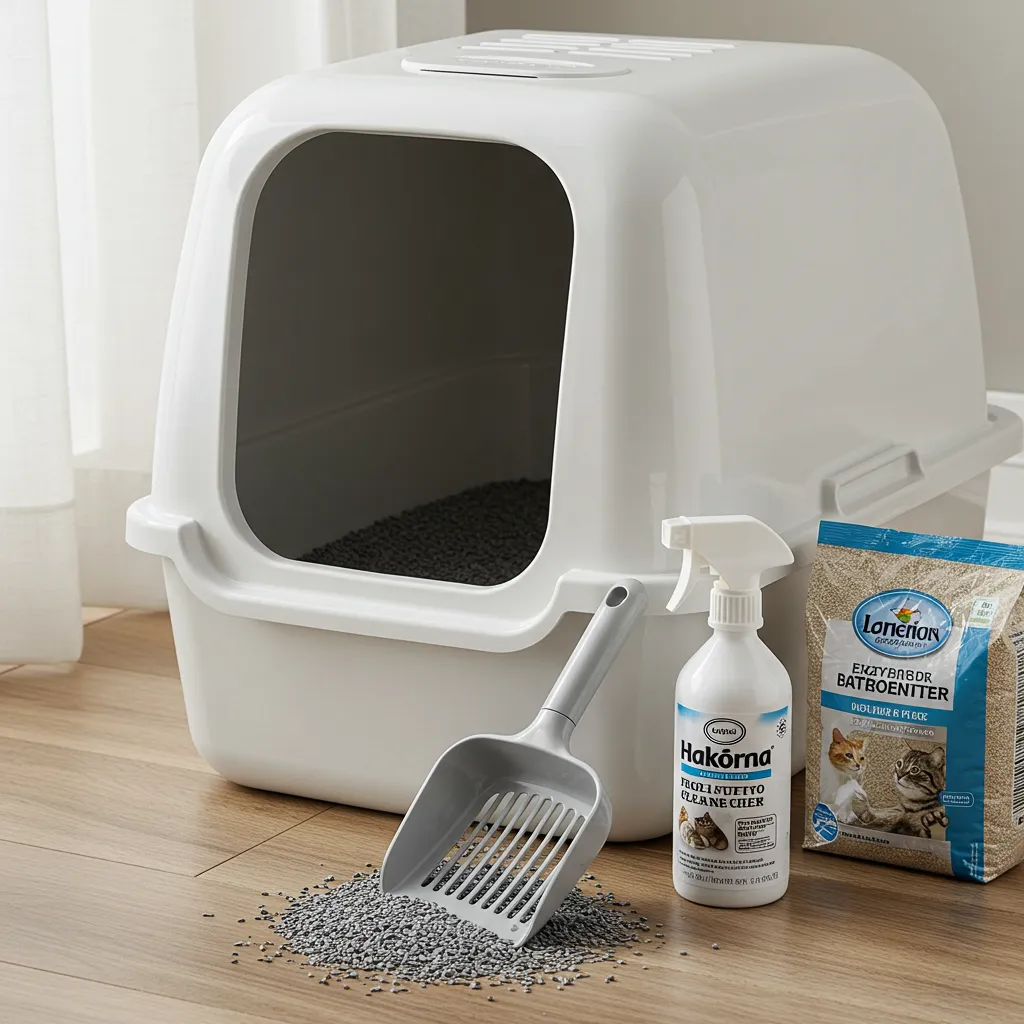
This routine boosts cat litter hygiene, reducing bacteria that cause UTIs. If your box smells funky sooner, clean more often—better safe than sorry!
Cat Litter Box Frequency Chart: A Quick Reference Guide
To make it easy, here’s a customizable cat litter box frequency chart based on expert recommendations:
| Number of Cats | Recommended Litter Boxes | Scoop Frequency | Change Litter | Deep Clean Box |
|---|---|---|---|---|
| 1 Cat | 2 Boxes | Every 1-2 Days | Every 2-4 Weeks | Every Month |
| 2 Cats | 3 Boxes | Daily | Every 2-3 Weeks | Every 3-4 Weeks |
| 3 Cats | 4 Boxes | Daily | Every 2 Weeks | Every 3 Weeks |
| 4+ Cats | 5+ Boxes | 2+ Times/Day | Weekly | Every 2 Weeks |
Adjust based on your setup—e.g., add more for seniors or high-pee-ers. This chart ensures your cat litter box schedule stays on track.
Cat Litter Box Cleaning Routine: Step-by-Step for Busy Owners
A solid clean litter box routine combines daily, weekly, and monthly tasks. Daily: Scoop and spot-check. Weekly: Full litter change if needed. Monthly: Deep scrub.
Pros/cons of routines:
- Pros: Prevents odors, health issues; builds trust with your cat.
- Cons: Time-intensive, but automates with practice.
Real example: Busy professionals swear by setting phone reminders—turns it into a 10-minute habit. Integrate with feeding times for efficiency.
Tips for Keeping Litter Box Clean: Advanced Hacks and Strategies
Building on basics, here are expanded cat litter cleaning tips:
- Scoop Daily (or More): Essential for odor control; use a sifter scoop for efficiency.
- Use Litter Liners: Easy cleanup, but skip if your cat shreds them.
- Opt for Clumping Litter: Forms easy-to-remove balls; see our 2025 picks below.
- High-Sided Boxes: Reduces scatter; great for diggers.
- Multiple Boxes: One per cat +1 prevents competition.
- Regular Full Replacements: Every 1-2 weeks to refresh.
- Cat-Friendly Deodorizers: Baking soda or enzyme sprays—natural and safe.
- Mats Under Boxes: Traps tracked litter; vacuum weekly.
- Ventilation: Place in well-aired spots, not closets.
- Monitor for Wear: Replace scratched boxes yearly to avoid bacteria buildup.
These cat litter box hygiene hacks make maintenance a breeze, outshining basic advice.
Cat Litter Hygiene and Odor Control Tips: Keeping Your Home Fresh
Odors? Combat with cat litter box odor control tips like sprinkling activated charcoal or using vented boxes. Enzyme cleaners break down smells at the source—spray after scooping. For hygiene, wash hands post-handling and keep kids away.
Example: A vinegar-baking soda mix neutralized odors in one home overnight. Pair with good litter for ultimate control.
Why Does My Cat React When I Clean the Litter Box?
Cats might hiss, hide, or watch intently during cleaning due to territorial instincts or scent disruption. They mark boxes with pheromones, so changes feel invasive. Ease reactions by cleaning when they’re distracted, using familiar litters, or adding pheromone diffusers.
If it’s aggressive, rule out pain—vet check recommended. Patience helps; most adapt quickly.
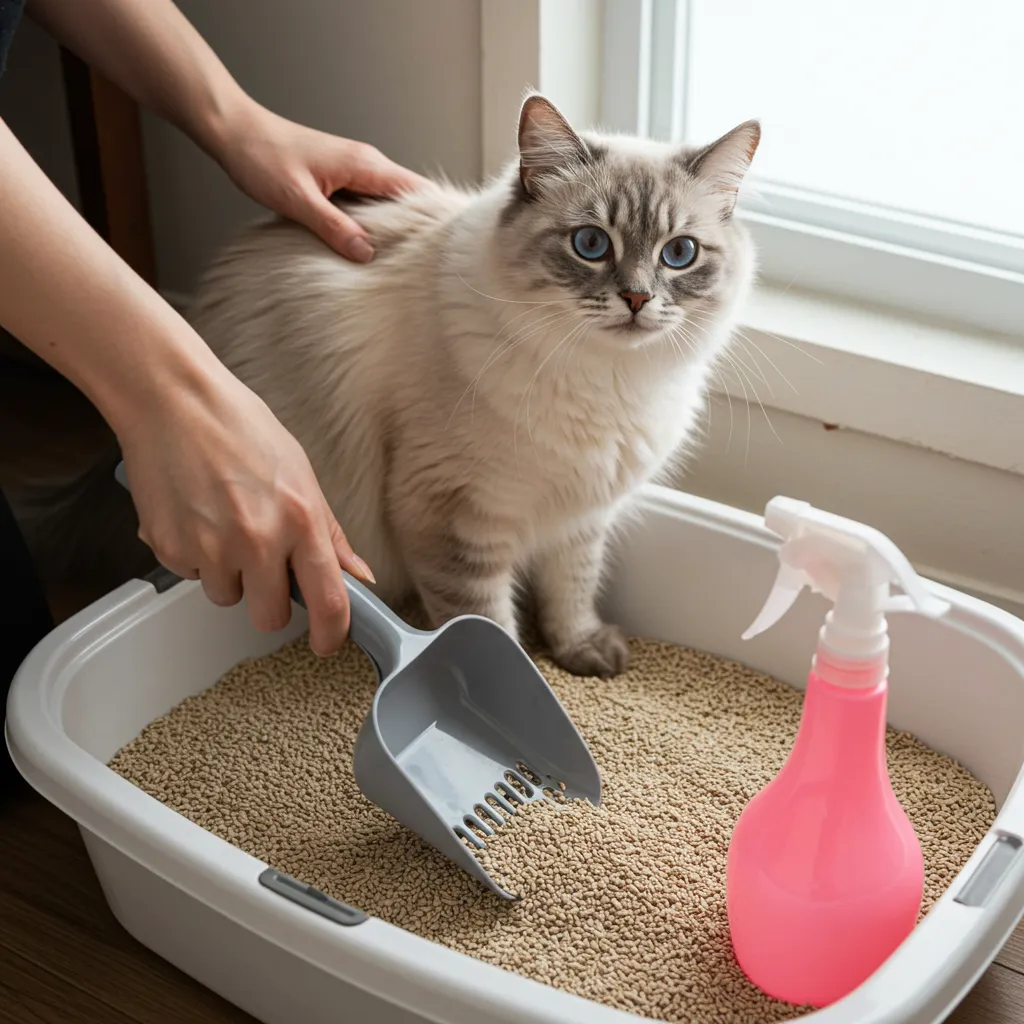
Best Clumping Litter for Cats 2025: Top Picks for Easy Maintenance
For 2025, top clumping litters include:
- Purina Tidy Cats Naturally Strong: Natural clay, strong clumps, unscented.
- Arm & Hammer Clump & Seal: Multi-cat formula, odor-sealing.
- World’s Best Multi-Cat Unscented: Corn-based, eco-friendly clumps.
- Ever Clean Extra Strength: Premium clumping with carbon for odors.
Choose based on needs—dust-free for allergies, natural for eco-prefs.
Automatic Cat Litter Box Cleaning Frequency: Modern Solutions
Automatic boxes like Litter-Robot clean after each use, but empty waste drawers weekly for single cats, more often for multiples. Deep clean the unit every 1-3 months. Pros: Hands-off; cons: Pricey, but worth it for busy folks.
Example: Users report going 15 days without scooping in single-cat homes.
Eco-Friendly Cat Litter Cleaning Tips: Sustainable Practices
Go green with these eco-friendly cat litter cleaning tips:
- Use biodegradable litters like tofu or corn—flushable in small amounts.
- Compost waste with paper bags instead of plastic.
- Clean with vinegar or lemon for natural disinfection.
- Opt for metal scoops—durable and recyclable.
These reduce waste while maintaining hygiene.
Conclusion: Mastering Your Cat’s Litter Box for a Happier Home
Wrapping up, understanding how often a cat should use the litter box (3-5 times daily typically) and sticking to a routine—daily scoops, weekly changes, monthly cleans ensures health and harmony. Incorporate tips like clumping litters and eco-hacks for best results. Your cat will thank you with fewer accidents and more purrs.
FAQ
How often should you scoop a cat’s litter box?
Scoop at least once daily, twice for multi-cats, to maintain hygiene and prevent odors.
Why is it important to keep the litter box clean?
A clean box prevents health issues like UTIs, reduces behavioral problems, and controls home odors.
How often should you change the litter in a litter box?
Every 1-2 weeks for clumping litter if scooped daily; adjust for cat count and type.
How often should you wash the litter box?
Wash every 1-4 weeks with soap and water for deep cleaning.
What are some tips for keeping your litter box clean?
Scoop daily, use liners, choose clumping litter, add mats, and deodorize naturally.
Why does my cat react when I clean the litter box?
It disrupts their scent markers; clean during naps or use pheromones to calm them.
What is the importance of maintaining a clean litter box?
It supports cat health, prevents accidents, and keeps your home fresh—essential for well-being.