The Ultimate Guide to Common Cat Colors and Feline Color Patterns

Cat lovers know that every feline is unique, but their coat colors and patterns are what often catch our eye first. From the sleek black cat slinking through the shadows to the vibrant calico stealing the spotlight, common cat colors and feline color patterns tell a fascinating story of genetics, personality, and even cultural significance. Whether you’re curious about cat coat colors, wondering why male calicos are rare, or exploring cat color personality myths, this guide dives deep into the rainbow of feline beauty.
In this article, we’ll unravel the science behind cat color genetics, spotlight the most popular cat colors, and debunk myths like those surrounding black cats or tuxedo cats. You’ll discover how tabby cat types differ, why calico and tortoiseshell cats are so distinct, and whether gray cats (or blue cats) are trending for a reason. Plus, we’ll connect you to expert tips and resources from Cat Bloom Haven to help you care for your colorful companion. Let’s jump in!
Key Takeaways
- Common Cat Colors: Tabby, black, white, gray (blue), and bicolor patterns dominate domestic cat populations.
- Cat Color Genetics: Coat colors stem from complex genetic interactions, with specific genes controlling pigmentation and patterns.
- Popular Patterns: Tabbies, calicos, tortoiseshells, and tuxedos each have unique markings tied to genetics.
- Myth vs. Reality: Black cat myths and personality stereotypes often lack scientific backing but influence perceptions.
- Rare Finds: Male calicos and torties are exceptionally rare due to X-chromosome-linked genetics.
- Breed Connections: Certain breeds, like Siamese or Bengals, are more likely to sport specific colors or patterns.
- Explore more about feline behavior in our Cat Bloom Haven behavior guide.
The Spectrum of Common Cat Colors
Cats come in a dazzling array of colors, but some shades and patterns are more common than others. Based on surveys from cat registries like TICA and CFA, the most popular cat colors include tabby, black, white, gray (often called blue cats in breeds), and bicolor combinations. These colors aren’t just aesthetically pleasing—they’re the result of intricate cat fur genetics.
Why Are Some Colors More Common?
The prevalence of certain colors ties back to survival and breeding. For example:
- Tabby: The classic “wild” pattern, with stripes, swirls, or spots, blends well in natural environments, making it a dominant trait in feral and domestic cats.
- Black: A solid color caused by a high concentration of melanin, black coats are common across breeds and mixed cats.
- White: Less common but striking, white coats can be linked to specific genes that may also affect hearing (more on this later).
- Gray (Blue): A diluted black pigment, gray is a fan favorite, especially in breeds like the Russian Blue.
- Bicolor: Think tuxedo cats—black and white combos that are both stylish and genetically fascinating.

Fun fact: A 2023 survey by the CFA found that tabby cats make up roughly 60% of registered domestic shorthairs, with black and gray trailing close behind.
Decoding Cat Color Genetics
Understanding cat coat color genetics is like peering into a feline artist’s palette. Coat colors and patterns are determined by genes that control melanin production (eumelanin for black/brown, pheomelanin for red/yellow) and how those pigments are distributed.
The Basics of Feline Color Genetics
- Melanin Genes: The B gene controls black/brown shades, while the D gene determines density (full color vs. diluted, like gray or cream).
- Pattern Genes: The A gene (agouti) creates banded hairs seen in tabbies, while the S gene controls spotting for bicolor or white patches.
- Sex-Linked Colors: The O gene, tied to the X chromosome, produces red (orange/ginger) or cream colors. This is why calico cats and tortoiseshell cats are almost always female—more on that below!
Why Male Calicos Are Rare
Calico and tortoiseshell patterns require two X chromosomes—one carrying the red gene and one carrying the black gene. Since males typically have one X and one Y chromosome, they can only express one color (red or black), making male calicos incredibly rare (about 1 in 3,000). These males usually have an extra X chromosome (XXY), a condition called Klinefelter’s syndrome, which can lead to sterility.

Learn more about cat genetics in our Bengal cat guide for breed-specific insights.
Most Popular Cat Colors and Patterns
Let’s explore the types of cat colors and patterns that dominate the feline world, from the iconic tabby cats to the trendy gray cats.
Tabby Cats: Stripes, Swirls, and Spots
Tabby isn’t a breed but a pattern, and it’s the most popular cat color pattern worldwide. The signature “M” on a tabby’s forehead is a hallmark, often tied to myths (some say it stands for “Mau,” the Egyptian word for cat). There are four main tabby cat types:
- Mackerel Tabby: Narrow, parallel stripes resembling a fish skeleton.
- Classic Tabby: Bold, swirling patterns, often with a bullseye on the sides.
- Spotted Tabby: Distinct spots, like those seen in Bengals.
- Ticked Tabby: Subtle, salt-and-pepper look with minimal visible patterns.
Tabby markings appear in various colors—brown, red, gray, or cream—and are common in breeds like the American Shorthair.

Tuxedo Cats: The Dapper Bicolor
Tuxedo cats sport a black-and-white pattern that looks like a formal suit. These bicolor cats have solid black bodies with white patches on the chest, paws, or face. Their charm has made them pop culture stars, from viral memes to famous felines like Sylvester. Genetically, tuxedos owe their look to the S gene, which controls white spotting.
Calico vs. Tortoiseshell Cats: What’s the Difference?
The difference between calico and tortoiseshell cats confuses many. Here’s the breakdown:
- Calico Cats: Distinct patches of black, red (or orange), and white. The white is usually prominent, creating a patchwork effect.
- Tortoiseshell Cats (Torties): A mottled mix of black and red (or their dilutions, like gray and cream) with little to no white. The colors blend rather than form clear patches.
Both patterns are tied to the X chromosome, making calico cat personality and tortie attitudes (often called “tortitude”) a topic of fascination. While no hard science links color to personality, torties are often described as feisty, and calicos as quirky. Explore more in our cat personality guide.
Black Cats: Myths and Symbolism
Black cats are steeped in lore, especially around Halloween. Are black cats lucky or unlucky? It depends on the culture:
- In Japan, black cats are considered good luck, especially for singles seeking love.
- In Western folklore, they’re often linked to bad luck or witchcraft—a myth with no basis in reality.
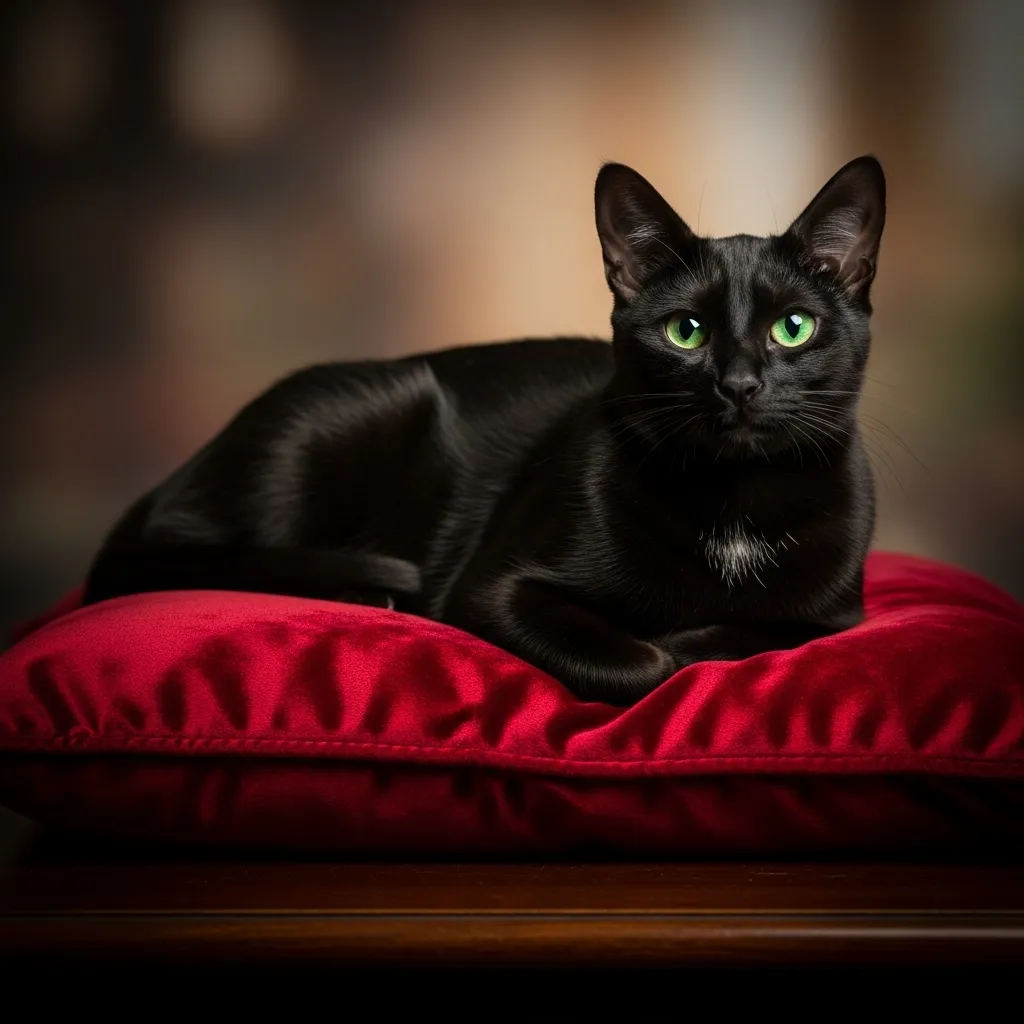
Genetically, black cats have a dominant B gene producing solid eumelanin. Their sleek coats are common in breeds like the Bombay. Curious about black cat care? Check our black cat myths guide.
Gray Cats (Blue Cats): The Trendy Felines
Gray cats, often called blue cats in breeds like the Russian Blue or Chartreux, are having a moment. Their soft, silvery coats are a diluted form of black, thanks to the D gene. Gray cats are trending on platforms like Pinterest for their aesthetic appeal, especially in urban pet photography. Their calm, elegant vibe makes them a favorite for modern cat owners.
White Cats and Special Considerations
White cats, with their striking coats, are less common and often tied to the W gene, which can suppress other colors. However, white cats with blue eyes are prone to congenital deafness, especially in breeds like the Turkish Van. Regular vet checkups are key—learn more in our cat health care guide.

Cat Color and Personality: Fact or Fiction?
The idea of cat color personality traits is popular but controversial. Studies, like one from the University of California (2018), suggest no strong link between coat color and behavior, yet anecdotes persist:
- Black Cats: Often seen as mysterious or aloof, but owners report them as affectionate.
- Calico Cats: Quirky and vocal, with “tortitude” in their tortoiseshell cousins.
- Gray Cats: Perceived as calm and reserved, especially in breeds like the Russian Blue.
- Tabby Cats: Friendly and social, possibly due to their prevalence in mixed breeds.
While genetics shape color, environment and individual experiences play a bigger role in personality. Dive deeper into feline behavior with our cat personality guide.
Cat Breed and Color Connections
Certain breeds are closely tied to specific colors or patterns:
- Siamese: Known for colorpoint patterns (cream body with darker ears, face, and tail). See our Siamese cat guide.
- Bengal: Spotted or marbled tabby patterns in vibrant browns or golds. Explore more in our Bengal cat guide.
- Persian: Often seen in solid white, blue, or cream, with long, luxurious coats.
- Maine Coon: Frequently tabby, with bold patterns and tufted ears. Check our Maine Coon guide.
Debunking Cat Color Myths
Let’s clear up some cat color myths:
- Myth: Black cats are bad luck. Fact: This is a cultural superstition with no evidence. Black cats are just as loving as any other.
- Myth: Tabby cats are a breed. Fact: Tabby is a pattern, not a breed, seen in many cats, from domestics to Norwegian Forest Cats.
- Myth: White cats are always deaf. Fact: Only some white cats, particularly those with blue eyes, are at risk for deafness.
Caring for Cats of All Colors
Regardless of color, all cats need proper care to keep their coats shiny and healthy. Here are vet-backed tips:
- Nutrition: High-quality diets with omega-3s enhance coat health. See our cat food guide.
- Grooming: Regular brushing reduces shedding, especially for long-haired breeds like Ragdolls.
- Vet Visits: Regular checkups catch issues like skin conditions that can affect coat appearance. Learn more in our vet visit guide.

FAQ: Your Cat Color Questions Answered
What is the most common cat color?
Tabby is the most common pattern, with brown or gray bases dominating due to their prevalence in feral and domestic populations.
What’s the difference between a calico and a tortoiseshell cat?
Calicos have distinct patches of black, red, and white, while tortoiseshells have blended black and red with minimal white.
Why are male calicos so rare?
Male calicos require an extra X chromosome (XXY), a rare genetic condition, as color genes are X-linked.
Do cat colors affect personality?
No definitive science links color to personality, but owner anecdotes suggest trends like “tortitude” in tortoiseshells.
Are black cats lucky or unlucky?
Cultural beliefs vary—lucky in some cultures (e.g., Japan), unlucky in others (e.g., Western folklore). There’s no factual basis for either.
What are the types of tabby cat markings?
Mackerel (stripes), classic (swirls), spotted, and ticked are the four main tabby patterns.
Can cat colors indicate health issues?
White cats with blue eyes may be prone to deafness, but most colors don’t directly correlate with health risks.
Are gray cats really “blue”?
“Blue” is a breed term for gray, a diluted black pigment, seen in breeds like the Russian Blue.
Conclusion: Celebrate Your Cat’s Unique Colors
From the swirling patterns of a tabby cat to the elegant charm of a tuxedo cat, feline coat colors and patterns are a beautiful blend of genetics and personality. Whether you’re drawn to the mystique of black cats, the vibrancy of calico cats, or the trendy allure of gray cats, every feline brings something special to the table. By understanding cat color genetics and debunking myths, you can appreciate your cat’s unique look even more.
Ready to dive deeper into feline care? Explore more expert tips on Cat Bloom Haven for guides on everything from cat health to fun cat memes. Your colorful companion deserves the best!