Why Does My Cat Stalk Me? A Deep Dive into Feline Behavior and Instincts
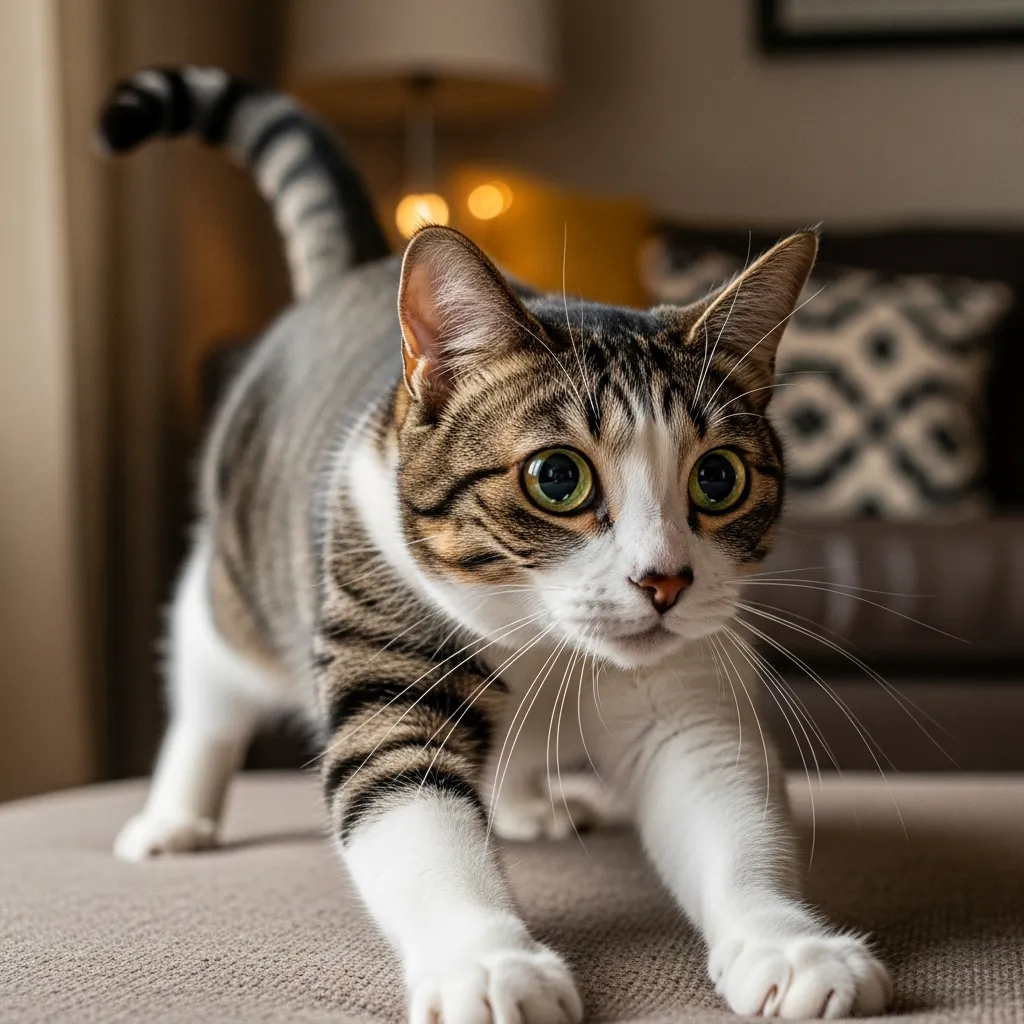
Ever catch your cat crouched low, eyes locked on you, tail twitching like they’re about to pounce? If you’ve wondered, “Why does my cat stalk me?” you’re not alone. This quirky feline behavior can feel like a mix of affection, mischief, or even a mini ambush. But don’t worry your cat isn’t plotting a takeover.
Their stalking is rooted in natural instincts, emotions, and sometimes just a desire for your attention. In this guide, we’ll unravel the mystery of cat stalking behavior, explore the feline prey instinct, and share expert tips to understand and manage it. By the end, you’ll know exactly what’s behind your cat’s sneaky moves and how to strengthen your bond.
Key Takeaways
- Instinct at Play: Cats stalk due to their hardwired predatory instinct, even in domestic settings.
- Affection or Hunger?: Stalking can signal playfulness, affection, or a request for food or attention.
- Body Language Matters: Watch for cues like dilated pupils, crouched posture, or a twitching tail to decode their intent.
- Redirecting Behavior: Enrichment, play, and training can channel your cat’s hunting energy constructively.
- Safety First: Learn to distinguish playful stalking from aggression to keep you and your cat safe.
Explore our detailed guide on cat body language to dive deeper into your feline’s signals.
Understanding Cat Stalking Behavior
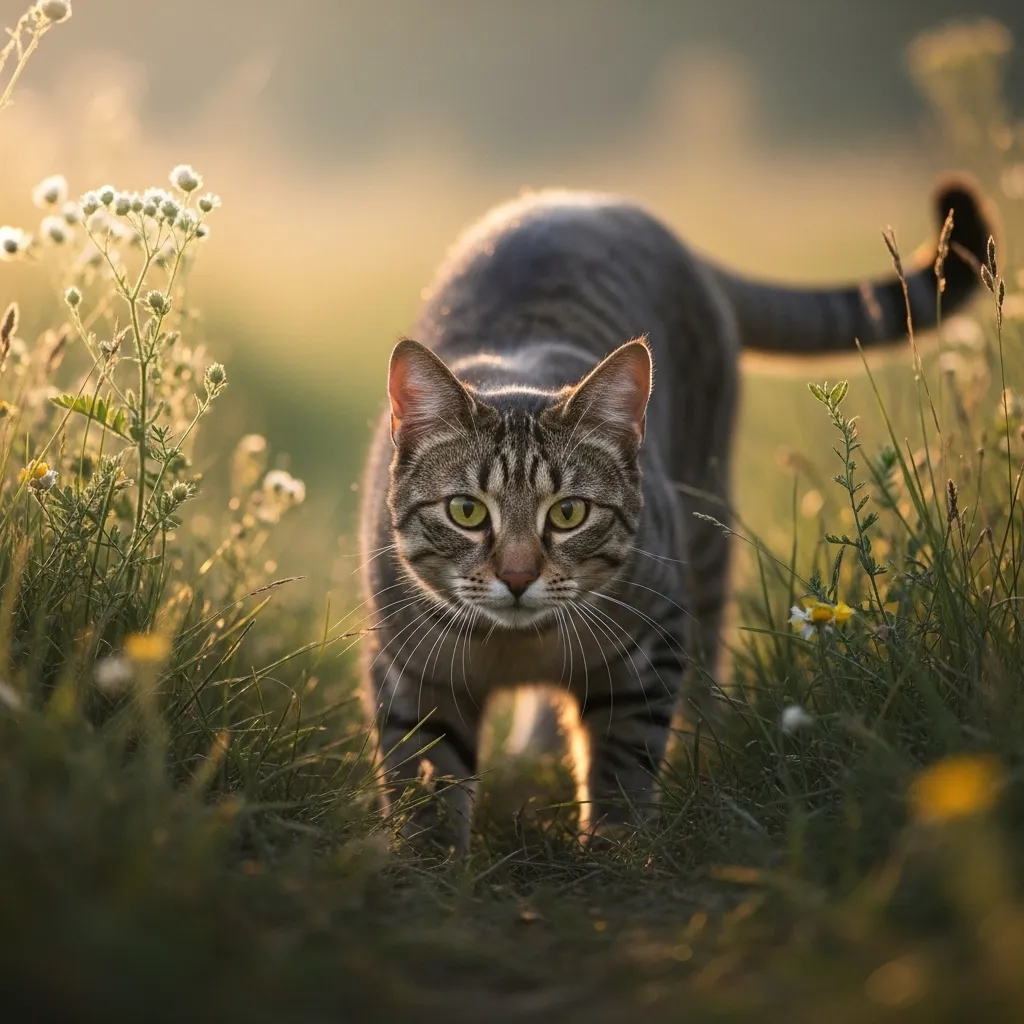
Cats are natural-born hunters, and cat stalking behavior is a window into their wild roots. Even your pampered housecat carries the instincts of their ancestors, who relied on stealth and strategy to survive. When your cat stalks you, they’re tapping into their feline prey instinct, practicing the same skills they’d use to hunt in the wild. But why target you? Let’s break it down.
The Role of Predatory Instincts
Cats are obligate carnivores, meaning their biology is wired for hunting. The cat hunting instinct in domestic cats drives behaviors like stalking, pouncing, and chasing. According to feline behaviorists, this instinct doesn’t vanish just because your cat lives indoors. Instead, they redirect it toward moving objects—like your feet, a laser pointer, or even you walking down the hall.
- Why It Happens: Stalking is a rehearsal of hunting skills. Your cat sees movement (like you shuffling in slippers) and their brain screams, “Prey!”
- Triggers: Fast movements, dangling objects (like a robe tie), or even your shadow can spark their cat predatory instinct.
- Breeds and Instincts: High-energy breeds like Bengals or Siamese may show stronger stalking tendencies. Learn more in our Bengal cat personality guide.
Play vs. Aggression: What’s the Difference?
Not all stalking is created equal. Sometimes, your cat’s crouched posture and sneaky steps are just playful antics. Other times, it could lean toward aggression. Here’s how to tell:
| Behavior | Playful Stalking | Aggressive Stalking |
|---|---|---|
| Body Language | Relaxed ears, soft eyes, playful tail flicks | Pinned-back ears, narrowed eyes, stiff tail |
| Vocalizations | Chirps, trills, or silence | Hissing, growling, or low yowls |
| Outcome | Pouncing followed by batting or running away | Biting, scratching, or prolonged staring |
If you’re unsure, check out our guide on cat play behavior vs aggression for more insights.
Why Cats Stalk Their Owners: Top Reasons
So, why does your cat choose you as their stalking target? Here are the most common reasons behind why cats stalk their owners, backed by feline behavior experts.
1. They’re Practicing Their Hunting Skills
Your cat’s cat stalking psychology is deeply tied to their need to hunt. Even with a full food bowl, their instincts push them to practice. You’re a moving target, and that’s irresistible.
- Example: When Sarah’s cat, Luna, a Maine Coon, started stalking her every morning, she noticed it happened most when she walked quickly. Luna saw Sarah’s fast steps as “prey” and couldn’t resist pouncing.
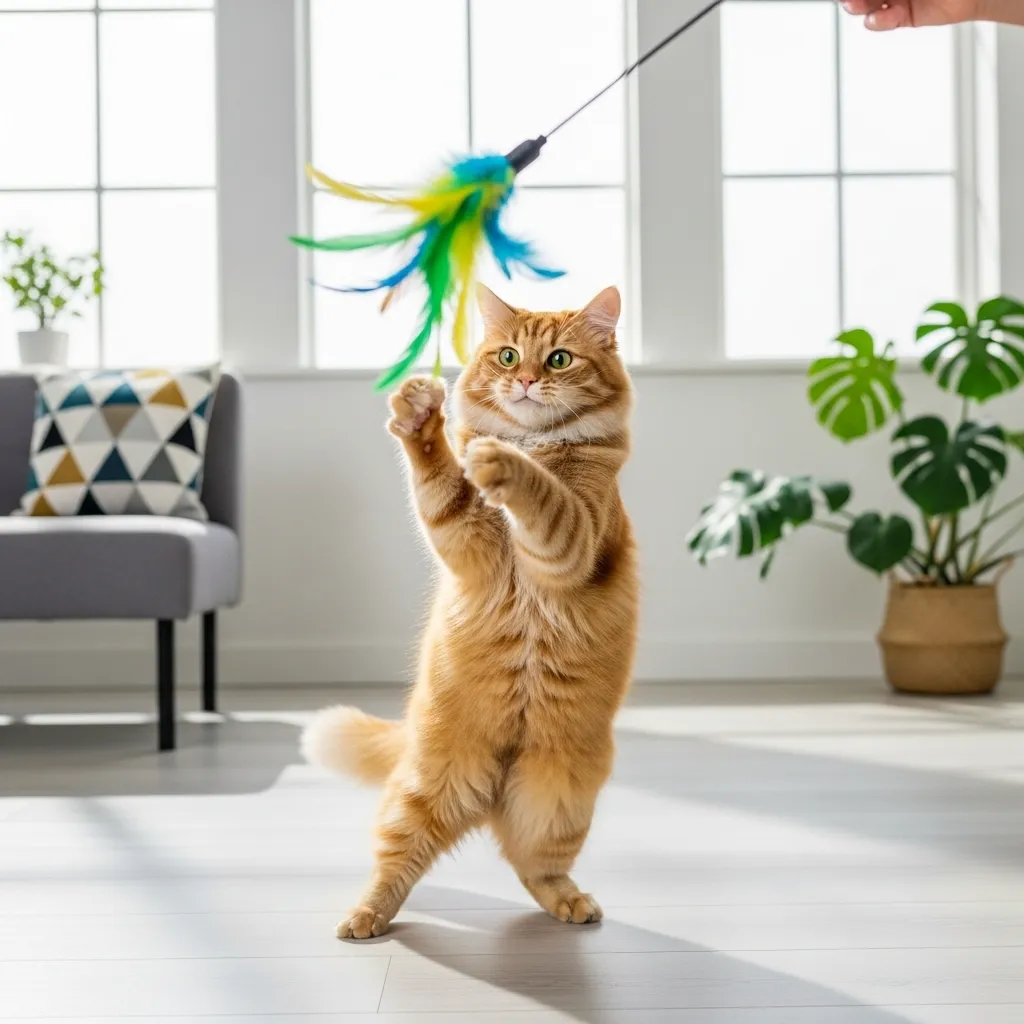
- Tip: Redirect this energy with toys like feather wands or laser pointers. Explore how to keep Siamese cats entertained for toy ideas.
2. They Want Your Attention
Cats often stalk to say, “Hey, notice me!” If your cat follows you, stares intensely, or pounces when you’re busy, they might be craving interaction.
- Mealtime Stalking: Many cats stalk around feeding times. If your cat’s mealtime behavior includes staring or following you to the kitchen, they’re likely reminding you it’s time to eat.
- Solution: Stick to a consistent feeding schedule and engage in play afterward to satisfy their needs. See our cat food nutrition guide for feeding tips.
3. They’re Showing Affection
Surprisingly, cat affectionate stalking is a thing. Your cat might stalk you because they love being near you. This is especially common in breeds like Ragdolls, known for their devotion.
- Signs: If your cat stalks you but then rubs against your legs or purrs, it’s likely a sign of love. Learn more about building a bond with your Ragdoll.
- Vet Insight: Dr. Jane Wilson, a feline veterinarian, notes, “Cats often stalk their owners as a form of social bonding, mimicking the group hunting behaviors of wild felines.”
4. They’re Bored or Understimulated
A bored cat is a stalking cat. Without enough mental or physical stimulation, your cat might turn you into their entertainment.
- Fix It: Add enrichment like puzzle feeders or climbing trees. Our Munchkin cat playfulness guide has ideas for keeping active cats engaged.
5. They’re in “Hunting Mode” During Zoomies
If your cat gets the cat zoomies—those sudden bursts of energy—they might stalk you as part of their high-energy play. This is common at dusk or dawn, when cats are naturally more active.
- Why It Happens: Known as the “crepuscular” nature of cats, this ties to their cat hunting mode. Learn more in our cat zoomies guide.
Decoding Cat Body Language While Stalking
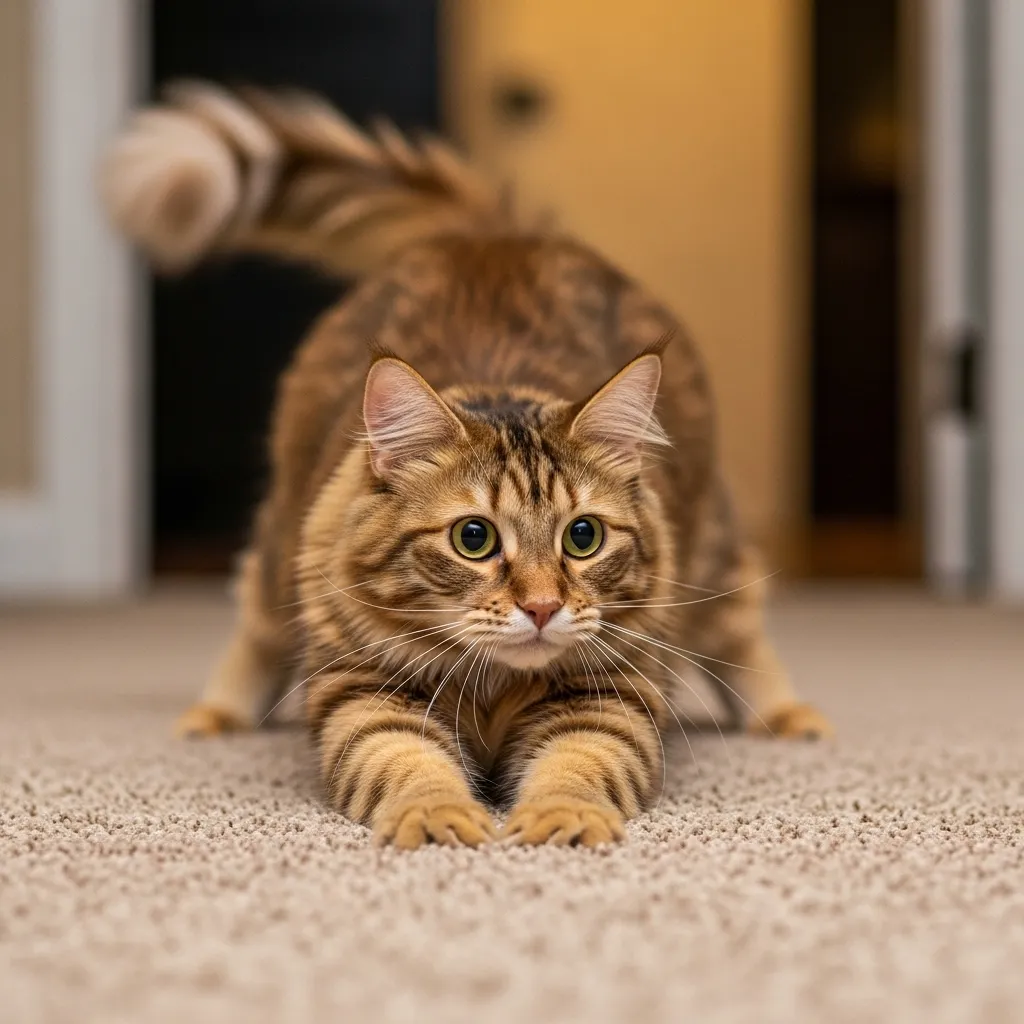
Understanding cat body language while stalking is key to knowing what your cat’s trying to communicate. Here’s what to watch for:
- Crouched Posture: A low-to-the-ground stance signals they’re in hunting mode.
- Dilated Pupils: Wide pupils indicate excitement or focus, common in cat staring behavior.
- Tail Twitching: A flicking or swishing tail shows they’re ready to pounce.
- Ears Forward: This suggests curiosity or play, while pinned-back ears might mean irritation.
For a deeper dive, check out our cat body language guide.
The Infamous Cat Stare
Ever feel your cat’s eyes boring into you? Cat staring behavior often precedes stalking. It’s their way of locking onto their “target.” According to feline behaviorist Dr. Mikel Delgado, staring is how cats assess movement and distance, even in play.
- What It Means: If your cat stares before pouncing, they’re likely playful. If the stare is intense with no follow-up play, they might be seeking attention or food.
- Fun Fact: Cats’ excellent cat vision and hunting skills let them detect tiny movements, making you an irresistible target when you wiggle your toes!
The Psychology Behind Cat Stalking
Cat stalking psychology blends instinct, emotion, and environment. Cats don’t just stalk for survival—they do it for fun, bonding, or to express needs.
Affectionate Stalkers: Love in Disguise
When your cat follows you everywhere or hides behind furniture to “ambush” you, it might be their way of saying, “You’re my favorite person!” This is common in cats with strong cat-owner relationships.
- Example: Max, a Siamese, stalks his owner, Emily, every evening. When she sits down, he jumps into her lap, purring. It’s his quirky way of staying close.
- Tip: Respond with gentle petting or play to reinforce the bond. Discover more in our Siamese cat guide.
Beyond Instinct: The Joy of the Chase
Domestic cats don’t need to hunt for food, but the feline prey instinct makes chasing fun. Stalking you mimics the thrill of the hunt, keeping their minds sharp and bodies active.
How to Stop Cat Stalking (If It’s Too Much)
If your cat’s stalking feels overwhelming or aggressive, don’t worry—you can redirect their energy. Here’s how to manage how to stop cat stalking:
1. Provide More Playtime
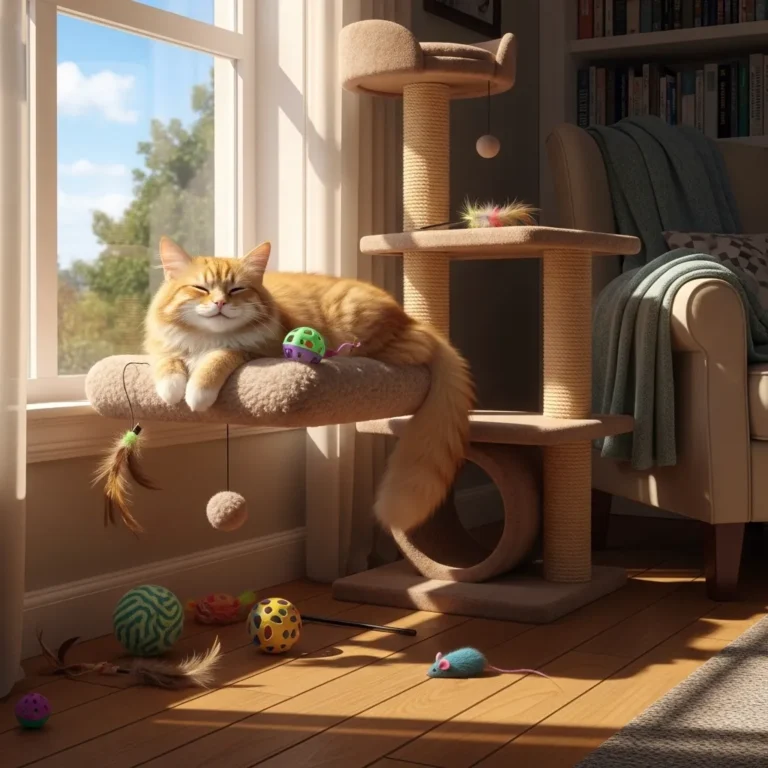
Channel their cat hunting instinct with toys that mimic prey, like feather wands or motorized mice. Aim for 15–20 minutes of play twice daily.
- Pro Tip: Rotate toys to keep things fresh. See our cat training tips for more.
2. Enrich Their Environment
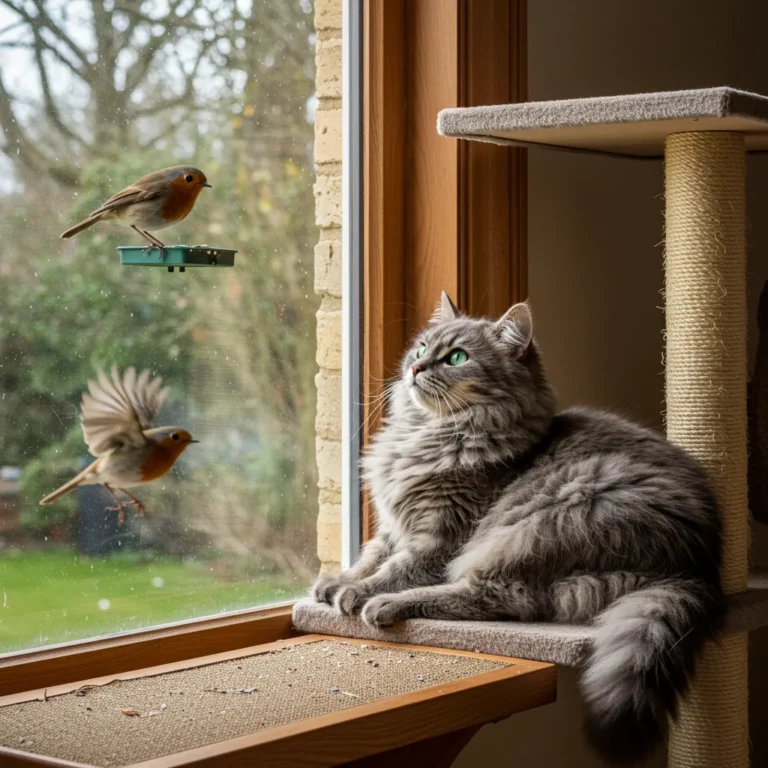
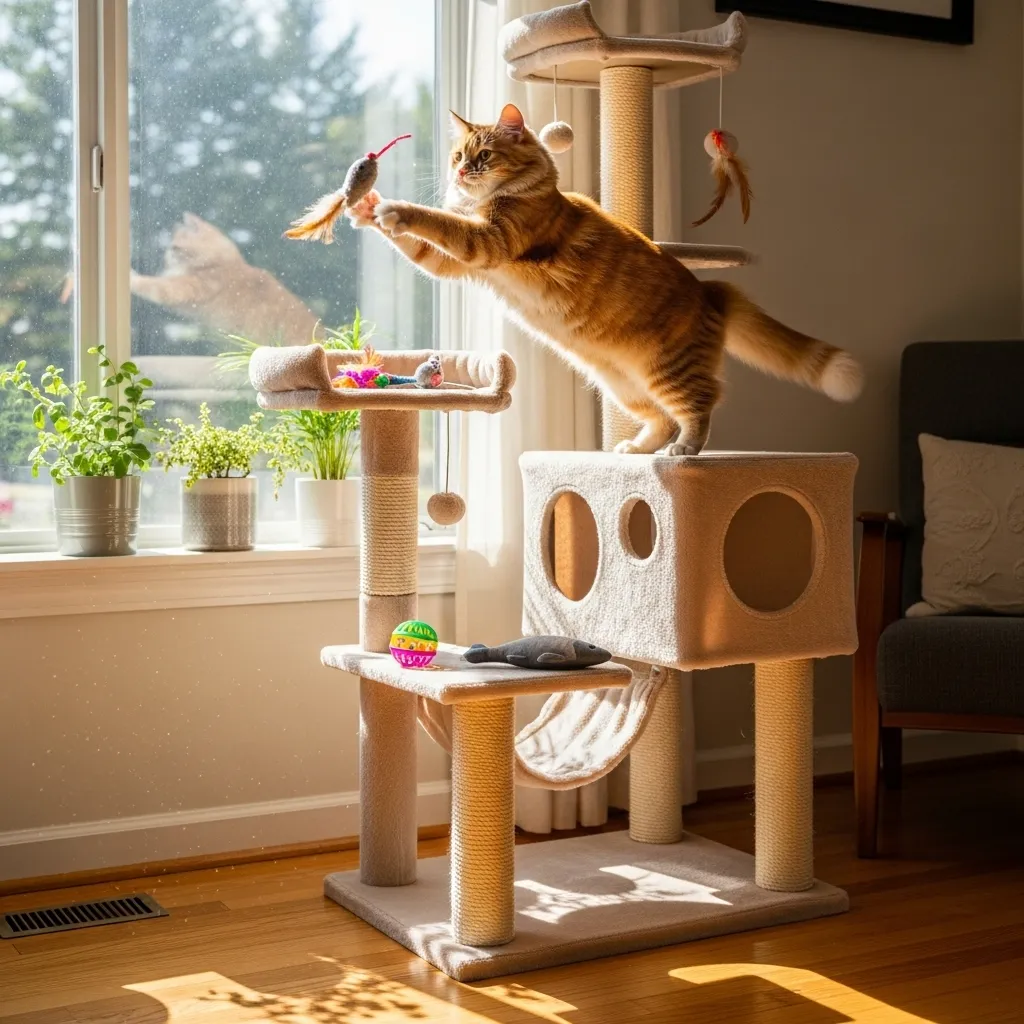
Boredom fuels stalking. Add scratching posts, window perches, or interactive toys to keep them busy.
- Example: After adding a cat tree, Lisa noticed her Norwegian Forest Cat stalked her less. Check out Norwegian Forest Cat care tips.
3. Train Alternative Behaviors
Teach your cat to respond to cues like “sit” or “come” to shift their focus. Use treats to reward calm behavior.
- Resource: Learn how in our teach your cat to fetch guide.
4. Check for Stress or Health Issues
If stalking comes with hissing or biting, it might signal stress or pain. Consult a vet to rule out issues like cat stress signs.
Ensuring Safety During Stalking Moments
While most stalking is harmless, it’s wise to set boundaries for a peaceful cat-owner relationship:
- Avoid Encouraging Aggression: Don’t use your hands as toys, as this can teach your cat to bite or scratch.
- Watch for Warning Signs: If your cat’s ears are back or they’re growling, give them space.
- Safe Play: Use toys to redirect their energy safely. Explore Munchkin cat playfulness tips for ideas.
Cat Stalking Behavior: When to Be Concerned
Rarely, stalking can signal underlying issues:
- Medical Problems: Pain or neurological issues might cause excessive stalking. See our cat health care guide for signs to watch.
- Stress or Anxiety: Changes in routine or environment can trigger odd behaviors. Learn more in cat stress signs.
If stalking feels off, consult a vet or behaviorist. Our finding the best vet guide can help.
FAQ: Quick Answers to Common Questions
Why might my cat be stalking me?
Cats stalk due to their predatory instinct, boredom, hunger, or a desire for attention or play. It’s often harmless and tied to their natural behaviors.
What does cat stalking owner meaning involve?
It can mean they’re practicing hunting, seeking attention, or showing affection. Watch their body language for clues.
How can I understand my cat’s body language when it stalks?
Look for a crouched posture, dilated pupils, or a twitching tail. Relaxed ears signal play, while pinned-back ears suggest irritation. See our cat body language guide.
What can I do if my cat’s stalking becomes too intense?
Redirect their energy with play, enrich their environment, or train alternative behaviors. Check out cat training tips.
When is cat stalking a sign of affection?
If stalking is followed by purring, rubbing, or relaxed behavior, it’s likely affectionate. Learn more in Ragdoll cat bond-building.
Can a cat’s vision influence its stalking behavior?
Yes, cats’ sharp vision detects tiny movements, triggering their cat vision and hunting instincts. This makes you a prime target when you move.
Why does my cat stare at me before stalking?
Staring helps cats focus and gauge distance, a key part of their cat staring behavior. It’s often playful but can signal hunger or attention-seeking.
Are there specific times when my cat is more likely to stalk?
Cats are crepuscular, so stalking peaks at dawn or dusk, often tied to cat zoomies. See our cat zoomies guide.
Conclusion: Embrace Your Cat’s Quirky Instincts
Your cat’s stalking is a fascinating blend of instinct, play, and love. By understanding why cats stalk their owners and decoding their cat body language while stalking, you can turn these sneaky moments into opportunities for bonding. Whether it’s redirecting their feline prey instinct with toys or recognizing their affectionate side, you’re now equipped to handle your feline stalker like a pro.
Explore more expert cat care and behavior guides on Cat Bloom Haven to deepen your bond and keep your cat happy and healthy!