Why Cats Get Jealous: The Feline Psychology of Possession, Rivalry, and How to Restore Harmony
If you’ve ever been showered with affection by your cat only to have them swat your hand when you pick up your phone, or if introducing a new pet sparked a sudden campaign of strategic pouting and protest peeing, you’ve witnessed feline jealousy firsthand. That cold shoulder isn’t just in your imagination. Cats are complex emotional beings, and jealousy a potent mix of insecurity, territorial anxiety, and rivalry is a very real part of their behavioral repertoire. Understanding why cats get jealous is the first, crucial step toward addressing the underlying anxiety and restoring peace in your multi-species household.
This comprehensive guide dives deep into the science and psychology of feline jealousy. We’ll move beyond surface explanations to explore the evolutionary roots of this behavior, decode the subtle (and not-so-subtle) signs your cat is feeling sidelined, and provide a vet-backed, behaviorist-approved action plan to manage and mitigate envy-driven actions. Whether your cat is jealous of a new partner, a baby, another pet, or even your laptop, you’ll learn how to rebuild their confidence and ensure every member of your home, furry or otherwise, feels secure and loved.
Key Takeaways: Understanding and Addressing Feline Jealousy
Before we delve into the details, here are the core insights you’ll gain from this guide:
- Jealousy is Rooted in Resource Security: For cats, jealousy isn’t about abstract emotion in a human sense; it’s a stress response triggered by perceived threats to critical resources: your attention, their territory, food, and routine.
- Signs Are Both Overt and Covert: Beyond hissing or aggression, jealousy manifests in clinginess, attention-seeking, withdrawal, and inappropriate elimination.
- Prevention is Paramount: Proper, slow introductions for new family members (pets or people) and proactive environmental management are more effective than correcting established jealous behavior.
- The Solution is Enrichment, Not Punishment: Punishing a jealous cat increases anxiety and worsens the problem. The path to harmony lies in confidence-building through play, environmental complexity, and predictable positive reinforcement.
- Medical Issues Can Mimic Jealousy: Sudden behavioral changes, including those that seem jealous, always warrant a veterinary check to rule out pain or illness.
The Feline Mind: Is It Really Jealousy?
The debate often centers on whether animals experience “jealousy” as humans define it—a complex social emotion involving a triad (self, rival, valued relationship). While we can’t ask a cat for introspective insight, leading animal behaviorists like Dr. John Bradshaw, author of Cat Sense, posit that cats exhibit behaviors functionally identical to jealousy. They perceive a rival and act to protect a valued social or physical resource.
From an evolutionary perspective, this makes perfect sense. Ancestral wild cats were solitary survivors. Their fitness depended on securing and defending prime hunting grounds, safe resting spots, and food. A rival in their space wasn’t just an annoyance; it was an existential threat. The domestic cat retains this hardwired, deep-seated need for control over their core territory and resources. You, their primary caregiver, are arguably their most valuable resource.
Therefore, feline jealousy is best understood as a form of resource-guarding and anxiety triggered by social displacement. When a new entity enters the home or your attention shifts dramatically, your cat’s fundamental security is shaken. Their subsequent actions are strategic attempts to re-secure their place in the hierarchy and environment.
Decoding the Signs: How a Jealous Cat Acts Out
A jealous cat won’t always launch a full-frontal assault. Their communication is a spectrum of behaviors designed to reclaim your focus and reassert control. Recognizing these signs early is key to intervention.
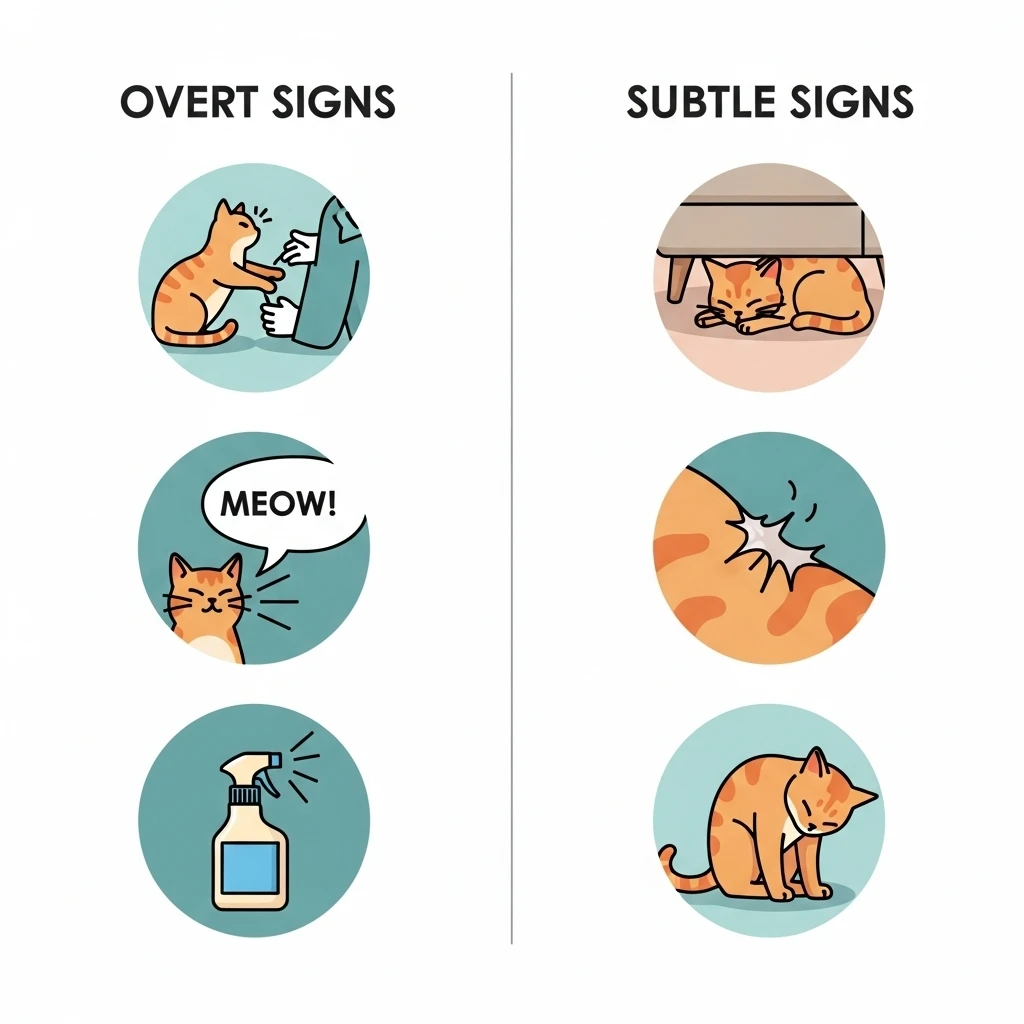
Overt & “In-Your-Face” Signals
These are the behaviors most commonly identified as jealous.
- Interposing & Blocking: The cat physically inserts themselves between you and the perceived rival—be it another pet, a phone, or a book. They may plop down on your keyboard or stand on your chest during a conversation.
- Attention-Seeking Escalation: Excessive meowing, persistent pawing, knocking objects off shelves, or engaging in behaviors they know are “naughty” to force your interaction. It’s a clear bid: “Look at me, not at that.”
- Aggression Toward the Rival: This can range from low-level hostility (staring, hissing, swatting) toward the new pet or person, to full-blown attacks. Sometimes the aggression is redirected toward you in the form of playful bites that become too intense.
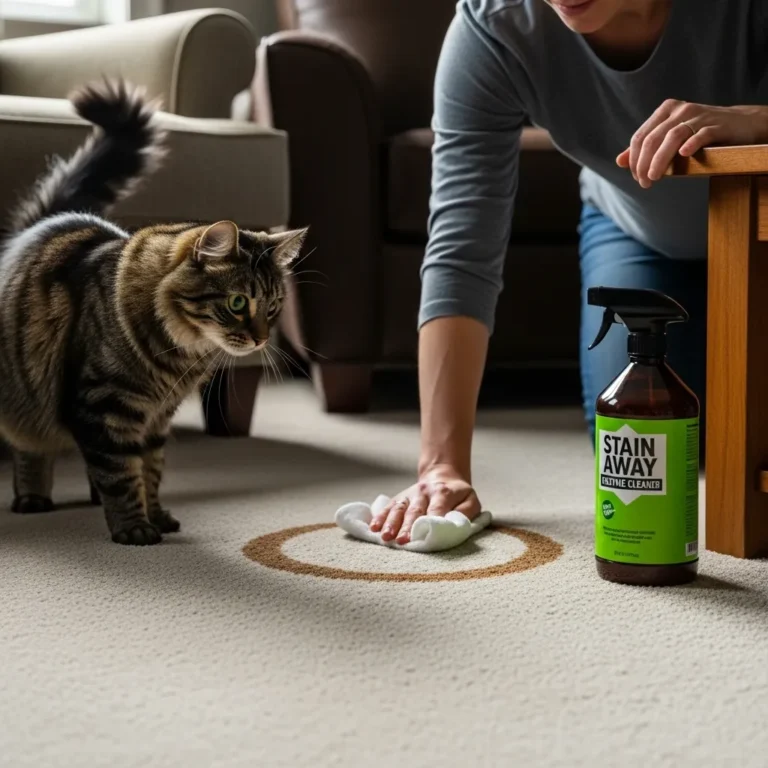
- Scent Marking & “Protest Peeing”: One of the most telling signs. Urinating on your bed, your partner’s clothes, or the new baby’s belongings is a powerful chemical message. It’s a way of mingling their scent with yours (or overwhelming the new scent) to reaffirm the social bond and claim territory. Explore our detailed guide on cat peeing everywhere to rule out medical causes first.
- Possessive Behavior: Guarding doorways to rooms where you are with the rival, or resource-guarding food bowls, toys, or your lap.
Covert & Subtle Signals (Often Missed)
These signs indicate a cat who is withdrawing rather than confronting, which can be more emotionally concerning.
- Withdrawal & Hiding: The cat disappears under beds or into closets for extended periods, avoiding interaction with you and the household. This is a sign of stress and feeling unsafe.
- Changes in Grooming: Over-grooming to the point of creating bald patches (a stress-related behavior called psychogenic alopecia) or, conversely, a complete lack of grooming, leading to a matted, unkempt coat.
- Appetite Changes: A jealous cat may stop eating or become overly fixated on food as a source of security. Learn more about cat not eating and its potential causes.
- Lethargy or Depression: Loss of interest in play, toys, or normal activities. The cat seems “sad” or disengaged.
- Subtle Body Language: Ears flicked back, tail twitching or thumping, avoiding eye contact, or a tense, crouched posture even when at rest.
Common Triggers: What Makes a Cat Jealous?
Understanding the specific trigger allows for a targeted response.
- A New Pet (Kitten, Cat, or Dog): This is the classic scenario. The new animal is a direct competitor for space, food, playtime, and most importantly, your affection. The established cat’s entire world is disrupted. Our guide on introducing a kitten to a cat is essential for preventing jealousy from taking root.
- A New Human Partner, Roommate, or Baby: A new person changes the household dynamic, schedule, and scent profile. They also monopolize your time and may invade the cat’s favorite spaces (e.g., a partner sharing your bed, a baby using the nursery). The cat feels displaced.
- Focus Shifted to Objects (Phones, Laptops, Books): You may see this as “cute,” but from your cat’s perspective, you are intently focused on a rival that provides you nothing. Their response sitting on the object is a direct attempt to terminate that interaction and redirect your attention to them, where it belongs. Discover the reasons behind why does my cat sit on my laptop.
- Changes in Routine or Absence: A sudden increase in work hours, a vacation, or even a change in feeding schedule can trigger insecurity. The cat may become clingy or act out upon your return, “punishing” you for the disruption or desperately trying to re-establish the bond.
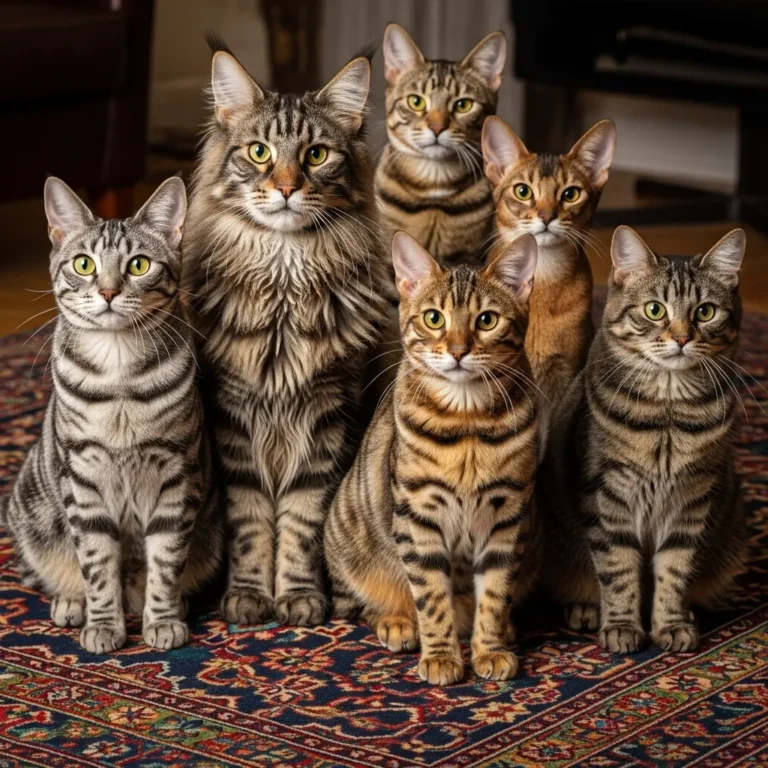
- Attention Given to Another Pet in a Multi-Pet Home: Even in an established multi-cat home, one cat may try to monopolize your affection. Jealousy can flare if you are petting one cat and the other feels excluded, leading to them rushing over to demand their share.
The Action Plan: How to Soothe a Jealous Cat and Build Confidence
Reacting with anger or punishment will only confirm your cat’s fear that their world is falling apart. The goal is to rebuild their sense of security and associate the presence of the “rival” with positive outcomes.
Phase 1: The Foundation – Rule Out Medical and Manage Environment
- Veterinary Check: Any sudden behavioral change must start with a vet visit. Conditions like hyperthyroidism, arthritis, or a urinary tract infection can cause irritability, house-soiling, or clinginess that mimics jealousy.
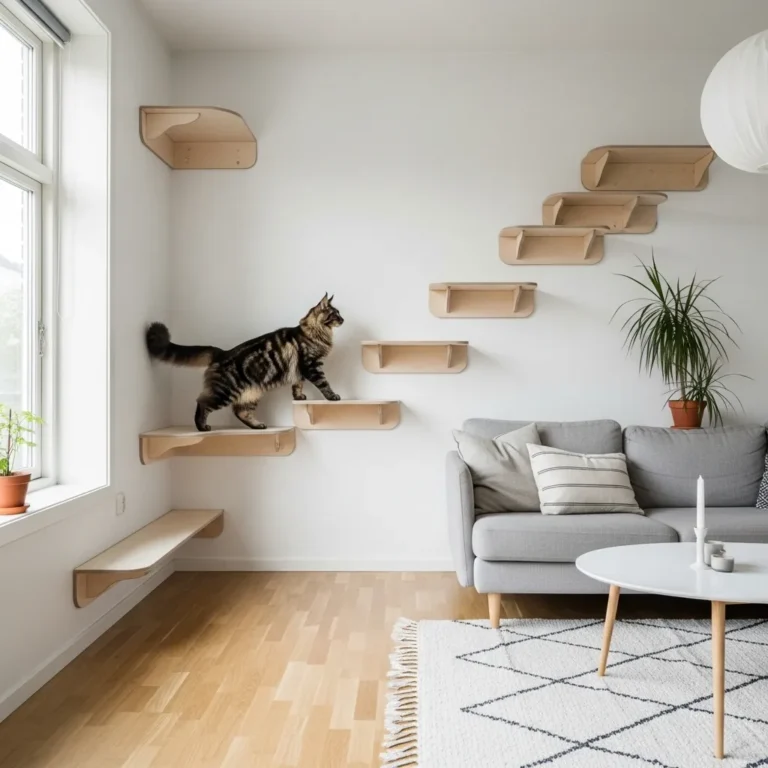
- Environmental Enrichment: A bored cat is an insecure cat. Create a territory they can own. Provide vertical space (cat trees, shelves), multiple cozy hiding spots, scratching posts, and window perches. This reduces competition for resources. Get inspired by our ideas for cat wall climbing setups.
- Routine is Sacred: Feed, play, and provide attention at consistent times. Predictability is deeply comforting to an anxious cat.
Phase 2: Strategic Reintroduction & Positive Association
- For New Pets: Follow a strict, scent-first, gradual introduction protocol. Keep them separated initially. Feed them on opposite sides of a closed door, so they associate the other’s scent with the pleasure of eating. Swap bedding. Use play and high-value treats during controlled, visual introductions. Patience is non-negotiable.
- For New People: Give the new person the “good stuff.” Have them be the sole provider of meals, treats, or a favorite toy for a period. The cat learns: “This new human equals chicken, not loss.” Instruct the person to let the cat approach first, avoiding direct stares or forced petting.
- For Object-Based Jealousy: Schedule dedicated, daily interactive play sessions (using wand toys) away from the object. After a good play, offer a meal or treat. This satisfies their predatory sequence and provides focused attention. When you need to work, give them a puzzle feeder or a special toy before you start, creating a positive distraction.
Phase 3: Quality Time & Fair Play
- One-on-One Time: Ensure each pet in the household gets undivided attention daily in a separate space. This reinforces your individual bond with them.
- Play as Therapy: Interactive play is the single best way to build a cat’s confidence, burn anxious energy, and strengthen your bond. It simulates the hunt and provides a sense of achievement.
- Never Force “Group Love”: Don’t force cats to interact or be petted together. Let them come and go on their own terms. Forcing proximity can escalate tension.
What NOT to Do
- Do Not Punish: Yelling, spraying with water, or any form of physical correction will increase fear and anxiety, making the jealous behavior worse.
- Do Not Physically Force Interactions: Holding cats together to “make them get along” is a recipe for disaster and lasting trauma.
- Do Not Neglect the “Offending” Rival: Withholding attention from the new baby or pet is not the solution. The goal is to create positive associations, not more scarcity.
FAQ: Answering Your Pressing Questions About Cat Jealousy
Q: Can cats be jealous of their owners?
A: While less common, cats can show jealousy over their owner’s attention to another person or activity. The underlying cause is the same: they perceive a threat to their primary source of security and affection you.
Q: How long does cat jealousy last?
A: There’s no set timeline. It depends on the cat’s personality, the severity of the trigger, and how effectively you manage the situation. With proper protocols, acute jealousy can subside in weeks, but building lasting harmony may take months. Consistency is critical.
Q: Is my cat jealous or just playing?
A: Context is key. Playful swats are gentle, with claws retracted, and accompanied by a relaxed posture and periodic breaks. Jealousy-driven aggression is often preceded by tense body language (flattened ears, stiff tail), focused staring at the rival, and hissing or growling. The intensity is also higher.
Q: Will getting another cat help my lonely cat?
A: This is a common misconception. Cats are not inherently social and may see a new cat as an invader, not a friend. It can easily double the jealousy and stress. Only consider a second cat if your current cat has a proven history of enjoying feline company and you are prepared for a meticulous, months-long introduction process.
Q: Should I comfort my jealous cat when they act out?
A: Do not comfort them during the unwanted behavior (e.g., while they are yowling or being aggressive), as this can reinforce it. Instead, ignore the negative behavior and reward calm, relaxed behavior lavishly with treats, quiet praise, or petting (if they enjoy it). Learn more about cat training without punishment.
Conclusion: From Rivalry to Harmony
Feline jealousy, at its heart, is a cry for reassurance. It’s your cat’s ancient survival wiring firing off in a modern context, telling them that their most critical resources your love and their safe territory are under threat. By looking past the surface behavior of protest peeing, interposing, or aloofness and seeing the underlying anxiety, you can respond with empathy and strategy.
The path forward isn’t through discipline, but through deliberate confidence-building. It requires patience, a commitment to environmental enrichment, and the understanding that you are your cat’s anchor in their world. By providing predictable routines, plentiful resources, and quality one-on-one time, you teach your cat that their place with you is secure, no matter who or what else shares your home.
For more expert insights into decoding your cat’s mind and building a stronger bond, explore our complete library of cat behavior and care guides on Cat Bloom Haven. From managing cat aggression to understanding the nuances of feline emotions, we’re here to help you create a happier, more harmonious life with your cat.