The Ultimate Guide to Cat Wall Climbing Setups: Transform Your Home into a Feline Paradise in 2025
Picture this: you finally sit down after a long day, coffee in hand, and your cat launches herself from the floor to the top of the bookshelf like a furry ninja. Ten seconds later she’s balancing on a picture frame you swore was secure. Sound familiar? You’re not alone. Thousands of cat parents search every month for “cat wall climbing setups” because curtains are already shredded and the couch looks like abstract art.
The good news? You can stop fighting gravity and start working with it. A well-designed cat wall climbing system doesn’t just save your furniture; it keeps your cat physically fit, mentally sharp, and honestly a lot happier. I’ve helped hundreds of owners (and their cats) build everything from minimalist floating shelves to full-room jungle gyms. This guide walks you through every step, every mistake to avoid, and every clever trick that makes the difference between a setup your cat ignores and one they live on.
Key Takeaways (For the Busy Cat Parent)
- A proper cat wall climbing setup can replace destructive scratching and give indoor cats the vertical territory they crave.
- You need only 3–5 core elements to create a functional system; more is optional.
- Stud-mounted shelves are non-negotiable for safety, especially with cats over 10 lbs.
- The best setups flow like a highway: multiple entry/exit points, no dead ends, resting spots every 18–24 inches vertically.
- Total cost can be under $200 if you DIY, or $400–$1,200 for premium pre-made systems.
- High-energy breeds (Bengal, Abyssinian, Siamese) and young cats benefit the most.
Ready to stop yelling “Get down!” every five minutes? Let’s build something your cat will actually thank you for.
Why Cats Need Vertical Space (The Science, Not Just the Zoomies)
Cats are semi-arboreal by nature. In the wild, they climb to hunt, escape danger, survey territory, and feel safe. When we bring them indoors, we remove almost all of that. The result? Stress, obesity, boredom scratching, and sometimes aggression toward other pets or people.
Veterinary behaviorists now agree: lack of vertical territory is one of the top three causes of behavior problems in indoor cats. Giving them a dedicated cat wall climbing setup is often cheaper than replacing another couch or paying for anxiety meds.
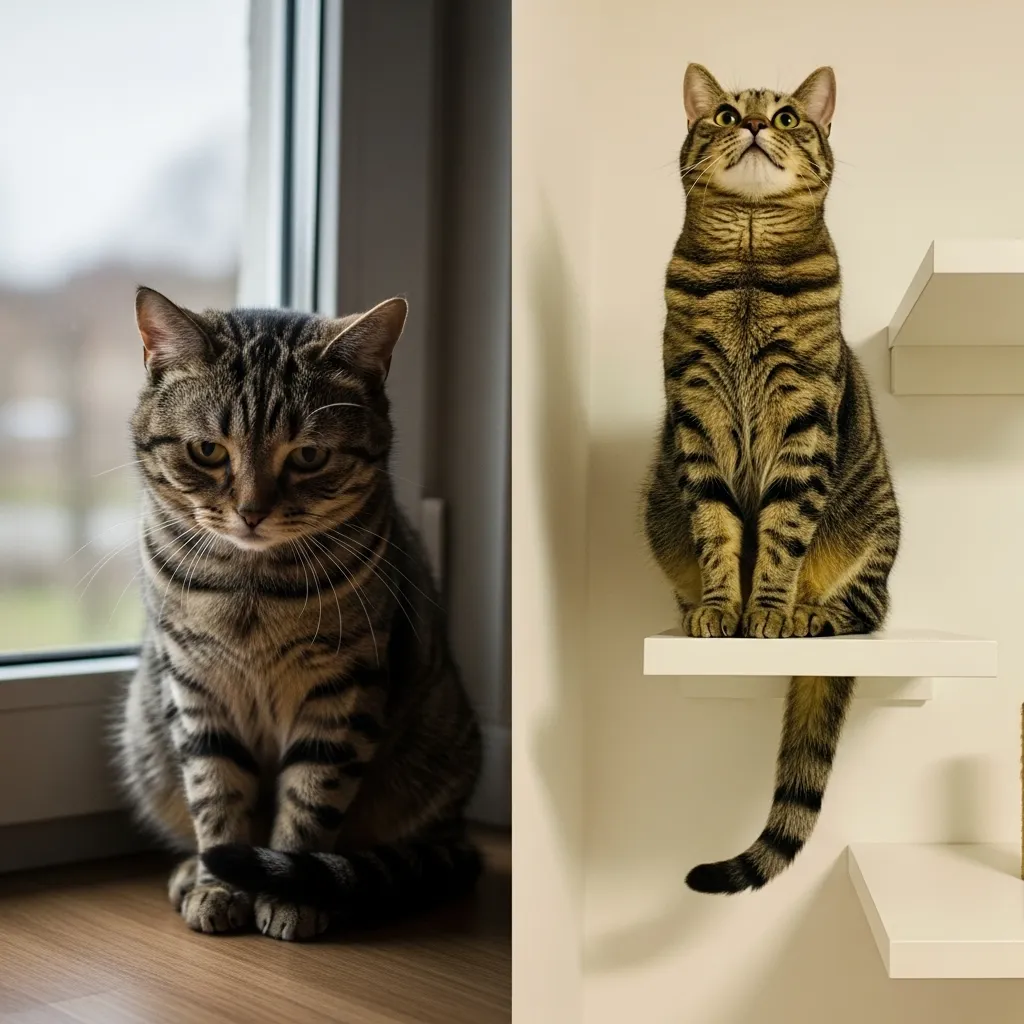
Planning Your Cat Wall Climbing Setup: The 5 Questions You Must Answer First
- How much weight will it hold?
Know your cat’s adult weight. Bengals and Maine Coons can hit 15–20 lbs. Always design for 4× that weight minimum. - Where are your studs?
Use a quality stud finder. Drywall anchors fail eventually; studs do not. - What’s the traffic flow of the room?
Cats hate dead-end routes. Map a path that lets them circle the room without jumping down to the floor if they don’t want to. - Where do they already try to climb?
Those forbidden spots are gold. Put a legal shelf 6–8 inches away and they’ll switch almost overnight. - How confident is your cat?
Kittens and athletic breeds can handle 24-inch gaps. Seniors or chunky cats need steps every 12–15 inches.
The 7 Core Elements Every Successful Cat Wall System Needs
1. Entry and Exit Ramps (The On/Off Ramps of Cat Highways)
No cat wants to start a parkour run with a 4-foot leap. A sturdy ramp or low starter shelf is essential.
Pro tip: Angle a sisal-wrapped ramp from a cat tree or couch directly to the wall system. Cats adopt it instantly.
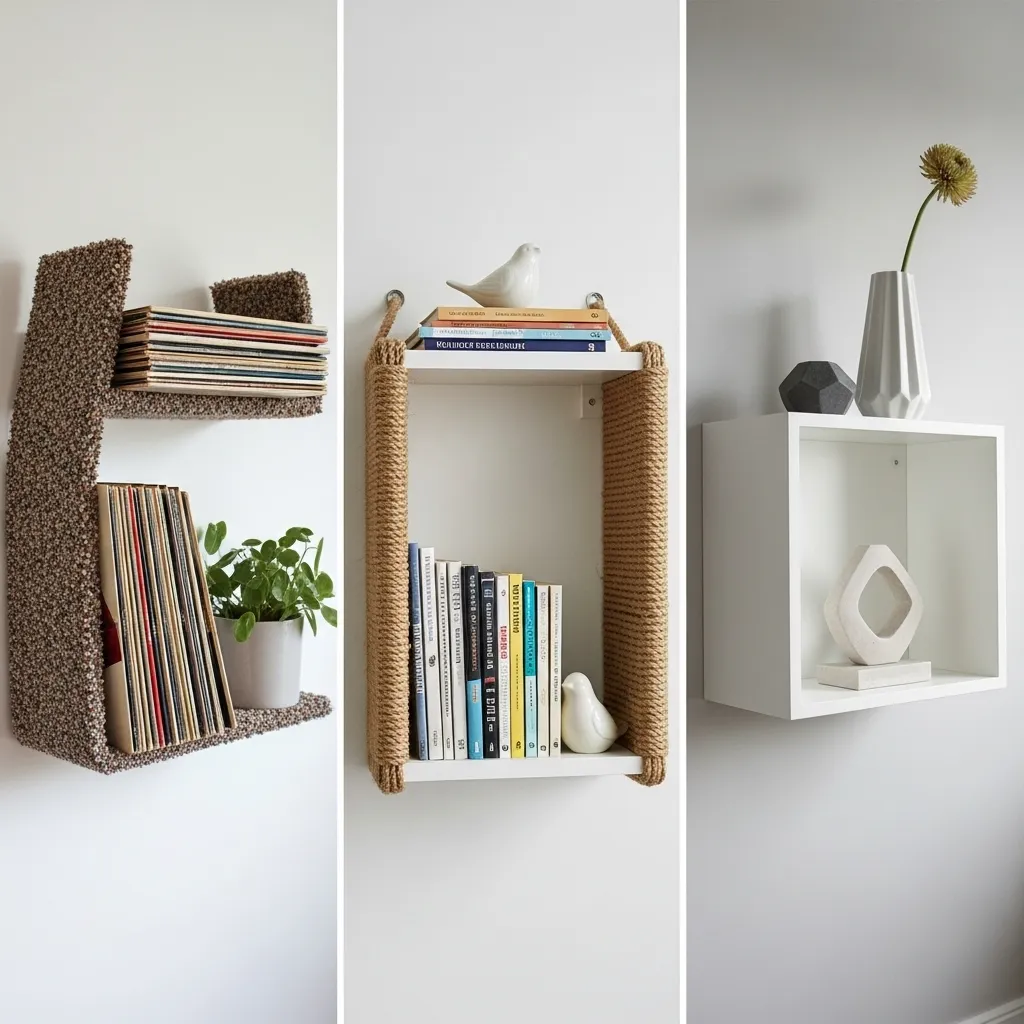
2. Solid Shelves or Platforms (The Bread and Butter)
18–24 inches deep gives room for full sprawls. 12–14 inches works for perching only.
Best materials in order:
- Plywood wrapped in carpet or sisal (cheap and grippy)
- Pre-made solid wood shelves from IKEA (Lack or Ekby – just reinforce brackets)
- Custom floating boxes with cubby holes
3. Sisal or Carpet Climbing Posts (Vertical Scratching Zones)
Horizontal scratching posts on the floor are cute. Vertical ones on the wall are life-changing.
Mount 4–6 inch diameter sisal posts vertically between shelves. Cats climb them like telephone poles and sharpen claws mid-journey.
4. Hammocks or Hanging Beds (The Five-Star Hotel Upgrade)
Once cats discover wall hammocks, they’ll fight over them. They add resting spots without eating floor space.
5. Bridges and Tunnels (For Multi-Cat Homes or Extra Fun)
Connect distant shelves with rope bridges or acrylic tunnels. Bengals treat these like racetracks.
6. Hiding Spots (Because Confidence Needs Privacy)
A cubby box or felt pocket gives shy cats a safe observation post. Place at least one high up.
7. Top-Destination Perch (The Penthouse)
Every system needs a “summit” – the highest, comfiest spot with the best view. This is where your cat will spend 80% of their time once the novelty wears off.
Discover creative hiding spot ideas in our article on cat cozy corners
DIY vs. Pre-Made Systems: Honest Pros and Cons in 2025
| Option | Cost | Safety | Customization | Time Required |
|---|---|---|---|---|
| Full DIY | $80–$300 | Excellent if you hit studs | Unlimited | 1–3 weekends |
| IKEA + upgrades | $150–$500 | Very good | High | 1 weekend |
| Premium kits (Catastrophic Creations, Refined Feline) | $400–$1,500+ | Excellent | Moderate | 1–2 days |
My take after building dozens: If you’re handy and your cat is under 15 lbs, DIY wins every time. Over 15 lbs or zero tools? Buy a premium kit and sleep easy.
Step-by-Step: How to Build a Bulletproof DIY Cat Wall Climbing Setup
Tools You Actually Need
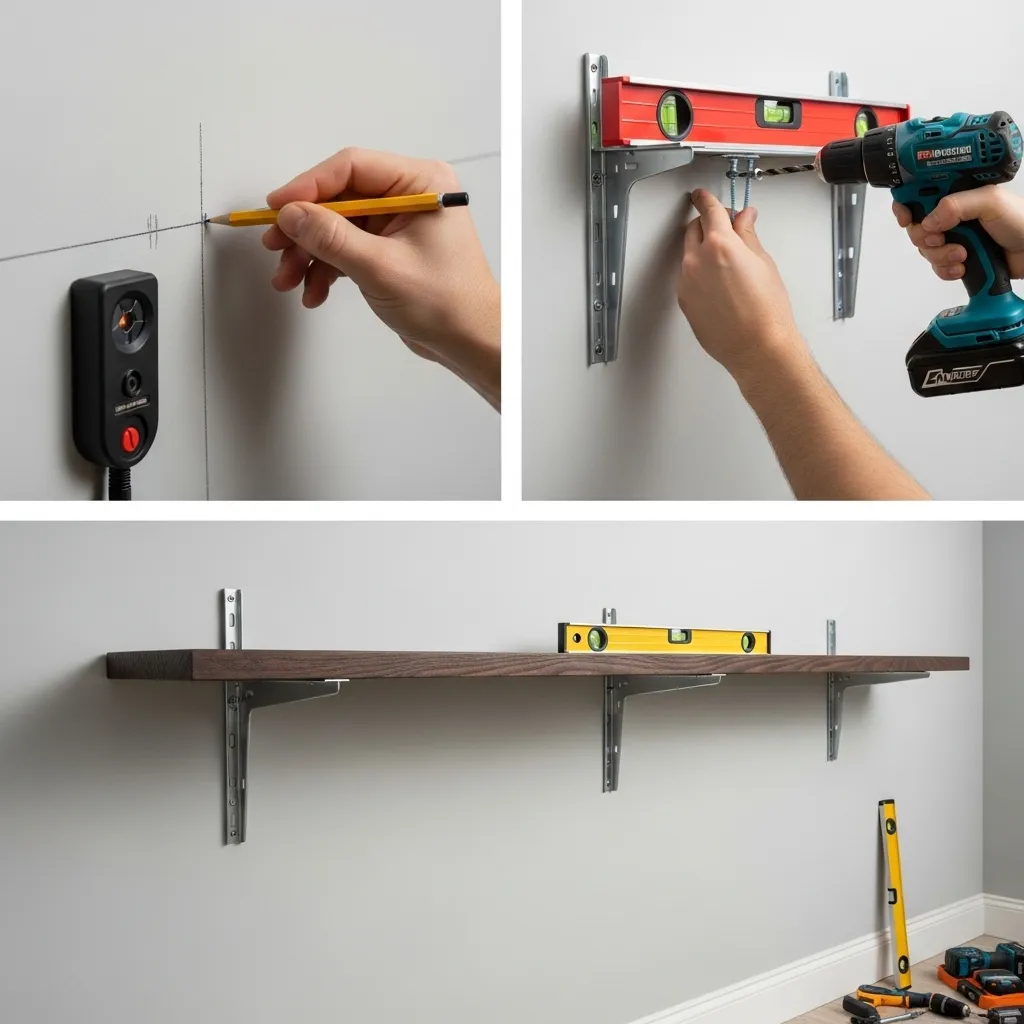
- Stud finder (get the magnetic + live wire one)
- Level (48-inch is perfect)
- Drill + quality wood bits
- Socket wrench for lag bolts
- Carpet knife and staple gun
Materials Shopping List (for a 10×12 ft wall system)
- 4–6 solid pine boards (14 × 24 inches or larger)
- 8–12 heavy-duty shelf brackets (rated 100+ lbs each)
- 2–3 sisal posts (4–6 inch diameter, 24–36 inches tall)
- Outdoor carpet or sisal rope
- Lag bolts 3–4 inches long
- Wood glue + screws
Installation Sequence That Never Fails
- Draw the layout on the wall in pencil – step up 15–18 inches vertically, offset shelves so cats zigzag.
- Find and mark every stud.
- Mount the lowest shelf first – this becomes your reference.
- Work upward, checking level on every piece.
- Add sisal posts and carpet last (easier to wrap when everything else is secure).
Breed-Specific Considerations (Because Not All Cats Climb the Same)
- Bengals & Abyssinians: Need long straightaways and high perches (8+ ft). Add a ceiling-mounted bridge if possible.
- Ragdolls & Persians: Prefer gentle slopes and wide platforms. Keep jumps under 12 inches.
- Maine Coons: Everything must be oversized and bolted like furniture.
- Seniors or arthritic cats: Add ramps and keep the entire system under 5 ft high. Check our senior cat care guide for joint-friendly modifications.
Common Mistakes That End in ER Visits (And How to Avoid Them)
- Using drywall toggles for anything over 8 lbs → eventual crash.
- Creating dead-end routes → cats leap to forbidden furniture instead.
- Forgetting escape routes in multi-cat homes → bullying and stress.
- Mounting shelves above radiators or TVs → burns or expensive accidents.
Maintenance & Cleaning (Yes, It Gets Hairy)
Vacuum shelves weekly. Most carpet-wrapped shelves can go in the bathtub with mild soap every few months. Sisal posts last 2–4 years before needing re-wrapping – keep spare rope on hand.
Budget Breakdown: Real Numbers From Recent Builds
| Build Level | Total Cost | Example Items |
|---|---|---|
| Starter (3 shelves + ramp) | $120 | IKEA Lack shelves, sisal rope, brackets |
| Mid-range jungle gym | $380 | 8 shelves, 2 hammocks, 3 sisal posts |
| Dream wall (floor to ceiling) | $850+ | Custom boxes, bridges, integrated tree |
Frequently Asked Questions About Cat Wall Climbing Setups
How high is too high for cat wall shelves?
Most healthy adult cats handle 7–8 ft easily. Over 9 ft increases injury risk if they fall. Always provide multiple descent paths.
Will my cat actually use a wall climbing system?
95% do within two weeks if you place treats and toys on new shelves daily at first. The 5% who don’t are usually seniors with arthritis.
Can renters install cat wall setups?
Yes. Use heavy-duty command strips for lightweight shelves under 8 lbs total, or ask your landlord to keep the studs marked – most are fine if you patch when you leave.
How much space between cat wall shelves is ideal?
12–18 inches vertically for average cats. 20–24 inches for athletic breeds. Never more than 24 inches unless you add a sisal pole.
Are floating shelves safe for cats?
Only if mounted into studs with proper brackets. The pretty Pinterest ones with hidden brackets usually fail within a year.
Final Thoughts: Your Cat Deserves This
A cat wall climbing setup isn’t a luxury it’s one of the kindest things you can do for an indoor cat. You’ll see the change immediately: calmer demeanor, fewer scratched furnishings, and a cat who greets you at eye level instead of weaving between your feet.
Start small. One shelf this weekend can become a full highway by next month. Your cat will thank you with fewer 4 a.m. zoomies and a lot more proud tail-up poses from their new kingdom.
Ready for more ways to keep your cat physically and mentally stimulated? Explore our guides on keeping Siamese cats entertained, teaching Bengals to walk on a leash, or creating the perfect outdoor cat enclosure.
Your home can be beautiful and cat-friendly. You don’t have to choose.
Now go grab that stud finder adventure awaits (for both of you). 🐾