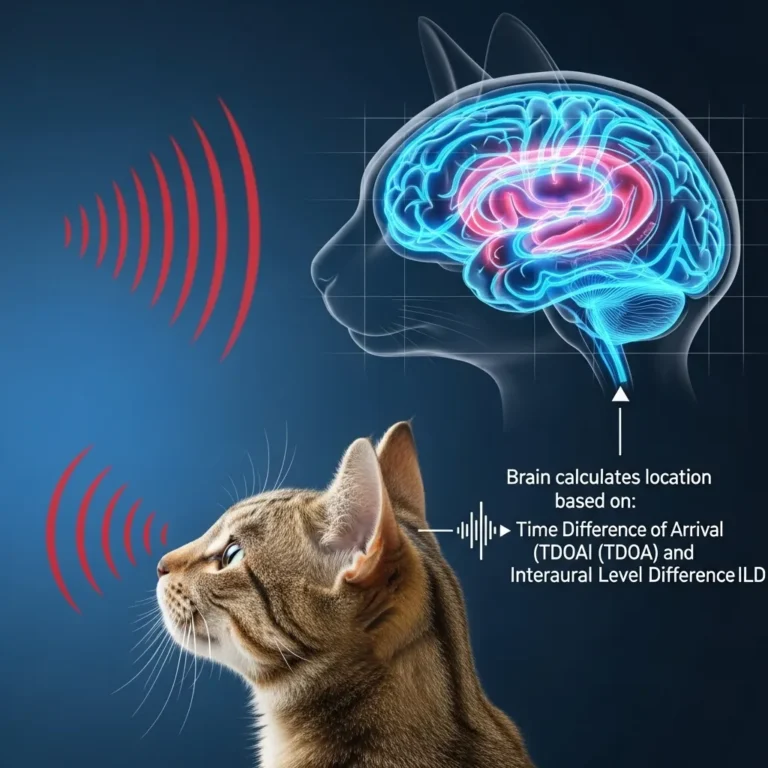
Inside the Cat Mind: Why Feline Logic Is Purrfect (and So Different From Ours)
Have you ever watched your cat intently stare at a wall, meow persistently at a closed cabinet, or bring you a “gift” of a stray sock and thought, “What on earth is going on in that furry little head?” You’re not alone. The clash between cat logic vs human logic is a daily source of mystery, amusement, and sometimes, sheer bewilderment for pet owners. Unlike dogs, which often seem to operate on a wavelength we can understand, cats move to a different, more enigmatic beat.
This article will decode the fascinating inner workings of the feline mind, exploring everything from their survival-based instincts and emotional world to the science behind their most baffling behaviors. By the end, you won’t just know what your cat is doing; you’ll have a better understanding of why they do it, deepening the unique bond you share.
The Feline Blueprint: Instinct as the Core Operating System
The most fundamental difference between cat logic and human logic lies at their very core. A cat’s mind is primarily an instinct-driven survival computer, while the human mind is a complex reasoning and social-negotiation tool.
- For Cats: The World is a Survival Puzzle. A domestic cat’s brain is wired almost identically to that of its wild ancestors. Every action, from a leisurely nap in a sunbeam to a sudden midnight “zoomies” session, can be traced back to an instinct honed for survival. Their renowned hunting prowess, demonstrated through pouncing on toys or chasing laser dots, isn’t just play it’s the continual practice of a vital skill. Even “illogical” behaviors, like knocking objects off tables, are linked to this instinct. The movement of a falling pen triggers the same “prey drive” as a scurrying mouse, providing crucial mental and physical stimulation.
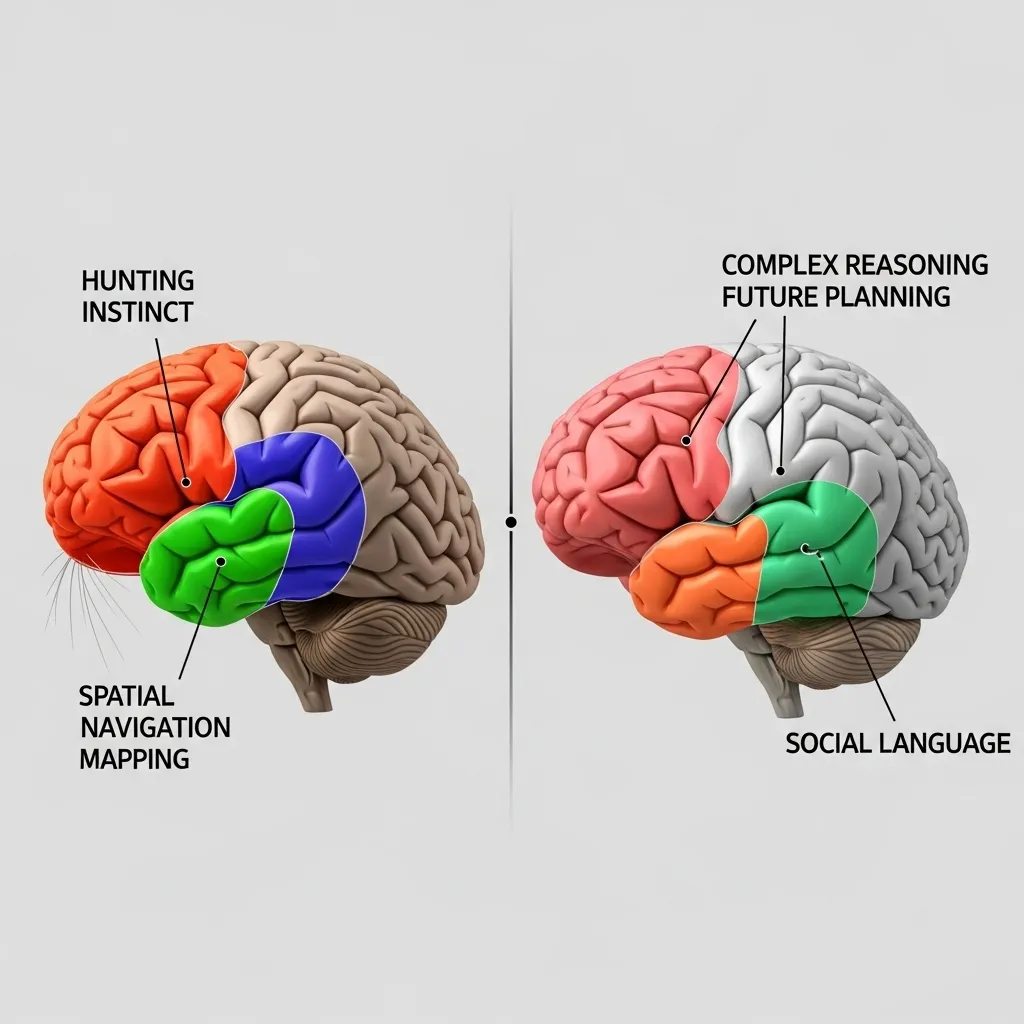
- For Humans: The World is a Social Network. Human logic evolved for cooperation, long-term planning, and abstract thought. We ask “why” to understand cause and effect; cats are more concerned with “what works.” This is illustrated in a classic experiment where cats could pull a string to get food. When presented with a single connected string, they succeeded. But when faced with multiple strings only one of which was attached they struggled, suggesting they don’t always grasp physical causality in the same step-by-step way humans do. Their learning is more about trial, error, and direct association.
“Do Cats Even Like Me?” Decoding Feline Affection
One of the biggest sources of confusion is how cats show affection. Using human logic, we might expect declarations of love, constant companionship, or eager-to-please obedience. Cat logic operates on a completely different social protocol.
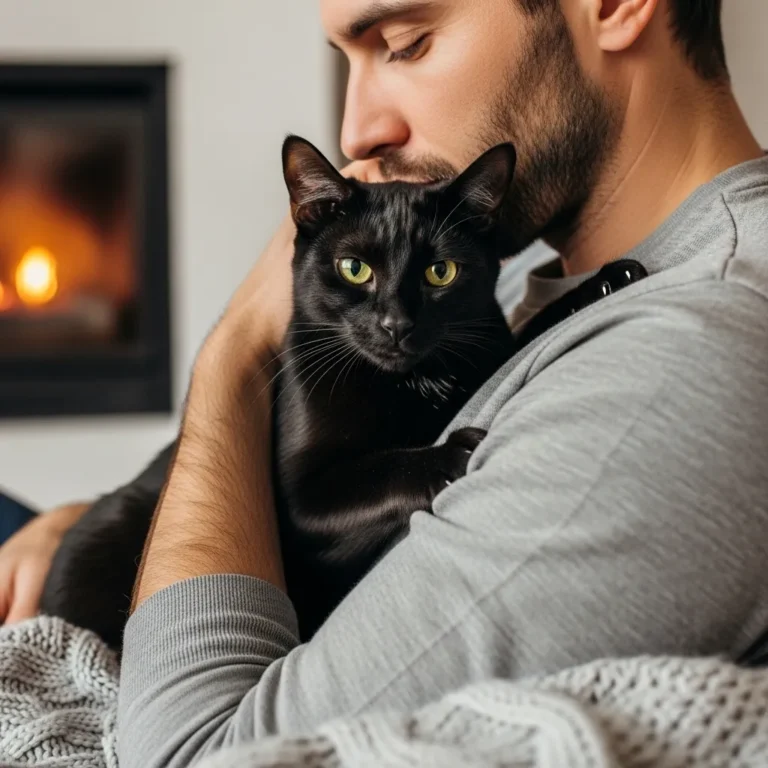
Renowned cat behaviorist John Bradshaw’s research offers a key insight: cats treat us like very large, somewhat clumsy cats. They don’t see a separate category for “human.” Instead, they integrate us into their feline social world using the only language they know.
Here’s what common affectionate behaviors actually mean in cat language:
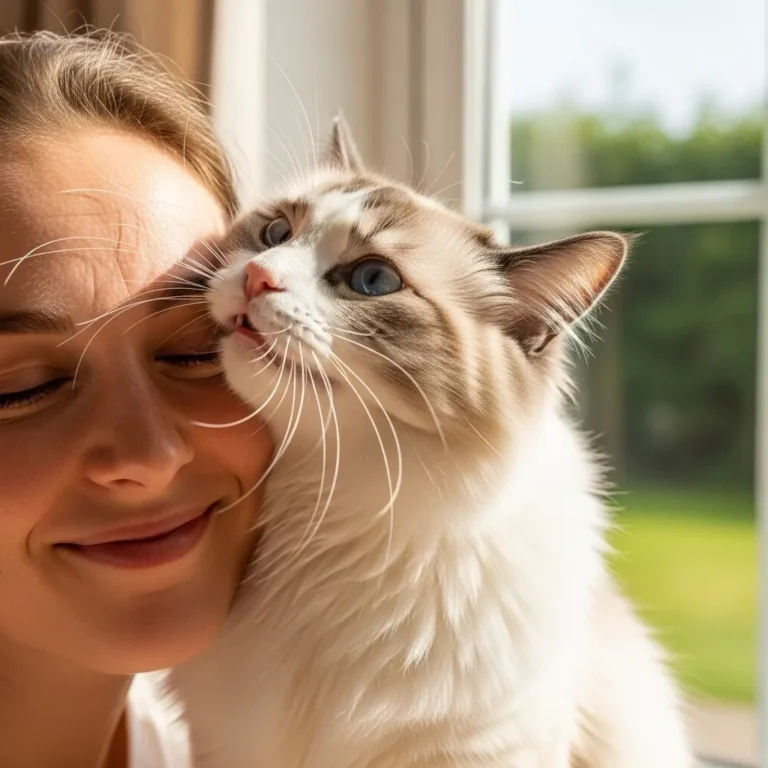
- Head Bunting & Cheek Rubbing: This is the ultimate compliment. Cats have scent glands on their heads and cheeks. When they rub on you, they are mixing their scent with yours, marking you as safe, familiar, and part of their family group.
- Slow Blinking: Often called a “cat kiss,” a slow, deliberate blink is a sign of trust and contentment. They are showing you they feel comfortable enough to let their guard down.
- Kneading: This rhythmic paw-pushing behavior originates from kittenhood, used to stimulate milk flow from their mother. In adulthood, it signifies ultimate relaxation, comfort, and happy contentment.
- Bringing You “Gifts”: That dead bug or favorite toy left at your feet is not an insult. It’s a sign of affection and regard. In the wild, mother cats bring prey to their kittens. Your cat may be treating you as part of their family, sharing their “hunt” to contribute to the group’s well-being.
Discover more about the quirky ways cats communicate in our collection of funny cat memes that every owner will recognize.
The Great Logic Divide: 5 Everyday Behaviors Explained
The clash between our logical frameworks becomes most apparent in daily life. The table below breaks down common scenarios where human and cat logic spectacularly collide.
| Scenario | Human Logic Perspective | Cat Logic Perspective | The Feline “Why” |
|---|---|---|---|
| The 5 AM Wake-Up Call | “It’s the middle of the night! Go back to sleep!” | “Dawn is the prime hunting hour. The household is quiet, prey is active, and my energy is high. It’s time to practice the hunt (on your feet under the blankets).” | Tied to innate crepuscular (dawn/dusk) hunting rhythms. Also reinforced if meowing successfully gets your attention or food. |
| Scratching the New Sofa | “This is destructive, expensive behavior. Bad cat!” | “I need to condition my claws, stretch my spine, and mark this important central object with my scent (from glands in my paws). This is essential maintenance.” | A composite instinctual need: claw health, muscle stretching, and territorial marking. |
| Sudden “Zoomies” | “What triggered this random, chaotic burst of energy?” | “Pent-up predatory energy must be released! This sudden sprint simulates chasing down prey.” | A normal way to release accumulated energy and stress. Often occurs after periods of rest or after using the litter box. |
| Ignoring the Expensive Toy | “I bought this for you! Why do you prefer the box it came in?” | “This box is a perfect, confined space for an ambush predator to hide and feel secure. The toy is just an object.” | Prioritizes security and instinct (hiding/ambushing) over novel stimulation. The box smells interesting and provides an ideal hide. |
| Chattering at Birds | “Is my cat trying to talk to the bird or is it frustrated?” | “I am visually locking onto prey and my predatory sequence is activated. This chattering may be an involuntary reflex or a practice bite motion.” | An instinctual predatory response triggered by the sight of prey, often when they cannot physically reach it. |
Living in Harmony: Bridging the Logic Gap
Understanding is the first step to harmony. You can’t reprogram a cat’s instincts, but you can create an environment where their cat logic thrives peacefully alongside your human logic.
- Satisfy the Hunt: Dedicate 10-15 minutes, twice daily, to interactive play that mimics the hunt (stalking, chasing, pouncing, capturing). Use wand toys, not just laser pointers, so they can “catch” something. This satisfies their core predatory drive and can reduce unwanted behaviors like nighttime zoomies or attacking ankles.
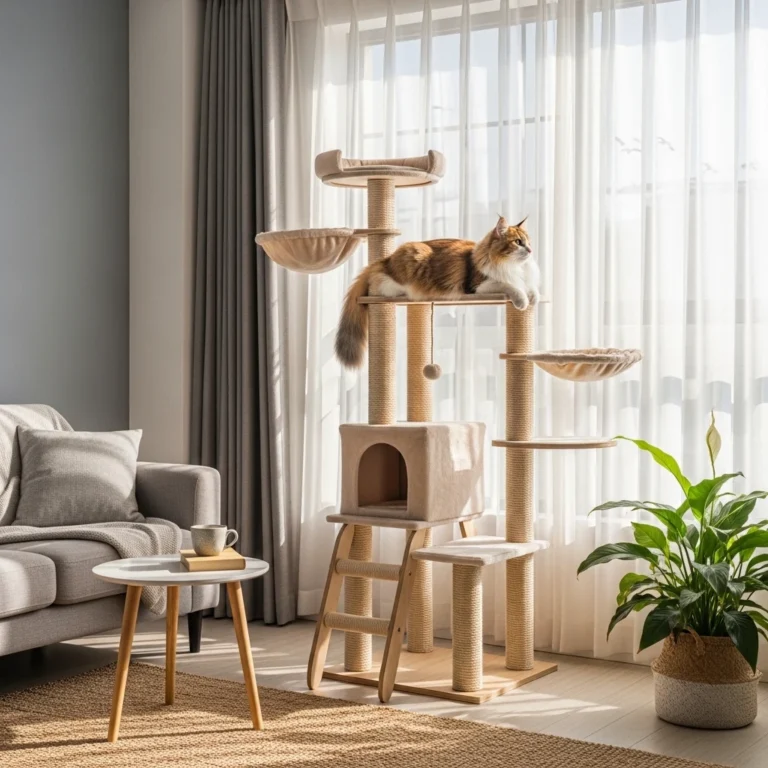
- Respect the Territory: For cats, territory is security. Provide vertical space (cat trees, shelves), multiple, separated resources (food/water bowls, litter boxes), and safe hiding spots. This is especially critical in multi-cat households to prevent stress and conflict.
- Communicate on Their Terms: Speak their language. Offer slow blinks to express love. Pet them in their preferred areas (often cheeks and base of the tail) and not in overstimulating zones (like the belly, which is a vulnerable area). Learn more about building this bond in our guide on how cats show affection.
- Provide Appropriate Outlets: Place sturdy, tall scratching posts near furniture they target and near resting areas. Use puzzle feeders to engage their problem-solving skills at mealtime. A stimulated cat is a content cat.
Key Takeaways: Embracing the Feline Mind
- Cat logic is not flawed human logic; it’s a highly specialized, instinct-driven operating system perfected for survival. Behaviors we see as “weird” or “illogical” are almost always tied to hunting, territory, or security.
- Cats show love differently than humans or dogs. They treat us as fellow felines, using behaviors like scent-marking, slow blinking, and gift-giving to express affection and trust.
- The key to solving behavioral puzzles is to identify the underlying instinct. Scratching is about marking and maintenance, not destruction. Zoomies are about releasing pent-up predatory energy.
- A happy cat is a cat whose instincts are respectfully channeled. Providing ample play, vertical territory, scratching outlets, and a predictable routine bridges the gap between our two worlds.
Living with a cat is an exercise in cross-species understanding. By learning to see the world through their eyes a world ruled by scent, instinct, and subtle signals we stop judging their actions by our own ill-fitting standards. We begin to appreciate the elegant, efficient logic of the feline mind. The next time your cat does something inexplicable, take a moment. Don’t ask, “Why is this so illogical?” Instead, ask, “What ancient, purrfect instinct is driving this?” The answer will bring you closer to the fascinating creature sharing your home.
Explore more expert insights into cat behavior, care, and the joy of feline companionship in our complete library of guides on Cat Bloom Haven.
Frequently Asked Questions
Do cats think we’re stupid?
According to expert John Bradshaw, cats likely don’t think in terms of “smart” or “stupid” as we do. They recognize we are larger and less agile (they rarely trip over us, but we trip over them). Their behavior towards us rubbing, head-butting, grooming is identical to how they treat other cats they are fond of, suggesting they see us as social companions within their feline framework.
Can cats really remember things and people for a long time?
Yes. Cats possess impressive long-term memory, especially for information tied to strong emotions or survival. They can remember people, other animals, and places for many years, even over a decade. This is why a cat may react strongly to a person who treated them poorly or a familiar scent from their kittenhood.
Why does my cat stare at me?
A prolonged, soft stare, often followed by a slow blink, is a sign of affection and trust. However, a hard, unblinking stare can signal overstimulation, curiosity, or a predatory focus. Context is key. If they’re staring at you while you eat, it’s likely simple food-focused curiosity.
Is it true you can’t train a cat?
This is a common myth. Cats are highly trainable using positive reinforcement (treats, praise) and clear communication. They can learn commands, tricks, and household rules. The key is that they must want to participate. Training builds mental stimulation and strengthens your bond, as explored in our article on teaching your cat to fetch. Punishment is ineffective and will only damage your relationship.