How Long Can an Indoor Cat Survive Outside? A Realistic, No-Fluff Guide to the Risks and What Actually Happens
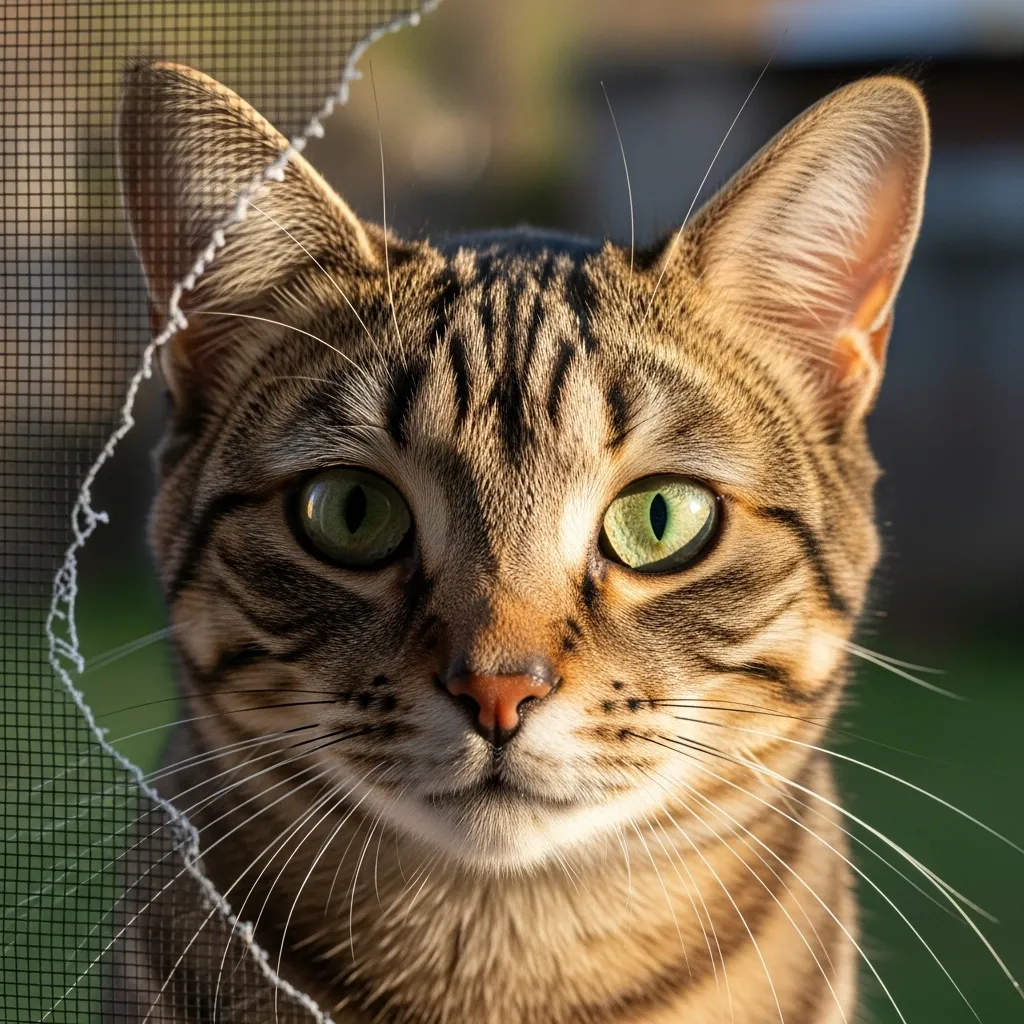
Your indoor cat just slipped out the door. Your stomach drops. You start googling in a panic: “How long can an indoor cat survive outside?”
The internet throws everything from “a few hours” to “they’ll be fine” at you. Most of it is guesswork or fear-mongering.
Here’s the honest, vet-informed truth I’ve learned from years of working with lost-cat cases, rescue groups, and thousands of worried owners:
An indoor-only cat can survive outside anywhere from a few hours to several months — but survival time depends far more on behavior, location, and luck than on raw toughness. Most don’t die from starvation or cold nearly as fast as people think. They die (or disappear forever) because they panic, hide in silence, and never make it past the first 48–72 hours without human help.
Below is everything you need to know, broken down clearly so you can protect your cat or bring a lost one home faster.
Key Takeaways (Read This First)
- Average survival without human intervention: 3 days to 3 weeks for a typical indoor cat.
- Biggest killers in order: vehicles, predators, poisoning, starvation/dehydration, exposure.
- 75 % of lost indoor cats are found within 500 feet of the escape point — they hide, they don’t “run away.”
- Cats with claws, microchips, and quick-search efforts have dramatically higher survival rates.
- Cold weather (below 45 °F) and rain cut survival time sharply if the cat can’t find dry shelter.
(Bookmark this page — you’ll want these numbers when you’re searching.)
Why Indoor Cats Are So Vulnerable Outside (Even If They Look Tough)
Indoor cats aren’t domesticated weaklings, but they’re missing critical street skills:
- No territory knowledge they get lost within a few houses.
- Heightened flight response loud noises send them into “shutdown” mode instead of running home.
- Poor hunting success studies show indoor cats catch prey only 25–30 % as efficiently as ferals.
- Trusting nature many will approach the wrong person or animal.
Result? An indoor cat let outside suddenly faces the same world as a feral, but without the experience.
Real Survival Timeline: What Usually Happens Hour by Hour
First 2–12 Hours
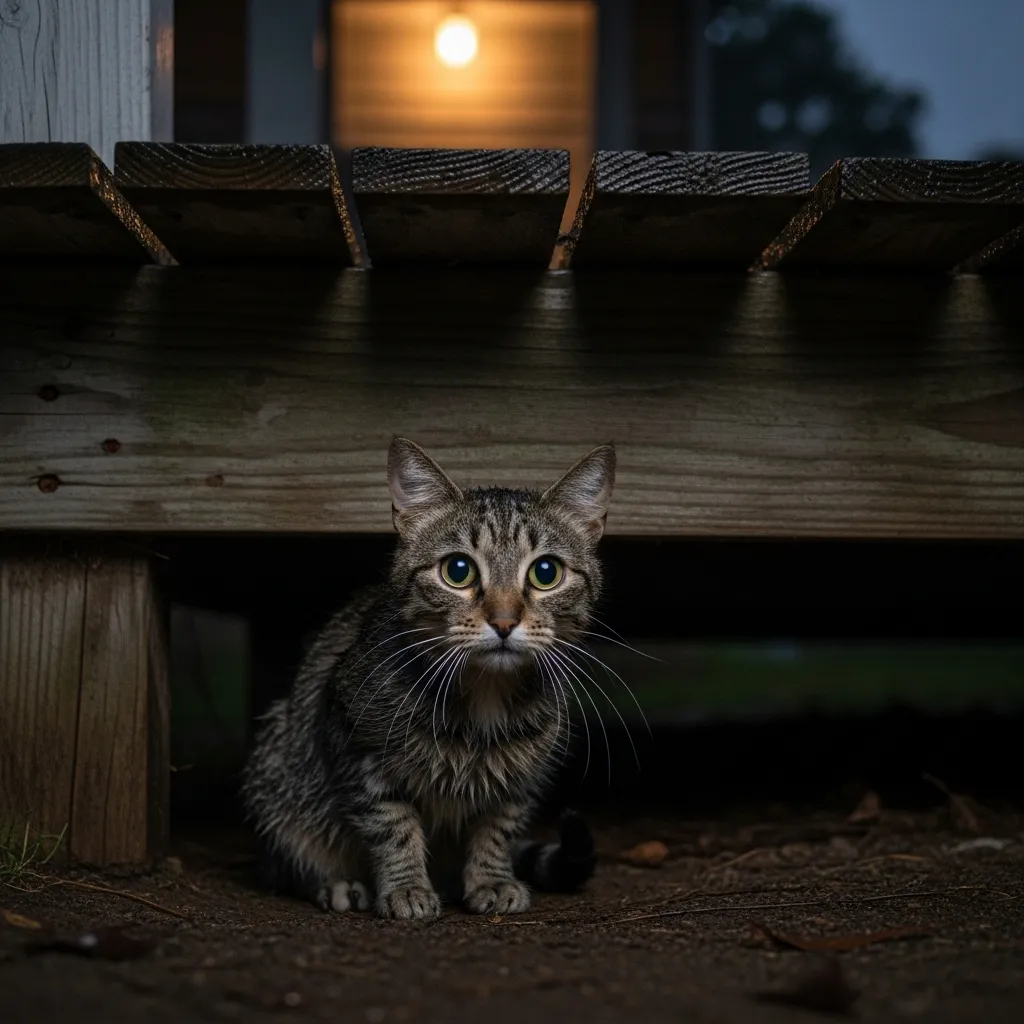
The cat bolts, then hides in complete silence (under porches, in sheds, inside parked cars, up trees). Most owners walk right past them calling their name because the cat is too terrified to meow.
12–48 Hours
Hunger and thirst start. If temperatures drop or it rains, hypothermia risk spikes. Cats can go 24–36 hours without water in mild weather, far less in cold or heat.
3–7 Days
Dehydration becomes critical. Weakened cats that try to move are now at peak risk of being hit by cars (the #1 cause of death for found lost cats).
1–3 Weeks
Some resourceful or lucky cats find temporary food (rodents, garbage) and water. Weight loss is rapid — 0.5–1 lb per week is common.
Beyond 3 Weeks
Rare, but possible. These are usually cats that found a steady food source (kind neighbor, outdoor colony) or adapted faster than normal. Breeds with stronger survival instincts (Maine Coon, Norwegian Forest Cat, Bengal) show up more often in long-term cases.
Indoor vs Outdoor Cat Survival: The Numbers Don’t Lie
| Factor | Indoor-Only Cat | Full-Time Outdoor / Feral Cat |
|---|---|---|
| Average life expectancy | 15–18 years | 2–5 years |
| Risk of fatal car accident | Very high first week | Moderate (they learn roads) |
| Predator death | High | Lower (better awareness) |
| Disease/parasite exposure | Low until escape | High constantly |
| Chance of return if lost | 20 % without microchip | N/A |
Data sources: Missing Pet Partnership, ASPCA lost-cat studies, Journal of the AVMA.
The Biggest Dangers for Indoor Cats Outside (Ranked by Likelihood)
- Vehicles especially at dusk when hungry cats start moving.
- Predators coyotes, dogs, foxes, owls, even large hawks in rural areas.
- Poisoning antifreeze, rat bait, lilies in yards.
- Getting trapped garages, sheds, basements, storm drains.
- Starvation/dehydration surprisingly far down the list because cats shut down and conserve energy.
(Declawed cats and seniors drop to the bottom of the list fast no defense, no climbing ability.)
Will My Indoor Cat Come Back If Let Outside? The Return Instinct Explained
Good news: most indoor cats never go far. Bad news: they usually won’t come when called.
- Displacement behavior: a scared indoor cat reverts to wild survival mode and hides in silence for days.
- 60–75 % are recovered within a 3–5 house radius.
- Nighttime is when they move put food and familiar-smelling items out after 9 p.m.
Real case: a client’s Siamese was found 42 days later living under the neighbor’s deck four houses away silent the entire time despite daily searches.
Indoor Cat Outside in Winter: How Cold Is Too Cold?
Cats can survive short bursts down to 20–30 °F if dry and sheltered. Wet fur + wind drops that limit fast.
- Below 45 °F: risk starts.
- Below 32 °F with precipitation: hypothermia possible in hours.
- Body fat, fur thickness, and access to insulation (leaves, car engine, hay) matter more than most people realize.
If your cat escapes in winter, search car engines before people start them in the morning.
Can Indoor Cats Adapt and Live Outside Long-Term?
Very few do successfully without help. The ones that “make it” usually become someone else’s outdoor cat or join a managed colony. Turning a pampered indoor cat into a true outdoor survivor is rarely fair or safe.
Breeds with better outdoor abilities: Maine Coon, Norwegian Forest Cat, Siberian, Bengal, Abyssinian.
Breeds that struggle hardest: Persian, Ragdoll, Scottish Fold, declawed cats of any breed.
How to Find a Missing Indoor Cat Proven Search Tips That Actually Work
Stop walking around shaking treats. Start thinking like a terrified cat.
- Search at dawn and dusk with a flashlight look under, inside, and up.
- Place worn clothing, used litter, and strong-smelling food (tuna, sardines) right outside your door not in the yard.
- Set a humane trap with familiar smells (your blanket inside).
- Post large neon signs most cats are found by neighbors, not owners walking.
- Use trail cameras or Wi-Fi pet cameras facing your porch.
Success rate jumps from ~20 % (calling/shaking treats) to over 70 % with proper technique.
For a complete step-by-step lost cat checklist, see our guide: How to Find a Missing Cat.
Safer Ways to Let Your Indoor Cat Experience the Outdoors
Want fresh air without the terror? Try these instead:
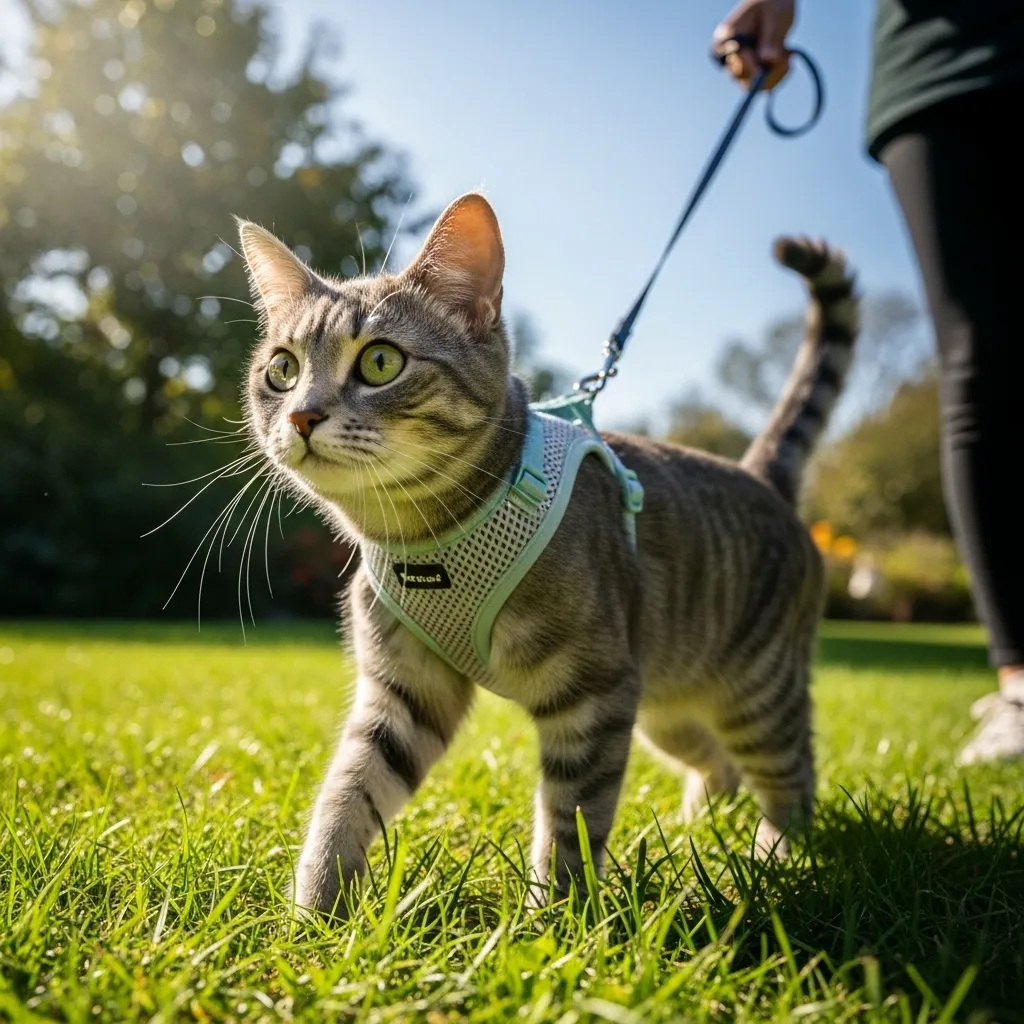
- Leash training (yes, many cats love it see our leash-training guide).
- Cat backpack walks.
- Supervised patio time.
- GPS tracker collar (Tractive, Jiobit, or Apple AirTag with holder).
- Catio or enclosed outdoor run.
Explore safe outdoor options in our article: Ragdoll Cat Outdoor Enclosure Ideas.
FAQ Quick Answers to the Questions You’re Typing Right Now
How long can an indoor cat survive outside in the cold?
In dry conditions above 45 °F, weeks are possible. Below freezing with wind or wet fur, survival drops to hours or 1–2 days without shelter.
Will my indoor cat come back after escaping?
75 % of indoor cats are found within 500 feet if owners use correct search methods. Most do not voluntarily walk home.
Can an indoor cat become feral?
Rarely. Most displaced indoor cats stay in “survival shutdown” and never fully adapt.
How long will an indoor cat hide outside?
Typically 2–10 days of complete silence, sometimes weeks. They break cover when hunger finally overrides fear.
Is it cruel to let an indoor cat outside?
Unsupervised free-roaming almost always shortens life expectancy and increases suffering. Supervised or enclosed access is the compassionate middle ground.
Final Word
An indoor cat can technically survive outside longer than most people fear, but the quality of that survival is usually miserable, and the risks are enormous. The best thing you can do is prevent escape in the first place — microchip, collar with AirTag, secure screens, and never trust an open door.
If your cat is outside right now, don’t waste time feeling guilty. Start searching the right way tonight. Most are closer than you think, waiting in silence for the one familiar voice they trust.
Need breed-specific advice or more lost-cat recovery stories? Browse our full library of expert guides at Cat Bloom Haven.
Stay calm, search smart, and bring your baby home.