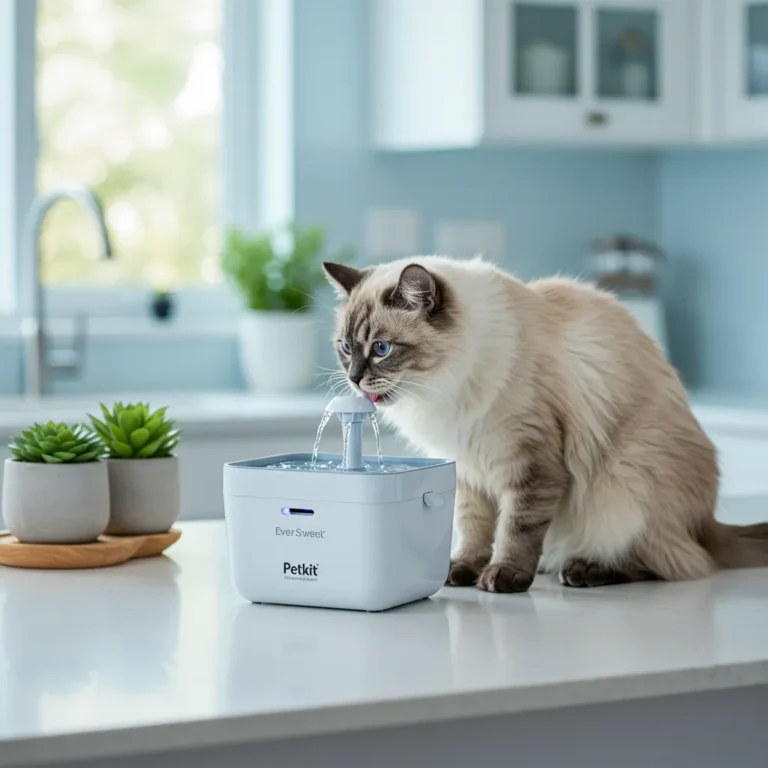
Craft the Ultimate Ragdoll Cat Outdoor Enclosure: Your Guide to a Safe and Fun Haven
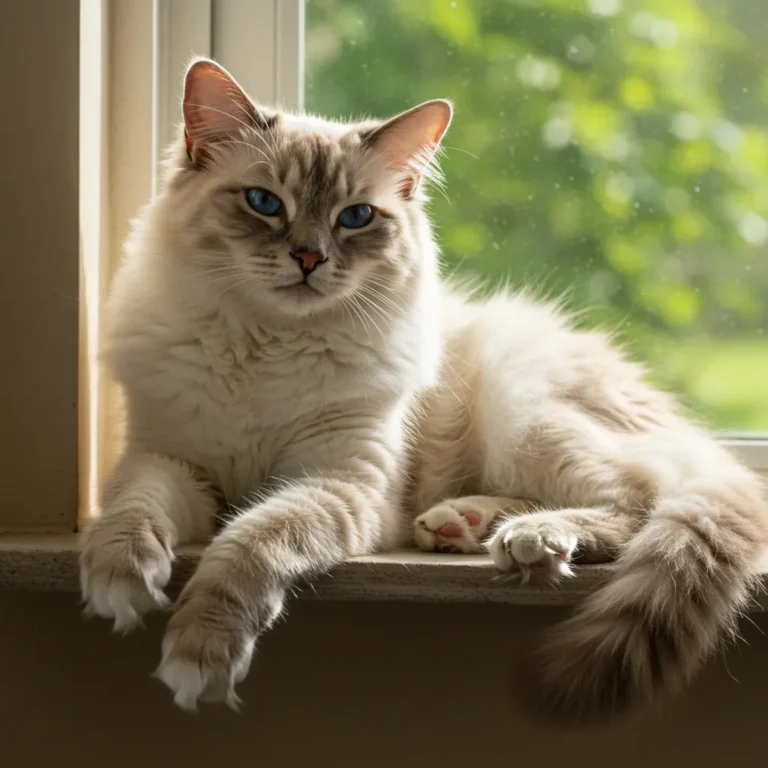
Imagine this: Your fluffy Ragdoll cat, with those piercing blue eyes and that signature limp-when-cuddled charm, staring longingly out the window at birds fluttering by or leaves rustling in the breeze. As a devoted cat parent, you want to give them a taste of the outdoors without the risks—like traffic, predators, or getting lost. That’s where a well-designed Ragdoll cat outdoor enclosure comes in. It’s the perfect solution for creating a safe outdoor space for Ragdoll cats, blending adventure with security. But many owners struggle with where to start: How do you build one that’s sturdy, engaging, and tailored to your Ragdoll’s gentle nature? This comprehensive guide is your ultimate resource—packed with expert tips, step-by-step instructions, and real-world examples—to help you create a Ragdoll cat outdoor haven that outshines anything else out there. Whether you’re a DIY newbie or a seasoned builder, we’ll cover everything to ensure your feline friend enjoys the fresh air safely.
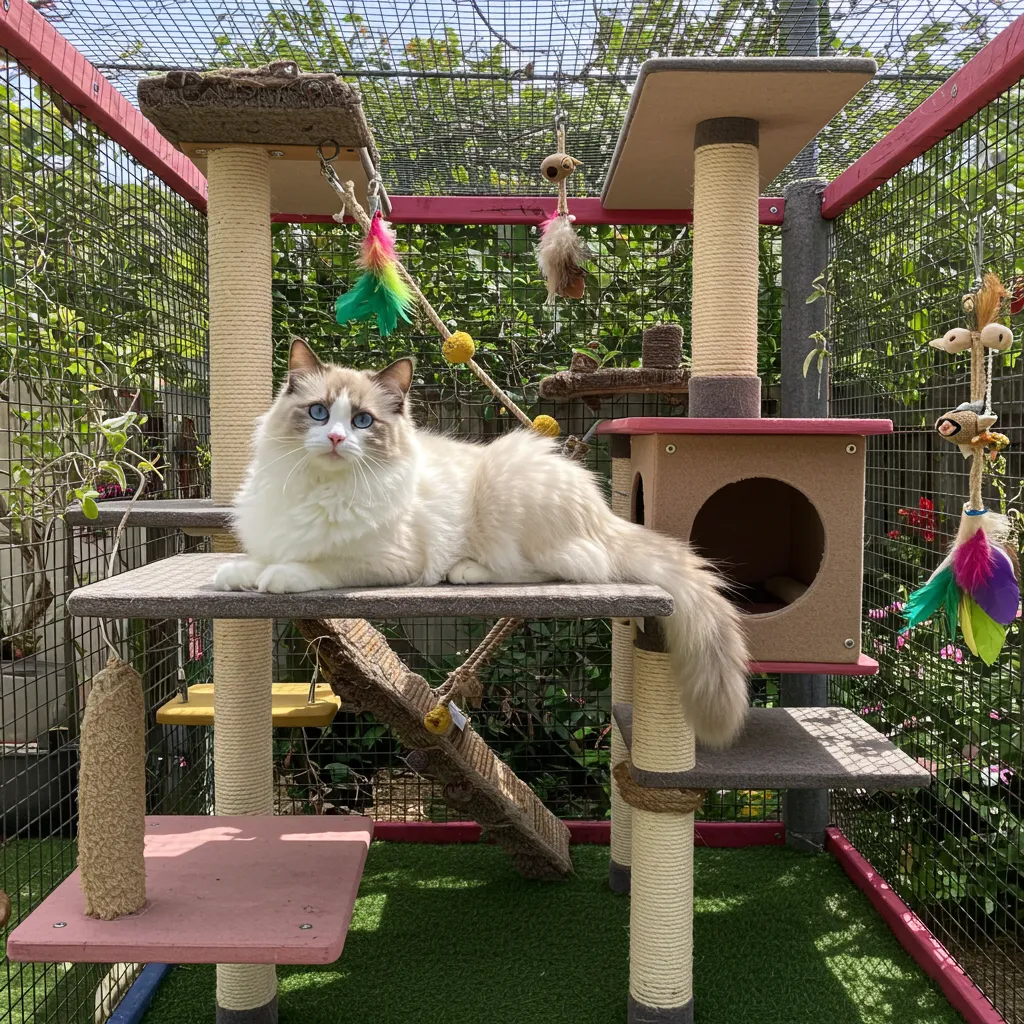
As someone who’s spent years researching cat breeds and enrichment (drawing from sources like The Spruce Pets and Purina), I know Ragdolls are affectionate lap cats who crave stimulation but aren’t built for the wild. Let’s dive in and turn your backyard into their paradise.
Understanding Your Ragdoll Cat’s Unique Needs
Ragdoll cats aren’t your average feline—they’re large, docile, and often described as “puppy-like” in their loyalty. Bred in the 1960s by Ann Baker, these beauties can weigh up to 20 pounds and sport semi-long fur that’s silky soft but requires regular grooming. Their temperament is calm and sociable, making them ideal for families, but they’re not the most agile or street-smart compared to other breeds. This is why a cat-safe outdoor space is crucial: It satisfies their curiosity without exposing them to dangers.
Why Ragdolls Thrive with Safe Outdoor Access
Ragdolls are indoor cats at heart, but they benefit immensely from controlled outdoor time. Fresh air stimulates their senses, reduces boredom, and promotes physical activity, which can help prevent obesity—a common issue in this breed. According to breed profiles, Ragdolls are patient and intelligent, so an enclosure with climbing structures for cats and interactive toys for cats can keep them mentally sharp. Plus, it aligns with their need for both indoor coziness and outdoor exploration. Think of it as their personal spa retreat!
Debunking the Indoor-Only Myth for Ragdolls
Many believe Ragdolls should never venture outside due to their trusting nature—they might not flee from threats like dogs or cars. But the myth ignores supervised, enclosed spaces. Outdoor enclosures debunk this by offering the benefits of outdoor enclosures for cats, like vitamin D from sunlight and natural scents, while keeping them protected. Real-life example: A Ragdoll owner in a suburban area shared on forums how their cat’s anxiety dropped after introducing an enclosure, leading to happier play sessions.
The Benefits of Outdoor Enclosures for Ragdoll Cats
Why bother with a building outdoor cat enclosure? The perks are endless. First, it protects your cat from predators, vehicles, and diseases—reducing vet bills and stress. It also safeguards wildlife, as enclosed cats can’t hunt birds. For Ragdolls, who love lounging, it provides mental stimulation to curb destructive behaviors like scratching furniture.
Here’s a quick pros/cons table to weigh it out:
| Pros | Cons |
|---|---|
| Enhanced safety and security | Initial setup cost (though DIY keeps it low) |
| Mental and physical enrichment | Requires maintenance for weatherproofing |
| Reduces indoor boredom and obesity | Space limitations in small yards |
| Protects local wildlife | Cats may need time to adjust |
Enclosures can even lower the free-roaming cat population by encouraging spaying/neutering. In short, it’s a win-win for you, your Ragdoll, and the environment.
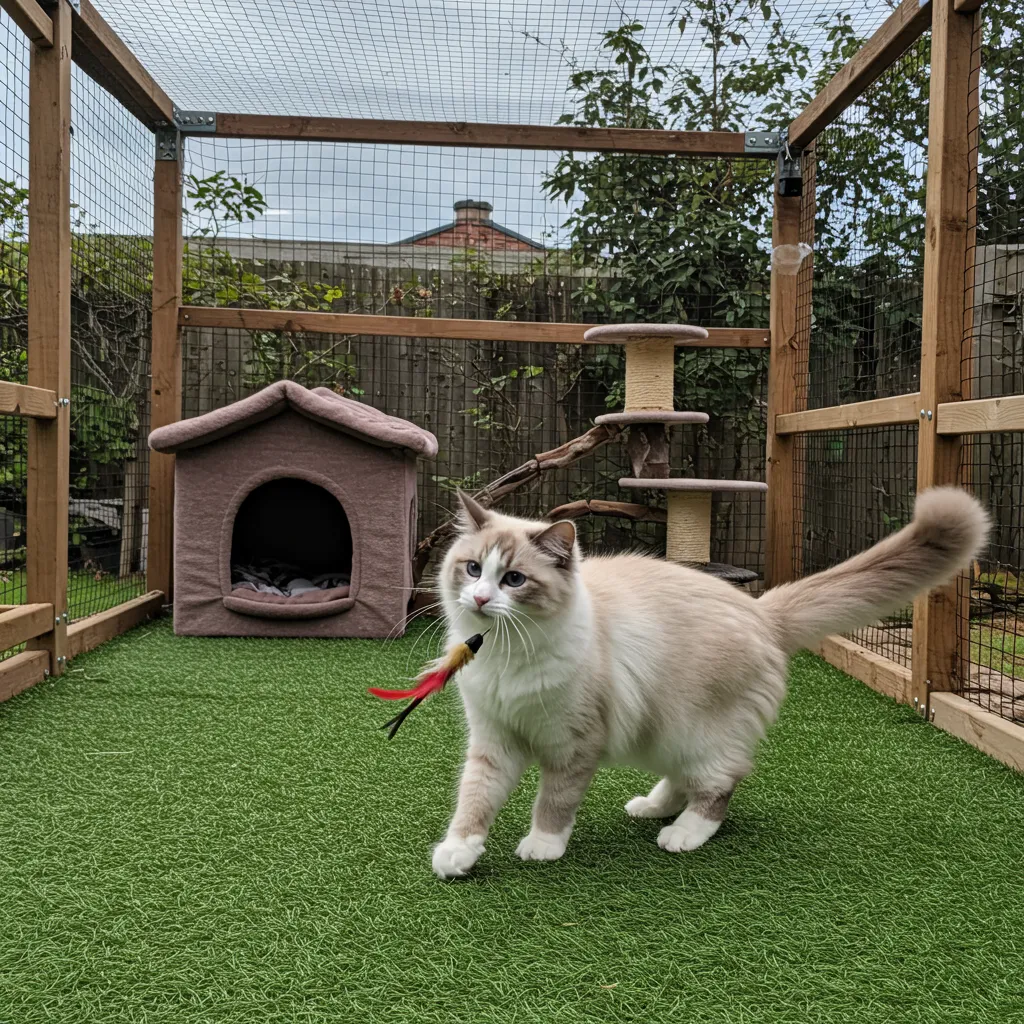
Choosing the Right Location for Your Ragdoll Cat Outdoor Haven
Location is everything when creating safe outdoor areas for indoor cats. Pick a spot that’s sheltered from extreme weather and easy to monitor.
Safety Considerations
Avoid areas near busy roads or where predators like foxes or hawks roam. Ensure the ground is level to prevent tipping, and check for toxic plants (like lilies) nearby. For Ragdolls, who aren’t escape artists, a partially shaded spot prevents overheating—their thick fur makes them sensitive to high temps.
Accessibility and Convenience
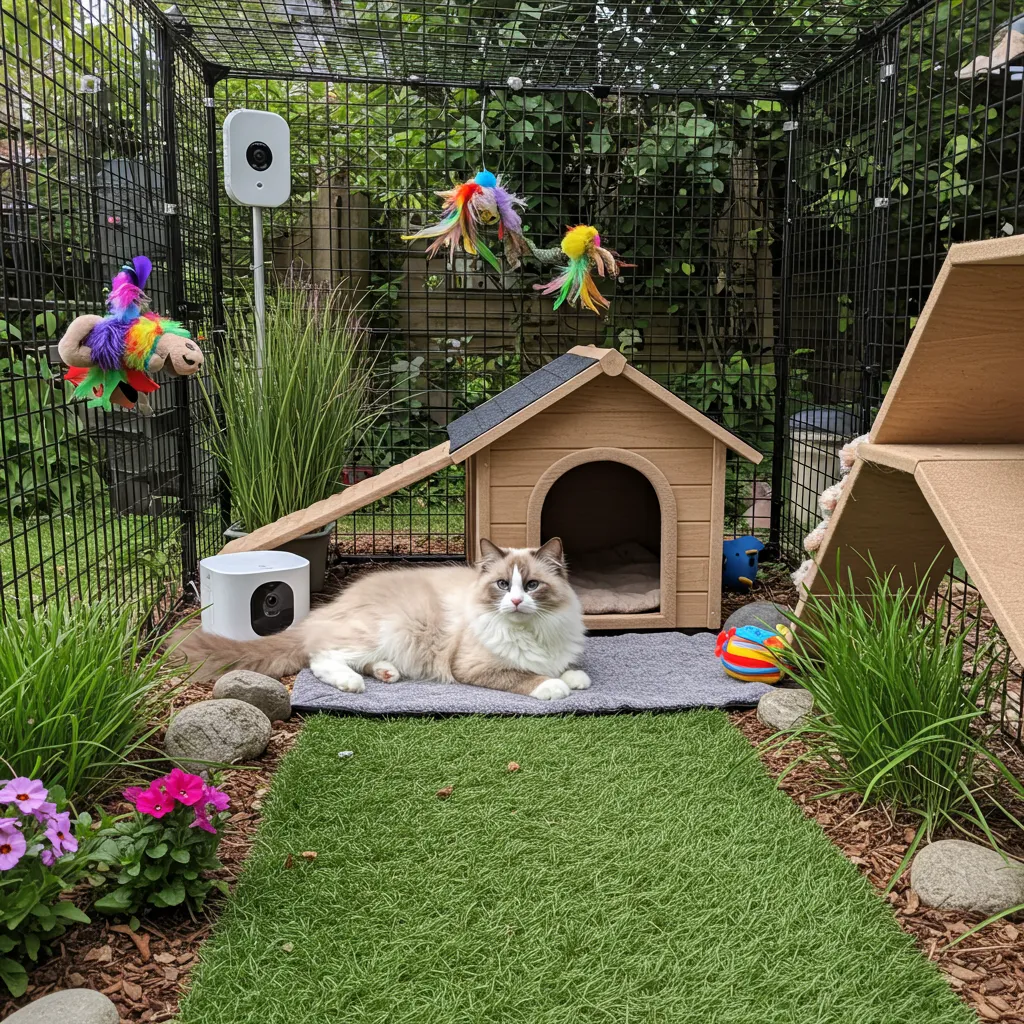
Attach it to a window or door for easy access, like a cat door tunnel. This way, your Ragdoll can come and go independently. Proximity to your home lets you keep an eye on them via smart monitoring for outdoor cats, such as cameras from brands like Wyze. Example: One owner built theirs off the kitchen window, turning supervision into a daily delight.
Outdoor Enclosures for Cats | Awesome Outdoor Catwalk for Cats
Essential Features of a Ragdoll Cat Enclosure
A top-notch enclosure isn’t just a cage—it’s a playground. Focus on security, comfort, and fun to make it a true outdoor cat shelter.
Secure Fencing and Netting for Cats
Use 16-gauge wire mesh or heavy-duty netting to prevent escapes and intrusions. Galvanized steel or vinyl-coated polyester works best for durability. Bury the base 6-12 inches underground to deter diggers.
Temperature Control for Outdoor Cats
Ragdolls hate the cold, so include insulated shelters and heated pads for winter. In summer, add shade sails and fans. Aim for a mix of sunny and shaded areas—yes, it’s necessary for comfort!
Interactive Toys and Climbing Structures for Cats
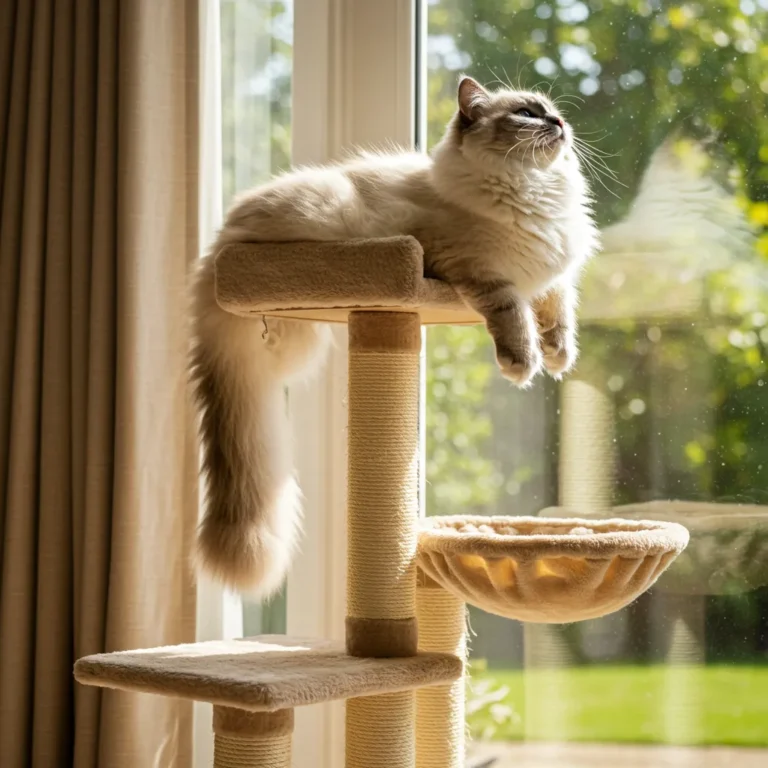
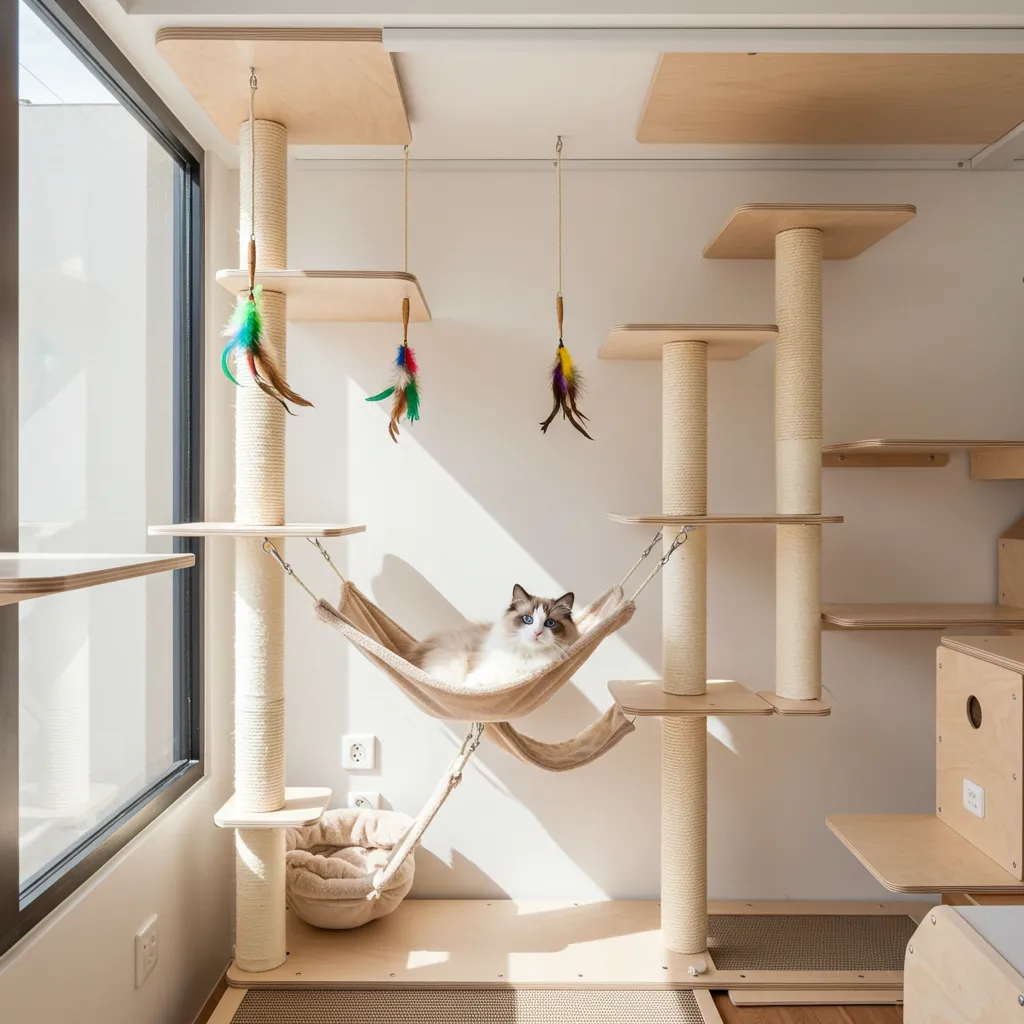
Ragdolls love vertical space. Add shelves, ramps, and best outdoor toys for cats like feather danglers or ping-pong balls. Incorporate cat-safe outdoor furniture and structures like hammocks or scratching posts for endless entertainment.
DIY Cat Enclosure Ideas and Inspirations for 2024
Who says safety can’t be stylish? DIY outdoor cat enclosure ideas 2024 emphasize eco-friendliness and aesthetics.
Upcycled Materials for Budget-Friendly Builds
Repurpose old pallets, storage bins, or chicken wire for budget-friendly cat enclosure ideas. One clever build: Turn a plastic tote into a mini shelter with insulation and straw. It’s under $20 and perfect for starters.
Aesthetic and Functional Design Tips
Go for modern outdoor cat habitats with bamboo accents or colorful rugs. Aesthetic cat enclosure designs like balcony conversions or tunnel systems add flair. For luxury, consider eco-friendly cat enclosures using sustainable wood like cedar.
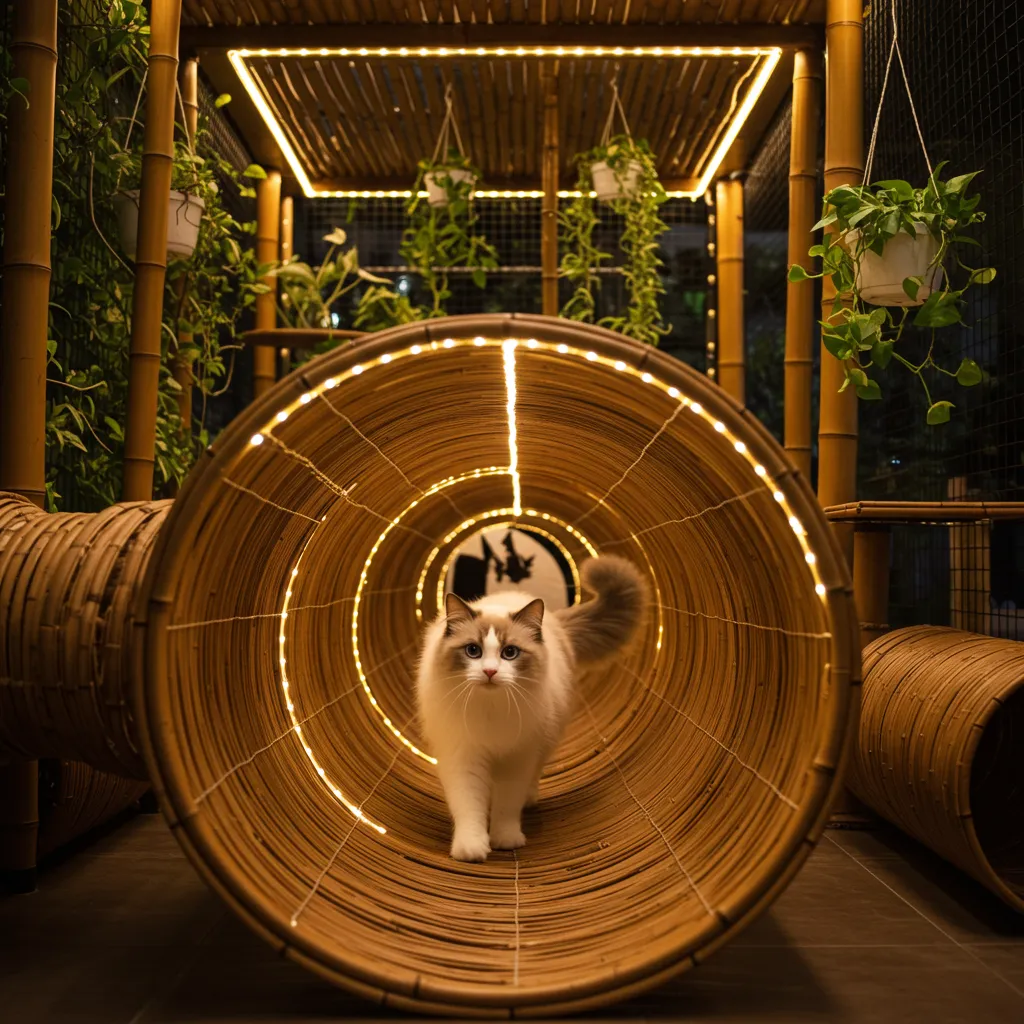
How to Build a Safe Outdoor Enclosure for Your Ragdoll Cat
Ready to get hands-on? This cat enclosure construction guide is your blueprint.
Tools and Materials You Will Need
- Tools: Hammer, drill, wire cutters, measuring tape.
- Materials: 2×4 lumber, wire mesh, screws, roofing (asphalt or polycarbonate), straw for bedding.
Budget: $100-500 for a basic setup.
Step-by-Step Guide to Building Cat Enclosures
- Plan and Measure: Sketch your design—aim for at least 6×8 feet. Mark the area.
- Build the Frame: Assemble 2x4s into walls and roof supports.
- Add Mesh and Roof: Secure fencing; add weatherproof roofing.
- Install Features: Add platforms, toys, and a cat door.
- Finish Touches: Insulate shelters and add greenery.
From Instructables: Start with a solid frame to ensure stability.
Testing the Enclosure for Safety
Walk through it yourself—check for sharp edges, stability, and escape routes. Introduce your cat gradually to confirm it’s Ragdoll-approved.
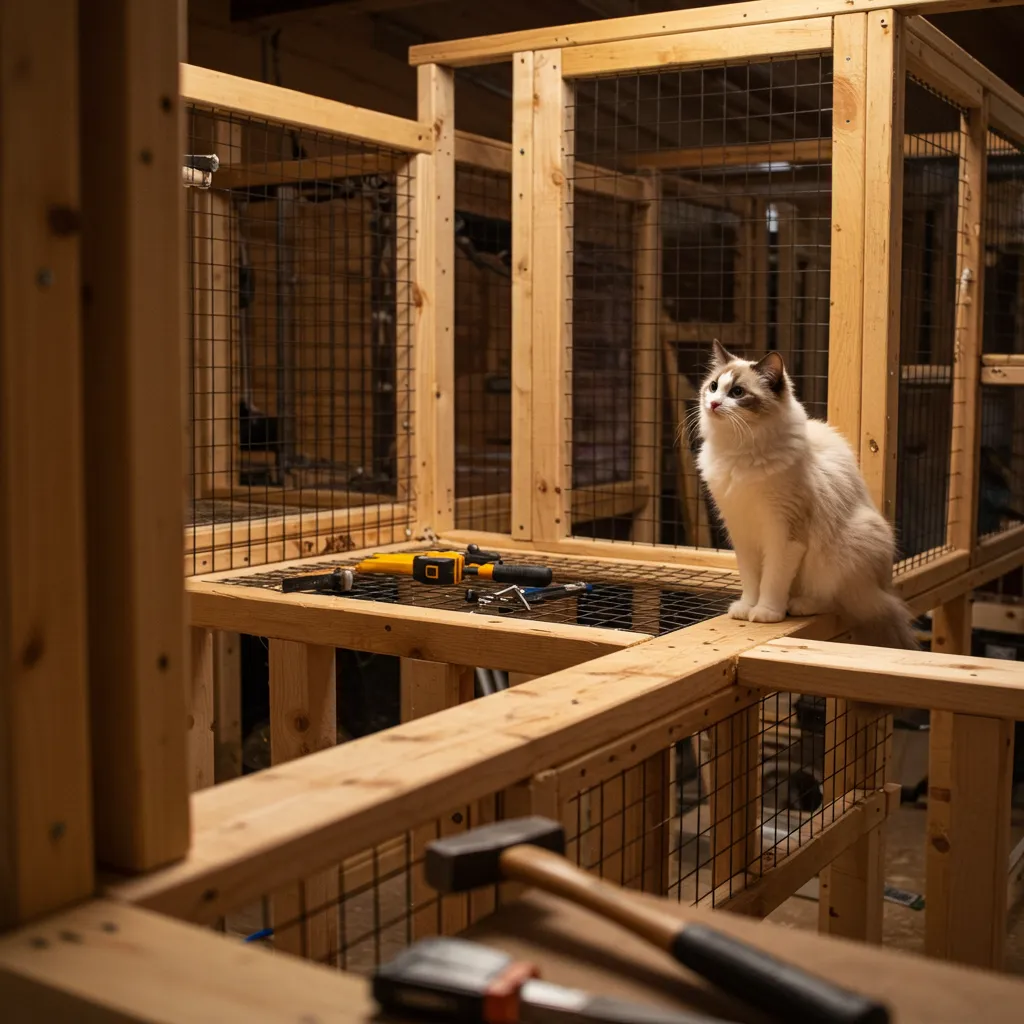
Ensuring Your Cat’s Safety in the Outdoor Space
Beyond building, safety means ongoing vigilance. Use GPS trackers like Tractive for peace of mind. Vaccinate against parasites and monitor for signs of distress. Ensuring cat safety outdoors includes regular inspections for wear and tear.
Training Your Ragdoll to Use the Outdoor Enclosure
Ragdolls are quick learners, but patience is key.
Introduction to the New Outdoor Spaces
Start with short supervised visits. Use treats to lure them in—introducing cats to new outdoor spaces should be positive.
Positive Reinforcement Techniques
Reward with praise or toys for exploring. Positive reinforcement training for cats builds confidence without force.
Monitoring and Adjusting to Your Cat’s Comfort
Watch body language—if they’re hiding, add more hides. Adjust based on weather; monitoring cat comfort outdoors ensures long-term enjoyment.
Maintaining and Upgrading Your Cat’s Outdoor Haven
Regular cleans keep it fresh—remove debris weekly. Upgrade with interactive outdoor play for indoor cats, like new toys or expansions. Maintaining and upgrading cat enclosures might include smart cams for remote checks. Inspect every few months; replace netting as needed.
Conclusion
Creating a Ragdoll cat outdoor enclosure is more than a project—it’s a gift of freedom and safety for your beloved pet. From understanding their needs to building and maintaining a safe outdoor space for Ragdoll cats, you’ve got all the tools to make it happen. Whether you opt for a simple DIY setup or a luxury outdoor cat enclosure, the joy on your Ragdoll’s face will be worth it. Start small, monitor closely, and watch them thrive. Ready to build? Grab your tools and get started today—your cat will thank you with extra cuddles. Don’t forget to comment below with your enclosure stories, subscribe for more cat tips, or share this guide with fellow Ragdoll lovers!
FAQ
What are the benefits of an outdoor enclosure for Ragdoll cats?
They provide safe enrichment, reduce boredom, protect from dangers, and promote health—lowering vet costs and supporting wildlife.
How can I ensure my cat’s safety in an outdoor enclosure?
Use secure fencing, monitor with cameras, and test for escapes. Regular checks and vaccinations are key.
What essential features should a Ragdoll cat enclosure include?
Secure netting, temperature control, climbing structures, interactive toys, and shaded areas for comfort.
Can I build a cat enclosure using upcycled materials?
Yes! Pallets, bins, and wire make upcycled materials for cat enclosures affordable and eco-friendly.
How do I introduce my Ragdoll cat to a new outdoor enclosure?
Gradually with treats and supervision; use positive reinforcement to build trust.
What tools and materials do I need to build a safe outdoor cat enclosure?
Basics like lumber, mesh, drill, and screws—budget $100-500.
How often should I inspect and maintain the cat enclosure?
Every 1-3 months; clean weekly and upgrade as needed for durability.
What are some budget-friendly DIY cat enclosure ideas?
Tote shelters or pallet frames—simple, under $50, and effective for 2024 trends.
Is it necessary to provide both sunny and shaded areas in the enclosure?
Absolutely—prevents overheating or chilling, especially for Ragdolls’ fur.