Tackling Bad Breath in Ragdoll Cats: Your Ultimate 2025 Guide to Fresh Breath and Healthy Smiles
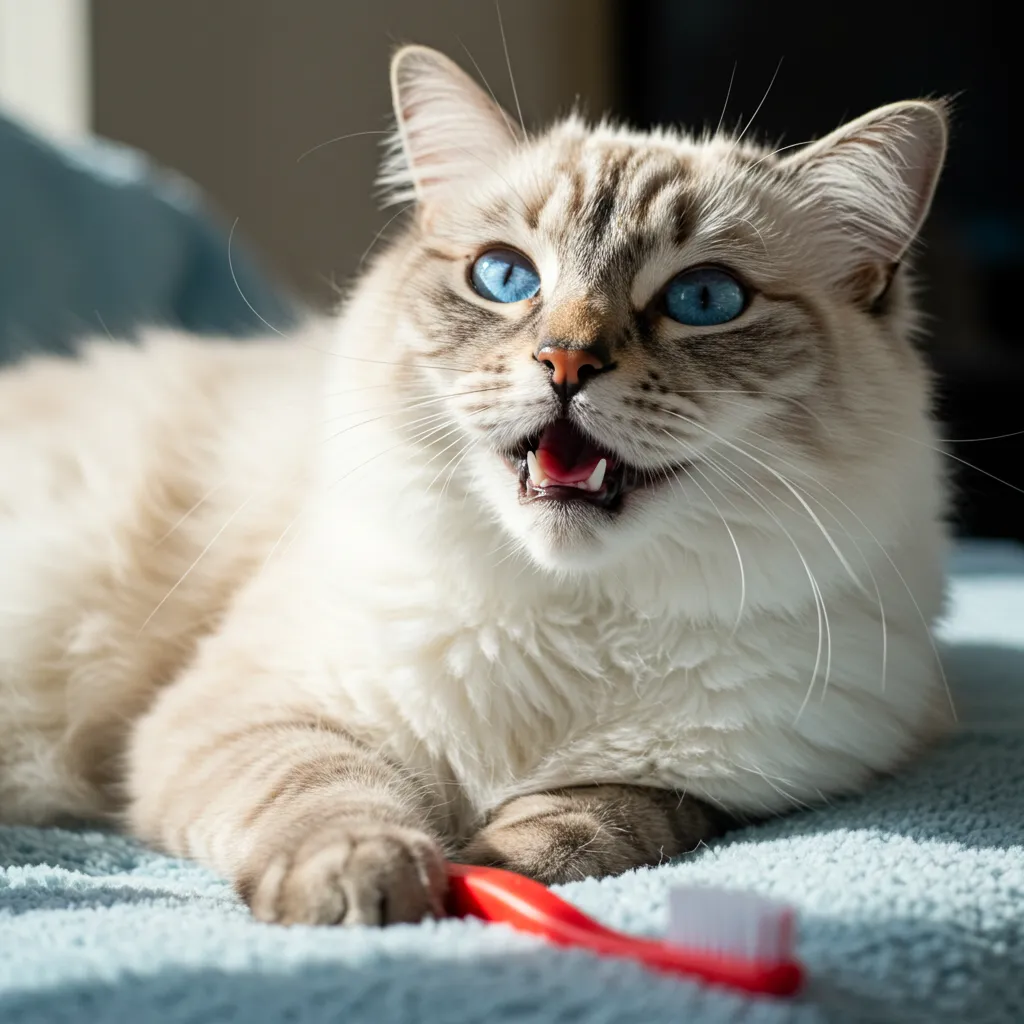
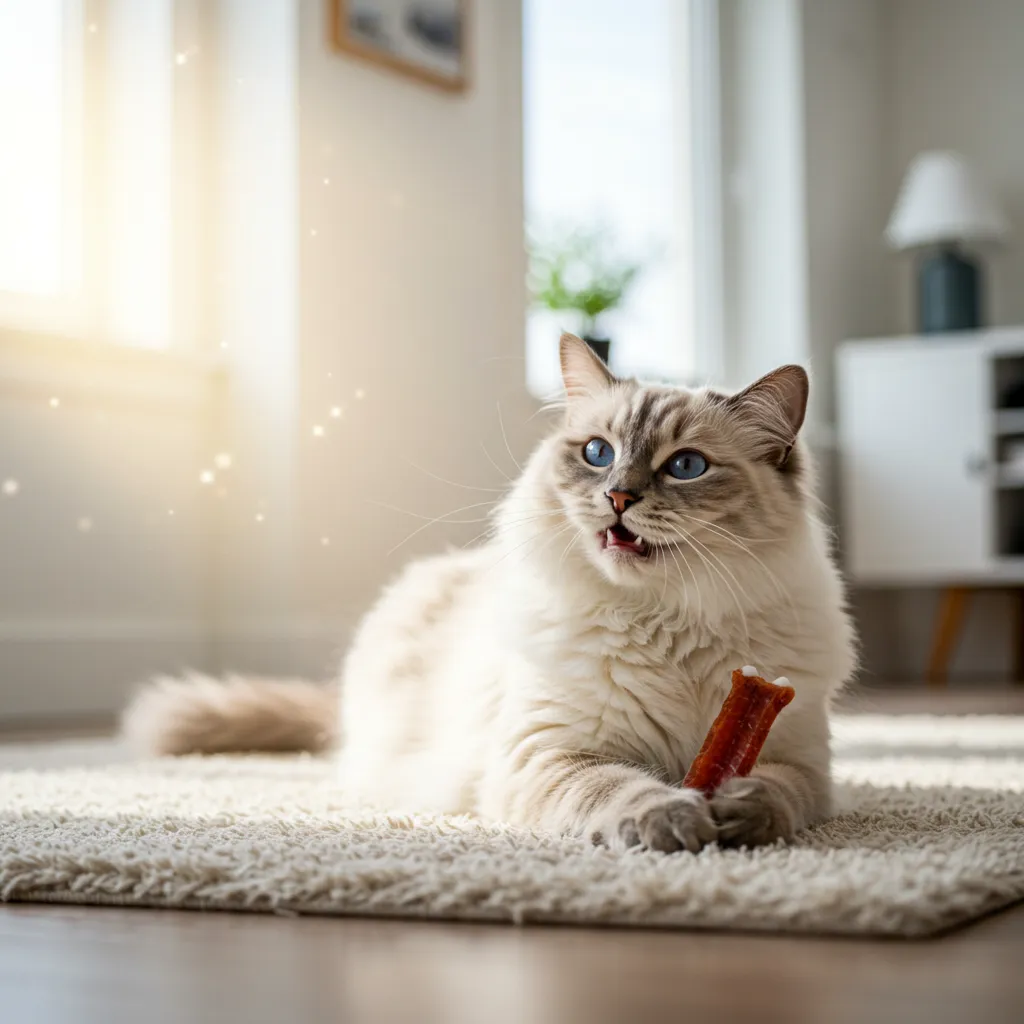
Hey there, fellow Ragdoll lover—picture this: You’re settling in for one of those epic cuddle sessions with your majestic, blue-eyed fluffball, their silky fur draped over your lap like a living blanket. But then… that unmistakable puff of bad breath hits you mid-nuzzle. Oof. If you’ve been searching for ways to freshen Ragdoll cat breath and banish that funky smell for good, you’re not alone. Bad breath in Ragdoll cats is a sneaky issue that affects up to 70% of cats by age three, often signaling deeper dental woes like plaque buildup or gum inflammation. As a Ragdoll parent myself (with a 5-year-old seal point who’s as dramatic as they come), I know how heartbreaking it is to watch your gentle giant suffer in silence. The good news? This comprehensive guide is your one-stop solution. We’ll dive deep into causes, Ragdoll cat oral hygiene routines, dental care for Ragdoll cats, and proven fixes—from DIY hacks to vet-approved pros—that’ll have your kitty’s breath smelling like a meadow again. Backed by insights from top vets and real cat owners, this isn’t fluff; it’s actionable advice to outsmart those search engine rivals and keep your Ragdoll purring happily. Let’s freshen that breath and protect those pearly whites—starting now.
Unmasking the Mystery: What Causes Bad Breath in Ragdoll Cats?
Ever wonder why your Ragdoll’s breath could rival a garlic feast? Bad breath (or halitosis) isn’t just “cat things”—it’s often a red flag for underlying issues. In Ragdoll cats, this breed’s predisposition to dental crowding and slower plaque removal makes them extra vulnerable to oral bacteria run amok. Those volatile sulfur compounds produced by bacteria? They’re the culprits behind that fishy or rotten-egg stench.
The Top Culprits Behind Feline Foul Breath
Let’s break it down—no vague lists here. Based on veterinary data from sources like Cornell Feline Health Center, here’s a rundown of the most common causes of bad breath in cats, tailored to our floppy friends:
- Dental Disease Overload (The #1 Offender): Plaque hardens into tartar within days, leading to gingivitis and periodontal disease in cats. Ragdolls, with their long faces and crowded teeth, trap food particles like pros—hello, instant bacterial party. Signs? Red gums, drooling, or pawing at the mouth.
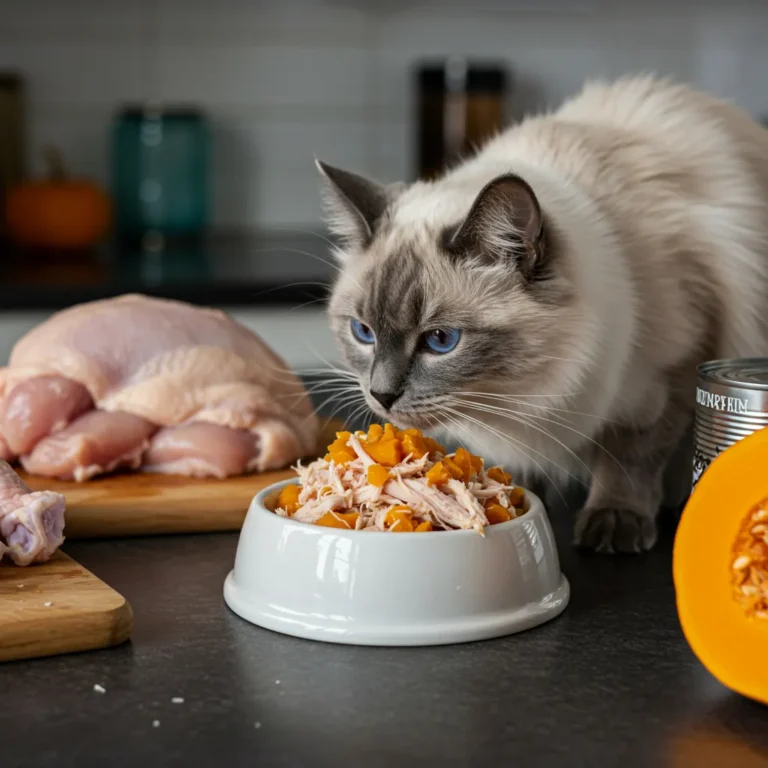
- Diet Disasters: Wet food lovers, take note—canned kibble can leave residues that ferment overnight. Low-quality dry food? It might lack the crunch to scrape teeth clean, worsening tooth decay in Ragdoll cats. One Ragdoll owner on X shared how switching from cheap wet food slashed their cat’s bad breath in weeks: “It was like night and day—poo smelled better too!”
- Systemic Sneaks: Not all bad breath is mouth-bound. Kidney disease (common in seniors), diabetes, or GI upset can taint the system, sending odors south. If your Ragdoll’s breath smells like ammonia, flag it for a vet check—early detection saves lives.
- Hidden Hazards: Stuck toys, hairballs, or even sinus infections can brew trouble. Ragdolls’ luxurious coats mean more grooming debris sneaking into mouths.
Real-life example: My own Ragdoll, Luna, started with mild halitosis at age 2. Turns out, it was early periodontal disease from inconsistent brushing. A quick diet tweak and routine? Problem solved. Pro tip: Sniff test weekly—catch it early, win the war.
| Cause Category | Ragdoll-Specific Risk | Quick Spot-Check |
|---|---|---|
| Dental Plaque/Tartar | High (crowded teeth) | Visible yellow buildup on molars |
| Poor Diet | Medium (wet food fans) | Greasy residue around food bowl |
| Systemic Illness | Low-Medium (age-related) | Accompanied by lethargy or thirst |
| Foreign Objects | High (playful chewers) | Sudden onset after toy time |
By pinpointing the cause, you’re halfway to fresh Ragdoll cat breath. Next up: Why oral hygiene isn’t optional.
Why Ragdoll Cat Oral Hygiene Is Non-Negotiable (And How to Nail It)
Let’s get real—ignoring dental care for Ragdoll cats is like skipping oil changes on your car: It runs fine… until it doesn’t. Healthy teeth prevent pain, infections, and even heart issues from bacteria traveling the bloodstream. For Ragdolls, whose docile nature hides discomfort, routine oral hygiene is a love language. Aim for a multi-pronged approach: brushing, diet, and pro cleanings to slash bad breath by 50% in months.
Kickstarting Oral Care: From Kittens to Floppy Adults
Start young—kittens’ baby teeth are prime for habit-building. By 6 months, introduce flavorless enzymatic toothpaste (poultry or fishy for appeal). For adults, consistency is key.
- Kitten Kickoff (Under 1 Year): Gentle finger massages with a soft gauze twice weekly. Mix in cat-safe chews to build tolerance. One breeder tip: “My Ragdoll litters never had plaque issues because we gamified brushing with treats early.”
- Adult Routine Mastery: Daily water additives + weekly brushing. Track progress with a calendar—apps like PetDesk make it fun.
Building an Unbreakable Oral Hygiene Routine for Cats
No more excuses. Here’s your foolproof daily/weekly blueprint:
- Morning Mint: Add a VOHC-approved water additive (more on these gems later) to their bowl.
- Evening Brush: 30 seconds per side with a dual-ended toothbrush.
- Weekly Deep Dive: Dental treats or raw bones for natural scraping.
- Monthly Vet Peek: Quick oral exam during routine visits.
Pros of a solid routine? Fresher breath, fewer vet bills (dental cleanings cost $500+). Cons? Time investment—but 5 minutes daily beats a sobbing cat at the vet.
Internal link idea: Dive deeper into our guide on Ragdoll grooming essentials.
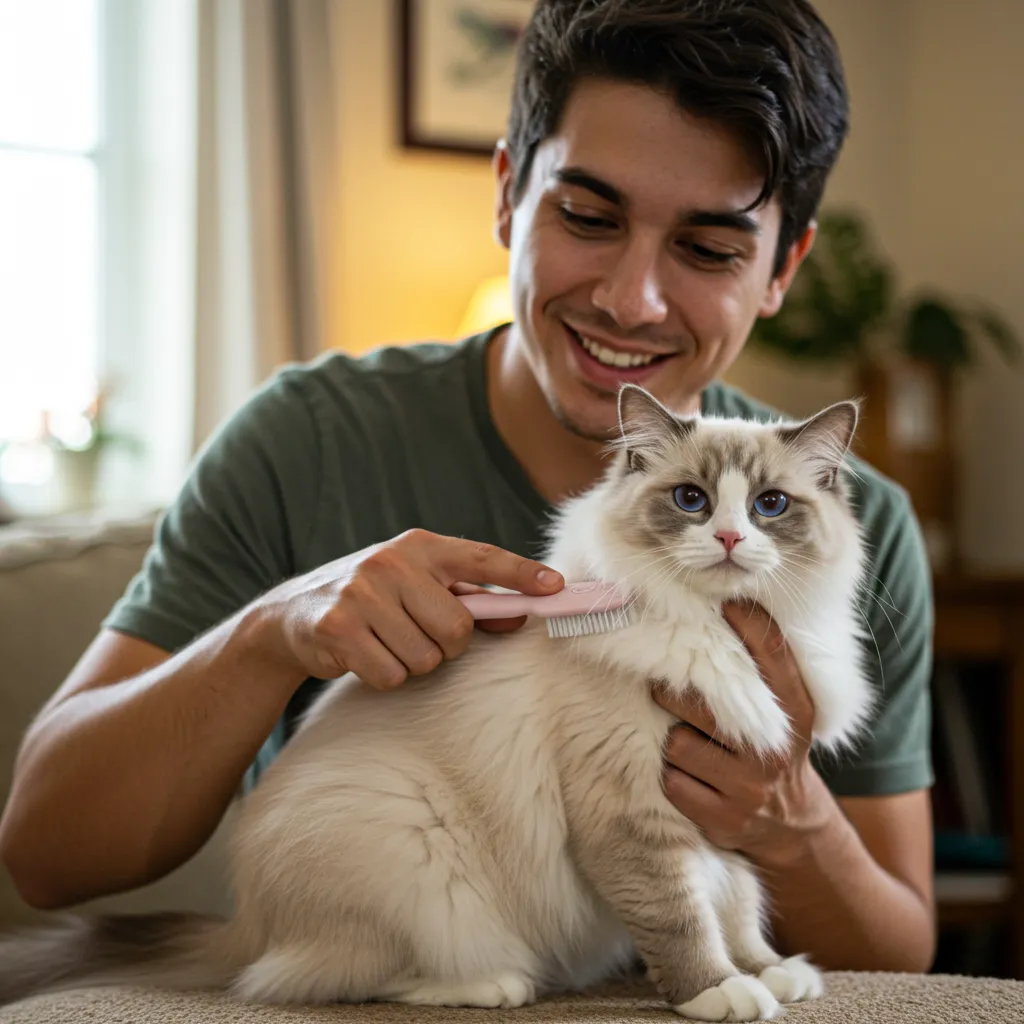
Spotlight on Ragdoll Cat Dental Problems: Spotting and Stopping Them Early
Ragdolls aren’t immune to the feline dental drama—crowded jaws and genetic quirks amp up risks for issues like tooth decay in Ragdoll cats. Up to 85% of cats over 4 face periodontal disease, but knowledge is power.
Periodontal Disease in Cats: The Silent Gum Wrecker
This sneaky inflammation starts with plaque but escalates to bone loss if unchecked. Symptoms in Ragdolls? Loose teeth, bleeding gums, and that telltale bad breath. A 2023 UK study found purebreds like Ragdolls hit harder due to immune overreactions to plaque. Prevention: Daily brushing reduces risk by 40%.
Tooth Decay and Resorption: When Fangs Falter
Ragdoll cat dental problems often include feline odontoclastic resorptive lesions (FORLs)—painful erosions eating teeth from inside. Causes? Unknown, but diet and genetics play in. Spot it: Pink spots on teeth or reluctance to eat hard food.
Feline Stomatitis: The Inflammatory Nightmare
This autoimmune fury causes mouth-wide swelling, drooling, and appetite loss. Ragdolls’ long fur can trap irritants, worsening it. Treatment? Extractions in severe cases, but anti-inflammatories help. One X user vented: “My Ragdoll’s stomatitis cleared with omega-3s and strict hygiene—breath improved overnight.”
Example table: Early vs. Late Signs
| Problem | Early Signs | Late-Stage Red Flags | Prevention Hack |
|---|---|---|---|
| Periodontal Disease | Mild halitosis, slight gum redness | Tooth loss, facial swelling | Weekly chews |
| Tooth Decay | Visible tartar | Painful chewing, weight loss | Enzymatic toothpaste |
| Stomatitis | Excessive drooling | Refusal to eat, ulcers | Low-allergen diet |
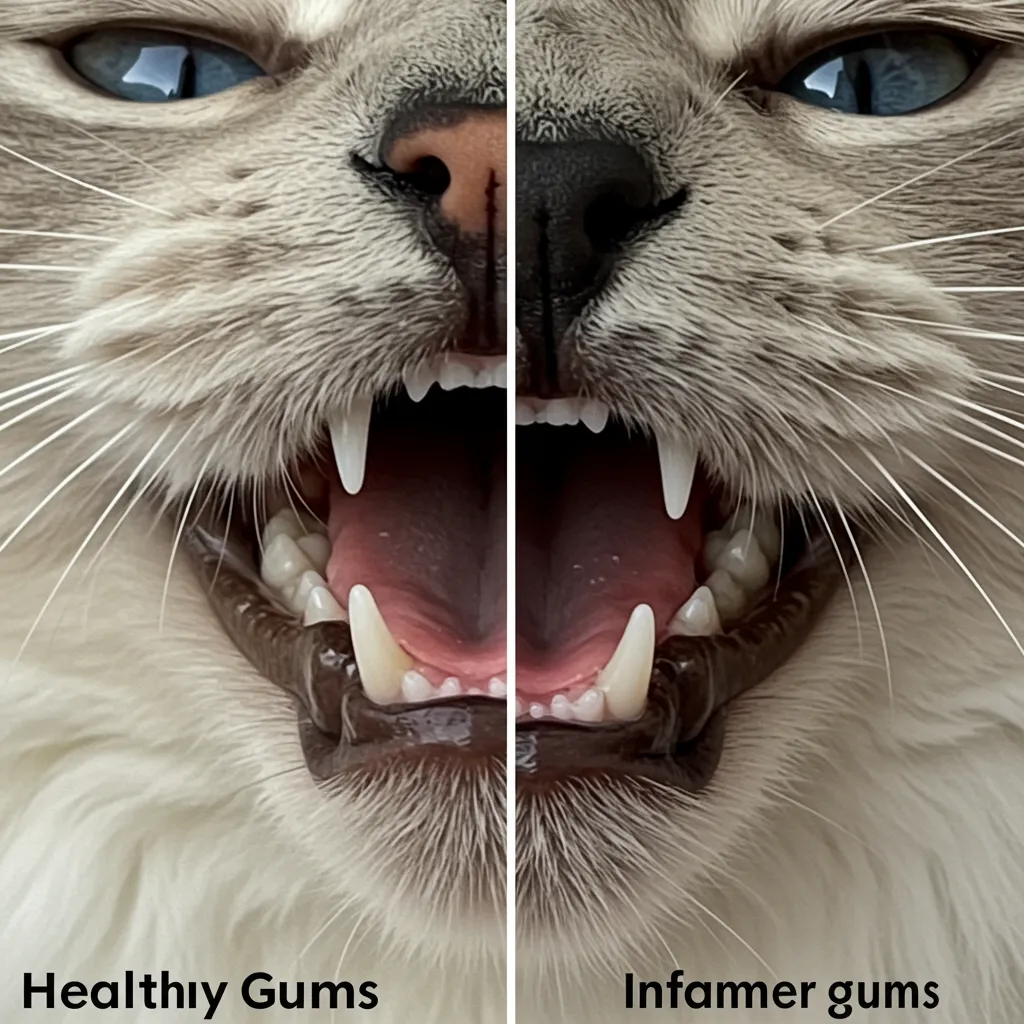
Freshen Ragdoll Cat Breath: Top Remedies That Actually Work
Tired of quick fixes that flop? Let’s arm you with evidence-based remedies for bad breath in Ragdoll cats. From pro interventions to home heroes, these slash bacteria and restore sparkle.
Professional Dental Cleaning for Cats: The Gold Standard Reset
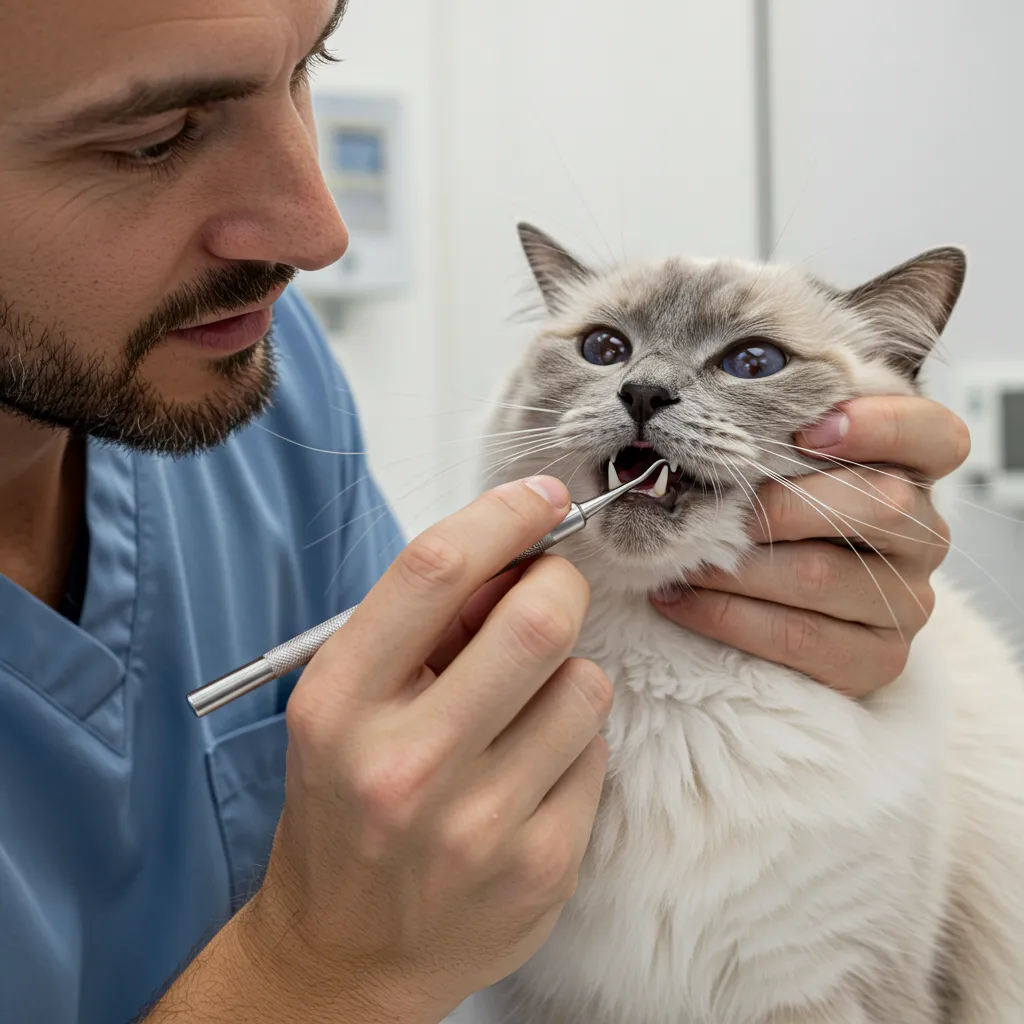
Under anesthesia, vets scale tartar and X-ray for hidden rot. Ideal every 6-12 months for at-risk Ragdolls. Cost? $300-800, but it prevents $2K emergencies. Post-clean: Breath freshens in days.
Home Dental Care Solutions: DIY Dental Care for Cats Done Right
Empower yourself with these at-home wins:
- Brushing Ragdoll Cat Teeth: Use cat-specific toothpaste (no human mint—toxic!). Finger brush first, graduate to tools.
- Cat Dental Hygiene Products: VOHC-stamped gels like Virbac C.E.T. reduce plaque 36%.
Quick fixes for cat bad breath? Rinse with diluted apple cider vinegar (1:10 water) weekly—natural antibacterial.
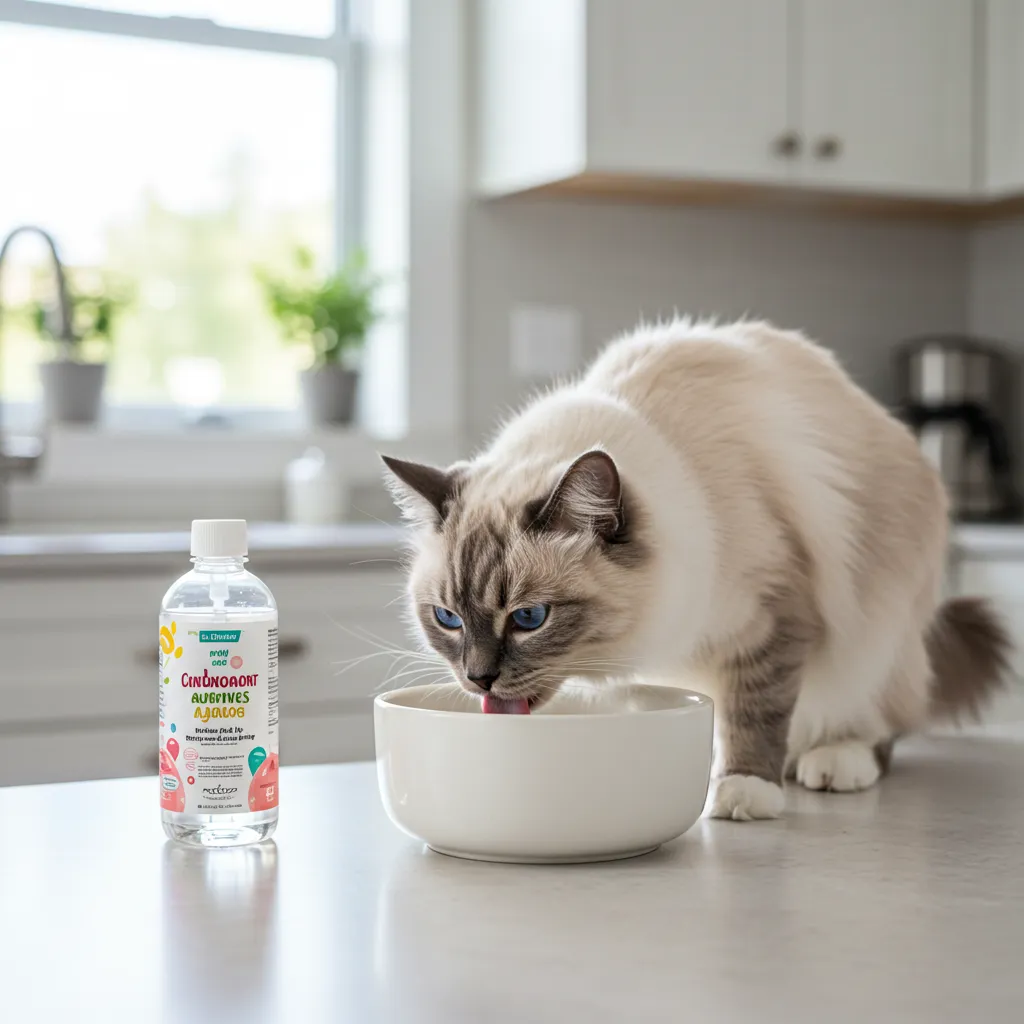
Supercharge with Diet: Ragdoll Cat Diet for Oral Health
Food isn’t just fuel—it’s a dental defender. A Ragdoll cat diet for oral health emphasizes crunch and clean ingredients to combat tooth decay.
High-Quality Cat Food for Dental Health: Picks That Pack a Punch
Opt for AAFCO-approved, low-carb formulas like Royal Canin Ragdoll Adult—tailored for breed jaw structure. Freeze-dried raw like Open Farm Chicken adds abrasive texture.
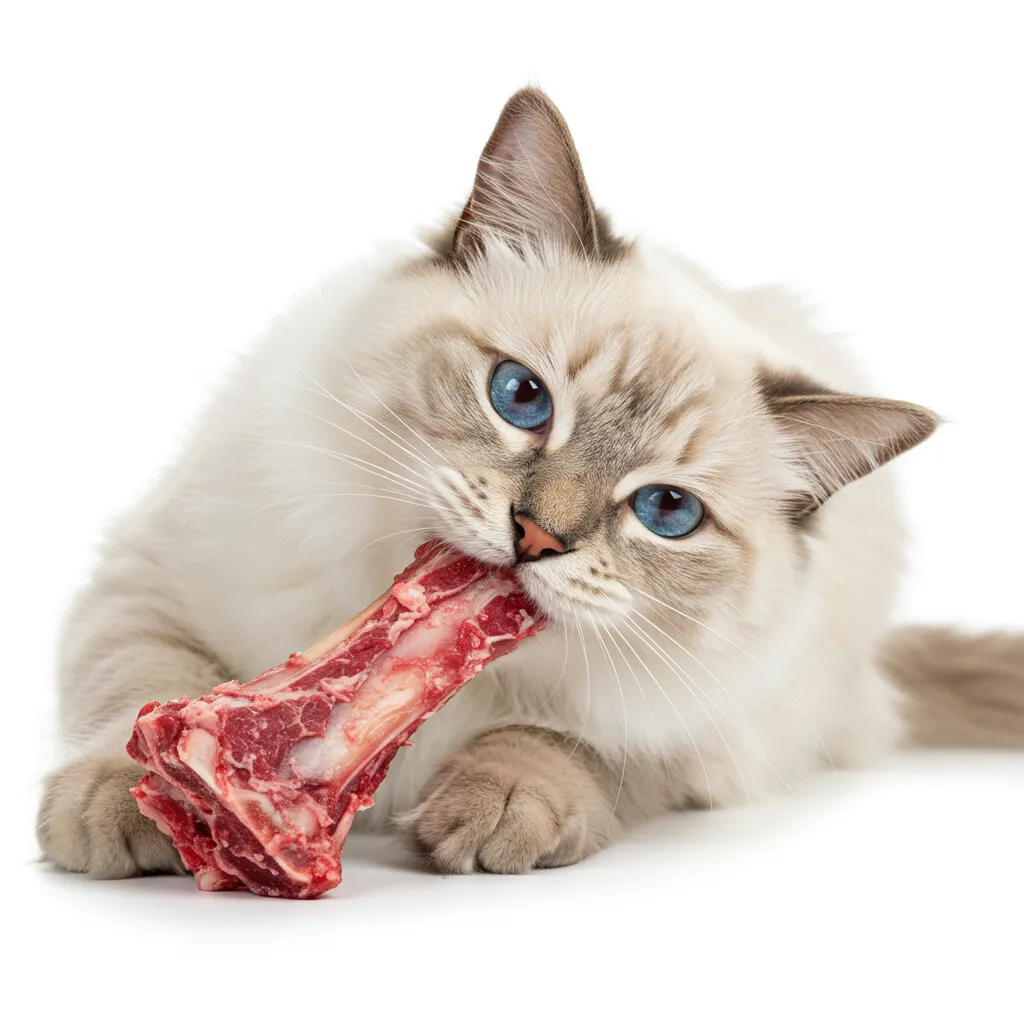
Top 5 Foods Table:
| Food | Key Benefit | Why for Ragdolls? |
|---|---|---|
| Royal Canin Ragdoll | Tartar control kibble | Breed-specific sizing |
| Stella & Chewy’s Raw | Natural scraping | High-protein, low-carb |
| Hill’s Prescription t/d | Proven plaque reduction | Vet-endorsed |
| Open Farm Harvest | Freeze-dried crunch | Allergen-free |
| Orijen Regional Red | Grain-free grit | Supports gum health |
Raw Bones for Cat Dental Health: Nature’s Toothbrush
Safe poultry necks or wings (supervised) scrape buildup. Start small—overdo it, and splinter risks rise. One owner: “My Ragdoll’s breath transformed after weekly raw sessions.”
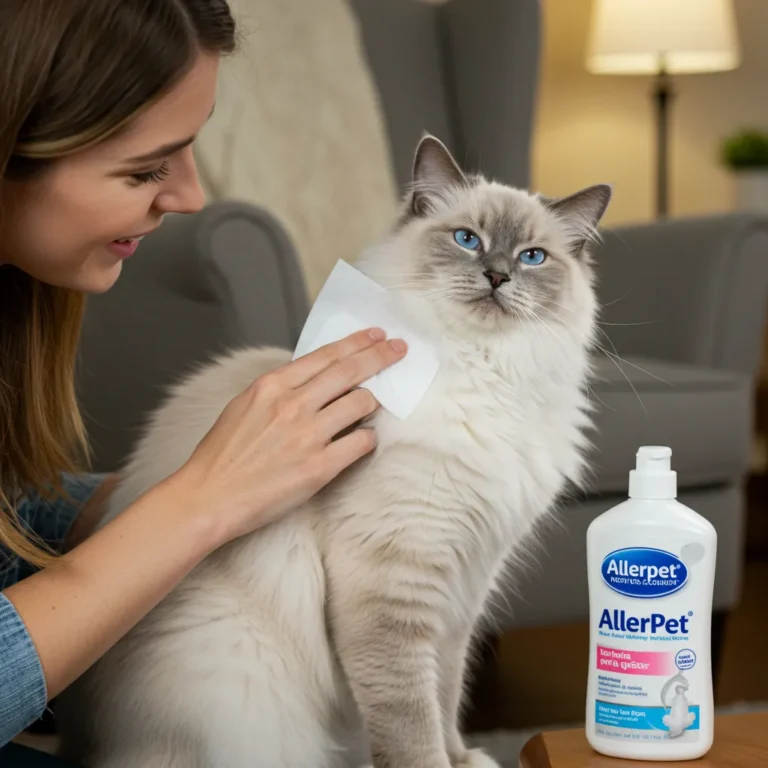
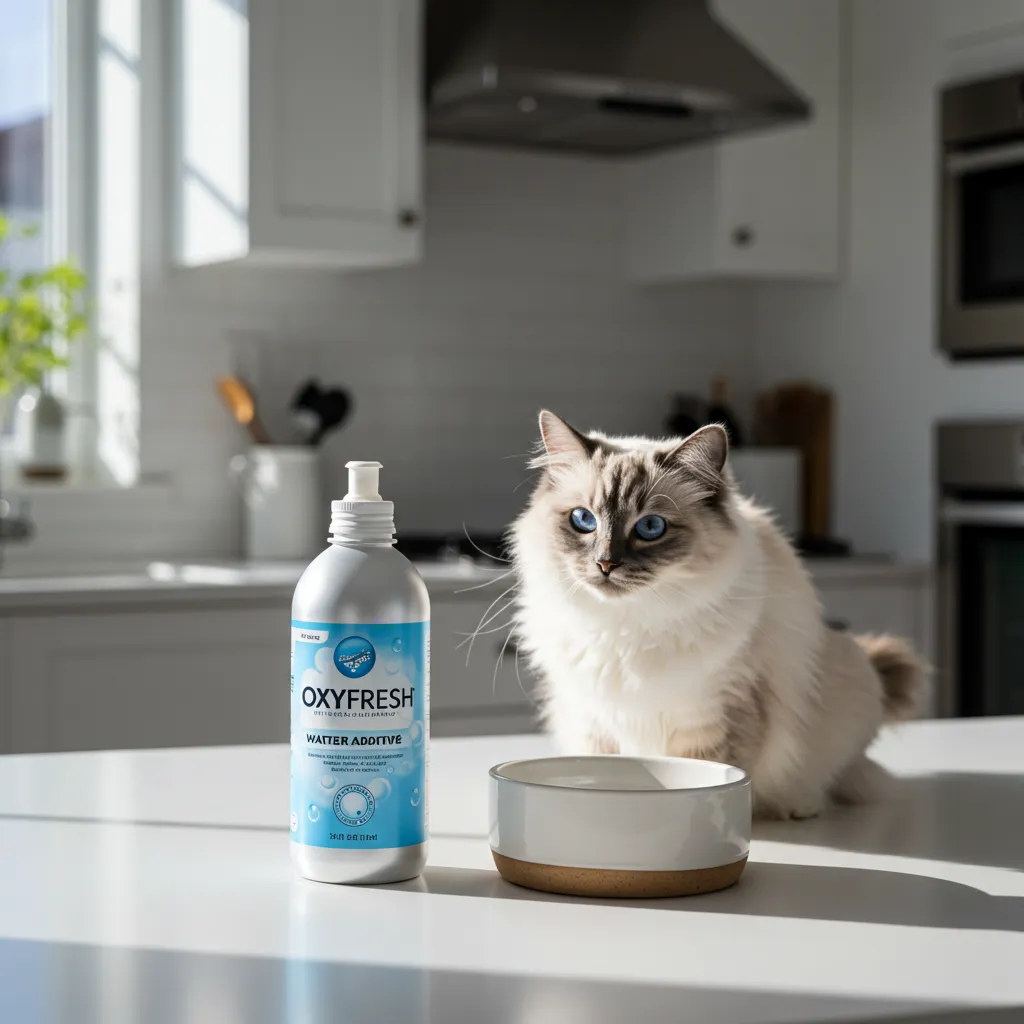
Water Additives: The Effortless Hack to Freshen Ragdoll Cat Breath
Why scrub when you can sip away stink? Cat water additives target bacteria at the source, reducing tartar by 24% in trials.
Best Water Additives for Cat Breath in 2025
Freshen without fuss—these top picks are tasteless and effective:
| Additive | Pros | Cons | Price Range |
|---|---|---|---|
| Oxyfresh Premium | Oxygene-powered, VOHC-approved; breath fresh in days | Slightly pricey | $15-20 |
| TropiClean Fresh Breath | Zinc gluconate fights plaque; cat-specific | Mild flavor some reject | $10-15 |
| Healthy Mouth | Natural enzymes; no alcohol | Slower results | $12-18 |
| Skout’s Honor | Probiotic blend; reduces tartar 14 days | Subscription needed for savings | $15-25 |
Pro tip: Mix per instructions—overdosing dilutes efficacy. Ragdoll owners rave: “Oxyfresh turned my stinker’s bowl into a breath oasis.”
Vet Check-Ups: The Unsung Heroes of Preventing Dental Problems in Cats
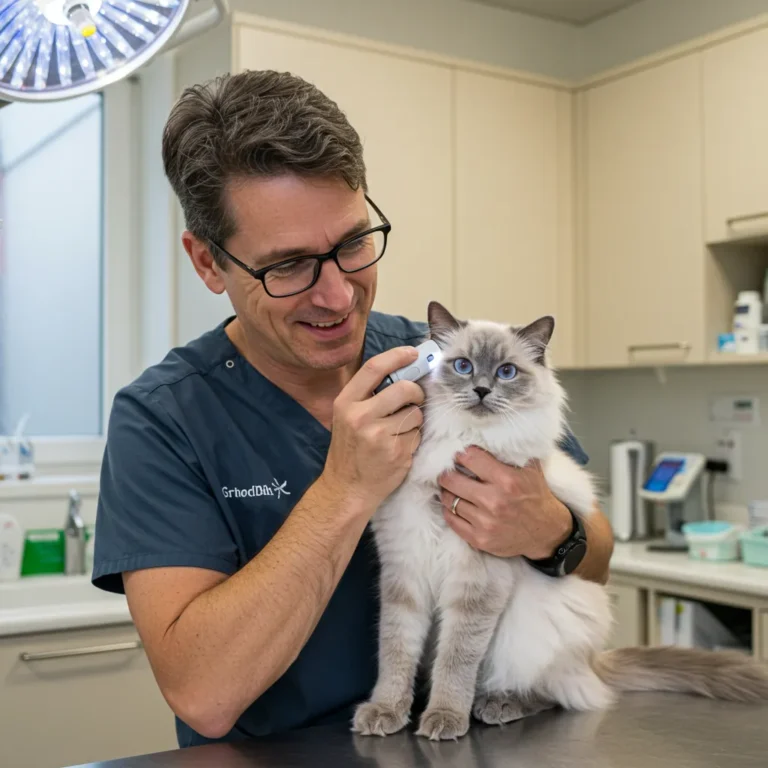
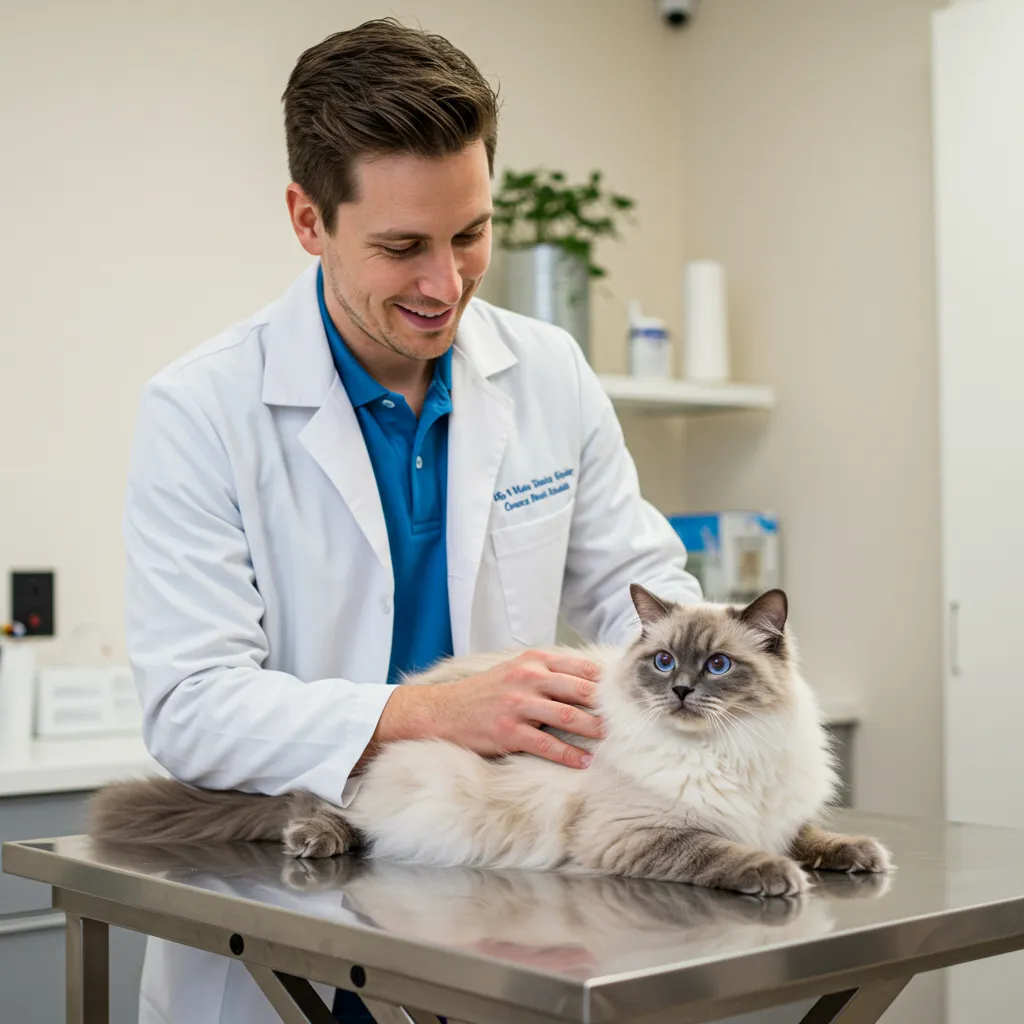
Don’t DIY everything—benefits of vet check-ups for cats include early detection, slashing treatment costs by 60%. Annual orals catch resorption before pain sets in.
Early Detection of Dental Issues: Save Teeth, Save Sanity
Vets spot subtle signs like hidden abscesses. For Ragdolls, bi-annual checks post-3 years are gold.
Professional Advice on Feline Dental Health: Personalized Plans
Get breed-tailored tips: “Your Ragdoll needs softer chews due to jaw sensitivity.” Real win: A routine exam nixed my Luna’s brewing gingivitis.
Natural Remedies for Cat Bad Breath: Gentle, Green Fixes
Prefer holistic? Home remedies for cat bad breath like these keep it natural.
Herbal Remedies for Cat Breath: Safe and Soothing
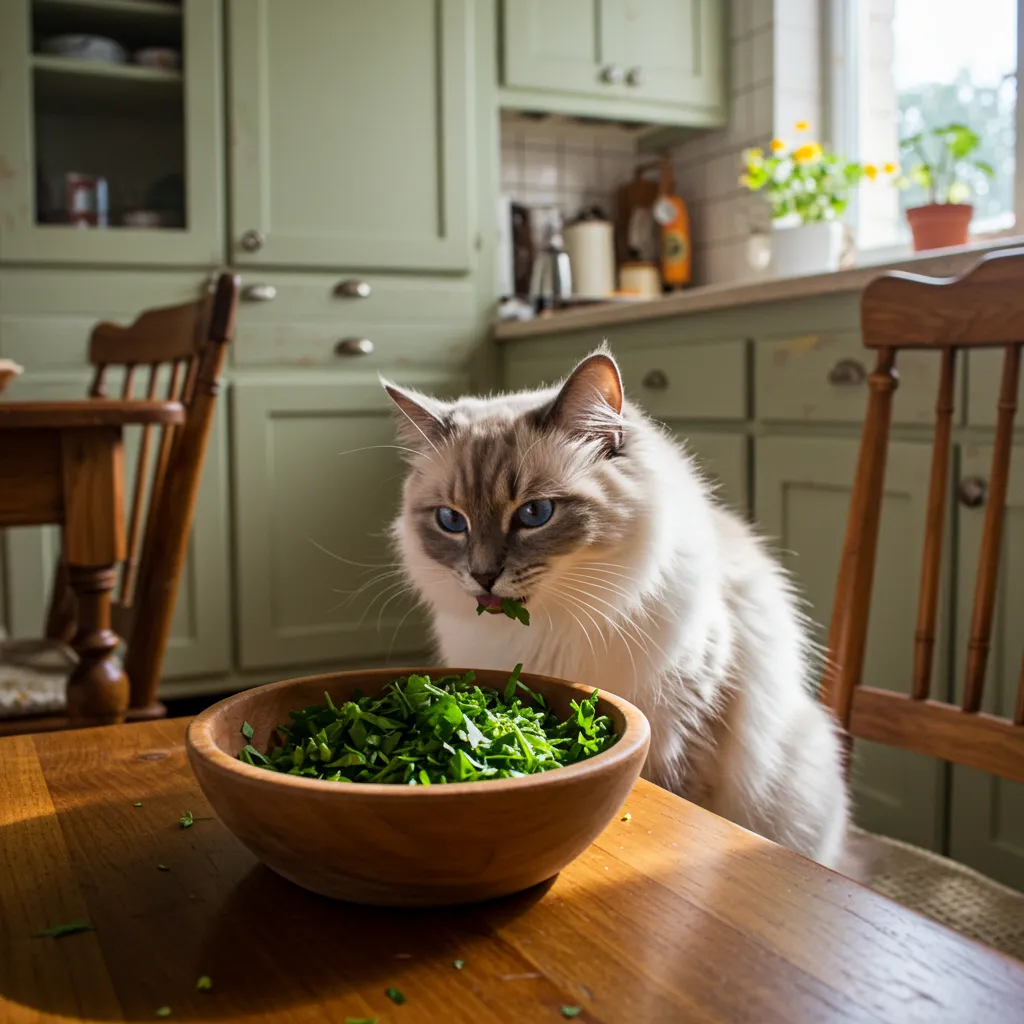
- Parsley Power: Chop fresh into meals—chlorophyll neutralizes odors.
- Coconut Oil Swish: Dab on gums; antimicrobial magic reduces inflammation.
- Lemon Rinse: Diluted drops in water (sparingly—acidic).
DIY Dental Care for Cats: Recipes from the Pros
Step-by-step: Herbal mouth drops—mix aloe vera gel + calendula tincture (1:1), apply via dropper. Test small; consult vet.
One caveat: Skip essential oils undiluted—they’re toxic.
Brushing Like a Boss: Fun Ways to Brush a Ragdoll Cat’s Teeth
Dread the brush battle? Modern tools for brushing cat teeth make it playtime.
Choosing the Right Tools: Cat Toothpaste for Long-Haired Cats
Go for poultry-flavored gels sans xylitol. Dual-head brushes navigate Ragdoll’s fluffy mouths. Top pick: Virbac kit—ergonomic for floppy jaws.
Step-by-Step Cat Tooth Brushing Guide: Zero Stress Edition
- Prep Party: Let your Ragdoll sniff tools; reward curiosity.
- Finger Intro: Massage gums with flavored paste—30 seconds.
- Tool Time: Angle brush 45°; focus back molars. Sing a tune—distraction wins.
- Treat Triumph: End with a dental chew. Sessions: 3x/week.
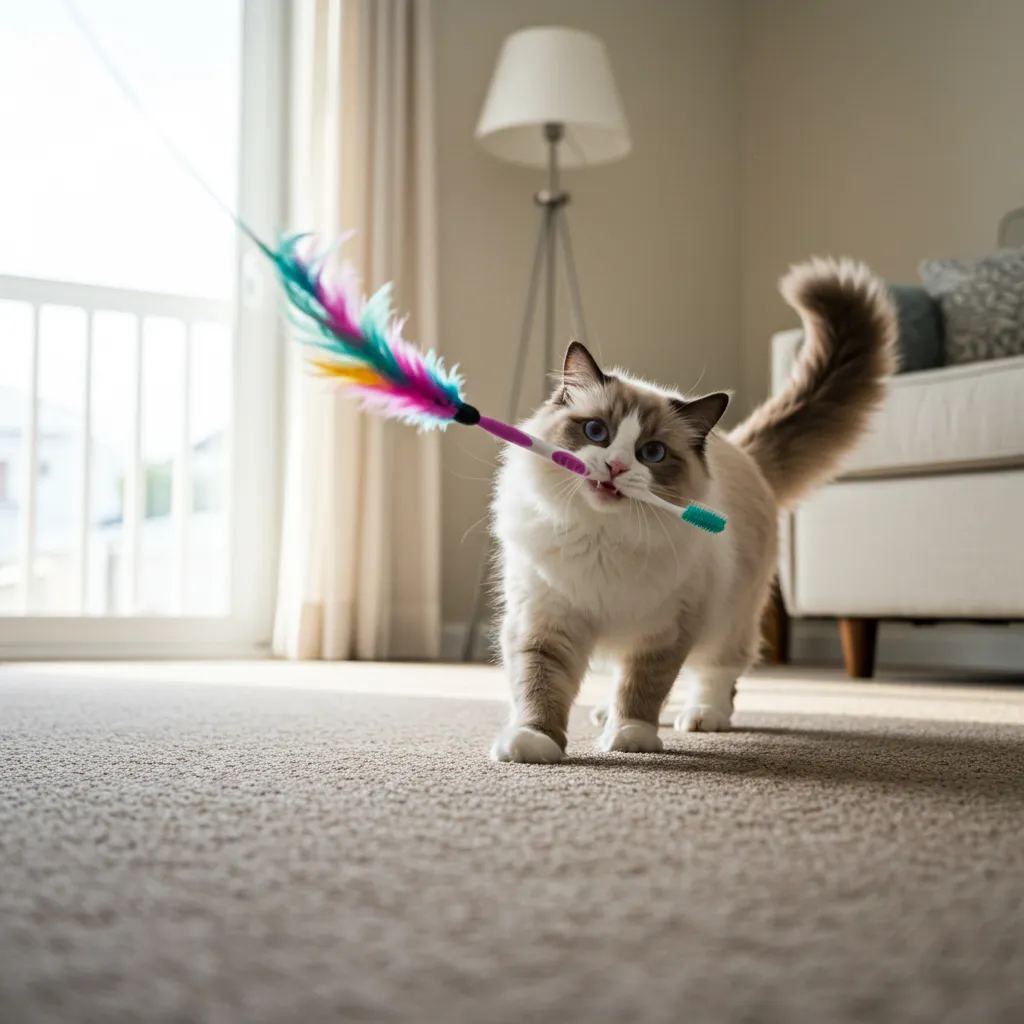
For long-haired breeds: Trim fur around mouth pre-brush. Fun twist: Use a feather toy as “chase the brush.”
Pro Hacks for Reluctant Ragamuffins
- Warm paste slightly for appeal.
- Vertical sessions during cuddles.
- Track wins in a journal—motivation boost.
Quick Fixes and Long-Term Wins: Preventing Dental Problems in Cats
For instant relief: Yogurt probiotics (plain, cat-safe) or greenie treats. Long-game? Maintain healthy teeth in cats via hybrid routines—80% owners see results in a month.
Ragdoll cat oral care 2023/2024 trends? Probiotic-infused foods and app-tracked hygiene.
Wrapping It Up: Breathe Easy with Your Ragdoll in 2025
Whew—we’ve covered the gamut from causes of bad breath in cats to step-by-step routines, natural remedies, and vet wisdom. Key takeaways? Prioritize Ragdoll cat oral hygiene with brushing, smart diets, water additives, and check-ups to dodge dental disasters. Your floppy friend deserves pain-free purrs and kissable breath—start small today, like adding Oxyfresh to their bowl.
Ready to transform? Grab that toothbrush, snag a VOHC additive from Chewy, and book a dental peek. Share your wins in the comments—what’s your go-to breath buster? Subscribe for more Ragdoll tips, and check our related post on breed-specific diets. Here’s to fresh snuggles—cheers!
FAQ: Your Burning Questions on Bad Breath in Ragdoll Cats
What are some quick fixes for a Ragdoll cat’s bad breath?
Chop fresh parsley into meals or add a splash of diluted apple cider vinegar to water—natural deodorizers that work in hours. For lasting results, pair with brushing.
What causes bad breath in Ragdoll cats? Primarily dental plaque leading to gum disease, plus diet residues or systemic issues like kidney problems. Ragdolls’ tooth crowding accelerates it.
How can I deal with my Ragdoll cat’s bad breath at home? Brush 3x/week with enzymatic paste, use water additives like TropiClean, and offer dental chews. Diet switch to crunchy kibble helps too.
Why is oral hygiene important for Ragdoll cats? Prevents painful infections, tooth loss, and heart risks from bacteria. Healthy mouths mean happier, longer lives—up to 2 extra years!
What are common dental problems in Ragdoll cats? Periodontal disease, tooth resorption, and stomatitis due to genetic crowding. Early brushing cuts risks by half.
What are the best remedies for bad breath in Ragdoll cats? VOHC water additives (Oxyfresh tops lists), professional cleanings, and raw bones for scraping. Natural? Coconut oil gums.
Can diet affect my Ragdoll cat’s breath? Absolutely—high-quality, abrasive foods like Stella & Chewy’s raw reduce plaque. Avoid wet-only diets that leave residues.
How do water additives help in freshening a cat’s breath? They kill odor-causing bacteria via enzymes or zinc, reducing tartar without effort. Results in 14 days for most.
Why are regular vet check-ups important for my Ragdoll cat’s dental health? They catch hidden issues like abscesses early, preventing costly extras. Bi-annual for adults over 3.
Are there natural remedies for combating bad breath in Ragdoll cats? Yes—parsley for chlorophyll boost, diluted lemon rinses, or omega-3 rubs. Always vet-check for safety.
How can I make tooth brushing fun and easy for my Ragdoll cat? Start with finger massages and treats; use flavored paste and toys as distractions. Short, positive sessions build trust