Ragdoll Cat Watery Eyes: Uncovering Causes, Symptoms, and Proven Solutions for Your Fluffy Friend
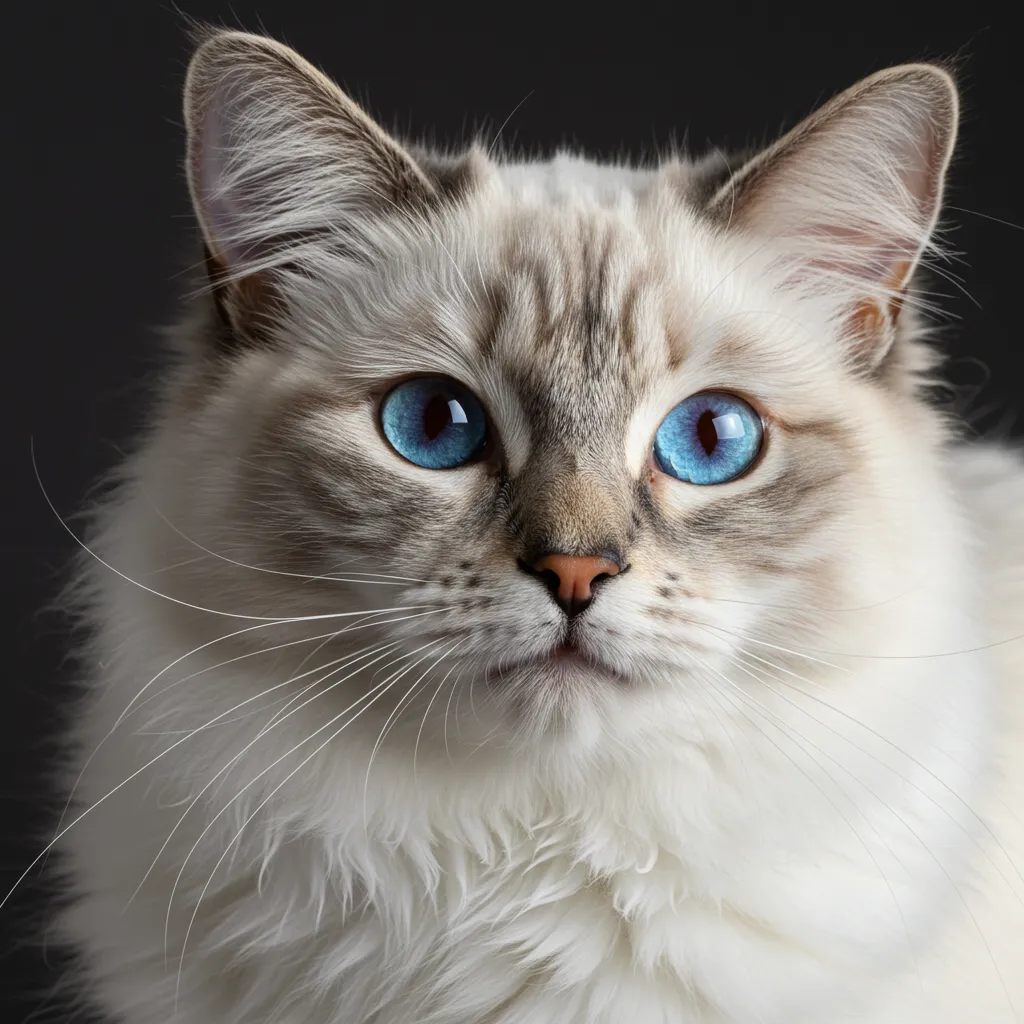
Imagine this: You’re cuddling with your adorable Ragdoll cat, gazing into those stunning blue eyes, when you notice something off—tears streaming down their furry face, leaving behind unsightly stains.
If you’ve ever wondered, “Why does my Ragdoll cat have watery eyes?” you’re not alone. Watery eyes in Ragdoll cats, also known as epiphora, is a common issue. It can come from simple irritants or more serious eye problems like infections or drainage issues.
As a cat lover myself, I’ve seen how distressing this can be. The good news is that with the right knowledge, you can tackle it head-on. This guide shares expert insights, actionable tips, and real-life examples to help keep your kitty’s eyes clear and healthy.
Key Takeaways on Watery Eyes in Ragdoll Cats
Before we jump in, here’s a quick snapshot of what you’ll learn to make this article your go-to resource for Ragdoll cat eye care:
- Common Causes: From feline herpes virus eyes to brachycephalic cat eye issues, understand why Ragdolls are prone to watery eyes.
- Symptoms to Spot: Look out for cat eye redness and swelling, excessive blinking, or pawing at eyes—these are red flags.
- Treatment Options: Explore watery eyes in cats treatment, including the best cat eye drops 2025 and cat watery eyes home remedies.
- Prevention Strategies: Simple steps like how to clean cat eyes can help in preventing cat eye infections.
- When to See a Vet: Don’t ignore chronic cat eye inflammation; early action can prevent cat glaucoma risks and blindness.
Armed with this, you’ll feel confident handling Ragdoll cat health issues related to the eyes. Let’s break it down step by step.
Understanding Watery Eyes in Ragdoll Cats: The Basics
Watery eyes in Ragdoll cats aren’t just a cosmetic nuisance—they’re often a sign that something’s amiss with your cat’s ocular health. Technically called epiphora, this condition happens when tears overflow instead of draining properly through the nasolacrimal ducts. Ragdolls, with their semi-long fur and somewhat flattened facial structure in some lines, are particularly susceptible to Ragdoll eye problems like this. Unlike a quick tear from dust, persistent watery eyes can lead to cat tear stains, skin irritation, and even secondary infections if left unchecked.
Think of it like a leaky faucet: The tears are produced normally to lubricate the eyes, but if the “drain” is clogged or overproduction kicks in due to irritation, overflow happens. In my experience chatting with fellow cat owners on forums, many Ragdoll parents notice this starting in kittenhood, especially if there’s a history of feline upper respiratory issues. But don’t worry—most cases are manageable with proper care.
What Exactly Causes Watery Eyes in These Fluffy Felines?
The root causes of Ragdoll cat watery eyes can vary, but they generally fall into a few categories. Here’s a breakdown:
- Overproduction of Tears: This occurs when the eyes are irritated, leading to excess tears as a protective response.
- Poor Drainage: Blocked or narrow tear ducts prevent tears from flowing into the nose, causing spillover.
- Breed-Specific Traits: While not as extreme as Persians, some Ragdolls have brachycephalic features that affect eye drainage.
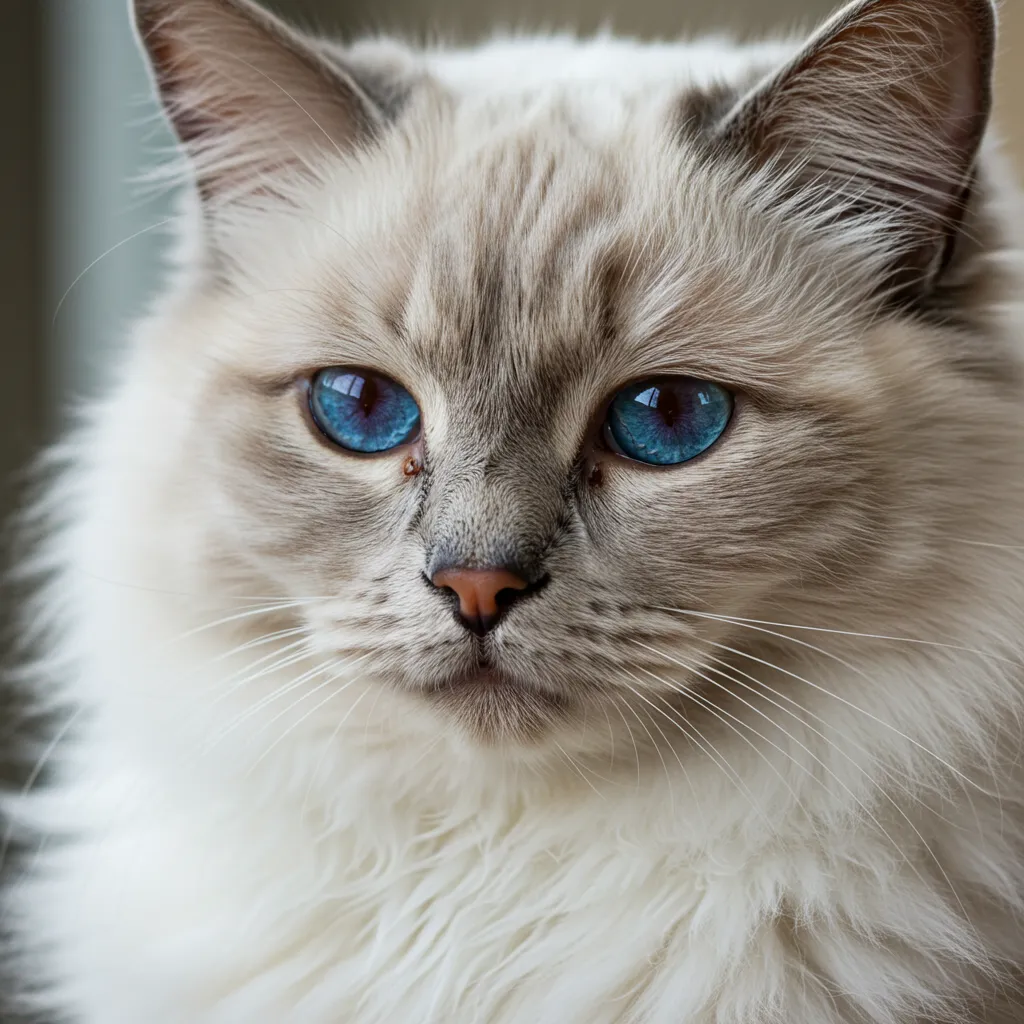
Real-life example: One Ragdoll owner shared on Reddit how their cat’s persistent eye discharge turned out to be from allergies, cleared up with simple environmental changes. Spotting the cause early is key to effective treatment.
Common Symptoms Associated with Watery Eyes
If your Ragdoll is dealing with watery eyes, you’ll likely see more than just tears. Keep an eye out for these telltale signs of eye irritation in cats:
- Cat Excessive Blinking or Squinting: Your cat might blink rapidly or keep one eye partially closed to shield it from light or discomfort.
- Cat Eye Redness and Swelling: The whites of the eyes or surrounding tissues may appear pink or inflamed.
- Cat Pawing at Eyes: Frequent rubbing or scratching indicates itchiness or pain.
- Ragdoll Cat Eye Discharge: This could be clear and watery or thick and colored, signaling infection.
- Cat Tear Stains: Brownish streaks under the eyes, especially noticeable on light-furred Ragdolls.
If you notice a combination of these, it’s time to investigate further. For instance, symptoms of eye problems in cats like redness combined with discharge often point to cat eye infections.
| Symptom | What It Looks Like | Possible Cause |
|---|---|---|
| Watery Discharge | Clear, constant tearing | Allergies or irritants |
| Thick, Yellow/Green Discharge | Goopy, colored buildup | Bacterial infection |
| Redness/Swelling | Pink eyes, puffy lids | Inflammation or virus |
| Pawing/Blinking | Rubbing face, squinting | Pain or foreign body |
This table can help you quickly assess what’s going on—always consult a vet for confirmation.
Why Does My Ragdoll Cat Have Watery Eyes? Digging Deeper into Causes
Let’s get specific about why your Ragdoll might be sporting that teary look. From my research and talks with vets, Ragdoll cat eye discharge causes often tie back to a mix of genetics, environment, and health factors.
Physical Irritation: Everyday Culprits
Sometimes, it’s as simple as something in the environment bugging your cat’s eyes. Common triggers include:
- Dust, Pollen, or Allergens: Ragdolls’ long fur can trap particles, leading to eye irritation in cats.
- Foreign Bodies: A speck of litter or hair getting stuck.
- Eyelid and Eyelash Abnormalities: Conditions like entropion (inward-rolling lids) can rub against the cornea, causing tears.
Pros and Cons of Home Checks:
- Pros: Quick to spot obvious irritants.
- Cons: Might miss underlying issues; always follow up with a pro.
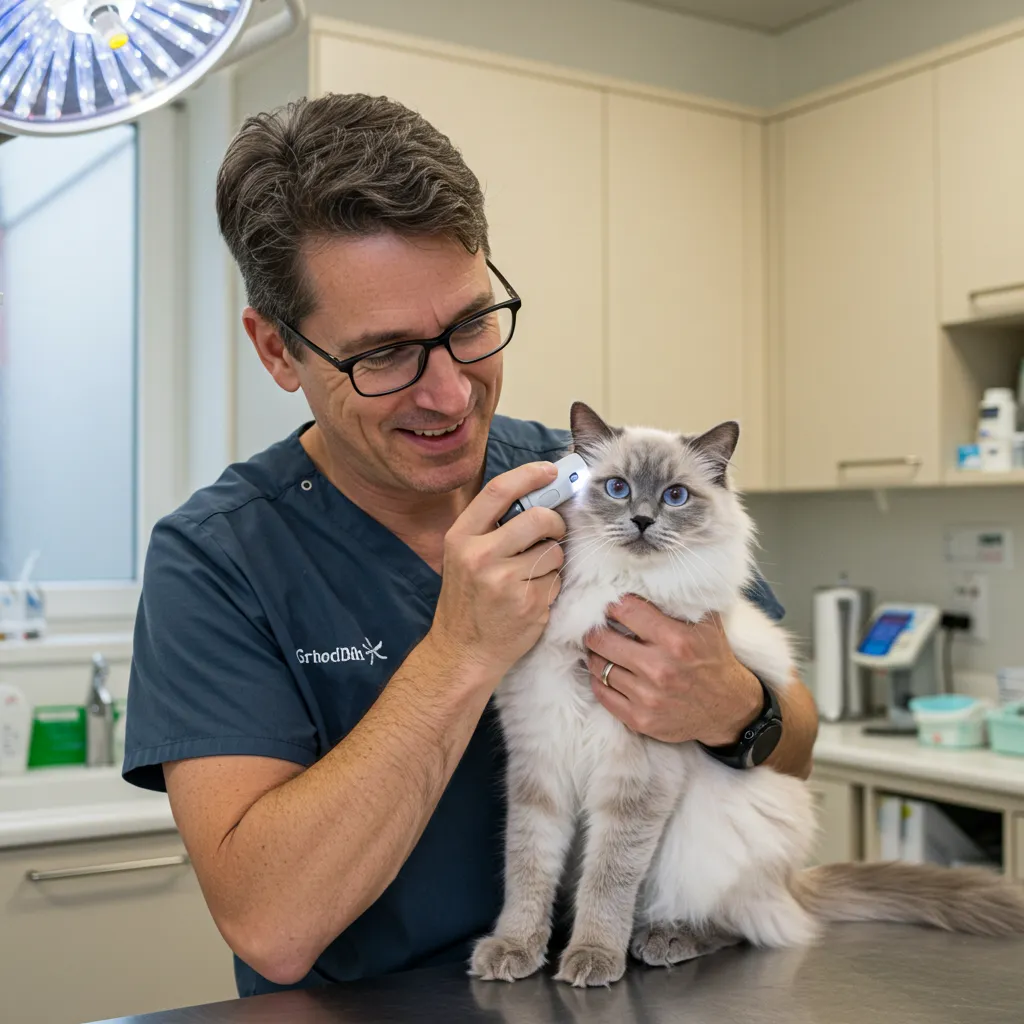
Chronic Infections and Inflammation: The Sneaky Offenders
Chronic cat eye inflammation is a big player here, often linked to viral or bacterial issues.
- Cat Eye Infections: Bacterial ones cause pus-like discharge, while viral like feline herpes virus eyes lead to watery, recurrent problems.
- Herpes Virus in Cats: Up to 80% of cats carry this latent virus, which flares up under stress, causing sneezing, discharge, and watery eyes. Ragdolls in multi-cat homes are at higher risk.
Step-by-Step Guide to Spotting Infection:
- Check for discharge color—yellow/green means bacteria.
- Note if both eyes are affected (often viral).
- Monitor for sneezing or lethargy.
- Visit the vet for swabs if persistent.
The Role of Tear Drainage Problems in Ragdoll Cats
Tear drainage issues are a top reason for watery eyes in Ragdoll cats, especially if they’re on the brachycephalic side.
Brachycephalic Breed Characteristics and Eye Drainage Problems
Brachycephalic cats eye drainage problems arise from shorter nasal passages and shallow eye sockets, common in breeds like Persians but also seen in some Ragdolls. This can lead to blocked ducts, causing tears to spill over.
Example: A Ragdoll with a flatter face might have more pronounced issues, leading to constant tear stains.
Jones Test for Tear Drainage: What It Is and Why It Matters
The Jones test tear drainage cats is a simple vet procedure to check duct patency. Fluorescein dye is dropped into the eye; if it appears at the nose within minutes, drainage is normal. If not, there’s a blockage.
How It’s Done:
- Drop dye in eye.
- Wait 5-10 minutes.
- Check nose for green stain.
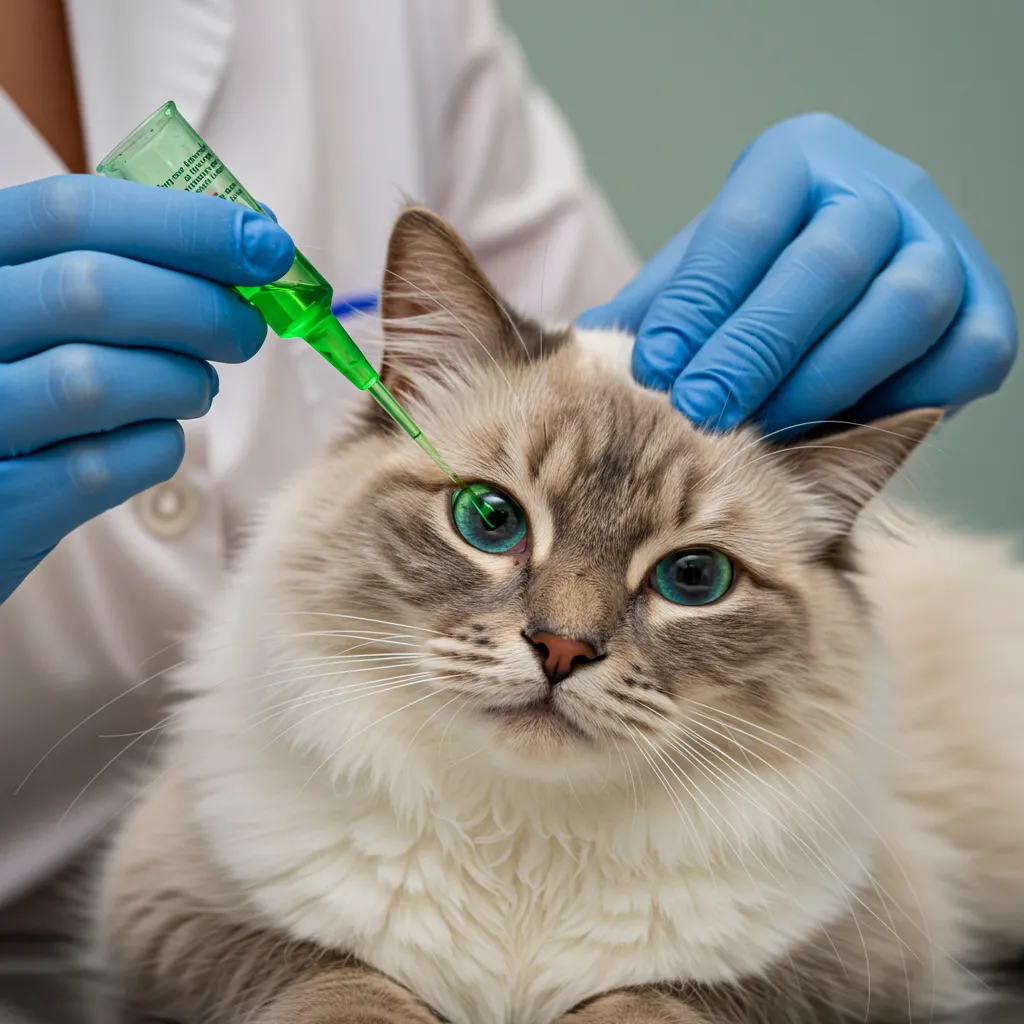
This test helps diagnose if surgery or flushing is needed.
Common Eye Health Issues in Ragdoll Cats
Ragdolls aren’t immune to common cat eye diseases. Here’s what to watch for.
Infections: Viral and Bacterial Breakdown
Viral infections like FHV-1 cause lifelong flare-ups, while bacterial need antibiotics.
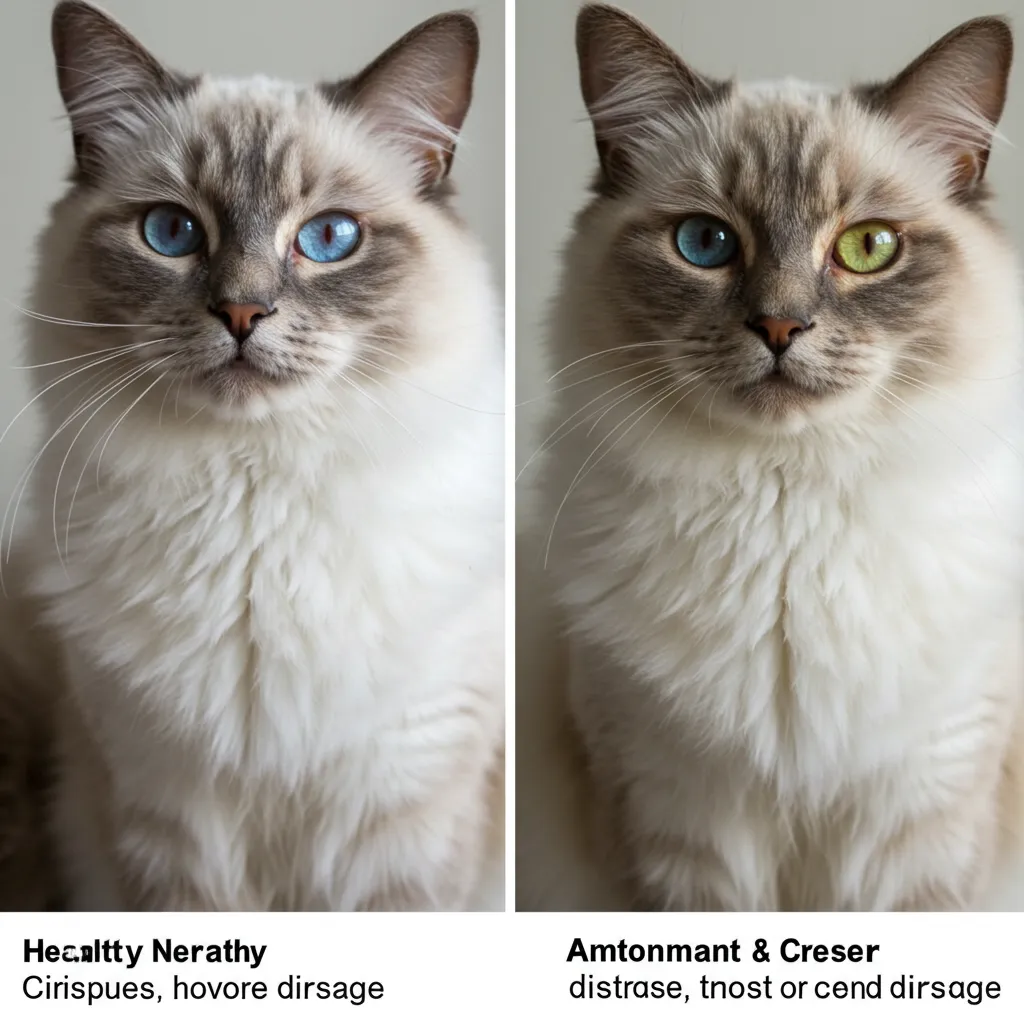
Normal vs. Abnormal Eye Discharge
Normal: Small, clear crust in corners.
Abnormal: Colored, excessive, or with swelling.
Physical Causes of Eye Irritation
Beyond infections, physical factors like allergens or trauma play a role.
Signs and Symptoms to Watch For
Recap: Redness, swelling, blinking, pawing—act fast!
Potential Complications from Untreated Watery Eyes
Ignoring Ragdoll cat chronic eye issues can lead to:
- Corneal Ulcers: Scratches that scar.
- Cat Glaucoma Risks: High pressure causing pain and blindness.
- Blindness Risks: Prevention is key with early treatment.
Cat blindness prevention involves regular check-ups and prompt care.
Home Care Tips for Your Ragdoll Cat’s Eyes
Ragdoll cat eye care at home can make a big difference.
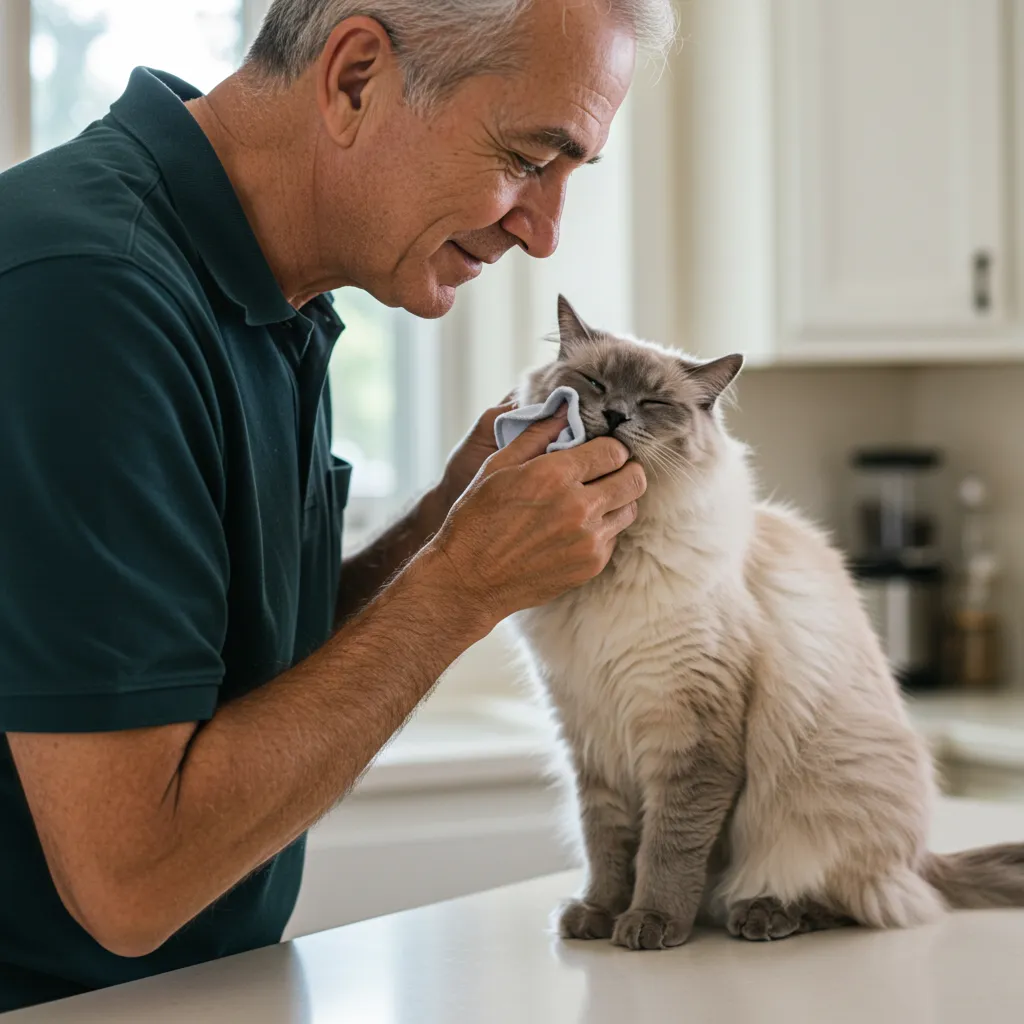
Regular Cleaning Routine: How to Clean Cat Eyes Safely
Step-by-Step:
- Use a soft, damp cloth with boiled water.
- Wipe from inner corner outward.
- Do daily for prevention.
Home Remedies for Cat Watery Eyes
- Warm Compress: Apply for 5 minutes to soothe.
- L-Lysine Supplements: For viral control.
- Chamomile Tea Rinse: Gentle antiseptic.
Always vet-approve remedies.
Best Cat Eye Drops 2025: Over-the-Counter Picks
Top recommendations:
- Vetericyn Plus: Antimicrobial wash.
- Terramycin Ointment: For infections.
- Ofloxacin Solution: Antibiotic drops.
| Product | Best For | Price Range (2025) |
|---|---|---|
| Vetericyn Plus | Irritation relief | $10-15 |
| Dr. Pol Incredi-Pol | General care | $12-18 |
| PetSilver | Natural option | $15-20 |
Preventing Cat Eye Infections and Long-Term Care
Preventing cat eye infections starts with:
- Vaccinations against viruses.
- Clean environment.
- Regular grooming to avoid hair in eyes.
Check our related post on Ragdoll Cat Bathing Guide.
Conclusion: Keeping Your Ragdoll’s Eyes Bright and Tear-Free
We’ve covered everything from causes like Ragdoll cat eye discharge to treatments including how to stop watery eyes in cats. Remember, early detection and consistent care are your best tools against Ragdoll cat chronic eye issues. If symptoms persist, book that vet visit—your fluffy companion deserves it. Have you dealt with watery eyes in your Ragdoll? Share in the comments below, and don’t forget to subscribe for more cat health tips. Let’s keep those blue eyes sparkling!
FAQ
What Causes Watery Eyes in Ragdoll Cats?
Watery eyes in Ragdoll cats are often due to infections, allergies, or tear drainage issues like blocked ducts.
What Are Some Common Symptoms Associated with Watery Eyes?
Look for cat excessive blinking, redness, swelling, pawing, and discharge.
How Does Being a Brachycephalic Breed Affect Ragdolls?
Brachycephalic cat eye issues in Ragdolls can cause poor drainage and increased irritation.
What is the Jones Test for Tear Drainage?
It’s a dye test to check if tears drain properly from eye to nose.
How Do Chronic Infections and Inflammation Affect Ragdoll Cats?
They lead to recurrent watery eyes, discharge, and potential complications like ulcers.
What Are the Differences Between Normal and Abnormal Eye Discharge?
Normal is minimal and clear; abnormal is colored, thick, or excessive.
What Physical Irritations Can Cause Watery Eyes?
Dust, allergens, or eyelid abnormalities like entropion.
What Are Potential Complications from Untreated Watery Eyes?
Corneal ulcers, glaucoma, and blindness if ignored.
How Can I Provide Home Care for My Ragdoll Cat’s Eyes?
Use warm compresses, clean gently, and try approved remedies like L-lysine.
What Symptoms Indicate an Eye Health Issue in My Ragdoll Cat?
Redness, swelling, discharge, blinking, and pawing signal problems.