Ragdoll Cat Bathing: The Ultimate Guide to How Often to Bathe a Ragdoll Cat and Mastering Grooming for a Happy, Healthy Feline
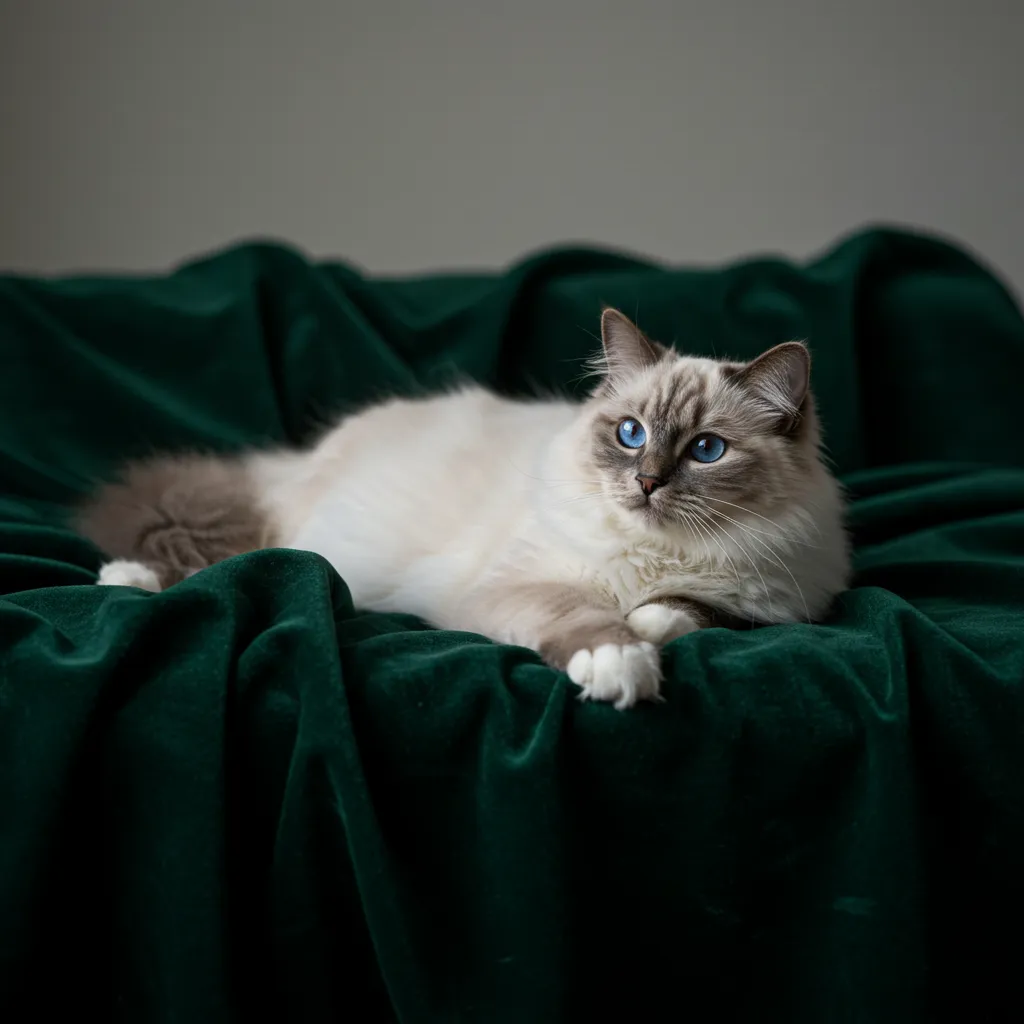
Imagine this: Your gorgeous Ragdoll cat flops into your lap, those striking blue eyes gazing up at you, and their silky fur feels like a cloud under your fingers. But then you notice a bit of dirt from their latest adventure or a subtle tangling starting to form. As a Ragdoll owner, you’ve probably wondered about Ragdoll cat bathing—how often is too often? Is it even necessary? You’re not alone. Many Ragdoll parents face the challenge of keeping that luxurious coat pristine without stressing out their laid-back kitty. That’s where this guide comes in. As a seasoned cat enthusiast with years of experience in feline care (drawing from insights by organizations like the ASPCA and TICA), I’ll walk you through everything you need to know about Ragdoll cat grooming, Ragdoll cat fur care, and the right Ragdoll cat bath frequency. By the end, you’ll have actionable tips to make bath time a breeze, prevent mats and tangles, and keep your fluffy friend looking show-ready. Let’s dive in—no pun intended!
Understanding the Unique Fur of Ragdoll Cats
Ragdolls aren’t your average feline—their fur is a standout feature that sets them apart from other breeds. Let’s break it down so you can appreciate why proper Ragdoll cat fur care is essential.
Ragdoll Cat Fur Texture and Length: What Makes It Special?
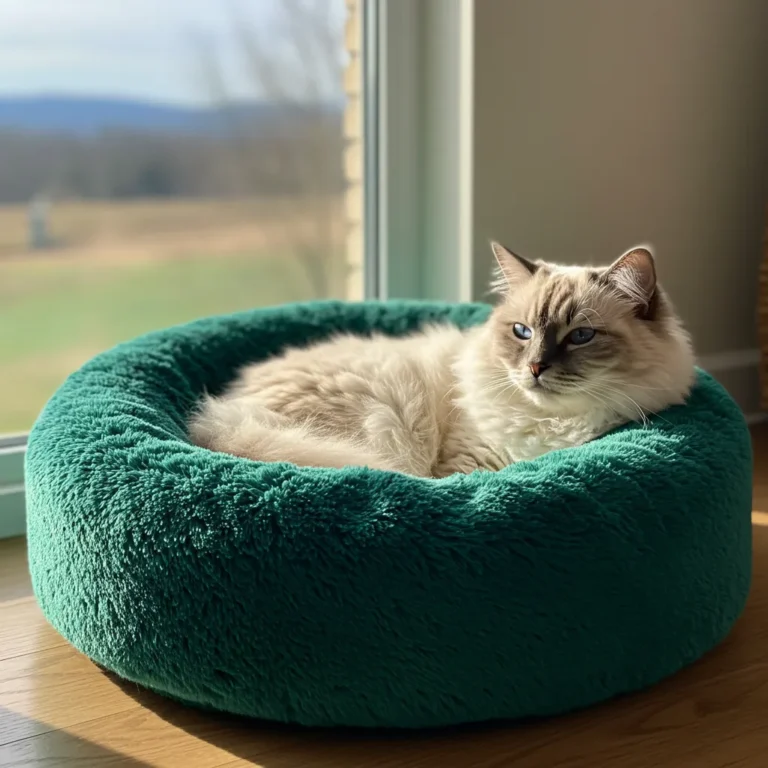
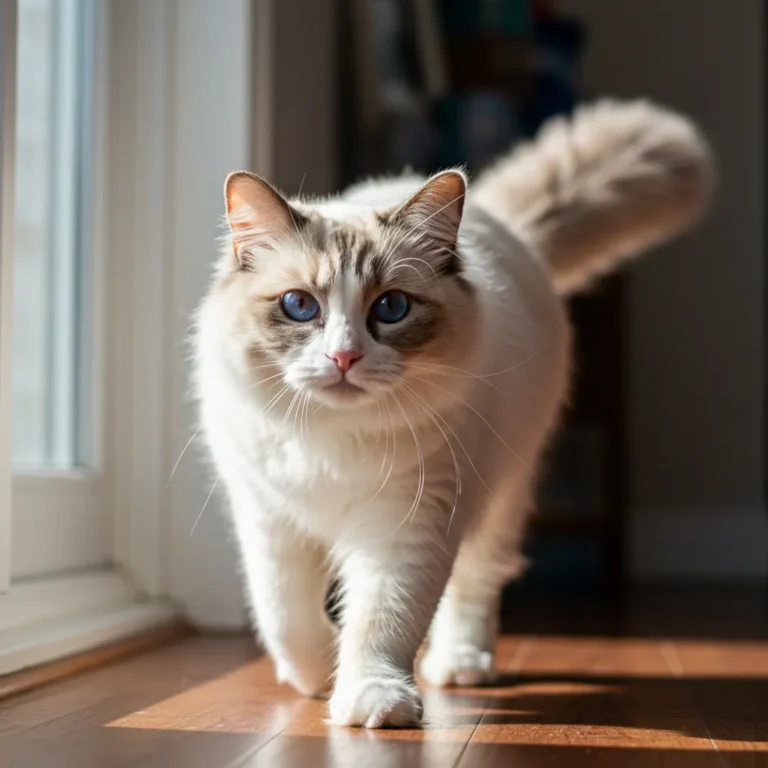
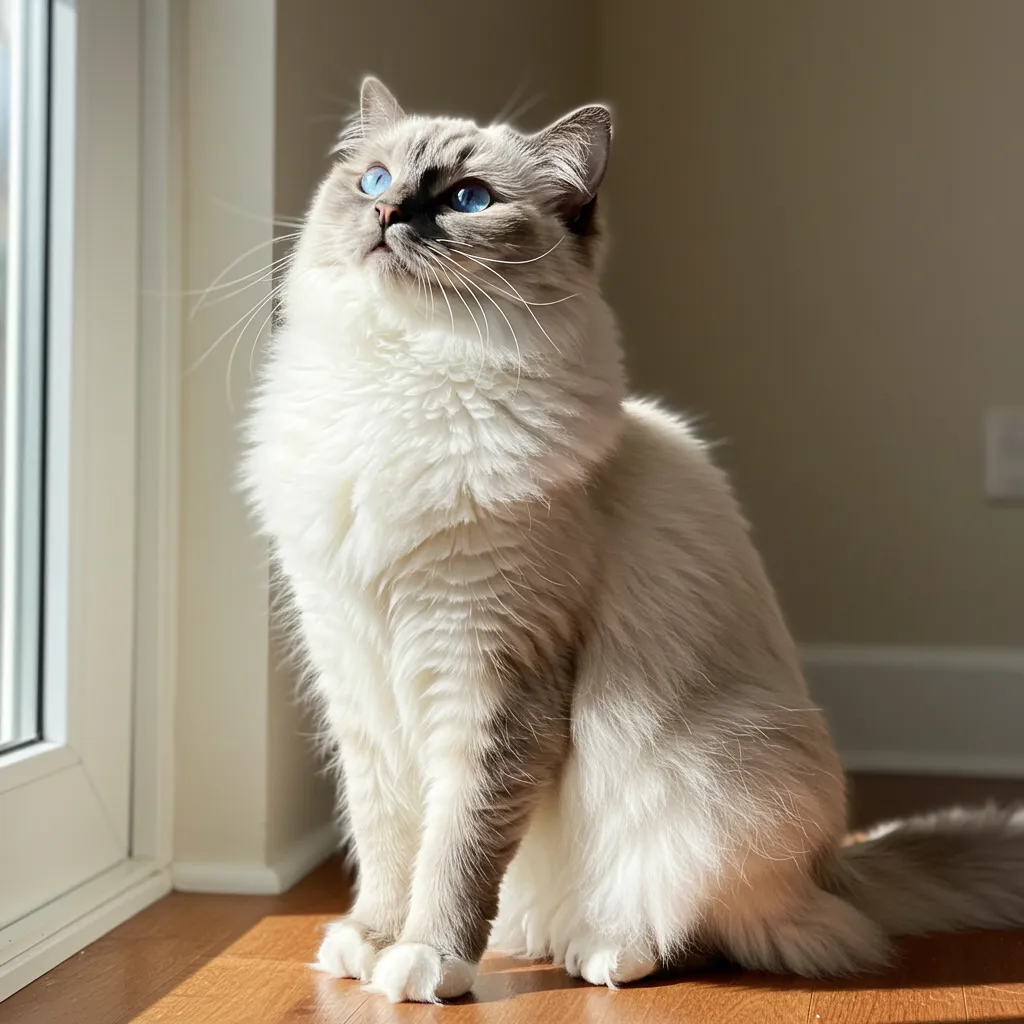
Ragdoll cats boast a semi-long coat that’s silky, soft, and often compared to rabbit fur. The texture is plush with minimal undercoat, which means less matting than you’d expect from other long-haired cats like Persians or Maine Coons. However, the length varies: It’s longer around the neck (forming a cute “lion’s mane”), chest, and tail, while shorter on the body. This uneven distribution can lead to tangles if not maintained, especially in high-friction areas like the underbelly or behind the ears.
From my experience chatting with Ragdoll owners on platforms like Reddit and X (formerly Twitter), the fur’s silkiness is a double-edged sword—it’s low-shedding year-round but can get greasy or collect dirt indoors. TICA describes it as having a “soft, silky texture that’s infinitely touchable,” which is spot on. But without regular care, that beautiful coat can turn into a nightmare of mats, affecting your cat’s comfort and health.
Special Needs for Ragdoll Cat Grooming: Beyond the Basics
Unlike short-haired breeds, Ragdolls require tailored grooming to match their fur type. Their coat doesn’t have a thick undercoat, so it’s prone to oil buildup, which can make it look dull or attract dust. This is where Ragdoll cat hygiene and health come into play—neglecting grooming can lead to skin irritations, hairballs, or even infections. Experts from the ASPCA recommend grooming long-haired cats every few days to remove dead hair and prevent tangles.
Pros of Ragdoll Fur:
- Soft and hypoallergenic tendencies (less dander).
- Minimal seasonal shedding compared to other long-haired cats.
- Easy to brush if done regularly.
Cons:
- Can mat easily in humid climates.
- Picks up indoor allergens or dirt quickly.
- Requires specific tools to avoid damaging the texture.
To keep things in check, incorporate brushing into your routine—more on that later. For now, know that understanding your Ragdoll’s fur is the first step to effective care.
Why Bathing Is Important for Ragdoll Cats
You might think, “Cats groom themselves—why bother with baths?” Fair point, but for Ragdolls, occasional bathing plays a key role in their overall well-being.
Hygiene and Health Benefits of Ragdoll Cat Bathing
Bathing helps remove excess oils, dirt, and allergens that self-grooming misses, promoting better Ragdoll cat hygiene and health. It can reduce dander for allergy sufferers and prevent skin issues like dryness or infections. One X user shared how bathing their Ragdoll every few months kept the coat fluffy and odor-free, aligning with advice from breeders like those at Redecho Ragdolls. Plus, it aids in hairball prevention during bath by loosening loose fur.
Real-life example: A Reddit poster mentioned their indoor Ragdoll developed a greasy coat from lounging on furniture— a quick bath restored the shine and prevented matting.
Preventing Mats and Tangles in Cats: A Ragdoll-Specific Focus
Mats are the enemy of long-haired cat grooming, and Ragdolls are no exception. Their silky fur can tangle if not brushed, leading to painful knots that pull on the skin. Bathing softens these areas, making them easier to comb out. Combine it with anti-matting sprays for cats, and you’re golden.
Tips for preventing mats and tangles in cats:
- Brush 2-3 times a week with a slicker brush.
- Use talcum powder on knots for gentle removal.
- Check high-risk areas like the armpits and belly regularly.
Ignoring this can lead to vet visits for shaving—trust me, no one wants a bald spot on their fluffy Ragdoll!
How Often Should You Bathe a Ragdoll Cat?
Ah, the million-dollar question: Ragdoll cat bath frequency. Spoiler—it’s not as often as you might think.
Based on expert sources and owner experiences, most Ragdolls need baths every 2-6 months, or as needed if they get dirty. For indoor cats, it could be even less frequent—some owners report never bathing their healthy Ragdolls. Factors like activity level, coat condition, and health play a role. Over-bathing strips natural oils, so err on the side of caution.
Table: Ragdoll Cat Bath Frequency Guide
| Scenario | Recommended Frequency | Why? |
|---|---|---|
| Indoor, Low-Activity Ragdoll | Every 3-6 months | Minimal dirt buildup; self-grooming suffices. |
| Active or Outdoor Ragdoll | Every 1-2 months | More exposure to dirt and allergens. |
| During Shedding Seasons | Every 4-6 weeks | Helps manage loose fur and reduce hairballs. |
| Medical Conditions (e.g., allergies) | As vet-recommended | Prevents skin issues. |
Remember, avoiding over-bathing cats is key—stick to this, and your Ragdoll will thank you with purrs.
Ragdoll Cat Bathing Frequency: Seasonal Considerations
Seasons affect everything, including seasonal bathing tips for Ragdoll cats. In spring and fall (peak shedding times), increase to every 4-6 weeks to handle Ragdoll cat shedding care. Summer might call for more if heat causes oiliness, while winter baths should be rare to avoid chills.
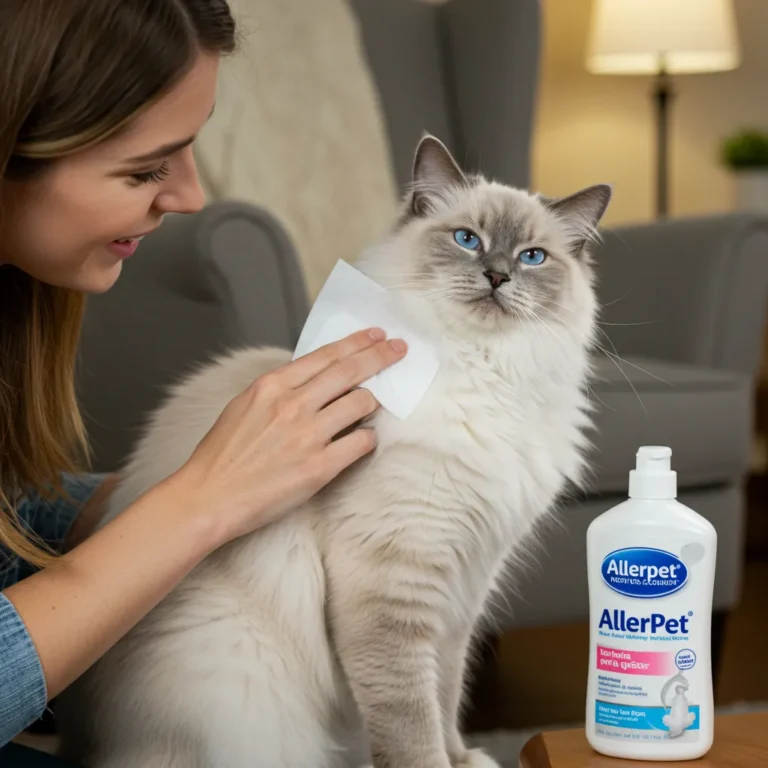
Pro Tip: Use waterless cat shampoo for Ragdolls in between for quick freshen-ups.
Bathing a Ragdoll Cat: Essential Supplies and Preparation
Prep is half the battle. Here’s what you need for Ragdoll cat grooming supplies.
Choosing the Right Shampoo: Best Cat Shampoos for Ragdoll Cats 2023/2024
Opt for cat-specific, gentle formulas. Top picks from 2023/2024 reviews:
- Earthbath Oatmeal & Aloe: Hypoallergenic, great for sensitive skin.
- Burt’s Bees Waterless Shampoo: Natural, no-rinse option.
- Chris Christensen Spectrum One: Degreasing for oily coats.
Avoid human shampoos—they’re too harsh. For natural cat shampoos, try those with oatmeal or aloe.
Preparing Your Cat and Bathing Area: Grooming Hacks for Long-Haired Cats
Set up a non-slip mat in the sink or tub. Trim nails a day before to avoid scratches. Brush first to remove tangles— a DIY cat bath tip that saves time.
Gather: Towels, shampoo, brush, treats. Acclimate your Ragdoll to water gradually if they’re skittish.
Step-by-Step Guide to Bathing Your Ragdoll Cat
Ready? Here’s a foolproof step-by-step Ragdoll cat bath guide.
- Prep the Area: Warm water (lukewarm, not hot), non-slip surface.
- Wet the Coat: Use a cup to pour water gently, avoiding face.
- Apply Shampoo: Massage in cat shampoo selection, focusing on oily spots.
- Rinse Thoroughly: No residue—key to proper cat drying techniques.
- Condition if Needed: For extra shine in long-haired cat grooming.
One X user swore by playing soothing music during baths. If your cat hates it, consider mobile cat grooming services for pros.
Drying and Post-Bath Care for Ragdoll Cats
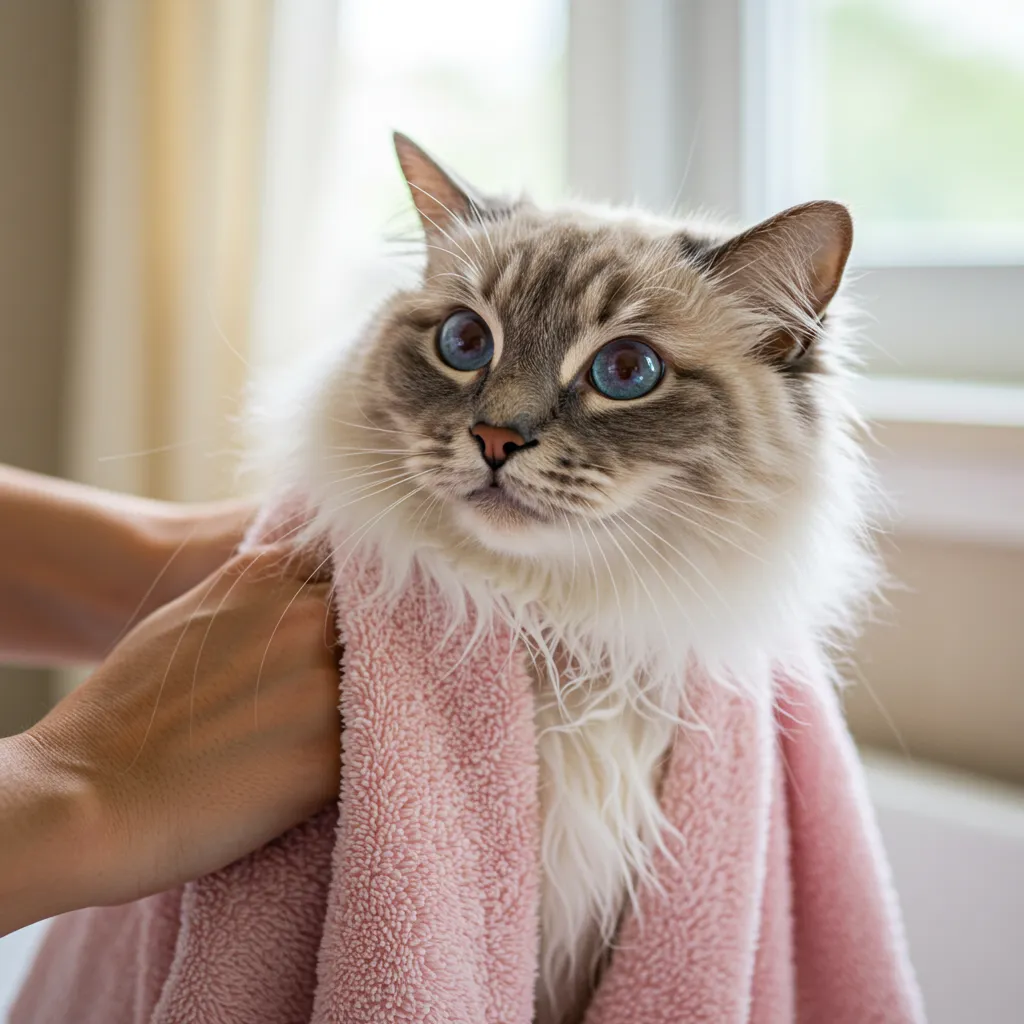
Post-bath care for Ragdoll cats is crucial. Towel-dry gently, then use a low-heat dryer if tolerated. Brush to prevent mats, and apply anti-matting sprays.
Monitor for chills—keep them warm. Reward with treats for a positive association.
Common Mistakes to Avoid When Bathing a Ragdoll Cat
Don’t sabotage your efforts! Here are common cat bathing mistakes.
Water Temperature and Comfort Issues
Too hot or cold water stresses them—aim for body temp. Running water scares many, so pre-fill the tub.
Frequency and Over-Bathing: The Pitfalls
Bathing too often dries skin. Stick to needs-based—every few months max.
Other no-nos: Using dish soap (harsh!), forcing the cat, or incomplete rinsing.
Additional Ragdoll Cat Care Tips
Grooming isn’t just baths—round it out with these.
Ragdoll Cat Nail Trimming and Ear Cleaning
Trim nails bi-weekly with cat clippers. For ears, use a damp cotton ball weekly—never Q-tips.
Regular Brushing and Maintaining Cat Fur: Best Grooming Tools for Ragdoll Cats
Brush 2-3 times weekly to maintain Ragdoll cat fur care. Best tools:
- Slicker brush for daily use.
- Wide-toothed metal comb for mats.
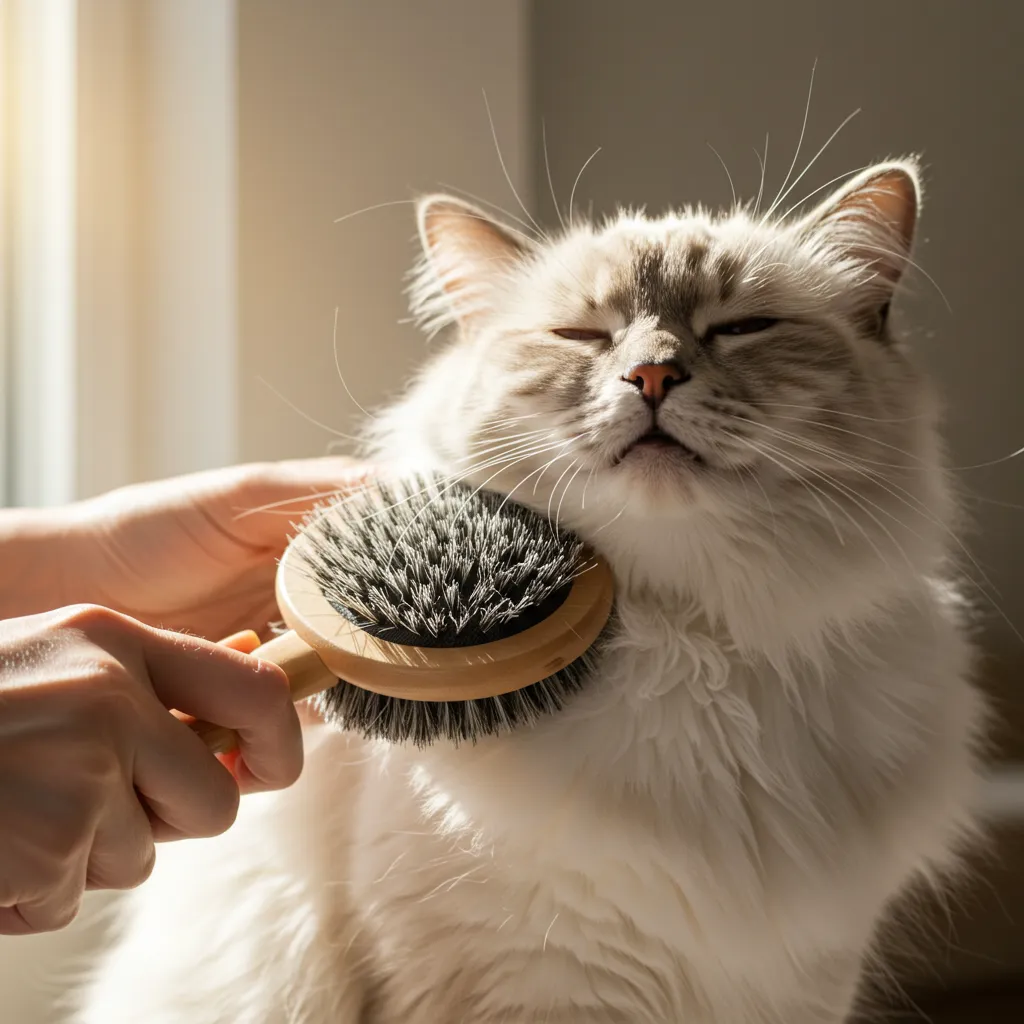
- Boar bristle brush for shine.
Pros/Cons of Tools:
| Tool | Pros | Cons |
|---|---|---|
| Slicker Brush | Removes loose fur, prevents mats | Can be too harsh if overused |
| Metal Comb | Detangles effectively | May pull if not gentle |
| Deshedding Tool | Reduces shedding | Not for daily use; can damage coat |
Incorporate regular cat grooming routines like this for indoor cat hygiene tips.
Conclusion
There you have it—the complete scoop on Ragdoll cat bathing, from how often to bathe a Ragdoll cat to mastering grooming hacks for long-haired cats. By understanding their unique fur, sticking to a smart bath frequency, and using the right tools, you’ll keep your Ragdoll healthy, mat-free, and oh-so-fluffy. Remember, consistency is key: Regular brushing beats frequent baths any day. If you’ve got a greasy coat or shedding woes, start with these tips and adjust as needed.
Ready to level up your Ragdoll’s care? Try one of the recommended shampoos today, or share your bath stories in the comments below—I’d love to hear how it goes! Don’t forget to subscribe for more cat care insights, and check out our related posts on feline nutrition. Your Ragdoll deserves the best—let’s keep them purring!
FAQ
How often should you bathe a Ragdoll cat?
Every 2-6 months, or as needed for dirt or oil buildup. Avoid over-bathing to prevent dry skin.
What makes Ragdoll cat fur unique?
It’s semi-long, silky, and rabbit-like with minimal undercoat, making it soft but prone to oiliness.
Why is bathing important for Ragdoll cats?
It removes dirt, reduces allergens, prevents mats, and aids hairball prevention during bath.
How often should you bathe a Ragdoll cat during shedding seasons?
Every 4-6 weeks to manage loose fur and tangles.
What supplies do you need to bathe a Ragdoll cat?
Cat shampoo, towels, brush, non-slip mat, and treats. Opt for hypoallergenic options like Earthbath.
How do you prepare to bathe a Ragdoll cat?
Trim nails, brush fur, set up a warm area, and acclimate them to water gradually.
What is the step-by-step process for bathing a Ragdoll cat?
Wet gently, shampoo, rinse, dry—keep it calm and quick.
How should you dry your Ragdoll cat after a bath?
Towel-dry, then low-heat dryer if tolerated; brush to fluff.
What are common mistakes to avoid when bathing a Ragdoll cat?
Using human shampoo, hot water, or over-bathing—always rinse thoroughly.
What additional grooming care does a Ragdoll cat need?
Weekly brushing, nail trims, ear cleaning, and mat checks for overall health.