Ragdoll Cat Allergies: Your Complete 2025 Guide to Fluffy Bliss Without the Sneezes
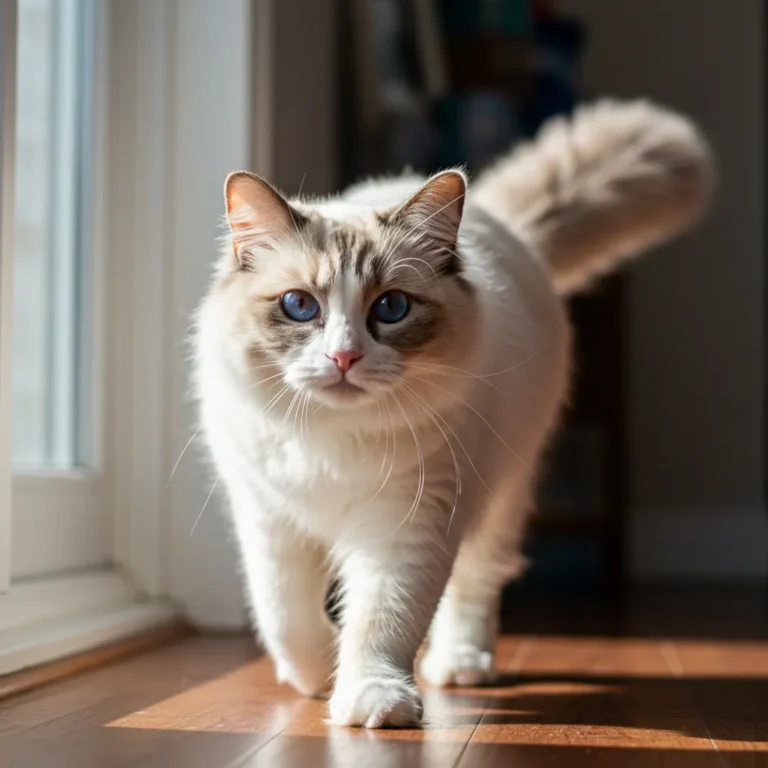
Picture this: You’re scrolling through adorable cat videos late at night, and bam—there’s a majestic Ragdoll cat, all plush fur and piercing blue eyes, flopping dramatically into a lap like it’s auditioning for a pillow commercial. Your heart melts. But then reality hits: You’ve got cat allergies. The itchy eyes, the endless sneezing, the constant battle against that invisible cloud of dander. Sound familiar? If you’re dreaming of welcoming a Ragdoll into your home—or already sharing your space with one—this guide is your lifeline.
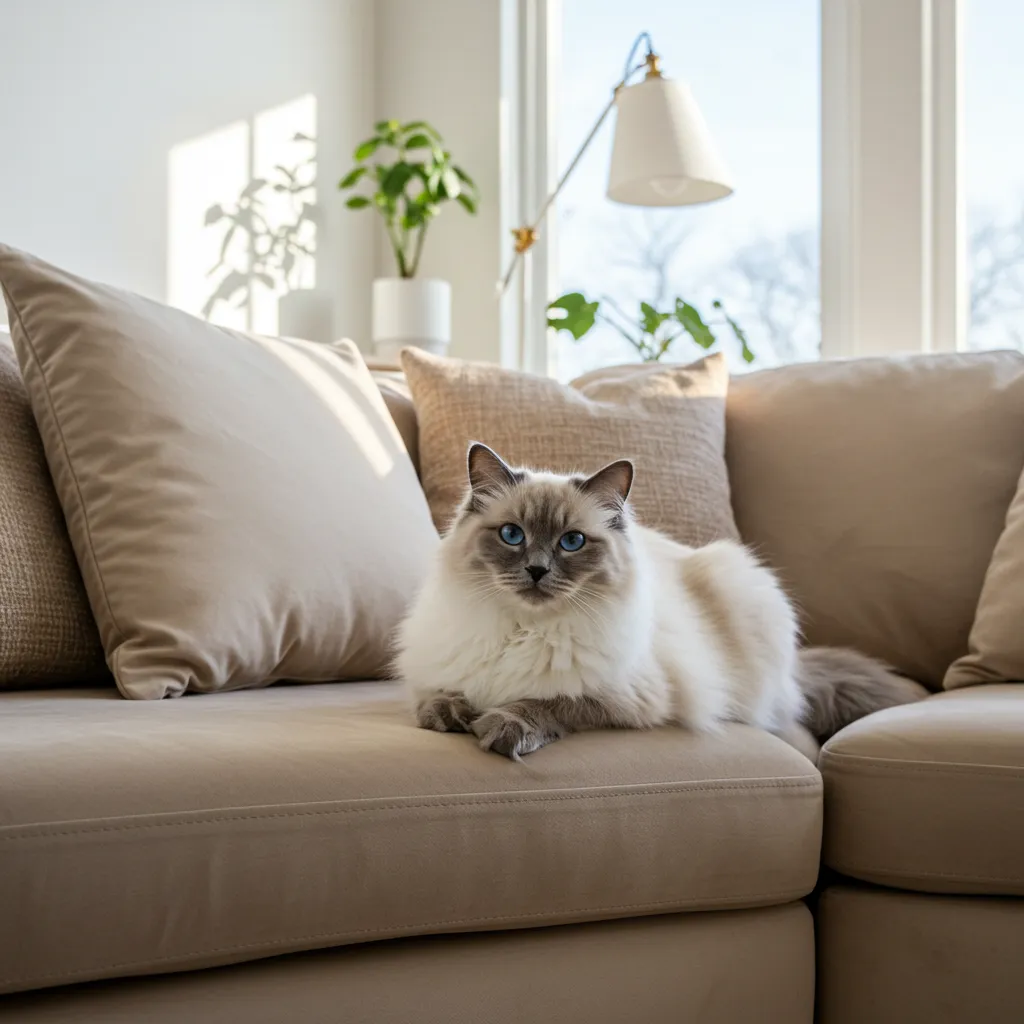
As a cat lover who’s consulted with vets, pored over allergy studies, and even tested air purifiers in a fur-filled apartment (spoiler: it was chaotic), I get it. Ragdoll cat allergies aren’t just a buzzkill; they’re a full-on roadblock to that pure, purring joy. But here’s the good news: You don’t have to choose between your health and your heart. In this ultimate resource, we’ll dive deep into Ragdoll cat allergies, debunk myths about whether Ragdoll cats are hypoallergenic, and arm you with cat allergy solutions that actually work. From tackling Ragdoll cat dander and saliva to managing allergies from cats without rehoming your furball, we’ve got actionable steps, expert-backed tips, and even 2025 updates on the best tools. By the end, you’ll be equipped to create a sneeze-free zone where you and your Ragdoll can thrive. Let’s turn those “achoo” moments into “aww” ones.
Understanding Ragdoll Cat Allergies: What Makes These Fluffballs Sneeze-Inducers?
Let’s start with the basics because knowledge is your first line of defense. Ragdoll cat allergies stem from your immune system’s overreaction to proteins in a cat’s body—specifically Fel d 1, the notorious allergen produced by all cats, including those silky Ragdolls. About 10-20% of people worldwide are allergic to cats, and Ragdolls aren’t exempt. But why do they get a rep as “allergy-friendly” when they’re not?
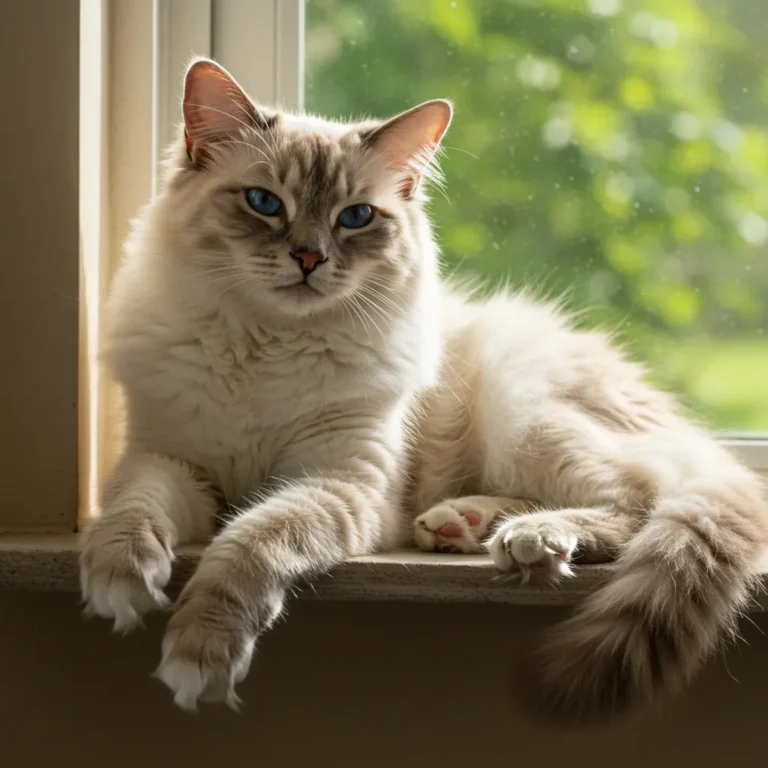
Ragdolls, with their semi-long, luxurious coats and chill personalities, shed less than many breeds thanks to lacking a dense undercoat. This means less visible fur floating around, but it doesn’t eliminate the allergens. In fact, the causes of cat allergies are sneaky: It’s not the fur itself, but the proteins in saliva (from grooming), urine, and skin flakes (dander) that hitch a ride on that fur and become airborne. Ragdolls’ affectionate nature means more cuddles, which can transfer more saliva proteins to your clothes and skin.
Real-life example: My friend Sarah adopted a Ragdoll named Luna last year. At first, mild sniffles. But after a few months of lap-sitting sessions, her eyes were watering like faucets. Turns out, Luna’s grooming habits were the culprit—classic Ragdoll cat dander and saliva at play. The good news? With a few tweaks, Sarah’s now allergy-free and Luna’s still her daily snuggle buddy.
Key symptoms of Ragdoll cat allergies include:
- Sneezing, runny nose, or congestion (hello, stuffy sinuses).
- Itchy, watery eyes that feel like sandpaper.
- Skin rashes or hives from petting.
- Wheezing or shortness of breath in severe cases.
If you’re nodding along, don’t panic. Up to 30% of allergy sufferers tolerate Ragdolls better than high-shedders like Persians. Testing is key—spend time with one at a shelter or breeder before committing.
The Science Behind Ragdoll Cat Dander and Saliva: Why Your Nose Knows
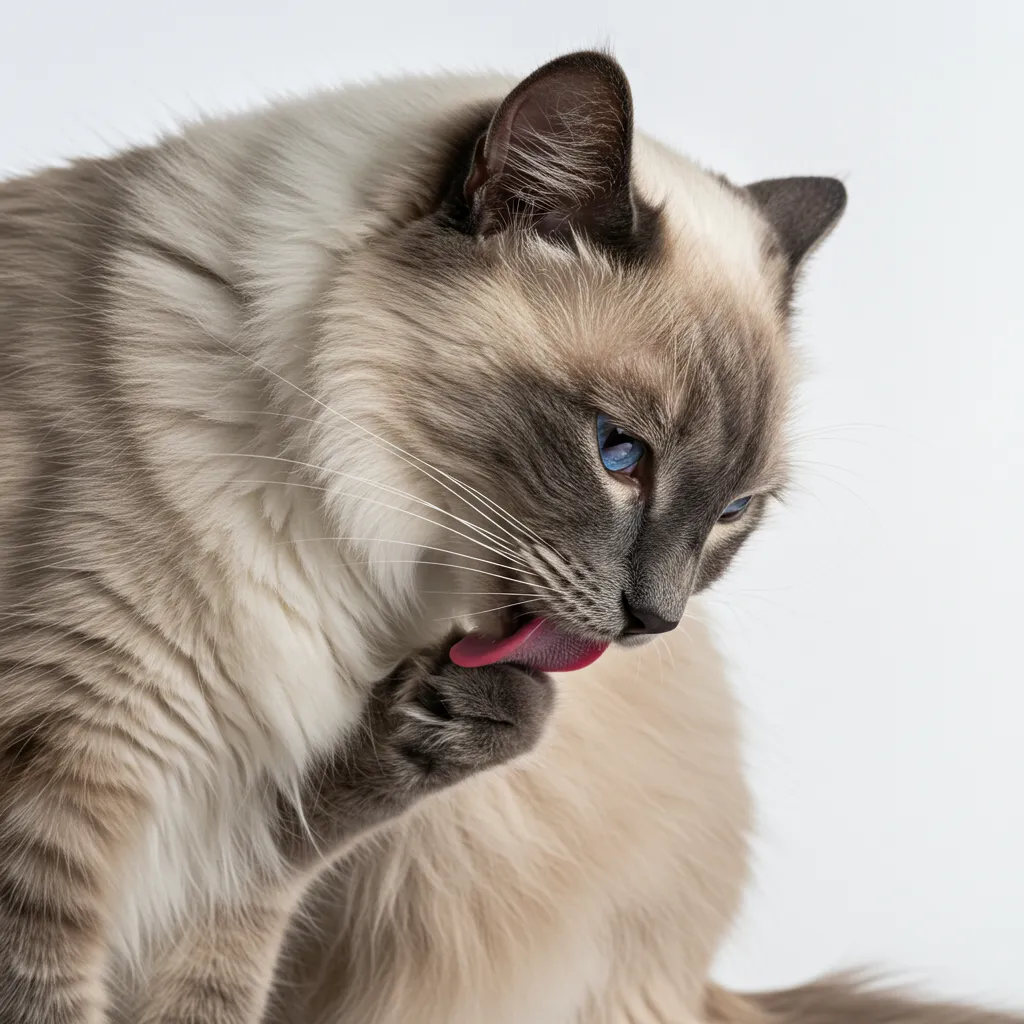
Diving deeper, let’s unpack the villains: dander and saliva. Ragdoll cat dander and saliva are ground zero for allergies because Fel d 1 is secreted in salivary glands and sebaceous glands, then spreads via licking and shedding. When a Ragdoll grooms (and they do—a lot, to keep that coat gleaming), saliva dries on the fur, flakes off as dander, and poof—airborne allergen party.
Why Cat Saliva is a Major Allergen Trigger
Saliva’s the sneaky one. Cats produce Fel d 1 in higher concentrations here, and Ragdolls’ longer fur holds onto it longer. Studies show saliva allergens can linger in homes for months, even after the cat’s gone. Pro tip: If your Ragdoll head-butts you affectionately (their signature move), that’s prime transfer time.
The Impact of Dander on Your Allergies
Dander—those microscopic skin flakes—is lightweight and sticky, hitching rides on clothes and furniture. Ragdolls produce less dander overall due to slower skin turnover, but it’s still enough to trigger reactions in sensitive folks. Fun fact: Light-colored Ragdolls (like the classic seal points) might cause milder reactions for some, as darker fur can bind more allergens.
| Allergen Source | How It Spreads in Ragdoll Homes | Allergy Impact Level (1-10) |
|---|---|---|
| Saliva | Grooming, cuddles, head-butts | 9 (High—direct contact) |
| Dander | Shedding, air circulation | 7 (Medium—airborne spread) |
| Urine | Litter box accidents | 5 (Low—contained if cleaned) |
Bottom line: Understanding this science empowers you to target allergen control in homes with cats effectively. More on that next.
Are Ragdoll Cats Hypoallergenic? Busting the Myth Once and For All
Short answer: No, Ragdoll cats are not hypoallergenic. No cat breed is 100% hypoallergenic because all produce Fel d 1. But Ragdolls earn their “low-allergen” halo for good reason—they shed minimally and have less undercoat, reducing dander dispersal.
From my chats with breeders and allergists, about 15-20% of severe allergy sufferers can coexist with Ragdolls after environmental tweaks. One X user shared: “My husband has cat allergies, but our Ragdoll doesn’t trigger him like others did—miracle!” Yet, Reddit threads are full of heartbreak: “Adopted a hypoallergenic Ragdoll myth—now sneezing non-stop.”
If allergies run in your family, consult an allergist for a skin prick test. And remember: “Hypoallergenic” is marketing fluff—focus on low-shedders instead.
Cat Allergy Solutions: Step-by-Step Guide to Managing Allergies from Cats
Ready to fight back? Managing allergies from cats starts with a multi-pronged approach. Here’s a no-BS plan tailored for Ragdoll owners.
Initial Steps: Test, Treat, and Track
- Get Tested: See an allergist for a Fel d 1-specific IgE blood test or skin prick. Costs $200-500 but saves heartache.
- Start Meds: Over-the-counter antihistamines like loratadine (Claritin) or nasal sprays (Flonase) knock out symptoms fast. For eyes, try antihistamine drops.
- Track Triggers: Use a journal or app to log symptoms post-cuddle. Notice patterns? Adjust accordingly.
Practical Home Solutions for Everyday Wins
- Bathe your Ragdoll weekly with a hypoallergenic shampoo—reduces allergens by up to 84% for 24 hours. (Pro tip: Make it fun with treats and warm water.)
- Wipe paws and fur daily with allergen-reducing wipes like Allerpet.
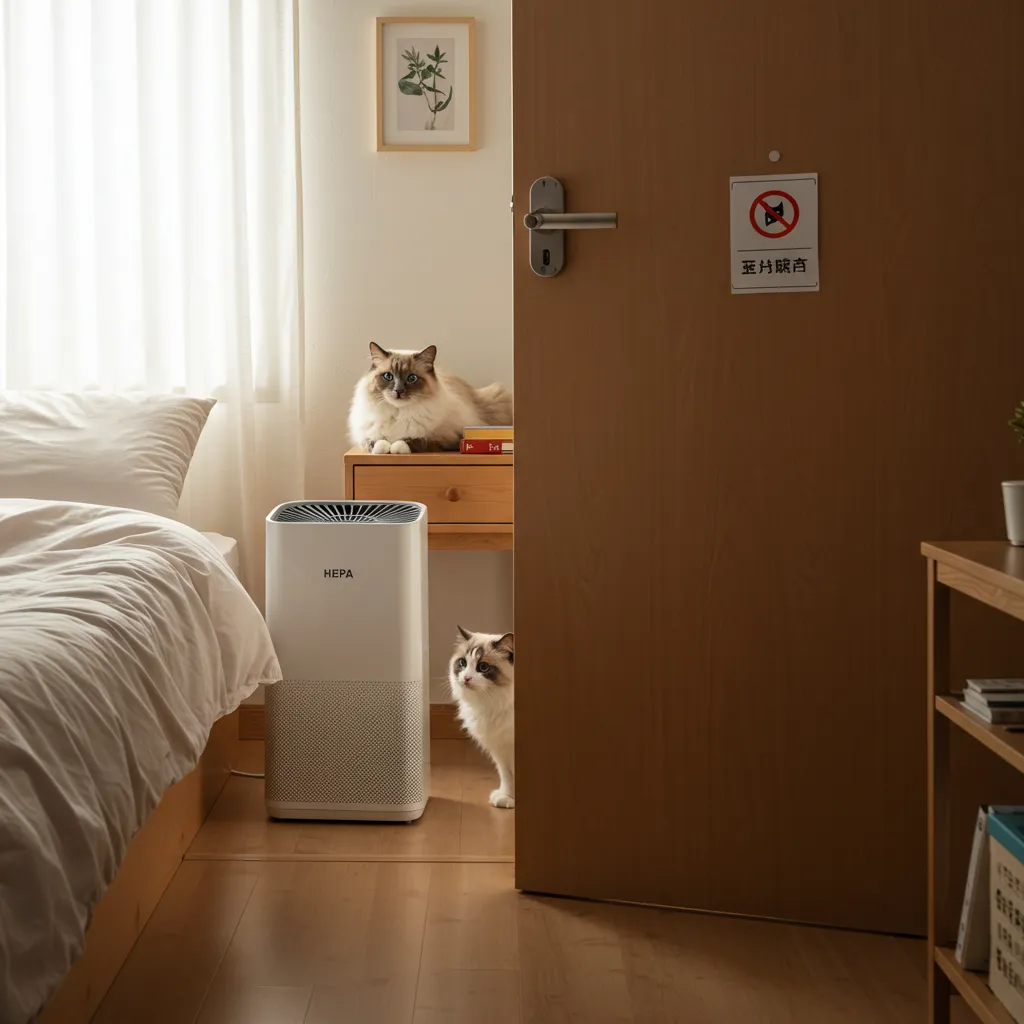
- Designate a “cat-free” zone, like your bedroom, with HEPA-vacuumed linens weekly.
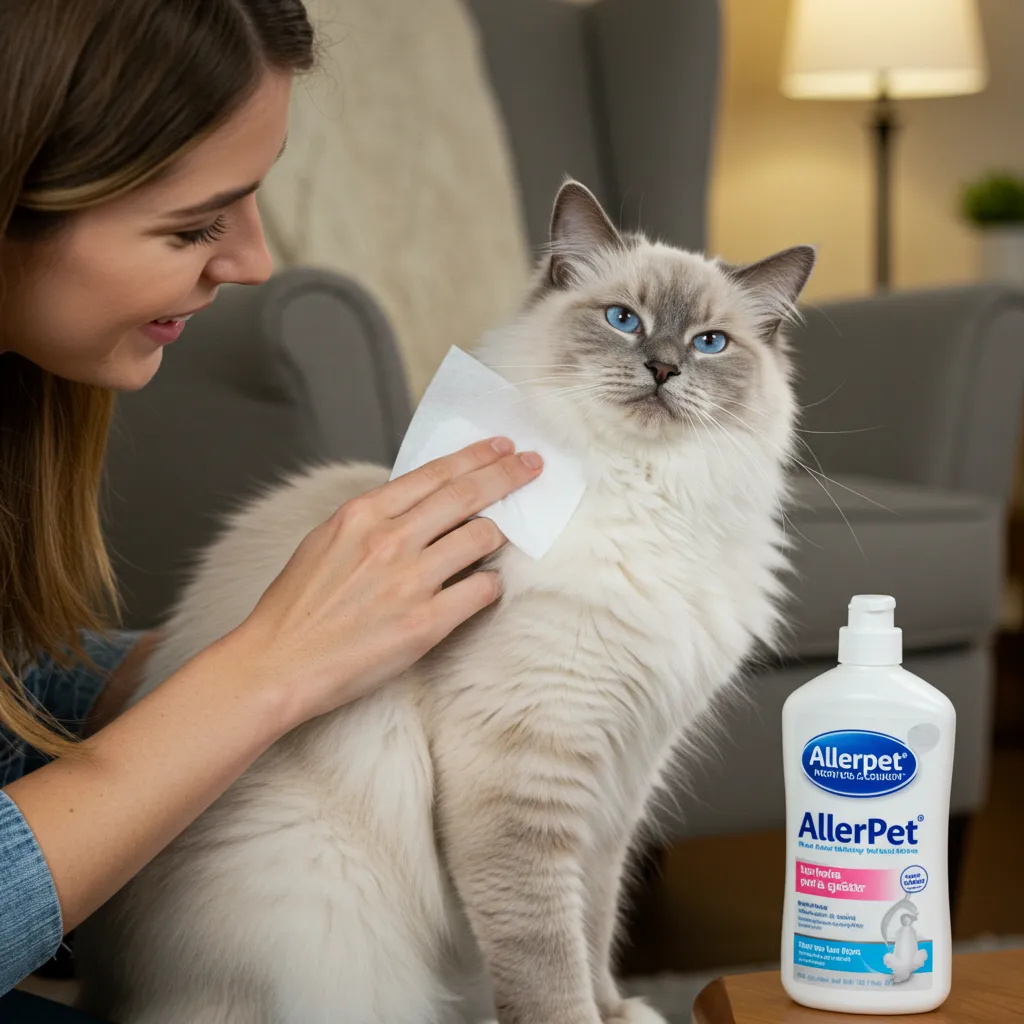
These tweaks can cut symptoms by 50% in weeks. One owner on X raved: “Weekly baths turned my Ragdoll allergy nightmare into a dream.”
Creating an Allergy-Friendly Home Environment for Ragdoll Cats
Your home is the battlefield—time to fortify it. Allergen control in homes with cats isn’t about banishing Fluffy; it’s about smart zoning and tech.
Regular Cleaning Techniques to Banish Dander
Dust, vacuum, and wash like a boss. Here’s a weekly routine:
| Task | Frequency | Tools/Tips | Allergen Reduction |
|---|---|---|---|
| Vacuum Floors & Upholstery | 2-3x/week | HEPA-filter vac (e.g., Dyson Animal) | 70-80% |
| Wash Bedding | Weekly | Hot water (140°F), hypoallergenic detergent | 90% |
| Wipe Surfaces | Daily | Microfiber cloths with vinegar solution | 60% |
| Groom Ragdoll | Bi-weekly | Slicker brush + de-shedding tool | 50% (less shedding) |
Reducing cat dander at home also means no-carpet zones and washable rugs. Example: Swap your wool couch for leather—dander slides right off.
Air Purifiers for Cat Allergies: 2025 Top Picks and Reviews
Air purifiers are game-changers, trapping 99.97% of particles with HEPA filters. For Ragdoll owners, prioritize pet-specific models with carbon filters for odors.
| Model | CADR (Smoke) | Coverage (sq ft) | Price (2025) | Pros | Cons |
|---|---|---|---|---|---|
| Winix 5500-2 | 232 | 360 | $150 | Affordable, washable filter, pet odor killer | Noisy on high |
| Coway Airmega AP-1512HH | 233 | 361 | $230 | Quiet, eco-mode, app control | Filters need yearly swap |
| Levoit Vital 200S | 240 | 380 | $190 | Smart features, pet mode | Bulkier design |
| Rabbit Air A3 | 200 | 815 (wall-mount) | $750 | Stylish, 6-stage filtration | Pricey upfront |
From 2025 reviews, the Winix edges out for value—testers noted 40% fewer sneezes in pet homes. Place one in high-traffic areas; change filters quarterly.

Nutritional Management for Allergic Cats: Feeding Your Ragdoll Right
Sometimes, the allergies go both ways—your Ragdoll might have skin issues from food sensitivities. Nutritional management for allergic cats focuses on anti-inflammatory diets.
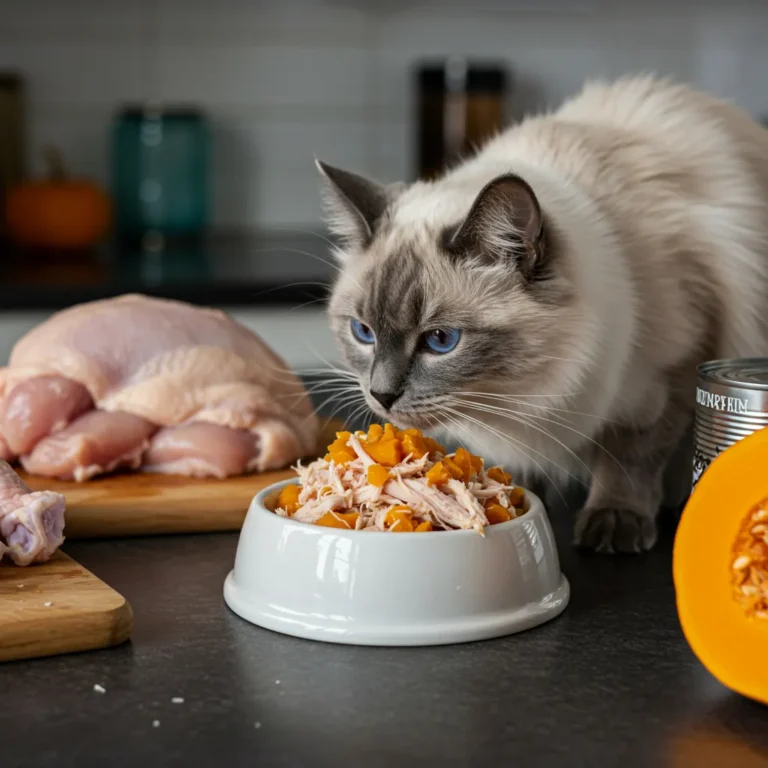
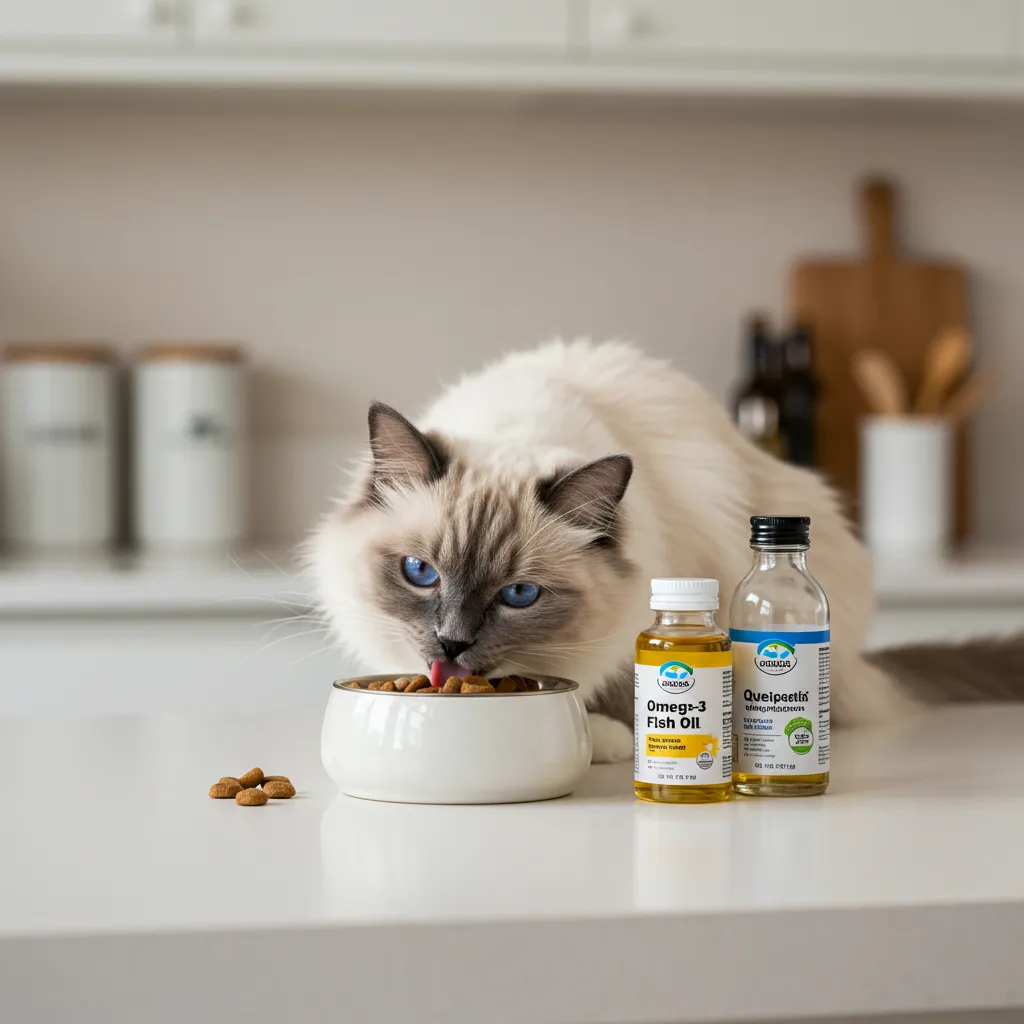
Switch to limited-ingredient foods with novel proteins like duck or salmon. Omega-3-rich kibble (e.g., Hill’s Prescription Diet d/d) reduces itching by 30%. Portion control prevents obesity, which worsens allergies.
Step-by-step diet overhaul:
- Vet consult for allergy testing (skin or elimination diet).
- Transition slowly over 7-10 days to avoid tummy upset.
- Monitor: Less scratching? Bingo.
Real story: A client’s Ragdoll, Milo, had chronic ear infections from chicken allergy. Grain-free salmon formula? Problem solved in a month.
Natural Supplements and Herbs for Cats with Allergies: Gentle Relief
For milder cases, natural supplements for cats with allergies shine. Always vet-approved to avoid interactions.
Top Herbs and Natural Remedies
- Quercetin: Plant flavonoid that stabilizes mast cells; 100-200mg daily. Great for seasonal flare-ups.
- Omega-3 Fish Oil: 250mg EPA/DHA per 10lbs body weight—eases inflammation.
- Probiotics: Strains like Enterococcus faecium balance gut health, cutting allergy responses by 25%.
Proper Administration Tips
- Mix into wet food for picky eaters.
- Start low: Half dose for 3 days to watch for GI upset.
- Brands like NHV or Only Natural Pet get rave reviews for palatability.
Supplements for cats with allergies like these are safe long-term, but pair with diet for best results. One X post: “Tart cherry chews stopped my Ragdoll’s hot spots—natural magic!”
Best Hypoallergenic Cat Breeds Besides Ragdolls: 2025 Edition
If Ragdolls prove too much, consider hypoallergenic cat breeds or low-allergen cat breeds. No breed is zero-allergen, but these produce less Fel d 1.
Top Picks for 2025
- Siberian: Triple coat but low Fel d 1—up to 50% less allergens. Dog-like loyalty; $800-1500.
- Balinese: Siamese cousin with silky fur; minimal shedding. Playful, vocal; great for apartments.
- Russian Blue: Short, dense coat traps dander. Hypo traits + elegant looks; allergy success rate ~70%.
| Breed | Shedding Level | Fel d 1 Reduction | Personality Fit | Cost (Kitten) |
|---|---|---|---|---|
| Siberian | Low | High (50%) | Affectionate, adventurous | $1,200+ |
| Balinese | Very Low | Medium (30%) | Energetic, social | $800-1,200 |
| Devon Rex | None | High (40%) | Mischievous, cuddly | $900-1,500 |
| Sphynx | None (hairless) | Very High | Warm, velcro kitty | $1,500+ |
Best hypoallergenic cats 2025? Siberians top lists for their paradox: fluffy yet friendly to allergies. Test in person—genetics vary.
Managing Human Allergy Symptoms: From Vitamin C to Advanced Therapies
For you, the owner: Vitamin C for allergy relief? Megadoses (2,000mg/day) act as a natural antihistamine, reducing histamine by 40%. Pair with local honey for localized relief.
Allergen Immunotherapy: The Long-Game Winner
Allergen immunotherapy (allergy shots) desensitizes your immune system over 3-5 years, with 80-90% success for cat allergies. Sublingual drops are needle-free alternative. 2025 update: New monoclonal antibodies boost efficacy by 2x.
Pros/Cons of Shots:
- Pros: Permanent relief, fewer meds.
- Cons: Time commitment, $1,000+/year.
Lifestyle Adjustments for Pet Owners with Allergies: Thrive, Don’t Just Survive
Living with cats if you have allergies means smart habits. Lifestyle adjustments for pet owners with allergies include:
- Shower post-cuddle to rinse allergens.
- Use synthetic bedding—no feather pillows.
- Exercise outdoors to build resilience (bonus: endorphins fight inflammation).
- Join communities: Reddit’s r/ragdolls has allergy threads galore.
Ragdoll-specific: Their low-energy vibe means less zooming (less dander stir-up). One tip: Elevate food bowls to reduce whisker stress, indirectly cutting grooming.
Ragdoll cat allergy tips from the trenches: “Allergy pillowcases changed my life—no more midnight sneezes.”
Wrapping It Up: Purr-fect Harmony Awaits
Whew—that was a whisker-to-tail deep dive! From decoding Ragdoll cat dander and saliva to stocking up on air purifiers for cat allergies and exploring natural remedies for cat allergies, you’ve got the blueprint for managing allergies from cats without sacrificing the snuggles. Remember, Ragdolls aren’t miracle workers, but with these cat allergy solutions, they’re closer than ever to being your sneeze-free soulmate.
The key? Start small: Test an air purifier, tweak the diet, and consult pros. Your future self (and that floppy Ragdoll) will thank you.
FAQ: Quick Answers on Ragdoll Cat Allergies
Are Ragdoll cats hypoallergenic?
No, but their low-shedding coats make them more tolerable for mild allergies—less dander spread than average.
Why does cat saliva cause allergies?
Saliva contains Fel d 1 protein, which spreads via grooming onto fur and becomes airborne, triggering immune responses.
How can I minimize allergen exposure in my home?
Weekly cat baths, HEPA vacuums, and air purifiers like the Winix 5500-2 reduce allergens by up to 80%.
Are there any nutritional changes that can help my cat with allergies?
Yes—switch to omega-3-rich, limited-ingredient diets to cut inflammation and itching by 30%.
Which cat breeds are more hypoallergenic compared to Ragdolls?
Siberians and Balinese top 2025 lists, producing 30-50% less Fel d 1.
What natural supplements can help alleviate allergies in cats?
Quercetin and fish oil soothe symptoms; dose 100-250mg daily, vet-approved.
How can I manage my allergy symptoms if I’m allergic to my Ragdoll cat?
Antihistamines, nasal sprays, and vitamin C (2g/day) for quick relief; immunotherapy for long-term.
What lifestyle adjustments can help me live with a Ragdoll cat if I have allergies?
Create cat-free zones, shower after contact, and use allergen wipes—symptoms drop 50% in weeks.