Unlocking the Secrets of Ragdoll Cat Bond Building: Your Comprehensive Guide to a Perfect Relationship
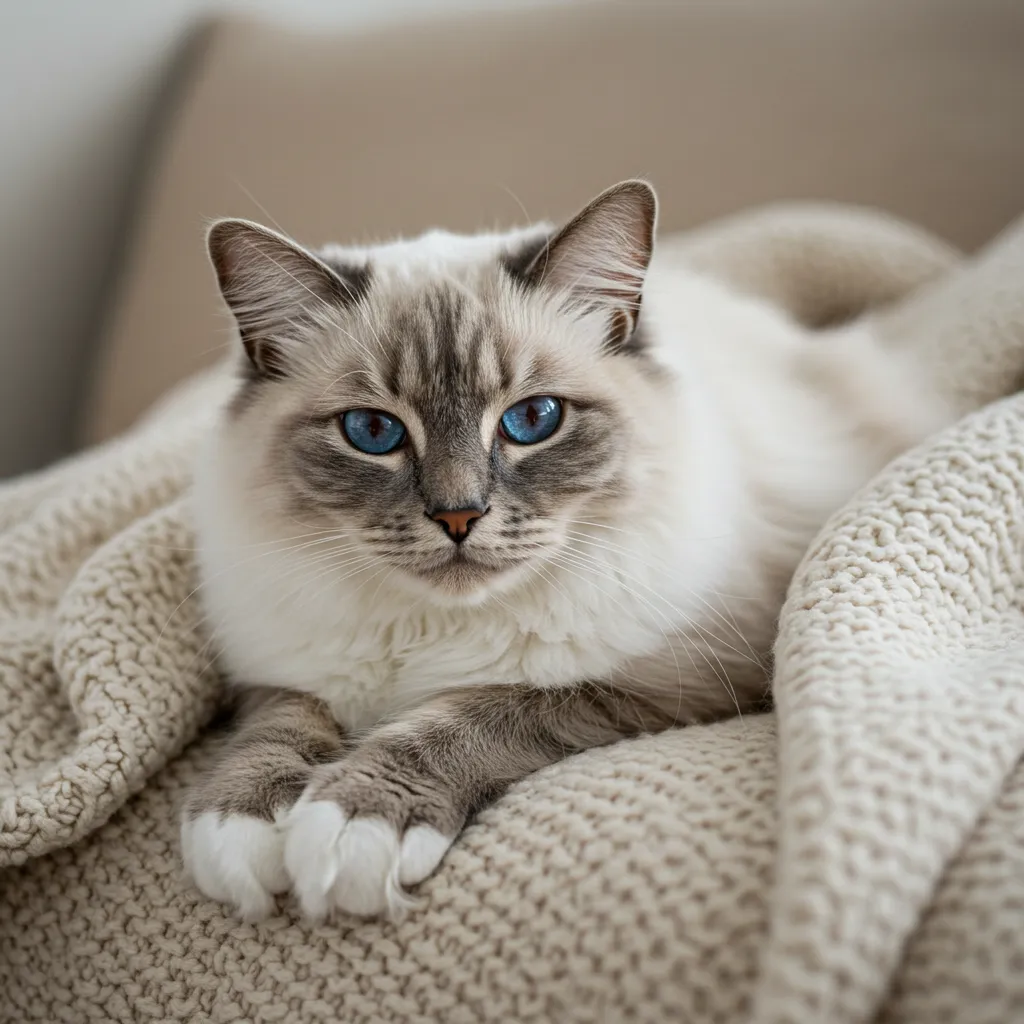
Have you ever dreamed of a cat that follows you around like a loyal puppy, flops limply into your arms for cuddles, and greets you with soft chirps of affection? That’s the magic of Ragdoll cats—those fluffy, blue-eyed beauties known for their incredibly affectionate nature. But here’s the catch: while Ragdolls are naturally sociable, true Ragdoll cat bond building doesn’t happen overnight. Many new owners struggle with shy kittens, misunderstood behaviors, or even stress signs that disrupt that dreamy connection. If you’re facing these challenges, you’re not alone. This ultimate guide dives deep into bonding with Ragdoll cats, blending expert insights on Ragdoll cat care, behavior, training, and socialization to help you create an unbreakable bond. Backed by insights from vets, breeders, and real cat parents, we’ll equip you with actionable tips to outshine any generic advice out there. Let’s turn your Ragdoll into your ultimate cuddle buddy!
Decoding Ragdoll Cat Behavior: The Foundation of Bonding
Understanding Ragdoll cat behavior is like cracking a code—it reveals why these cats act the way they do and how you can respond to strengthen your relationship. Ragdolls aren’t your average aloof felines; they’re bred for companionship, often going limp (hence the name) when picked up, a trait that stems from their relaxed demeanor. This behavior makes them stand out among affectionate cat breeds in 2024 and beyond, but it also means they thrive on interaction.
The Incredibly Affectionate Nature of Ragdoll Cats
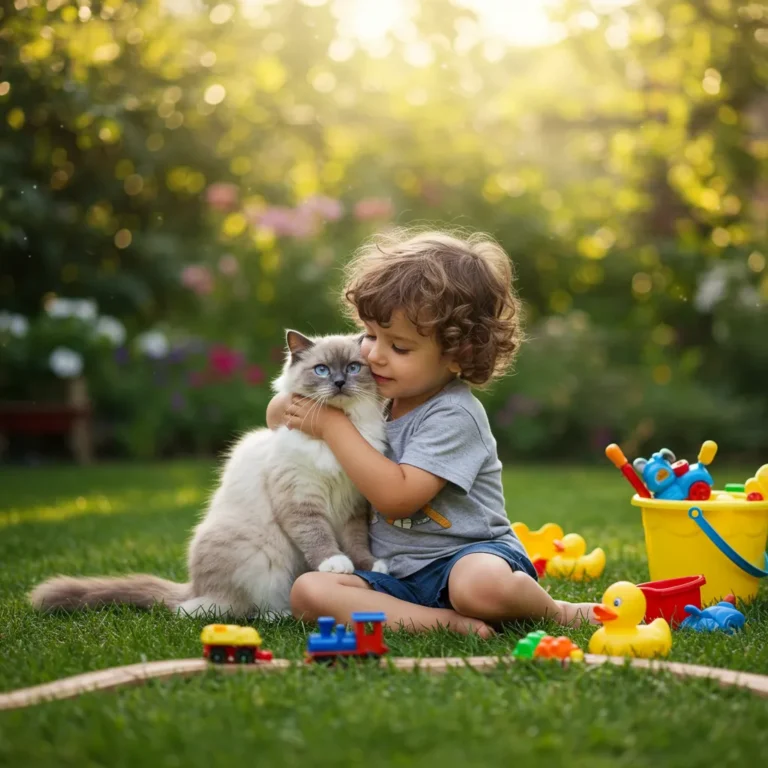
Ragdolls top lists of affectionate cat breeds for good reason—they crave human contact and often seek out laps for snuggles. Picture this: Your Ragdoll curling up next to you during movie night, purring softly as you stroke their plush fur. This affection isn’t just cute; it’s a sign of trust. However, if your cat seems distant, it might be due to early experiences or lack of socialization. Real-life example: One cat owner shared on Reddit how their rescue Ragdoll started as timid but blossomed into a cuddle monster after consistent gentle handling.
To nurture this trait:
- Daily Cuddle Sessions: Start short, 5-10 minutes, to avoid overwhelming them.
- Scent Sharing: Rub a soft cloth on your skin and leave it in their bed to familiarize them with your smell.
- Observation Tips: Watch for tail flicks or ear positions—relaxed ears mean they’re open to affection.
Social Characteristics and Their Impact on Bonding
Ragdolls are social butterflies, often getting along with kids, dogs, and other cats thanks to their docile personality. Their puppy-like cats behavior shines here—they might follow you from room to room or greet guests with curiosity rather than hisses. This sociability impacts bond building positively, as it encourages shared activities. But beware: Isolation can lead to boredom or stress, manifesting in excessive meowing or hiding.
Pros and Cons of Ragdoll Social Traits:
| Aspect | Pros | Cons |
|---|---|---|
| With Humans | Loyal, affectionate companions | Can become clingy if left alone too long |
| With Pets | Generally peaceful in multi-pet households | May need slow introductions to avoid overwhelm |
| Overall Impact | Enhances family dynamics | Requires consistent interaction to prevent anxiety |
By tuning into these traits, you’ll lay a solid foundation for deeper bonding with Ragdoll cats.
Essential Ragdoll Cat Care Tips for a Happy Home
Ragdoll cat care goes hand-in-hand with bond building— a well-cared-for cat is more likely to trust and engage with you. These cats have specific needs due to their size (up to 20 pounds) and semi-long fur, but with the right routine, you’ll keep them healthy and happy.
Crafting a Safe and Stimulating Environment for Cats
Creating a safe environment for cats is crucial for Ragdolls, who are indoor-only breeds to protect their gentle nature from outdoor dangers. Start by cat-proofing: Secure loose wires, remove toxic plants like lilies, and provide high perches for climbing.
Step-by-Step Guide to a Ragdoll-Friendly Home:
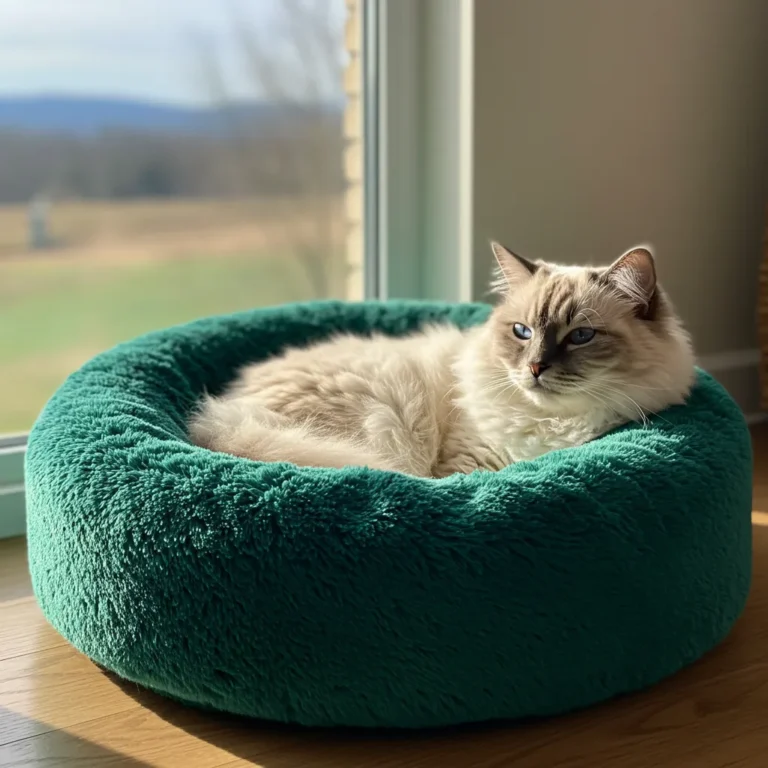
- Designate a Quiet Zone: Set up a cozy corner with a bed, scratching post, and toys to retreat to.
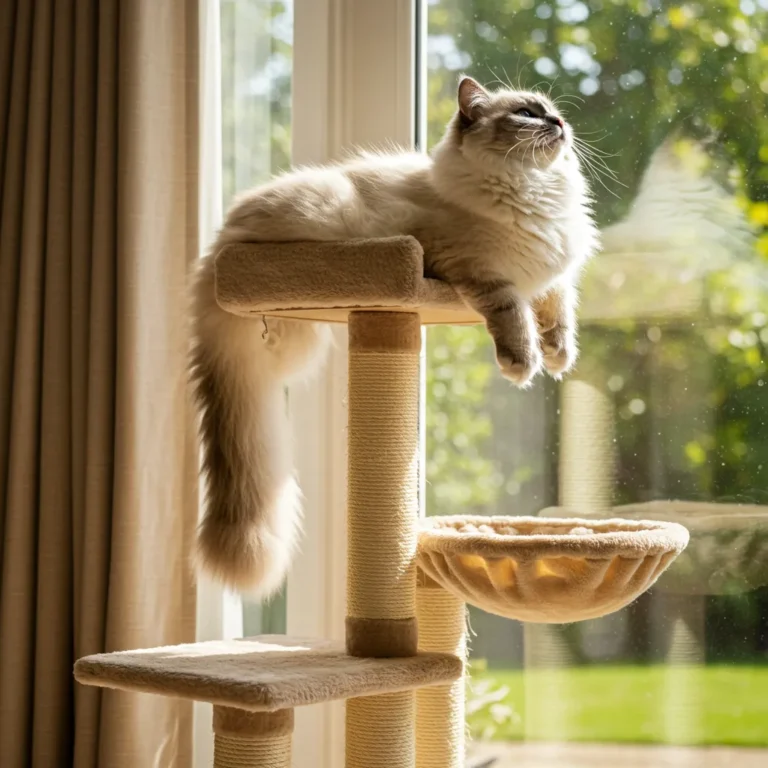
- Vertical Space: Install cat shelves or trees—Ragdolls love surveying their kingdom from above.
- Litter Box Setup: Use large, uncovered boxes with low-dust litter; place one per cat plus an extra.
- Enrichment Elements: Add window perches for bird-watching to stimulate their curiosity.
This setup not only prevents accidents but also boosts their emotional well-being as indoor cats.
Grooming Tips for Maintaining Their Plush Fur
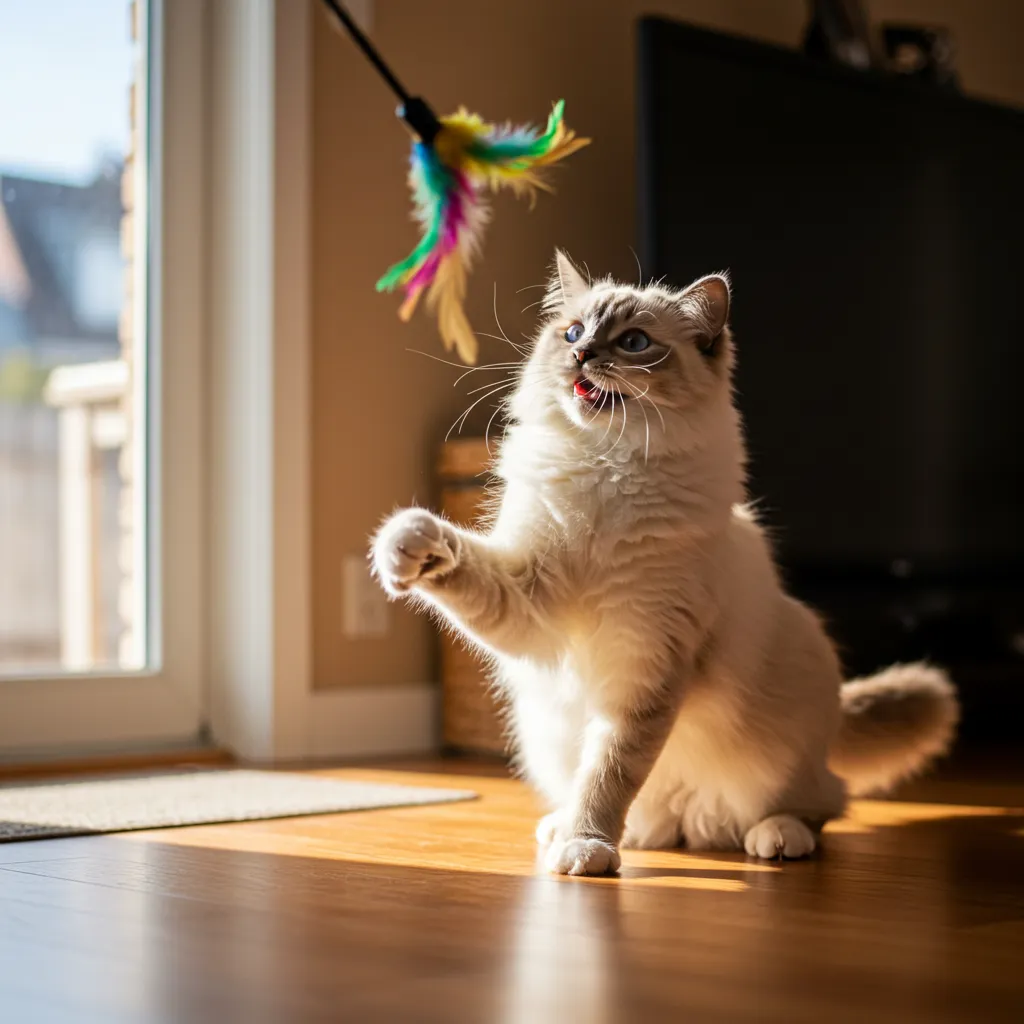
Ragdoll cat grooming tips are essential to prevent mats in their silky coat. Unlike some breeds, they don’t have an undercoat, making grooming easier, but regular sessions build trust.
Best Practices:
- Brush 2-3 Times Weekly: Use a slicker brush for the body and a wide-tooth comb for the tail to remove loose fur and reduce hairballs.
- Nail Trims: Clip every 2 weeks; pair with treats for positive association.
- Bathing: Rare, but if needed, use cat-specific shampoo every 4-6 months.
Proven Strategies for Bonding with Your Ragdoll Cat
How to bond with your Ragdoll cat? It’s all about consistent, positive interactions that make them feel secure and loved.
Spending Quality Time Together
Quality time is the cornerstone of Ragdoll cat bond building. These cats thrive on routine, so carve out daily slots for undivided attention.
Ideas to Try:
- Reading Aloud: Sit with your cat while reading—they love the sound of your voice.
- Gentle Massages: Stroke from head to tail, focusing on chin scratches.
- Shared Naps: Let them join you on the couch; their limp relaxation is a bonding win.
One owner recounted how daily 15-minute sessions turned their aloof Ragdoll into a shadow follower.
Fun Interactive Play Sessions with Ragdoll Cats
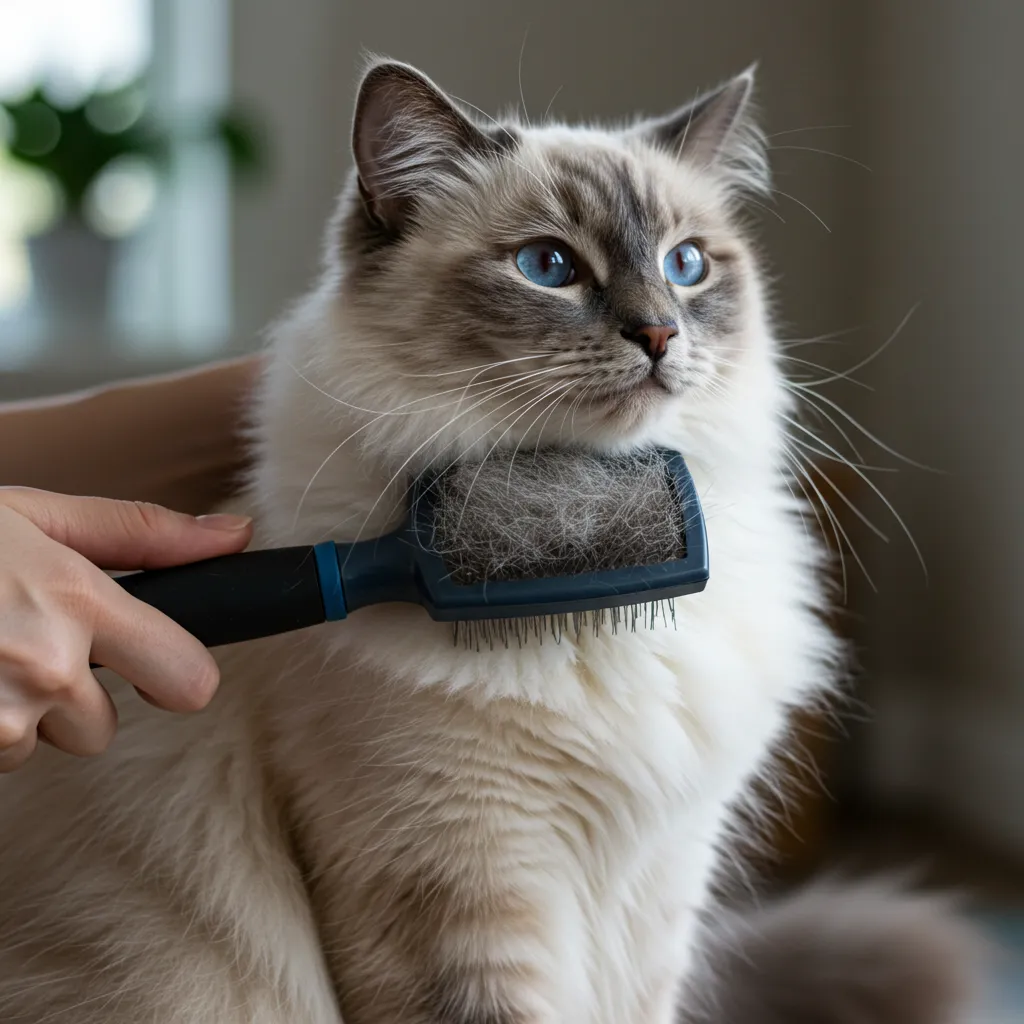
Interactive play with Ragdoll cats taps into their playful side, mimicking hunting to release energy and build trust.
Top Interactive Toys for Ragdoll Cats:
- Feather wands for chasing.
- Laser pointers for pouncing (but end with a catchable toy to avoid frustration).
- Puzzle feeders to engage their minds.
Best Ways to Play:
- Short Bursts: 10-15 minutes twice daily.
- Vary Activities: Alternate between solo toys and joint play.
- Reward Wins: Praise or treat after a successful “hunt.”
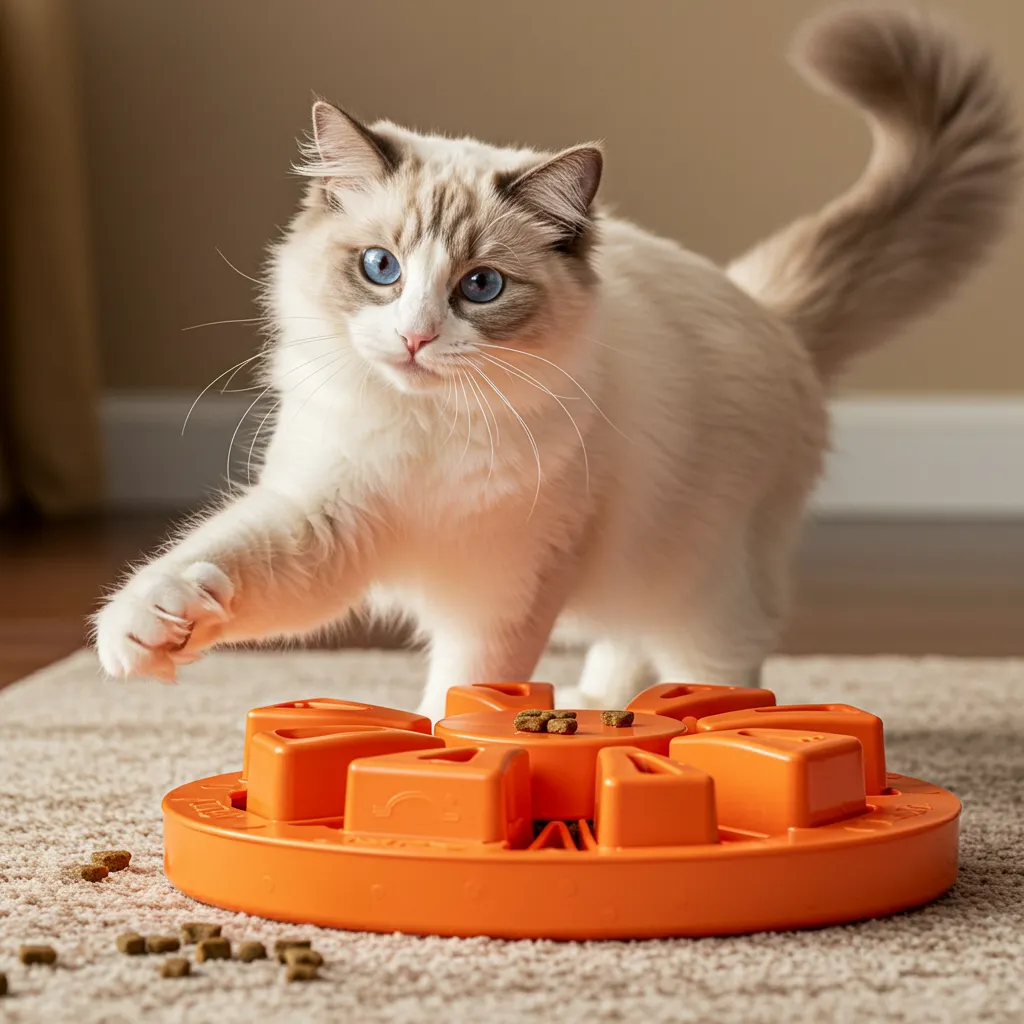
This not only tires them out but deepens your connection through fun.
Exploring Ragdoll Cat Personality Traits
Ragdoll cat personality traits are what make them so endearing—gentle, intelligent, and adaptable.
Why They’re Known as ‘Puppy-Like’ Cats Behavior
Their puppy-like cats behavior includes following owners, learning tricks, and even playing fetch. This stems from selective breeding for docility. Example: Many Ragdolls greet you at the door, tail wagging like a dog’s!
Effective Ragdoll Cat Training Techniques
Ragdoll cat training is rewarding thanks to their eagerness to please. Focus on positive reinforcement for cat training to avoid stress.
Harnessing Positive Reinforcement
Reward good behavior with treats or praise—Ragdolls respond best to this. Teach basics like “sit” by luring with a treat.
Mastering Clicker Training for Cats
Clicker training for cats marks desired actions with a click, followed by a reward. For Ragdolls, it’s great for leash walking or tricks.
Steps:
- Charge the clicker: Click and treat repeatedly.
- Shape behaviors: Click for approximations, like touching a target.
- Practice Daily: Short sessions keep it fun.
Interpreting Ragdoll Cat Communication and Vocalizations
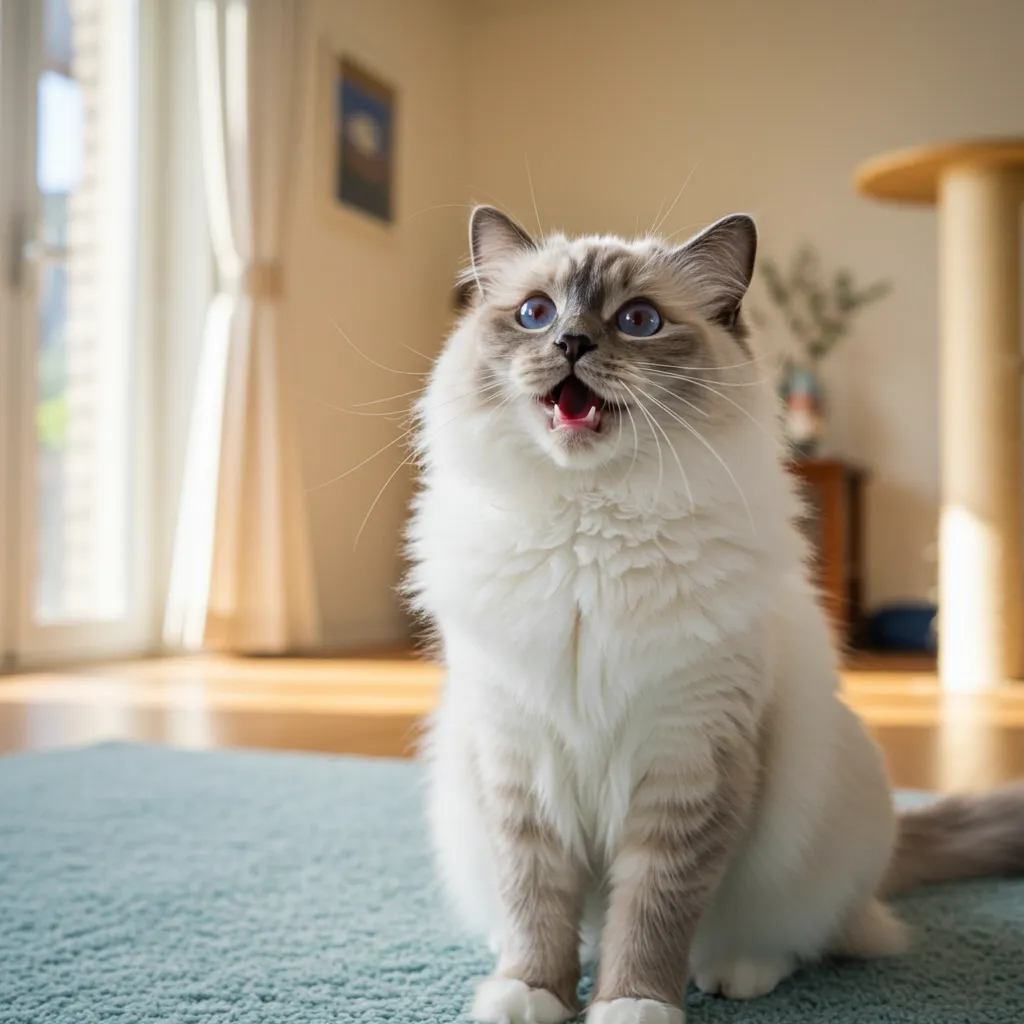
Ragdoll cat communication is subtle—soft chirps and trills mean contentment, while yowls signal distress.
Common Sounds and What They Mean
- Chirps: Greeting or excitement.
- Purrs: Happiness or self-soothing.
- Meows: Requests for food or attention.
Understanding these enhances your bond.
Best Practices for Ragdoll Cat Socialization
Ragdoll cat socialization starts early for confident cats.
Smooth Introductions to Other Pets
Introducing cats to other pets? Go slow: Use scent swapping first, then supervised meetings.
Thriving in a Multi-Pet Household Tips
Provide separate resources and monitor for harmony. Ragdolls often adapt well.
The Art of Physical Affection with Ragdoll Cats
Physical affection for cats like Ragdolls involves gentle petting—avoid bellies unless invited.
Effective Ways to Provide Physical Affection
- Slow blinks to show love.
- Head bumps as mutual affection.
- Cuddles on their terms.
Nurturing Your Ragdoll Cat’s Emotional Well-Being
Emotional well-being of indoor cats is key—watch for Ragdoll cat stress signs like over-grooming or hiding.
Recognizing and Managing Stress in Cats
Signs: Increased vocalization, appetite changes. Mitigate with pheromone diffusers or vet check-ups.
Forging a Lifelong Bond: Building Trust with Your Cat
Building trust with your cat involves consistency and patience.
Advanced Bonding Hacks for Cat Owners
- Scented toys for comfort.
- Joint adventures like harness walks.
- Custom routines based on their personality.
FAQ
How can I build a strong bond with my Ragdoll cat?
Focus on daily interactive play, positive reinforcement, and quality time to foster trust and affection.
What makes Ragdoll cats so affectionate?
Their breeding emphasizes docility and sociability, making them naturally loving companions.
How do I provide a safe and comfortable environment for my Ragdoll?
Cat-proof your home, add vertical spaces, and ensure quiet retreats for security.
What are the best grooming tips for maintaining a Ragdoll’s plush fur?
Brush 2-3 times weekly with a slicker brush, trim nails regularly, and bathe sparingly.
How can I train my Ragdoll cat effectively?
Use positive reinforcement and clicker training for behaviors like litter use or tricks.
How can I recognize my Ragdoll cat’s vocalizations?
Listen for chirps (greeting), purrs (contentment), and meows (needs)—they’re generally quiet.
What are effective ways to provide physical affection to my Ragdoll?
Gentle strokes, chin scratches, and cuddles on their terms build connection without overwhelm.
How do I introduce my Ragdoll to other pets?
Gradual scent swaps and supervised meetings ensure smooth integration.
What are the signs of stress in Ragdoll cats and how can I mitigate them?
Look for hiding or over-grooming; manage with routine, enrichment, and vet advice.
How can I build a lasting connection with my Ragdoll cat?
Consistency in care, play, and affection creates a deep, trusting bond over time.
In wrapping up, mastering Ragdoll cat bond building boils down to understanding their personality, providing top-notch care, and investing in daily interactions. From grooming tips to socialization strategies, you’ve got the tools to create a harmonious home. Ready to start? Try one bonding hack today and watch your Ragdoll flourish. Share your stories in the comments, subscribe for more cat tips, or check out our related post on Ragdoll health. Your furry friend deserves the best—let’s make it happen!