Ragdoll Cats and Kids: The Ultimate Guide to a Purr-fect Family Companion
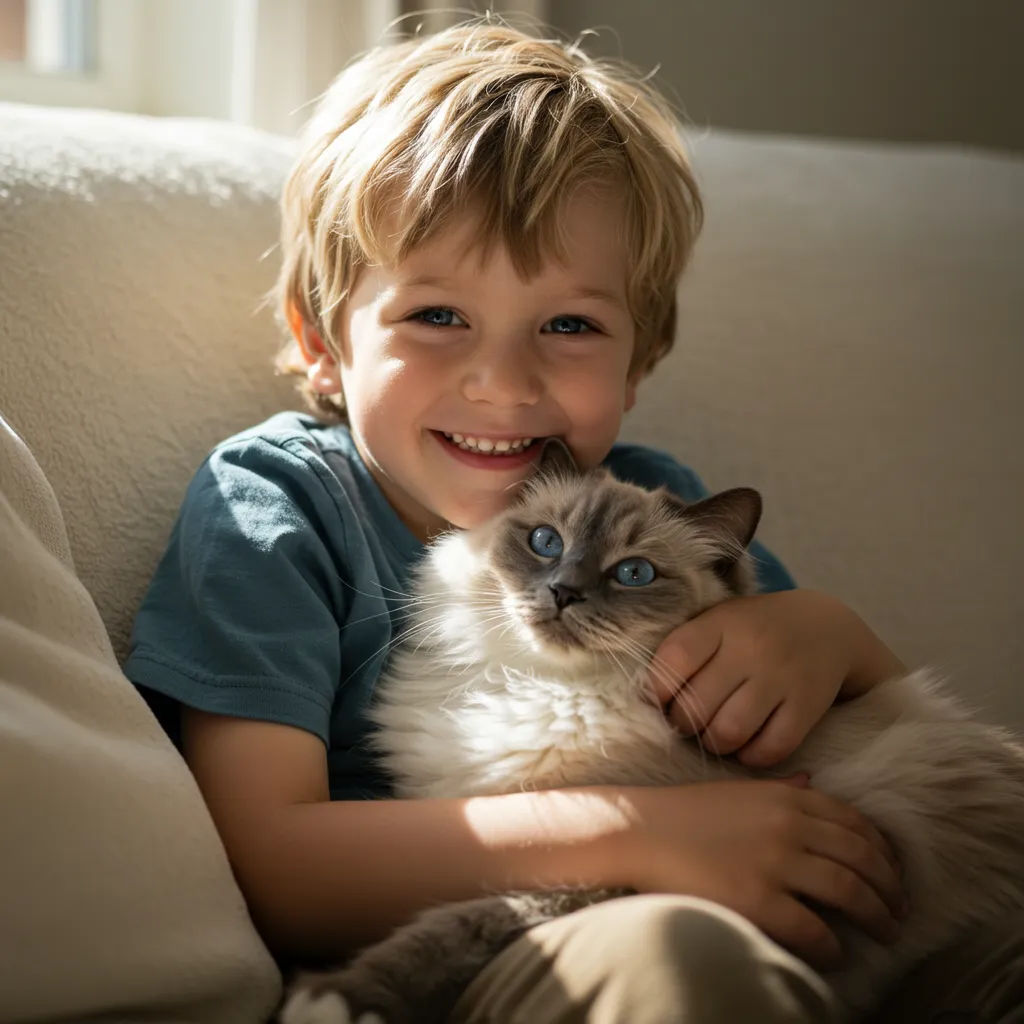
Imagine this: Your little ones giggling as a fluffy, blue-eyed cat flops into their arms like a living teddy bear, purring away without a care in the world. Sounds like a dream, right? But for families searching for “Ragdoll cats and kids,” this could be your everyday reality. Choosing the right pet for a household with children isn’t easy—parents worry about scratches, allergies, or a cat that’s too aloof or aggressive. That’s where this comprehensive guide comes in. As a seasoned cat enthusiast with years of experience in feline behavior and family dynamics, I’ve dug deep into expert insights, real-life stories, and breed specifics to show why Ragdoll cats with children might just be the match you’ve been hoping for. We’ll cover everything from their gentle temperament to practical tips, ensuring you have all the tools to decide if this family-friendly cat breed is right for your home.
What Makes Ragdoll Cats So Special? An Introduction to the Breed
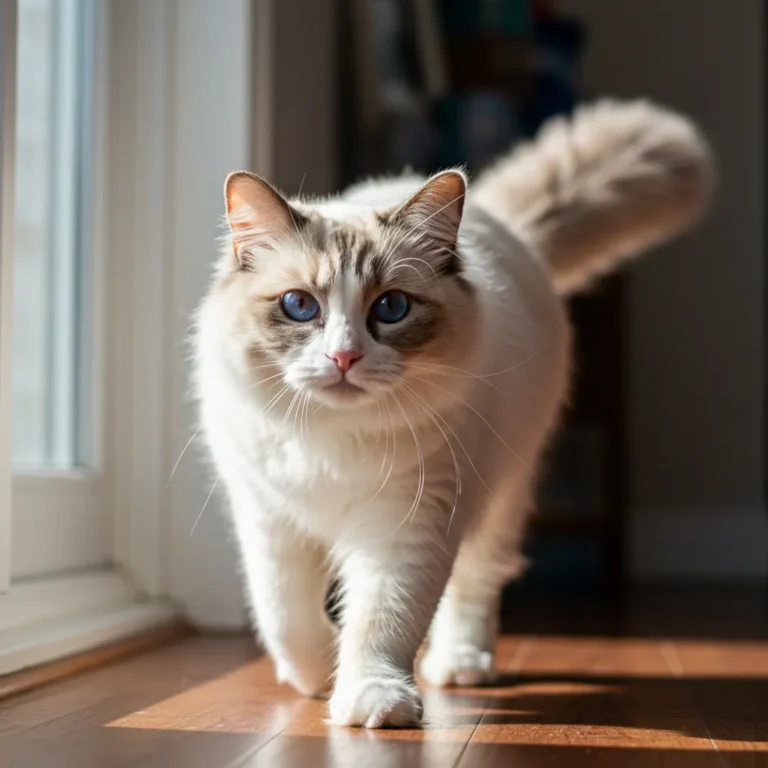
Ragdoll cats aren’t your average felines—they’re like the chill, cuddly cousins of the cat world. Originating in the 1960s in Riverside, California, the breed was developed by breeder Ann Baker, who crossed a white Angora-like cat named Josephine with other longhaired breeds, including possibly Birman or Burmese influences. The result? A large, semi-longhaired cat known for its striking blue eyes, colorpoint patterns (like seal, blue, or chocolate), and that signature “ragdoll” flop when picked up.
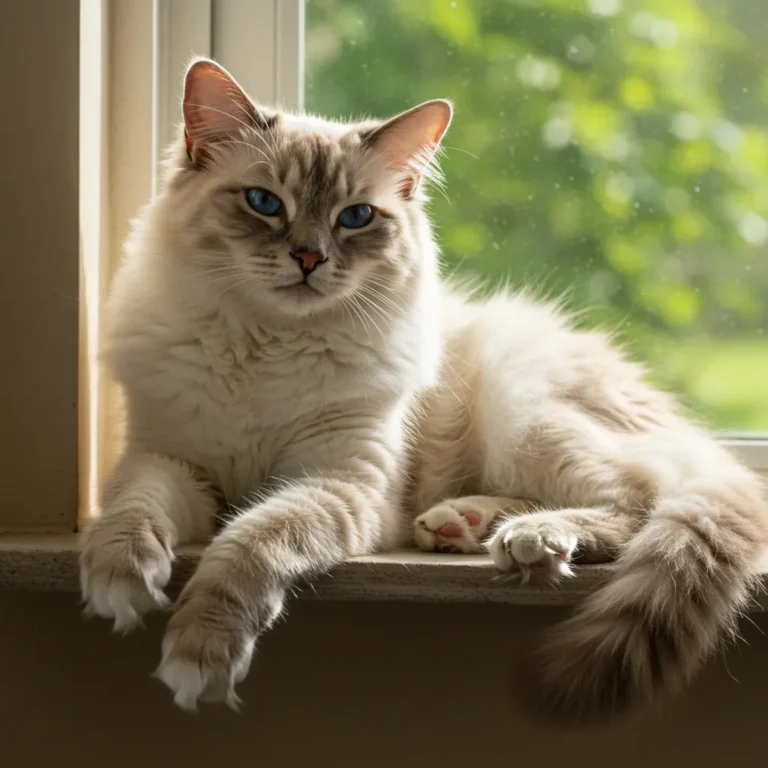
Physically, Ragdolls are impressive: Males can weigh 15-20 pounds, females 10-15, with soft, silky fur that’s low-shedding compared to other longhairs. They’re not fully mature until around 3-4 years old, so expect a kitten to grow into a substantial lap cat. But it’s their personality that steals the show—docile, affectionate, and incredibly patient, making them stand out among family-friendly cat breeds.
If you’re new to cats, think of Ragdolls as the golden retrievers of the feline kingdom: Loyal, eager to please, and always up for a snuggle. This Ragdoll cat temperament is what draws families in, especially those asking, “Are Ragdoll cats good with kids?”
The History and Origin of Ragdoll Cats: From Humble Beginnings to Family Favorites
Every great breed has a story, and Ragdolls have one wrapped in a bit of mystery and controversy. Ann Baker started breeding them in the early 1960s after her cat Josephine was hit by a car and supposedly developed unique traits in her kittens—like going limp when held and having a high pain tolerance. Baker trademarked the name “Ragdoll” and created strict breeding guidelines, but the breed gained recognition from organizations like The International Cat Association (TICA) and The Cat Fanciers’ Association (CFA) in the 1970s and 1990s.
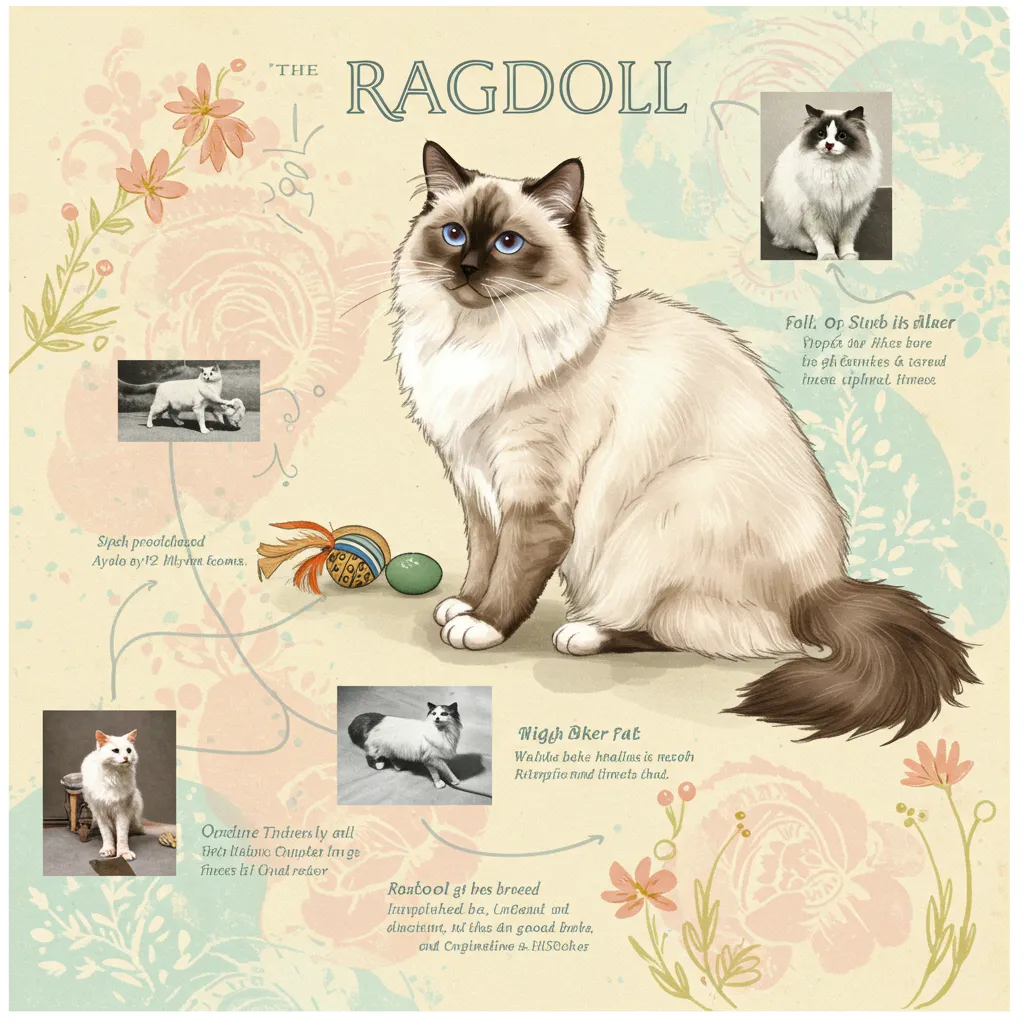
Today, Ragdolls are beloved worldwide for their Ragdoll cat history and origin tied to gentleness. Unlike more independent breeds, they were selectively bred for companionship, which explains their emotional support qualities. For families, this means a cat that’s not just a pet but a true member of the household, often bonding deeply with children.
Ragdoll Cat Temperament: Gentle Giants with Hearts of Gold
At the core of why Ragdoll cats excel with families is their temperament. These cats are famously laid-back, earning nicknames like “puppy cats” for following their owners around and greeting them at the door. Their Ragdoll cat personality is calm, non-aggressive, and highly tolerant—key traits for homes with energetic kids.
- Affectionate and Social: Ragdolls crave human interaction. They’ll curl up on your lap for hours, providing that warm, fuzzy comfort kids love.
- Playful Yet Mellow: While they enjoy gentle play (think feather toys or laser pointers), they’re not hyper like some breeds, reducing the risk of accidental scratches.
- Intelligent and Trainable: Many owners teach them tricks or leash-walking, turning playtime into bonding sessions.
Compared to other gentle cat breeds, Ragdolls score high on adaptability. A recent owner shared on Reddit: “My Ragdoll is patient, intelligent, and respectful—perfect for our family.” This temperament makes them ideal for teaching kids responsibility with pets.
Are Ragdoll Cats Good with Kids? Breaking Down the Compatibility
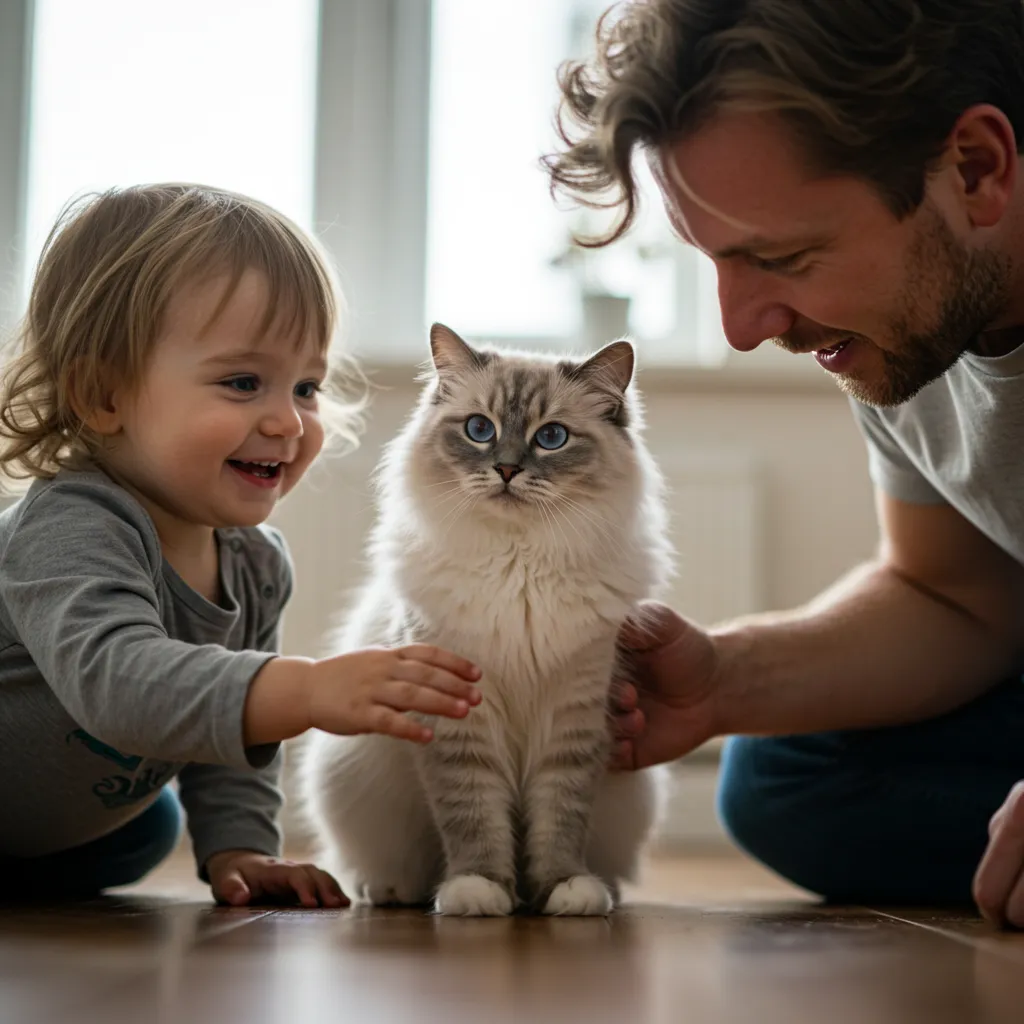
The big question: Are Ragdoll cats good with kids? In short, yes—overwhelmingly so. Their gentle and calm nature shines in family settings, where they tolerate poking, prodding, and play without retaliation. Parents on forums like Reddit rave about how Ragdolls handle children’s enthusiasm: “As long as kids know how to treat pets, they should be fine.”
Gentle and Calm Nature: Why Ragdolls Thrive with Children
Ragdolls’ Ragdoll cat behavior with children is patient and forgiving. They rarely scratch or bite, even with toddlers, thanks to their low prey drive and relaxed demeanor. One family shared: “My Ragdoll kitten is amazing with the children—they carry him everywhere, and he never swipes.”
Pros of Ragdoll cats with children:
- High tolerance for handling.
- Affectionate without being clingy.
- Safe for toddlers when supervised.
Cons? They’re large, so young kids might need help picking them up to avoid strain.
Child Safety with Ragdoll Cats: Addressing Common Concerns
Child safety with Ragdoll cats is a top priority. These cats are low-risk for aggression, but supervision is key. Teach kids not to pull tails or ears—Ragdolls might retreat if overwhelmed but won’t lash out. Allergies? Their fur is less allergenic than some, but always test.
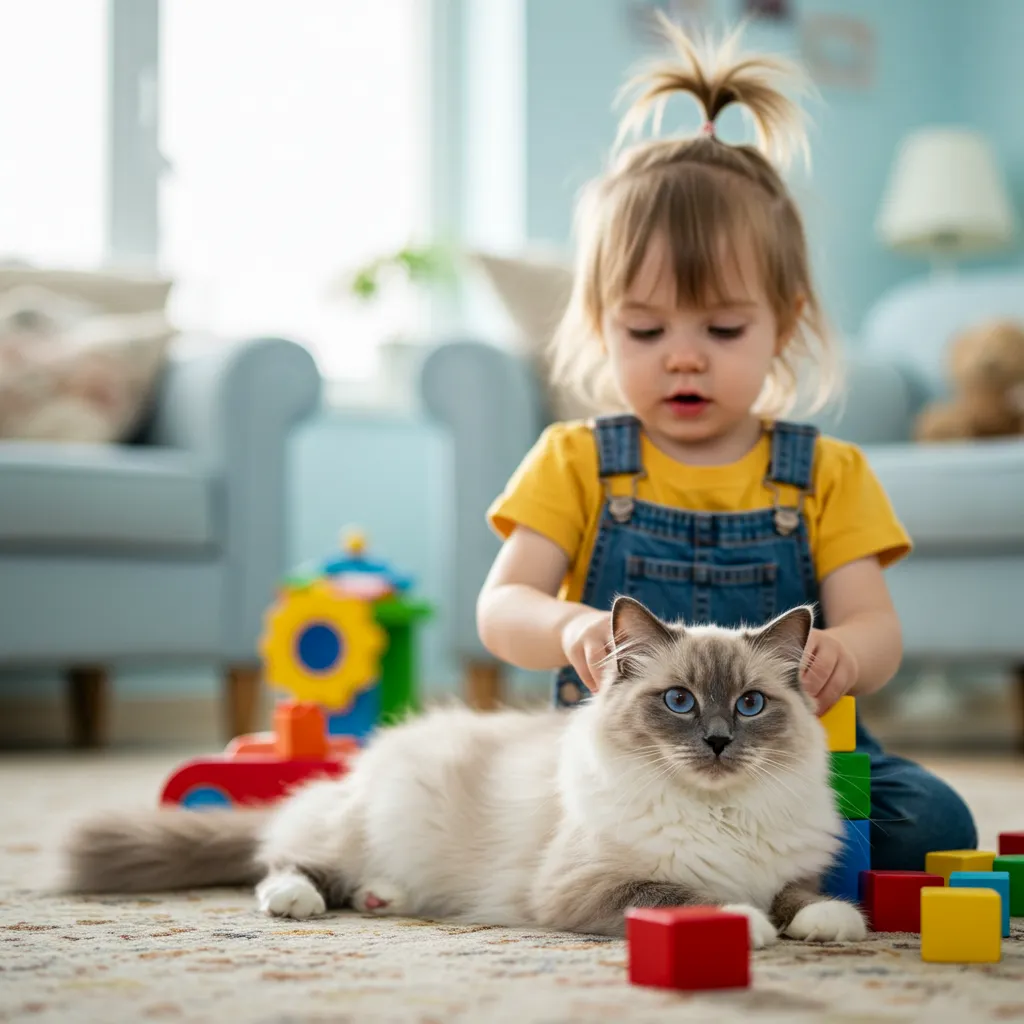
For safe cats for toddlers, Ragdolls top lists alongside Maine Coons and Abyssinians.
Behavioral Traits of Ragdoll Cats Around Kids: What to Expect
Observing Ragdoll cat behavior with children reveals a mix of playfulness and loyalty. They’re affectionate, often seeking out kids for cuddles, and playful enough for games without getting too rough.
Affectionate and Playful: Fun Without the Fuss
Ragdolls love interactive play, like chasing balls or batting at strings, making them playful cat breeds for kids. Yet, they’re content to lounge, providing emotional support during quiet times.
Loyal and Companionable: A Friend for Life
These cats form strong bonds, following kids around like shadows. This loyalty boosts benefits of Ragdoll cats for children, from companionship to stress relief.
Benefits of Ragdoll Cats for Children: More Than Just a Pet
Bringing a Ragdoll into your home offers tangible perks for kids’ development.
Emotional Support and Bonding
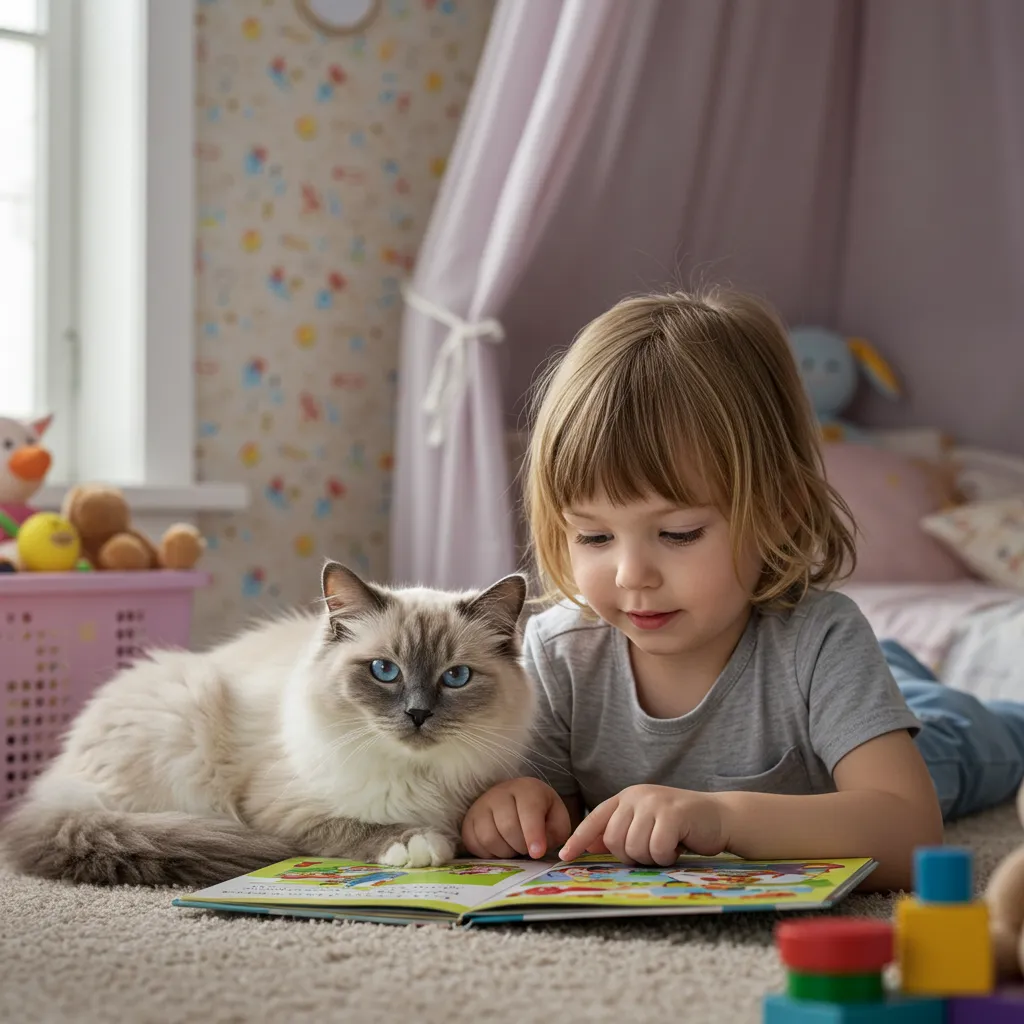
Ragdolls act as Ragdoll cats emotional support, helping children manage emotions. Studies show pets like these reduce anxiety and build empathy. They’re even used as therapy pets.
Teaching Kids Responsibility with Pets
Assign chores like feeding or brushing teaches accountability. One parent noted: “Helping feed our Ragdoll teaches my kids empathy.”
Cuddling and Comfort: Heartwarming Moments
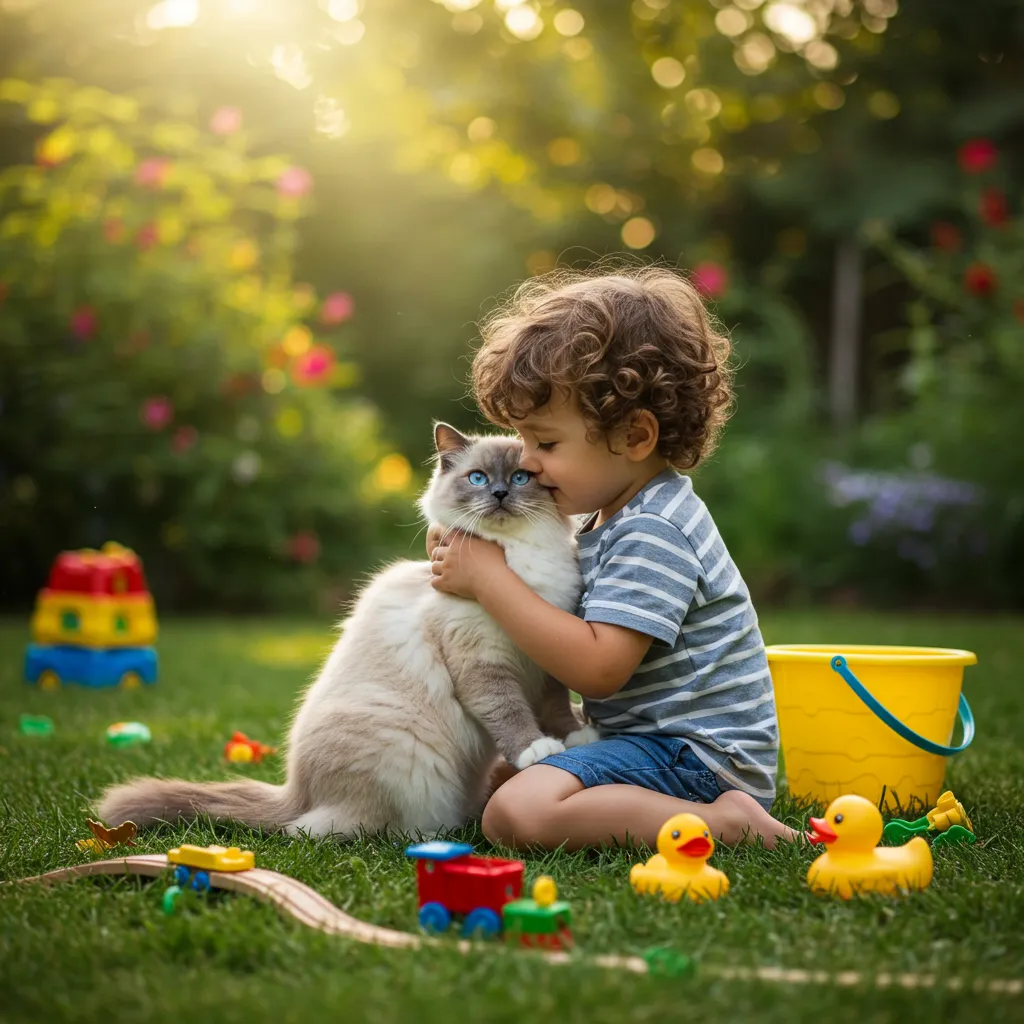
Nothing beats cute Ragdoll cat family moments—think snuggles on movie night. These foster best pets for child development.
| Benefit | How It Helps Kids |
|---|---|
| Emotional Support | Reduces stress, builds confidence |
| Responsibility | Teaches care routines |
| Physical Activity | Encourages gentle play |
| Social Skills | Promotes empathy and sharing |
Potential Challenges: Not Every Cat is Perfect
No breed is flawless. Ragdolls need grooming to prevent mats, and their size means they eat more. They can be vocal when wanting attention, and separation anxiety might occur if left alone too long. Address these with routine and enrichment.
Best Practices for Introducing Ragdoll Cats to Kids
How to introduce cats to young children? Start slow.
Step-by-Step Guide to Supervised Introductions
- Prepare the Space: Set up a safe room for the cat with toys and litter.
- Initial Meetings: Let kids observe from afar, using treats for positive associations.
- Hands-On Interaction: Supervise petting; teach gentle strokes.
- Build Trust: Gradually increase time together.
Experts recommend positive reinforcement: Reward calm behavior.
Creating a Safe Space for Everyone
Provide high perches for the cat to escape, and teach kids boundaries.
Positive Reinforcement Techniques
Use treats and praise to encourage good interactions.
For Ragdoll cats and baby bonding, introduce scents first via blankets.
Ragdoll vs Other Family-Friendly Cat Breeds: How Do They Stack Up?
Ragdoll vs other family-friendly cat breeds? Let’s compare.
- Vs. Maine Coon: Both large and gentle, but Maine Coons are more energetic; Ragdolls are calmer.
- Vs. Birman: Similar looks, but Ragdolls are more tolerant of rough play.
- Vs. British Shorthair: Shorter fur, less grooming, but Ragdolls are more affectionate.
Table: Temperament Comparison
| Breed | Temperament | Kid-Friendly Rating | Grooming Needs |
|---|---|---|---|
| Ragdoll | Gentle, Affectionate | 9/10 | Medium |
| Maine Coon | Playful, Loyal | 8/10 | High |
| Abyssinian | Energetic, Curious | 7/10 | Low |
Ragdolls often win for families seeking low-drama companions.
Heartwarming Ragdoll Cat and Kids Stories: Real-Life Tales
From X (formerly Twitter): “My Ragdoll lets the kids carry her like a ragdoll with zero protest.” Another: “Our Ragdoll is like a babysitter—cuddles the baby all day.”
One family shared: “Our cat helped our shy child open up through play.”
These stories highlight Ragdoll cats with families creating lifelong memories.
Conclusion: Is a Ragdoll Cat Right for Your Family?
Wrapping up, Ragdoll cats and kids often form unbreakable bonds thanks to their gentle temperament, playful nature, and emotional support. Whether you’re drawn to their history, benefits for child development, or simply those cute family moments, Ragdolls stand out among gentle cats for families. If you’re ready for a loyal companion, consider adopting or buying from a reputable breeder—check sites like CFA.org for listings.
What do you think? Share your thoughts in the comments, or subscribe for more pet tips. If this sparked your interest, read on for our FAQ!
FAQ
Are Ragdoll cats good with children?
Yes, their patient and gentle nature makes them excellent with kids, as long as interactions are supervised.
What is the history and origin of Ragdoll cats?
Developed in the 1960s by Ann Baker in California from mixed longhaired breeds.
Do Ragdoll cats have a gentle and calm nature?
Absolutely—they’re known for being docile and relaxed.
How do Ragdoll cats behave around kids?
Affectionate, playful, and tolerant, often enjoying cuddles and gentle games.
What makes Ragdoll cats great for families?
Their loyalty, low aggression, and emotional support qualities.
Are there any challenges in having a Ragdoll cat in a family with kids?
Grooming needs and potential for separation anxiety, but these are manageable.
What are the best practices for introducing Ragdoll cats to young children?
Supervise, use positive reinforcement, and create safe spaces.
How do Ragdoll cats compare to other family-friendly cat breeds?
More affectionate than British Shorthairs, calmer than Maine Coons.
Are there any heartwarming stories of Ragdoll cats and kids?
Plenty! Like cats letting kids carry them without fuss.