Ultimate Guide to Ragdoll Cat Weight: Keeping Your Fluffy Friend Fit and Healthy
Imagine snuggling up with your Ragdoll cat, that big, blue-eyed bundle of fur who flops into your arms like a living teddy bear. Ragdolls are known for their impressive size and laid-back personalities, but managing their weight can be a real challenge. If you’ve ever wondered, “Is my Ragdoll’s belly just fluffy, or is it something more?” you’re not alone. Overweight Ragdoll cats are common due to their love of lounging and hearty appetites, leading to health risks like joint issues or diabetes. But don’t worry—this comprehensive guide is your ultimate solution. We’ll dive into everything from assessing body condition to diet tweaks and exercise hacks, all tailored to help your Ragdoll maintain a healthy weight. Backed by expert insights and real tips, you’ll have the tools to outsmart obesity and keep your cat thriving.
Understanding Your Ragdoll’s Weight and Body Condition
Ragdolls are one of the largest domestic cat breeds, so understanding their ideal weight isn’t just about the numbers on a scale—it’s about overall health and vitality. Let’s break it down step by step, so you can spot if your cat is on track or needs a nudge.
Average Weight for Ragdoll Cats by Age and Gender
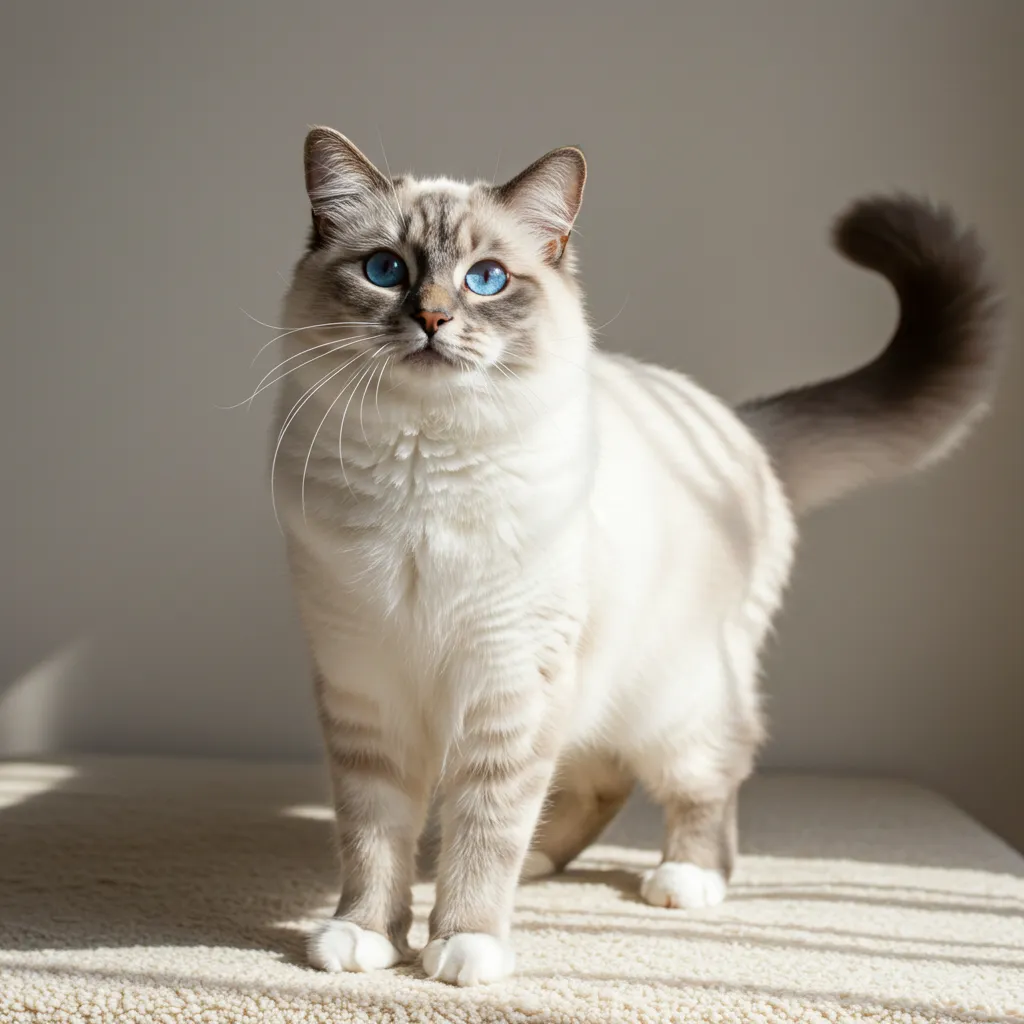
Ragdolls grow slowly, often not reaching full size until 3-4 years old. Males are typically bigger than females, with averages varying by age. Here’s a handy chart based on reliable breed data to give you a benchmark:
| Age | Male Weight (lbs) | Female Weight (lbs) | Notes |
|---|---|---|---|
| Newborn | 0.18-0.27 | 0.18-0.27 | Tiny and fragile—focus on nursing. |
| 1 Month | 1-1.5 | 1-1.5 | Rapid growth phase; high-calorie kitten food needed. |
| 3 Months | 3-4 | 3-4 | Playful and energetic—monitor for steady gains. |
| 6 Months | 5-7 | 4-6 | Halfway to adult size; neutering may affect metabolism. |
| 1 Year | 7-12 | 6-10 | Still growing; adjust diet to prevent overeating. |
| Adult (2+ Years) | 12-20 | 9-15 | Peak size; males can hit 25 lbs if oversized, but aim for the lower end to avoid strain. |
Remember, these are averages—your Ragdoll’s genetics, diet, and activity level play a role. If your cat falls outside these ranges, chat with your vet. For example, a real-life story from a Ragdoll owner: Their 6-year-old male tipped the scales at 18 lbs but stayed healthy with portion control and playtime.
Ragdoll Cat Size: How Big Can They Get? Adult Size & Weight
How to Assess Your Ragdoll’s Body Condition Score
Forget the scale for a moment—body condition scoring (BCS) is a vet-approved way to gauge if your Ragdoll is at a healthy weight. It’s a 9-point scale where 5 is ideal: ribs palpable without excess fat, a visible waist from above, and an abdominal tuck from the side.
Step-by-step guide:
- View from above: Look for an hourglass shape. No waist? Could be overweight.
- Feel the ribs: Run your hands along the sides. Ribs should feel like the back of your hand—easy to detect but not protruding.
- Check the abdomen: From the side, there should be a tuck-up behind the ribs. A sagging belly might indicate fat, not just the primordial pouch (more on that next).
- Weigh regularly: Combine with BCS for accuracy. Aim for monthly checks at home or vet visits.
If your Ragdoll scores 6-9, they’re carrying extra weight, increasing risks like arthritis. Pro tip: Use a pet scale or weigh yourself holding your cat, then subtract your weight. Tools like apps for calorie tracking can help monitor progress.
The Primordial Pouch in Ragdolls: Myth vs. Reality
That wobbly belly flap? It’s not always fat—it’s the primordial pouch, a natural feature in all cats, including Ragdolls. This loose skin and fat layer stretches from the ribs to the hind legs, evolving for protection during fights, extra storage, and flexibility in wild ancestors.
In Ragdolls, the pouch can be more noticeable due to their size and long fur, but it’s normal and swings when they walk. How to tell it from fat:
- Pouch: Soft, swingy, no excess padding elsewhere.
- Fat: Firm, accompanies hard-to-feel ribs and a round body.
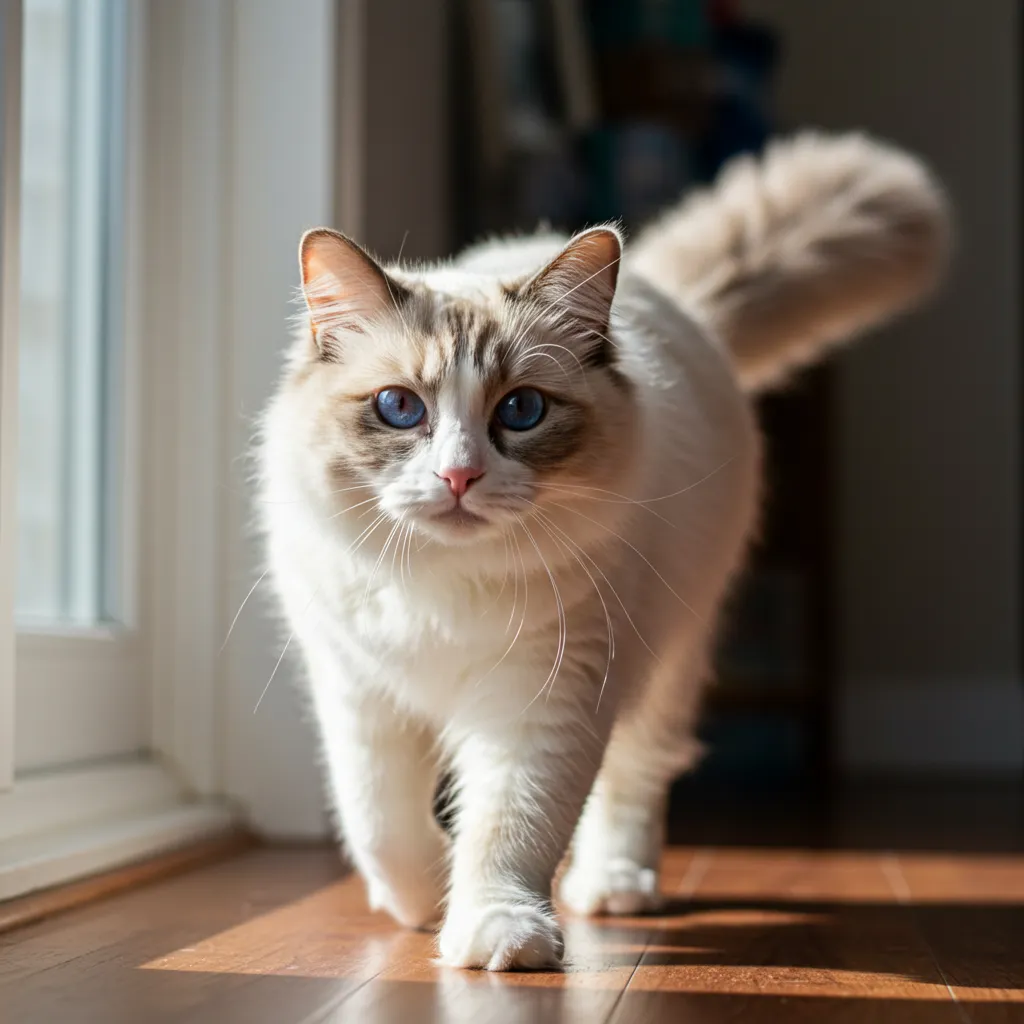
If you’re unsure, feel for the spine and hips. A prominent pouch is breed-standard, but combined with other signs, it might signal weight issues. Fun fact: Even lean Ragdolls have one—don’t mistake it for obesity!
A Cat’s Primordial Pouch: What Is It and How Does It Work? – toe beans
Signs Your Ragdoll Might Be Overweight
Spotting an overweight Ragdoll early can prevent bigger problems. These gentle giants often hide weight gain under their plush coats, so vigilance is key.
Visual Clues: What to Look For
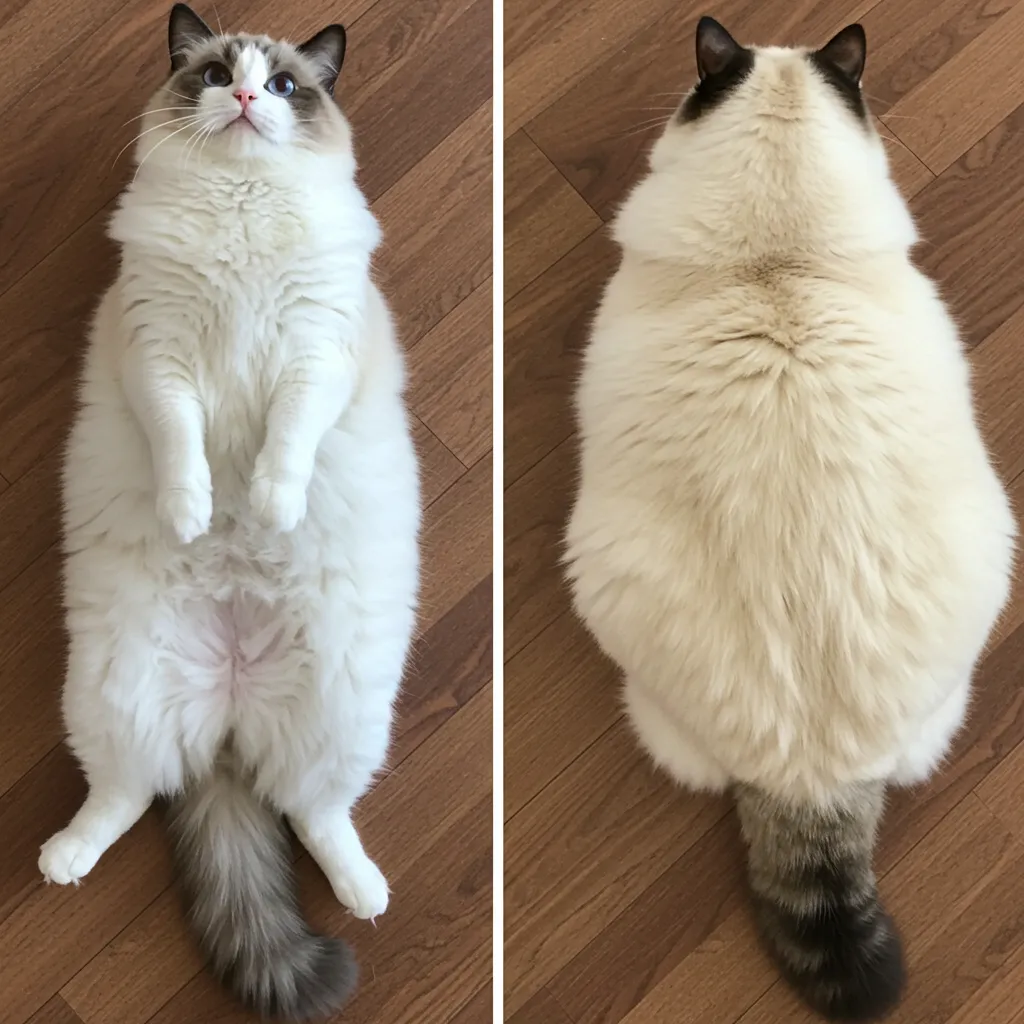
- Rounded body shape: No defined waist; looks like a fluffy sausage from above.
- Sagging abdomen: Beyond the primordial pouch, a heavy belly that drags.
- Difficulty grooming: Overweight cats can’t reach their back or tail, leading to matted fur.
- Visible fatigue: Panting after minimal play or struggling to jump onto low surfaces.
One owner shared how their Ragdoll’s coat hid 5 extra pounds until a vet check revealed it—visual checks plus hands-on feeling are essential.
Is my Ragdoll overweight? : r/ragdolls
Behavioral Changes in Overweight Cats
Overweight Ragdolls may become less playful, sleeping more and avoiding interaction. Look for:
- Reduced activity: Skipping chase games or ignoring toys.
- Irritability: Snapping when picked up due to joint discomfort.
- Increased hunger: Begging despite full meals, signaling metabolic shifts.
- Breathing issues: Labored breaths after short bursts of energy.
These signs often overlap with health problems, so note changes and consult a vet promptly.
Causes of Weight Gain in Ragdoll Cats
Ragdolls are prone to packing on pounds—let’s explore why and how to nip it in the bud.
Diet-Related Factors
Overfeeding is a top culprit. Ragdolls love food, and free-feeding dry kibble (high in carbs) leads to excess calories. Poor-quality foods with fillers like corn spike weight without nutrition. Neutering slows metabolism, adding 20-30% to risk if portions aren’t adjusted. Real example: Switching to measured wet food helped one Ragdoll drop 3 lbs in months.
Activity Level Considerations
As indoor cats, Ragdolls lounge a lot—low exercise burns fewer calories. Boredom leads to overeating for stimulation. Pros of indoor life (safety) come with cons (sedentary habits), so structured play is vital.
Underlying Health Issues
Conditions like hypothyroidism or diabetes can cause weight gain. Aging slows metabolism, and medications might increase appetite. Always rule out medical causes with bloodwork before blaming diet alone.
What to Do If Your Ragdoll Cat Is Overweight
Don’t panic—safe weight loss is possible with a plan.
Consulting with Your Veterinarian
Start here: Vets assess health risks, calculate ideal weight, and rule out issues. They might recommend tests or a tailored plan. One vet story: A 22-lb Ragdoll lost weight gradually, avoiding hepatic lipidosis risks.
Implementing a Weight Loss Plan
Aim for 1-2% body weight loss weekly. Combine diet changes, exercise, and monitoring. Track with a journal: weight, food intake, activity.
Pros of vet-guided plans:
- Customized to your cat’s needs.
- Avoids nutrient deficiencies.
Cons: Requires consistency— no cheating with treats!
Effective Ragdoll Cat Diet Tips for Weight Management
Diet is 80% of weight control—let’s optimize it.
Understanding Ragdoll Caloric Needs
Adult Ragdolls need 18-24 calories per pound daily, so a 15-lb cat requires 270-360 calories. Kittens need more (up to 420 for growing). Factors: Age, activity, neuter status. Use calculators or vet advice for precision.
Best Weight Management Cat Food for 2025
Top picks from recent reviews:
- Hill’s Science Diet Perfect Weight—Vet-recommended, balanced for gradual loss.
- Royal Canin Ragdoll Adult—Breed-specific, controls calories while supporting coat health.
- Blue Buffalo True Solutions Weight Control—Natural ingredients, high protein.
Opt for wet foods to increase fullness with fewer calories. Avoid trends without vet input.
Ragdoll Cat Portion Control and Healthy Feeding Tips
Measure everything—use scoops or scales. Feed 2-3 meals daily, no free-feeding. Tips:
- Wet food focus: Hydrates and satisfies.
- Slow feeders: Puzzle bowls prevent gulping.
- Treat limit: Under 10% of calories; try low-cal options like freeze-dried chicken.
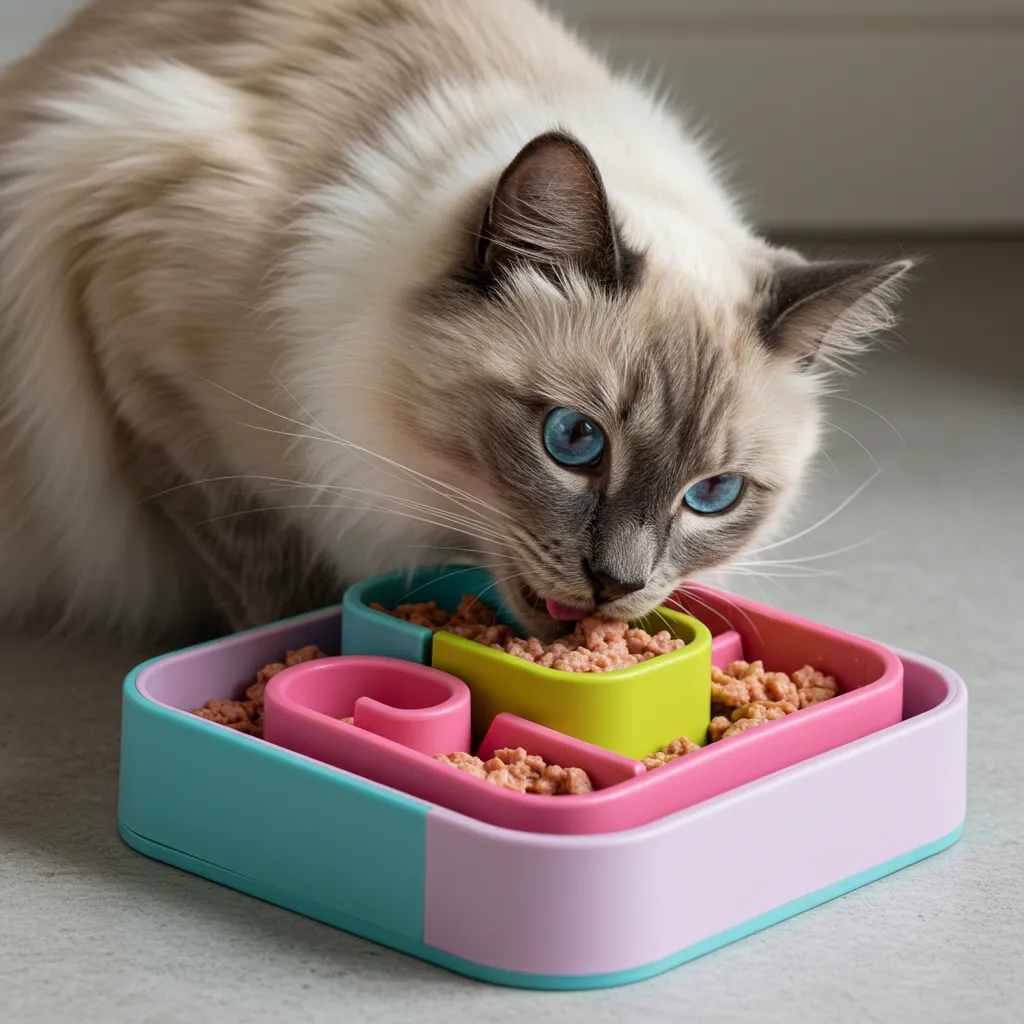
High-Protein, Low-Carb Cat Diet Benefits
Cats thrive on protein for energy and satiety, reducing overeating. Low-carb prevents blood sugar spikes, aiding weight loss. Benefits: Better muscle tone, fewer diabetes risks. Example: A high-protein switch helped a Ragdoll maintain weight effortlessly.
Homemade Cat Food for Weight Loss
DIY with vet approval: Lean turkey, veggies, supplements. Recipe idea:
- 80% protein (chicken/fish)
- 10% veggies (pumpkin for fiber)
- 10% fats/oils
Pros: Control ingredients. Cons: Risk imbalances—use recipes from nutritionists.
Healthy Treat Options for Ragdolls
Go for single-ingredient: Dried liver, tuna flakes. Low-cal hacks: Use kibble as treats or homemade yogurt drops. Keep to 5-10 treats daily.
Importance of Regular Exercise for Ragdoll Weight Management
Ragdolls aren’t natural athletes, but fun activities burn calories and boost mood.
Indoor Cat Exercise Hacks
- Laser pointers: 10-min sessions twice daily.
- Vertical spaces: Shelves for climbing.
- Food puzzles: Make meals work for calories.
Aim for 20-30 minutes daily, split into short bursts.
Engaging Playtime Activities and Interactive Toys for Overweight Cats
Interactive toys mimic hunting: Wand teasers, feather spinners. Top 2025 picks:
- Oxawo Rechargeable Butterfly Toy: Auto-spins for solo play.
- AIPERRO Smart Toy: Remote-controlled for variety.
Real tip: Rotate toys to prevent boredom.
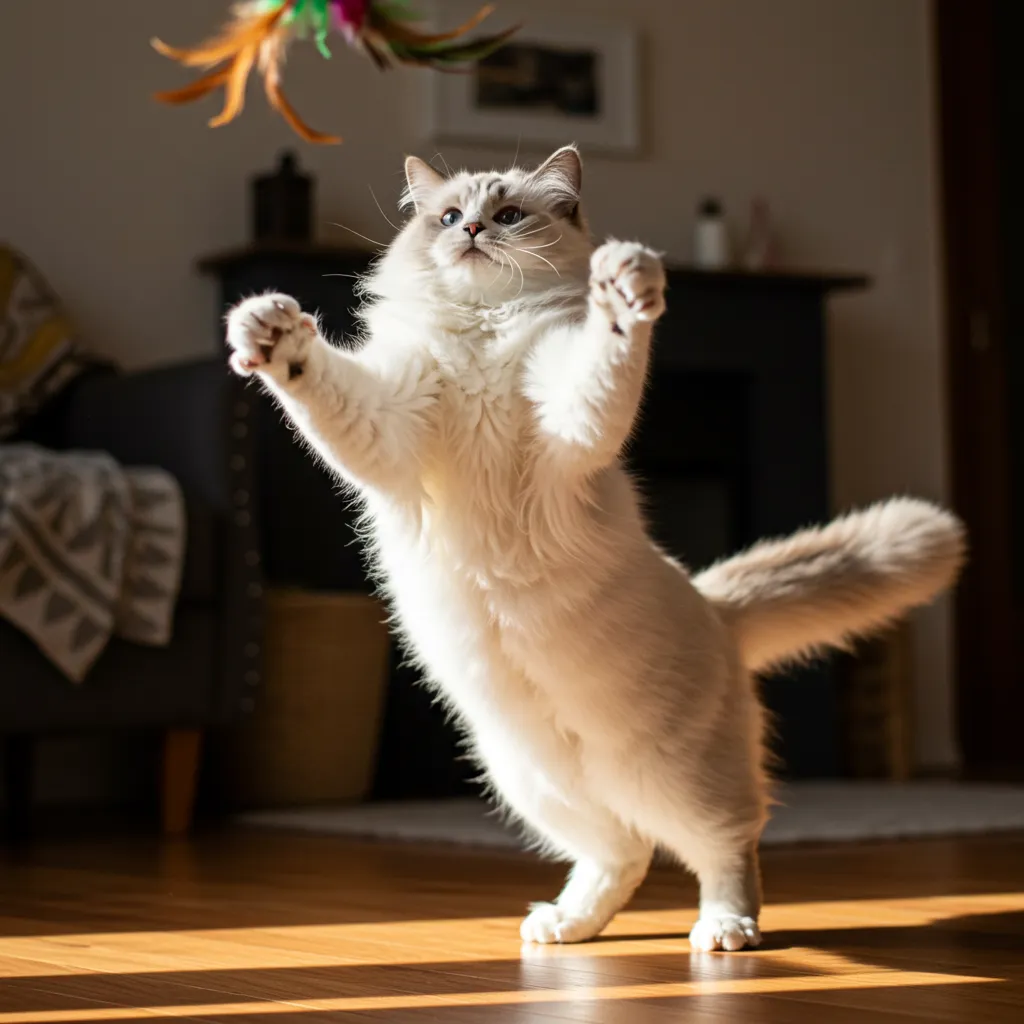
Amazon.com : Oxawo Interactive Cat Toys Cat Exercise Tumbler, Rechargeable Cat Toys for Indoor Cats Spin Butterfly Game Teasing Kitty, Extra Long Feather Wand (P33 cat Toys) : Pet Supplies
Benefits of Cat Trees and Activity Structures
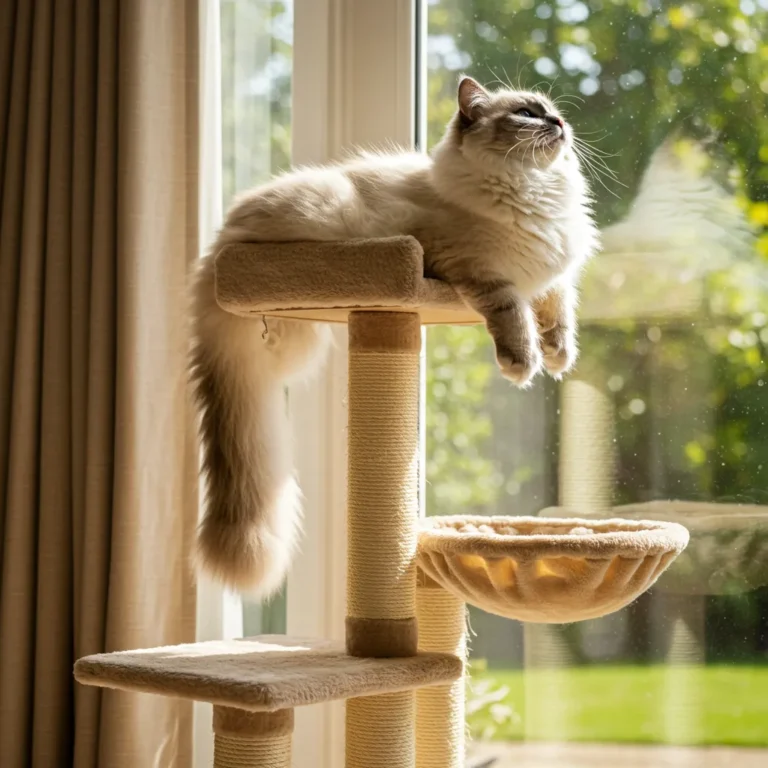
Cat trees encourage jumping and scratching, building muscle. For Ragdolls: Sturdy, tall models like GLUTIA Wooden Tower. Benefits: Mental stimulation, weight control, territory marking. Place near windows for bird-watching bonus.
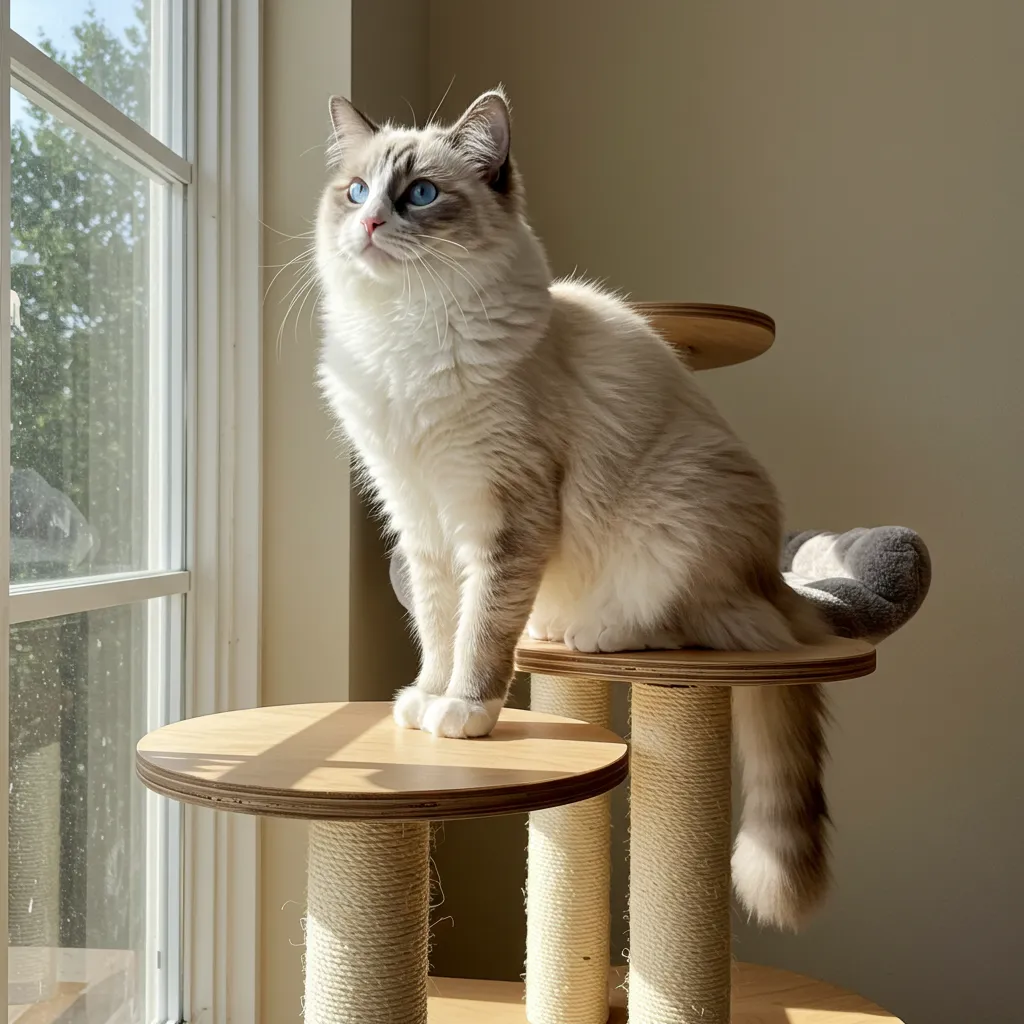
Would you recommend getting a cat tree? : r/ragdolls
Monitoring and Maintaining a Healthy Cat’s Weight
Stay proactive for long-term success.
Regular Weigh-Ins for Cats
Weigh weekly at home; log changes. Adjust diet if plateauing.
Adjustments and Long-Term Weight Loss Plans for Indoor Cats
Prevent rebound: Gradual transitions, ongoing exercise. Obesity prevention: Balanced nutrition, play routines.
Smart Feeders for Cats and Calorie-Tracking
Tech helps: Auto-feeders like PetSafe portion meals. Apps track intake—great for busy owners.
Conclusion
Managing your Ragdoll cat’s weight boils down to balanced diet, fun exercise, and regular checks. From understanding their primordial pouch to picking the best 2025 foods, you’ve got the blueprint for a fit, happy cat. Remember, small changes add up—start with a vet visit today. Your Ragdoll will thank you with more purrs and playtime. Subscribe for more breed tips, share your story in the comments, or check related posts like [Ragdoll Grooming Essentials]. Let’s keep our fluffballs thriving!
FAQ
How do I determine if my Ragdoll cat is overweight?
Use body condition scoring: Feel for ribs (should be palpable without thick fat) and check for a waist. If scoring 6+ on a 9-point scale, they’re likely overweight—confirm with a vet.
What are the common signs of an overweight Ragdoll cat?
Visual: Rounded shape, sagging belly. Behavioral: Lethargy, grooming difficulties, increased begging. Watch for labored breathing too.
What factors contribute to weight gain in Ragdoll cats?
Overfeeding, low activity, high-carb diets, neutering, and health issues like thyroid problems.
What steps should I take if my Ragdoll cat is overweight?
Consult a vet for a personalized plan, adjust diet to calorie-controlled food, increase exercise, and monitor progress monthly.
What are effective diet tips for helping my Ragdoll lose weight?
Focus on high-protein, low-carb wet foods; measure portions (250-350 calories daily for adults); limit treats to 10% of intake.
How important is exercise for my Ragdoll cat’s weight management?
Very—20-30 minutes daily prevents obesity, builds muscle, and reduces boredom eating. Use toys and trees for fun.
What should I consider when choosing food for weight management?
Look for vet-recommended options like Hill’s Perfect Weight; ensure balanced nutrients, high protein, and appropriate calories for Ragdolls.
How can I effectively monitor and maintain my Ragdoll’s weight?
Regular weigh-ins, BCS checks, calorie tracking apps, and vet visits. Adjust as needed for age and activity.