Ragdoll Cat Allergies: The Ultimate Guide to Spotting, Treating, and Preventing Them in Your Fluffy Friend
Imagine this: You’re curled up on the couch with your majestic Ragdoll cat, that blue-eyed beauty who’s basically a living pillow with a purr. But lately, they’ve been scratching nonstop, their once-silky fur looking a bit ragged, and you’re wondering if it’s just a phase—or something more sinister like Ragdoll cat allergies. If you’re a Ragdoll owner facing itchy skin, watery eyes, or endless vet visits, you’re not alone. These gentle giants are prone to allergies just like any cat, but the good news? With the right knowledge, you can turn things around fast.
In this all-in-one guide, we’ll dive deep into allergies in Ragdoll cats, from spotting Ragdoll cat allergy symptoms to exploring treating Ragdoll cat allergies and even debunking myths about hypoallergenic Ragdoll cats. Drawing from vet-recommended insights and real owner stories, this isn’t your average fluff piece—it’s packed with actionable steps, expert tips, and everything you need to keep your Ragdoll happy and itch-free. Let’s get your furball back to flop-mode.
Introduction to Ragdoll Cats and Allergies
Ragdolls aren’t just cats; they’re the ultimate lap companions, known for their docile nature and that signature “ragdoll” limp when you pick them up. But beneath that plush coat lies a vulnerability: allergies that can sneak up and disrupt their chill vibe.
What Makes Ragdoll Cats So Special?
These long-haired beauties originated in the 1960s from a white Persian-Angora mix, bred for their affectionate personalities and striking points (those color patterns on ears, tails, and paws). Weighing 10-20 pounds, Ragdolls have semi-long fur without a dense undercoat, which means less shedding than some breeds—but more on that later. They’re indoor lovers by nature, but that doesn’t shield them from common cat allergy symptoms like itching or digestive woes.
Fun fact: Ragdolls often bond deeply with their humans, following you room-to-room like a fluffy shadow. But when allergies hit, that bond can feel strained if they’re uncomfortable.
The Allergy Challenge: Why It Matters for Ragdoll Owners
Allergies aren’t just annoying—they can lead to secondary infections, weight loss, or even behavioral shifts that make your Ragdoll less… well, ragdoll-like. According to vets at PetMD, Ragdolls may be more susceptible to food allergies in Ragdoll cats due to their sensitive systems. Ignoring it? You risk chronic issues. But catching it early with tweaks like dietary changes for allergic cats or environmental adjustments for allergic cats can restore harmony. Stick with me—we’re covering it all.
Understanding Allergies in Ragdoll Cats
Let’s break down the basics. Cat allergies occur when the immune system overreacts to harmless stuff like proteins in food or pollen. For Ragdolls, with their luxurious coats that trap allergens, it’s a double whammy.
Types of Allergies: Food, Environmental, and Contact
Ragdoll allergies fall into three buckets. Here’s a quick pros/cons table to compare:
| Allergy Type | Common Triggers | Pros of Early Management | Cons if Untreated |
|---|---|---|---|
| Food Allergies in Ragdoll Cats | Beef, chicken, fish, dairy | Quick relief via diet swap | Chronic GI upset, skin infections |
| Environmental Allergies in Ragdoll Cats | Pollen, dust mites, mold | Simple home tweaks | Seasonal flare-ups, respiratory issues |
| Contact Allergies in Ragdoll Cats | Flea bites, fabrics, cleaners | Targeted avoidance | Hot spots, excessive grooming |
Each type hits differently, but the goal? Identify and eliminate.
Food Allergies in Ragdoll Cats
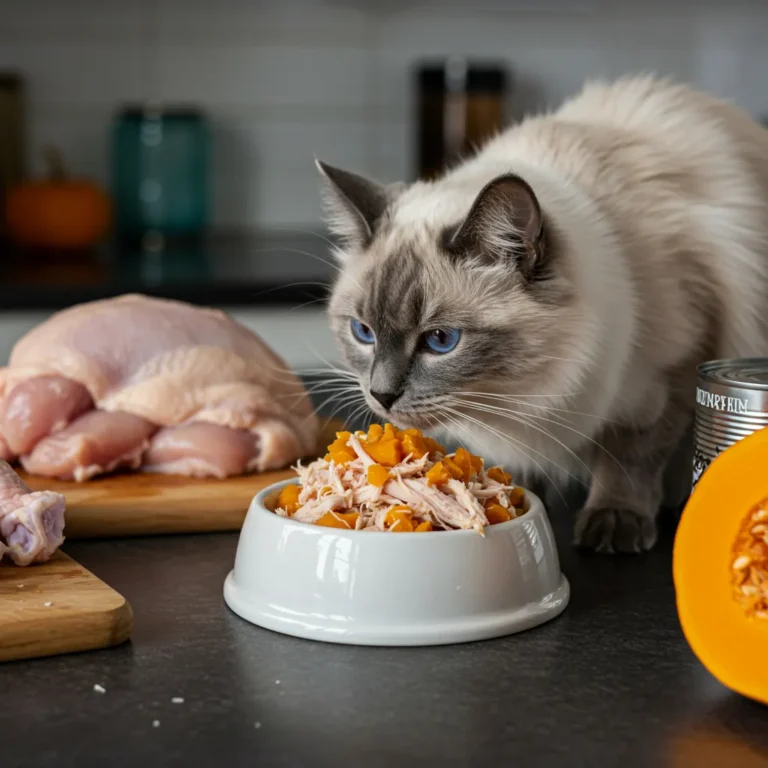
These sneaky ones develop over time, often after years of the same kibble. Ragdoll cat food triggers like beef (the top culprit) or grains can cause itchy paws or tummy troubles. One owner I chatted with (anonymously, of course) switched her Ragdoll from chicken-based food and saw scratching vanish in weeks.
Environmental Allergies in Ragdoll Cats
Think pollen in spring or dust in your cozy home. Ragdolls’ long fur acts like a magnet, worsening seasonal cat allergies. Indoor culprits? Carpet-embedded mites. Outdoor? Grass pollen during playtime—more on Ragdoll cat safety outdoors later.
Contact Allergies in Ragdoll Cats
Less common but painful: reactions to flea saliva or harsh shampoos. If your Ragdoll’s chin is red from plastic bowls, bingo—it’s contact dermatitis.
Ragdoll Cat Allergy Symptoms: What to Watch For
Spotting trouble early is key. Ragdoll cat allergy symptoms mimic other issues, so don’t play vet—observe patterns.
Physical Signs of Allergies
From head to tail, here’s what to eye:
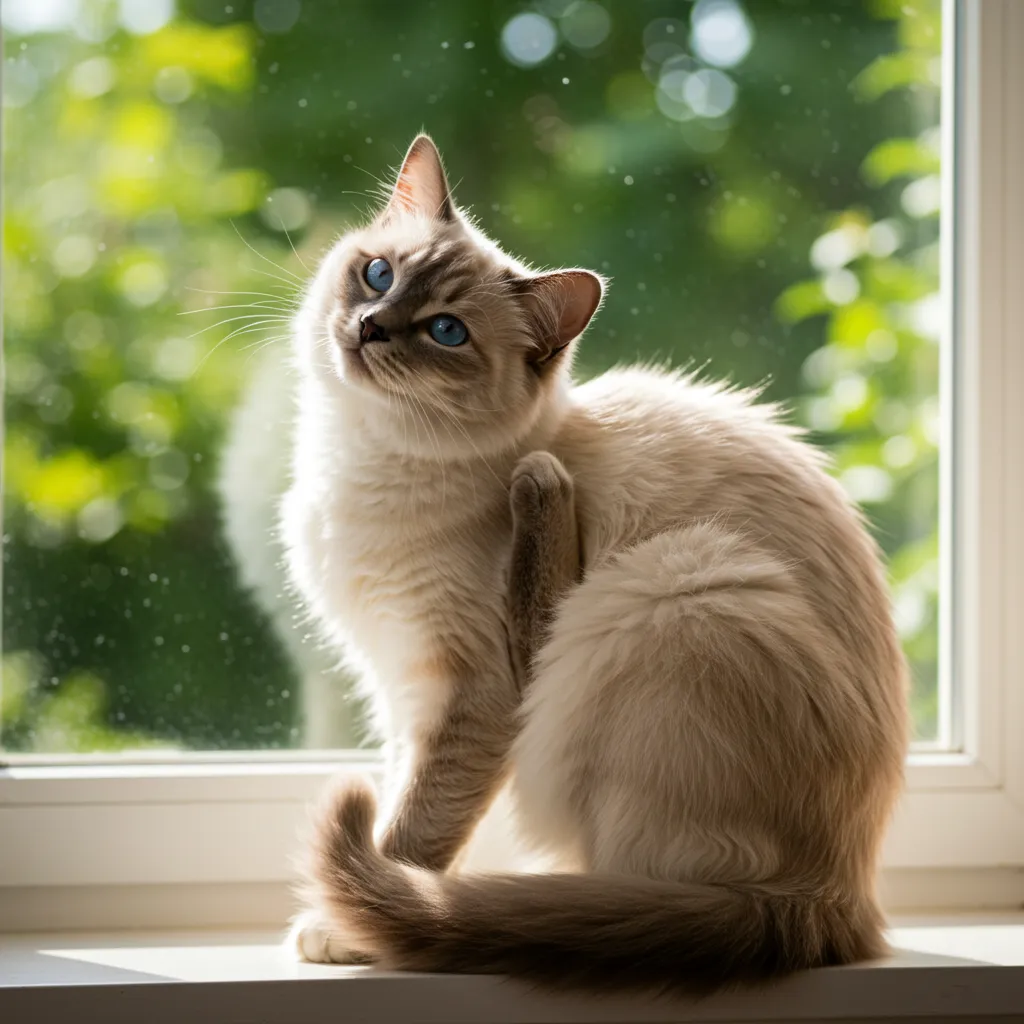
- Skin Drama: Red, inflamed patches; constant scratching leading to bald spots or “hot spots.” Ragdolls’ pale skin makes this pop.
- Ear and Eye Woes: Infections with waxy buildup; watery, squinty eyes from common cat allergy symptoms like pollen.
- GI Gripes: Vomiting, diarrhea, or gas—hallmarks of food allergies in Ragdoll cats.
- Respiratory Hints: Sneezing, coughing, or wheezing, especially in dusty homes.
Pro Tip: Track symptoms in a journal. Note time of year for indoor and outdoor allergens for cats.
Behavioral Changes Due to Allergies
Allergies aren’t just physical—they mess with mood. Your laid-back Ragdoll might:
- Hide more, avoiding touch on itchy spots.
- Become irritable, nipping during pets.
- Over-groom obsessively, leading to hairballs.
- Lose appetite, dropping weight fast.
Real-life example: Sarah’s Ragdoll, Luna, went from couch potato to zoomie-chaser overnight—turns out, it was flea allergy dermatitis masking as “extra energy.”
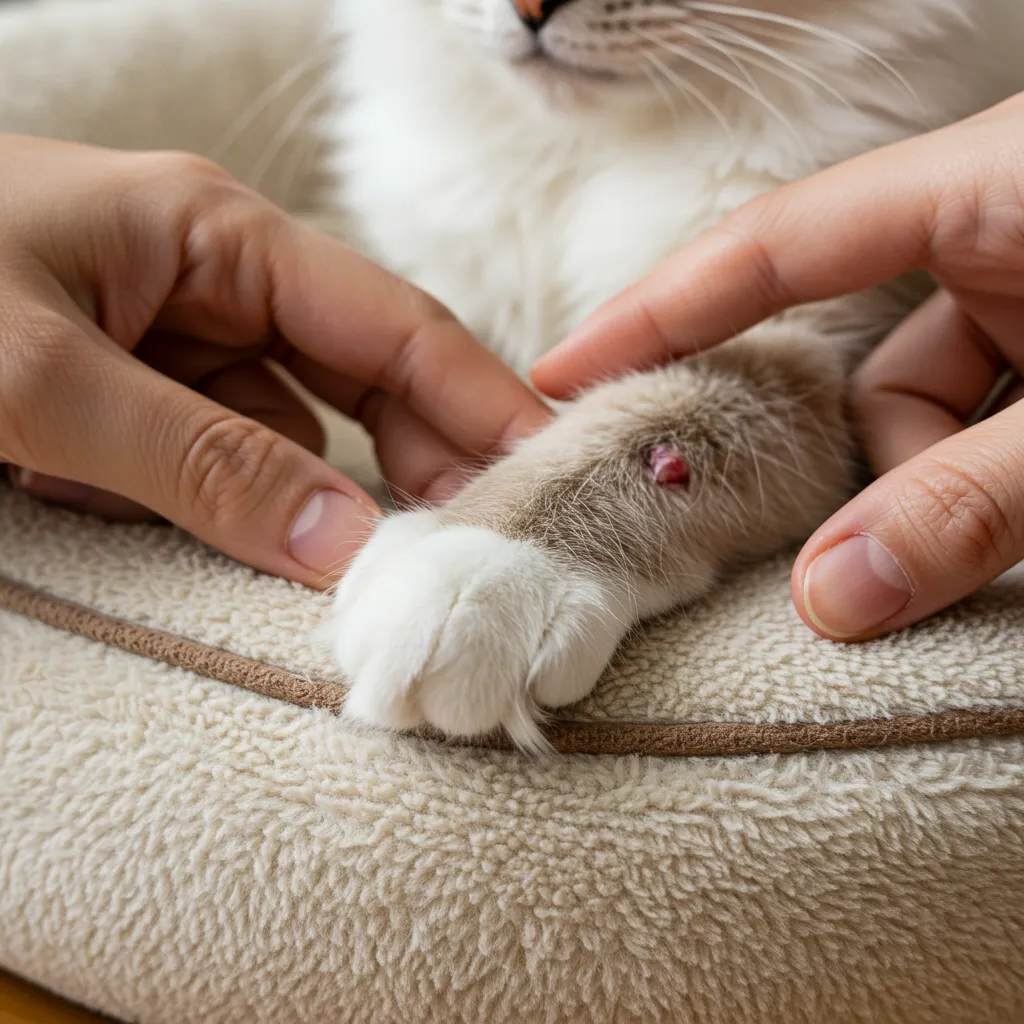
Diagnosing Allergies in Your Ragdoll Cat
Don’t guess—get pro help. Early diagnosis prevents escalation.
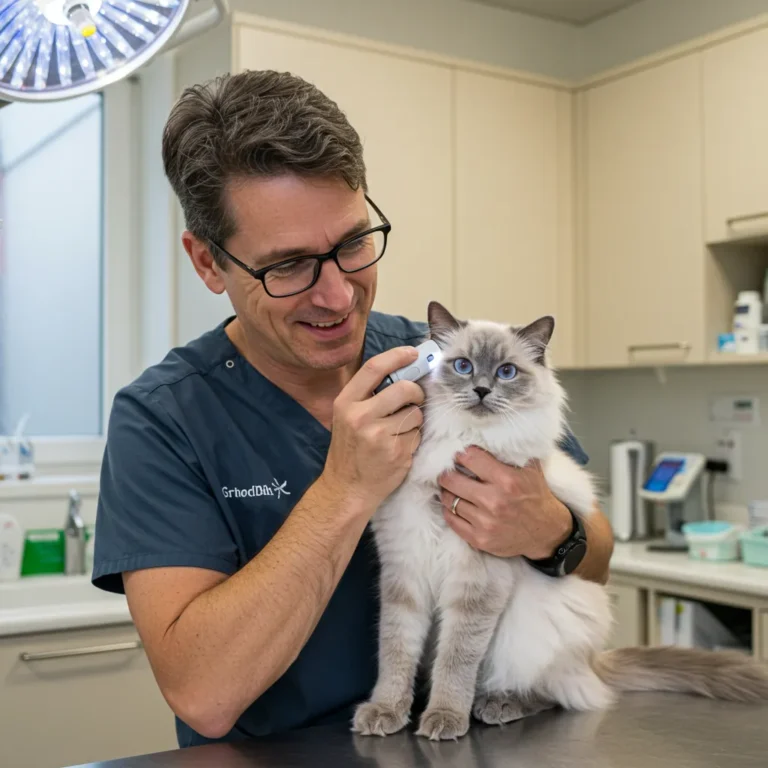
When to See a Vet
If symptoms last over two weeks or include lethargy/fever, book that appointment. Vets rule out parasites first (fleas love Ragdolls).
Veterinary Allergy Testing for Cats
Gold standard? Veterinary allergy testing for cats like intradermal skin tests or blood draws (RAST). Costs $200-500, but it’s precise for environmental allergies in Ragdoll cats. For food? Skip pricey kits—opt for supervised trials.
Step-by-Step: The Allergy Testing Process
- History Dive: Vet asks about diet, environment, and symptom timeline.
- Physical Exam: Skin scrapes, ear swabs.
- Testing: Blood for IgE levels or skin pricks for reactions.
- Results Review: A report lists top allergens—beef? Dust? Done.
Elimination Diets for Cats
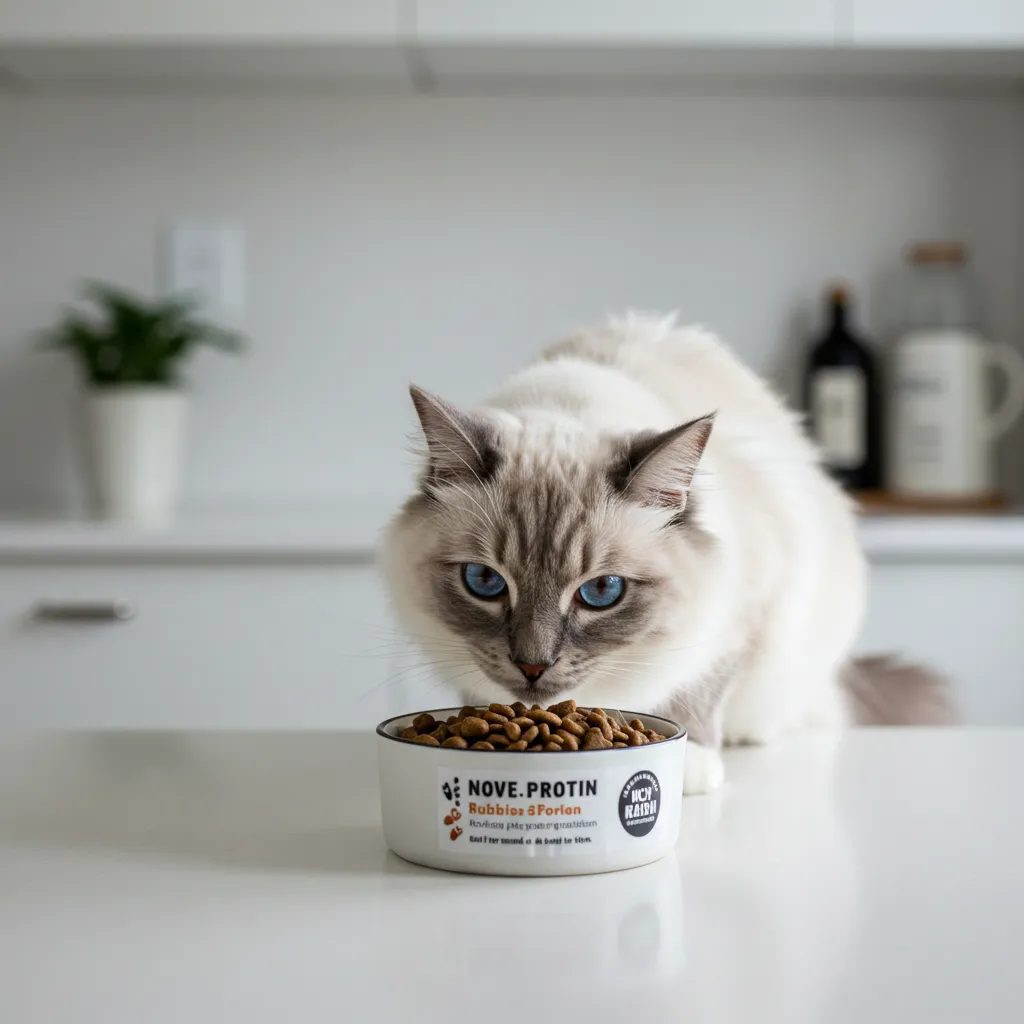
The DIY gold for food allergies in Ragdoll cats: Switch to novel proteins (duck, venison) for 8-12 weeks. No treats! Reintroduce suspects one-by-one. 70% success rate, per Cornell Vet Med.
Common Allergens Affecting Ragdoll Cats
Knowing enemies helps you fight. Let’s map ’em.
Indoor and Outdoor Allergens for Cats
| Category | Examples | Ragdoll Impact | Quick Fix |
|---|---|---|---|
| Indoor | Dust mites, mold, smoke | Traps in fur, constant exposure | HEPA filters, weekly vacuuming |
| Outdoor | Pollen, grass, ragweed | Seasonal cat allergies flare during walks | Limit Ragdoll cat safety outdoors to short, leashed sessions |
Ragdolls thrive indoors, so focus there—air purifiers cut dander by 50%.
Ragdoll Cat Food Triggers
Top offenders? Animal proteins: chicken (30% cases), beef (25%), fish (20%). Dairy and eggs round it out. Scan labels—avoid fillers like corn, too. For a visual, check this list:
- High-Risk: Chicken, beef, dairy.
- Medium: Fish, lamb.
- Low-Risk Alternatives: Rabbit, turkey (hypo-protein formulas).
Treating Ragdoll Cat Allergies: Proven Strategies
Treatment’s a toolbox—pick what fits.
Dietary Changes for Allergic Cats
Start here for food issues. Switch to hydrolyzed proteins (broken-down to avoid reactions). Brands like Royal Canin or Hill’s Prescription shine. Monitor: Improvement in 4-6 weeks? Success!
Environmental Adjustments for Allergic Cats
Managing cat allergies at home is low-effort, high-reward:
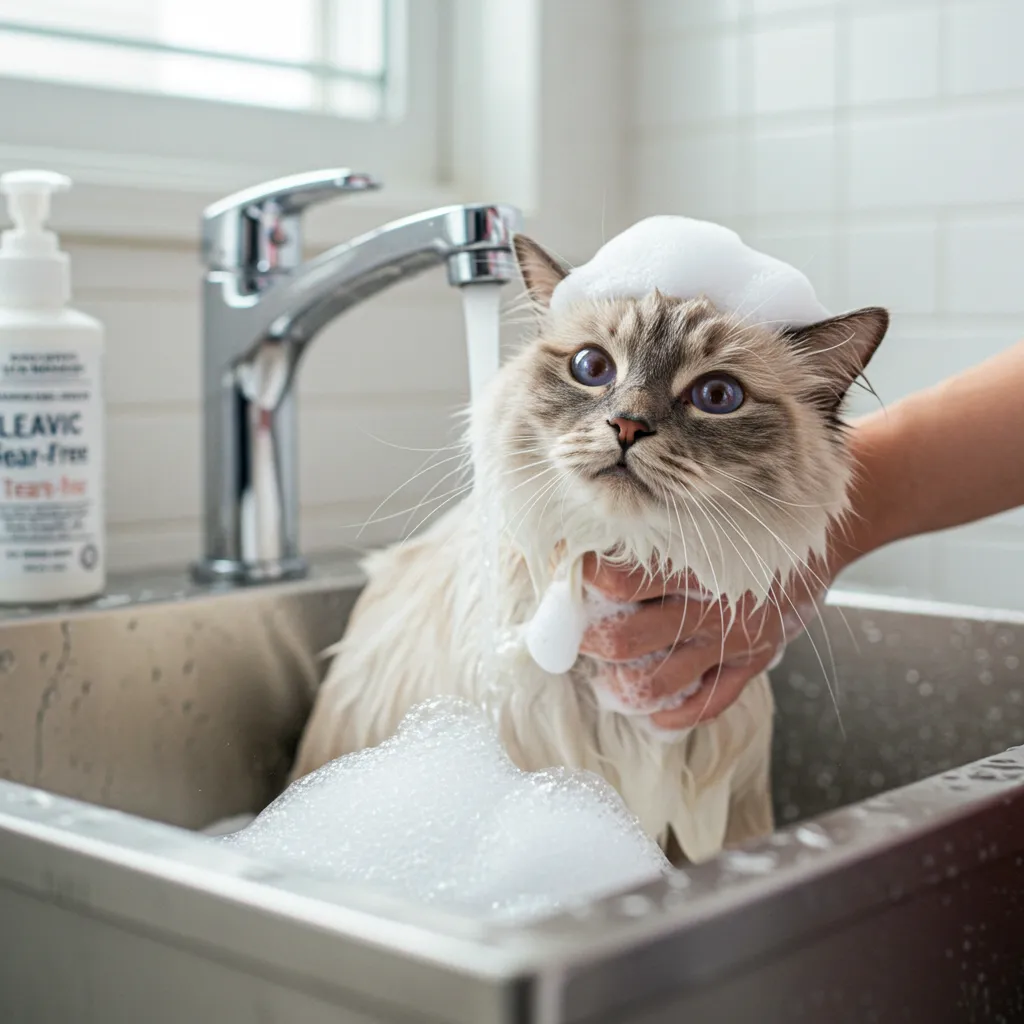
- Bathe weekly with hypoallergenic shampoo—reduces dander 84%.
- Wash bedding bi-weekly in hot water.
- Use allergen-proof covers on furniture.
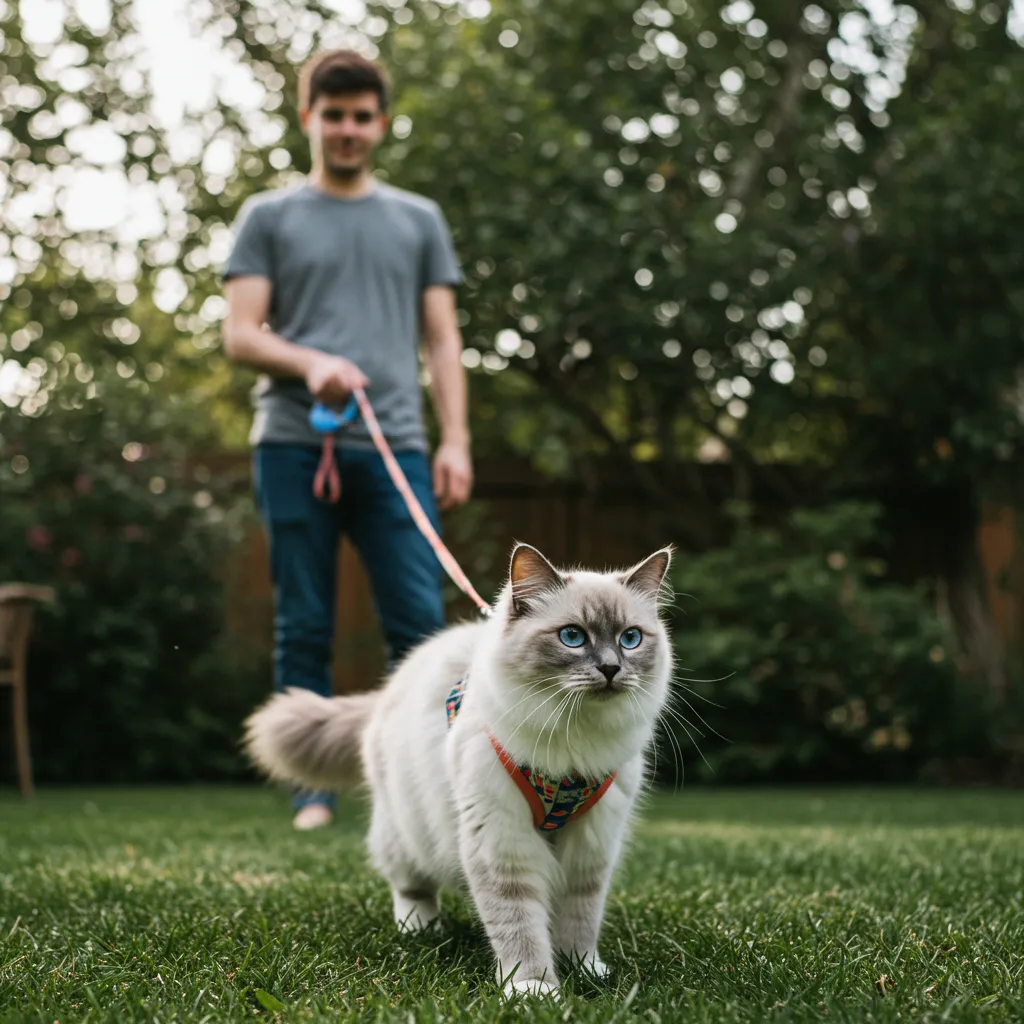
For Ragdoll cat safety outdoors, fence your yard or use harness walks to dodge pollen bombs.
Medications for Cat Allergies
Vet-prescribed staples:
- Antihistamines: Benadryl (1mg/lb) for mild itching.
- Steroids: Short-term for inflammation.
- Apoquel-like: Newer JAK inhibitors for chronic cases.
Best cat allergy treatments in 2025? Probiotics top lists, per Spruce Pets.
Natural Remedies for Cat Allergies
Go green where possible:
- Omega-3s: Fish oil capsules—1/4 tsp daily soothes skin.
- Probiotics: FortiFlora packets restore gut balance.
- Quercetin: Antioxidant from apples; 250mg/day as supplement.
- Coconut Oil: Topical for hot spots—antibacterial magic.
One caveat: Consult your vet—natural isn’t always “safe.”
Are There Hypoallergenic Ragdoll Cats? Debunking Myths and Exploring Traits
Short answer: Nope. But let’s unpack.
Hypoallergenic Cat Traits and Ragdolls
True hypoallergenic cat traits mean low Fel d 1 (allergen protein). Ragdolls produce it in saliva/skin, spreading via grooming. Compared to Persians? Better—they lack undercoats for less dander.
Low dander Ragdoll cats? Selective breeding helps, but no guarantees. Low-saliva protein cat breeds like Siberians edge them out.
Low Dander Ragdoll Cats and Grooming Habits
Ragdoll cat grooming habits are a plus: They self-clean less aggressively, reducing saliva spread. Brush 2-3x/week with a slicker—traps loose fur. Owners report 30% fewer reactions vs. other longhairs.
Hypoallergenic Ragdoll Cats 2023/2024 Updates
As of 2025, no breakthroughs—still not hypoallergenic. But gene-edited lines (experimental) show promise for allergy-friendly cat breeds. For now, focus on low-dander long-haired cats via grooming.
Ragdoll Cat Safety Outdoors: Minimizing Exposure
Ragdolls’ curiosity can backfire. Ragdoll cat safety outdoors means:
- Leashed Adventures: Harnesses prevent escapes and pollen dives.
- Timing It Right: Dawn/dusk walks dodge peak allergens.
- Post-Outing Routine: Wipe paws/fur with damp cloths.
Indoor-only? Ideal for allergy-prone fluffballs.
Managing Cat Allergies at Home: Practical Tips
Your home’s the frontline.
Home Solutions for Cat Allergies
- Air Quality Boost: HEPA vacuums + purifiers (e.g., Dyson Pet models).
- Litter Switch: Unscented, low-dust clay.
- Allergy Testing Kits for Cats: At-home blood draws like Affordable Pet Labs—convenient starters.
Environmental Control Tips for Cats
Numbered guide for wins:
- Declutter—fewer dust traps.
- Hard floors over carpets.
- Frequent laundry for all fabrics.
FAQ: Quick Answers to Ragdoll Allergy Questions
What are the most common allergies in Ragdoll cats? Food (beef/chicken) and environmental (dust/pollen) top the list, per PetMD.
What are the typical symptoms of allergies in Ragdoll cats? Itching, red skin, ear infections, and GI upset—watch for patterns.
How can I treat my Ragdoll cat’s allergies? Via diet swaps, meds, and home tweaks; start with a vet consult.
What are hypoallergenic traits of Ragdoll cats? Low shedding and grooming, but not truly hypoallergenic—Fel d 1 persists.
How can I manage my Ragdoll cat’s allergies effectively? Combine elimination diets, air purifiers, and omega supplements for best results.
What are some common food triggers for Ragdoll cats? Beef, chicken, fish, and dairy—switch to novel proteins.
What household items commonly cause allergies in Ragdoll cats? Dust mites in carpets, mold in bathrooms, and scented cleaners.
What steps should I take if I suspect my Ragdoll cat has allergies? Track symptoms, see a vet for testing, and trial an elimination diet.
Wrapping It Up: Keep Your Ragdoll Allergy-Free and Floppy
We’ve covered the gamut—from Ragdoll cat allergy symptoms like endless scratching to treating Ragdoll cat allergies with smart diets and natural boosts. Remember, allergies in these loves don’t have to steal your snuggle time. With vigilant diagnosing cat allergies and tweaks like environmental control tips for cats, your Ragdoll can thrive.