Ragdoll Cat Tail Chasing: Decoding the Whirls, Twirls, and Pounces of Your Feline Friend
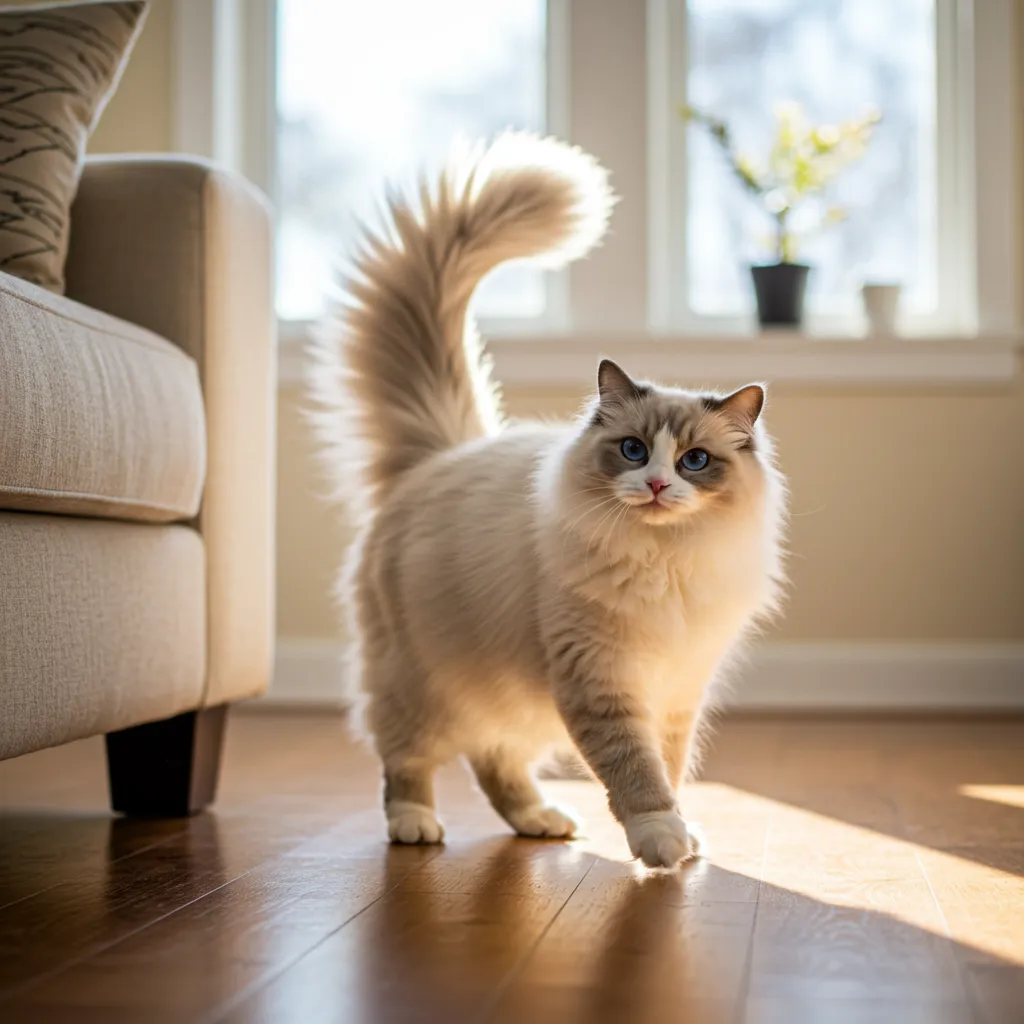
Have you ever caught your Ragdoll cat in a hilarious spin cycle, eyes wide and paws flailing as it tries to catch that elusive tail? It’s one of those moments that makes cat ownership so endlessly entertaining. But if you’re like many Ragdoll owners, you might pause mid-laugh and wonder: “Why do Ragdoll cats chase their tails? Is this just playful cat antics, or could it point to something like boredom in indoor cats or even Ragdoll cat health issues?” You’re not alone—tail chasing in Ragdoll cats is a common query among pet parents, and it’s often a mix of natural instincts and environmental factors. In this comprehensive guide, we’ll unpack everything you need to know about Ragdoll cat behavior, from the charm of their play sessions to when tail chasing might signal stress and anxiety in indoor cats. Drawing on expert insights from veterinarians and cat behaviorists, plus real-life examples from fellow Ragdoll enthusiasts, this article is your one-stop resource to understand, manage, and even enjoy this quirky habit. By the end, you’ll feel confident spotting normal vs. problematic tail chasing in cats and providing the best environmental enrichment for your furry companion.
Key Takeaways on Ragdoll Cat Tail Chasing
Before we dive deeper, here’s a quick snapshot of what we’ll cover—perfect for skimming if you’re in a hurry:
- Playful Roots: Most tail chasing stems from cat hunting and predatory instincts, especially in energetic breeds like Ragdolls.
- When It’s Normal: Occasional spins are just cat play behavior explained as self-entertainment.
- Red Flags: Excessive chasing could link to health issues linked to cat tail chasing, like injuries or behavioral problems in cats 2024.
- Solutions: Tips on interactive play for cats, best cat toys for Ragdolls, and how to stop cat tail chasing if it becomes an issue.
- Expert Advice: When to seek veterinary help for cat behavior to ensure your Ragdoll stays healthy and happy.
Think of this as your roadmap to decoding “why does my cat chase its tail?” and turning potential concerns into opportunities for better bonding.
Introduction to Ragdoll Cats and Their Endearing Behaviors
Ragdoll cats are like the teddy bears of the feline world—fluffy, affectionate, and oh-so-relaxed. Bred in the 1960s by Ann Baker in California, these blue-eyed beauties are known for going limp when picked up, hence the “ragdoll” name. But don’t let their chill vibe fool you; Ragdolls have a playful side that’s as captivating as their luxurious coats. Ragdoll cat behavior often includes following you around like a puppy, fetching toys, and yes, occasionally engaging in tail chasing in Ragdoll cats.
The Unique Charm of Ragdoll Cats
What sets Ragdolls apart? They’re social butterflies who thrive on human interaction, making them ideal for families or solo owners who want a lap cat with personality. Their semi-long fur comes in patterns like colorpoint, mitted, or bicolor, and they can weigh up to 20 pounds for males. But beneath that fluffy exterior lies a breed with specific needs—Ragdolls are indoor cats at heart, which can lead to boredom if not stimulated properly. This is where behaviors like tail chasing come into play, often as a way to burn energy or mimic hunting.
Understanding Ragdoll Cat Behavior Patterns
Ragdolls aren’t as hyper as some breeds, but they’re curious explorers. Common traits include gentle playfulness, vocal “conversations,” and a love for high perches. If your Ragdoll is chasing its tail, it might just be channeling those innate instincts. As one owner shared on X, their Ragdoll “loves catching cicadas and crickets,” showing how play mirrors wild behaviors. Understanding these patterns helps you differentiate between fun and potential issues.
Why Does My Ragdoll Cat Chase Its Tail?
Ah, the million-dollar question: why Ragdoll cats chase their tails. It’s a behavior that’s equal parts amusing and puzzling. In most cases, it’s harmless, but let’s break it down.
Playful Instincts at Work
Ragdoll cat play behavior often involves self-directed fun, and tail chasing fits right in. Kittens do this to practice coordination and pouncing skills, but adults might continue as a way to entertain themselves. Imagine your cat spotting that fluffy tail twitching—it’s like a built-in toy! This is especially common in Ragdolls, who have long, plume-like tails that catch their eye.
Tapping into Hunting and Predatory Behavior
Cats are born hunters, and tail chasing taps into those cat hunting and predatory instincts. Even domesticated Ragdolls retain this drive; chasing mimics stalking prey. If your indoor Ragdoll lacks outlets, that tail becomes the perfect “victim.” Real-life example: A Reddit user noted their Ragdoll chases its tail when excited, tail straight up in confidence.
Possible Behavioral or Environmental Triggers
Sometimes, it’s not just play. Boredom in indoor cats is a big culprit—Ragdolls need mental stimulation, or they turn to tail chasing for relief. Stress from changes like a new pet or move can also trigger it. One X post described a Ragdoll mesmerized by her tail, spinning and pouncing, likely out of sheer fun but possibly boredom.
The Anatomy of a Cat’s Tail: More Than Meets the Eye
To truly grasp tail chasing, let’s talk cat tail anatomy. Your Ragdoll’s tail isn’t just a fluffy accessory—it’s a complex tool.
Structure and Function of a Cat’s Tail
A cat’s tail is an extension of the spine, with 18-23 caudal vertebrae, muscles, nerves, and blood vessels. It’s flexible for balance during jumps and acts as a rudder. In Ragdolls, the tail is long and bushy, making it extra tempting for chasing.
Role in Cat Communication Through Tail
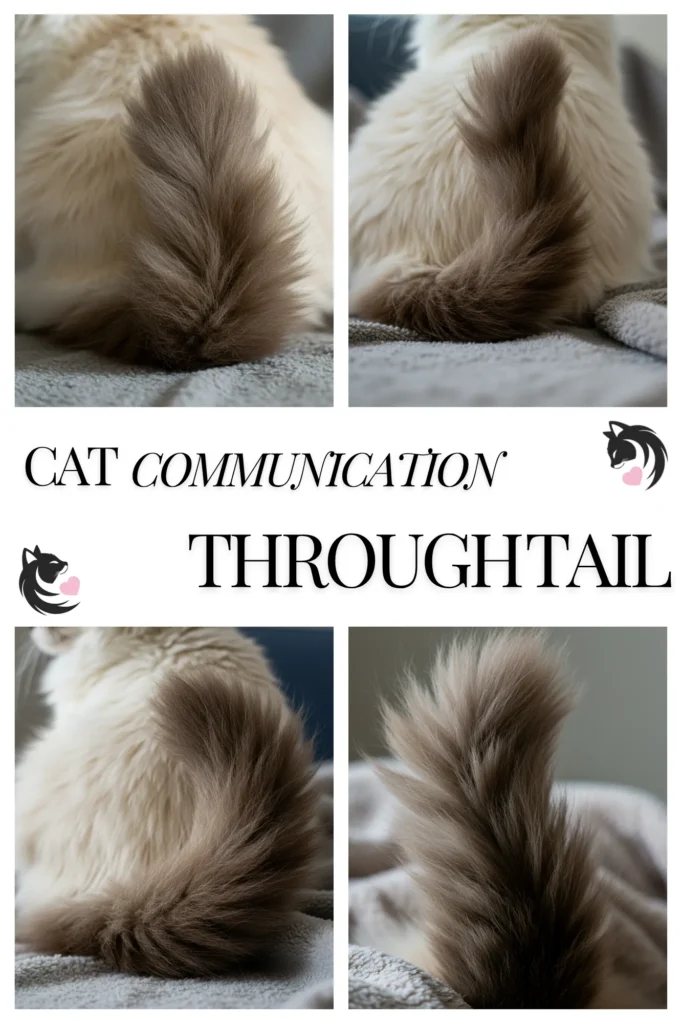
Cat communication through tail is fascinating. An upright tail signals friendliness, while quivering shows excitement or marking. A thrashing tail might mean irritation. Our cat tail communication guide: High and curved = happy; low and tucked = fear.
Sensory Capabilities and Why It’s Chase-Worthy
Tails have sensitive nerves, helping with proprioception (body awareness). If irritated by fleas or allergies, chasing could be a response to discomfort.
Common Reasons for Tail Chasing in Ragdoll Cats
Tail chasing in Ragdoll cats can stem from various causes. Here’s a breakdown:
Boredom and Lack of Stimulation
Indoor Ragdolls often face boredom, leading to repetitive behaviors. Without environmental enrichment for cats, that tail becomes a go-to distraction.
Health Issues and Discomfort
Ragdoll cat health issues like hypertrophic cardiomyopathy (HCM) or polycystic kidney disease (PKD) aren’t direct causes, but pain from dental problems or bladder stones might trigger chasing. Fleas or skin infections cause itching, prompting bites.
Injury or Medical Conditions
Cat tail injury symptoms include swelling, limping, or excessive licking. If chasing leads to self-harm, it could indicate neurological issues.
| Normal Tail Chasing | Problematic Tail Chasing |
|---|---|
| Occasional, playful spins without biting | Frequent, obsessive circling with self-injury |
| Stops when distracted | Continues despite intervention, causing bald spots |
| Happens during playtime | Occurs randomly, with signs of distress |
Ragdoll Cat Play Behavior: Fun Ways They Express Themselves
Ragdoll cat play behavior is all about gentle, interactive fun. They’re not as intense as Bengals but love engaging activities.
Typical Play Activities for Ragdolls
Fetching, pouncing on toys, and hide-and-seek are favorites. One owner on Facebook mentioned their Ragdoll enjoys chirping birds and tunnels.
Interactive Play with Owners
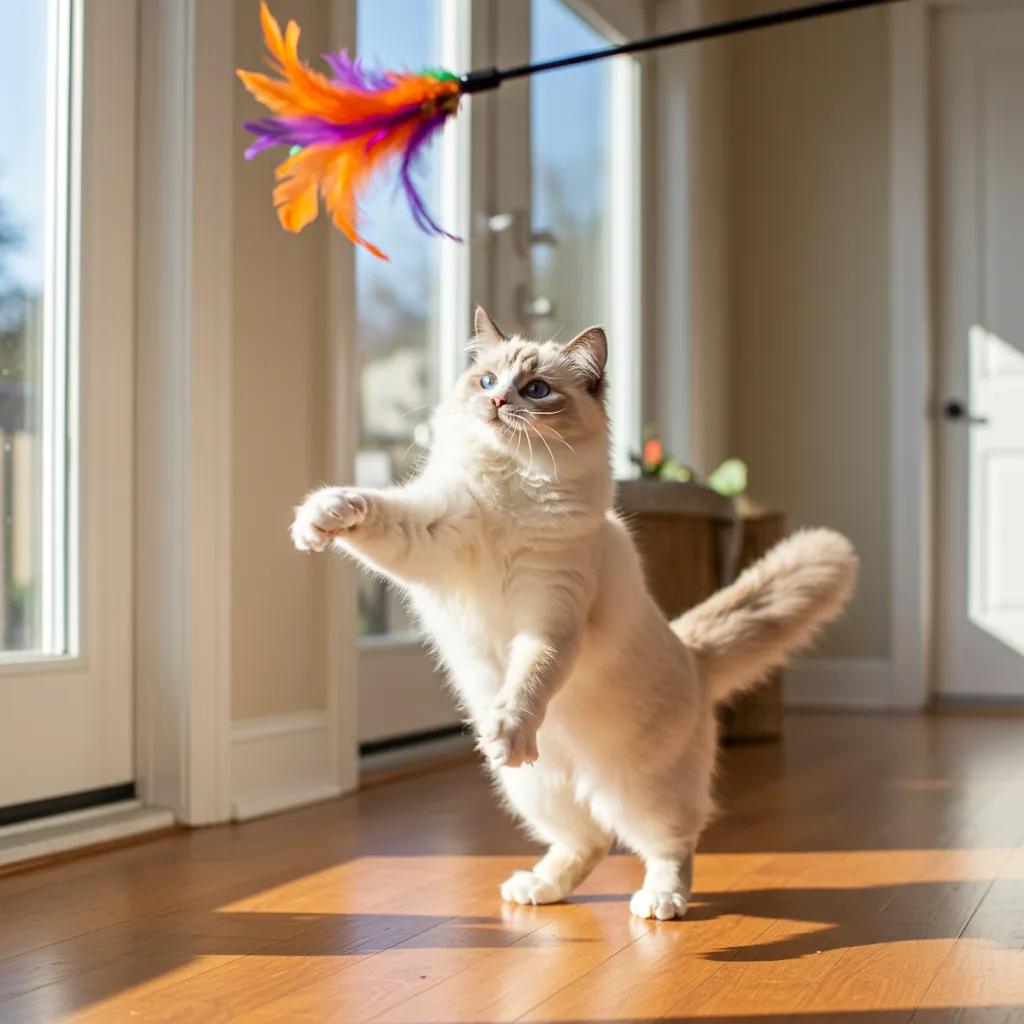
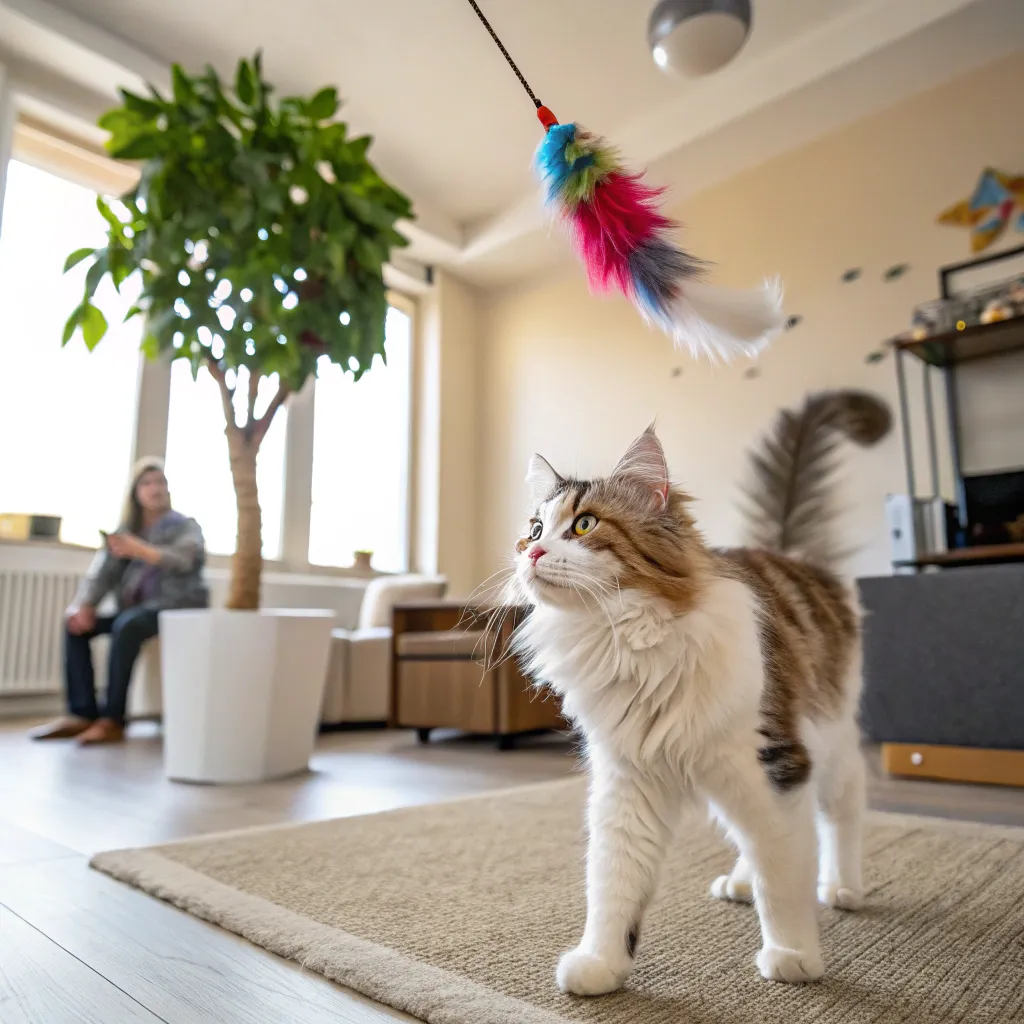
Bond through feather wands or laser pointers. Sessions of 15-20 minutes daily prevent boredom.
Benefits of Active Play for Ragdolls
Reduces stress, maintains weight (Ragdolls prone to obesity), and strengthens bonds. Playful cat antics like tail chasing can be channeled positively.
Differentiating Playful Tail Chasing from Problematic Behaviors
Is tail chasing normal for cats? Yes, but know the signs.
Indicators of Normal Play
Short bursts, no damage, and your cat seems happy afterward.
Signs of Behavioral Problems
Excessive chasing, growling, or hair loss signal anxiety or health woes.
When to Seek Professional Help
If it persists or worsens, consult a vet. Behavioral problems in cats 2024 often link to stress; a behaviorist can help.
Understanding Ragdoll Cat Tail Chasing: Triggers and Influences
Environmental and psychological triggers play a role.
Factors Influencing Tail Chasing
Age (kittens more prone), environment (small spaces increase it), and breed traits.
Environmental and Psychological Triggers
Lack of windows or toys leads to boredom; anxiety from loud noises can exacerbate.
Ragdoll Cat Tail Chasing Causes: From Play to Health Issues
Recap: Play, boredom, health. Physical concerns like HCM might indirectly affect energy levels.
Physical Health Concerns Linked to Tail Chasing
Allergies, parasites, or injuries. Vet check-ups are key.
Tips to Stop or Manage Ragdoll Cat Tail Chasing
Wondering how to stop cat tail chasing? Here’s a step-by-step guide:
- Assess the Cause: Observe patterns—is it play or pain?
- Boost Enrichment: Introduce cat enrichment activities like puzzle feeders.
- Interactive Play: Daily sessions with wand toys.
- Vet Visit: Rule out medical issues.
- Safe Environment: Add scratching posts and perches.
Providing Adequate Stimulation
Best cat toys for Ragdolls: Feather wands, turbo scratchers, motorized mice. Rotate toys to keep interest high.
Ensuring Proper Health Check-ups
Annual vets for Ragdolls, screening for HCM and PKD.
Creating a Safe and Engaging Environment
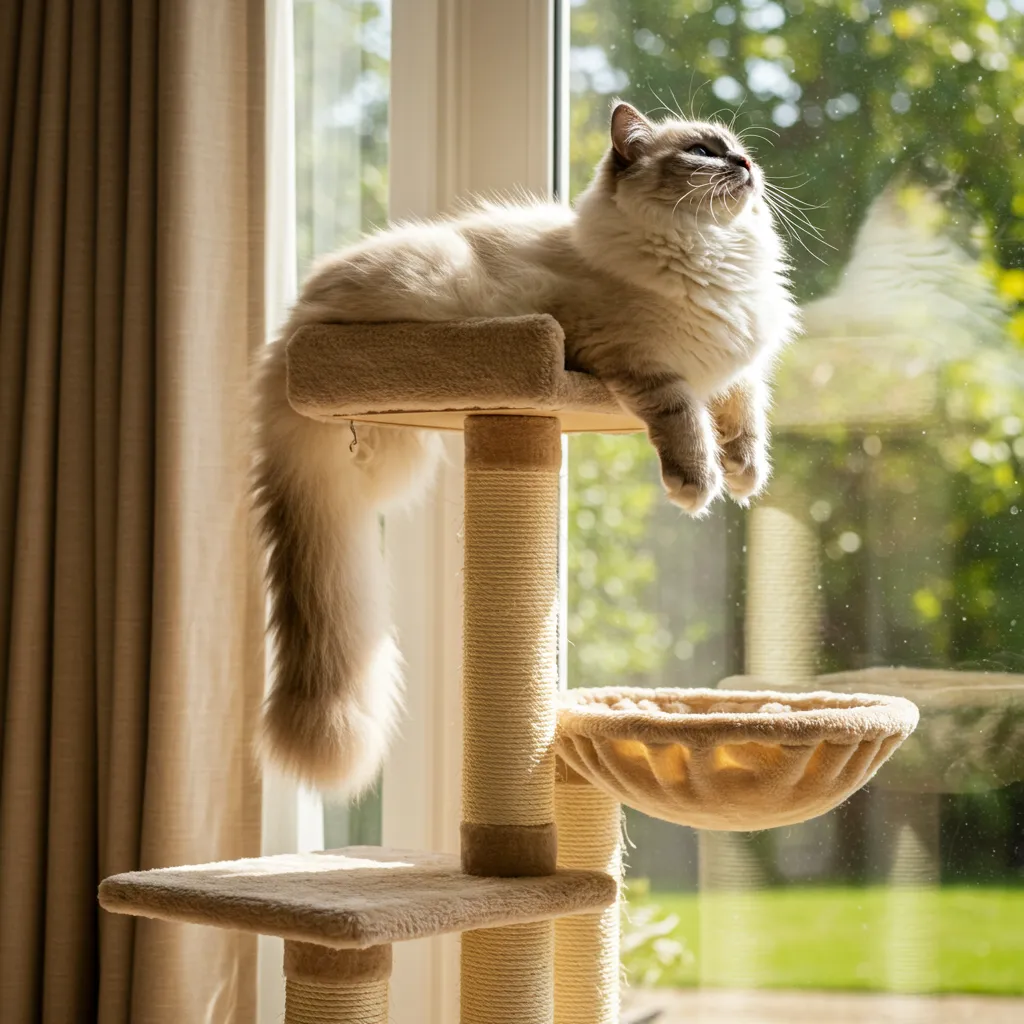
Cat trees, window seats, and companion pets if suitable.
Pros of Enrichment:
- Reduces stress and anxiety in indoor cats
- Enhances physical health
- Strengthens owner-cat bond
Cons if Ignored:
- Increased behavioral issues
- Potential for obesity or depression
FAQ: Your Burning Questions on Tail Chasing in Ragdoll Cats
Why does my Ragdoll cat chase its tail?
Often due to play or boredom, but check for health issues.
Is tail chasing normal behavior for Ragdoll cats?
Yes, if occasional; excessive may need attention.
How can I differentiate between playful and problematic tail chasing?
Playful is short and fun; problematic involves injury or obsession.
What are the common causes of tail chasing in Ragdoll cats?
Boredom, instincts, or discomfort from fleas/allergies.
What role does a cat’s tail play in its overall behavior?
Balance, communication, and sensory feedback.
How can I stop my Ragdoll cat from chasing its tail?
Increase play and enrichment; consult vet if persistent.
What are some typical play activities for Ragdoll cats?
Fetching, chasing wands, and puzzle games.
When should I seek professional help for my cat’s tail chasing behavior?
If it causes harm or seems compulsive.
What environmental factors can influence tail chasing in Ragdoll cats?
Lack of space or toys leads to boredom.
Are there any health concerns linked to tail chasing in Ragdoll cats?
Yes, like infections or genetic issues; regular check-ups help.
Conclusion: Keeping the Tail Wags Fun and Safe
Tail chasing in Ragdoll cats is often a delightful display of their playful nature, rooted in instincts and sometimes boredom. By understanding Ragdoll cat behavior, providing interactive play for cats, and watching for signs of problematic chasing, you can ensure it’s all fun and no harm. Remember, a stimulated Ragdoll is a happy one—invest in those best cat toys for Ragdolls and enrichment activities to keep tails wagging (not chasing) in joy.