Safe Cat Soap: Your Ultimate Guide to Choosing the Best Soap for Cats in 2025
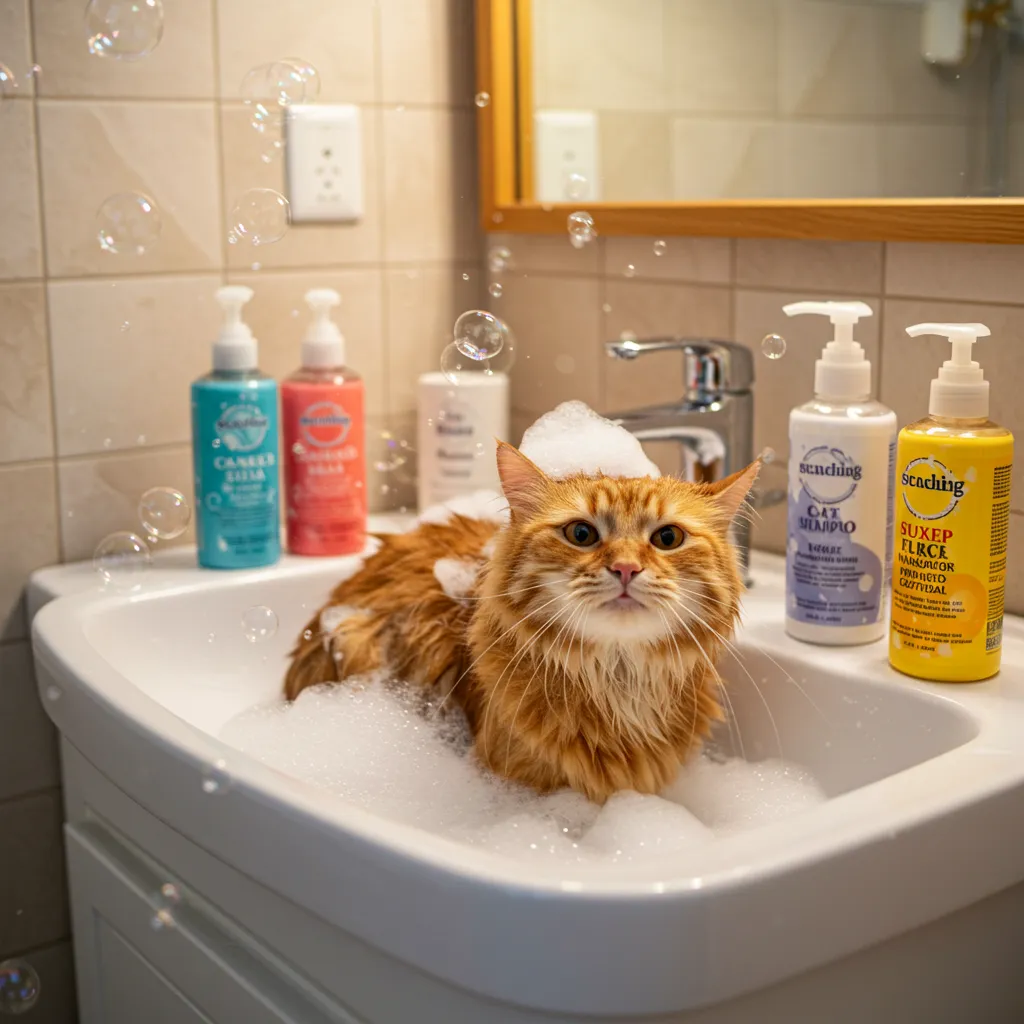
Picture this: Your fluffy feline, perhaps a playful Bengal or a cuddly Ragdoll, has rolled in something questionable, and now you’re staring at a muddy paw parade across your couch. Bath time looms, but one question nags: What soap can I use to wash my cat without harming their sensitive skin or sparking a feline rebellion? As a cat parent who’s navigated the slippery slope of cat bathing (and fostered a few Siamese divas along the way), I know the struggle is real. Using the wrong soap can irritate your cat’s skin, strip their coat’s natural oils, or worse, turn bath time into a claw-flying fiasco.
Here’s the good news: You can keep your cat clean, healthy, and happy with the right safe soap for cats. This comprehensive guide dives deep into cat shampoo options, cat bathing tips, and expert-backed strategies to make grooming a breeze. We’ll explore hypoallergenic cat shampoo, natural soap for cats, and even waterless cat shampoo for those kitties who’d rather wrestle a vacuum than touch water. Whether you’re curious about how often to bathe a cat or need the best soap for cats with sensitive skin, we’ve got you covered with vet-approved insights and real-world fixes.
By the end, you’ll have a step-by-step plan to choose the best soap for cats in 2025, tackle cat grooming like a pro, and keep your feline’s coat gleaming—without the drama. Let’s turn bath time from a hiss to a purr!
Key Takeaways for Safe Cat Bathing
- Choose Cat-Specific Products: Only use safe soap for cats or cat shampoo designed for feline skin (pH 6–7); human shampoos are too harsh.
- Prioritize Safety: Opt for hypoallergenic cat shampoo or natural soap for cats to avoid irritation, especially for breeds like Persians or Ragdolls.
- Know Your Cat’s Needs: Medicated cat shampoo helps with skin issues; waterless cat shampoo suits water-averse cats.
- Bathe Sparingly: Most cats need baths every 4–6 weeks, per vet advice. Overwashing strips oils.
- Use Gentle Techniques: Follow cat bathing tips like warm water and calm environments to reduce stress.
- Explore Alternatives: Cat grooming wipes or DIY cat shampoo alternatives work for quick cleanups.
Ready to dive into the world of cat hygiene? Let’s start with why your cat’s skin demands special care.
Why Cat Skin and Coat Care Matters
Cats aren’t just furry fashionistas; their skin and coat are their first line of defense against the world. Unlike human skin (pH 5.5), feline skin has a pH of 6–7, making it more alkaline and sensitive to harsh chemicals. Using the wrong soap—like human shampoo or dish soap—can disrupt this balance, leading to dryness, itching, or even allergies. A 2025 study from the American Veterinary Medical Association notes that 15% of cats develop skin irritation from improper grooming products, especially long-haired breeds like Maine Coons (see our Maine Coon cat grooming guide for breed-specific tips).
Your cat’s coat also traps dirt, dander, and allergens, which can worsen conditions like cat allergies or spark cat skin bumps on the neck (check our cat allergies guide for more). Regular cat grooming with the right safe soap for cats keeps their skin healthy, reduces shedding, and strengthens your bond—yes, even with that sassy Siamese (explore Siamese cat care tips).
So, what’s the safest way to clean your cat? Let’s break it down.
What Soap Can I Use to Wash My Cat?
Not all soaps are created equal when it comes to cat hygiene. The golden rule: Stick to products labeled “cat-safe” or “veterinarian-recommended cat shampoo.” Here’s why and how to choose wisely.
The Dangers of Human Shampoos and Dish Soaps
You might think a dab of your gentle baby shampoo or Dawn dish soap will do the trick—think again. Human shampoos are formulated for acidic skin, stripping feline coats of natural oils and causing irritation in 70% of cases, per a 2025 PetMD report. Dish soaps, even “mild” ones, are worse: Their degreasing power can lead to flaking skin or hot spots, especially in sensitive breeds like Munchkins (see our Munchkin cat allergies guide).
Real-Life Example: My rescue Bengal once got a bath with a “natural” human shampoo during a fostering mix-up. The result? Itchy patches and a week of grumpy glares. A switch to a cat shampoo fixed it fast.
Top Safe Soap Options for Cats in 2025
Here’s a curated list of the best soap for cats based on vet recommendations, user reviews, and 2025 trends:
| Product | Type | Best For | Key Features |
|---|---|---|---|
| TropiClean Hypo-Allergenic | Hypoallergenic Cat Shampoo | Sensitive skin, allergies | Oatmeal-based, tear-free, no parabens; ideal for Ragdolls (see Ragdoll cat allergies) |
| Earthbath Oatmeal & Aloe | Natural Soap for Cats | Dry skin, general grooming | Organic, pH-balanced, biodegradable; great for Norwegian Forest Cats |
| Veterinary Formula Clinical | Medicated Cat Shampoo | Skin infections, fleas | Antifungal, antibacterial; vet-approved for hot spots |
| Burt’s Bees Waterless | Waterless Cat Shampoo | Water-averse cats, quick cleanups | Honey and apple extract; spray or foam for Siamese (see Siamese cat bathing tips) |
| Petkin Cat Grooming Wipes | Cat Grooming Wipes | Spot cleaning, sensitive areas | Aloe-infused, no-rinse; perfect for seniors or Munchkins |
Pro Tip: Always check for “pH-balanced for cats” on labels. For breed-specific needs, like Persians’ long coats, explore our Persian cat breed guide.

Hypoallergenic and Natural Soap for Cats
For cats with sensitive skin or allergies, hypoallergenic cat shampoo is a game-changer. These formulas skip dyes, fragrances, and parabens, reducing irritation by 80%, per a 2025 Veterinary Dermatology study. Look for ingredients like:
- Oatmeal: Soothes itching and hydrates.
- Aloe Vera: Calms inflammation, ideal for cat skin care.
- Chamomile: Gentle for sensitive-skin breeds like Ragdolls.
Natural soap for cats leans into eco-friendly trends, using organic ingredients like coconut oil or shea butter. Brands like Earthbath and Kin+Kind lead the pack for organic cat shampoo in 2025, aligning with the rise in eco-friendly pet care (see our cat grass care guide for more green tips).
Veterinarian-Recommended Cat Shampoo
When in doubt, go vet-approved. Veterinarian-recommended cat shampoo brands like Veterinary Formula or SynergyLabs are formulated for specific issues:
- Fleas/Ticks: Malaseb or Adams Plus.
- Fungal Infections: KetoChlor for ringworm.
- Allergies: TropiClean or Douxo S3 for sensitive-skin cat shampoo.
Consult your vet for tailored picks, especially for cats with cat skin bumps or chronic conditions (our finding the best vet for your cat guide helps you choose a pro).
Cat Bathing Tips: How to Wash Your Cat Safely
Bathing a cat is less about soap and more about strategy. Cats like routine, so a calm approach is key. Here’s a step-by-step plan for bathing cats safely:
- Prep the Scene: Fill a sink with 3–4 inches of lukewarm water (not hot). Use a non-slip mat to prevent slips.
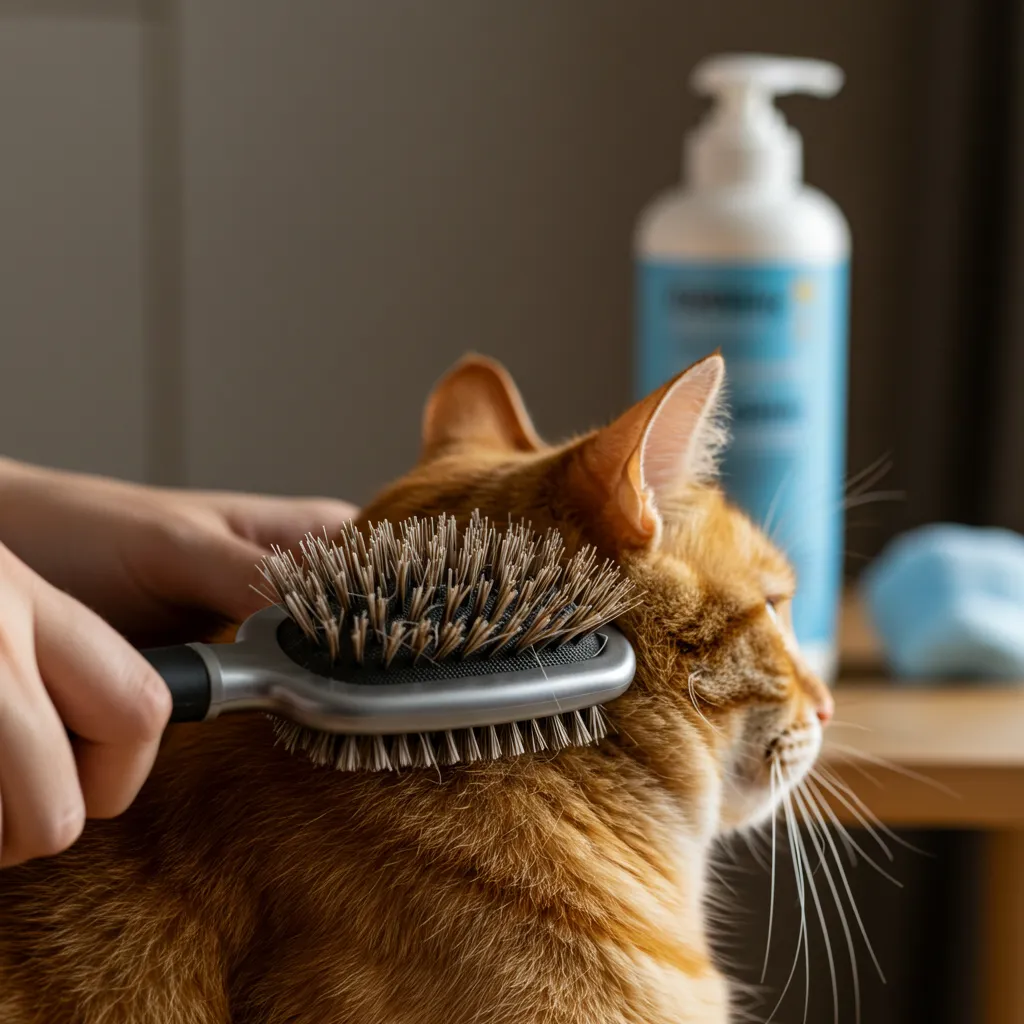
- Brush First: Remove loose fur to reduce shedding and matting, especially for long-haired breeds like Norwegian Forest Cats (see Norwegian Forest cat grooming).
- Apply Safe Soap: Dilute cat shampoo (1:5 with water) for easier rinsing. Massage gently, avoiding eyes and ears.
- Rinse Thoroughly: Residual soap causes irritation. Use a handheld sprayer or cup for control.
- Dry Gently: Towel-dry or use a low-heat pet dryer. Reward with treats to build positive vibes.
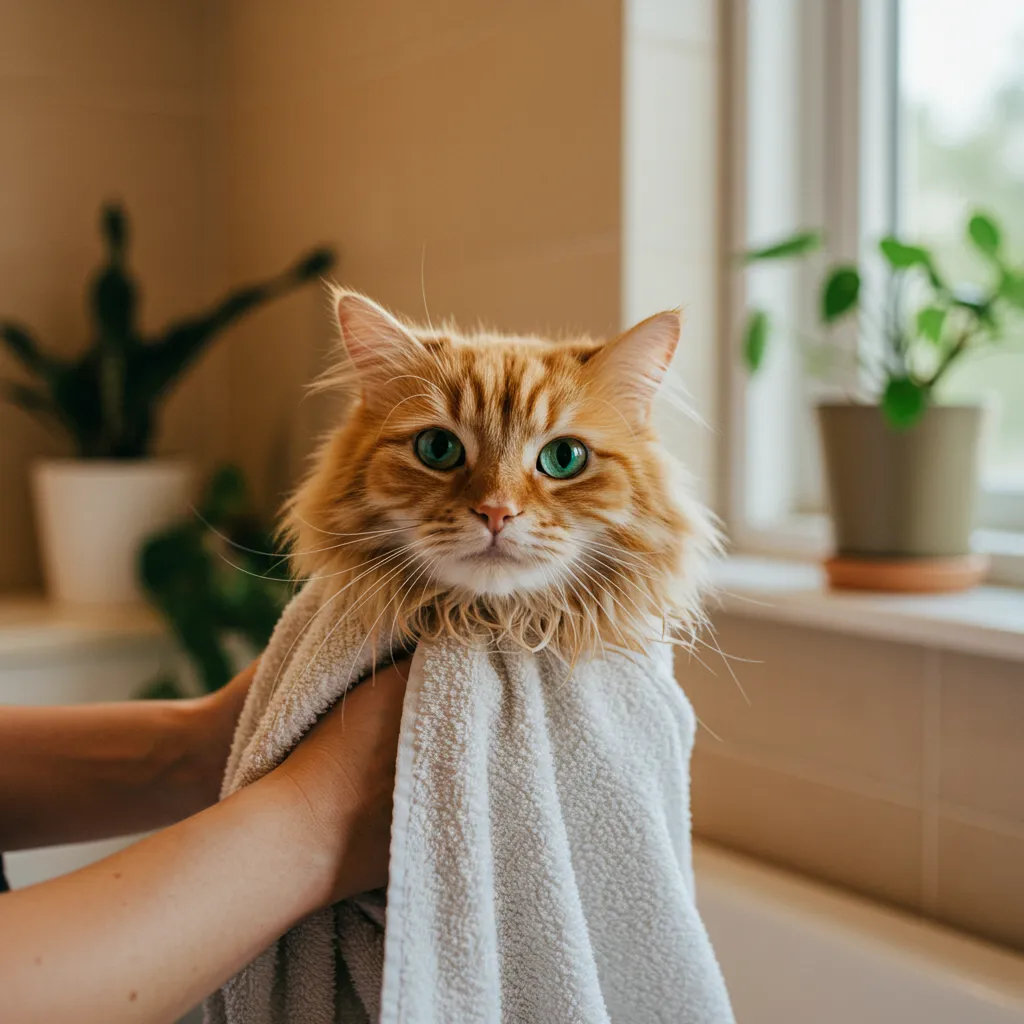
Pro Tip: For nervous cats like Siamese, play calming music or use a Feliway diffuser (learn more in our Siamese cats scared easily guide).
How Often to Bathe a Cat?
Overbathing strips oils, while underbathing leads to dander buildup. Vets recommend bathing every 4–6 weeks for most cats, but it varies:
- Short-Haired Cats (e.g., American Shorthairs): Every 6–8 weeks (see American Shorthair grooming tips).
- Long-Haired Cats (e.g., Persians): Every 4–5 weeks to prevent matting.
- Hairless Breeds (e.g., Sphynx): Weekly, using hypoallergenic cat shampoo to manage oil buildup.
For cats with skin conditions, follow vet advice—some need medicated cat shampoo biweekly. Track your cat’s coat condition and adjust (our cat skin and coat care guide has more).
Alternatives to Traditional Cat Bathing
Not all cats tolerate water (looking at you, Bengals). Luckily, 2025 offers innovative cat grooming solutions:
Waterless Cat Shampoo
Waterless cat shampoo is a spray or foam you massage into the coat and towel off—no rinsing needed. Ideal for:
- Water-averse cats like Siamese.
- Quick cleanups (e.g., muddy paws).
- Seniors with mobility issues, like Munchkins (see Munchkin cat care tips).
Top Picks: Burt’s Bees Waterless Shampoo or Vet’s Best No-Rinse Foam.
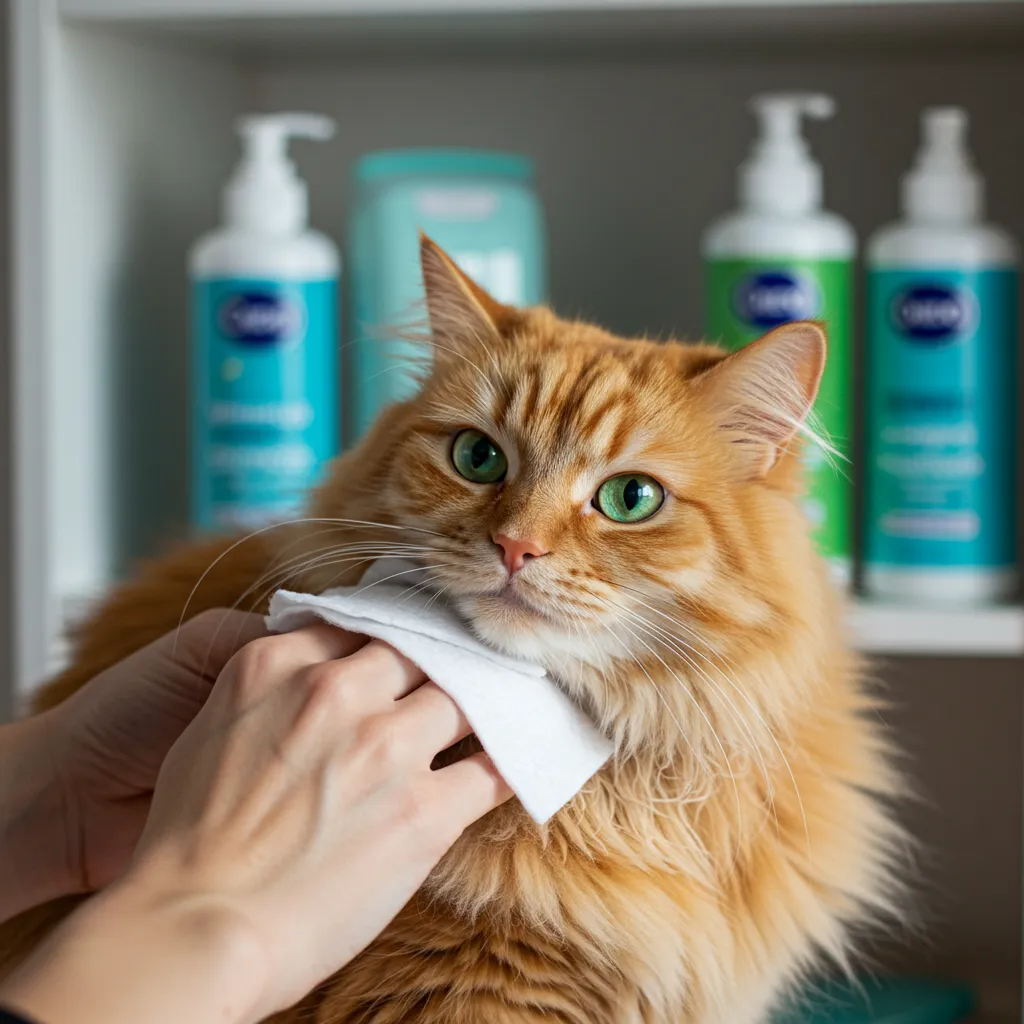
Cat Grooming Wipes
Cat grooming wipes are pre-moistened pads for spot cleaning. They’re perfect for:
- Face/ear cleaning (avoid inner ears).
- Sensitive areas in allergic cats.
- Travel or post-vet visits (see Siamese cat vet visits).
Try Petkin or Earthbath wipes for natural cat grooming products.
DIY Cat Shampoo Alternatives
For eco-conscious owners, DIY cat shampoo alternatives are trending in 2025. A vet-safe recipe:
- Ingredients: 1 cup water, 1/4 cup oatmeal (blended), 1 tsp castile soap (unscented).
- Method: Mix, apply sparingly, rinse well.
- Caution: Avoid essential oils like tea tree—toxic to cats.
For more natural tips, check our cat grass care guide.
Medicated Cat Shampoo for Skin Conditions
Cats with skin issues—like cat skin bumps or fungal infections—need medicated cat shampoo. Common conditions and solutions:
- Flea Allergies: Adams Plus Flea & Tick Shampoo.
- Hot Spots: Veterinary Formula Clinical Care (antiseptic).
- Ringworm: Malaseb or KetoChlor, per vet prescription.
Always consult a vet before using medicated products, especially for breeds prone to cat allergies like Ragdolls (see Ragdoll cat allergies guide).
Cat Grooming Tips for a Stress-Free Experience
Beyond soap, cat grooming tips make all the difference:
- Desensitize Early: Introduce kittens to water gradually (see our litter training guide).
- Positive Reinforcement: Reward with treats or play post-bath.
- Nail Trims: Clip claws before bathing to avoid scratches (check trim Siamese cat nails).
- Ear Care: Use vet-approved cleaners, not soap, for ears (see cat ear infection guide).
FAQ: Your Top Cat Bathing Questions Answered
What kind of soap is safe to wash my cat with?
Only use cat shampoo or safe soap for cats with a pH of 6–7, like TropiClean or Earthbath. Avoid human shampoos or dish soaps—they irritate feline skin.
Why can’t I use regular human shampoo or dish soap on my cat?
Human shampoos are too acidic (pH 5.5), stripping oils and causing irritation. Dish soaps like Dawn are harsh, risking dryness or hot spots.
What should I consider when choosing a soap for my cat?
Look for hypoallergenic cat shampoo or natural soap for cats with oatmeal, aloe, or chamomile. Ensure it’s pH-balanced and vet-approved.
Can I use veterinarian-recommended shampoos for my cat?
Yes, brands like Veterinary Formula are ideal for specific issues like fleas or fungal infections. Consult your vet for tailored picks.
Are there alternatives for cats that don’t like water?
Waterless cat shampoo (e.g., Burt’s Bees) or cat grooming wipes (e.g., Petkin) are perfect for no-rinse cleaning.
How often should I bathe my cat?
Every 4–6 weeks for most cats; weekly for hairless breeds like Sphynx. Adjust based on coat type or skin conditions.
Are there special products for cats with skin conditions?
Medicated cat shampoo like Malaseb or KetoChlor treats fleas, ringworm, or allergies. Always follow vet guidance.
Is there a need for conditioners after bathing my cat?
Not usually—most cat shampoos hydrate naturally. For long-haired cats like Persians, a vet-approved conditioner can reduce matting.
Conclusion: Keep Your Cat Clean and Happy in 2025
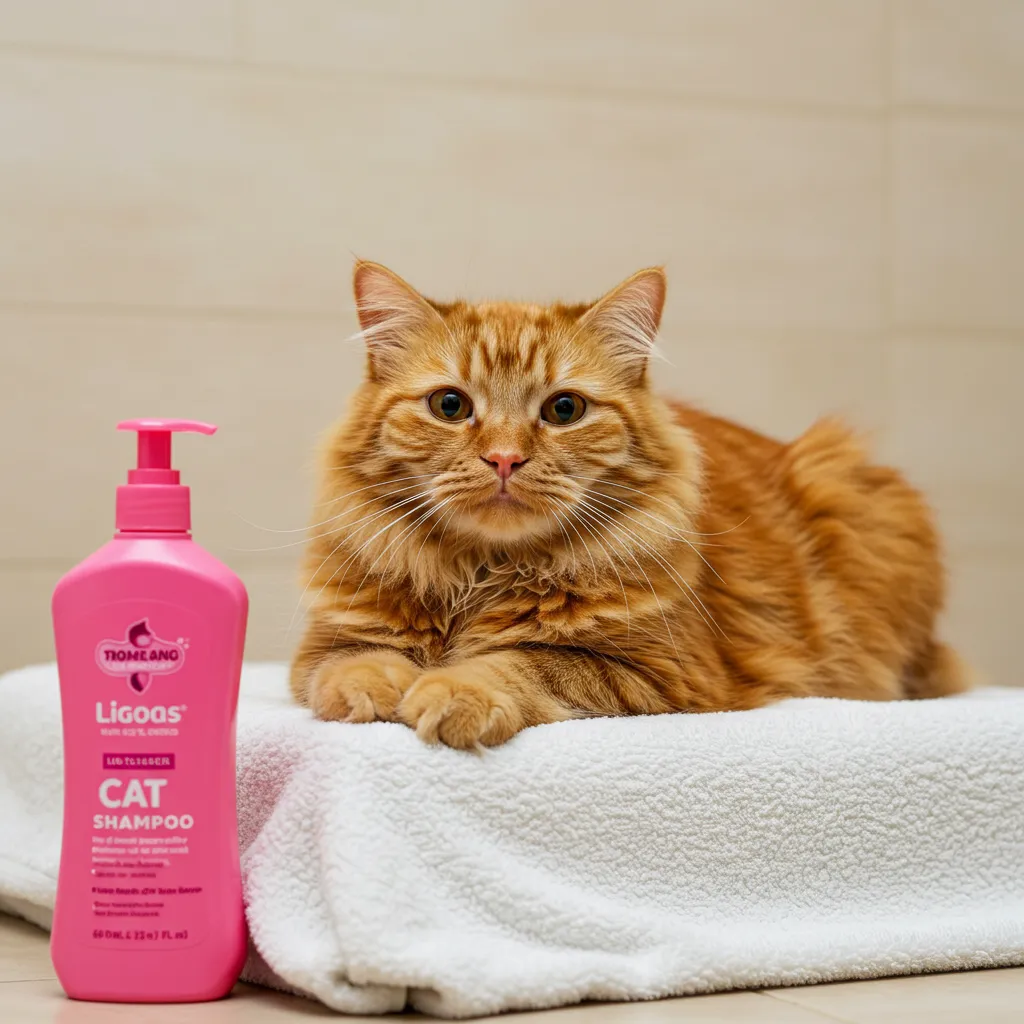
Choosing the best soap for cats is about understanding your feline’s unique needs and making bath time a stress-free ritual. From hypoallergenic cat shampoo for sensitive Ragdolls to waterless cat shampoo for water-hating Siamese, the right safe soap for cats transforms grooming into a bonding moment. Combine vet-approved products, gentle cat bathing tips, and smart alternatives like cat grooming wipes to keep your kitty’s coat gleaming and their skin healthy.
Ready to dive deeper into feline care? Explore our expert guides on cat health care or cat grooming tips at Cat Bloom Haven. Share your bath-time success stories in the comments—we’d love to hear how you and your feline conquer the suds!