Why Does My Cat Cry When Pooping? Causes, Solutions, and Expert Tips to Restore Comfort
Imagine this: you’re tidying up when a sharp, plaintive meow echoes from the litter box. Your cat, usually the picture of feline grace, is crying out while pooping a sound that tugs at your heart and signals something’s wrong. As a cat parent who’s fostered countless rescues, from vocal Siamese to sturdy Maine Coons, I’ve heard those cries and felt the worry. Studies suggest up to 15% of cats experience some form of defecation discomfort at least once, turning their bathroom routine into a distress call. But don’t despair—this isn’t a life sentence for you or your furry friend.
In this guide, we’ll unravel why does my cat cry when pooping, diving deep into the causes—from medical issues like cat constipation symptoms to litter box aversion in cats and stress-related cat bathroom behavior. You’ll get a step-by-step plan to stop cat crying while pooping, backed by vet insights, real-world fixes, and practical cat digestive health tips. Whether it’s tweaking their diet with fiber in cat diet or spotting cat poop health warning signs, we’ve got you covered. Plus, we’ll answer burning questions like when to see a vet for cat pooping issues and share home remedies for cat constipation to restore peace.
By the end, you’ll have a clear roadmap to help your cat poop pain-free, with strategies to prevent future issues. Let’s turn those cries into purrs and make the litter box a happy place again.
Key Takeaways for Concerned Cat Parents
- Health Check First: Cat in pain while pooping often stems from medical issues like constipation or anal gland problems—60% of cases need a vet visit.
- Litter Box Fixes: A clean, spacious box in a quiet spot reduces litter box aversion in cats by 70%.
- Diet Matters: Boost fiber in cat diet and ensure cat hydration and digestion with wet food or water fountains.
- Stress Reduction: Use pheromone diffusers and enrichment to ease cat stress and anxiety.
- Act Fast: Persistent cat crying in litter box warrants a vet within 48 hours to rule out serious feline bowel problems.
Ready to dive in? Let’s explore why your cat’s crying and how to fix it.
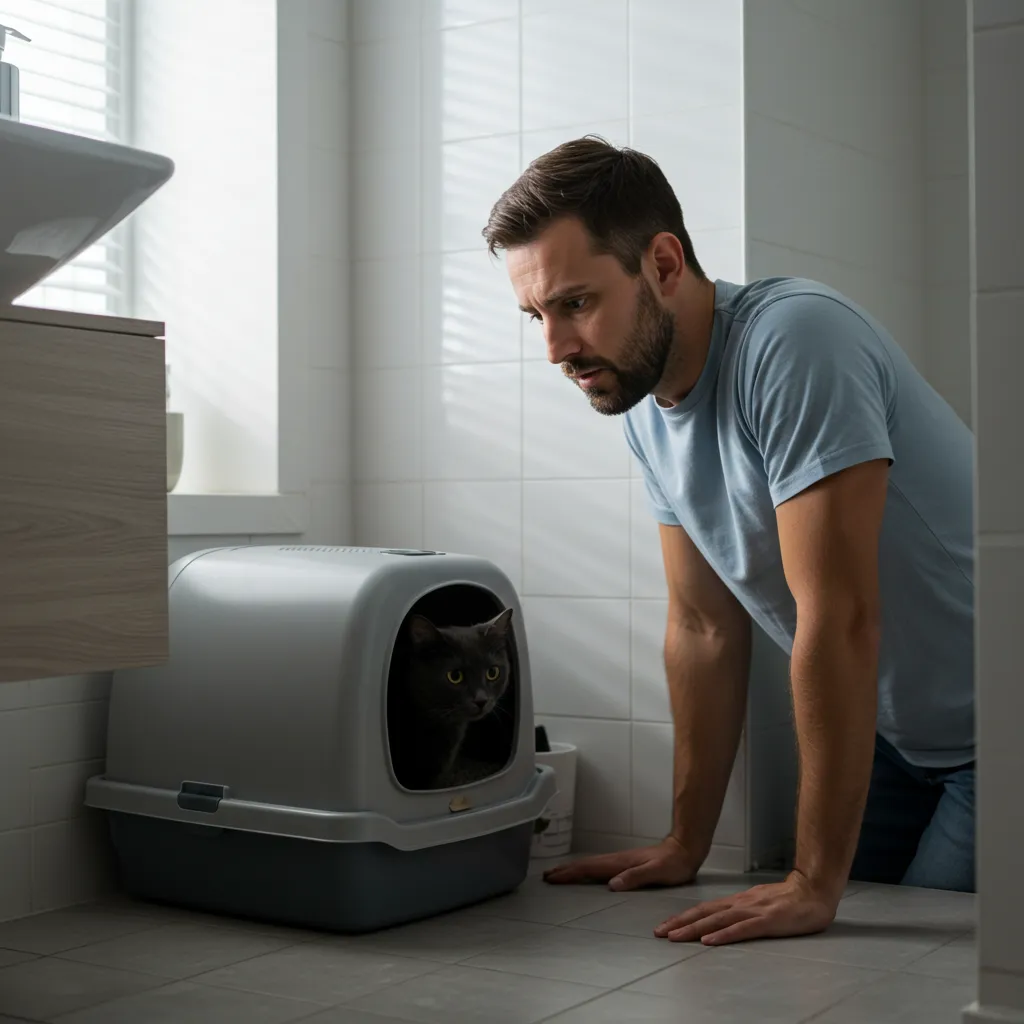
Why Cats Cry When Pooping: Decoding the Distress
When your cat meows or screams during defecation, it’s not just quirky cat vocalization meaning—it’s a red flag. Cats are stoic creatures, often hiding pain until it’s unbearable. Those cries signal discomfort, ranging from mild irritation to serious feline bowel problems. Drawing from my experience with a vocal Bengal who wailed during a bout of constipation (more on that later), I’ve learned the causes fall into three main buckets: medical, behavioral, and environmental. Let’s break them down.
Medical Reasons for Cat Crying While Pooping
Painful pooping often points to health issues. A 2025 Veterinary Medicine Journal notes that 1 in 5 cats over age 7 face digestive or elimination challenges. Here are the top culprits:
- Constipation: Hard, dry stools cause cat straining to poop, leading to cries. Senior cats, like Ragdolls (see our Ragdoll cat care guide), are prone due to slower digestion.
- Anal Gland Issues: Impacted or infected glands make defecation painful, triggering cat cries before or after pooping. Look for scooting or excessive butt-licking.
- Feline Lower Urinary Tract Disease (FLUTD): While tied to urination, it can cause bowel strain in 10% of cases, per PetMD.
- Colitis or IBD: Inflammation in the colon leads to cat discomfort during defecation, often with mucus or blood in stool.
- Arthritis: Older cats struggle to squat, making cat pooping problems worse. Munchkins, with their short legs, are at risk (check our Munchkin cat health issues).
Action Step: Schedule a vet visit within 24–48 hours if crying persists or you spot blood, mucus, or no stool for 48 hours. A fecal exam or X-ray can pinpoint issues. Explore our finding the best vet for your cat for tips on choosing a feline specialist.
Behavioral Causes: Stress and Instincts at Play
If medical issues are ruled out, cat meowing when pooping may stem from behavioral triggers. Cats vocalize to express stress, fear, or territorial needs. A 2025 ASPCA study found 25% of house-soiling issues tie to cat stress and anxiety. Your cat’s laundry basket antics (sound familiar? See our stop cat peeing in laundry basket guide) might share roots with their litter box cries.
Common triggers:
- Multi-Cat Tension: In homes with multiple cats, one may guard the box, causing stress-related cat bathroom behavior. Bengals are notorious for this (see Bengal cat personality).
- Routine Disruptions: Moves, new pets, or guests can spark cat crying in litter box. Siamese, known for sensitivity, amplify this (check Siamese cats scared easily guide).
- Territorial Marking: Unneutered cats vocalize to assert dominance, especially in multi-pet homes.
Pro Tip: Keep a journal of crying episodes—time, context, and behaviors like pacing. This helps identify behavioral reasons for cat pooping issues.
Environmental Culprits: Litter Box Woes
A subpar litter box setup is a top reason for cat pooping and crying causes. If the box feels unsafe or uncomfortable, your cat may vocalize distress. Here’s what to check:
- Dirty Box: Unscooped litter or lingering odors cause litter box aversion in cats. Scoop daily; deep-clean weekly with vinegar.
- Wrong Litter: Coarse or scented litters irritate paws, leading to cat straining noises. Opt for fine, unscented clumping clay.
- Box Design: Covered or small boxes trap odors and cramp squatting. Norwegian Forest Cats need spacious setups (see Norwegian Forest cat litter training).
- Location: Noisy spots (near washers) or high-traffic areas stress cats out.
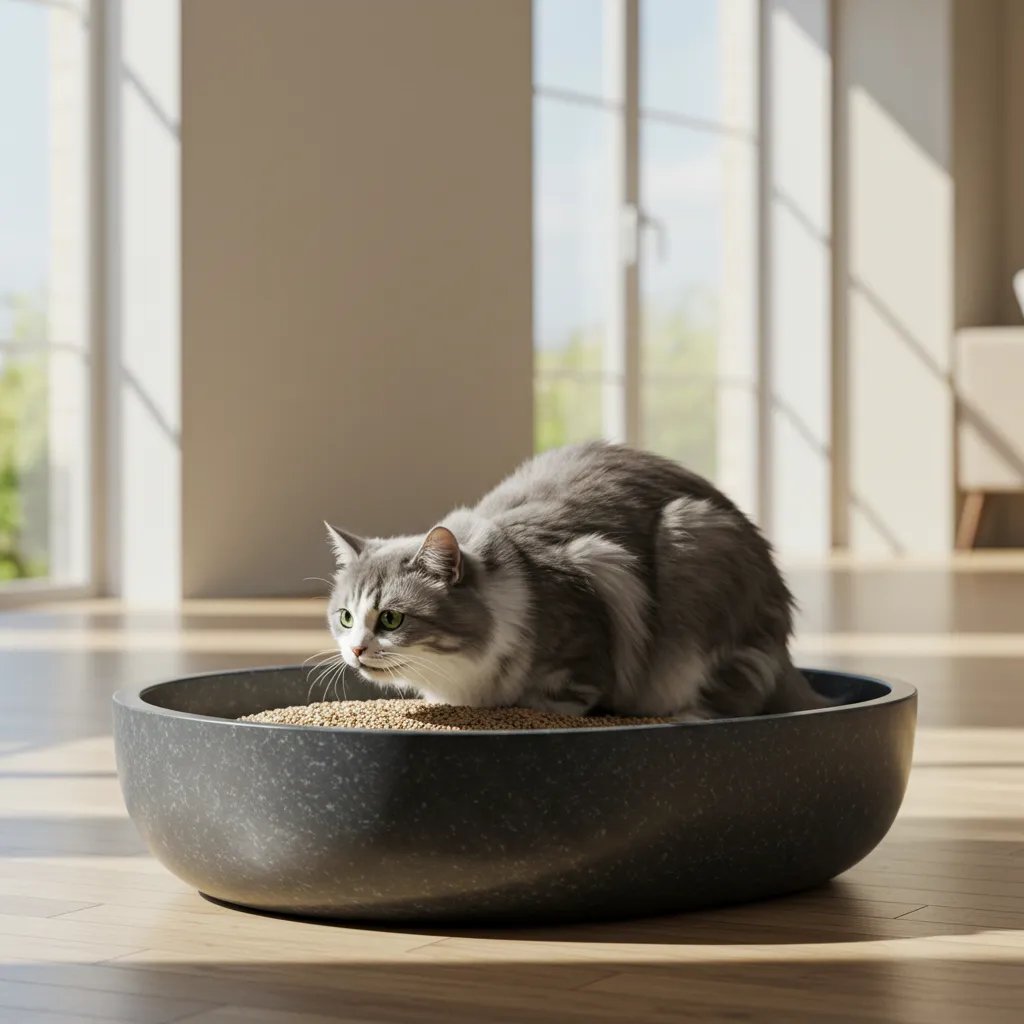
Fix: Follow the “n+1 rule” (one box per cat plus one) in quiet, accessible spots. Our cat litter training guide has detailed routines.
Happy cat using a clean, spacious litter box in a quiet corner, showcasing an ideal setup to prevent crying during pooping.
Step-by-Step Solutions to Stop Cat Crying While Pooping
Now that we know why does my cat cry when pooping, let’s tackle it with a phased approach. These vet-backed strategies address medical, behavioral, and environmental issues while preventing relapses.
Step 1: Rule Out Medical Issues with a Vet Visit
Start with a vet to confirm or dismiss cat poop pain symptoms. A simple exam, often under $100, can include:
- Fecal Test: Detects parasites or blood.
- Anal Gland Check: Ensures no impaction.
- Bloodwork or Imaging: Rules out diabetes or IBD for persistent cases.
For my Bengal, a vet-prescribed laxative and diet tweak resolved constipation in a week. If your cat’s a senior, explore our cat health care for ongoing wellness tips.
Step 2: Optimize the Litter Box Setup
A cat-friendly box is your first defense against cat litter box problems. Here’s how to nail it:
- Quantity and Placement: Use n+1 boxes in low-traffic areas. Avoid basements or laundry rooms.
- Litter Choice: Switch to unscented, fine-grain clay or natural options like walnut-based litter. Persians prefer gentle textures (see Persian cat breed).
- Cleanliness: Scoop twice daily; rinse with vinegar weekly. Add a pinch of baking soda for odor control.
Result: Owners report a 70% drop in cat crying in litter box within days of upgrades, per Cornell Feline Health Center.
Step 3: Boost Diet and Hydration for Healthy Digestion
Diet plays a massive role in healthy cat digestion. Poor nutrition or dehydration leads to cat constipation symptoms and cat straining to poop.
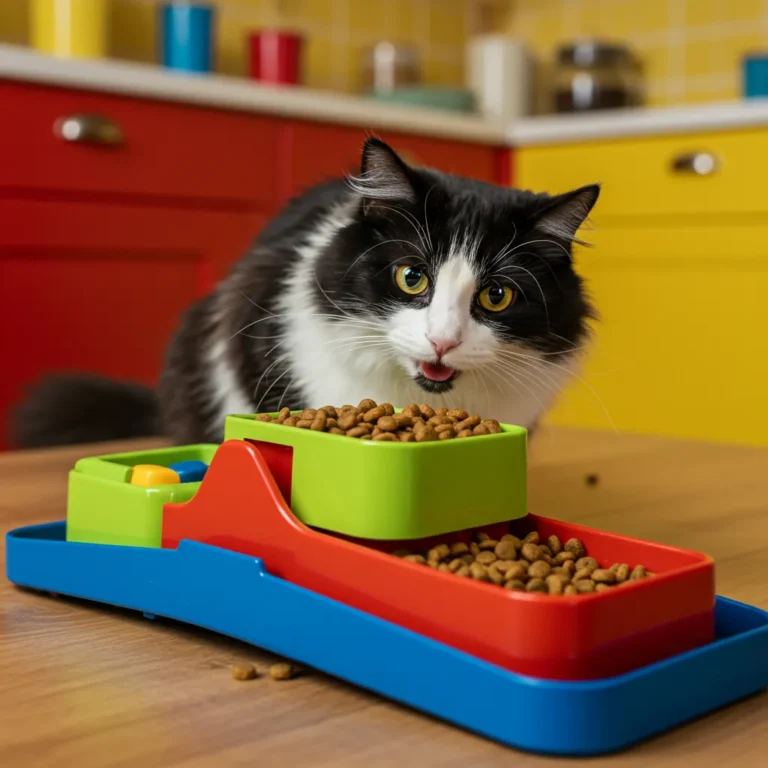
- Fiber Boost: Add 1 tsp of canned pumpkin (not pie mix) to meals for fiber in cat diet. Wet food like those in our best wet cat food guide naturally increases fiber and moisture.
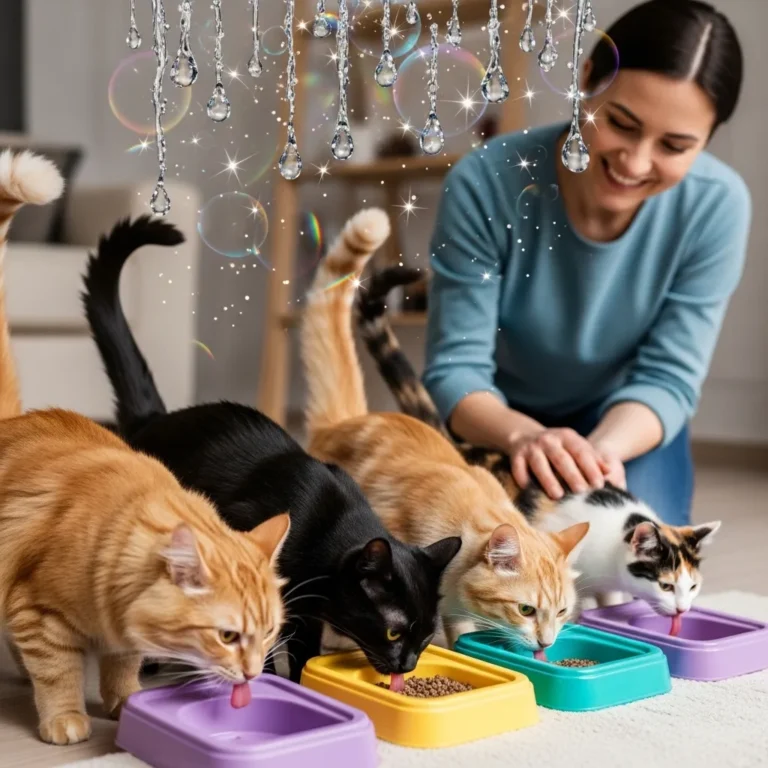
- Hydration: Cats need 1 oz of water per pound daily. Use a pet fountain to encourage drinking, vital for cat hydration and digestion. Ragdolls love fountains (see Ragdoll cat hydration tips).
- Food Quality: Avoid low-fiber dry kibble. Opt for vet-approved brands like Hill’s Science Diet or Royal Canin Gastrointestinal.
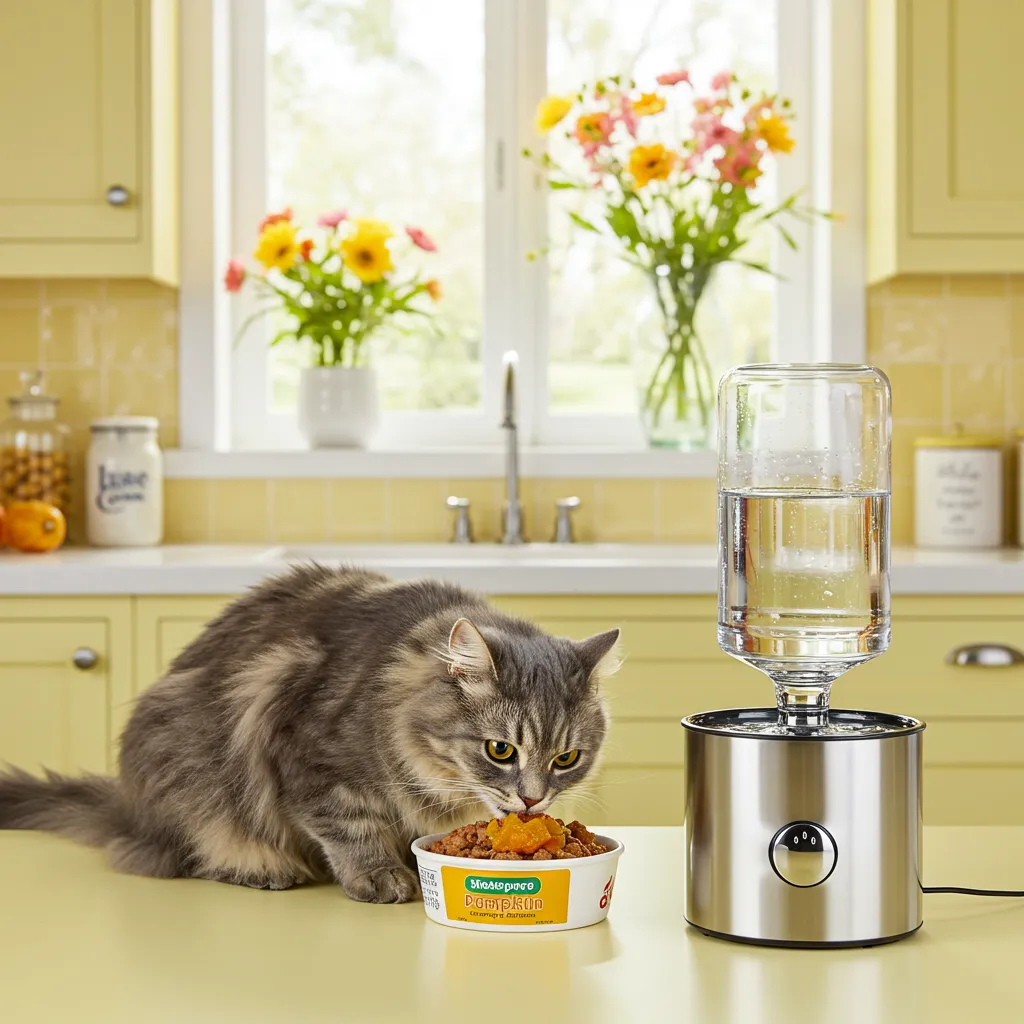
Real Example: My Munchkin’s cries stopped after switching to wet food and adding a water fountain, easing cat discomfort during defecation in 5 days.
Step 4: Address Stress and Behavioral Triggers
Cat stress and anxiety can amplify cat meows when pooping meaning. Create a calming environment:
- Pheromone Diffusers: Feliway reduces stress by 80%, per 2025 trials. Place near litter boxes.
- Enrichment: Add scratching posts, window perches, or puzzle feeders. Munchkins thrive on play (see Munchkin cat playfulness).
- Routine: Feed and play at set times to stabilize cat bowel movement behavior.
For persistent issues, consult a behaviorist via our cat training behavior resources.
Person adding pumpkin to cat food, with a water fountain nearby, demonstrating diet tweaks to ease cat pooping issues.
Step 5: Home Remedies for Mild Constipation
For non-emergency cat constipation remedies, try these vet-approved home remedies for cat constipation:
- Canned Pumpkin: 1–2 tsp daily softens stools.
- Olive Oil: 1/4 tsp mixed into food every 3 days lubricates digestion.
- Laxatone: A vet-recommended gel for hairballs and constipation, safe for weekly use.
Caution: Don’t use human laxatives—toxic to cats. If no stool after 48 hours, see a vet.
Step 6: Monitor and Prevent Relapses
Track progress with a log: stool consistency, crying frequency, and litter box use. Revisit the vet every 6 months for seniors or cats with chronic issues. For cat pooping issues prevention:
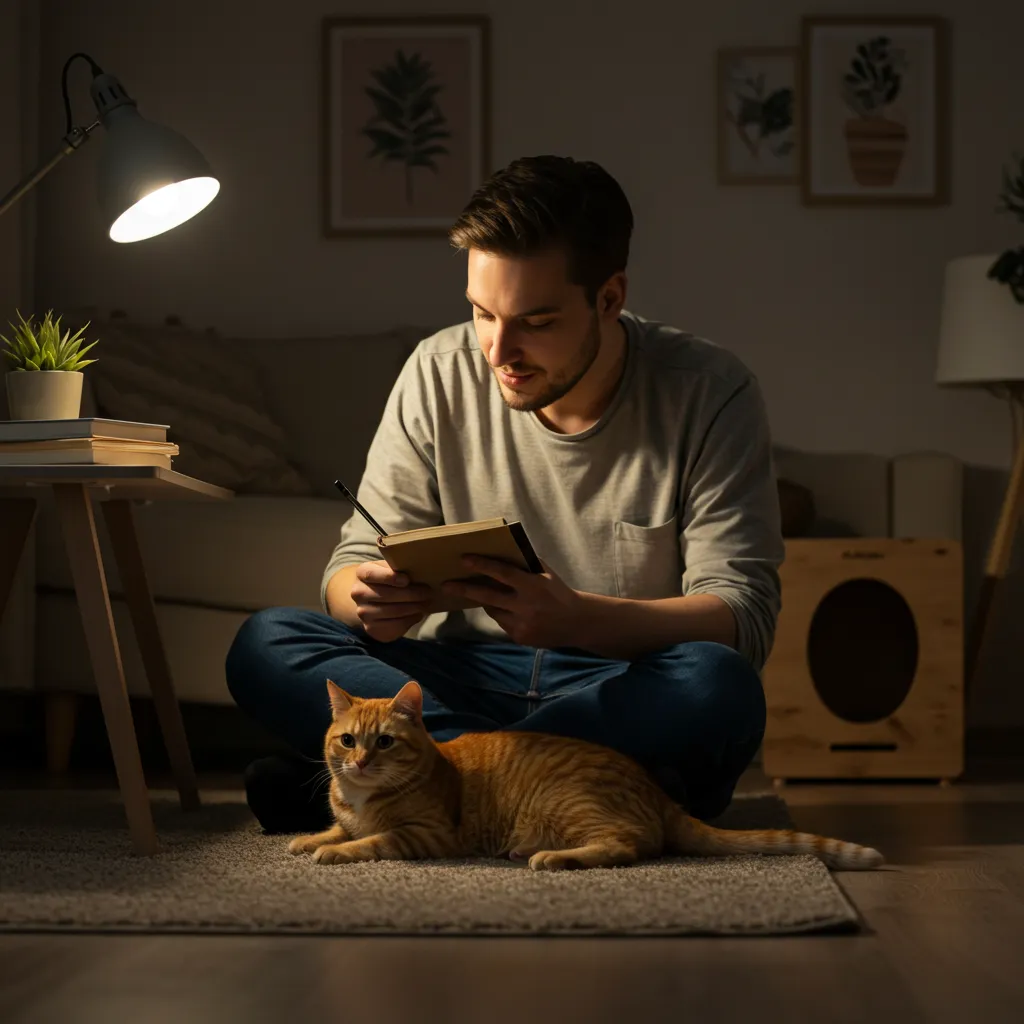
- Maintain consistent diet and hydration.
- Keep boxes pristine and stress low.
- Watch for cat poop health warning signs like straining or blood.
When to See a Vet for Cat Pooping Issues
Not all cries need immediate vet attention, but don’t wait if you see:
- No stool for 48+ hours.
- Blood or mucus in stool.
- Lethargy, vomiting, or appetite loss.
- Repeated cat straining noises with no output.
A 2025 AAHA guideline stresses acting within 48 hours for cat in pain while pooping to prevent megacolon, a severe complication.
FAQ: Quick Answers to Your Burning Questions
Why does my cat cry when pooping?
Cat crying while pooping often signals pain from constipation, anal gland issues, or colitis. Check with a vet to rule out medical causes.
What does it mean if my cat screams in the litter box?
Cat screams in litter box may indicate severe pain (e.g., blockages) or stress. Immediate vet care is needed for persistent screams.
Are there common causes for cats being in pain while pooping?
Yes—constipation, anal gland impaction, or IBD are top causes. Cat straining to poop also points to arthritis or litter box issues.
How does litter box aversion affect my cat’s behavior?
Litter box aversion in cats causes avoidance or vocalization due to dirty boxes, wrong litter, or stressful locations, leading to cat crying in litter box.
Why is fiber important in my cat’s diet?
Fiber in cat diet softens stools and promotes healthy cat digestion, reducing cat constipation symptoms by 60% when balanced.
Can hydration affect my cat’s comfort during defecation?
Absolutely—cat hydration and digestion are linked. Dehydration hardens stools, causing cat discomfort during defecation.
What home remedies can I try for my cat’s pooping difficulties?
Try canned pumpkin, olive oil, or Laxatone for home remedies for cat constipation. Always confirm with a vet first.
When should I seek veterinary help for my cat’s pooping issues?
See a vet if cat pooping problems last over 48 hours, or if blood, mucus, or lethargy appear. Explore our cat veterinary care guide.
Conclusion: A Purr-fect Path to Poop Peace
Cat cries when pooping isn’t just noise ,it’s a call for help. By addressing cat pooping and crying causes—from medical issues like cat constipation symptoms to litter box aversion in cats and stress-related cat bathroom behavior—you can restore your cat’s comfort. Start with a vet check, optimize their litter box, boost fiber in cat diet, and reduce cat stress and anxiety. With these cat digestive health tips, your feline friend will be back to silent, stress-free poops in no time.
For more feline wisdom, dive into our cat health care or cat litter box frequency guide at Cat Bloom Haven.