How Cold Is Too Cold for Cats: A Complete Winter Safety Guide for Every Cat Owner
Your cat might act like they own the thermostat, but the truth is they can’t tell you when they’re freezing. One minute they’re sprawled on the windowsill watching snow fall, the next they’re shivering under the couch. Knowing exactly how cold is too cold for cats can be the difference between a cozy winter and an emergency vet visit.
I’ve spent years talking to veterinarians, rescuing ferals in sub-zero temperatures, and watching indoor cats turn into furry hot-water bottles every December. Here’s everything you need to know about cat cold tolerance, the real dangers of winter, and how to keep your cat safe no matter where they spend their nine lives.
Key Takeaways (Read This First)
- Most cats start feeling cold below 45°F (7°C); anything under 32°F (0°C) is dangerous for prolonged exposure.
- A healthy adult cat’s body temperature should stay between 100.5–102.5°F. Below 99°F is hypothermia territory.
- Kittens, seniors, short-haired, and sick cats feel cold faster than thick-furred adults.
- Frostbite can happen in as little as 15–20 minutes on ears, tail, and paws in freezing weather.
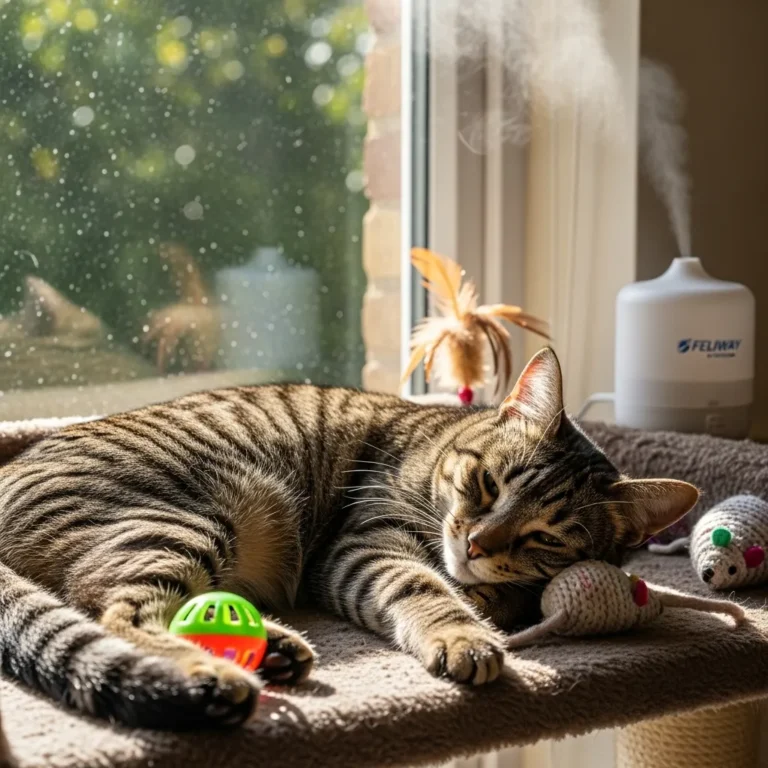
- Indoor cats still need warmth; 60–68°F is often too chilly for comfort without extra help.
What Temperature Do Cats Actually Feel Comfortable In?
Cats evolved in desert climates. Their normal body temperature runs 101–102.5°F, about 3–4 degrees higher than ours. That means a room that feels pleasantly cool to you can feel downright chilly to them.
Veterinarians generally agree:
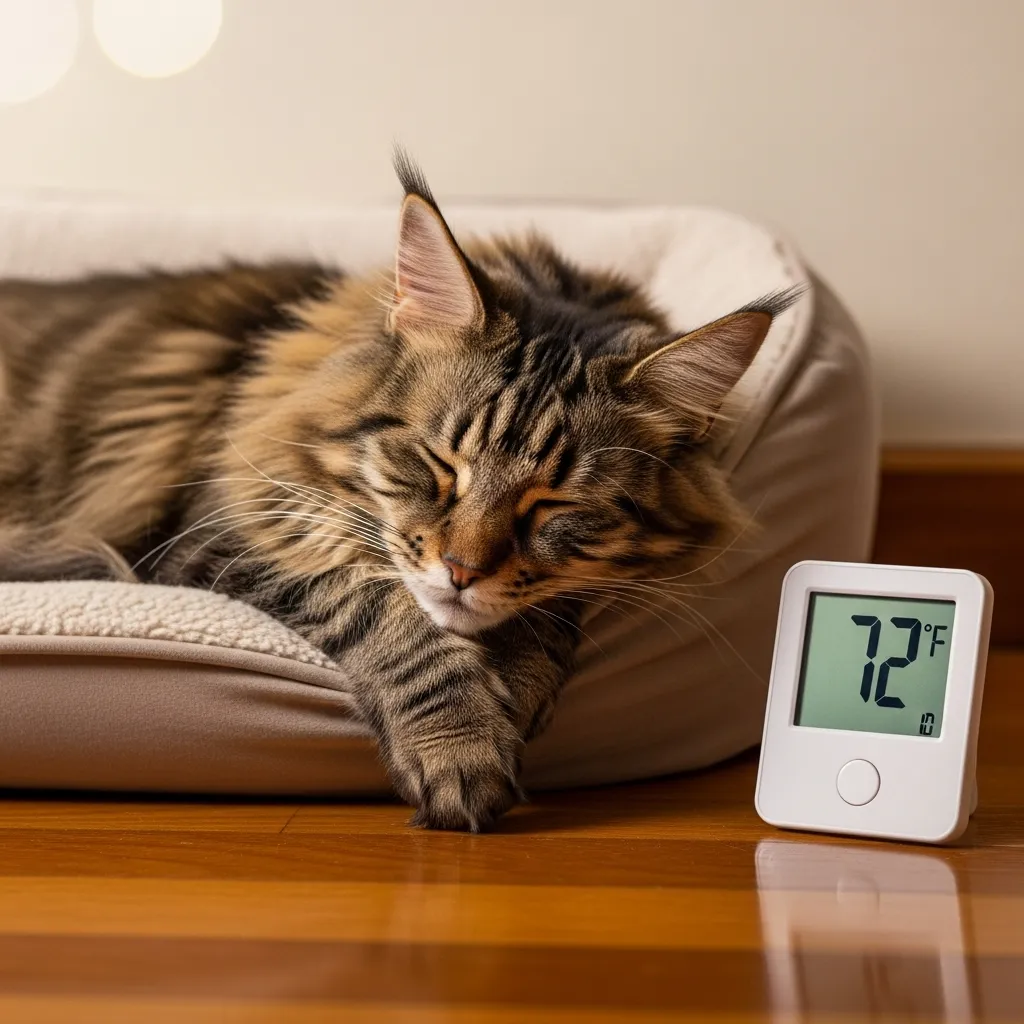
- Ideal indoor temperature for cats: 68–77°F (20–25°C)
- Acceptable range: 60–80°F (15–27°C)
- Below 60°F: most cats start seeking heat sources
- Below 45°F: stress and discomfort set in quickly
- Below 32°F: risk of hypothermia and frostbite skyrockets
Why Some Cats Handle Cold Better Than Others
Not all cats freeze equally. Coat type, body fat, age, and health play massive roles.
Coat Types and Cold Resistance
- Double-coated breeds (Maine Coon, Norwegian Forest Cat, Siberian) grow thick undercoats in winter and can tolerate brief exposure down to the low 20s°F if healthy and dry.
- Single-coated or short-haired cats (Siamese, Sphynx, Cornish Rex) have almost no insulation and start shivering at 50–55°F.
- Hairless cats need sweaters or heated beds once the house drops below 70°F.
(Internal link: Curious which breeds handle winter best? Check our detailed guide on Norwegian Forest Cat winter care.)
Age and Health Factors
- Kittens under 6 months can’t regulate body temperature well until their immune systems mature.
- Senior cats (10+) lose muscle mass and fat, making them feel cold faster.
- Cats with arthritis, diabetes, hyperthyroidism, or heart disease have poorer circulation and get cold easier.
Signs Your Cat Is Cold (Don’t Wait for Shivering)
Cats hide discomfort until it’s serious. Watch for these early clues:
Early signs of discomfort:
- Seeking heat sources (laptops, radiators, your armpit)
- Curling into a tight ball with tail wrapped around body
- Burrowing under blankets or into tight spaces
- Reluctance to move or play
- Cold ears, paws, or nose when you touch them
Cat Hypothermia Symptoms: When It’s an Emergency
Hypothermia starts when core temperature drops below 99°F. Progression is fast in small animals.
Mild hypothermia (99–96°F):
- Intense shivering
- Cold extremities
- Slow movements, lethargy
Moderate hypothermia (95–90°F):
- No more shivering (bad sign – body gave up)
- Weak pulse, shallow breathing
- Confusion, stumbling
Severe hypothermia (below 90°F):
- Unconsciousness
- Fixed, dilated pupils
- Barely detectable heartbeat
If you see moderate or severe symptoms, wrap your cat in warm (not hot) towels, use your body heat, and get to a vet immediately. Do NOT use hot water bottles directly on skin – you can burn them.
Frostbite in Cats: The Silent Winter Danger
Frostbite happens when tissue actually freezes. Ears, tail tip, and paw pads turn pale, hard, and cold. Hours later they swell, blister, and turn black. Many owners don’t notice until the damage is done because cats hide pain.
Never rub or massage frostbitten areas. Warm slowly with lukewarm water (100–105°F) for 20 minutes and get veterinary care.
Keeping Indoor Cats Warm: Practical, Vet-Approved Tips
Most house cats live indoors, yet we keep homes at human comfort levels. Here’s how to fix that:
- Raise the thermostat to at least 68–70°F when you’re home.
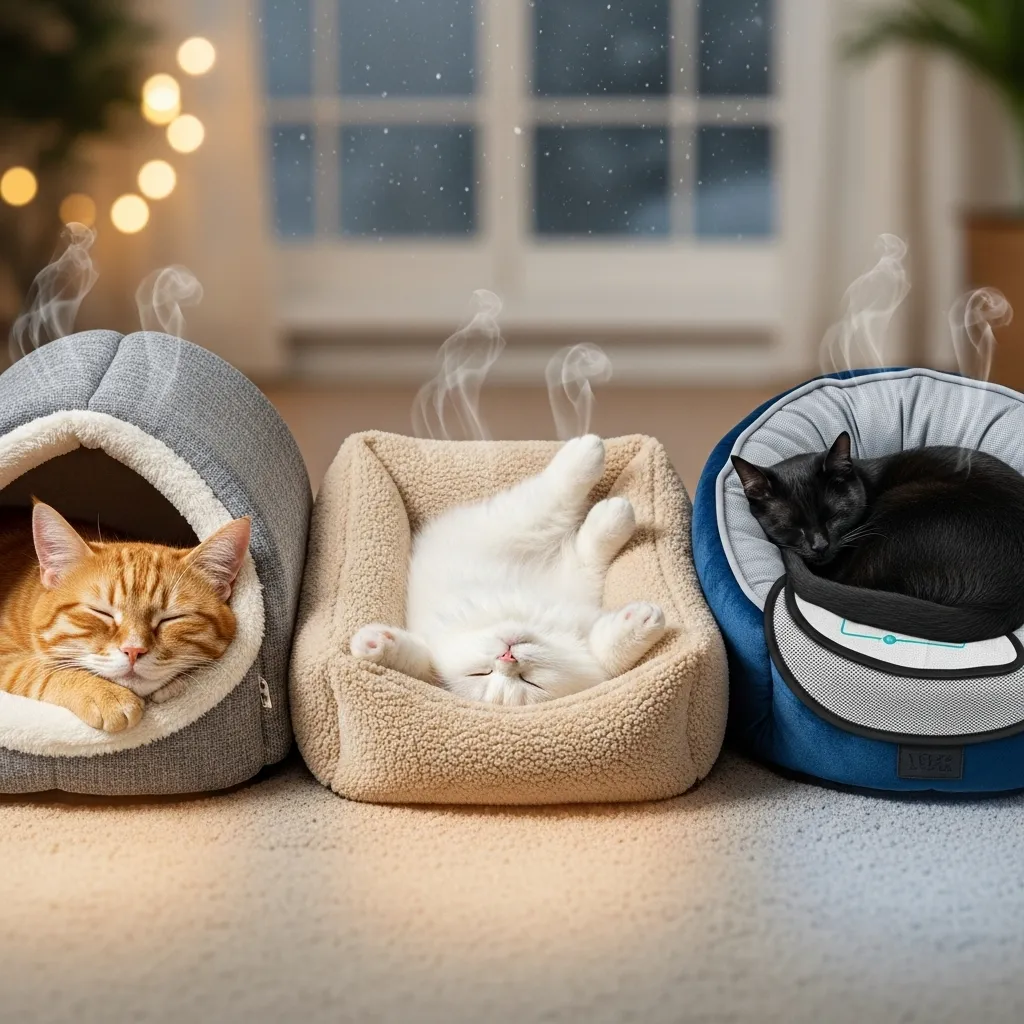
- Provide multiple heated options:
- Self-warming pads that reflect body heat
- Low-voltage heated beds (safer than heating pads made for humans)
- Covered beds or igloo-style caves
- Place beds away from drafts and off cold floors.
- Leave a cardboard box lined with an old sweater – cats love the insulation factor.
- At night, a hot water bottle wrapped in a towel under half the bed lets them choose warmth or cool.
Looking for the perfect bed? See our picks for the best beds for American Shorthair cats – many work great for any breed.
Outdoor and Feral Cats: Winter Survival Guide
If you care for outdoor or feral cats, you’re their lifeline when temperatures drop.
Winter Shelters That Actually Work
- Insulated plastic bins or styrofoam coolers with 6-inch entrance
- Line with straw (not hay or blankets – they get wet and freeze)
- Elevate off ground and face away from wind
- Two exits in case a predator blocks one
Food and Water Tips
- Feed extra wet food – digestion creates body heat
- Use heated water bowls or add a drop of low-sodium chicken broth to prevent freezing
- Feed in the morning and evening when temperatures are highest
Cold-Weather Gear: Does Your Cat Need a Coat?
Short answer: maybe. Long-haired healthy cats usually don’t. But short-haired, senior, or skinny cats often benefit from a lightweight sweater or fleece jacket for short outdoor trips.
Never leave a clothed cat unattended – they can get tangled or overheat indoors.
FAQ: Your Cold Weather Cat Questions Answered
What is the lowest temperature a cat can tolerate?
Healthy, double-coated cats can handle brief exposure to 20–25°F if dry and active. Anything below 32°F for more than 10–15 minutes is dangerous.
How do I know if my indoor cat is cold at night?
Cold ears when you wake up, sleeping curled extremely tight, or choosing to sleep on electronics are big clues.
Can cats get sick from being too cold?
Yes. Prolonged cold stress suppresses the immune system, making upper respiratory infections more likely.
Do cats need blankets in winter?
Most love them, but make sure they can leave the blanket if they get too warm. Multiple light layers are safer than one heavy one.
Are black cats warmer in winter?
Dark fur absorbs more heat from sunlight, but it doesn’t help much indoors or at night.
What temperature is too cold for kittens?
Kittens can’t regulate temperature well until 6–8 weeks. Keep them above 75°F for the first few weeks, then gradually lower.
Final Thought: Your Cat Counts on You
Cats are masters at hiding pain and discomfort. By the time they’re obviously shivering, they’ve been cold for hours. A few simple changes – a heated bed, a slightly warmer house, an insulated outdoor shelter – can prevent suffering and expensive emergencies.
Stay warm, keep them warmer, and enjoy the season together.
Ready for more expert cat care tips? Explore hundreds of in-depth guides on Cat Bloom Haven, from breed-specific advice to health emergencies and everything in between.