Why Does My Cat Smell My Breath? The Real Reasons Behind This Adorable (and Slightly Weird) Habit
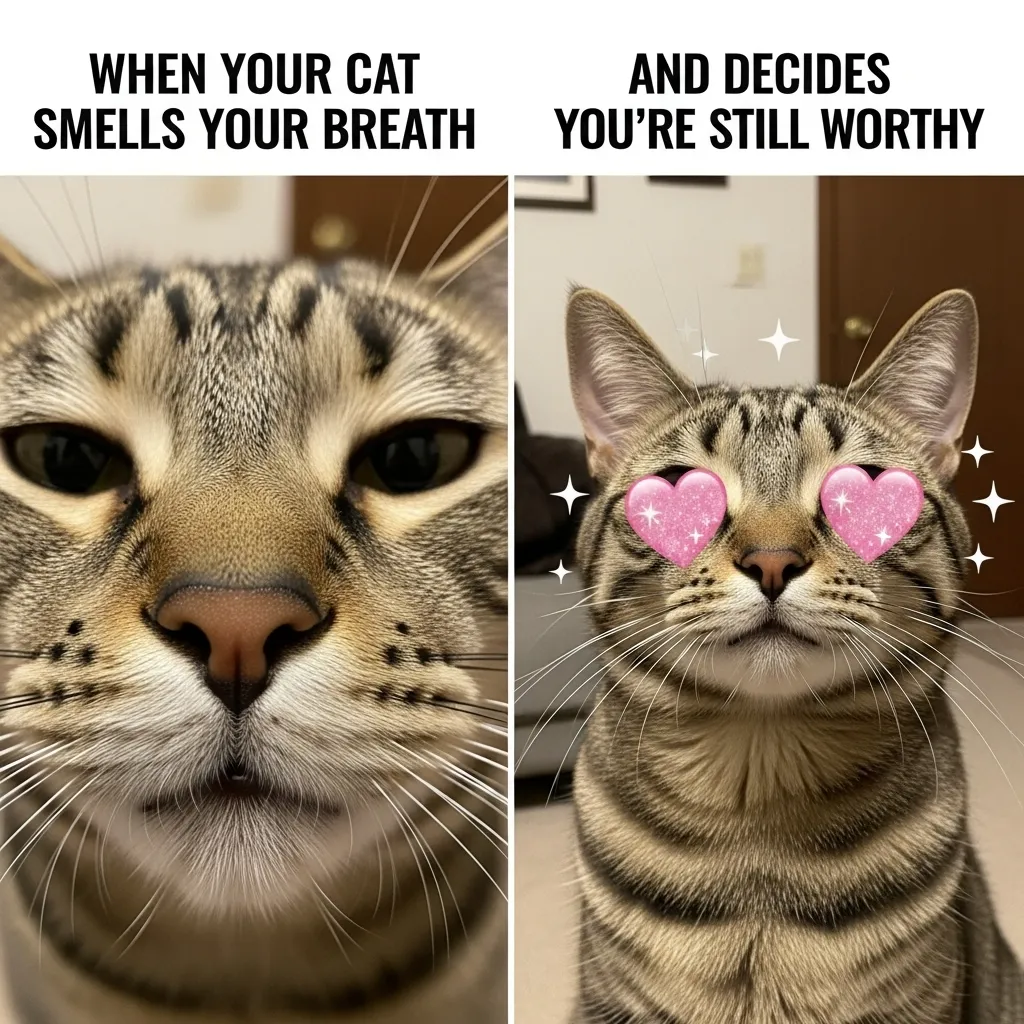
Picture this: you’re lying in bed, finally drifting off, and suddenly a cold wet nose presses right against your lips. Your cat is inches away, inhaling like she’s trying to solve a mystery. If you’ve ever wondered “why does my cat smell my breath,” you’re not alone. Thousands of cat owners search this exact phrase every month, and it’s been blowing up on TikTok for the past year because, honestly, it’s equal parts cute and bizarre.
The truth is simple but fascinating: your cat isn’t judging your garlic bread choices (probably). She’s gathering information the way only cats can, using one of the most powerful noses in the animal kingdom. Let’s break down exactly what’s happening when your cat sniffs your breath, your mouth, or even your nose while you sleep.
Key Takeaways (Read This First If You’re in a Hurry)
- Cats have 200 million scent receptors (humans have about 5 million).
- Breath carries a unique chemical signature of your diet, hormones, emotions, and health.
- Sniffing your breath is normal bonding, curiosity, and sometimes subtle health-checking behavior.
- It usually means “I love you and I’m reading your personal newsletter” in cat language.
- Sudden intense sniffing can occasionally signal your cat detects a change in your body chemistry.
Now let’s go deeper.
How Powerful Is a Cat’s Sense of Smell, Really?
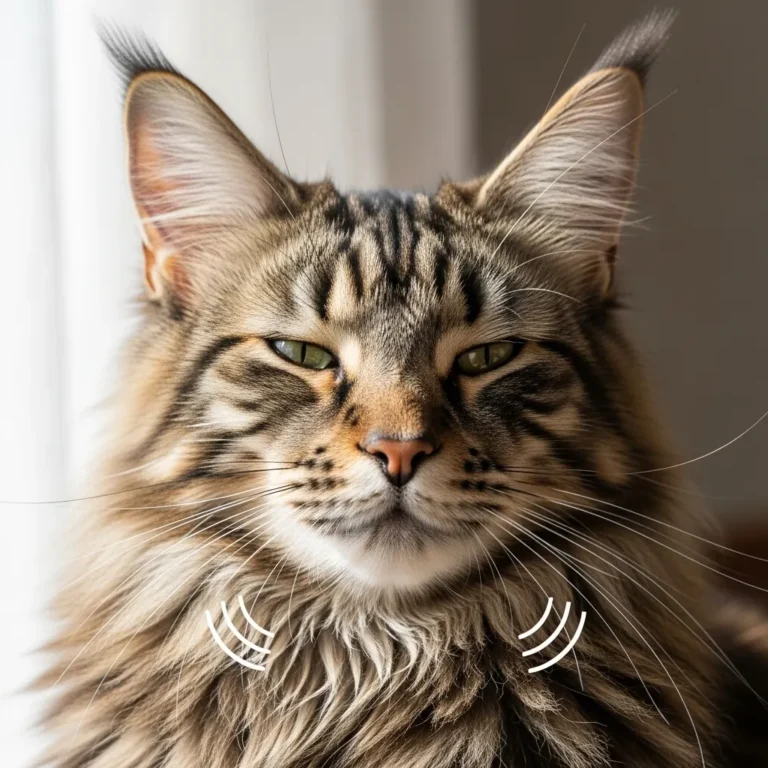
Your cat’s nose isn’t just cute; it’s a superpower. The average domestic cat has up to 200 million olfactory receptors compared to our measly 5–6 million. To put that in perspective, it’s like comparing a flip phone camera to a professional DSLR.
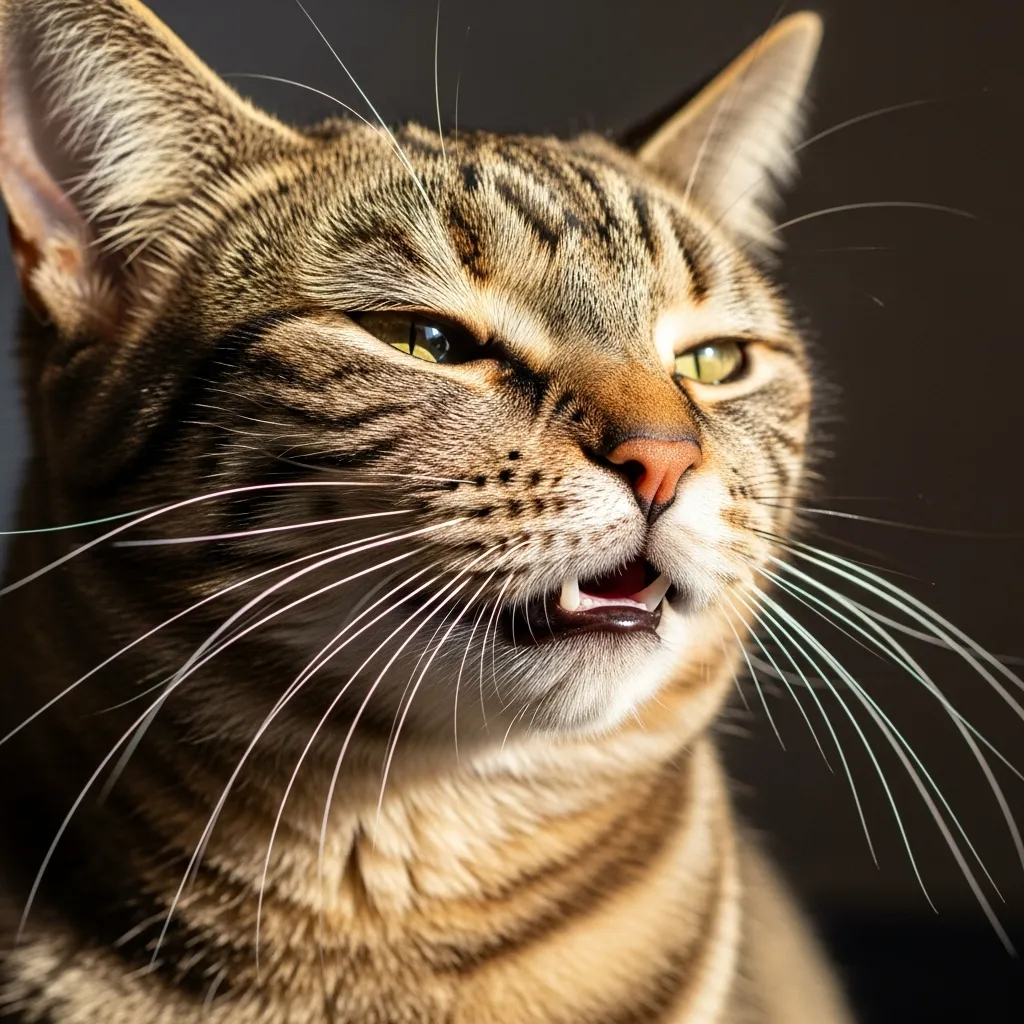
They also have a second “scent organ” most people don’t know about: the vomeronasal organ (or Jacobson’s organ) on the roof of their mouth. When your cat does that funny open-mouth flehmen face after sniffing you, she’s pushing air up to that organ for a deeper chemical analysis. Your breath is basically a daily newspaper written in scent molecules, and she’s reading every headline.
The Top 6 Reasons Your Cat Sniffs Your Breath
1. “You Smell Like Home” – Scent = Safety and Love
Cats rely heavily on familiar smells for comfort. Your breath is 100 % you: no laundry detergent, no shampoo, no clothing. It’s the purest version of your personal scent signature. When she sniffs your mouth or nose, she’s confirming “Yep, this is my person. All is right with the world.”
This is especially common when you’ve been away all day or when she greets you first thing in the morning.
2. Food Detective Mode Activated
Ever notice the sniffing gets intense right after you eat tuna, drink coffee, or brush your teeth? Your cat is cataloging what you ate. Some cats are straight-up obsessed with fish or dairy smells and will park themselves an inch from your lips hoping for a secondhand taste.
Pro tip: If you want five seconds of peace after dinner, exhale away from her. Works 60 % of the time, every time.
3. Subtle Health Monitoring (Yes, Really)
Cats have been documented detecting changes in human body chemistry. Studies and countless anecdotal reports from diabetic and epileptic owners show cats reacting to low blood sugar or oncoming seizures, sometimes minutes or hours before medical devices register anything.
Bad breath caused by ketoacidosis, liver issues, or even some cancers can produce distinct odors cats pick up long before we notice anything ourselves. It’s not that your cat is a doctor, but she might be the first to notice something’s off.
4. Emotional Radar
Your breath changes with stress hormones, adrenaline, or even happiness. Cats read those shifts the way we read facial expressions. If you’re anxious, your cat might sniff more to figure out what’s going on and decide whether she needs to comfort you (or hide under the bed).
5. Bonding and Mutual Grooming Instinct
In cat society, close-face sniffing is intimate. Colony cats and bonded pairs regularly sniff each other’s faces and breath. When your cat sniffs your mouth, she’s treating you like a trusted family member. Sometimes she’ll even try to “groom” your breath by licking your nose or lips afterward.
6. Pure Curiosity (Because Cats)
Let’s be honest: sometimes a cat is just being a cat. New smell? Must investigate. That’s it. That’s the reason.
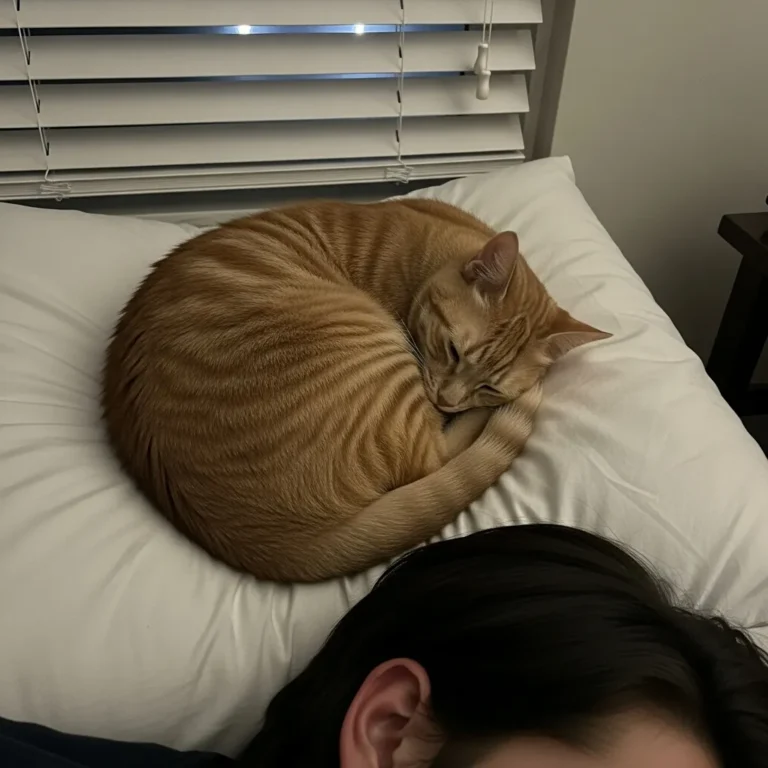
Why Does My Cat Smell My Breath When I’m Sleeping?
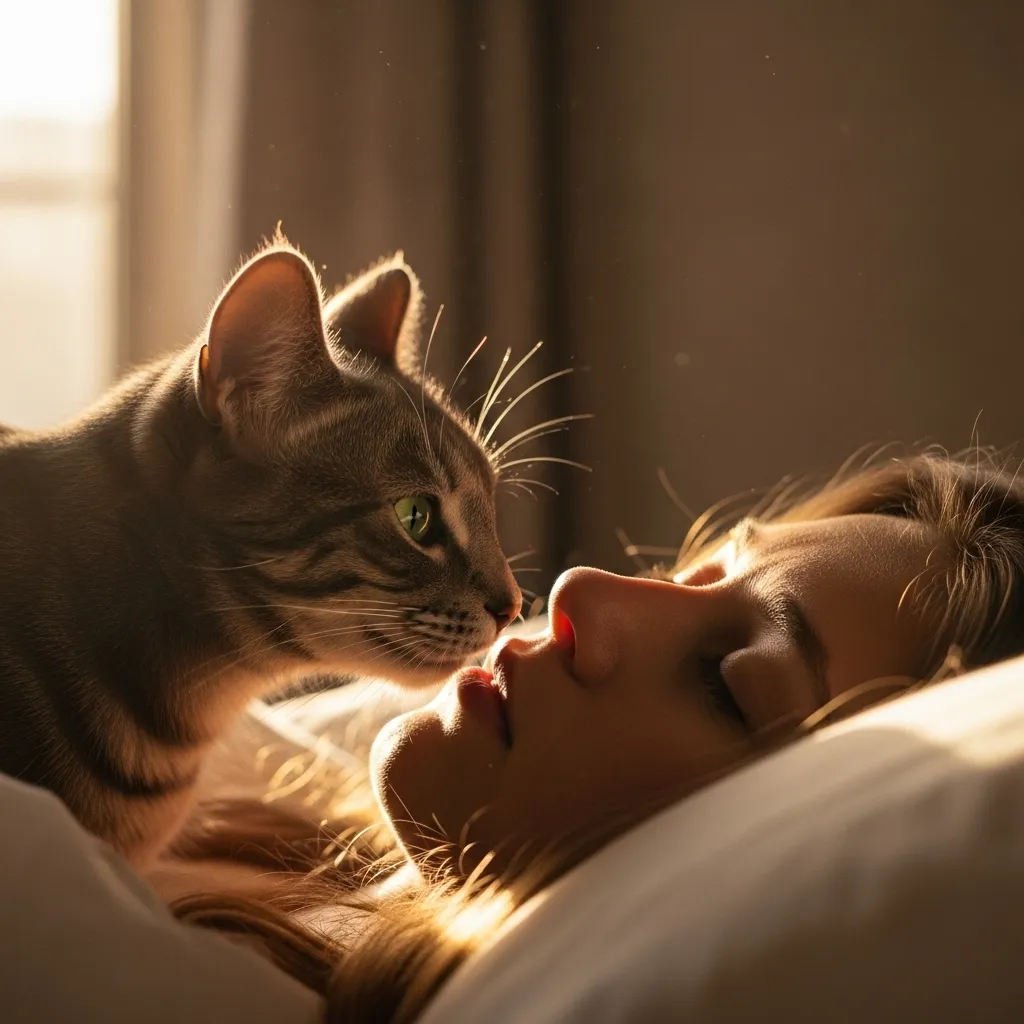
This one freaks people out the most. You wake up to whiskers tickling your face and a cat nose in full inhale mode. Relax: it’s peak affection hour.
When you sleep, your breathing is slow and steady, making it easier for scent molecules to linger. Plus, you’re not moving or talking, so it’s prime investigation time. Many cats do their deepest bonding rituals while we’re unconscious because we finally hold still long enough.
Cat Sniffing Face Behavior: When Is It Too Much?
Occasional breath-sniffing is normal. Obsessive sniffing (to the point of waking you repeatedly or preventing sleep) can sometimes indicate:
- Dental pain in your cat (she’s comparing your breath to her own discomfort)
- Anxiety or stress in the household
- Rarely, obsessive-compulsive tendencies (more common in Siamese and Bengal breeds)
If the behavior is new and intense, a quick vet check rules out medical causes.
How Cats Communicate Through Scent (and Why Your Breath Matters)
Cats don’t talk, but they’re constantly exchanging information through smell. Your breath is part of the daily “scent handshake” that strengthens your bond. When she rubs her face on you afterward, she’s mixing her scent with yours, basically updating the relationship status to “Taken – property of [cat’s name].”
Weird Cat Behaviors Explained: You’re Not the Only One
If your feed is full of “cat smelling mouth after eating” videos, you’re in good company. The trend exploded in 2024–2025 because people finally realized it’s not random; it’s love in olfactory form.
Other common quirks people Google:
- Why does my cat smell my nose?
- Why is my cat obsessed with my face?
- Cat sniffing when you sleep
All the same root causes: bonding, curiosity, and that incredible nose.
What to Do (and Not Do) When Your Cat Sniffs Your Breath
Do:
- Let her finish her sniff (it takes 3–10 seconds)
- Slow-blink back – it’s the cat equivalent of saying “I love you too”
- Use it as bonding time – talk softly, offer gentle cheek scratches
Don’t:
- Blow air in her face (rude and can damage trust)
- Push her away harshly
- Worry unless the behavior is suddenly extreme
Can Cats Detect Illness Through Breath? What Science Says
While no large-scale study has specifically looked at cats and human breath odor for cancer or diabetes, smaller studies and medical alert programs show cats can be trained to detect:
- Low blood sugar
- Certain seizure-related chemical changes
- Some tumors (anecdotal reports of cats obsessively sniffing specific body parts later diagnosed with cancer)
Your cat probably isn’t running diagnostics, but she might notice before you do.
FAQ Your Top Questions Answered
Why does my cat sniff my breath after I eat?
Food smells are exciting. Fish, dairy, and meat are cat crack. She’s hoping for a taste or just enjoying the gourmet notes.
Is it normal for cats to smell your mouth when you talk?
Totally normal. Talking pushes more air (and scent) out. It’s like you turned up the volume on your personal perfume.
Why does my cat smell my breath when I’m sick?
Illness changes body chemistry. Fever, infection, or medication can alter breath odor in ways cats detect instantly.
My cat only smells my breath, not my partner’s. What does that mean?
You’re her chosen person. Cats often pick one primary human for deepest bonding rituals.
Should I be worried if my cat suddenly starts sniffing my breath a lot?
Only if it’s a drastic change paired with other symptoms (lethargy, hiding, appetite loss). Otherwise, enjoy the love.
Final Thoughts: It’s Love, Wrapped in Whiskers
Next time your cat shoves her nose against your lips and inhales like she’s trying to steal your soul, smile. She’s not being creepy. She’s reading the most honest version of you that exists, confirming you’re healthy, you’re home, and you’re hers.
That tiny wet nose in your face? It’s the feline version of a hug.
Want to understand more of your cat’s mysterious habits? Explore our guides on why cats show their bellies, cat slow-blinking meaning, or why cats sleep pressed against you.
Because the more you understand them, the deeper that bond grows.
Keep loving your weird, wonderful, breath-sniffing feline.
Cat Bloom Haven Team 🐾