Cat Blinks Meaning: What It Really Means When Your Cat Slow-Blinks at You
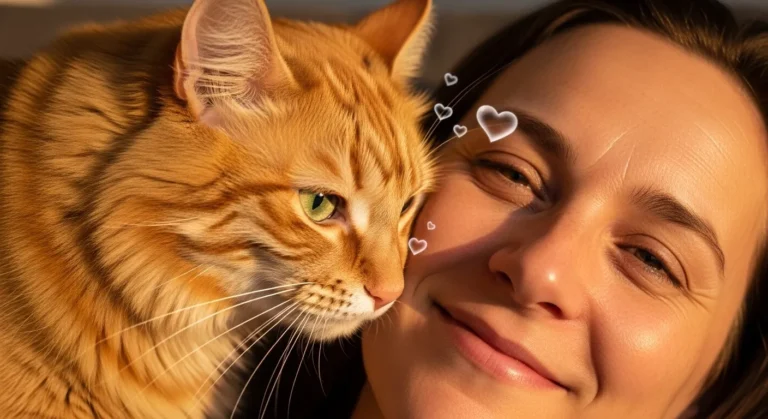
Have you ever caught your cat staring at you across the room, then slowly closing and opening their eyes like they’re sending a secret message? That deliberate, dreamy slow blink isn’t random. It’s one of the sweetest, most meaningful things a cat can do. Scientists call it the “slow blink,” cat lovers call it a “cat kiss,” and once you understand it, you’ll never look at your feline friend the same way again.
In this complete guide, we’ll unpack exactly what cat blinks mean, why slow blinking is a proven sign of trust and affection, how it differs from rapid blinking or staring, and – and most importantly – how you can slow-blink back to tell your cat “I love you” in their own language.
Key Takeaways (Read This First)
- A slow blink from your cat = “I feel safe with you” and “I love you” in cat language.
- Returning the slow blinks deepens your bond and reduces stress for both of you.
- Direct staring + no blinking usually means tension or challenge.
- Rapid blinking or half-closed eyes can signal irritation, pain, or overstimulation.
- The “slow blink sequence” has been scientifically studied and works across almost all domestic cats.
Ready to become fluent in cat eye-talk? Let’s dive in.
Why Cats Blink: The Basics of Feline Eye Communication
Cats don’t wag tails the way dogs do. Instead, they rely heavily on subtle body language – and their eyes are the loudest part of that conversation.
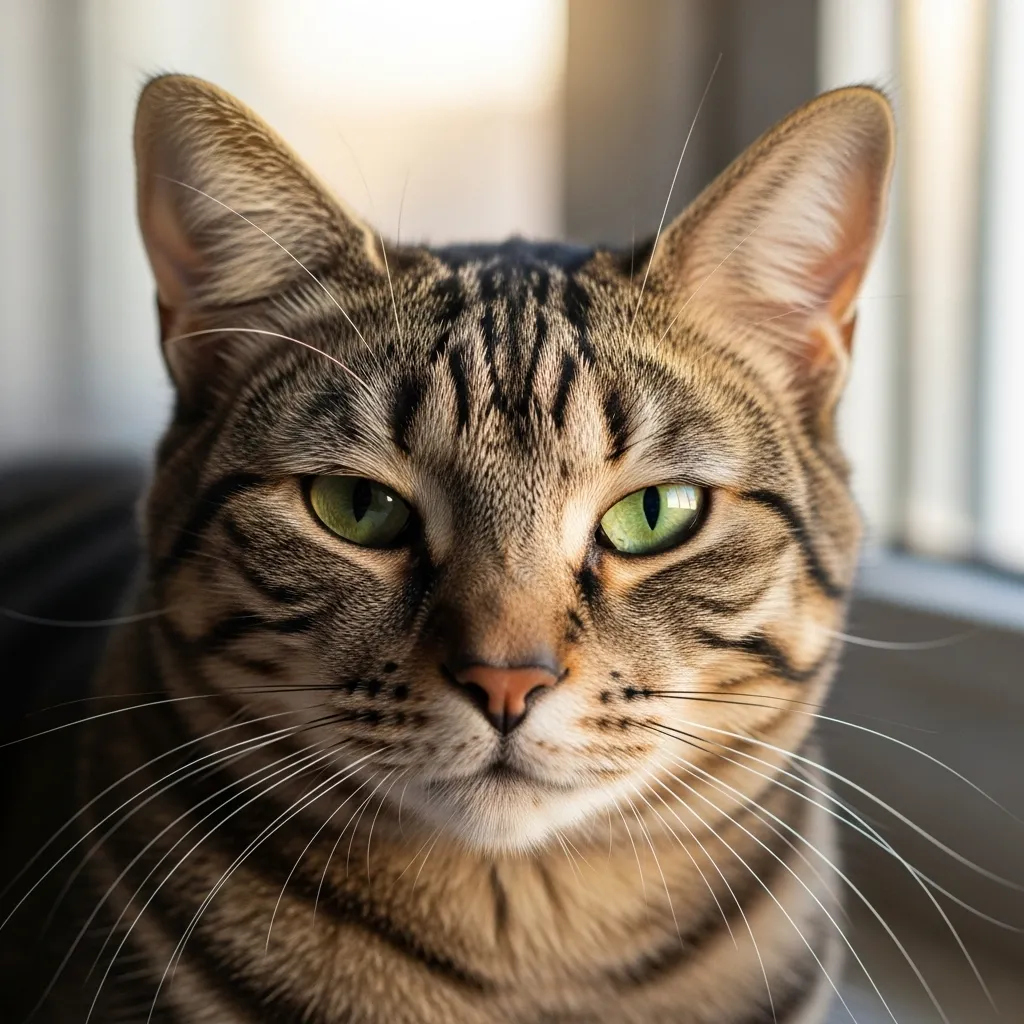
A cat’s blink isn’t just about moistening the eyeball (although it does that too). In the wild, closing your eyes in front of another animal is the ultimate vulnerability move. Predators don’t look away. Prey doesn’t look away. So when a cat chooses to slowly close their eyes while looking at you, they’re saying, “I’m so comfortable I’m willing to be momentarily blind because I trust you completely.”
Slow Blinking Cat: The Science Behind the “Cat Kiss”
In 2020, researchers at the Universities of Sussex and Portsmouth published a landmark study in Scientific Reports. They tested two experiments:
- Owners slow-blinked at their own cats → cats were significantly more likely to slow-blink back.
- Strangers (researchers) slow-blinked at unfamiliar shelter cats → cats approached the stranger more and accepted hand outreach faster.
Conclusion? Slow blinking works like a universal feline “hello, friend” signal” – even with cats who don’t know you.
Dr. Tasmin Humphrey, lead author, summed it up perfectly: “In human terms, slow blinking is closest to a genuine smile.”
How to Slow Blink at Your Cat (Step-by-Step)
It’s ridiculously simple, but timing and softness matter.
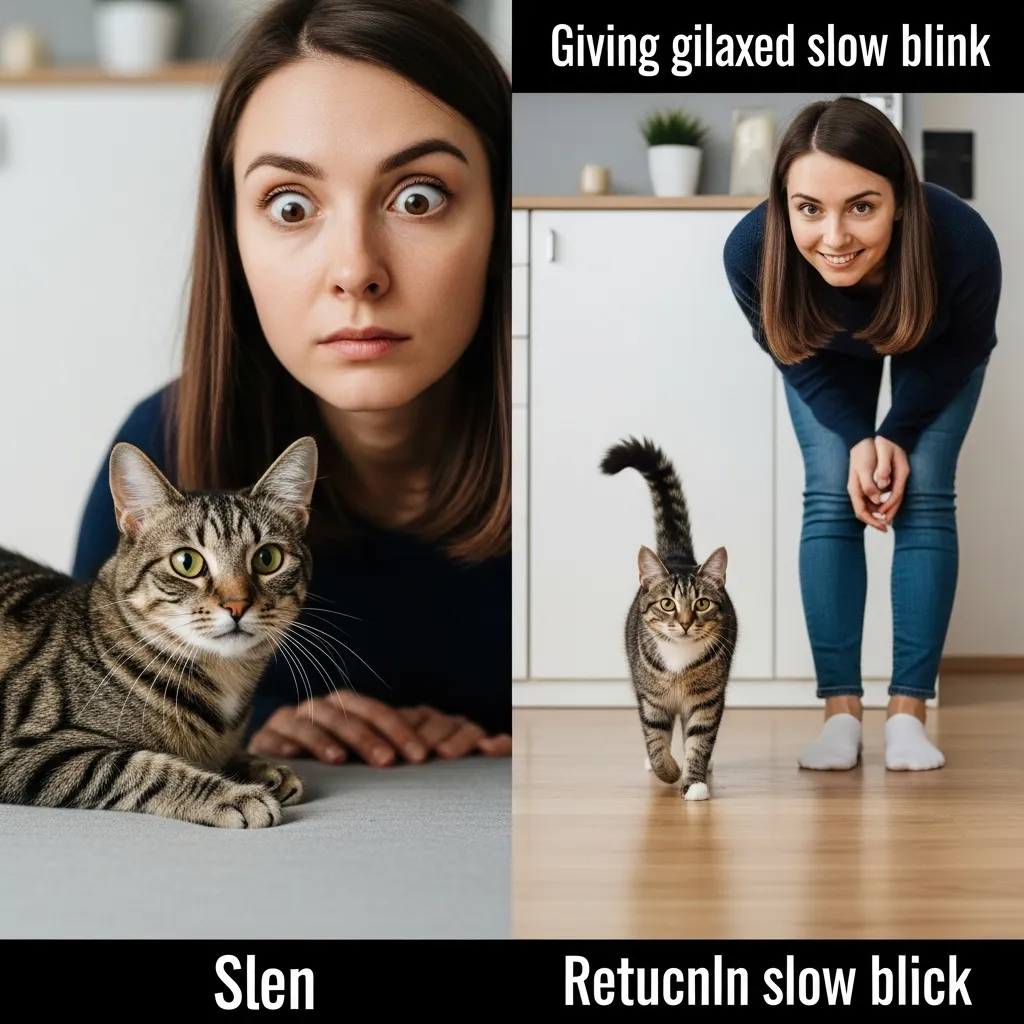
- Get on their level – sit or crouch so you’re not towering over them.
- Relax your own face and slightly soften your gaze (think “bedroom eyes”).
- Look at your cat, then slowly close your eyes for 1–2 seconds (longer than a normal blink).
- Open your eyes gradually while keeping the soft expression.
- Wait. Most cats will blink back within 5–10 seconds if they’re in the mood.
- Repeat 2–4 times. Many cats will then approach, head-butt, or purr.
Pro tip: If your cat is most receptive when they’re already relaxed – lounging on the couch, sunbathing, or after a meal.
Cat Eye Contact Meaning: When Staring Is NOT Friendly
Context is everything.
- Slow blink or half-closed eyes → affection, calm, trust.
- Prolonged direct stare + still body + upright ears → challenge, aggression, or fear.
- Rapid blinking + ears back + dilated pupils → irritation or pain.
- One eye squinted shut → possible eye injury or infection (vet visit needed).
If your cat stares without blinking and you feel uncomfortable, break eye contact first by slow blinking or turning your head slightly – never stare back aggressively.
Other Cat Trust Signals That Pair With Slow Blinking
Slow blinking rarely happens alone. Look for these bonus signs that your cat feels safe:
- Tail held high with a little curve at the tip
- Exposed belly (with relaxed limbs – not stiff)
- Soft, rhythmic purring
- Head bumps or cheek rubs
- Kneading with front paws
- Rolling over while maintaining eye contact
When you see a combo of slow blinks + any of the above, congratulations – your cat is head-over-heels for you.
Learn more about kneading and what it really means in our article American Shorthair Kneading Explained.
Why Does My Cat Blink at Me Only Sometimes?
Mood, health, and environment all play a role.
- Morning or evening “zoomie” hours → too excited, less likely to slow blink.
- New people or loud noises → stress lowers willingness to close eyes.
- Older cats or those with vision issues → may blink more slowly in general.
- Pain or eye irritation → rapid blinking or squinting (see your vet ASAP).
The Viral “Slow Blink Challenge” – Does It Actually Work?
Yes – thousands of TikTok and Instagram videos prove it. Search #slowblinkchallenge and you’ll see shelter cats melting for volunteers, scared ferals approaching for the first time, and grumpy seniors turning into lap cats. Try it yourself and film the reaction – it’s pure magic.
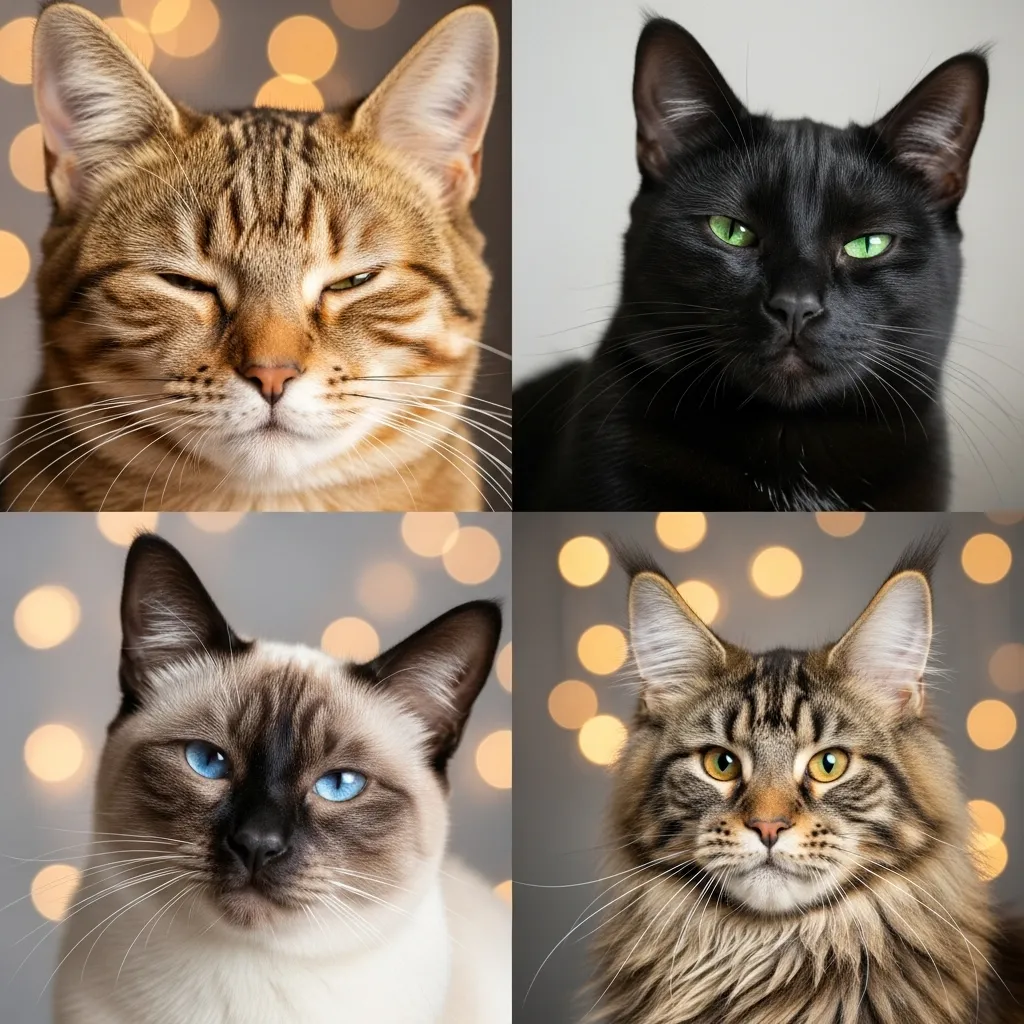
Cute Cat Communication Tips Beyond Slow Blinking
Want to level-up your cat conversation?
- Nose boops → greet back gently with a finger.
- Raised tail “question mark” → answer with soft chirping sounds.
- Flopped-over belly → give gentle chest scratches instead of belly rubs (most cats hate belly touch).
- Chirrups and trills → mimic the sound back – cats love when you “talk” their language.
FAQ Your Cat Blinking Questions Answered
What does it mean when a cat slow blinks at you?
It’s the feline equivalent of saying “I love you and feel safe.” Returning the slow blink strengthens your bond.
Is slow blinking the same as a normal blink?
No. Normal blinks are quick. A slow blink is deliberately prolonged (1–2 full seconds) and paired with a relaxed face.
My cat stares at me without blinking – is that bad?
Possibly. Unbroken staring can be a dominance display or sign of tension. Try slow blinking or looking away to de-escalate.
Can I teach an adult cat to slow blink?
Absolutely. Most adult cats learn within a few sessions once they realize it gets them attention and treats.
Do all cats slow blink?
Nearly all domestic cats understand it, but shy, feral, or traumatized cats may take weeks or months to feel safe enough to try.
Why does my cat blink one eye only?
Could be dust, infection, injury, or even early glaucoma. Schedule a vet check if it persists more than a day.
Final Thoughts: Start Speaking Cat Today
Next time your cat gives you that lazy, half-mast stare and slowly closes their eyes, don’t just smile – blink back. In that quiet two-second pause you’re telling them, “I love you too, and you are home.”
It’s the simplest, most powerful way to deepen the invisible thread between human and feline hearts.
Ready for more ways to understand your cat’s secret language?
→ Check out our Complete Guide to Cat Tail Language
→ Explore Why Cats Show Their Bellies (And When Not to Touch)
Keep blooming with your feline best friend,
The Cat Bloom Haven Team 🐾