Why Does My Sweat Smell Like Cat Pee? The Real Reasons (and What to Do About It)
You step out of the gym, lift your arm, and suddenly you’re hit with a sharp, unmistakable whiff – the kind that reminds you of a neglected litter box. If you’ve ever asked yourself “why does my sweat smell like cat pee,” you’re not alone. Thousands of people search that exact phrase every month, and the answer usually boils down to one chemical: ammonia.
That pungent, urine-like odor in sweat is almost always excess ammonia being released through your skin. Normal sweat is odorless. When it starts smelling like cat urine or straight-up ammonia, your body is trying to tell you something. Below, we’ll walk through every possible cause from the harmless (yes, keto dieters, this one’s for you) to the ones that deserve a doctor’s visit plus proven ways to fix it fast.
Key Takeaways (Read This First)
- An ammonia or cat-pee smell in sweat is usually caused by excess ammonia in the bloodstream.
- The top triggers: low-carb/keto diets, intense exercise without enough carbs, dehydration, high protein intake, and (rarely) kidney or liver issues.
- Most cases are completely reversible with simple diet and hydration tweaks.
- If the smell is sudden, persistent, or paired with fatigue, swelling, or dark urine – see a doctor promptly.
What’s Actually Happening in Your Body
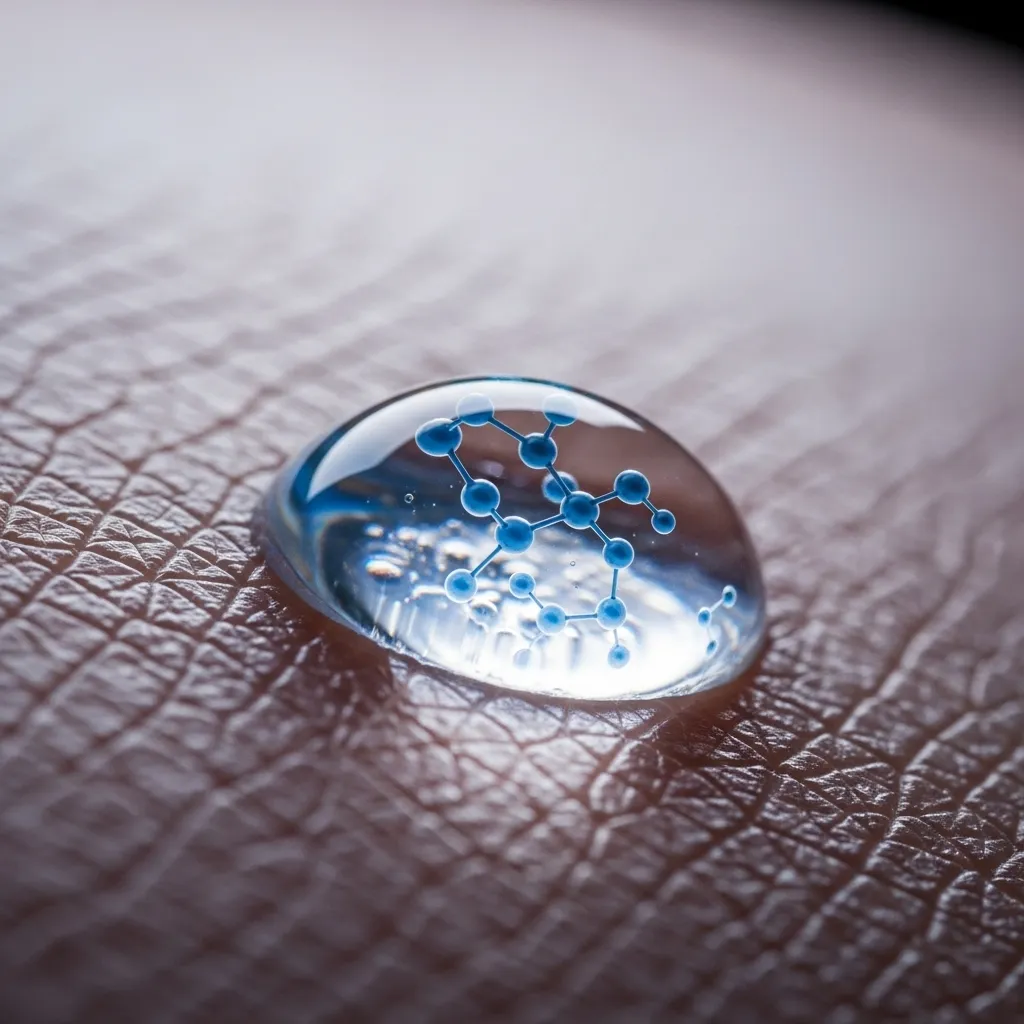
Sweat itself doesn’t stink. Body odor comes from bacteria breaking down proteins and fats in sweat, but the sharp ammonia/cat-pee note is different. It’s literal ammonia (NH₃) leaving your body through eccrine sweat glands.
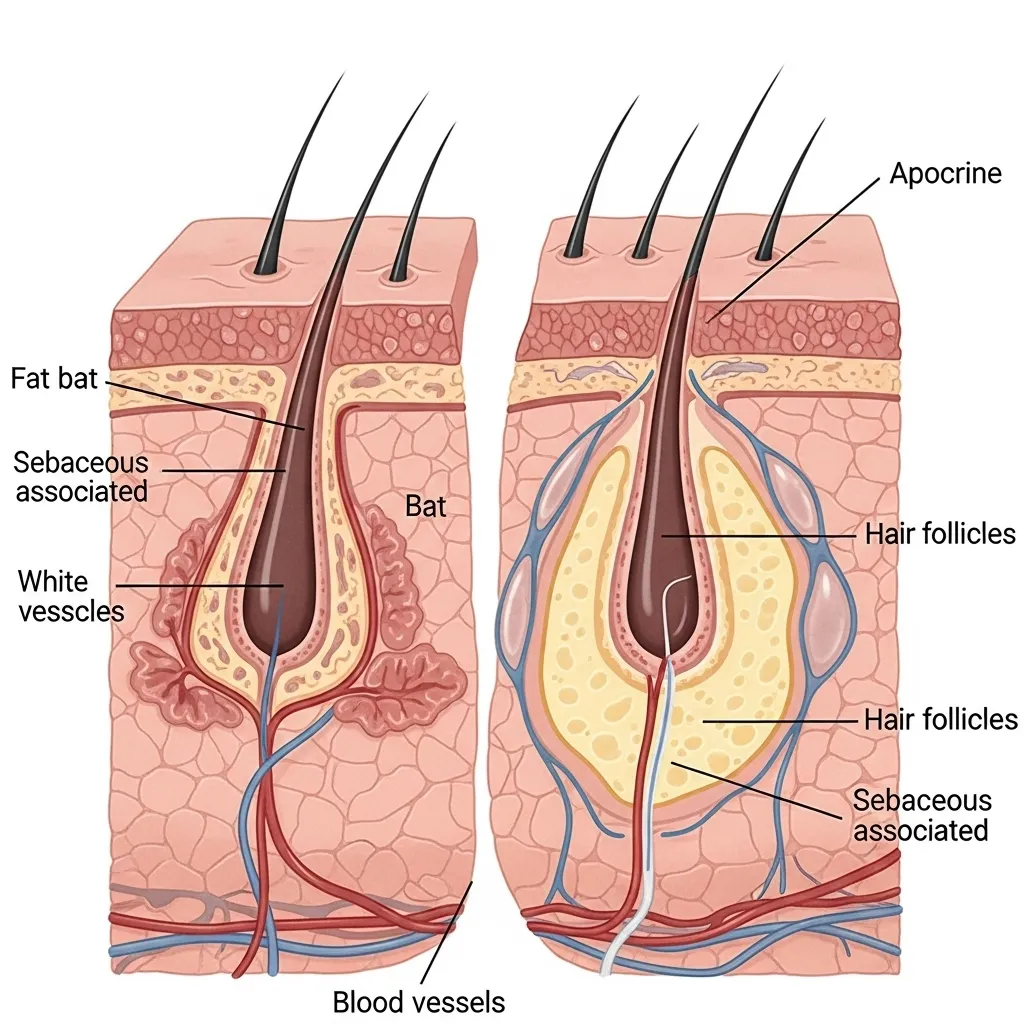
When your muscles need energy fast – think heavy lifting or sprint intervals – they can temporarily switch to breaking down branch-chain amino acids instead of glucose. This process creates ammonia as a byproduct. If your liver or kidneys can’t clear it quickly enough, the excess gets pushed out through sweat and breath. That’s why the smell is strongest in armpits and groin, where apocrine glands mix with eccrine sweat.
The Most Common Causes of Ammonia-Smelling Sweat
1. You’re on Keto, Carnivore, or Any Very Low-Carb Diet
This is hands-down the #1 reason people suddenly notice “sweat smells like cat urine.” When carbs drop below ~50 g/day, your body enters ketosis and starts burning fat and protein for fuel. Extra protein gets converted into glucose via gluconeogenesis, which produces – you guessed it – ammonia.
Real-world example: People doing “keto flu” workouts often report the strongest cat-pee smell in week 2-4, exactly when protein breakdown peaks.
2. Intense Exercise on an Empty Stomach or Low-Carb
High-intensity training (CrossFit, HIIT, heavy powerlifting) without pre-workout carbs forces your body to cannibalize muscle protein for energy. Result? Ammonia sweat, sometimes so strong that gym partners notice it.
3. Dehydration + High Protein Intake
If you’re chugging protein shakes but skimping on water, your kidneys have to work harder to clear urea and ammonia. Concentrated sweat = stronger odor.
4. Liver or Kidney Stress (The One to Rule Out)
Your liver converts ammonia into urea, and your kidneys excrete it. If either organ is struggling – from chronic dehydration, alcohol, medications, or actual disease – ammonia can build up in blood and exit through sweat.
Red-flag symptoms that need medical attention:
- Persistent ammonia smell even on rest days
- Swelling in hands/feet
- Dark tea-colored urine
- Extreme fatigue or brain fog
- Yellowing of skin/eyes
Diet Changes That Trigger Ammonia Body Odor
| Food/Diet Pattern | Why It Causes Ammonia Smell | How Noticeable |
|---|---|---|
| Strict keto (<20g carbs) | Heavy reliance on protein breakdown | Very high |
| Carnivore diet | Zero carbs, extremely high protein | Extreme |
| Excessive BCAAs/whey | Direct ammonia production from leucine metabolism | High |
| Fasting + intense training | Muscle catabolism for energy | High |
| High asparagus intake | Contains asparagusic acid → sulfur compounds | Moderate |
Medical Conditions That Can Change Sweat Smell
While rare, these conditions can make sweat smell like ammonia or cat urine:
- Chronic kidney disease (CKD) – reduced urea clearance
- Liver cirrhosis or hepatitis – impaired ammonia detox
- Ureaplasma or bacterial vaginosis (women) – actual urine-like odor
- Trimethylaminuria (“fish odor syndrome”) – genetically can’t break down trimethylamine
- Hyperhidrosis + poor carb intake – volume amplifies the smell
Hormonal Changes and Stress Sweat
Stress triggers apocrine glands, which secrete a thicker, protein-rich sweat. Bacteria love it, and if you’re already producing extra ammonia, the combo can intensify the cat-pee note. Many people notice stronger odor at night or during high-stress periods – that’s why “strong sweat odor at night” is a rising search term.
How to Stop Sweat Smelling Like Cat Pee Fast & Long-Term Fixes
Immediate Relief (Same Day)
- Drink 500-750 ml water with electrolytes
- Eat 30-50 g fast-acting carbs (rice, fruit, oats)
- Shower with antibacterial wash (benzoyl peroxide or chlorhexidine)
- Apply an antiperspirant with aluminum chloride at night
Diet Adjustments That Work in 3-7 Days
- Raise carbs to at least 100-150 g/day if you train hard
- Spread protein intake evenly (don’t exceed 40 g per meal)
- Add citrate-rich fruits (lemon, lime, orange) – helps kidneys excrete ammonia
- Consider a refeed day once a week if you’re very low-carb
Lifestyle Tweaks
- Pre-workout carb snack (banana + rice cake) prevents ammonia spike
- Magnesium glycinate 300-400 mg at night – supports liver detox
- Breathable workout clothes (avoid 100% polyester)
Hygiene Upgrades That Make a Difference
- Use glycolic or mandelic acid toner on armpits – lowers pH so bacteria can’t thrive
- Shave or trim armpit hair – less surface area for odor-causing bacteria
- Change shirts mid-workout if you’re a heavy sweater

When to See a Doctor
Schedule an appointment if:
- The smell persists more than 2-3 weeks after diet/hydration fixes
- You have unexplained weight loss, swelling, or fatigue
- Family members notice the odor even when you’re not sweating
- Breath also smells like ammonia
Simple blood tests (BUN, creatinine, liver panel) can rule out serious issues in one visit.
Frequently Asked Questions
Why does my sweat smell like cat pee on keto?
Keto forces your body to burn protein when glycogen is low, producing ammonia that exits through sweat.
Can dehydration alone cause ammonia-smelling sweat?
Yes – concentrated blood means higher ammonia levels and stronger odor.
Is ammonia sweat dangerous?
Usually not. It’s a normal metabolic byproduct. Only concerning if paired with other symptoms.
How do I get rid of ammonia smell in sweat naturally?
Electrolytes + carbs + citrate fruits + magnesium usually eliminate it in days.
Why does my sweat smell worse at night?
Stress hormones peak in the evening for some people, and lying still lets bacteria work longer.
Can women notice this more during their period?
Yes hormonal shifts increase apocrine gland activity and alter pH, amplifying any existing odor.
Final Thoughts
An ammonia or cat-pee smell in your sweat is almost always a sign your body is burning more protein than it can comfortably process – not that something is “wrong” with you. For 95% of people, adding some strategic carbs, staying hydrated, and tweaking workout timing completely solves it.
If you’ve ruled out diet and exercise triggers and the smell still lingers, don’t ignore it – a quick check-up brings peace of mind.
Looking for more everyday health mysteries explained (or just want to laugh at relatable cat memes while you recover from the gym)? Explore the rest of Cat Bloom Haven we’ve got everything from why cats knead to the best beds for senior kitties.
You’ve got this and soon your sweat will smell like… well, nothing at all. And that’s exactly how it should be.