What Is a Cat Cafe: The Ultimate 2025 Guide to the Concept, Experience, and Why It’s More Than Just Coffee and Cats
Imagine walking into a cozy cafe, ordering a latte, and within minutes having a purring rescue cat curled up in your lap while you work or chat with friends. That’s the magic of a cat cafe, a space where coffee culture meets feline therapy and animal welfare.
In simple terms, a cat cafe is a coffee shop or lounge that houses adoptable rescue cats (and sometimes a few resident cats) in a safe, enriched environment. Visitors pay an entry fee or time-based rate to spend time with the cats while enjoying drinks and snacks. Most modern cat cafes partner with local shelters, so every playful head-butt or sleepy blink could lead to a forever home.
If you’ve ever searched “cat cafe near me” or wondered what the experience is actually like, this guide covers everything: history, how they work, etiquette, benefits, design secrets, current trends, and pro tips for getting the most out of your visit.
Key Takeaways (For Quick Answers)
- A cat cafe combines a coffee shop with a cat adoption lounge.
- The concept started in Taiwan in 1998 and exploded in Japan before going global.
- Most cats are rescues available for adoption; many cafes have 100% adoption rates.
- Benefits include lower stress, better mental health, and direct support for the adopt-don’t-shop movement.
- Strict health and safety rules keep both humans and cats protected.
- Etiquette matters: no flash photography, no picking cats up, let them come to you.
The History of Cat Cafes: From Taiwan to Worldwide Phenomenon
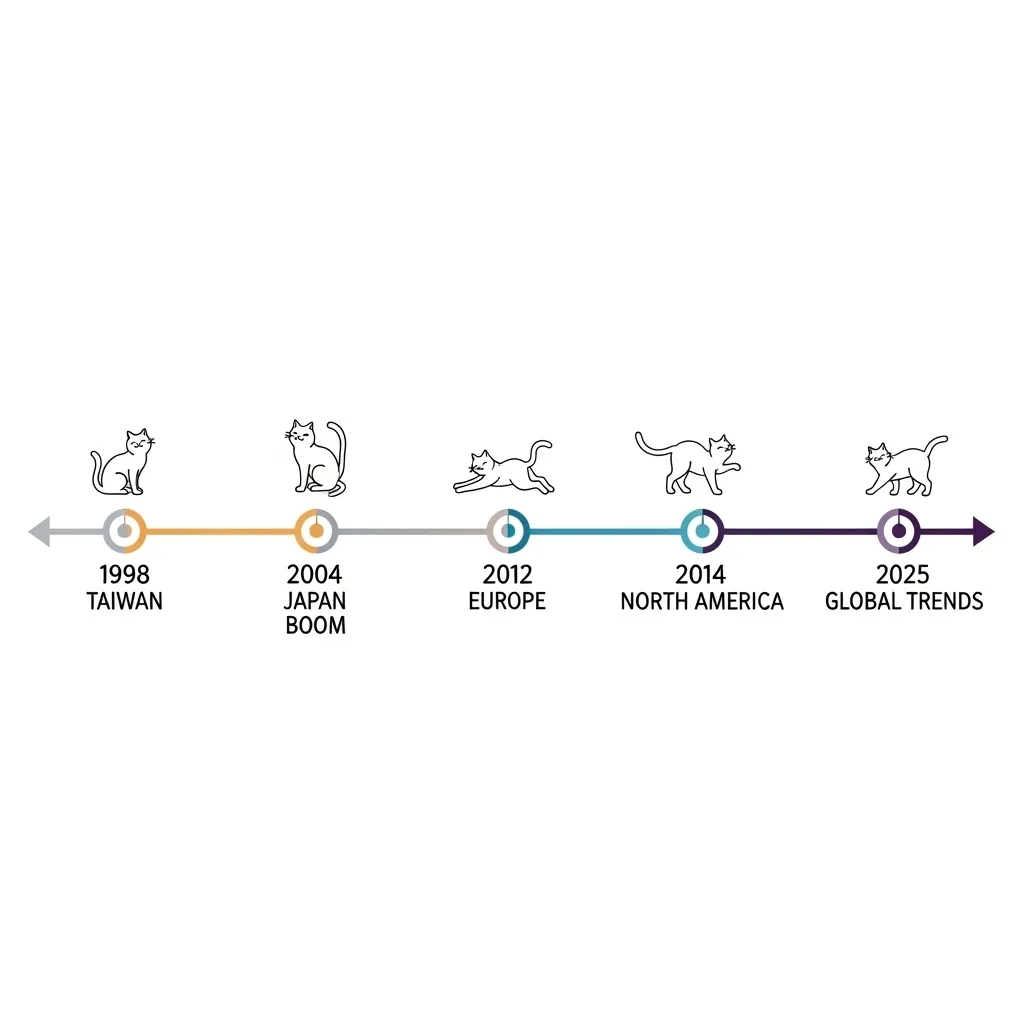
The world’s first cat cafe, Cat Flower Garden, opened in Taipei, Taiwan, in 1998. Tourists (especially from Japan, where apartment living often bans pets) flocked to the cafe, and the idea quickly crossed the sea.
Japan launched its own version in 2004, and by 2010 the country had over 100 cat cafes. Strict rental rules and long work hours made owning a cat impossible for many Tokyo residents, so cat cafes became a form of affordable pet therapy.
From there the concept spread fast:
- Europe’s first official cat cafe opened in Vienna (Cafe Neko) in 2012.
- North America welcomed Lady Dinah’s Cat Emporium in London (2014) and then dozens in the U.S. and Canada starting 2014-2015.
- Today there are over 2,000 cat cafes worldwide, with new ones opening monthly.
How Cat Cafes Actually Work (The Behind-the-Scenes Truth)
Most cat cafes operate on one of two models:
- Adoption-focused cafes
Partner with local shelters or rescues. Cats are available for adoption, paperwork is handled on-site, and many cafes boast 100% adoption rates for their resident cats. - Resident-cat cafes
A small group of permanent cats live in the cafe full-time (common in countries where adoption laws are stricter).
Revenue comes from:
- Timed entry fees ($10–$25 per hour is typical)
- Beverage and snack sales (human food is prepared in a completely separate kitchen)
- Merchandise and adoption fees (which usually go straight to the rescue partner)
Health & safety is non-negotiable:
- Cats have a separate staff-only area with litter boxes, food, and quiet sleeping zones.
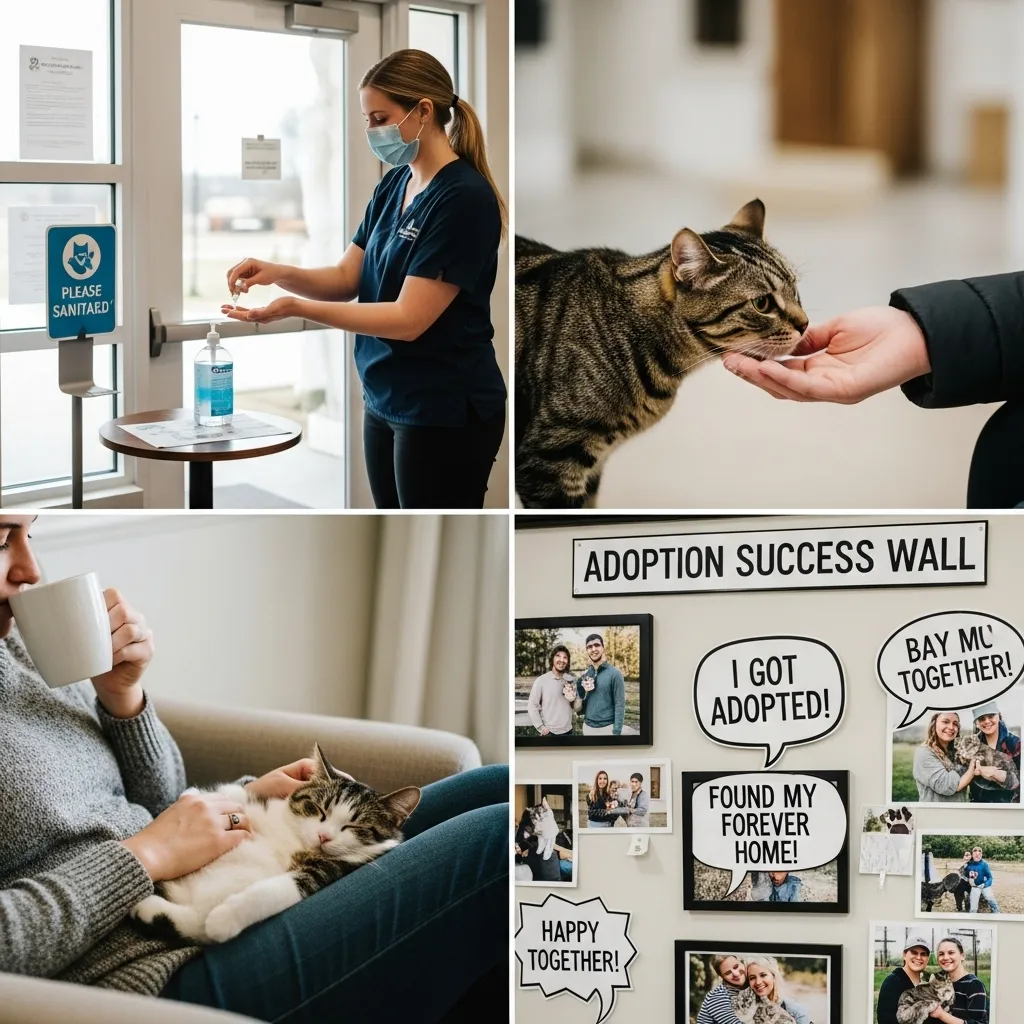
- Humans must wash hands and sometimes change shoes before entering the cat zone.
- Regular vet checks, vaccinations, and parasite prevention are standard.
- No cafe allows cats in the food-prep area (strictly enforced by health departments).
The Cat Cafe Experience: What Really Happens When You Visit
You book a time slot online (walk-ins are rare now). When you arrive:
- You sign a waiver and go over the house rules.
- Staff give a quick orientation: “Let the cats come to you, no waking sleeping cats, etc.”
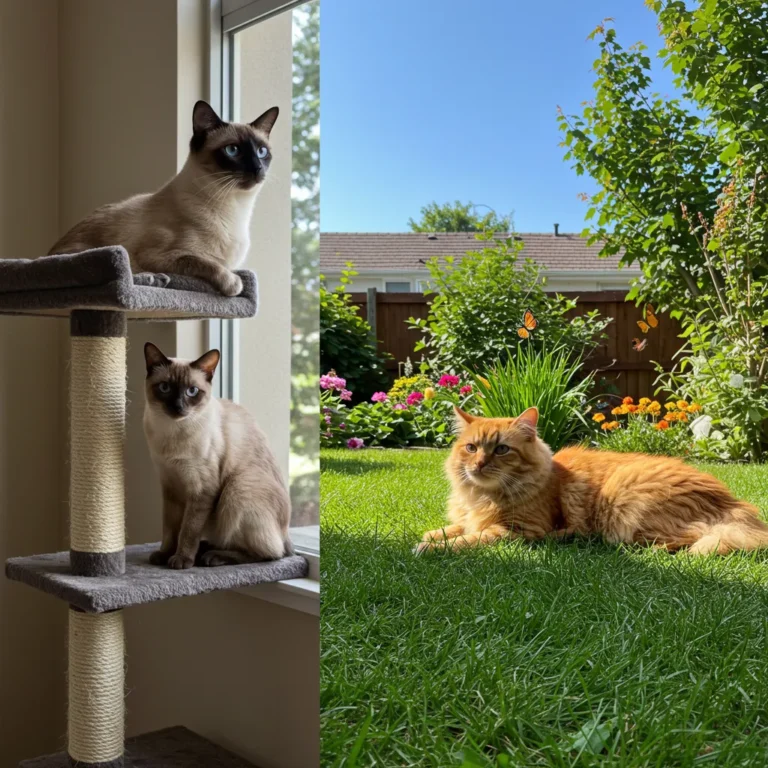
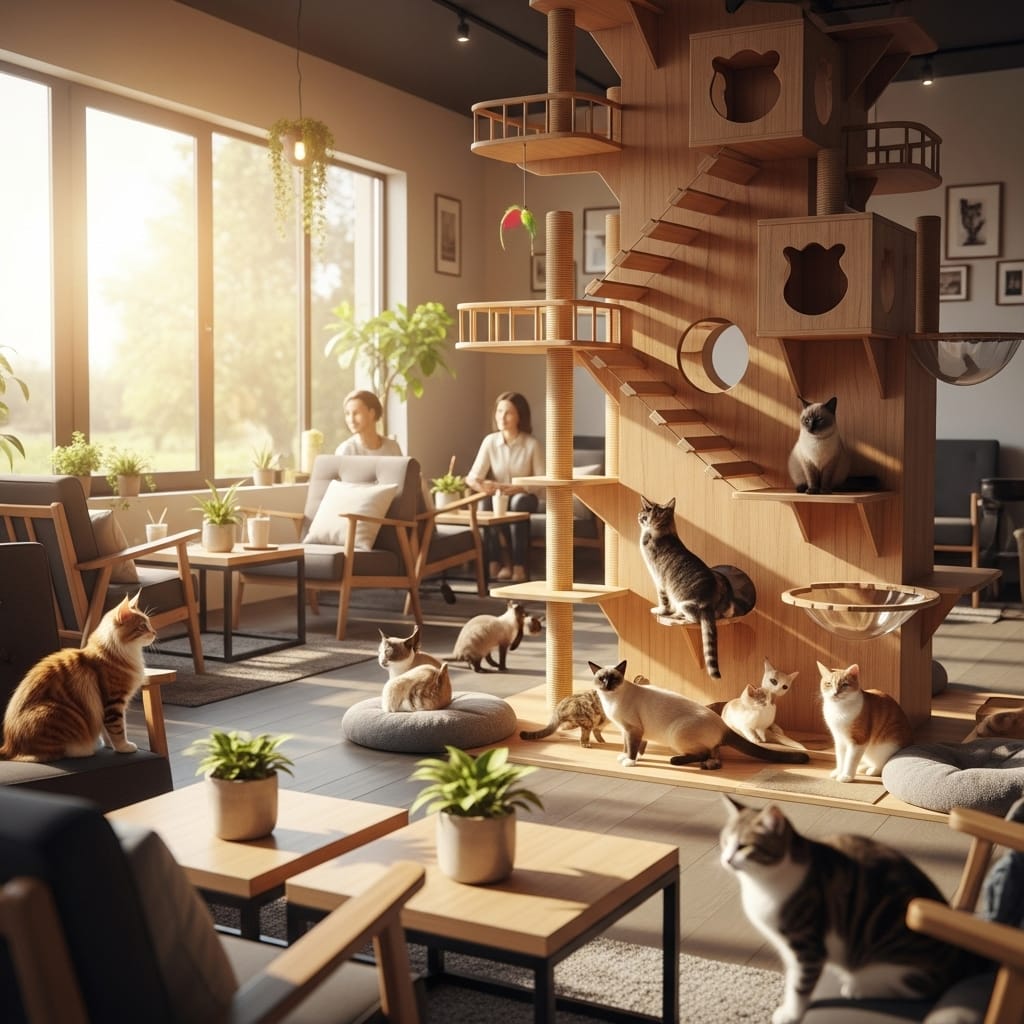
- You step into the cat lounge – usually a large, bright room with cat trees, tunnels, scratching posts, and plenty of hiding spots.
- Order drinks from a hatch or tablet (baristas bring them to you so cats never enter the kitchen).
- Spend 60–120 minutes reading, working, or simply existing among cats.
Some cats will demand attention immediately; others will watch you from the top shelf. Both are normal.
Pro tip: Mid-week afternoons tend to be calmer and better for shy cats to come out.
Benefits of Cat Cafes (Backed by Science and Real Life)
- Stress relief and mental health
Studies show 20–30 minutes of cat interaction lowers cortisol and raises oxytocin. Many visitors report feeling calmer after one session. - Social connection without commitment
Perfect for people who love cats but can’t own one (allergies in family, frequent travel, rental restrictions). - Direct support for rescue and adoption
Every dollar spent usually helps fund spay/neuter programs and shelter partnerships. - Education on cat behavior
Watching cats in a low-stress environment teaches body language fast – ears back, tail flicking, slow blinks = trust. - Community building
Cat cafes have become third-place hangouts for remote workers, students, and tourists.
For deeper reading on how human-animal bonding works, check our guide on cat behavior basics.
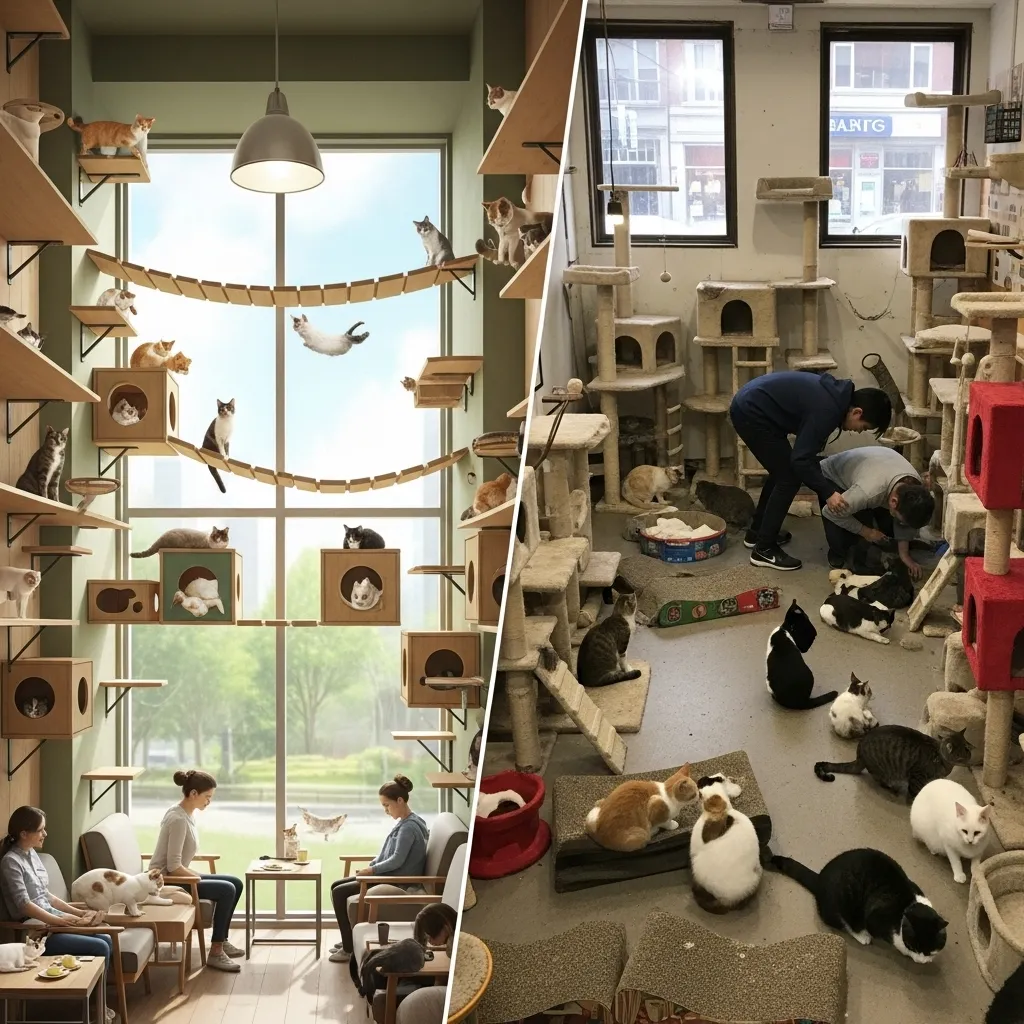
Cat Cafe Design Secrets: Why Some Feel Magical and Others Feel… Off
Great cat cafes nail three things:
- Zoning: Separate cat-only chill areas so cats can escape visitors whenever they want.
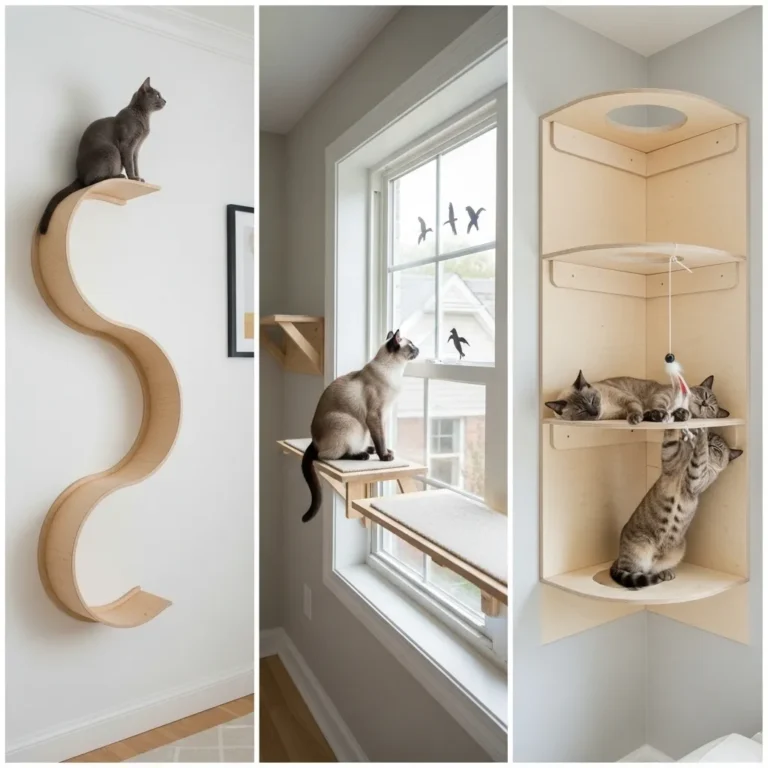
- Enrichment everywhere: Wall shelves, tunnels, puzzle feeders, window perches.
- Natural light and plants (non-toxic, of course – think spider plants and cat grass).
Bad designs cram too many cats into small spaces or use cheap materials that trap odors. Always check recent visitor photos before booking.
Cat Cafe Etiquette: The Unwritten (But Very Written) Rules
Every cafe posts these, but here’s the universal list:
Do:
- Let cats approach you first
- Use quiet voices
- Pet gently on head, cheeks, and back (avoid belly unless invited)
- Take photos without flash
- Wash hands before and after
Don’t:
- Wake sleeping cats
- Pick cats up (most cafes forbid it)
- Feed human food or treats unless provided by staff
- Chase or corner cats
- Bring children under 6–8 (varies by cafe)
Break these and you’ll be asked to leave – no refund.
Current Cat Cafe Trends in 2025
- Luxury and “Instagrammable” cat cafes with designer furniture and themed rooms
- Hybrid cat + dog cafes (separate zones, of course)
- Cat cafes inside bookstores, yoga studios, and coworking spaces
- Ethical focus: Only rescue cats, transparency about vet care, no breeding
- Cat cafe tourism packages in cities like Tokyo, Seoul, Bangkok, and New York
Thinking of Opening Your Own Cat Cafe? (Real Talk)
It’s expensive and highly regulated. Startup costs often hit $150,000–$300,000. You need commercial kitchen separation, animal facility permits, and rock-solid shelter partnerships. Most successful owners say the reward is seeing adoptions, not profit. If you’re serious, read our piece on cat cafe business ideas first.
FAQ – Quick Answers to the Most Common Cat Cafe Questions
What exactly is a cat cafe?
A coffee shop or lounge where visitors pay to spend time with adoptable rescue cats in a safe, enriched environment while enjoying drinks and snacks.
Are cat cafes cruel?
Ethical ones are not. Reputable cafes prioritize cat welfare with escape spaces, strict health protocols, and adoption partnerships. Always research reviews and photos.
Can you adopt a cat the same day?
Many cafes let you start the adoption process on-site. Approval usually takes 24–72 hours.
Do you have to pay if you just want coffee?
Most require the lounge fee if you want to interact with cats. Some have a separate cat-free seating area.
Are cat cafes hygienic?
Yes – when they follow regulations. Human food is prepared in a sealed kitchen, cats are vetted regularly, and cleaning protocols are intense.
How much does it cost to visit a cat cafe?
Typically $12–$25 per hour, often including a drink. Students, seniors, and mid-week visits usually get discounts.
Can people with cat allergies visit?
Mild allergies are often manageable (many cafes have strong air filtration), but severe allergies usually mean it’s not safe.
Final Thoughts
A cat cafe isn’t just a trendy afternoon out. It’s a living bridge between people who need feline energy and cats who need homes. One quiet hour among purring rescues can lower your blood pressure, remind you to slow down, and maybe even change a cat’s life forever.
Next time you’re searching “cat cafe near me,” go in with an open heart and quiet hands. You might leave with coffee breath and cat hair or you might leave with a new family member.
Ready for more expert cat advice?
Explore our complete guides on cat adoption, understanding cat behavior, or choosing the perfect breed for your lifestyle right here on Cat Bloom Haven.
See you in the cat lounge. 🐾