Identifying Stray Cats: A Complete Guide to Recognizing and Helping Them

Have you ever spotted a cat wandering your neighborhood and wondered, Is this cat a stray, a lost pet, or just an outdoor adventurer? Identifying stray cats can be tricky, but knowing the signs can make all the difference in helping a feline in need.
Whether you’re a cat lover, a concerned neighbor, or someone looking to assist a vulnerable animal, this guide will equip you with the knowledge to spot a stray, understand their behavior, and take the right steps to help. From reading body language to checking for signs of ownership, we’ll cover everything you need to know about stray cat identification, including practical tips for safely assisting them.
In this article, you’ll learn how to distinguish a stray from an outdoor pet or feral cat, recognize key physical and behavioral clues, and decide what to do next. Let’s dive in and explore how you can make a difference for cats in your community.
Key Takeaways for Identifying Stray Cats
- Stray vs. Feral vs. Outdoor Pet: Strays are often lost or abandoned pets that may approach humans, while feral cats are unsocialized and avoid contact. Outdoor pets have homes but roam freely.
- Body Language Matters: Friendly gestures like slow blinks or raised tails suggest a stray, while defensive postures may indicate a feral cat.
- Physical Clues: Look for signs of malnutrition, matted fur, or injuries to gauge a cat’s condition.
- Check for Ownership: Collars, tags, or microchips can reveal if a cat is a lost pet.
- Safe Steps to Help: Approach cautiously, provide food and water, and contact local shelters or vets for guidance.
What Is a Stray Cat? Understanding the Basics
A stray cat is typically a domesticated cat that has been abandoned or lost and no longer has a home. Unlike feral cats, which are born wild and lack socialization with humans, strays are often familiar with people and may seek interaction. However, they may still exhibit cautious or skittish behavior due to stress or survival instincts. Knowing how to know if a cat is a stray starts with understanding their unique characteristics compared to outdoor pets or feral cats.
Stray Cat vs. Outdoor Pet vs. Feral Cat
- Stray Cats: Previously had homes, may approach humans, and often show signs of distress or poor health.
- Outdoor Pet Cats: Have owners, often wear collars, and return home regularly. They’re usually well-groomed and confident.
- Feral Cats: Wild, avoid human contact, and live in colonies. They’re less likely to approach you and may hiss or flee.
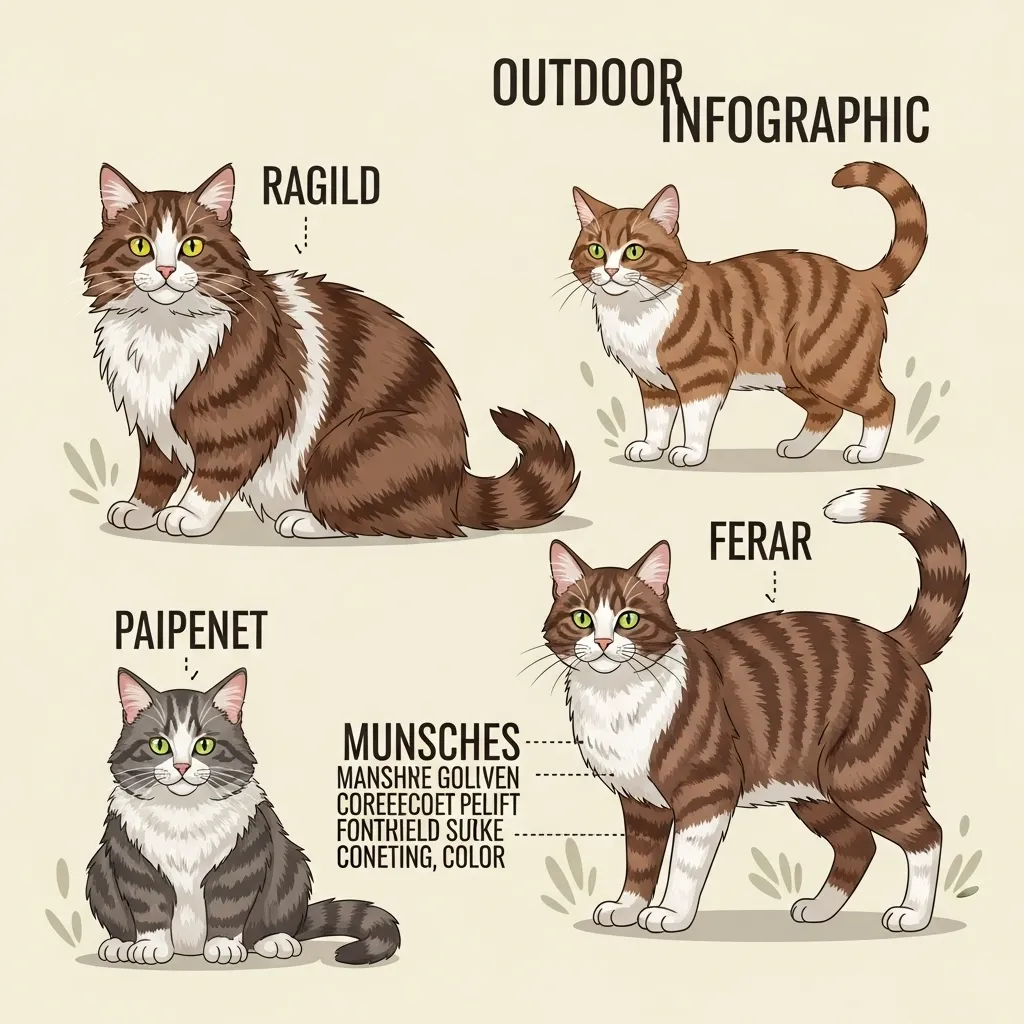
Example: A cat that meows at you from a distance and follows you home might be a stray, while one that bolts at the sight of you is likely feral. An outdoor pet might wear a collar and look well-fed. For more on cat behavior, explore our detailed guide on cat training and behavior.
Recognizing Stray Cat Behavior and Body Language
One of the most effective ways to identify a stray cat is by observing its stray cat behavior and body language. Cats communicate a lot through their posture, movements, and vocalizations, giving you clues about their history and comfort level with humans.
Friendly Feline Gestures
Stray cats, having been socialized at some point, may display approachable behaviors:
- Slow Blinks: A sign of trust, like a cat’s version of a smile.
- Raised Tail: Indicates friendliness or curiosity.
- Meowing or Purring: Strays may vocalize to get attention, unlike feral cats who stay silent around humans.
- Approaching You: A stray might cautiously come closer, especially if you offer food.
Tip: If a cat rubs against your legs or shows a relaxed posture, it’s likely comfortable with humans, suggesting it’s a stray or lost pet. Learn more about feline communication in our cat tail language guide.
Defensive or Skittish Behaviors
Strays can also be wary due to their time on the streets. Look for:
- Crouched Posture: Indicates fear or readiness to flee.
- Hissing or Swatting: Shows discomfort but doesn’t always mean the cat is feral.
- Hiding or Freezing: Common in strays adjusting to new environments.

Example: A cat that hides under a porch but comes out for food might be a stray, while a feral cat would likely stay hidden. For insights on calming nervous cats, check out how to calm an angry cat.
Daily Patterns and Survival Instincts
Strays often develop survival habits that differ from outdoor pets:
- Irregular Schedules: Strays may roam at odd hours, searching for food or shelter.
- Scavenging Behavior: Look for cats digging through trash or lingering near food sources.
- Territorial Caution: Strays may avoid other cats or mark areas less aggressively than ferals.
Real-Life Scenario: A cat that visits your porch every evening for scraps but avoids other animals is likely a stray adapting to survival mode.
Examining Physical Condition for Stray Cat Identification
A cat’s physical appearance can reveal a lot about its status. Stray cat physical condition often reflects the challenges of life without consistent care, unlike well-maintained outdoor pets.
Signs of Malnutrition or Injury
Strays may show visible health issues:
- Thin Body or Visible Ribs: Indicates lack of regular food.
- Matted or Dirty Fur: Suggests no grooming from an owner.
- Wounds or Scratches: Common from fights or environmental hazards.
- Ear Tipping: A clipped ear tip often means a feral cat was neutered in a Trap-Neuter-Return (TNR) program, not a stray.
Vet Tip: A stray’s weight loss or injuries need prompt attention. If you suspect malnutrition, offer small amounts of wet cat food to avoid digestive issues. See our guide on cat food nutrition for feeding tips.
Assessing a Cat’s Coat and Paw Condition
- Coat Quality: Strays often have dull, matted, or patchy fur due to poor diet or stress. Outdoor pets typically have shiny, well-kept coats.
- Paw Condition: Strays may have rough, cracked paw pads from constant exposure to rough surfaces, while pet cats have softer pads.
- Fleas or Parasites: Strays are more likely to have visible fleas or ticks. Learn how to handle this in our flea bath guide for cats.

Example: A cat with tangled fur and scuffed paws wandering your yard is likely a stray, especially if it lacks a collar.
Stray Cat Identification: Checking for Ownership
One critical step in identifying a lost cat is looking for signs of ownership. This can help you reunite a stray with its family or confirm it needs help.
Collars, Tags, and Microchips
- Collars and Tags: Check for a collar with ID tags, which often include the owner’s contact info. Even worn collars suggest a pet with a home.
- Microchipping: Many pets have microchips, tiny devices implanted under the skin that a vet or shelter can scan to find owner details. Strays may have chips from their previous home.
- No Identification: A lack of collar or chip doesn’t always mean a cat is a stray, but it’s a strong indicator if paired with poor health or skittish behavior.

Action Step: Take the cat to a vet or shelter to scan for a microchip. For more on this, read our guide on microchipping and lost cats.
What to Do If There’s No Immediate Sign of Ownership
If no collar or chip is found:
- Post Flyers: Share photos and descriptions in your neighborhood and on local social media groups.
- Check with Shelters: Local rescues may have records of missing cats matching the description.
- Ask Neighbors: Someone might recognize the cat as a neighbor’s pet.
Example: A cat without a collar but with a clean coat might be a lost pet. Posting its photo online could lead to a quick reunion.
Stray vs. Feral Cat Differences: Socialization and Behavior
Understanding stray vs. feral cat differences is key to deciding how to help. Strays are typically socialized, while ferals are not, affecting their behavior and approachability.
Socialization Signs in Cats
- Strays: May approach humans, accept petting, or seek food. They might meow or purr when comfortable.
- Feral Cats: Avoid eye contact, stay low to the ground, and rarely vocalize around people. They’re more likely to run or hide.
Vet Insight: Socialization often depends on a cat’s early experiences. Strays, having lived with humans, are more likely to warm up over time. For more on feline socialization, see our cat socialization guide.
Stray vs. Outdoor Pet Behavior
Outdoor pets may mimic strays but have distinct traits:
- Confidence: Outdoor pets are less skittish and often return to a specific home.
- Grooming: They’re usually cleaner and healthier than strays.
- Routine: They follow predictable patterns, like visiting home for meals.
Example: A cat that confidently approaches your doorstep but looks well-fed is likely an outdoor pet, not a stray.
How to Approach a Stray Cat Safely
Knowing how to approach a stray cat safely is crucial to avoid stress or injury for both you and the cat.
Steps for Safe Interaction
- Move Slowly: Avoid sudden movements or loud noises to keep the cat calm.
- Offer Food: Place wet food or treats at a distance to build trust.
- Use a Soft Voice: Speak gently to signal you’re not a threat.
- Watch Body Language: If the cat hisses or arches its back, give it space.
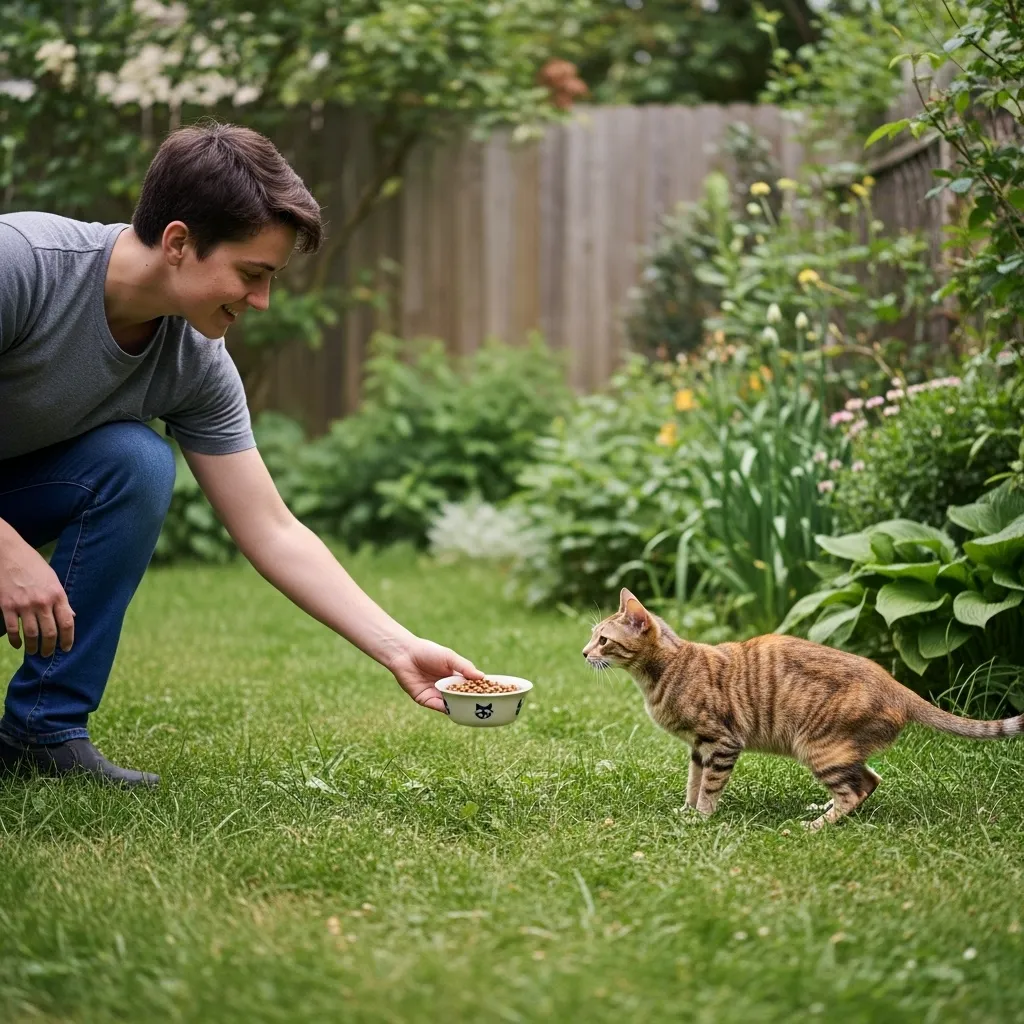
Safety Tip: Never grab a stray cat, as it may bite or scratch out of fear. If bitten, follow our stray cat bite first aid guide.
What to Do If a Stray Cat Follows You Home
- Provide Temporary Shelter: Offer a safe space like a garage with food, water, and a litter box.
- Contact Professionals: Reach out to local shelters or vets for guidance.
- Avoid Immediate Adoption: Confirm the cat isn’t a lost pet before making long-term plans.
For more on helping strays, check out our cat adoption guide.
Helping Stray Cats: Practical Steps and Care Tips
Once you’ve identified a stray, knowing how to help stray cats can make a life-changing impact. Here’s how to proceed responsibly.
Immediate Actions
- Provide Food and Water: Offer wet cat food or kitten formula if the cat is young. Avoid milk, as it can upset their stomach.
- Create a Safe Space: Set up a quiet area with a blanket or box for shelter.
- Visit a Vet: Have the cat checked for health issues, microchips, or spay/neuter status.

Vet Tip: Strays may carry fleas or worms, so keep them separate from other pets until cleared by a vet. See our worms in cats guide for more.
Long-Term Solutions
- Reunite or Adopt: If no owner is found, consider adopting the cat or finding it a home through a rescue.
- Support TNR Programs: Trap-Neuter-Return helps control stray populations and improves their health.
- Community Cat Care: If adoption isn’t possible, provide ongoing food and shelter as part of community cat programs.
Discover more in our cat rescue and adoption guide.
FAQ: Common Questions About Identifying Stray Cats
How can I tell if a cat is a stray or an outdoor pet?
Look for collars, tags, or a well-groomed coat, which suggest an outdoor pet. Strays often appear thin, matted, or cautious but may approach for food.
What are the signs of a stray cat’s approachability?
Friendly signs include slow blinks, raised tails, or meowing. Defensive behaviors like hissing or crouching indicate caution but don’t always mean the cat is feral.
How can body language help in distinguishing a stray cat?
Strays may show relaxed postures or seek interaction, while feral cats avoid contact and display defensive or elusive behaviors.
What behaviors indicate a cat might be a stray?
Strays often scavenge, roam irregularly, and approach humans cautiously, unlike outdoor pets with predictable routines or ferals who avoid people.
Why is a collar or microchip important for identifying a stray cat?
Collars and microchips provide owner information, helping reunite lost pets. A vet can scan for microchips to confirm ownership.
Can physical health give clues about whether a cat is a stray?
Yes, strays often show signs of malnutrition, matted fur, or injuries, while outdoor pets are typically healthier and well-groomed.
What should I do if a cat doesn’t have signs of ownership?
Post flyers, check with shelters, and take the cat to a vet to scan for a microchip. Provide food and shelter while searching for an owner.
Conclusion: Be a Hero for Stray Cats
Identifying stray cats is the first step toward making a difference in their lives. By recognizing the signs of a stray cat—from their body language and physical condition to the absence of ownership markers—you can decide whether to reunite them with a family, provide care, or connect with local rescues. With the right approach, you can transform a stray’s life while keeping yourself and the cat safe.
Ready to learn more? Explore our expert cat care and behavior guides on Cat Bloom Haven for tips on everything from cat health care to litter training. Together, we can create a brighter future for cats in need.