How to Keep a Cat Out of a Room: 15+ Humane, Stress-Free Ways That Actually Work in 2025
Your cat is adorable, until she’s yowling at 3 a.m. outside the baby’s nursery, shredding the doorframe to your office, or turning your allergen-free bedroom into a fur-coated disaster zone. If you’ve ever muttered “why won’t my cat leave me alone” while tripping over her for the hundredth time, you’re not failing as a cat parent; you’re just dealing with a very normal, very stubborn feline instinct.
The good news? You can successfully keep cats out of rooms without turning your home into a war zone or stressing your cat into oblivion. I’ve helped hundreds of clients (and my own three rescue cats) master cat room restriction methods that are 100 % humane and actually last.
Here’s exactly how to do it, step by step.
Quick Key Takeaways (Read This First If You’re in a Hurry)
- Cats want to enter forbidden rooms for warmth, curiosity, scent, or because you’re in there.
- The most effective solutions combine physical barriers + environmental deterrents + positive redirection.
- Never use punishment; it creates anxiety and usually backfires.
- Consistency for 2–4 weeks is the difference between “this never works” and “I forgot this was ever a problem.”
- Best combo for most homes: tall pet gate + scent/texture deterrents + enriched “allowed” zones.
Why Cats Are Obsessed With the One Room You Don’t Want Them In
Understanding the “why” stops 90 % of frustration.
Common reasons cats try to enter restricted rooms:
- You’re in there (social bonding + separation anxiety trigger)
- It smells like you the strongest (bedroom, office chair)
- It’s quiet and warm (nurseries, guest rooms)
- It’s novel or rarely accessed (curiosity jackpot)
- They used to have access and now feel “locked out” (big trigger for door-scratching)
Related reading: Why Does My Cat Cry When Locked Out of the Bedroom? (opens new tab)
Reasons You Might Need to Restrict Cat Access (You’re Not a Bad Owner)
Perfectly valid motives include:
- New baby arriving
- Severe allergies in one household member
- Home office with expensive equipment or toxic plants
- Guest room you want fur-free
- Senior cat who urinates outside the box when stressed
- Foster kittens that need quarantine
Whatever your reason, the goal is cat safety + household harmony.
Physical Barriers That Actually Stop Determined Cats
- Pet Gates Designed for Cats (Not Dogs)
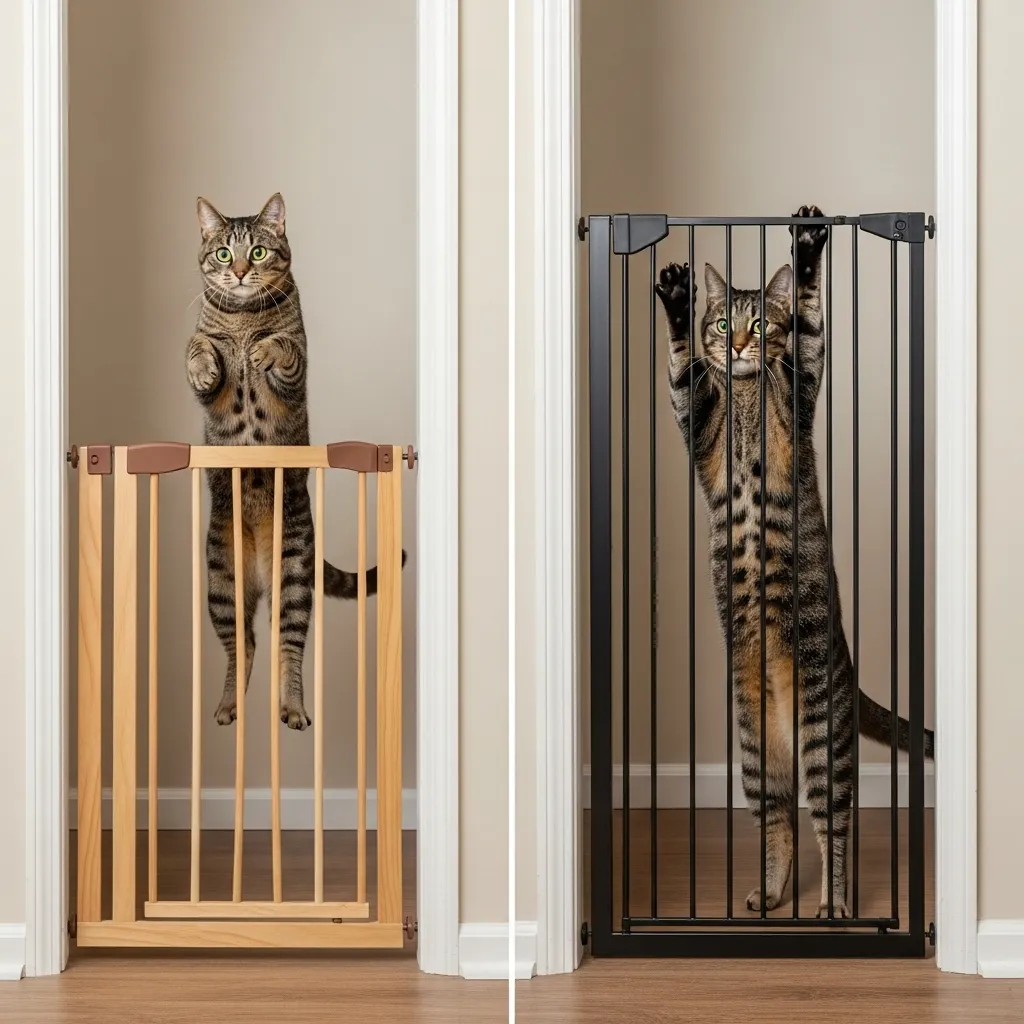
Regular baby gates are a joke; cats laugh and jump. You need:
- At least 36–40 inches tall
- Vertical bars no wider than 2 inches (or mesh)
- Walk-through door for humans actually use
Top picks in 2025:
- Carlson Extra Tall Walk-Through with Pet Door (if you have small dogs too)
- Regalo Easy Step Extra Tall (budget)
- North States Superyard with cat door cutout (for extra-wide openings)
- Dutch Doors or Half Doors
Expensive but gorgeous solution if you’re renovating. - Screen Door with Cat-Proof Mesh
Great for offices; lets light and air through while blocking fur missiles.
Making the Room Unappealing – Without Harming Your Cat
Cats hate certain textures and smells. Use them strategically.
Surfaces Cats Dislike (Backed by Behavior Studies)
| Texture | Why They Hate It | DIY or Buy |
|---|---|---|
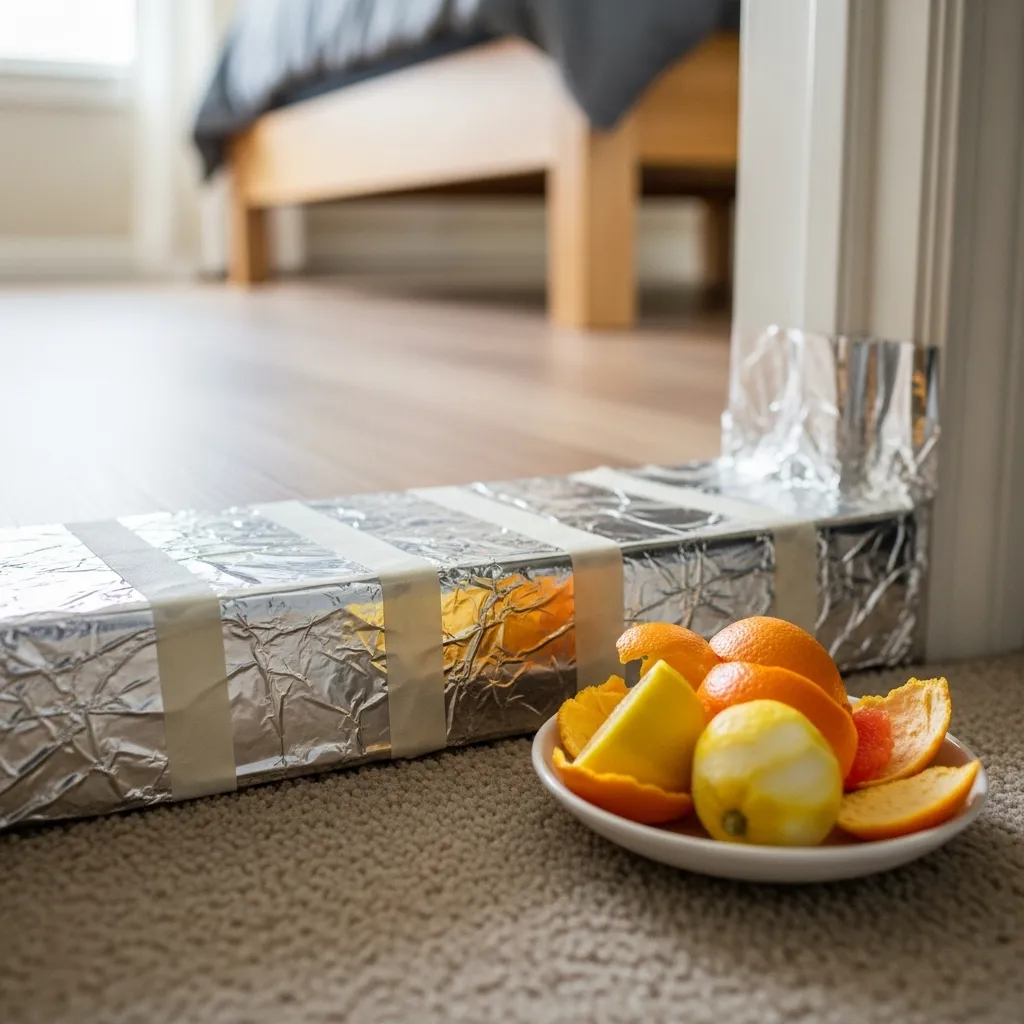
| Aluminum foil | Crinkly noise + cold | Cheap rolls from grocery store |
| Double-sided tape | Sticky paws | Sticky Paws strips or clear tape |
| Plastic carpet runner (nubs up) | Uncomfortable under paws | Reverse runner on floor near door |
| Scuff vinyl mats | Slight static + texture | SSSCAT alternative mats |
Smells Cats Dislike (Safe & Natural)
- Citrus peels (lemon/orange)
- Rosemary or lavender essential oil diluted (1–2 drops in water spray)
- Coffee grounds (temporary)
- Commercial sprays: PetSafe SSSCAT alternative with citronella or bitter apple
Pro tip: Rotate scents every 4–5 days; cats habituate fast.
Motion-Activated Deterrents – The Nuclear Option That Works
When gates alone fail, add tech:
- PetSafe SSSCAT spray (compressed air only; no chemicals)
- Motion-activated ultrasonic devices
- New 2025 smart versions that connect to your phone
I’ve had clients swear by the new “Furbo Cat Nanny” motion + treat dispenser combo: it sprays air when cat approaches, then rewards when cat walks away. Genius positive reinforcement loop.
Training Your Cat to Stay Out – Yes, It’s Possible
Cats are not dogs, but they absolutely can learn boundaries.
Step-by-Step Training Plan (2–4 Weeks)
- Make the forbidden room 100 % inaccessible for 7–10 days (gate + deterrents).
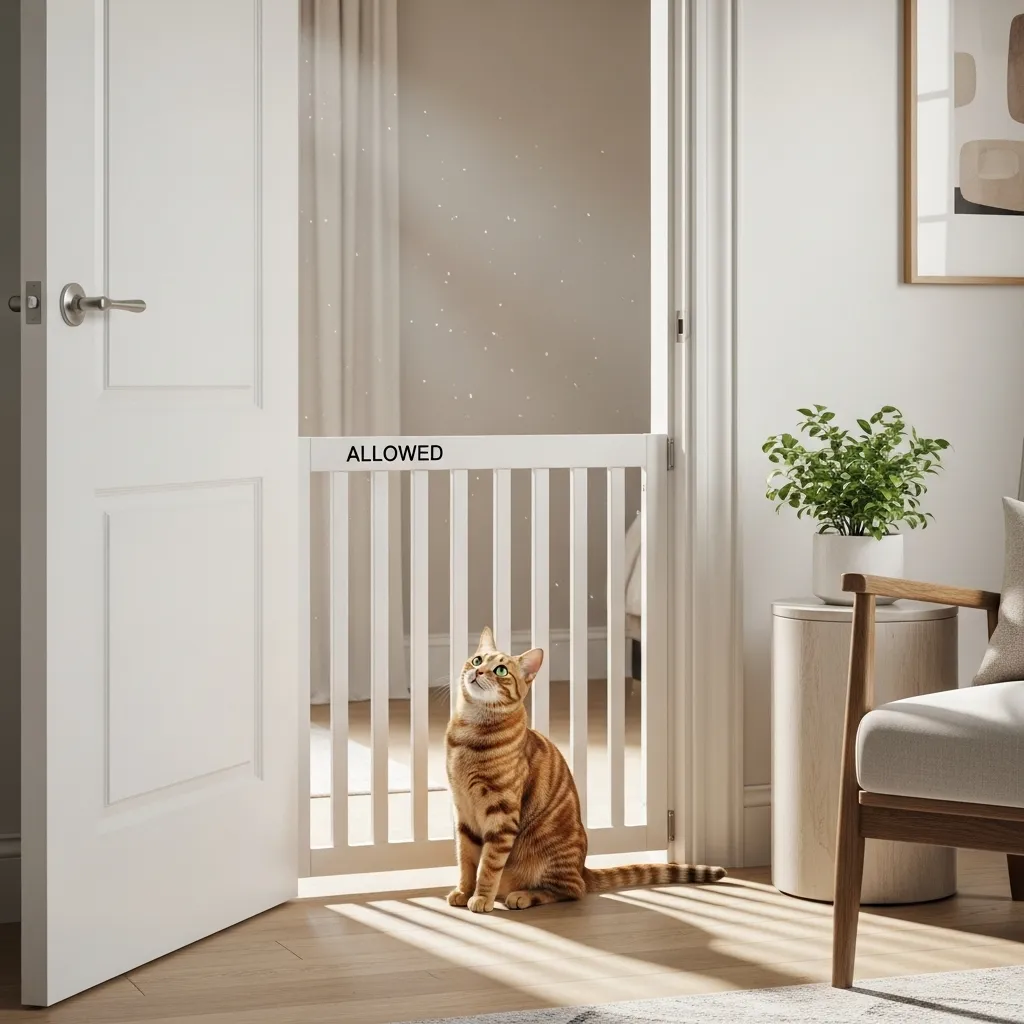
- Create an amazing “yes” zone outside the door (heated bed, window perch, new cat tree).
- Every single time you exit the room, immediately give attention/treats/play in the “yes” zone.
- Gradually reduce deterrents once the cat consistently chooses the “yes” zone.
Use clicker training for faster results. Click → treat the moment paws stay on the allowed side.
Related guide: Teach Your Cat to Fetch in 7 Days (same positive methods apply)
Stopping Door Scratching and Nighttime Yowling
Why cats scratch doors:
- Scent marking
- Frustration
- Trying to dig under
Solutions:
- Install clear Door Shield panels or acrylic sheets on lower door
- Place a tall scratching post right outside the door (vertical territory replacement)
- Auto-timed feeder that dispenses a small meal at 4 a.m. (stops “I’m starving” cries)
Nighttime-Specific Strategies
Most “my cat won’t leave the bedroom” problems happen between 2–5 a.m.
Fix the cat nighttime routine:
- 20-minute intense play session 1 hour before your bedtime
- Puzzle feeder as last meal
- Leave a timed treat dispenser or food puzzle for 4 a.m.
- White noise machine inside bedroom (masks hallway sounds)
FAQ – Your Exact Questions Answered
Q: What smell will keep a cat out of a room?
A: Diluted citrus, rosemary, or commercial bitter apple sprays work best. Avoid anything with tea tree, eucalyptus, or pennyroyal; toxic to cats.
Q: Will double-sided tape hurt my cat?
A: No, it’s just sticky. They hate the sensation and learn quickly.
Q: How tall does a pet gate need to be for cats?
A: Minimum 36 inches for average cats; 40+ inches for athletic breeds like Bengals or Abyssinians.
Q: My cat jumps the gate anyway. Now what?
A: Add a “gate topper” (PVC pipe roller or overhang shelf) or switch to a full door with cat-proof screen.
Q: Is it cruel to keep my cat out of my bedroom?
A: Not if you provide equal or better sleeping options elsewhere (heated bed on your dresser outside the door works wonders).
Final Thoughts Peaceful Coexistence Is Possible
You can love your cat and still have one cat-free room. The secret is layering solutions: physical barrier + mild deterrent + massively enriched alternative space + consistent routine.
Most cats adapt within 3 weeks and stop caring about the “forbidden” room entirely once they realize the rest of the house is more interesting.
Ready for more cat behavior fixes that actually work?
Explore our complete cat training & behavior section or check out “Why Cats Scratch Furniture (and How to Stop It For Good)” next.
You’ve got this, and your cat will still love you; probably even more once the 3 a.m. door concerts finally stop.
Cat Bloom Haven – helping cats and humans live better together since 2023. 🐾