Why Does My Cat Cough After Drinking Water? Causes, Solutions, and Care Tips
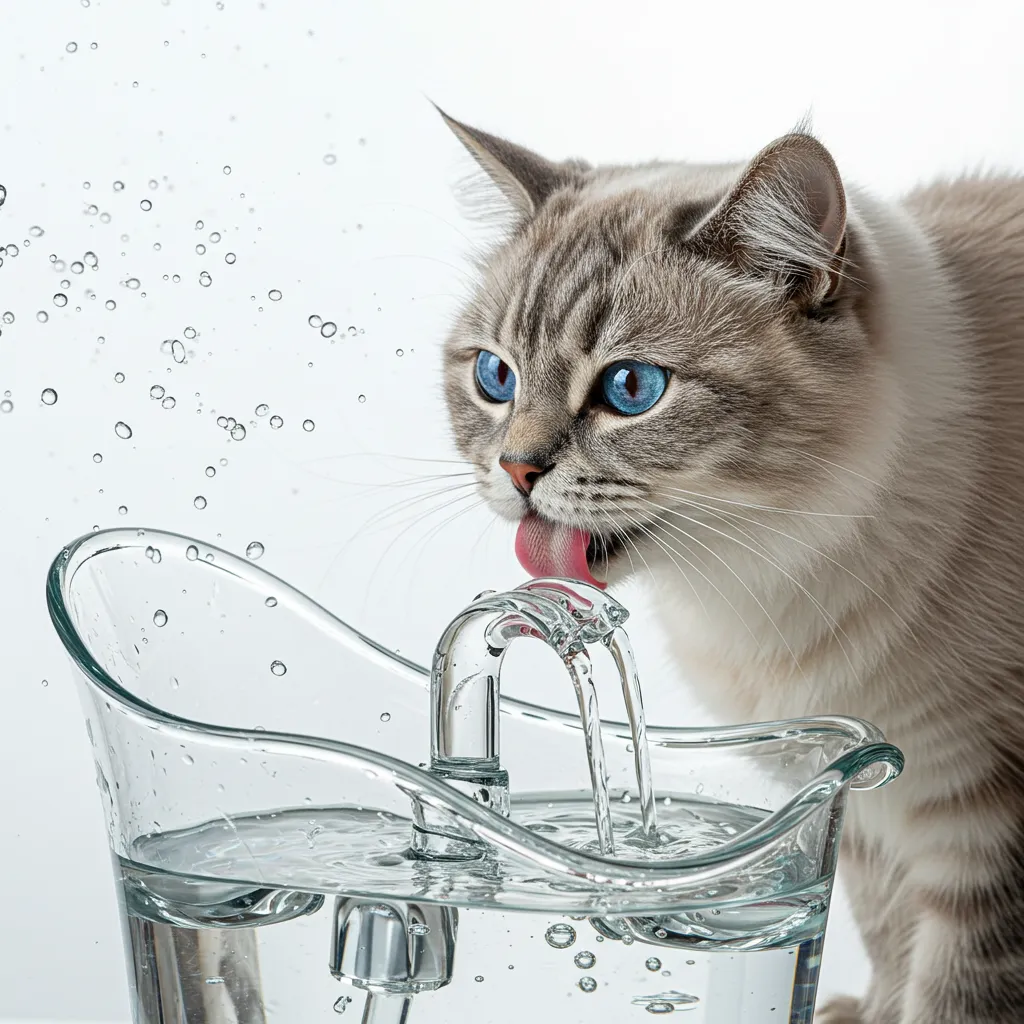
If your cat coughs after drinking water, you’re likely wondering what’s causing it and how to help. This unsettling behavior can range from a harmless quirk to a sign of an underlying health issue. At Cat Bloom Haven, we understand how concerning it can be when your feline friend shows unusual symptoms.
In this comprehensive guide, we’ll explore why your cat might cough after drinking water, uncover potential causes, and provide actionable solutions to keep your cat healthy and hydrated. From fast drinking habits to serious conditions like asthma or heart disease, we’ll cover it all with expert-backed insights and practical tips.
Key Takeaways for Cat Owners
- Common Causes: Fast drinking, water temperature, throat irritation, or medical conditions like asthma, heart disease, or respiratory infections can trigger coughing.
- When to Worry: Persistent coughing, gagging, or other symptoms like lethargy or appetite loss warrant a vet visit.
- Solutions: Adjust water temperature, use smart fountains, monitor drinking habits, and address underlying health issues.
- Prevention: Regular vet checkups, proper hydration, and dental care can reduce coughing episodes.
- Explore More: Learn about feline respiratory health and cat hydration tips on Cat Bloom Haven.
Understanding Why Your Cat Coughs After Drinking Water
Cats are usually graceful drinkers, lapping up water with precision. So, when your cat coughs or chokes after drinking, it’s natural to feel alarmed. Coughing after water intake can stem from behavioral habits, environmental factors, or health conditions. Let’s break down the most common reasons and how to address them.
Fast Drinking: When Cats Guzzle Too Quickly
Some cats drink water like they’re in a race, leading to coughing or gagging. This behavior, often seen in playful breeds like the Bengal or Munchkin, can cause water to enter the windpipe, triggering a cough reflex.
- Why It Happens: Cats may drink too fast due to excitement, thirst, or competition in multi-cat households.
- Signs to Watch: Coughing immediately after drinking, wet chin, or water splattering around the bowl.
- Solutions:
- Use a shallow, wide bowl to slow drinking.
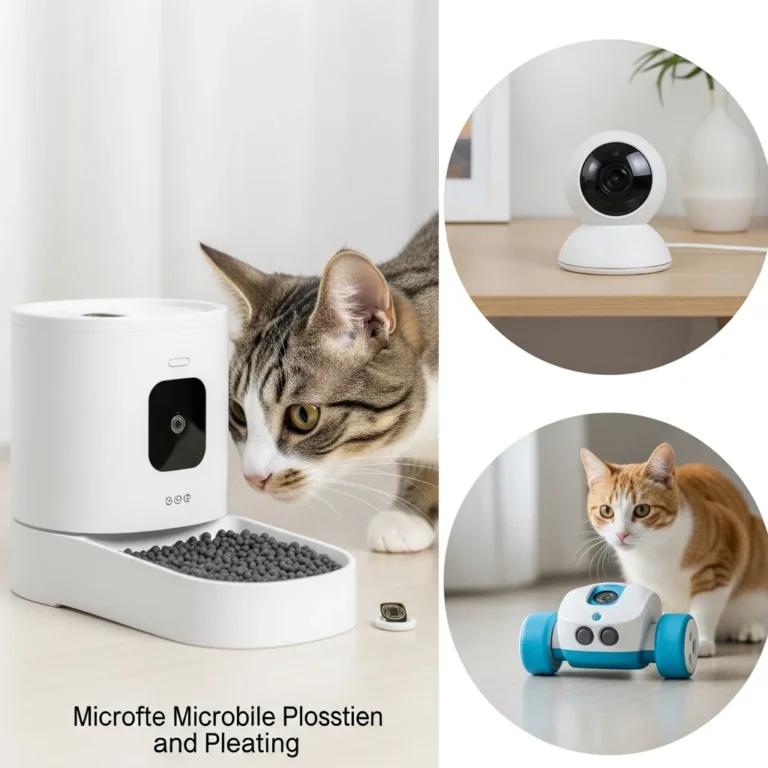
- Try a smart cat water fountain to encourage slower, controlled sips.
- Spread out water stations to reduce competition.
- Real-Life Example: Sarah, a cat owner, noticed her Siamese cat, Luna, coughed after gulping water post-playtime. Switching to a fountain slowed Luna’s drinking, reducing coughing episodes.
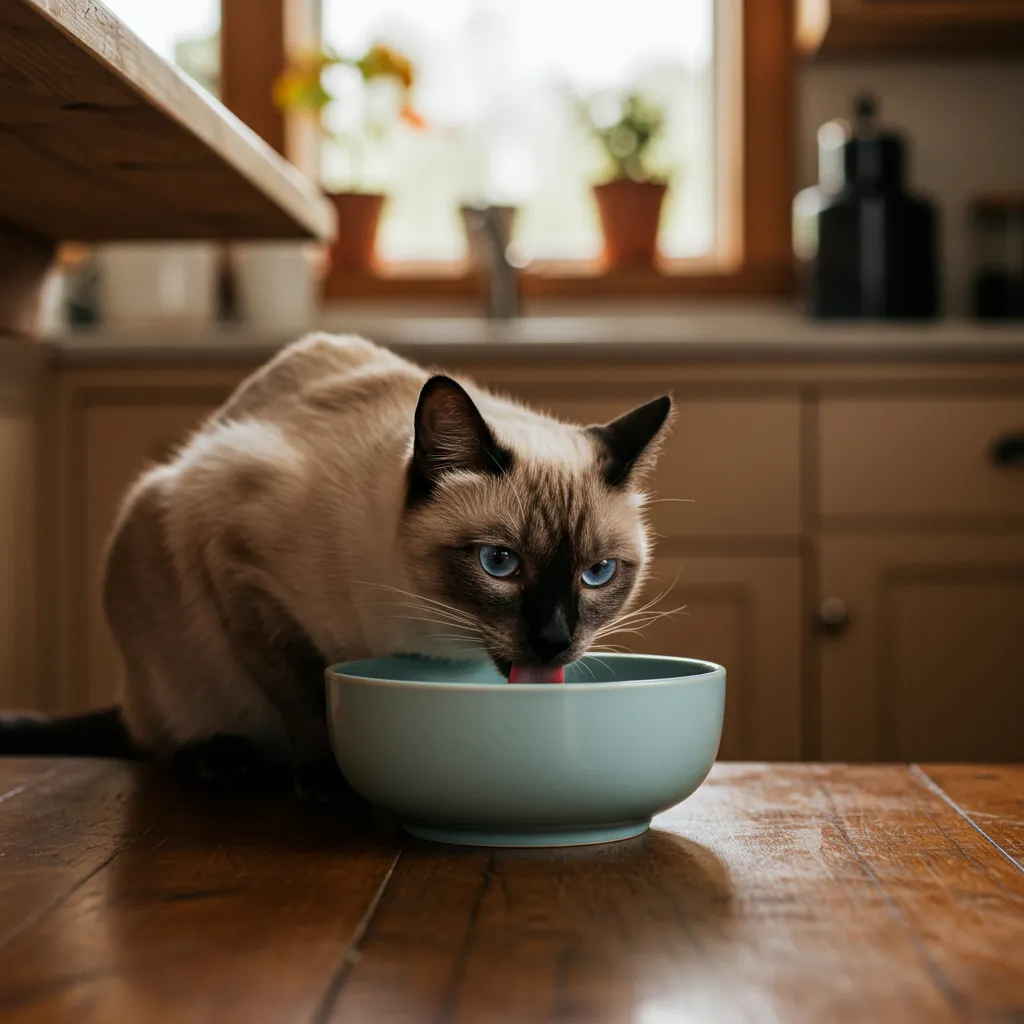
Explore more tips on managing cat drinking behavior at Cat Bloom Haven.
Temperature Sensitivity: Cold Water and Coughing
Cold water can irritate a cat’s throat, especially if they’re sensitive or have underlying issues. This is common in colder climates or when owners serve refrigerated water.
- Why It Happens: Cold water may cause throat spasms or irritation, especially in cats with sensitive airways.
- Signs to Watch: Coughing only after drinking cold water, reluctance to drink, or pawing at the mouth.
- Solutions:
- Serve room-temperature water.
- Avoid placing water bowls near drafty areas.
- Monitor for cat allergies and sensitivities that might amplify reactions.
- Vet Insight: Dr. Emily Parker, a feline specialist, notes that temperature-sensitive cats often benefit from slightly warmed water to soothe their throats.
Throat Irritation and Foreign Particles
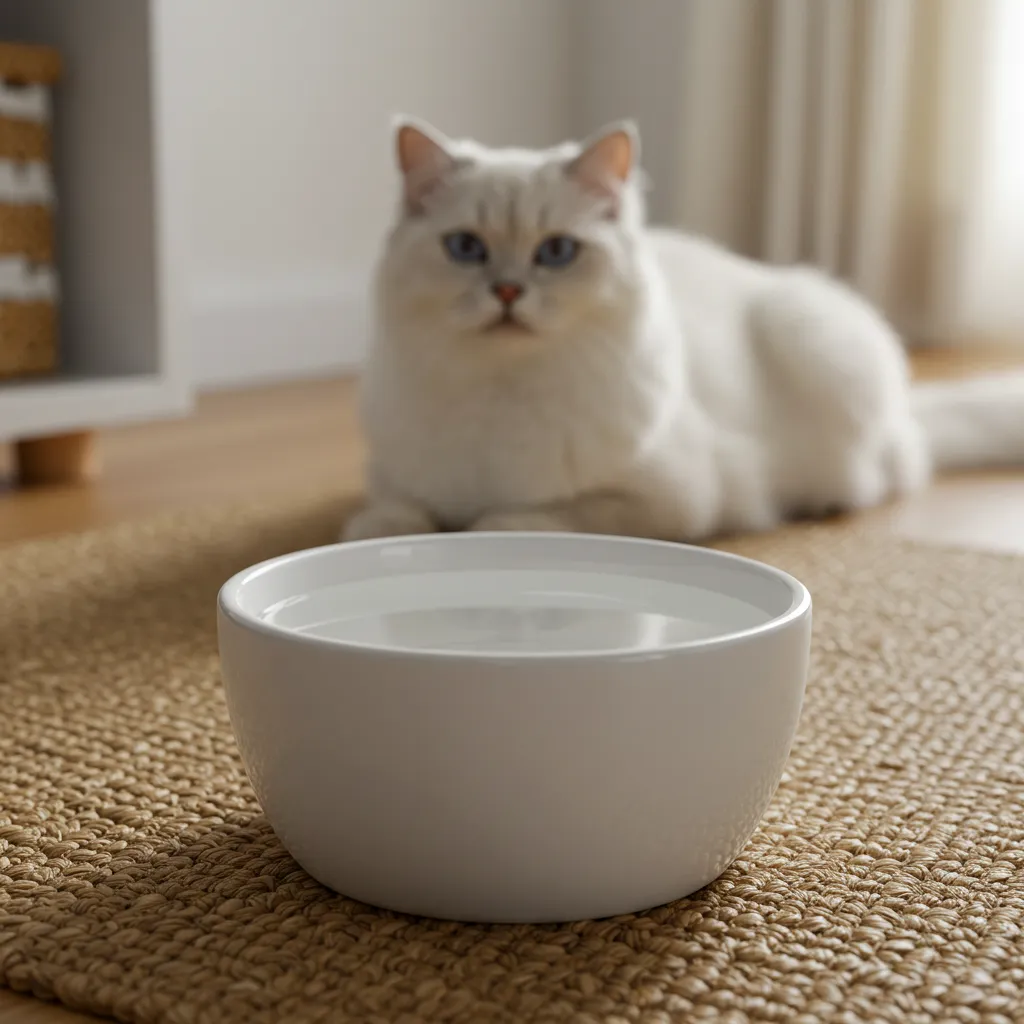
Sometimes, coughing results from minor throat irritation caused by dust, fur, or debris in the water bowl.
- Why It Happens: Dirty bowls or environmental irritants can trigger a cough reflex when water is swallowed.
- Signs to Watch: Occasional coughing, sneezing, or pawing at the mouth after drinking.
- Solutions:
- Clean water bowls daily with mild soap.
- Use filtered water to reduce contaminants.
- Check for cat hair loss or excessive shedding, which may contribute to debris.
Discover more about cat throat irritation and how to keep water sources clean.
Medical Causes of Cat Coughing After Drinking
While behavioral or environmental factors are common, coughing can also signal health issues. If your cat’s coughing is frequent, paired with other symptoms, or doesn’t improve with simple changes, a vet visit is essential. Here are the top medical culprits.
Feline Asthma: A Common Culprit
Feline asthma affects 1–5% of cats, causing airway inflammation that can worsen with water intake. Coughing after drinking may occur if water irritates inflamed airways.
- Symptoms of Cat Asthma:
- Wheezing or labored breathing.
- Coughing fits, especially at night.
- Lethargy or reduced playfulness.
- Diagnosis: A vet may use X-rays or a bronchoscopy to confirm asthma.
- Treatment:
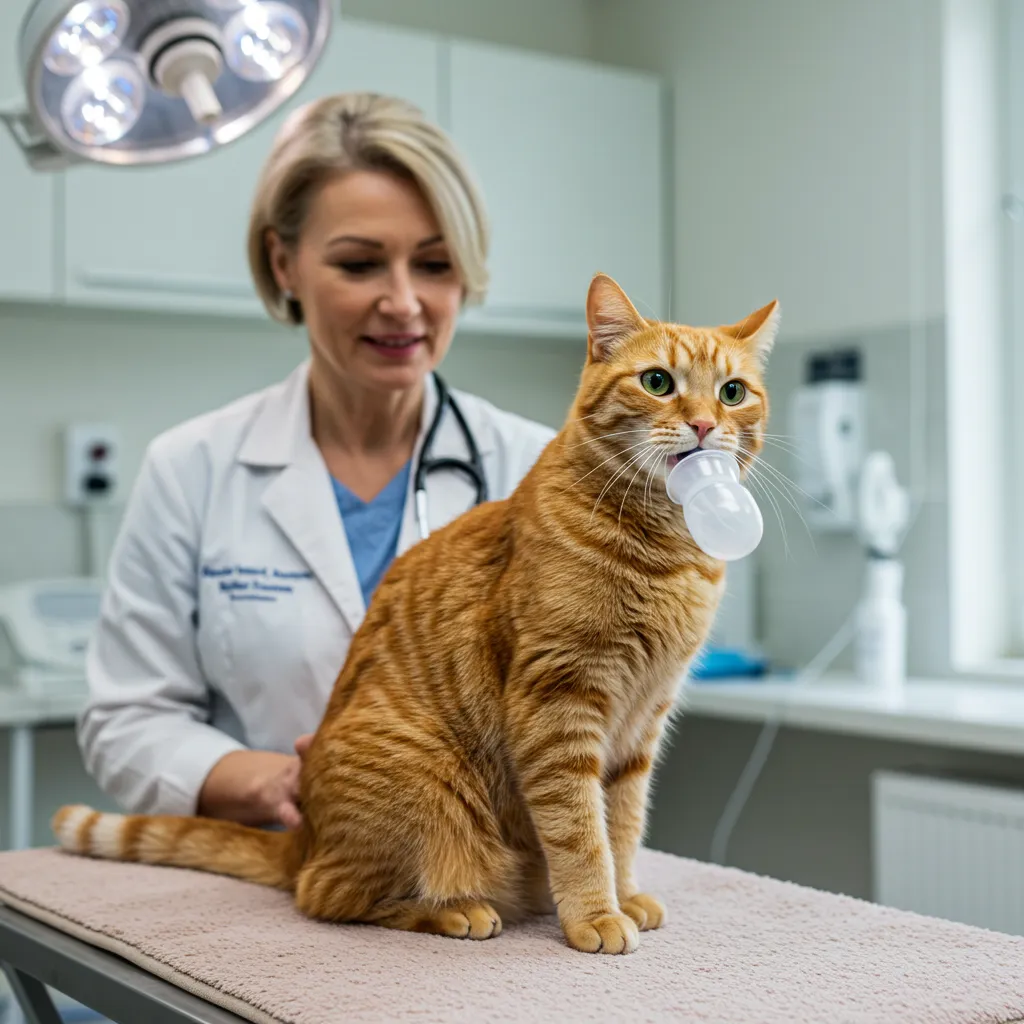
- Inhaled corticosteroids (administered via a feline inhaler).
- Environmental changes to reduce triggers like dust or pollen.
- Regular monitoring for cat asthma signs.
- Case Study: Max, a Norwegian Forest Cat, coughed after drinking and showed wheezing. His vet diagnosed asthma and prescribed a low-dose inhaler, reducing symptoms within weeks.
Heart Disease in Cats
Heart conditions, like hypertrophic cardiomyopathy (HCM), can cause fluid buildup in the lungs, leading to coughing after drinking. HCM affects up to 15% of cats, particularly breeds like Maine Coon and Ragdoll.
- Symptoms of Heart Disease:
- Coughing or gagging after activity or drinking.
- Rapid breathing or open-mouth breathing.
- Weakness or fainting spells.
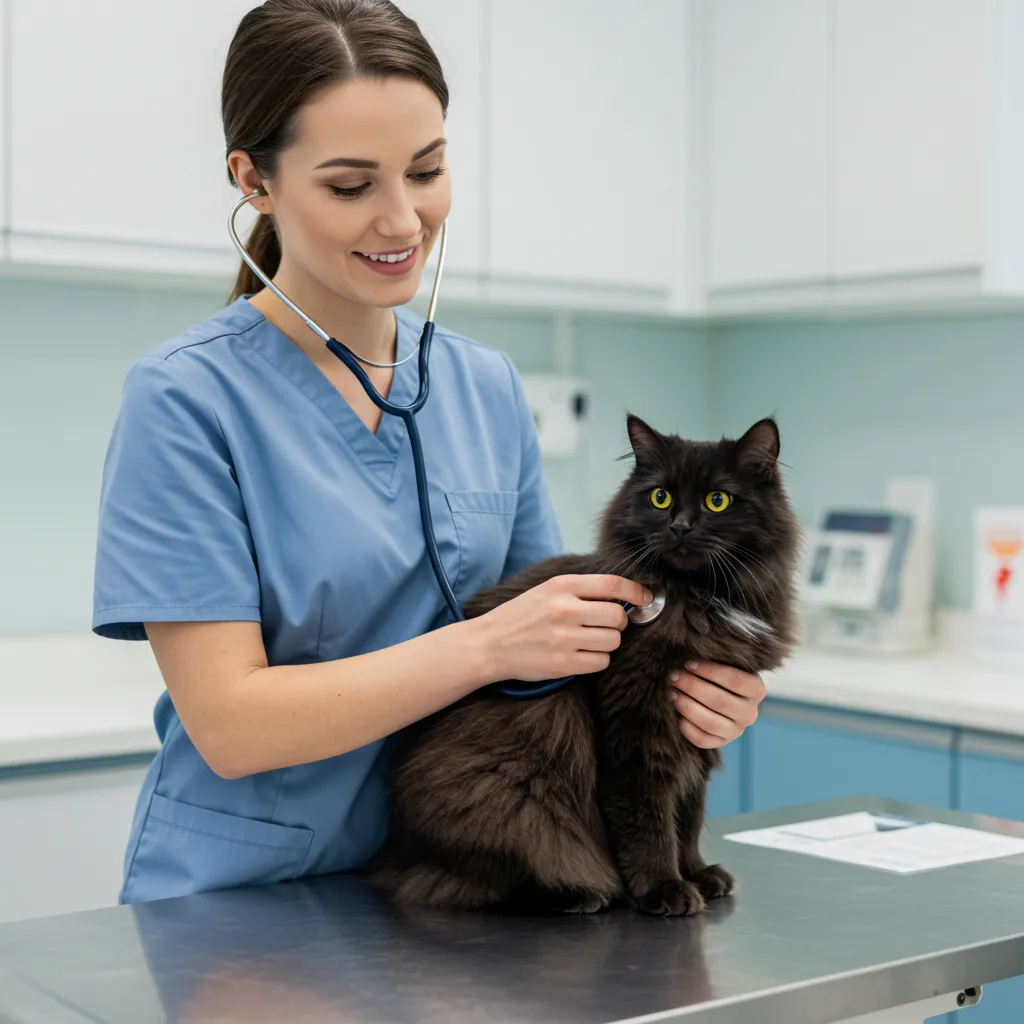
- Diagnosis: Echocardiograms and blood tests can detect heart issues.
- Treatment:
- Medications like beta-blockers or diuretics.
- Stress reduction and a low-sodium diet.
- Regular vet checkups for heart disease in cats symptoms.
- Vet Tip: Early detection is key. Annual checkups can catch heart issues before they worsen.
Respiratory Infections
Upper respiratory infections (URIs), often caused by viruses like feline herpesvirus, can irritate the throat and airways, leading to coughing after drinking.
- Symptoms of Cat Respiratory Infections:
- Sneezing, nasal discharge, or watery eyes.
- Coughing or gagging after drinking.
- Reduced appetite or fever.
- Diagnosis: Vets may use swabs or blood tests to identify the infection.
- Treatment:
- Antibiotics for bacterial infections or supportive care for viral URIs.
- Steam therapy to ease airway irritation.
- Learn more about cat respiratory infection symptoms.
Dental Issues and Oral Health
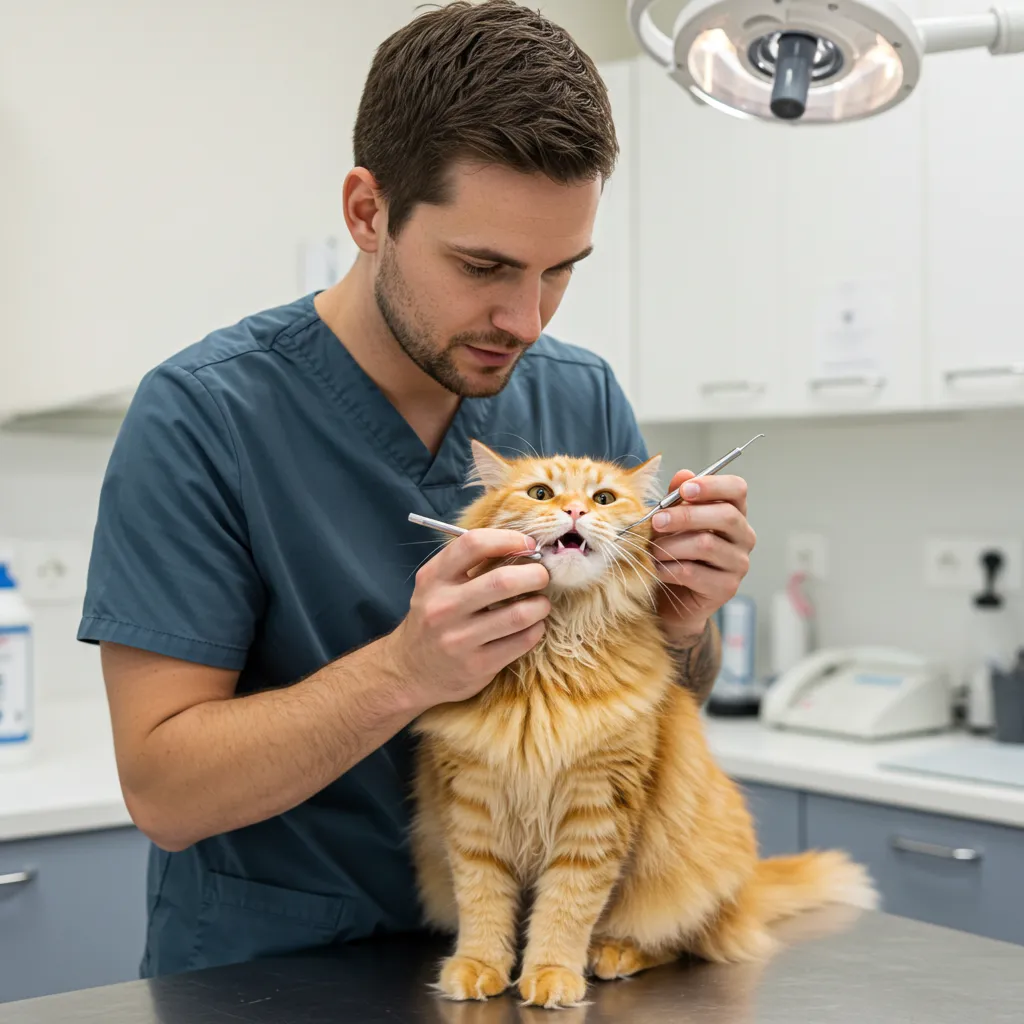
Dental problems, like gingivitis or tooth decay, can cause pain or irritation that triggers coughing when drinking. This is common in senior cats or breeds like the Siamese.
- Symptoms of Dental Issues:
- Bad breath or drooling.
- Difficulty eating or drinking.
- Pawing at the mouth.
- Diagnosis: A vet dental exam, possibly with X-rays.
- Treatment:
- Professional dental cleaning under anesthesia.
- Regular brushing with cat-safe toothpaste.
- Explore cat dental care tips.
Gastrointestinal Issues
Gastroesophageal reflux or esophageal issues can cause coughing if water triggers irritation in the digestive tract. This is less common but worth considering.
- Symptoms:
- Vomiting or regurgitation after drinking.
- Coughing or gagging during meals.
- Weight loss or poor appetite.
- Diagnosis: Endoscopy or imaging to check the esophagus and stomach.
- Treatment:
- Dietary changes, like smaller, frequent meals.
- Medications to reduce acid reflux.
- Learn about gastrointestinal issues in cats.
Preventing Cat Coughing After Drinking: Practical Tips
Preventing coughing starts with understanding your cat’s habits and environment. Here are vet-recommended strategies to keep your cat comfortable and healthy.
Optimize Hydration Habits
Proper hydration is critical for feline health, as cats are prone to urinary issues and kidney problems. Here’s how to encourage healthy drinking:
- Use a Smart Water Fountain: Cats prefer moving water, which mimics natural sources. Fountains reduce gulping and keep water fresh.
- Multiple Water Stations: Place bowls in quiet, accessible areas to reduce stress.
- Monitor Water Intake: Track how much your cat drinks daily to spot changes early.
- Learn More: Check out our cat hydration tips for 2025.

Maintain a Clean Environment
A dust-free, allergen-free home reduces throat irritation and respiratory issues.
- Clean Bowls Regularly: Wash water bowls daily to prevent bacteria or debris buildup.
- Use Air Purifiers: Reduce airborne allergens like pollen or dust.
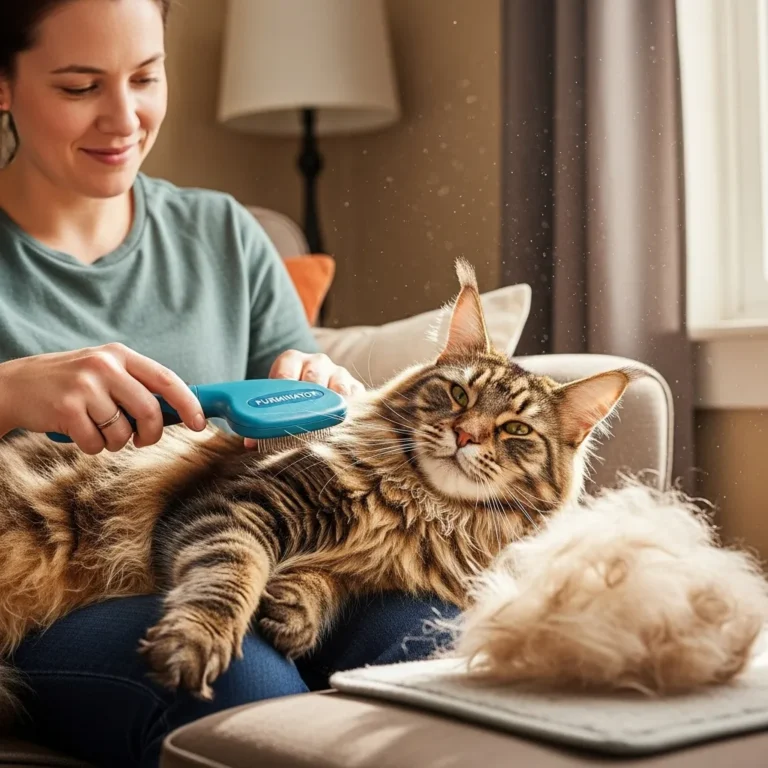
- Groom Your Cat: Regular brushing minimizes loose fur in water bowls. See our grooming guide.
Schedule Regular Vet Checkups
Annual or biannual vet visits can catch issues like asthma, heart disease, or dental problems early.
- Dental Exams: Prevent oral issues that trigger coughing.
- Allergy Testing: Identify sensitivities that may cause throat irritation.
- Vaccinations: Protect against respiratory infections. Learn more in our vet visit guide.
Natural Remedies for Mild Coughing
For occasional coughing not linked to serious conditions, try these vet-approved remedies:
- Honey or Coconut Oil: A tiny amount (1/8 tsp) can soothe throat irritation. Always consult a vet first.
- Steam Therapy: Place your cat in a bathroom with a hot shower running for 10 minutes to ease airway irritation.
- Hydration Boosters: Add a splash of low-sodium chicken broth to water to encourage drinking.
Discover more natural remedies for cat coughing.
When to See a Vet
If your cat’s coughing persists or is accompanied by symptoms like lethargy, weight loss, or breathing difficulties, consult a vet immediately. Here’s a quick checklist:
| Symptom | Action |
|---|---|
| Occasional coughing after drinking | Monitor and try preventive measures like fountains or warmer water. |
| Persistent coughing or gagging | Schedule a vet visit for a full exam, including X-rays or blood tests. |
| Coughing with wheezing or lethargy | Urgent vet visit to rule out asthma, heart disease, or infections. |
| Coughing with vomiting or weight loss | Immediate vet consultation for possible gastrointestinal or systemic issues. |
Find tips on choosing the best vet for your cat.
FAQ: Common Questions About Cat Coughing After Drinking
Why does my cat cough after drinking water?
Coughing after drinking can result from fast drinking, cold water, throat irritation, or medical issues like asthma, heart disease, or respiratory infections. Monitor symptoms and consult a vet if coughing persists.
Is it normal for a cat to cough occasionally after drinking water?
Occasional coughing may be normal if caused by fast drinking or minor irritation. Persistent or severe coughing requires veterinary attention.
Could my cat’s coughing be related to its drinking habits?
Yes, gulping water too quickly or drinking cold water can trigger coughing. Using a fountain or room-temperature water can help.
How can I prevent my cat from coughing after drinking water?
Use a smart water fountain, serve room-temperature water, clean bowls daily, and schedule regular vet checkups to address underlying issues.
What does it mean if my cat coughs like a hairball after drinking?
It could indicate throat irritation, asthma, or esophageal issues. If it mimics hairball coughing, check for hairball issues and consult a vet.
Are there long-term risks if my cat coughs after drinking water?
Chronic coughing may signal serious conditions like heart disease or asthma, which can worsen without treatment. Early vet intervention prevents complications.
Explore more feline respiratory health tips for comprehensive care.
Conclusion: Keep Your Cat Healthy and Cough-Free
Coughing after drinking water can be a minor quirk or a sign of something more serious. By understanding the causes—fast drinking, temperature sensitivity, or medical conditions like asthma or heart disease—you can take steps to help your cat. Simple changes like using a smart water fountain, serving room-temperature water, and maintaining a clean environment can make a big difference. For persistent symptoms, a vet visit is crucial to rule out underlying issues.
At Cat Bloom Haven, we’re dedicated to helping you keep your feline friend happy and healthy. Explore our expert guides on cat care and health tips, cat hydration strategies, and feline respiratory health for more ways to support your cat’s well-being.