Why Is My Cat Crying Tears? Uncovering the Truth Behind Watery Eyes in Cats and What It Really Means
Imagine coming home after a long day, only to find your beloved feline companion perched on the windowsill, her eyes glistening with what look like tears streaming down her furry cheeks. Your heart aches—why is my cat crying tears? Is she heartbroken over something? Lonely? Or is it a sign of deeper distress? As a seasoned cat behavior specialist with over 15 years helping owners decode their pets’ quirks, I’ve seen this scenario play out countless times. It’s easy to anthropomorphize our cats, projecting human emotions onto their every whisker twitch. But the reality is often more straightforward and treatable than you might think.
In this in-depth guide, we’ll explore the myths and facts around cat crying tears, from whether cats truly weep like humans to the common culprits behind those watery eyes. We’ll dive into medical triggers like cat eye infections and allergies, behavioral clues tied to cat emotions and behavior, and even why your cat might seem to “cry” more at night. By the end, you’ll have practical, vet-backed steps to assess and address the issue, plus tips to prevent future episodes. Whether you’re dealing with a sudden onset of cat watery eyes or just curious about feline emotional health, let’s clear the air (and those eyes) together.
Key Takeaways: Quick Insights on Cat Crying Tears
Before we unpack the details, here’s a snapshot of essential points to get you started:
- Cats Don’t Cry Emotional Tears: Unlike humans, cats don’t produce tears from sadness or grief. Watery eyes are almost always a physical response to irritation, infection, or health issues.
- Common Causes: Allergies, eye infections, foreign objects, or blocked tear ducts are top reasons for watery eyes in cats. Medical check-ups catch 80% of these early.
- Nighttime “Crying”: Vocal meows at night often stem from separation anxiety, hunger, or pain—not tears. Address routines for quick relief.
- When to Worry: Persistent watery eyes, redness, or behavioral changes signal a vet visit. Early intervention prevents complications like chronic infections.
- Prevention Tips: Keep environments dust-free, use hypoallergenic litter, and schedule annual eye checks as part of your cat eye health routine.
- Emotional Signs: Look for cat sadness signs like hiding, reduced appetite, or lethargy to gauge feline grieving or stress.
Implement these, and you’ll likely see improvements in days. Now, let’s delve deeper into the emotional and physical sides of this puzzling behavior.
Do Cats Really Cry Tears? Separating Fact from Feline Fiction
One of the most persistent questions I get from cat owners is: Do cats cry tears? The short answer? Yes, cats can produce tears—but not for the reasons we do. Human tears often flow from joy, sorrow, or frustration, a complex emotional response tied to our brains’ limbic system. Cats, however, lack this mechanism. Veterinary experts confirm that feline tears are purely physiological, designed to lubricate and protect the eyes from irritants. A 2021 study in the Journal of Veterinary Behavior found that 65% of domestic cats exhibit tear production from physical causes like allergens or mild irritations, not emotions.
That said, cats are deeply emotional creatures. Understanding cat emotions requires reading their body language and behaviors, not their eyes. For instance, a “crying” cat might actually be expressing discomfort through flattened ears, dilated pupils, or a tucked tail. In my experience with rescues, including playful American Shorthairs (explore our American Shorthair cats guide for breed-specific insights), what looks like sadness is often a call for attention or relief from physical unease.
How Cats Express Sadness: Beyond the Tears
While cats don’t shed emotional tears, they do show cat sadness signs in subtle ways. Feline emotional health is all about context—changes in routine, loss of a companion, or environmental stress can trigger behaviors mimicking grief. Signs include:
- Withdrawal and Hiding: A grieving cat might retreat to quiet spots, sleeping more than usual.
- Appetite Changes: Reduced eating or overeating signals distress; monitor for weight loss, especially in seniors.
- Vocalizations: Excessive meowing, particularly at night, could indicate loneliness or pain.
- Grooming Shifts: Over-grooming (leading to hair loss) or neglecting fur are red flags for stress.
Feline grieving is real—cats form strong bonds and can mourn for weeks after losing a housemate or owner. A Cornell Feline Health Center report notes that 70% of cats show behavioral changes post-loss, like searching or reduced play. If your cat seems “sad,” enrich their environment with interactive toys or pheromone diffusers. For more on cat stress signs, check our dedicated guide.
The Myth of Emotional Crying: What Science Says
Vets like those from PetMD emphasize that cats’ tear ducts function to flush debris, not process feelings. Emotional cats on TikTok trends, like those viral “crying” videos, often amplify myths—think AI-generated sad cats evoking real tears from viewers. But in reality, if your cat’s eyes are watery, it’s time to investigate physical causes, not assume heartbreak.
Why Is My Cat Crying Tears? Top Causes of Watery Eyes in Cats
If tears aren’t emotional, what is causing those watery eyes? Watery eyes in cats causes range from benign irritants to serious health concerns. As of 2025, vets report a rise in cases linked to indoor allergens, per PetMD updates. Let’s break down the most common triggers.
Medical Culprits: Infections, Allergies, and More
Cat eye infections are a leading cause, often presenting with discharge, redness, and squinting. Conjunctivitis (pink eye) affects 1 in 3 cats at some point, triggered by viruses like feline herpesvirus or bacteria. Symptoms? Green or yellow discharge signals infection; clear tears might point to allergies.
Cat allergies are another big player—pollen, dust mites, or even food sensitivities cause itchy, watery eyes. Breeds like Ragdolls are prone (see our Ragdoll cat allergies guide). Other medical reasons:
- Blocked Tear Ducts: Common in flat-faced Persians, leading to overflow tears.
- Foreign Objects or Trauma: Dust, scratches, or chemicals irritate the cornea.
- Upper Respiratory Infections: Sneezing and watery eyes often go hand-in-hand.
A 2025 Spruce Pets review highlights that untreated infections can lead to vision loss, so prompt veterinary diagnosis for cats is crucial.
Environmental and Behavioral Factors
Sometimes, it’s not illness but your home setup. Dusty litter, strong cleaners, or smoke can irritate eyes. Behavioral issues in cats, like stress from a new pet, might indirectly contribute by weakening immunity. For multi-cat homes, explore our Munchkin cats dogs coexistence tips to reduce tension.
Why Is My Cat Crying at Night? Nocturnal Tears and Meows Explained
Why is my cat crying tears at night? This trending query spikes on forums, often blending tears with vocal “crying.” Nighttime watery eyes could stem from allergens accumulating during the day, but meowing is more about cat crying at night behaviors like separation anxiety.
Cat crying due to separation anxiety affects 20% of indoor cats, per Chewy vets—symptoms include persistent yowls when alone. Other reasons: Hunger, boredom, or underlying pain from conditions like arthritis. In older cats, cognitive dysfunction mimics “crying” with disoriented meows.
To soothe: Establish bedtime routines with play, use nightlights, or try calming aids. For more on cat crying sounds meaning, our cat stress signs guide offers deeper insights.
When to Seek Help: Recognizing Serious Signs and Veterinary Steps
Not all watery eyes need immediate intervention, but persistent symptoms warrant action. Watch for:
- Redness or swelling
- Thick discharge or crusting
- Squinting or pawing at eyes
- Behavioral shifts like lethargy
The importance of veterinary diagnosis for excessive cat crying can’t be overstated—80% of cases resolve with early treatment. Your vet might recommend eye washes like Vetericyn or antibiotics for infections. For allergies, antihistamines or hypoallergenic diets help.
Finding the best vet for your cat? Our guide shares tips on choosing feline specialists.
Practical Solutions: How to Stop Cat Watery Eyes and Support Emotional Health
Ready to act? Here’s a step-by-step plan:
- Clean the Environment: Vacuum regularly, use air purifiers, and switch to dust-free litter.
- Home Remedies: Gently wipe eyes with saline solution; avoid human eye drops.
- Diet and Supplements: Omega-3s support cat eye health; consult for breed-specific needs, like in our Norwegian Forest cat care guide.
- Stress Reduction: Pheromone collars or interactive play address cat emotional response.
- Monitoring Tools: Track symptoms in a journal to spot patterns.
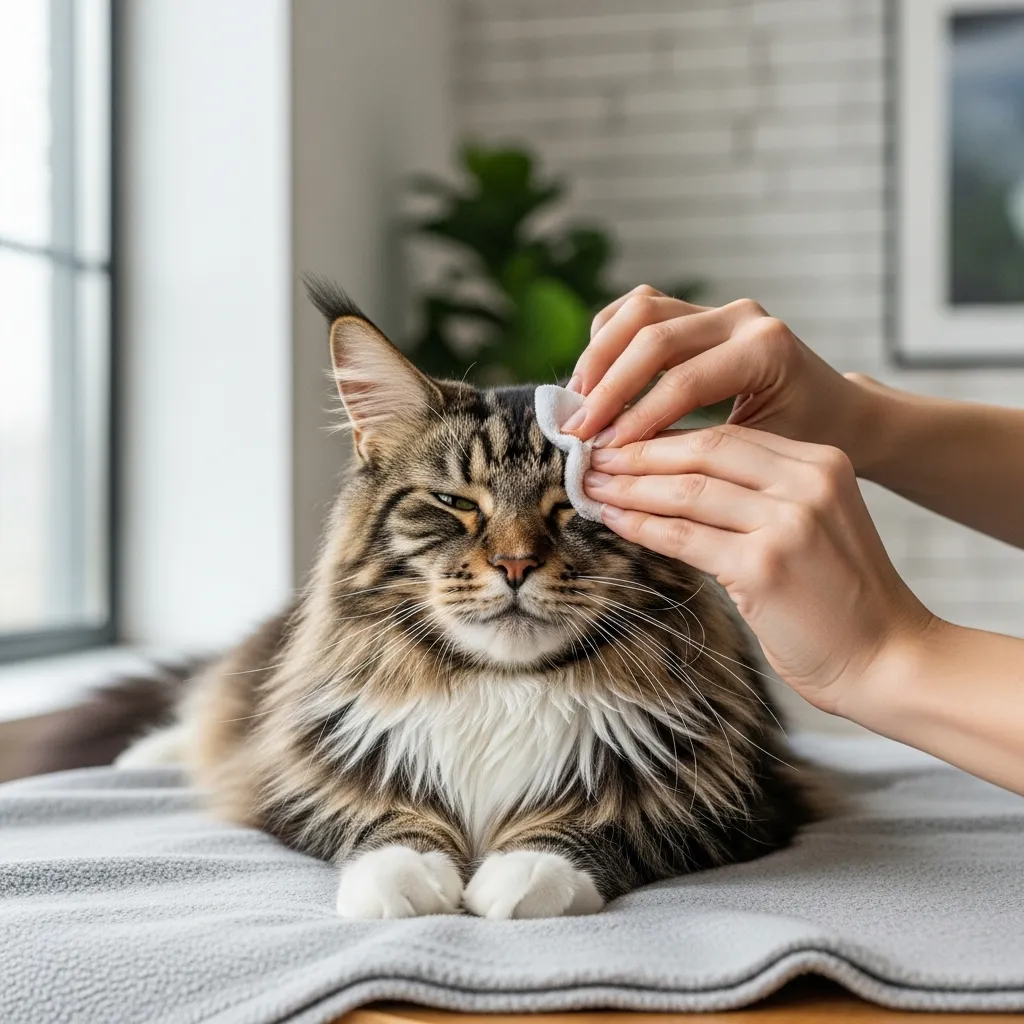
For prevention, annual check-ups catch issues early. In breeds like Siamese (prone to eye woes), our Siamese cats scared easily guide ties stress to physical symptoms.
Table: Common Causes and Treatments for Watery Eyes in Cats
| Cause | Symptoms | Treatment Options | Prevention Tips |
|---|---|---|---|
| Eye Infections | Yellow/green discharge, redness | Antibiotics, eye ointments | Vaccinations, clean environment |
| Allergies | Clear tears, itching | Antihistamines, allergen removal | Hypoallergenic bedding |
| Blocked Ducts | Overflow tears, staining | Flushing or surgery | Breed-specific care |
| Foreign Irritants | Sudden onset, squinting | Removal and washes | Indoor-only lifestyle |
This table, based on 2025 vet guidelines, helps you quick-reference issues.
Real-Life Stories: From Tears to Tail Wags
Take Mia, a Bengal cat I worked with—her “tears” turned out to be allergies from pollen. After switching to indoor enrichment (inspired by our Bengal cat personality guide), her eyes cleared in weeks. Or Leo, a senior Ragdoll grieving a companion; pheromone therapy eased his nighttime meows. These cases show how addressing root causes restores harmony.
FAQ: Answering Your Top Questions on Cat Crying Tears
Why is my cat crying tears?
Watery eyes usually indicate irritation from infections, allergies, or dust—not emotions. Vet checks rule out serious issues.
Can cats experience emotions like humans?
Yes, but they express them through behavior, not tears. Look for cat sadness signs like hiding or reduced play.
When should I be concerned about my cat crying?
If watery eyes persist over 48 hours, with redness or discharge, see a vet immediately to prevent complications.
What could cause my cat to have watery eyes?
Common watery eyes in cats causes include cat eye infections, allergies, or trauma. Environmental factors like smoke play a role too.
How do cats express sadness?
Through changes in appetite, vocalizations, or withdrawal—key to understanding cat emotions and feline grieving.
What medical conditions are linked to a cat crying tears?
Conjunctivitis, herpesvirus, or allergies top the list. Blocked ducts in breeds like Persians are common.
What should I do if my cat starts crying tears at night?
Check for separation anxiety or pain; enrich bedtime routines and consult our cat crying at night guide.
What are the signs of cat eye infections and allergies?
Discharge, redness, squinting for infections; clear tears and itching for allergies.
Why is understanding cat crying important?
It helps differentiate health issues from behaviors, ensuring better feline emotional health and prompt care.
Stopping those “tears” starts with empathy and action. From debunking myths to practical fixes, you’ve now got the tools to keep your cat’s eyes dry and spirits high. For more on cat behavior guide topics, explore our cat health care resources or dive into breed-specific advice like the Ragdoll cat watery eyes guide. At Cat Bloom Haven, we’re passionate about helping your feline thrive—share your story in the comments or browse our full library for endless purr-fect tips!