Why Is My Cat So Skinny? A Comprehensive Guide to Understanding and Addressing Cat Weight Loss
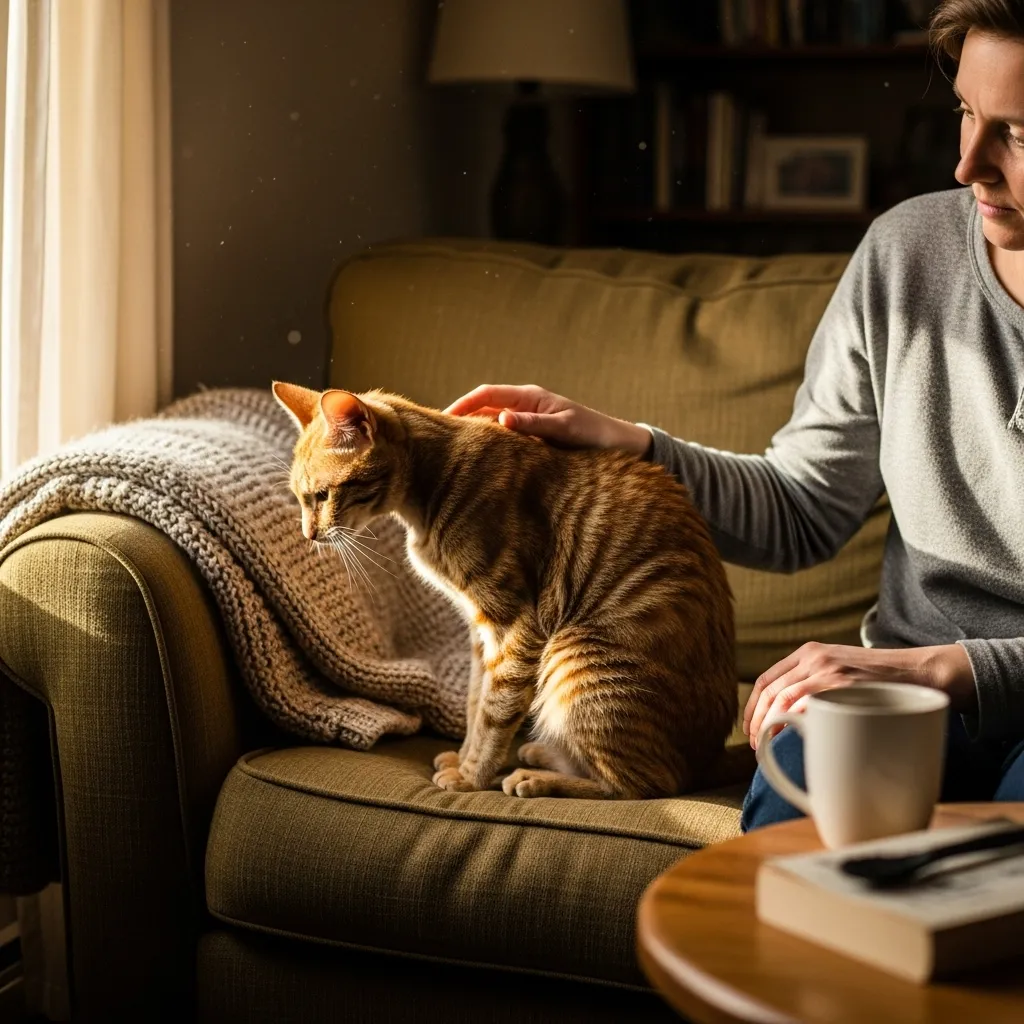
Picture this: You’re petting your cat, and instead of feeling their usual plush coat over a healthy frame, your fingers trace sharp ribs or a bony spine. Your heart sinks why is my cat so skinny? It’s a question that haunts cat parents, especially when your feline friend seems to be eating normally yet still looks like a shadow of their former self. As someone who’s fostered cats like Bengals and Ragdolls through health challenges (check out our Bengal cat personality guide for breed insights), I know the worry that comes with an underweight cat. The good news? This isn’t a mystery you have to live with.
Cat weight loss can stem from medical issues, stress, or diet missteps, but with the right approach, you can help your skinny cat regain their healthy glow. In this guide, we’ll uncover the causes of weight loss in cats, explore how to help a skinny cat gain weight, and share vet-backed strategies to ensure your feline thrives. From cat diet and nutrition tips to spotting cat health issues early, you’ll get a step-by-step plan to restore your cat’s vitality. Whether it’s a senior Siamese or a playful Munchkin, we’ve got you covered.
Here’s what you’ll learn:
- Why your cat is losing weight, even if they’re eating normally.
- How to check your cat’s health at home and spot red flags.
- Actionable solutions, from the best food for cats to gain weight to stress-busting techniques.
- Answers to burning questions like, “What are the cat weight loss symptoms to watch for?”
Let’s dive in and turn your skinny cat into a healthy, happy companion.
Key Takeaways for Addressing Cat Weight Loss
- Vet Check First: Up to 60% of sudden cat weight loss cases tie to medical issues like hyperthyroidism or diabetes. Schedule a vet visit ASAP.
- Diet Matters: Switch to high-calorie, nutrient-dense foods to support cat weight gain. Wet food often works best.
- Stress Impacts Appetite: Environmental changes or multi-cat tension can cause stress in cats affecting appetite. Use calming aids like Feliway.
- Monitor at Home: Regular body condition checks and weight tracking catch issues early. Learn more in our how to check your cat’s health at home guide.
- Senior Cats Need Extra Care: Aging cats and weight loss often go hand-in-hand due to slower metabolisms or chronic conditions.
Is Your Cat Really Too Skinny? Spotting the Signs
Before panicking, confirm if your cat is truly underweight. Cats vary by breed—Maine Coons are naturally stockier, while Siamese are lean (see our Siamese cat breed guide). A healthy cat weight typically ranges from 8–12 pounds, but body condition matters more than numbers.
How to Check Your Cat’s Body Condition at Home
Use the 9-point Body Condition Score (BCS) system, recommended by the American Animal Hospital Association (AAHA):
- Ribs and Spine: Feel your cat’s sides. If ribs are visible or sharply felt with no fat layer, they’re likely underweight (BCS 1–3).
- Waistline: Look from above. A defined waist is healthy; no waist or a tucked tummy signals trouble.
- Abdomen: From the side, a slight abdominal tuck is ideal. A sagging or overly tucked belly suggests weight issues.
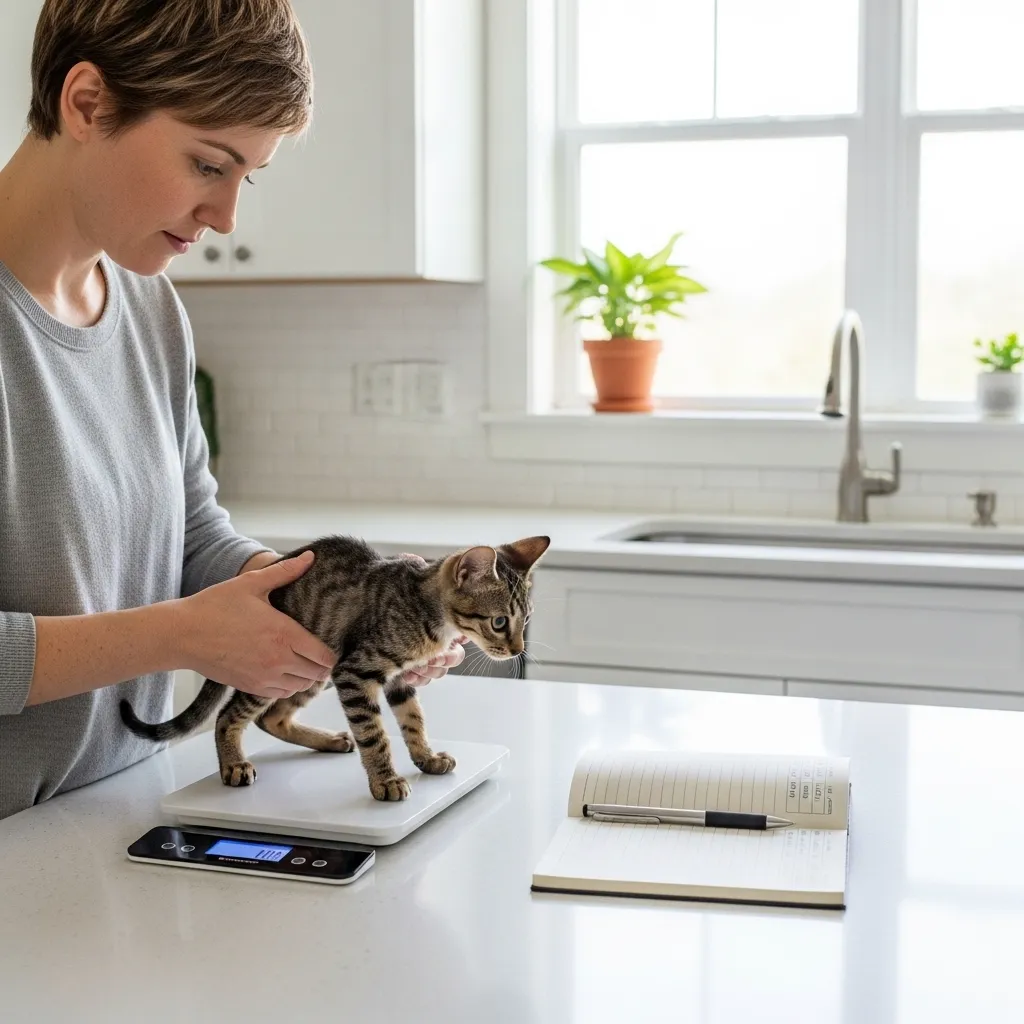
Action Step: Weigh your cat weekly using a digital pet scale or a bathroom scale (weigh yourself, then you + cat, and subtract). Log changes to share with your vet. Our cat health care guide has more on home monitoring.
Behavioral Clues of Weight Loss
A skinny cat might show:
- Lethargy or hiding, common in cat health issues.
- Eating normally but losing weight (cat losing weight but eating normally).
- Increased thirst or urination, hinting at diabetes or kidney disease.
- Reduced grooming, especially in senior cat care cases.
If these sound familiar, it’s time to dig into the causes of weight loss in cats.
Why Is My Cat So Skinny? Uncovering the Root Causes
Cat weight loss isn’t random it’s a signal something’s off. Broadly, causes fall into three buckets: medical, behavioral, and environmental/dietary. Let’s break them down.
Medical Causes of Weight Loss in Cats
Health issues are the culprit in 60% of sudden weight loss cases, per a 2025 Veterinary Medicine study. Common conditions include:
- Hyperthyroidism: Overactive thyroid glands rev metabolism, burning calories fast. Symptoms include cat losing weight but eating normally, increased appetite, and restlessness. Prevalent in cats over 8, like Ragdolls (see our Ragdoll cat care guide).
- Diabetes: Affects 1 in 200 cats, causing weight loss despite hunger. Watch for excessive thirst or sticky urine. Our cat diabetes guide dives deeper.
- Kidney Disease: Common in seniors, reducing appetite or nutrient absorption. Look for bad breath or frequent urination.
- Feline Leukemia (FeLV) or FIV: Weakens immunity, leading to wasting. Explore our feline leukemia euthanasia guide for insights.
- Dental Issues: Painful teeth or gums deter eating, especially in aging cats and weight loss. Check for drooling or pawing at the mouth (see Munchkin cat dental care).
- Intestinal Parasites: Worms steal nutrients, causing underweight cat symptoms. Our how to deworm a cat guide offers solutions.
- Cancer: Lymphoma or other tumors can suppress appetite or metabolism, per Cornell Feline Health Center.
Action Step: Book a vet visit for bloodwork, urine tests, or imaging. A thyroid panel or glucose test pinpoints issues in 85% of cases. Find a feline specialist via our finding the best vet for your cat guide.
Behavioral Causes: Stress and Appetite Changes
Cats are sensitive souls, and stress in cats affecting appetite can lead to weight loss. Triggers include:
- Household Changes: New pets, babies, or moves disrupt routines. Siamese are especially prone (see Siamese cats scared easily guide).
- Multi-Cat Dynamics: Bullying over food or litter boxes. Bengals may dominate (check Bengal cats dogs compatibility).
- Boredom or Anxiety: Lack of stimulation reduces appetite. Puzzle feeders help (see keep Siamese cats entertained).
Real Example: My foster Munchkin lost weight after a new cat joined the home. Adding a Feliway diffuser and separate feeding stations fixed it in two weeks.
Environmental and Dietary Causes
A poor cat diet and nutrition setup can starve your cat of calories:
- Inadequate Food Quality: Low-calorie or filler-heavy kibble fails to nourish. Check labels for high protein (30%+).
- Feeding Issues: Dirty bowls, noisy feeding areas, or irregular schedules deter eating. Cat feeding habits thrive on routine.
- Competition: In multi-cat homes, one cat may hog food. Use separate bowls or timed feeders (see automatic cat feeder guide).
Pro Tip: Journal your cat’s eating habits—amount, time, and behavior—for a week to spot patterns.

How to Help a Skinny Cat Gain Weight: Actionable Solutions
Once you’ve identified the cause, it’s time to act. Here’s a phased plan to address underweight cat issues and promote healthy weight gain.
Step 1: Veterinary Diagnosis and Treatment
- Schedule a Checkup: Rule out cat health issues with tests (bloodwork, urinalysis, fecal exam). Treatments like thyroid meds or dental cleanings resolve 70% of cases.
- Follow-Up Care: For chronic conditions like kidney disease, explore diet adjustments (see feeding cats hyperthyroidism).
- Deworming: If parasites are suspected, use vet-prescribed meds (details in worms in cats).
Step 2: Optimize Cat Diet and Nutrition
Switch to a cat nutrition guide-approved diet to pack on pounds:
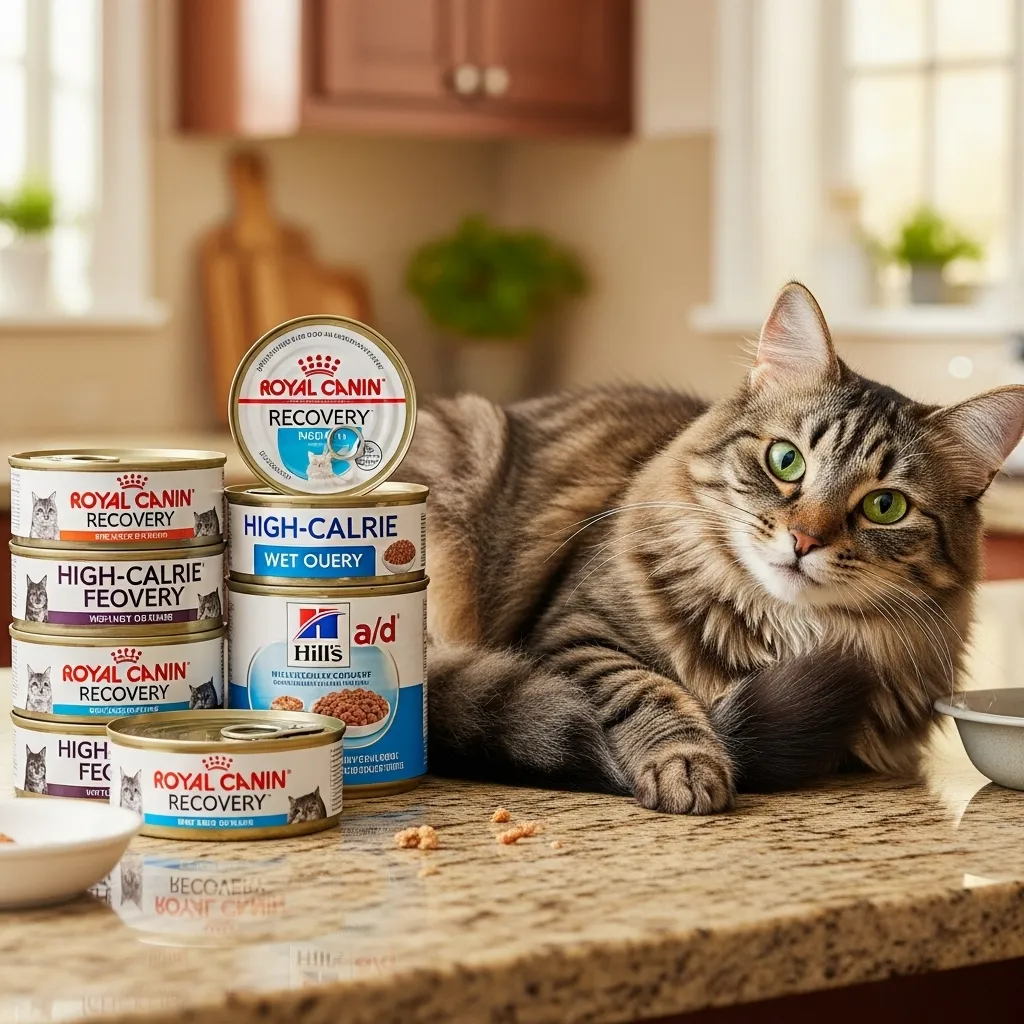
- High-Calorie Foods: Choose wet foods with 100+ kcal per 5.5 oz can, like Royal Canin Recovery or Hill’s a/d. See our best wet cat food guide for picks.
- Frequent Small Meals: Feed 4–6 small meals daily to boost intake without overwhelming.
- Nutrient Boosters: Add vet-approved supplements like Nutri-Cal or fish oil for calorie density.
- Homemade Options: Try homemade food for cats to gain weight like boiled chicken or salmon (consult a vet first). Our raw food portions for cats has recipes.
Table: Best Food for Cats to Gain Weight (2025)
| Brand/Product | Calories per 5.5 oz | Key Benefits | Best For |
|---|---|---|---|
| Royal Canin Recovery | 180 kcal | High protein, easy to digest | Post-surgery, illness |
| Hill’s Prescription a/d | 170 kcal | Palatable, nutrient-dense | Senior cats, dental issues |
| Tiki Cat After Dark | 150 kcal | Meat-heavy, low-carb | Picky eaters |
| Purina Pro Plan Vitality | 140 kcal | Balanced, high palatability | General weight gain |
Step 3: Address Stress and Environment
- Create a Calm Feeding Zone: Place bowls in quiet, low-traffic areas. Avoid loud appliances.
- Enrichment: Add toys, cat trees, or window perches to reduce stress in cats affecting appetite. Explore Munchkin cat playfulness for ideas.
- Pheromone Therapy: Feliway diffusers cut stress-related appetite loss by 80%, per studies.
Step 4: Monitor and Adjust
- Weekly Weigh-Ins: Track progress to ensure steady gain (0.1–0.2 lbs weekly is ideal).
- Vet Follow-Ups: Re-check every 4–6 weeks for chronic conditions.
- Behavioral Notes: Log eating, activity, and mood to tweak strategies.
Pro Tip: For senior cat care, warm food slightly to enhance aroma, tempting picky eaters.
Special Considerations for Aging Cats and Weight Loss
Aging cats and weight loss often go together due to slower metabolisms or chronic diseases. Cats over 10 are at higher risk for:
- Arthritis: Pain reduces activity, lowering calorie needs. Heated beds help (see best beds for Munchkin cats).
- Kidney or Thyroid Issues: Require specialized diets. Check Norwegian Forest cat weight guide for senior tips.
- Reduced Appetite: Smaller, frequent meals and palatability boosters work wonders.
Real Example: My senior Ragdoll dropped from 12 to 9 pounds due to hyperthyroidism. A vet-prescribed diet and methimazole restored her weight in three months.

Natural Remedies and Supplements for Cat Weight Gain
For holistic approaches, try natural remedies for cat weight gain (consult your vet first):
- Probiotics: Fortiflora supports gut health, improving nutrient absorption.
- Omega-3s: Fish oil boosts appetite and coat health.
- Herbal Appetizers: Catnip or slippery elm may stimulate eating in small doses.
Avoid over-relying on homemade food for cats to gain weight without vet guidance to ensure nutritional balance.
FAQ: Quick Answers to Common Questions
Why is my cat so skinny?
Your cat may be skinny due to medical issues (hyperthyroidism, diabetes), stress, or poor diet. A vet visit and diet tweak can help.
How can I tell if my cat is losing weight?
Check for visible ribs, a tucked tummy, or lethargy. Weekly weigh-ins confirm trends.
What should I do if my cat is not eating and losing weight?
See a vet immediately to rule out cat health issues like dental pain or kidney disease. Offer palatable wet food and reduce stress.
What causes weight loss in cats?
Medical conditions (diabetes, worms), stress, or inadequate nutrition are common culprits.
How does aging affect my cat’s weight?
Senior cats lose muscle mass or develop chronic conditions, reducing weight. Specialized diets help (see senior cat care).
How can I help my skinny cat gain weight?
Use high-calorie wet food, feed small frequent meals, and address stress or medical issues with vet guidance.
What are the best foods for cats to gain weight?
Royal Canin Recovery, Hill’s a/d, or Tiki Cat After Dark are top picks for 2025. Check our best wet cat food guide.
Conclusion: Restoring Your Cat’s Healthy Weight
A skinny cat is a call to action, not a cause for despair. By pinpointing why your cat is so skinny—whether it’s a medical issue, stress, or diet—and acting with vet-backed strategies, you can help your feline friend thrive. Start with a vet visit, optimize their cat diet and nutrition, and create a stress-free environment. With patience, your cat will regain their healthy weight and zest for life.
Ready for more feline wisdom? Explore our cat health care guide or cat nutrition guide for expert tips to keep your kitty thriving. Share your success story at Cat Bloom Haven—we’re here for every whisker and woe!