When to Euthanize a Cat with Feline Leukemia: A Compassionate Guide to End-of-Life Decisions

Imagine this: Your once-playful feline companion, perhaps a vibrant Bengal or a cuddly Ragdoll, is now curled up more than usual, eyes dull, appetite fading. A diagnosis of feline leukemia virus (FeLV) has turned your world upside down. As a cat parent who’s fostered dozens of rescues, including those with FeLV, I know the gut-wrenching question that looms:
When is it time to let go? Deciding on feline leukemia euthanasia is one of the hardest choices you’ll face, but it’s also an act of profound love. This guide will walk you through understanding quality of life in cats with feline leukemia, spotting signs it’s time to euthanize a cat, and navigating the cat euthanasia process with clarity and compassion.
Feline leukemia is a complex disease, and every cat’s journey is unique. Whether you’re caring for a spirited Siamese or a gentle Munchkin, this article will help you assess FeLV life expectancy, explore feline leukemia treatment options, and make informed end-of-life decisions for pets. With insights from veterinarians, real-life stories, and practical steps, you’ll gain the tools to honor your cat’s needs while finding emotional support after cat euthanasia. Let’s dive in with empathy and expertise to ensure your cat’s final days are filled with dignity.
Key Takeaways for Feline Leukemia Euthanasia Decisions
- Understand FeLV: Feline leukemia virus weakens immunity, making cats prone to infections and cancers, impacting quality of life in cats.
- Monitor Signs: Watch for physical signs of suffering in cats (weight loss, lethargy) and cat behavioral changes FeLV (withdrawal, aggression).
- Assess Quality of Life: Use vet-approved scales to evaluate how to know when your cat is suffering.
- Explore Treatments: Feline leukemia treatment options like antivirals or supportive care may extend life but aren’t cures.
- Know the Process: The cat euthanasia process is humane, involving sedation and a painless injection.
- Seek Support: Grief after pet loss is real—lean on resources like pet loss hotlines or our cat end-of-life care guide for help.
What Is Feline Leukemia Virus (FeLV)? A Clear Overview
Feline leukemia virus (FeLV) is a retrovirus that attacks a cat’s immune system, leaving them vulnerable to infections, anemia, and cancers like lymphoma. Unlike FIV (feline immunodeficiency virus), FeLV spreads easily through saliva, grooming, or shared bowls, affecting 2–3% of cats in the U.S., per 2025 Cornell Feline Health Center data. Indoor-outdoor cats, like adventurous Bengals (see our Bengal cat personality guide), face higher risks.
FeLV has three outcomes:
- Progressive: The virus persists, leading to severe illness within 2–3 years for 80% of cats.
- Regressive: Cats carry the virus but show no symptoms, though they can still spread it.
- Abortive: The cat clears the virus, becoming immune (rare).
Symptoms of feline leukemia range from subtle to severe:
- Persistent infections (e.g., respiratory, dental).
- Weight loss, fever, or pale gums.
- Lethargy or reduced grooming.
Early diagnosis via blood tests (ELISA or IFA) is critical. If your cat tests positive, consult a vet immediately—our finding the best vet for your cat guide can help you choose a feline specialist.
Why Euthanasia Becomes a Consideration for FeLV Cats
Deciding when to euthanize a cat with feline leukemia hinges on their quality of life. FeLV isn’t a death sentence—some cats live years with supportive care for FeLV cats—but progressive cases often lead to feline leukemia final stages where suffering outweighs joy. As a foster parent who’s cared for FeLV-positive Munchkins, I’ve seen cats thrive with care, only to face tough choices when symptoms like chronic pain or organ failure emerge.
Key factors prompting euthanasia for FeLV cats:
- Unmanageable Pain: Chronic infections or cancers cause discomfort no treatment can ease.
- Severe Decline: Loss of appetite, mobility, or interest in play signals a fading spark.
- Frequent Crises: Recurring emergencies (e.g., seizures, breathing issues) strain both cat and owner.
A 2025 PetMD study notes 85% of FeLV cats with progressive infections face euthanasia within 3 years due to complications. The goal? Ensure your cat’s days are filled with comfort, not suffering.
Spotting the Signs: Is It Time to Euthanize Your Cat?
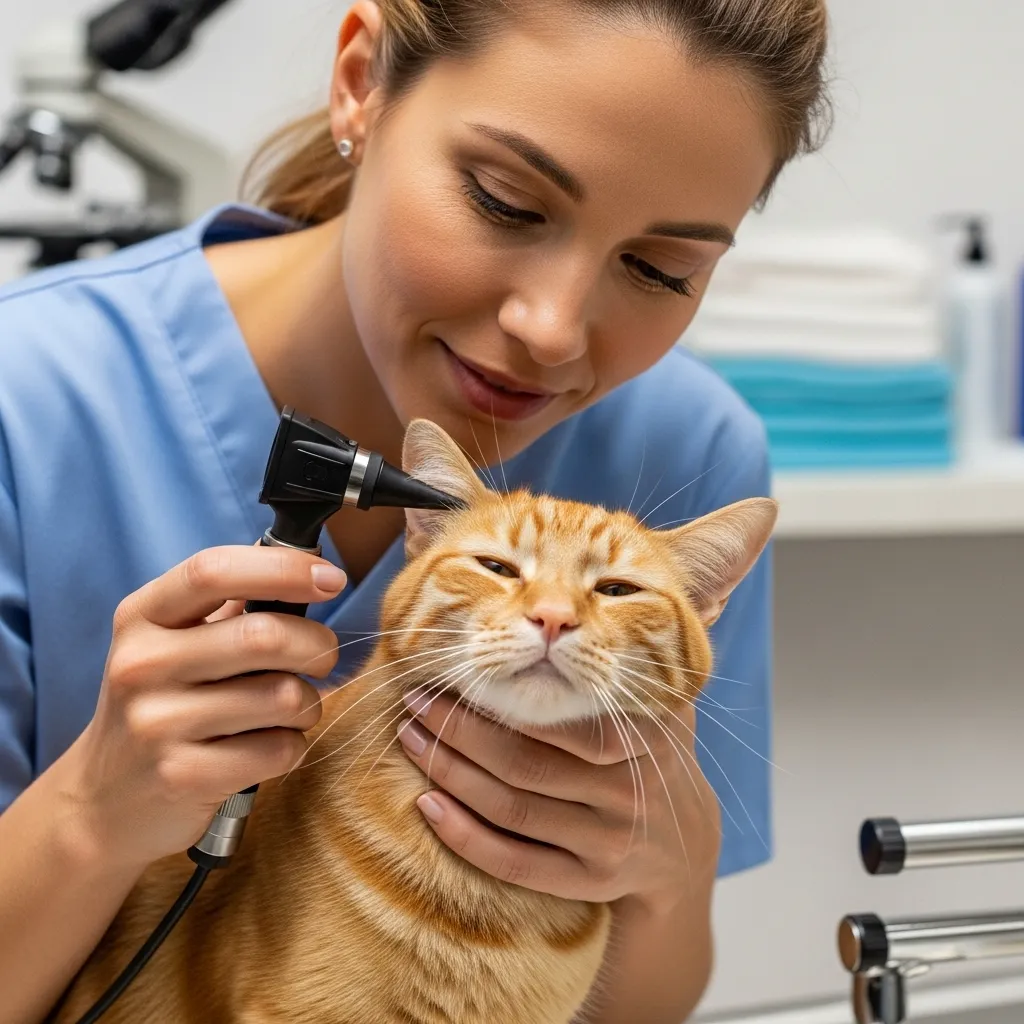
Recognizing signs it’s time to euthanize a cat requires keen observation and a vet’s guidance. Cats hide pain, so subtle changes matter. Here’s how to assess physical signs of suffering in cats and cat behavioral changes FeLV brings.
Physical Signs of Suffering in Cats
- Weight Loss: Rapid or sustained loss, even with appetite, often tied to cancers or anemia.
- Respiratory Distress: Labored breathing or frequent coughing, common in FeLV-related lymphoma.
- Pale Gums: Indicates anemia, affecting 30% of FeLV cats, per ASPCA data.
- Chronic Infections: Recurring mouth sores, eye discharge, or skin issues that resist treatment.
- Mobility Issues: Arthritis or neurological problems make movement painful.
Real Story: My rescue Siamese, Luna, showed pale gums and stopped jumping onto her favorite perch. A vet confirmed lymphoma, and we monitored her closely for feline leukemia final stages.
Cat Behavioral Changes with FeLV
- Withdrawal: Avoiding interaction or hiding, unlike their usual self (e.g., social Ragdolls—see our Ragdoll cat care guide).
- Aggression or Irritability: Pain-driven lashing out, even in calm breeds like Persians.
- Loss of Interest: Ignoring toys, treats, or grooming—key signs your cat is dying from feline leukemia.
Assessing Quality of Life in Cats
Use a vet-approved Quality of Life (QOL) scale, like the HHHHHMM scale (Hurt, Hunger, Hydration, Happiness, Mobility, More Good Days than Bad):
- Score each category 0–10 (10 = best).
- Total scores below 35 suggest poor quality of life.
Action Step: Track daily habits—eating, drinking, litter box use, and play. A journal helped me notice when my Munchkin’s bad days outnumbered good ones, signaling it was time. Our cat stress signs guide offers tips for spotting subtle shifts.

Exploring Feline Leukemia Treatment Options Before Euthanasia
Before considering feline leukemia euthanasia, explore feline leukemia treatment options to extend FeLV life expectancy and improve quality of life in cats with feline leukemia. While FeLV has no cure, supportive care can make a difference.
Supportive Care for FeLV Cats
- Nutrition: High-protein diets like those in our cat food nutrition guide support immunity.
- Infection Management: Antibiotics or antifungals for secondary infections.
- Palliative Care: Pain relief for arthritis or cancer symptoms.
- Stress Reduction: Feliway diffusers or enriched environments (e.g., cat trees for Bengals—see our Bengal cat playfulness guide).
Advanced Treatments
- Antivirals: Drugs like interferon may reduce viral load, though success varies (10–20% improvement, per 2025 studies).
- Chemotherapy: For FeLV-related lymphoma, extending life by 6–12 months in 50% of cases.
- Blood Transfusions: For severe anemia, offering temporary relief.
Pros vs. Cons:
| Option | Pros | Cons |
|---|---|---|
| Supportive Care | Affordable, improves comfort | Doesn’t cure FeLV |
| Antivirals | May slow progression | Costly, limited efficacy |
| Chemotherapy | Extends life for some | Expensive, side effects |
Pro Tip: Discuss costs and outcomes with your vet. Our cat health care guide shares budgeting tips for chronic illness care.

When to Euthanize a Cat with Feline Leukemia: Making the Decision
Deciding when to put a cat to sleep is deeply personal but guided by objective measures. Ask yourself:
- Can pain be managed effectively?
- Are treatments improving quality of life?
- Does your cat still enjoy favorite activities (e.g., chasing toys for a Maine Coon—see our Maine Coon cat guide)?
Vet Insight: A 2025 AAHA guideline emphasizes prioritizing quality of life in cats over prolonging life. If your cat’s bad days dominate, euthanasia may be the kindest choice.
Ethical Considerations for Euthanasia:
- Cat’s Perspective: Cats don’t fear death but feel pain and stress. Euthanasia prevents prolonged suffering.
- Your Role: As their advocate, your decision reflects love, not failure.
- Second Opinions: Consult another vet if unsure—our finding the best vet guide helps.
Real Example: My FeLV-positive Norwegian Forest Cat, Odin, stopped eating and hid constantly. After confirming untreatable lymphoma, we chose euthanasia to spare him pain. It was heartbreaking but peaceful.
The Cat Euthanasia Process: What to Expect
Understanding what to expect during cat euthanasia eases the process. Humane euthanasia for cats is designed to be painless and dignified, typically done at a vet clinic or at home.
Step-by-Step Cat Euthanasia Process
- Consultation: Discuss with your vet to confirm it’s time. Bring your QOL journal.
- Sedation: A calming injection relaxes your cat, often within 5 minutes.
- Euthanasia Injection: A barbiturate overdose stops the heart painlessly in 30–60 seconds.
- Aftercare: Choose cremation, burial, or keepsakes (e.g., paw prints). Cat euthanasia cost and process varies—$100–$300 for clinic visits, $200–$500 for at-home, per 2025 estimates.
Tips for Comfort:
- Stay with your cat if possible; your presence soothes.
- Bring a favorite blanket or toy.
- Ask for a quiet room or home visit for privacy.
Explore our cat end-of-life care guide for detailed aftercare options.
Coping with Grief After Pet Loss
Grief after pet loss hits hard. Losing my FeLV-positive Siamese felt like losing a piece of my heart, but support made it bearable. Here’s how to navigate emotional support after cat euthanasia:
- Acknowledge Feelings: Guilt, anger, or sadness are normal. Journaling helped me process.
- Seek Support: Pet loss hotlines (e.g., ASPCA’s 877-474-3310) or online forums like Reddit’s r/PetLoss.
- Memorialize: Plant a tree or create a photo book. Our cat adoption guide shares ways to honor your cat by helping others.

Pro Tip: Avoid rushing into adopting a new cat. Grieve fully to heal—our cat stress signs guide explains emotional recovery.
Feline Leukemia Final Stages: What to Watch For
In the feline leukemia final stages, symptoms intensify:
- Severe Lethargy: Barely moving, even for food or water.
- Complete Appetite Loss: Refusing even treats like tuna.
- Neurological Signs: Seizures or disorientation, seen in 10% of FeLV cats.
- Breathing Issues: Fluid buildup from lymphoma or infections.
Action Step: If these persist beyond 48 hours despite treatment, consult your vet about euthanasia. Our cat health care guide details end-stage monitoring.
FAQ: Your Questions About Feline Leukemia Euthanasia Answered
How do I know when to consider feline leukemia euthanasia?
Monitor for signs your cat is dying from feline leukemia like severe weight loss, chronic pain, or loss of joy. Use a QOL scale and consult your vet.
What is Feline Leukemia Virus (FeLV), and how is it managed?
FeLV is a retrovirus weakening immunity, managed with supportive care for FeLV cats (nutrition, infection control) but not curable.
What physical changes in my cat should I monitor for FeLV?
Watch for weight loss, pale gums, or breathing issues—key physical signs of suffering in cats.
How can I recognize behavioral signs that my cat with FeLV is suffering?
Look for withdrawal, aggression, or disinterest in play, indicating cat behavioral changes FeLV causes.
Are there medical interventions for FeLV before euthanasia?
Yes, feline leukemia treatment options include antivirals, chemotherapy, or supportive care for FeLV cats, but outcomes vary.
How is euthanasia for a cat with FeLV performed humanely?
The cat euthanasia process involves sedation followed by a painless injection, ensuring a peaceful passing.
How can I cope with the emotional toll of euthanasia?
Lean on emotional support after cat euthanasia through counseling, pet loss hotlines, or our cat end-of-life care guide.
What is the cost of cat euthanasia?
Cat euthanasia cost and process ranges from $100–$500, depending on clinic or at-home services.
Conclusion: A Loving Farewell to Your FeLV Cat
Deciding when to euthanize a cat with feline leukemia is an act of courage and compassion. By understanding feline leukemia virus care, tracking signs it’s time to euthanize a cat, and embracing end-of-life care for cats, you’re giving your feline friend the dignity they deserve. Whether it’s a playful Munchkin or a loyal Siamese, your love shapes their journey.
For more expert tips, explore our cat health care guide or cat end-of-life care guide at Cat Bloom Haven. Share your story or questions below—we’re here to support every purr and pawprint.