Why Is My Cat Sleeping So Much? Unraveling Cat Sleep Patterns and Health Clues
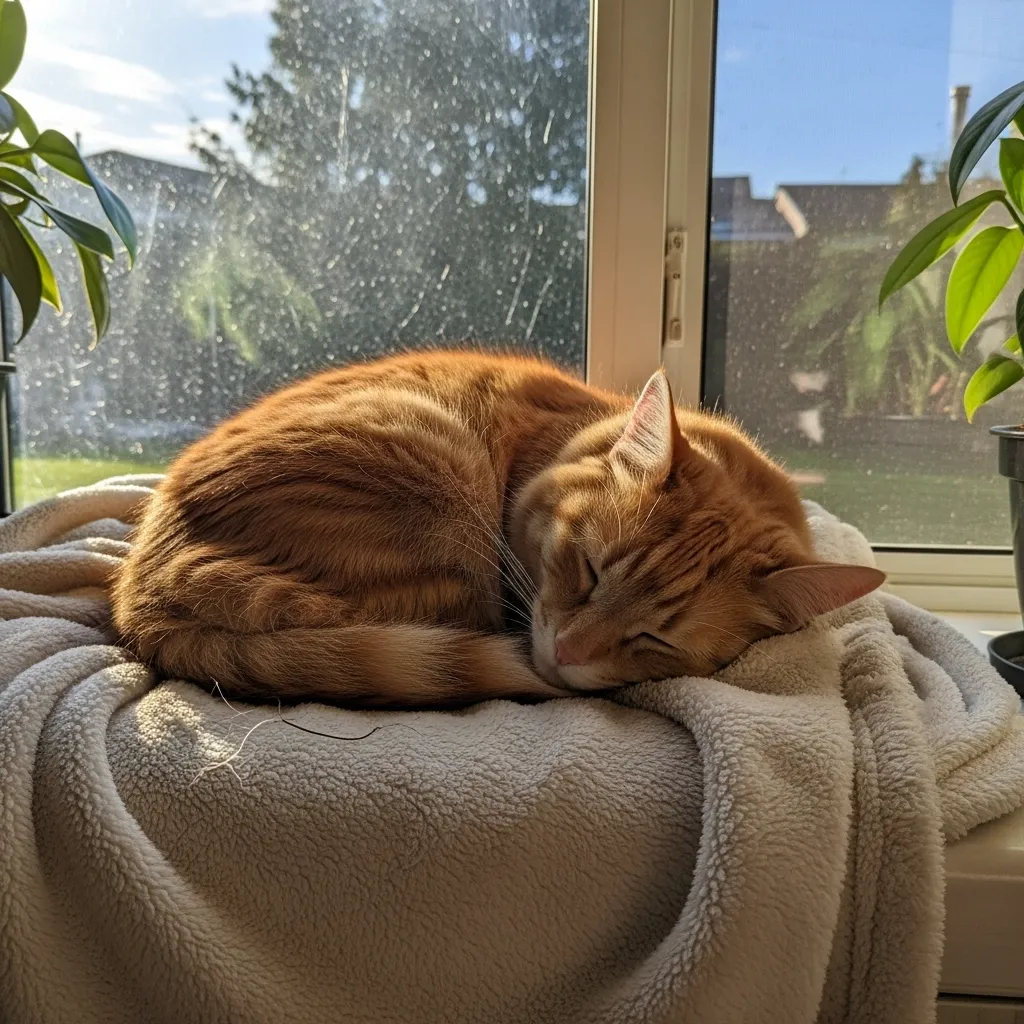
Picture this: your cat is curled up in a sunbeam, snoozing for what feels like the hundredth time today. You glance at the clock yep, another nap. If you’re wondering, why is my cat sleeping so much?, you’re not alone. Cats are notorious for their marathon napping sessions, often clocking 12–20 hours of sleep daily. But when does a cat’s love for shut-eye signal something more? As a cat parent who’s spent years decoding feline quirks with my own Siamese and Bengal rescues, I know the worry that creeps in when your kitty’s cat sleeping habits seem excessive.
This guide dives deep into cat sleep patterns, exploring why feline sleep behavior varies, how cat sleep duration ties to health, and when excessive sleeping in cats might be a red flag. We’ll cover everything from cat sleep cycles to age and cat sleep, offering vet-backed insights and practical tips to keep your feline thriving. Whether it’s a senior cat dozing more or a kitten napping less, you’ll leave with a clear plan to understand and monitor your cat’s cat health and sleep.
Here’s the good news: most cats are just wired to sleep a lot. But understanding the why behind how much do cats sleep can ease your mind and help you spot issues early. Let’s unravel this sleepy mystery and ensure your cat’s naps are a sign of health, not distress.
Key Takeaways for Cat Sleep Patterns
- Normal Sleep Range: Cats sleep 12–20 hours daily, driven by their predatory cat sleep cycle of hunt, eat, groom, and rest.
- Age Matters: Kittens and senior cats have different cat sleep duration needs—kittens nap less due to play, seniors sleep more due to slower metabolisms.
- Health Check: Excessive sleeping in cats or cat sleeping more than usual suddenly can signal illness like diabetes or stress—vet visits are key.
- Environment Impacts Sleep: Environmental factors affecting cat sleep like boredom or stress can shift feline sleep behavior.
- Action Plan: Monitor how to monitor cat sleeping habits with a journal, enrich their environment, and consult a vet if patterns change abruptly.
- Explore our cat health care guide for more tips on keeping your cat vibrant.
Let’s dive into the science and soul of feline sleep behavior to keep your cat’s naps purr-fectly balanced.
Understanding Cat Sleep Patterns: Why Cats Nap So Much
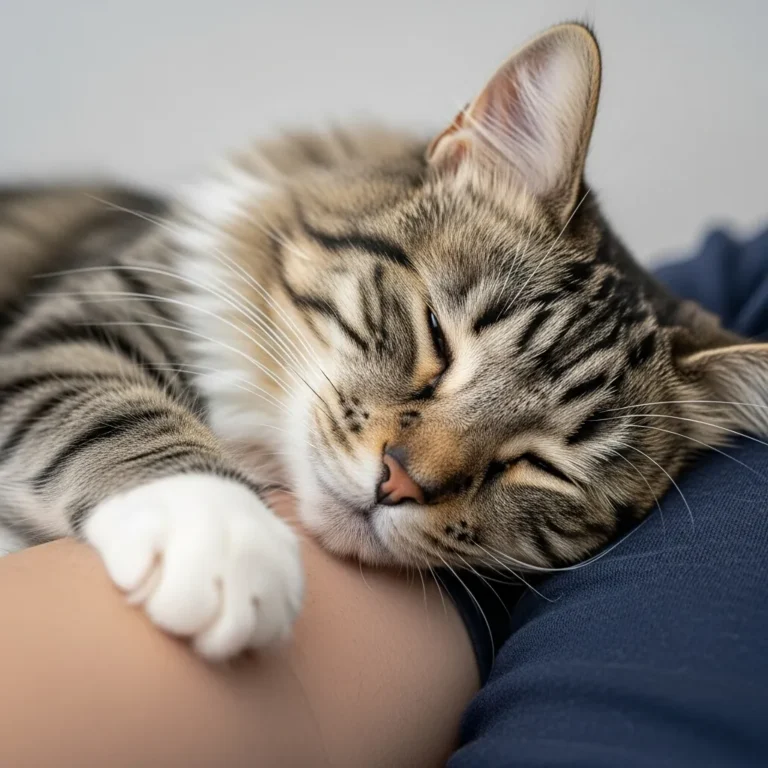
Cats are the undisputed champions of napping, but why do cats sleep so much and still have energy? It’s rooted in their biology. Cats are crepuscular predators, most active at dawn and dusk. Their cat sleep cycle is built around conserving energy for hunting, even if your pampered tabby’s “prey” is a laser pointer. This leads to cat nap behavior—short, frequent “catnaps” that recharge them for bursts of activity.
The Science of Feline Sleep Cycles
Cats cycle through two sleep types:
- Non-REM Sleep: Deep, restorative rest for body repair. This is when your cat is sprawled out, barely twitching.
- REM Sleep: Dreamy, twitchy sleep where whiskers quiver and paws paddle. Studies from Cornell’s Feline Health Center (2025) show cats spend 30% of sleep in REM, dreaming of epic hunts.
These cycles repeat in 15–30 minute naps, totaling 12–20 hours daily, per PetMD’s 2025 data. Unlike humans’ 7–9 hour consolidated sleep, cat sleep patterns are polyphasic, meaning multiple sleep sessions. This explains why your cat seems to nap all day yet still zooms at 3 a.m.
How Age Affects Cat Sleep Duration
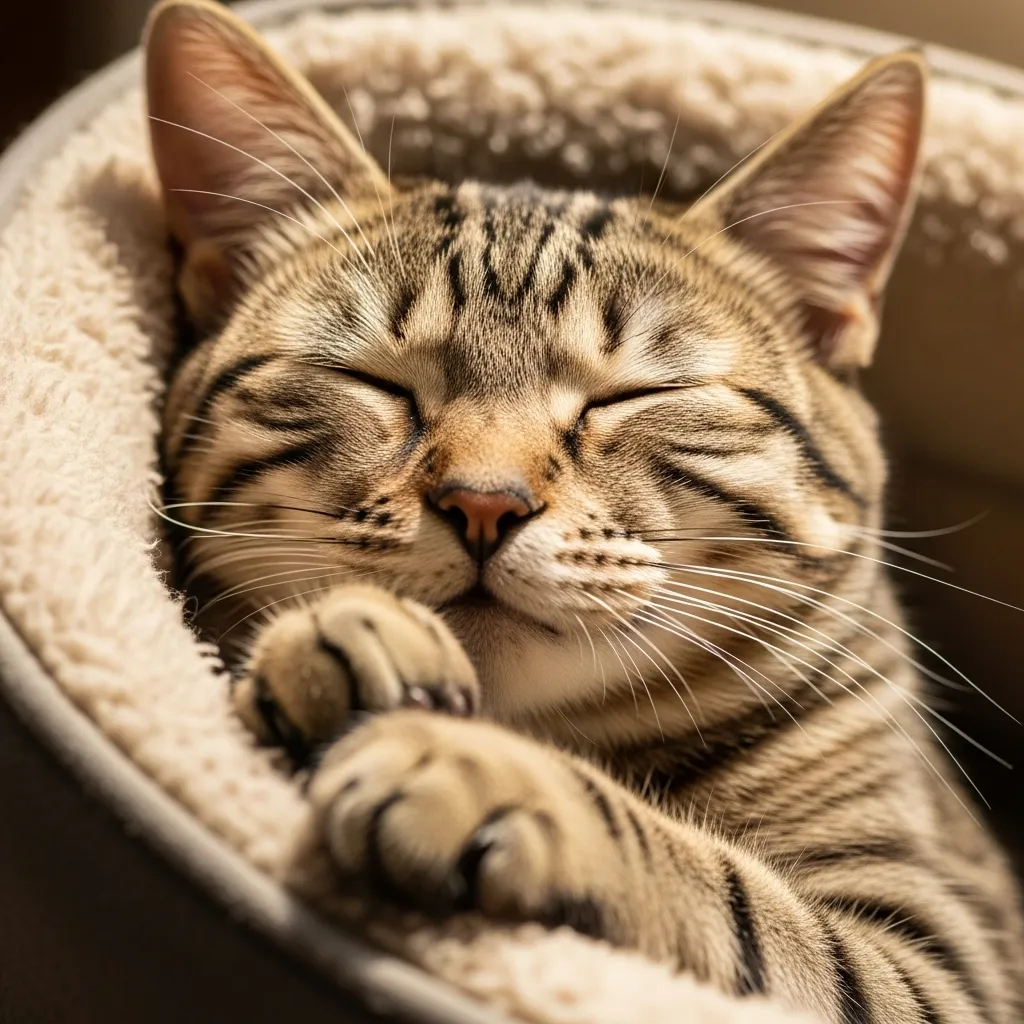
Age and cat sleep are tightly linked:
- Kittens (0–6 months): Sleep 16–20 hours but wake often for play and growth. Their cat sleeping habits reflect rapid development. See our kitten-to-adult cat transition guide for more.
- Adult Cats (1–7 years): Average 12–16 hours, balancing naps with play. Breeds like Bengals (check our Bengal cat personality guide) may sleep less due to high energy.
- Senior Cats (8+ years): Often hit 18–20 hours as metabolism slows. Senior cat sleeping a lot is normal but watch for sudden changes. Explore our senior cat care guide for tailored tips.
Cats vs. Humans: A Sleep Comparison
Humans consolidate sleep into one block; cats spread it out. A 2025 study from the ASPCA notes cats need 2–3x more sleep hours than humans due to their high-energy bursts. Think of your cat as a sprinter, not a marathon runner—naps fuel their cat play and rest cycle.
Table: Cat vs. Human Sleep Needs
| Factor | Cats | Humans |
|---|---|---|
| Daily Sleep Hours | 12–20 hours | 7–9 hours |
| Sleep Pattern | Polyphasic (multiple naps) | Monophasic (single block) |
| Activity Trigger | Crepuscular (dawn/dusk) | Diurnal (daytime) |
| REM Sleep Percentage | ~30% | ~20% |
Why Is My Cat Sleeping So Much? Normal vs. Concerning
Is it normal for cats to sleep 18 hours a day? For most, yes—it’s their nature. But cat sleeping more than usual suddenly or excessive sleeping in cats can raise flags. Let’s break down the reasons, from normal instincts to potential health concerns.
Normal Reasons for Cat Sleeping Habits
- Predatory Energy Conservation: Cats nap to store energy for hunting, even indoors. A 2025 Veterinary Journal study explains this ties to their cat sleep cycle, where rest follows play.
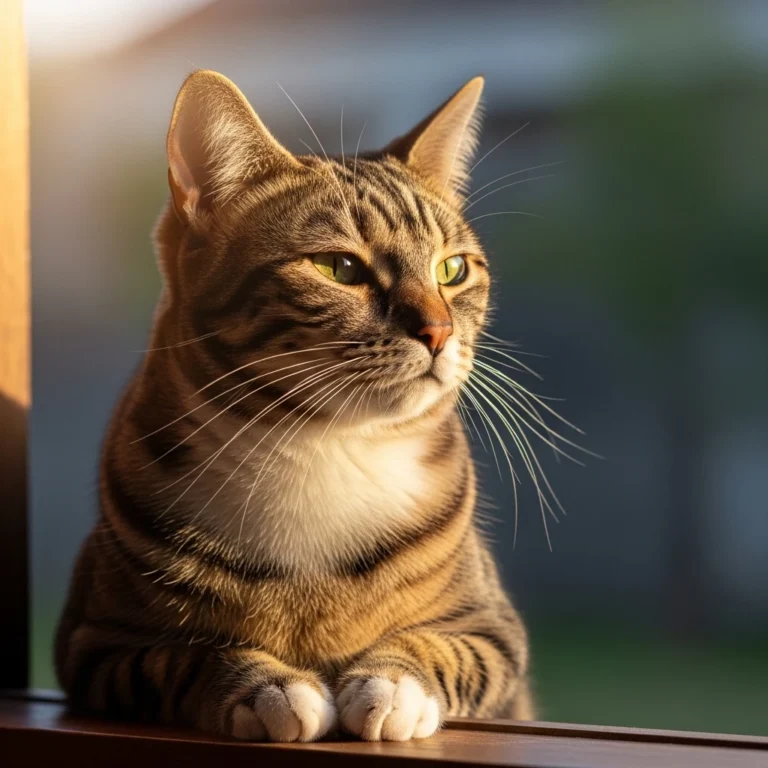
- Comfort and Safety: Cozy spots like your bed or a sunny windowsill feel secure, encouraging cat nap behavior. Our best beds for American Shorthair cats shares ideal nap zones.
- Breed Differences: Siamese may sleep less due to vocal energy (see Siamese cats sleep a lot), while Persians snooze more due to laid-back vibes (check Persian cat breed guide).
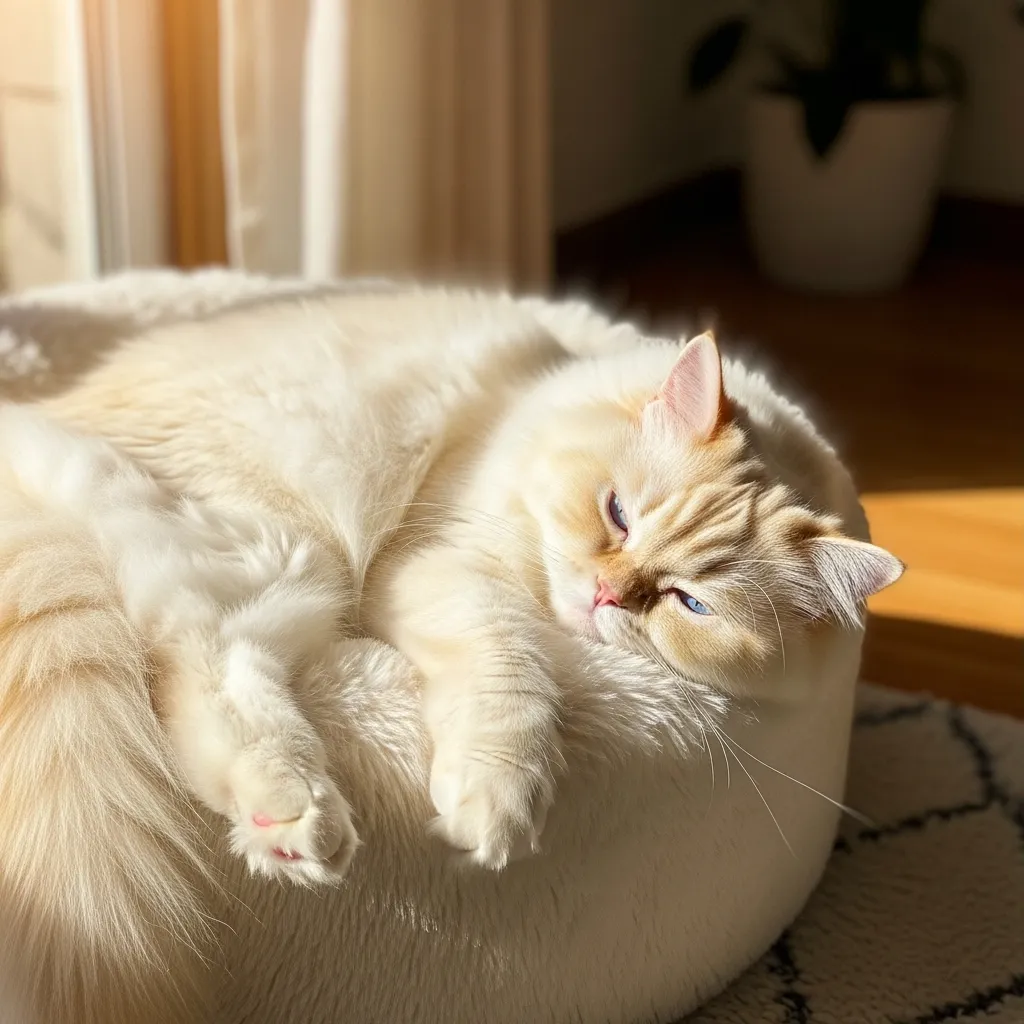
Real Example: My Bengal, Luna, naps 14 hours but springs into action at dusk, chasing toys like prey. Her cat sleeping habits align with her high-energy breed, as noted in our Bengal cat guide.
When to Worry: Signs Your Cat Is Sleeping Too Much
If your cat’s cat sleep duration spikes or they seem lethargic, it’s time to dig deeper. Cat sleeping too much suddenly can signal:
- Medical Issues:
- Diabetes: Increased thirst, weight loss, and excessive sleeping in cats. A 2025 PetMD report notes 1 in 200 cats is diabetic. See our cat diabetes guide.
- Hypothyroidism: Slows metabolism, causing lethargy. Common in seniors.
- Anemia or Pain: Arthritis or dental issues make cats withdraw. Check our Munchkin cat health issues for breed-specific risks.
- Stress and Anxiety in Cats: New pets, moves, or loud noises disrupt feline sleep behavior. Our cat stress signs guide details symptoms like hiding or over-grooming.
- Cat Boredom and Sleep: Lack of stimulation leads to longer naps. Indoor cats, especially Munchkins (see Munchkin cat playfulness), need enrichment.
Action Step: Journal your cat’s sleep, activity, and eating habits for 3–5 days. Note changes in cat sleeping positions meaning (e.g., tucked vs. sprawled) and energy. If sleep exceeds 20 hours or lethargy persists, book a vet visit. Our finding the best vet for your cat guide helps you choose a pro.
Environmental and Lifestyle Factors Affecting Cat Sleep
Your home shapes environmental factors affecting cat sleep. A bored, stressed, or uncomfortable cat may sleep more to cope. Here’s how to optimize their world for balanced cat play and rest.
Cat Boredom and Sleep: The Stimulation Connection
Bored cats sleep to pass time, not because they’re tired. A 2025 ASPCA study found 40% of indoor cats lack enough enrichment, leading to cat sleeping too much suddenly.
Fixes:
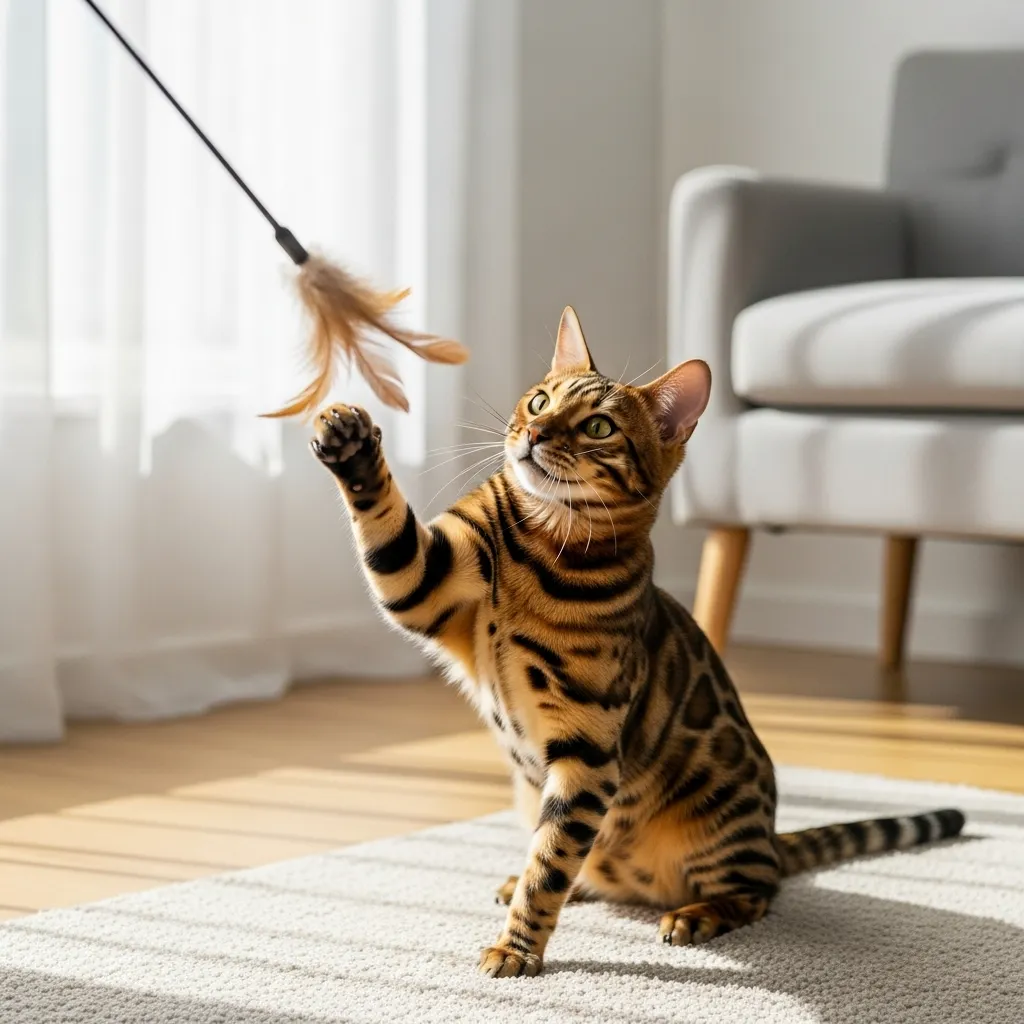
- Interactive Toys: Feather wands or puzzle feeders spark cat play and rest. Try tips from our keep Siamese cats entertained guide.
- Window Perches: Bird-watching stimulates senses. See cat grass care guide for nature-inspired ideas.
- Play Sessions: 15–20 minutes twice daily mimic hunting. For Bengals, check Bengal cat training.
Stress and Anxiety in Cats: A Sleep Disruptor
Stress alters feline sleep behavior. Common triggers:
- New pets or people (see cat introductions guide).
- Loud noises or moves (explore cat moving guide).
- Inconsistent routines.
Fixes:
- Feliway Diffusers: Reduce anxiety by 80%, per 2025 studies. Place near nap spots.
- Safe Spaces: Cardboard boxes or cat trees offer security. Our best Munchkin cat carriers doubles as cozy hideouts.
- Routine: Feed and play at set times to stabilize cat sleep schedule explained.
Temperature and Comfort
Cats seek warm, soft spots, impacting cat sleeping positions meaning. A chilly room may lead to longer naps in blankets (see why cats burrow under blankets).
Fixes:
- Provide heated beds, especially for seniors. Check best beds for Munchkin cats.
- Keep rooms at 68–75°F for ideal cat care and wellness.
Feline Sleep Disorders: Rare but Real
Feline sleep disorders are uncommon but worth knowing. If your cat’s cat sleeping habits seem off, consider:
- Narcolepsy: Rare, causes sudden collapse into sleep. Vet diagnosis via video evidence is key.
- Sleep Apnea: Snoring or breathing pauses, often in overweight cats like Ragdolls (see Ragdoll cat obesity guide).
- Insomnia: Stress or pain prevents sleep, leading to daytime lethargy.
Action Step: Record unusual sleep behaviors (e.g., sudden collapses, loud snoring) and consult a vet. Our cat health care guide covers vet visit prep.
How to Monitor Cat Sleeping Habits: A Practical Guide
Wondering how to monitor cat sleeping habits? A simple system catches red flags early:
- Track Sleep Hours: Use a notebook or app to log nap times and locations for 3–7 days.
- Note Behavior Changes: Record eating, litter box use, or energy shifts. See cat litter box frequency guide.
- Check Sleeping Positions: Tucked-up positions may signal discomfort; relaxed sprawls indicate health. Learn more in cat sleeping positions sick.
- Vet Check: If sleep exceeds 20 hours or lethargy persists, schedule a blood panel. Our cat vet visit schedule outlines frequency.
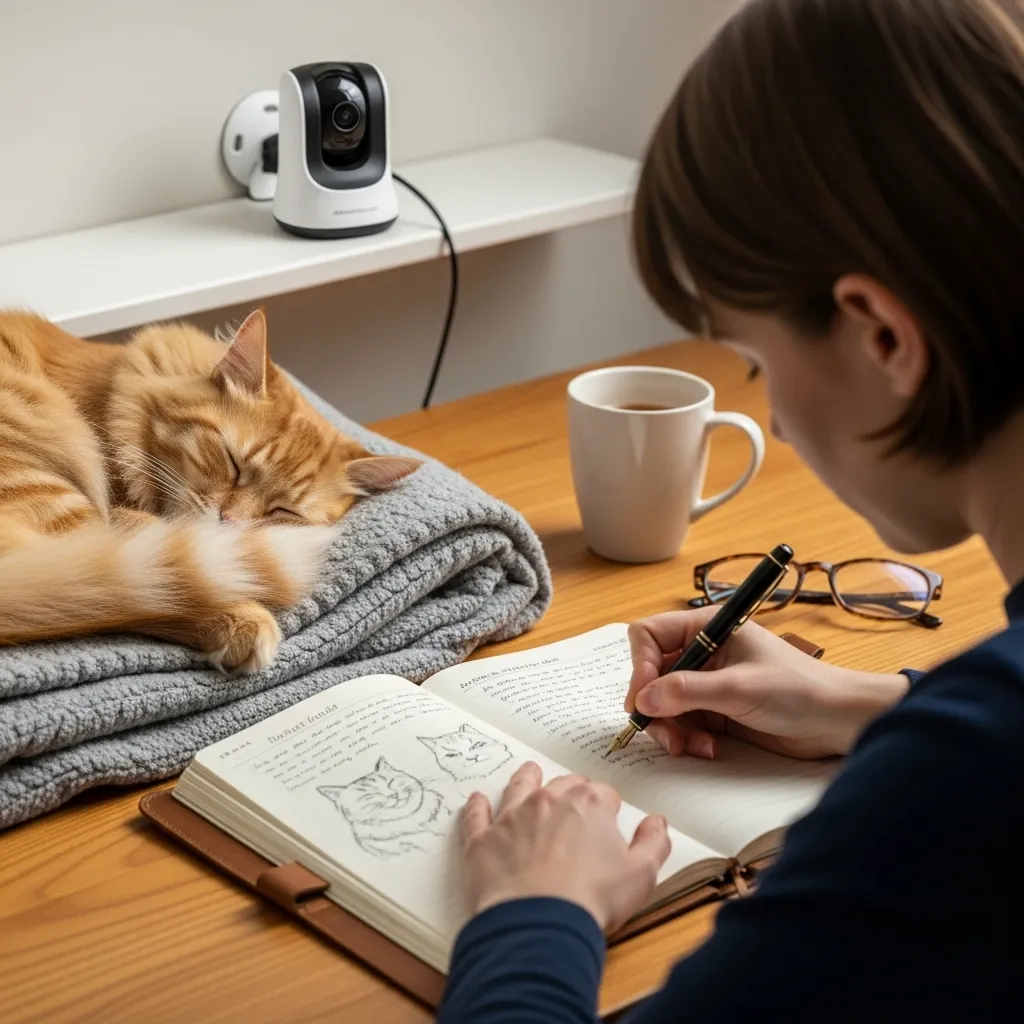
Pro Tip: Use a pet camera to observe cat sleep patterns when you’re away. It helped me notice my Siamese’s stress naps during a move, fixed with extra playtime (see Siamese cat hiding behavior).
2025 Trends in Cat Sleep and Health
Pet blogs in 2025 highlight why does my cat sleep all day as a top search, driven by multi-pet homes and remote work. Owners notice cat sleeping more than usual suddenly due to routine shifts. Smart pet tech, like sleep-tracking collars, is rising, per YouTube pet channels, helping monitor feline sleep behavior in real-time.
Real Example: My Ragdoll, Max, slept 19 hours during a heatwave. A cooled bed and play sessions (inspired by Ragdoll cat care guide) dropped it to 16 hours in a week.
FAQ: Quick Answers to Cat Sleep Questions
What are normal cat sleep patterns?
Cats sleep 12–20 hours daily in short naps, driven by their crepuscular cat sleep cycle. Learn more in our cat sleeping habits guide.
How much should a cat sleep by age?
Kittens sleep 16–20 hours, adults 12–16, and seniors 18–20. Check senior cat care for age-specific tips.
Is it normal for cats to sleep 18 hours a day?
Yes, especially for seniors or relaxed breeds like Persians. Sudden increases warrant a vet check.
Why is my cat sleeping more than usual suddenly?
Possible causes include stress, boredom, or health issues like diabetes. See cat health care for vet tips.
What are signs my cat is sleeping too much?
Lethargy, appetite loss, or hiding signal issues. Explore cat stress signs for clues.
How do I keep my cat active to reduce excessive sleep?
Use toys, perches, and routines. Our Munchkin cat playfulness guide has ideas.
What are feline sleep disorders?
Rare conditions like narcolepsy or apnea. Record symptoms and consult a vet (see finding the best vet).
How do I monitor my cat’s sleep?
Track naps, behavior, and positions for 3–7 days. Use our cat litter box frequency guide for holistic tracking.
Conclusion: Keep Your Cat’s Sleep Purr-fect
Why is my cat sleeping so much? It’s usually their natural cat sleep patterns at work, balancing energy for play and rest. But sudden changes in feline sleep behavior or excessive sleeping in cats demand attention. By understanding cat sleep duration, enriching their environment, and monitoring cat health and sleep, you can ensure those naps are healthy, not worrisome.
Start today: track your cat’s cat sleeping habits for a week, add a new toy, and check their nap spots for comfort. If concerns linger, a vet visit brings clarity. Explore more expert tips at Cat Bloom Haven to keep your feline friend thriving. Share your cat’s sleep quirks in the comments—we’d love to hear your story!