Bengal Cat Debut: Welcoming Your Exotic Feline Friend
The Bengal Cat is a stunning breed, known for its wild appearance, playful personality, and striking coat patterns. If you’re preparing for your Bengal Cat’s debut into your home, understanding their unique needs is key to ensuring a happy, healthy companion. This guide covers everything from recognizing their traits to creating an enriching environment, helping your Bengal thrive.
Key Takeaways
- Bengal Cats are energetic, intelligent, and require stimulation to stay happy.
- Proper environment setup and routine can reduce stress and anxiety.
- Recognizing signs of discomfort early ensures a smooth Cat’s Debut.
- Consult a vet for tailored advice on health or behavioral concerns.
Understanding the Bengal Cat’s Unique Traits
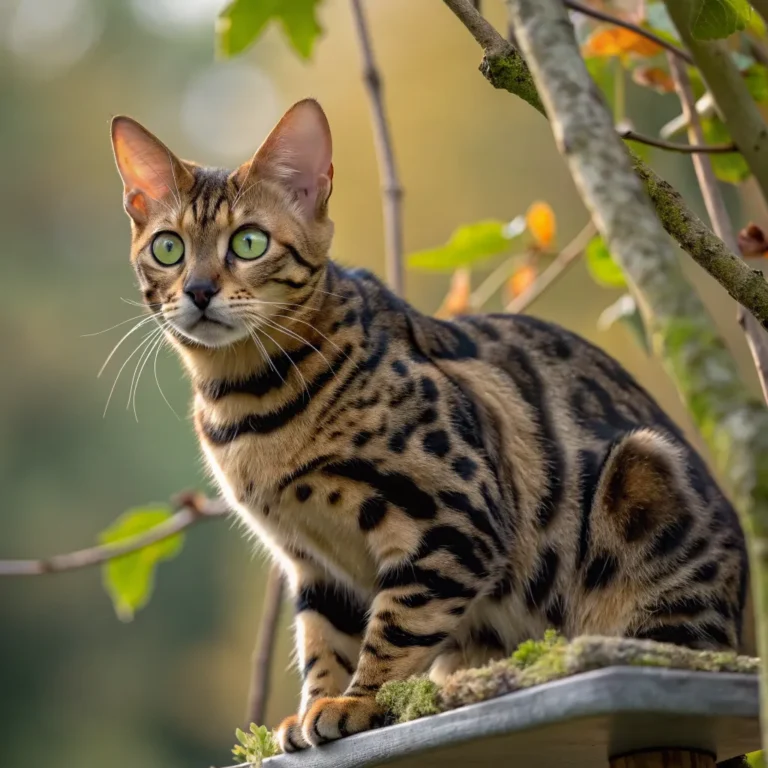
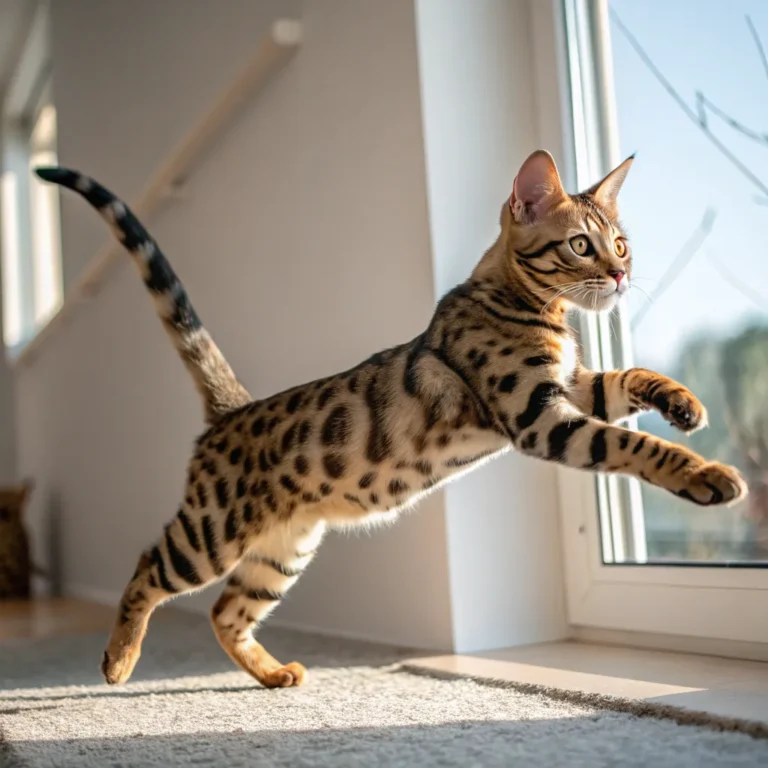
Bengal Cats, with their leopard-like spots and sleek bodies, are a hybrid breed descended from domestic cats and the Asian Leopard Cat. Their Bengal Cat Debut in your home means welcoming a high-energy, curious, and social feline. These cats love to climb, explore, and play, making them a lively addition to any household.
Personality and Behavior
Bengals are known for their dog-like loyalty and intelligence. They often form strong bonds with their owners and enjoy interactive play. However, their high energy can lead to mischief if not properly channeled.
Physical Characteristics
Their shimmering coats, often adorned with rosettes or marbled patterns, make Bengals stand out. They’re medium to large in size, with muscular bodies built for agility.
Common Challenges in a Bengal Cat’s Debut
Bringing a Bengal Cat home can come with challenges, especially during their adjustment period. Recognizing potential stressors helps ensure a smooth transition.
Environmental Adjustments
New surroundings can overwhelm a Bengal. Sudden changes in the home, like rearranged furniture or loud noises, may cause stress.
Social Dynamics
Bengals are social but can be territorial. Introducing them to other pets requires gradual, supervised interactions to avoid tension.
Health Considerations
Stress can sometimes mask underlying health issues. Watch for signs like reduced appetite or lethargy, which may warrant a vet visit.

Creating an Enriching Environment for Your Bengal Cat
To make your Bengal Cat’s Debut a success, set up a home that caters to their active nature.
Safe Exploration Spaces
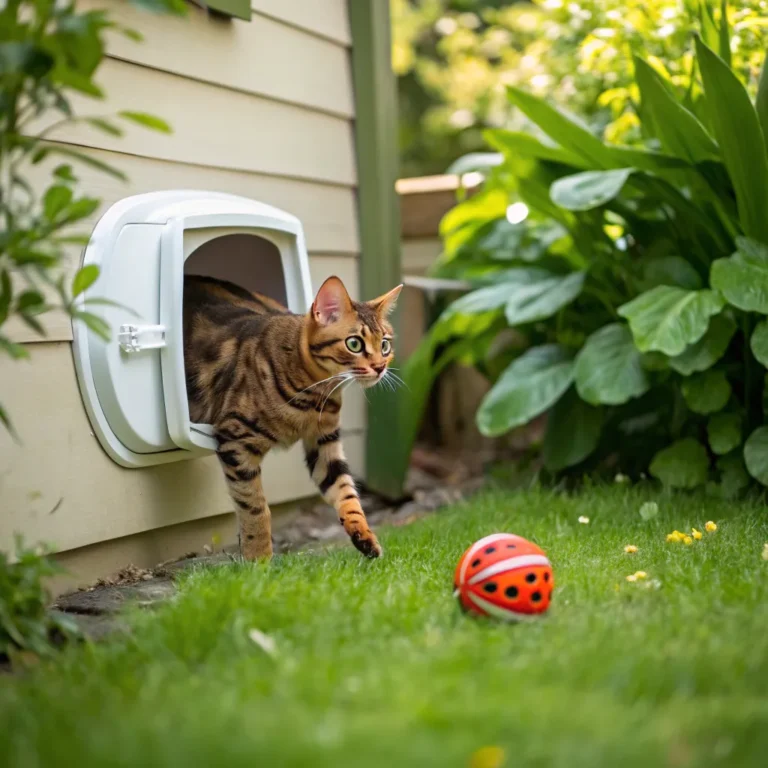
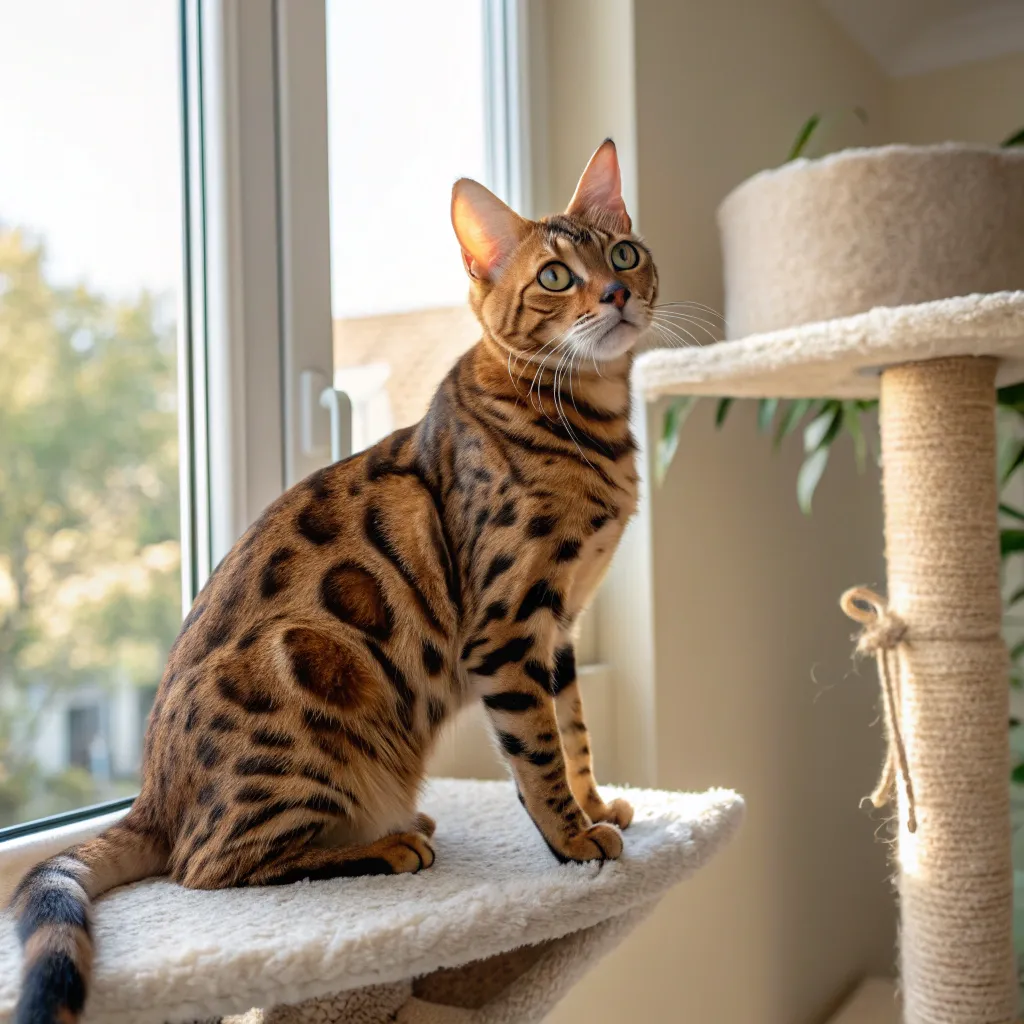
Provide cat trees, shelves, or perches for climbing. Bengals love vertical spaces, which mimic their wild instincts.
Interactive Toys
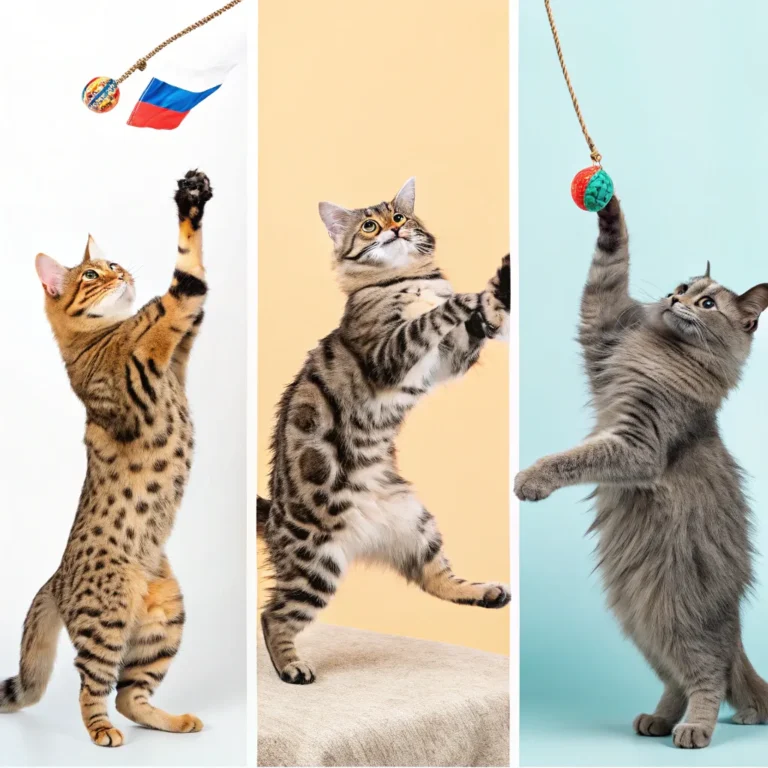
Puzzle feeders, feather wands, and laser pointers keep Bengals mentally and physically engaged, reducing boredom-related stress.
Calming Solutions for a Stress-Free Bengal Cat Debut
Some Bengals may show signs of anxiety during their transition. Here are effective tools to help them settle in.
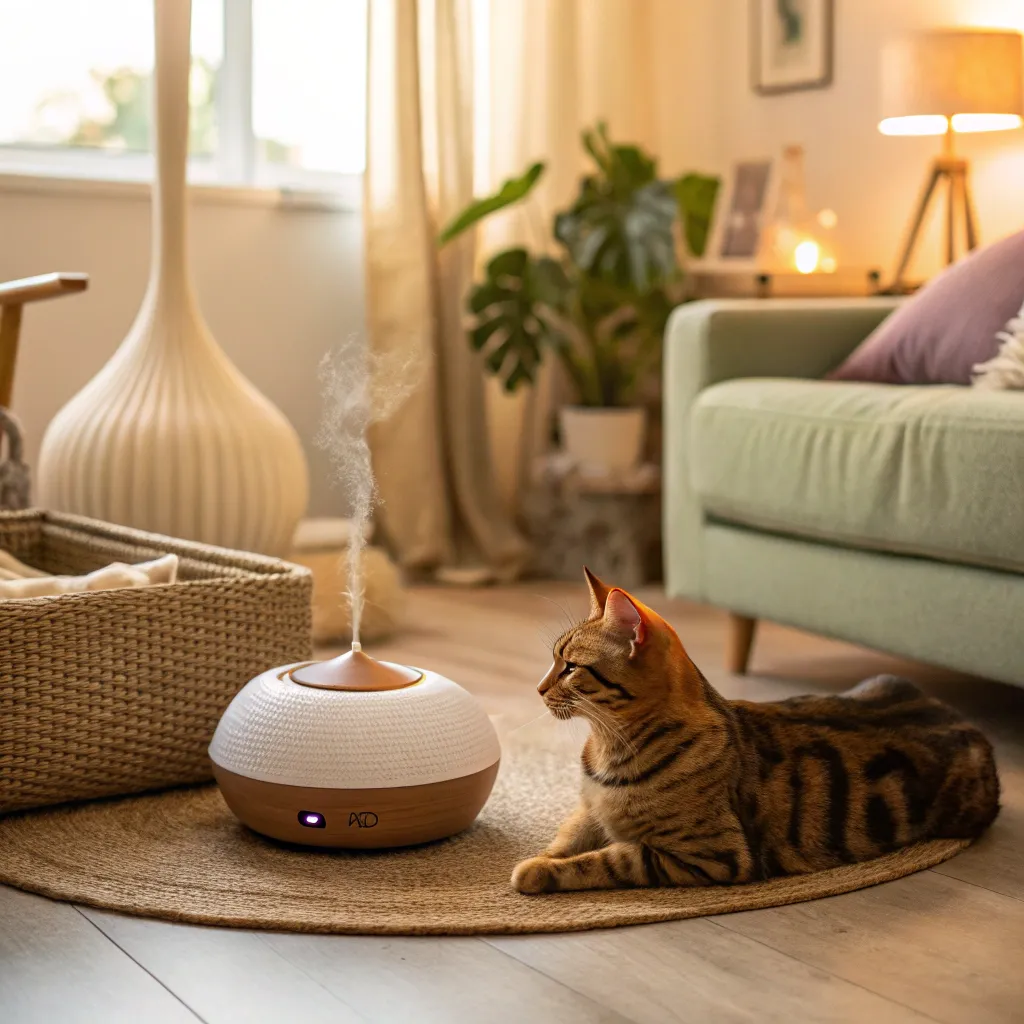
Pheromone Diffusers
Products like Feliway mimic natural cat pheromones, creating a calming atmosphere in your home.
Natural Calming Treats
Treats with ingredients like chamomile or L-theanine can ease mild anxiety without medication.
Behavioral Tips for a Happy Bengal Cat
Training and interaction are crucial for a well-adjusted Bengal Cat.
Positive Reinforcement
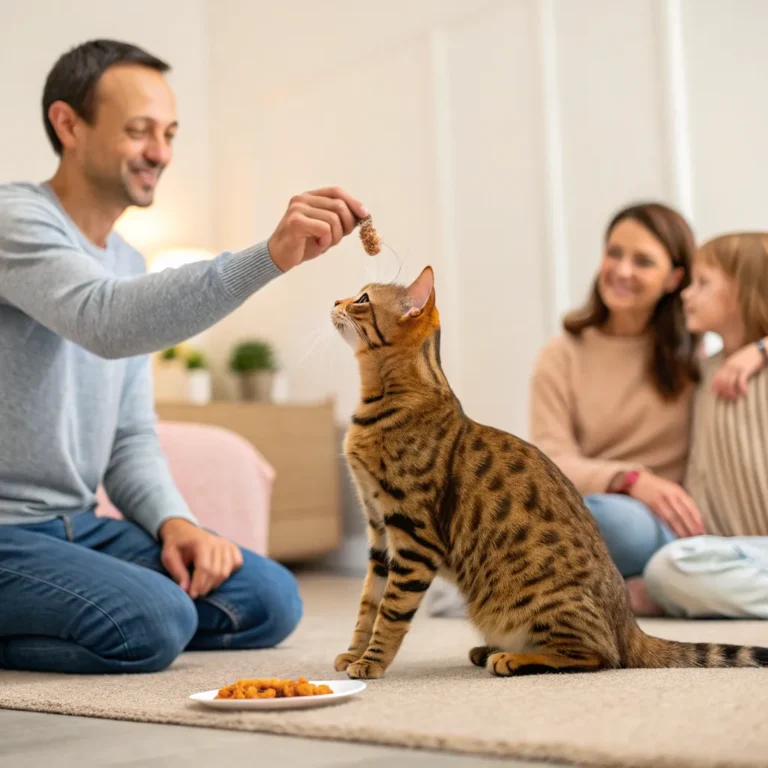
Reward good behavior with treats or praise to encourage habits like using the litter box or scratching posts.
Playtime as Bonding
Daily play sessions strengthen your bond and burn off excess energy, reducing destructive behaviors.
Easing Anxiety When Your Bengal Cat Is Alone
Bengals can feel anxious when left alone, especially during their Cat’s Debut phase.
Background Noise
Leaving a radio or TV on at low volume can provide comforting ambient sound.
Engaging Toys
Interactive toys or treat-dispensing puzzles keep your Bengal occupied while you’re away.
When to Consult a Veterinarian
If your Bengal Cat shows persistent signs of distress, a vet can help.
Ruling Out Medical Issues
Symptoms like excessive grooming or hiding could indicate health problems rather than anxiety.
Professional Guidance
Vets may recommend behaviorists or, in severe cases, medication to manage anxiety.
Building a Routine for Your Bengal Cat
Consistency is key to minimizing stress for your Bengal Cat.
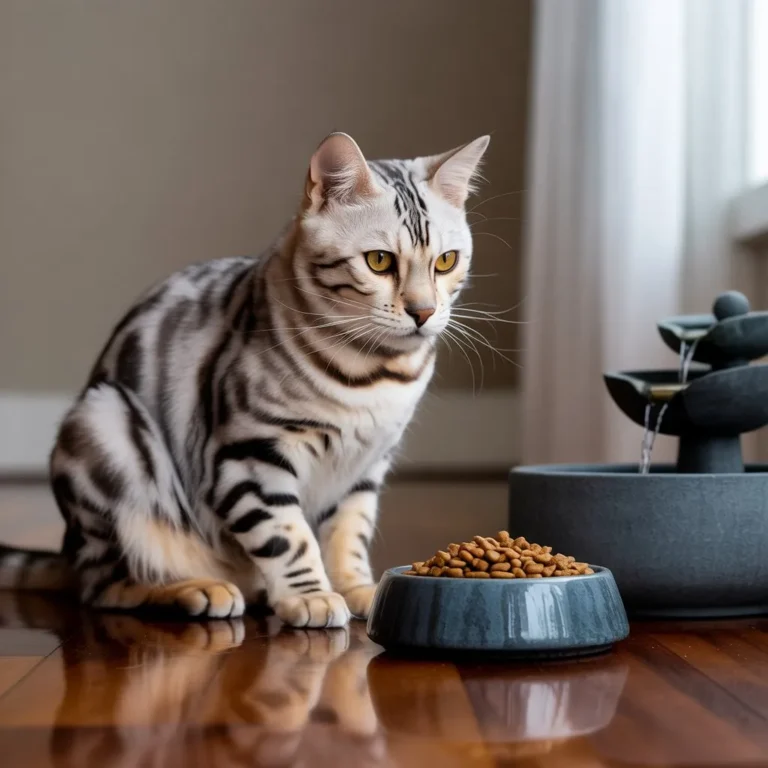
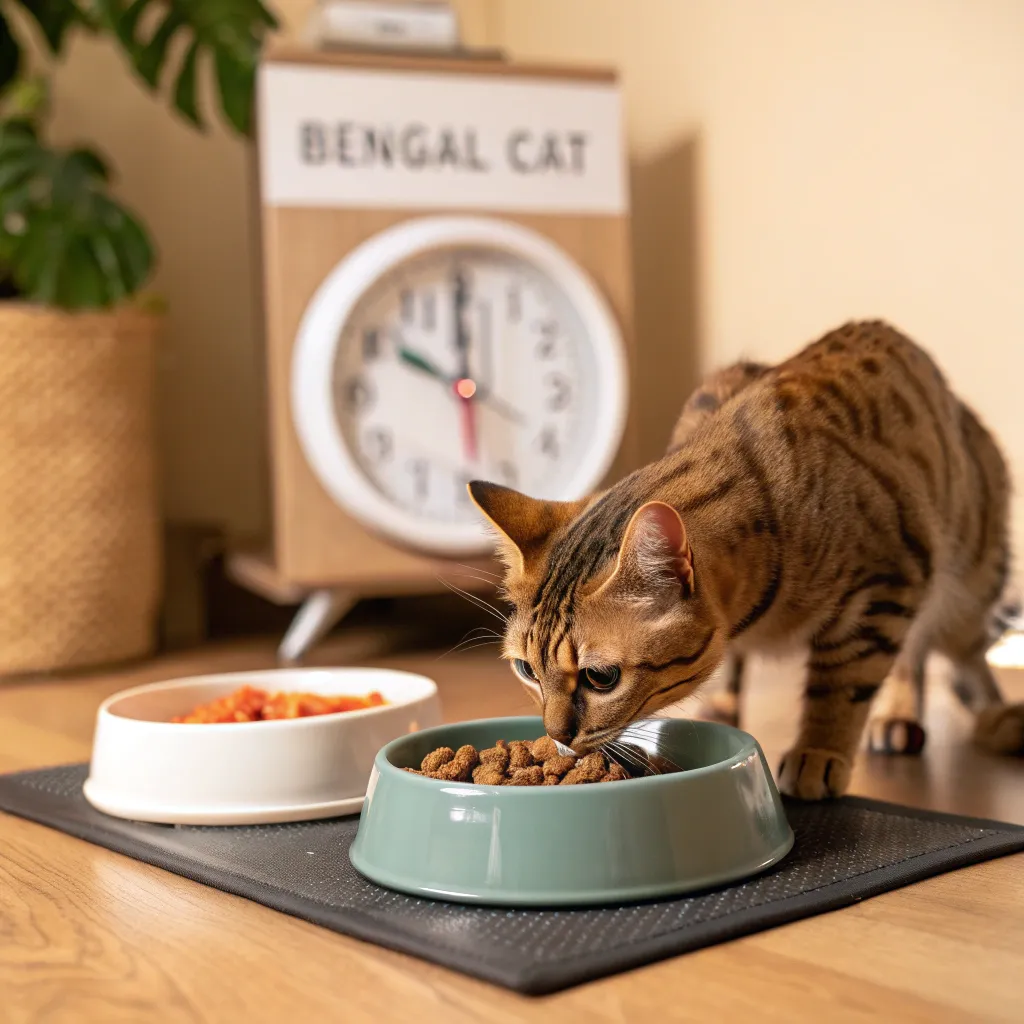
Regular Feeding Schedule
Feed your Bengal at the same times daily to create predictability.
Dedicated Playtime
Schedule daily interactive sessions to keep your Bengal mentally stimulated and emotionally secure.
Handling Severe Anxiety in Bengal Cats
For Bengals with intense anxiety, extra steps may be needed.
Gradual Desensitization
Slowly introduce stressors (like new people) in controlled settings to build confidence.
Professional Support
A feline behaviorist can design a tailored plan for severe cases.
Low-Key Arrivals and Departures
Avoid making a big deal when leaving or returning home to prevent reinforcing anxiety.
Calm Goodbyes
Keep departures brief and unemotional to signal that leaving is normal.
Relaxed Returns
Greet your Bengal calmly to maintain a stress-free environment.
Conclusion
Your Bengal Cat’s Debut is an exciting milestone. By understanding their needs, creating a stimulating environment, and addressing anxiety early, you’ll set the stage for a thriving relationship. With patience and care, your Bengal will shine as the vibrant, loving companion they’re meant to be.
FAQ
How do I know if my Bengal Cat is stressed?
Look for signs like hiding, excessive grooming, or changes in appetite.
What causes anxiety in Bengal Cats?
Common triggers include new environments, other pets, or lack of stimulation.
How can I make my home engaging for a Bengal Cat?
Provide climbing structures, interactive toys, and safe spaces for exploration.
What calming products work for Bengal Cats?
Pheromone diffusers and natural treats can help soothe mild anxiety.
How can I help my Bengal Cat when they’re alone?
Use background noise and engaging toys to keep them occupied.
When should I see a vet about my Bengal Cat’s anxiety?
Consult a vet if anxiety persists or is accompanied by physical symptoms.
How does a routine help my Bengal Cat?
Consistent feeding and playtimes create a predictable, stress-free environment.
What if my Bengal Cat has severe anxiety?
Consider desensitization techniques or consult a feline behaviorist.
Why avoid emotional goodbyes with my Bengal Cat?
Overly emotional departures can heighten anxiety, making separations harder.