Are Bengal Cats Hypoallergenic? A Deep Dive into This Unique Breed
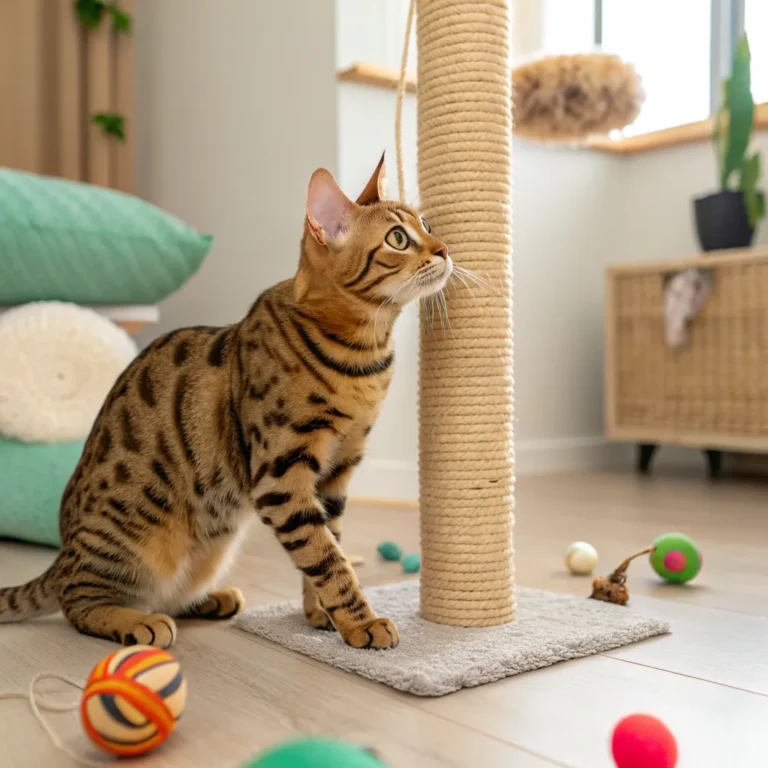
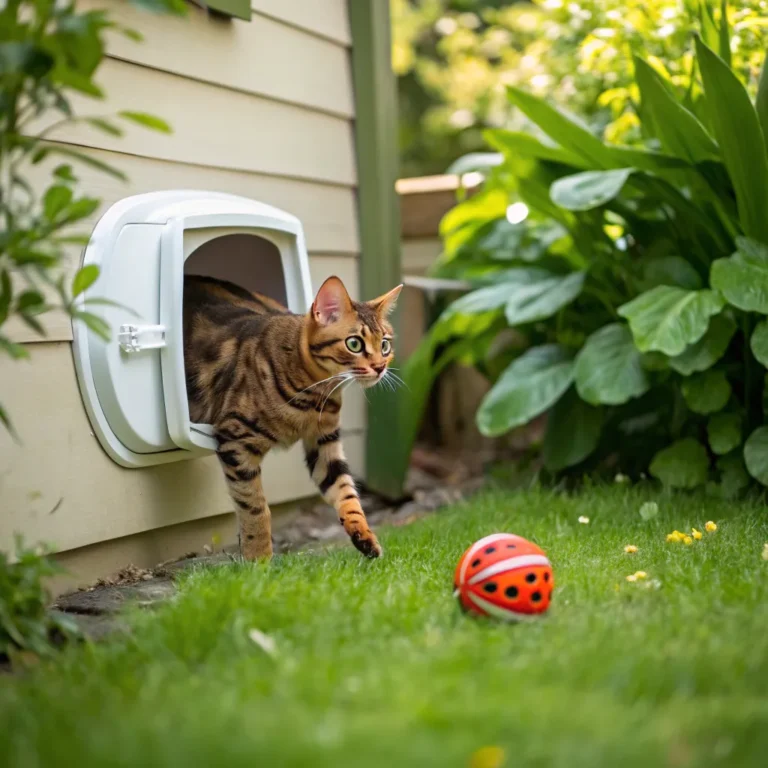
Bengal cats, with their striking spotted coats and playful personalities, are a favorite among cat lovers. But for those with allergies, one question looms large: Are Bengal cats hypoallergenic? This article explores whether Bengal cats are a good fit for allergy sufferers, diving into their characteristics, grooming needs, and how they compare to other low-allergen cat breeds. Let’s uncover the truth about Bengal cat allergies and what you need to know before bringing one home.
Key Takeaways
- Bengal cats are not fully hypoallergenic but produce fewer allergens than many breeds.
- Regular grooming and a clean home environment can reduce cat allergy symptoms.
- Understanding cat dander and allergies is key to managing reactions.
- Bengal cats may be a good choice for some allergy sufferers with proper care.
What Are Cat Allergies and Why Do They Happen?
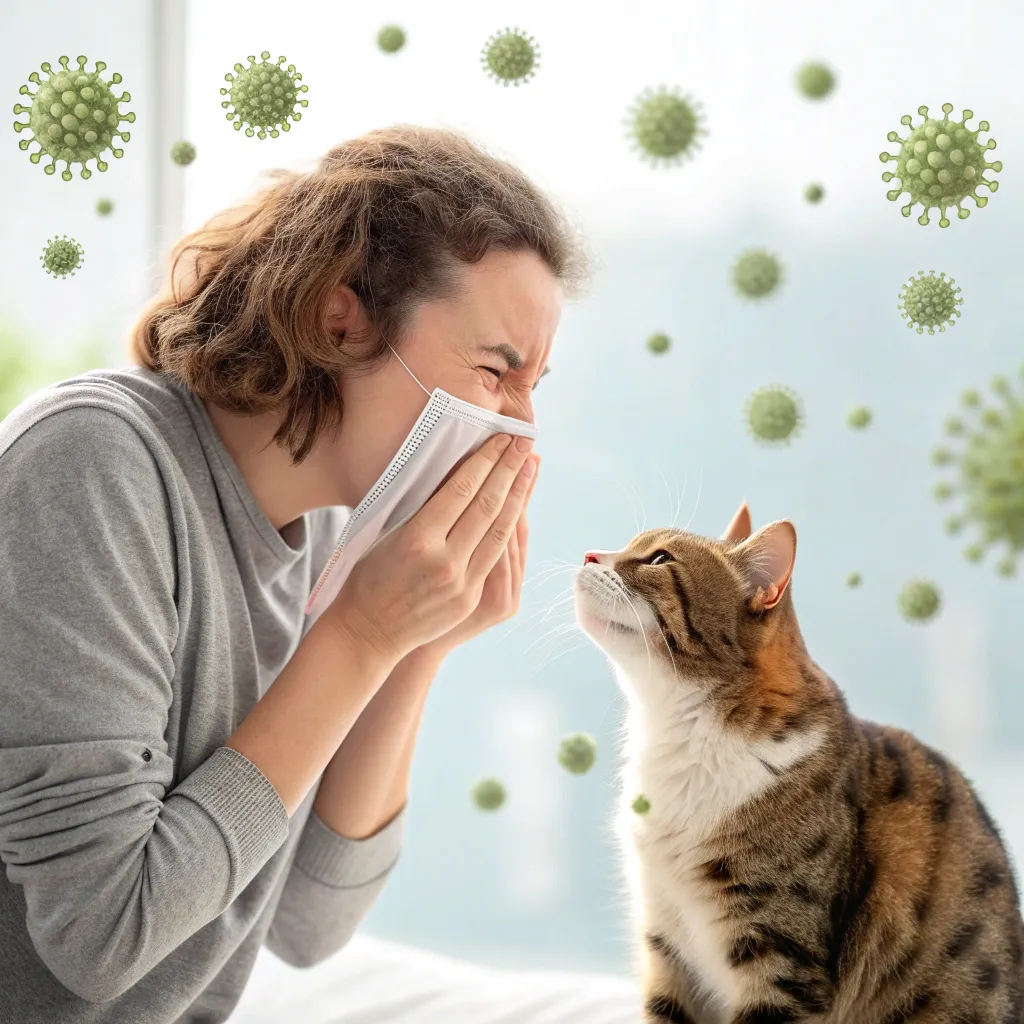
Cat allergies affect millions of people, often triggered by a protein called Fel d 1, found in cat saliva, skin, and urine. When cats groom themselves, this protein spreads to their fur and dander, becoming airborne and causing reactions. Common cat allergy symptoms include sneezing, itchy eyes, runny nose, skin rashes, or even asthma flare-ups in severe cases.
Not everyone reacts the same way. Some people may only experience mild symptoms, while others face more intense reactions. The idea of hypoallergenic cat breeds comes from breeds that produce less Fel d 1 or shed less dander, potentially causing fewer issues for allergy sufferers.
What Does “Hypoallergenic” Really Mean for Cats?
The term “hypoallergenic” means “less likely to cause an allergic reaction.” No cat is completely allergen-free, but some breeds, including Bengals, are considered low-allergen cats because they produce less Fel d 1 or shed less. However, this doesn’t guarantee you won’t have a reaction. Misconceptions often lead people to believe hypoallergenic cats eliminate all allergy risks, but the reality is more nuanced—individual reactions vary based on sensitivity and exposure.
Are Bengal Cats Hypoallergenic?
So, are Bengal cats hypoallergenic? The answer isn’t a simple yes or no. Bengal cats are often considered hypoallergenic because they tend to produce less Fel d 1 protein compared to other breeds. Their short, sleek coats also mean less shedding and dander, which can reduce allergens in your home. However, they’re not entirely free of allergens, and some people may still experience cat allergy symptoms.
Why Bengal Cats Stand Out
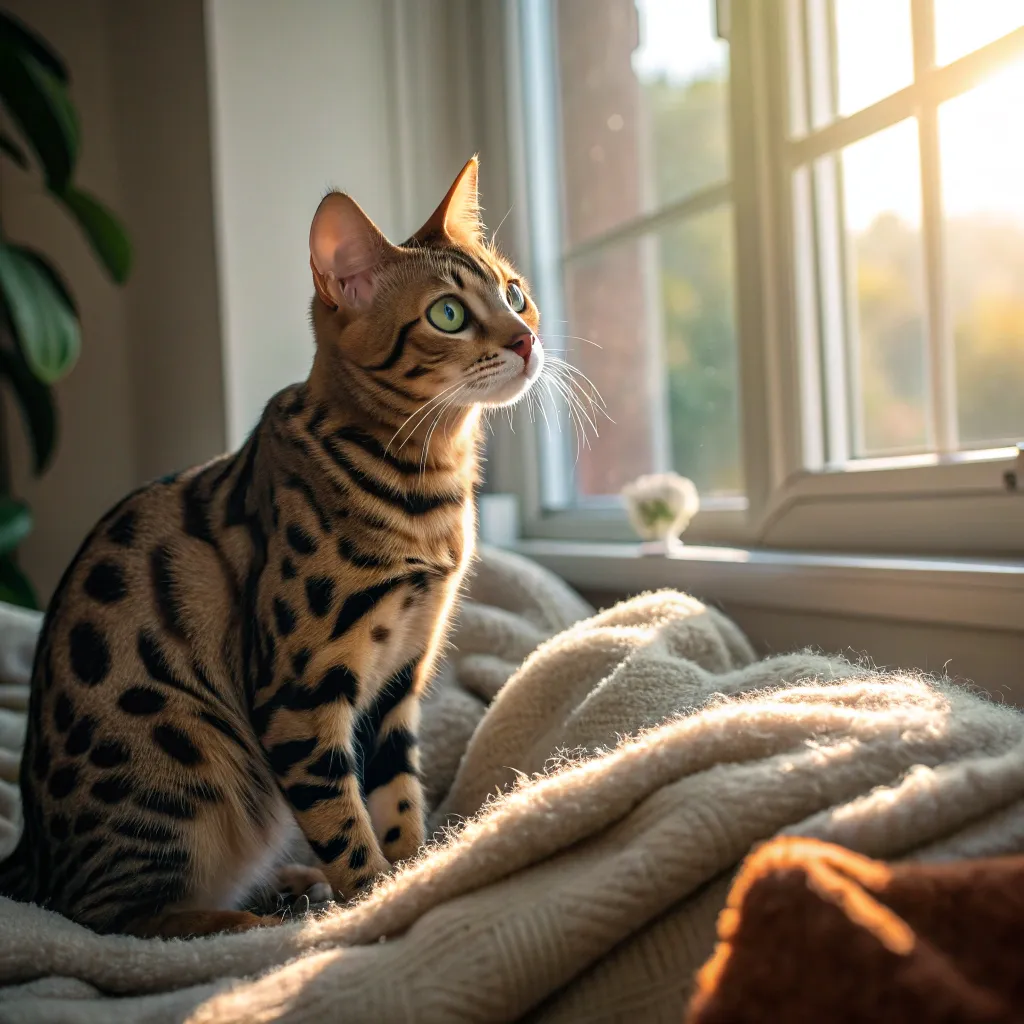
Bengal cats have unique traits that make them appealing for allergy sufferers. Their coats are short, dense, and silky, requiring less grooming than long-haired breeds. They also have a lower shedding rate, which means less dander floating around. Additionally, their active and playful nature keeps them healthy, potentially reducing skin issues that could increase allergen production.
The Role of Fel d 1 in Bengal Cat Allergies
The Fel d 1 protein is the primary culprit behind cat allergies. While all cats produce this protein, Bengals may produce slightly less, though studies are limited. Their grooming habits—licking their fur less frequently than some breeds—can also mean less Fel d 1 spread to their coat, making them a better option for those seeking low-allergen cats.
Shedding and Dander in Bengal Cats
Bengal cats shed minimally compared to other breeds, which helps keep dander levels low. Their unique coat doesn’t trap as much dander, and regular Bengal cat grooming can further reduce allergens. This makes them a strong candidate for the best cats for allergy sufferers, though results vary by individual.
How Bengal Cats Compare to Other Hypoallergenic Breeds
When looking at hypoallergenic cat breeds, Bengals often get compared to breeds like Siberians and Russian Blues. Here’s how they stack up:
Bengal Cats vs. Siberian Cats
Siberian cats are often touted as one of the most hypoallergenic breeds due to their low Fel d 1 production. While Bengals may not match Siberians in this regard, their minimal shedding and sleek coats make them competitive for allergy sufferers.
Bengal Cats vs. Russian Blue Cats
Russian Blues have short, dense coats and produce less dander, similar to Bengals. Both breeds are good options for those with mild allergies, but Bengals may edge out slightly due to their lower grooming needs.
Other Low-Allergen Cat Breeds
Other breeds like the Balinese, Oriental Shorthair, and Sphynx are also considered hypoallergenic. The Sphynx, being hairless, produces minimal dander but requires more intensive Bengal cat care to keep their skin healthy. Each breed has unique traits, so testing your reaction before adopting is key.
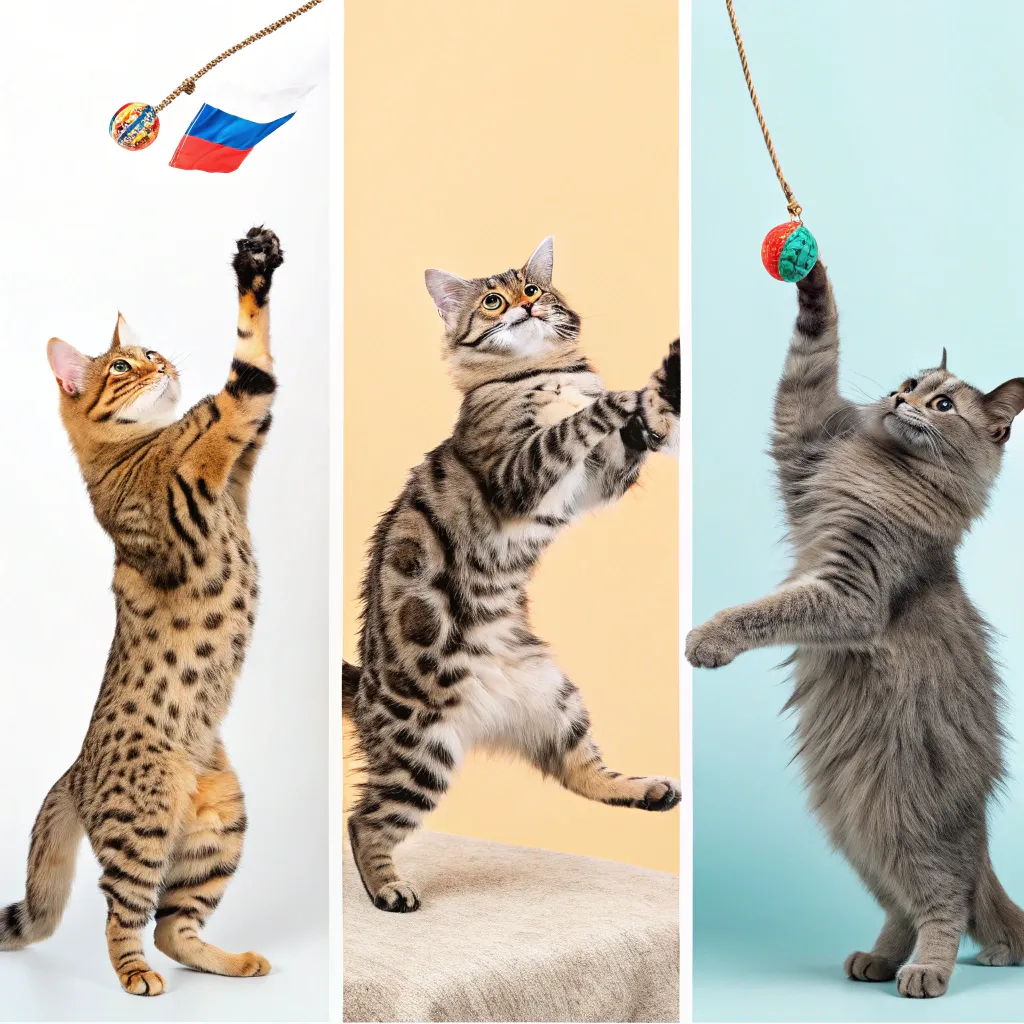
Signs You Might Be Allergic to a Bengal Cat
Wondering if a Bengal cat might trigger your allergies? Look out for these common cat allergy symptoms:
- Sneezing or nasal congestion
- Itchy, watery eyes
- Skin redness or hives
- Coughing or wheezing
- Asthma symptoms in severe cases
Before adopting, spend time with a Bengal cat to see how you react. Visiting a breeder or a friend with a Bengal can help you gauge your sensitivity. Allergy testing with a doctor can also pinpoint if cats, specifically, are your trigger.
Living with a Bengal Cat if You Have Allergies
If you love Bengals but have allergies, don’t despair. With the right strategies, you can minimize cat dander and allergies and enjoy your feline friend.
Personal Habits to Reduce Allergies
Wash your hands and face after petting your Bengal. Avoid touching your eyes or face during playtime. Changing clothes after close contact can also limit allergen exposure.
Creating an Allergy-Friendly Home
Keep your home clean to reduce allergens:
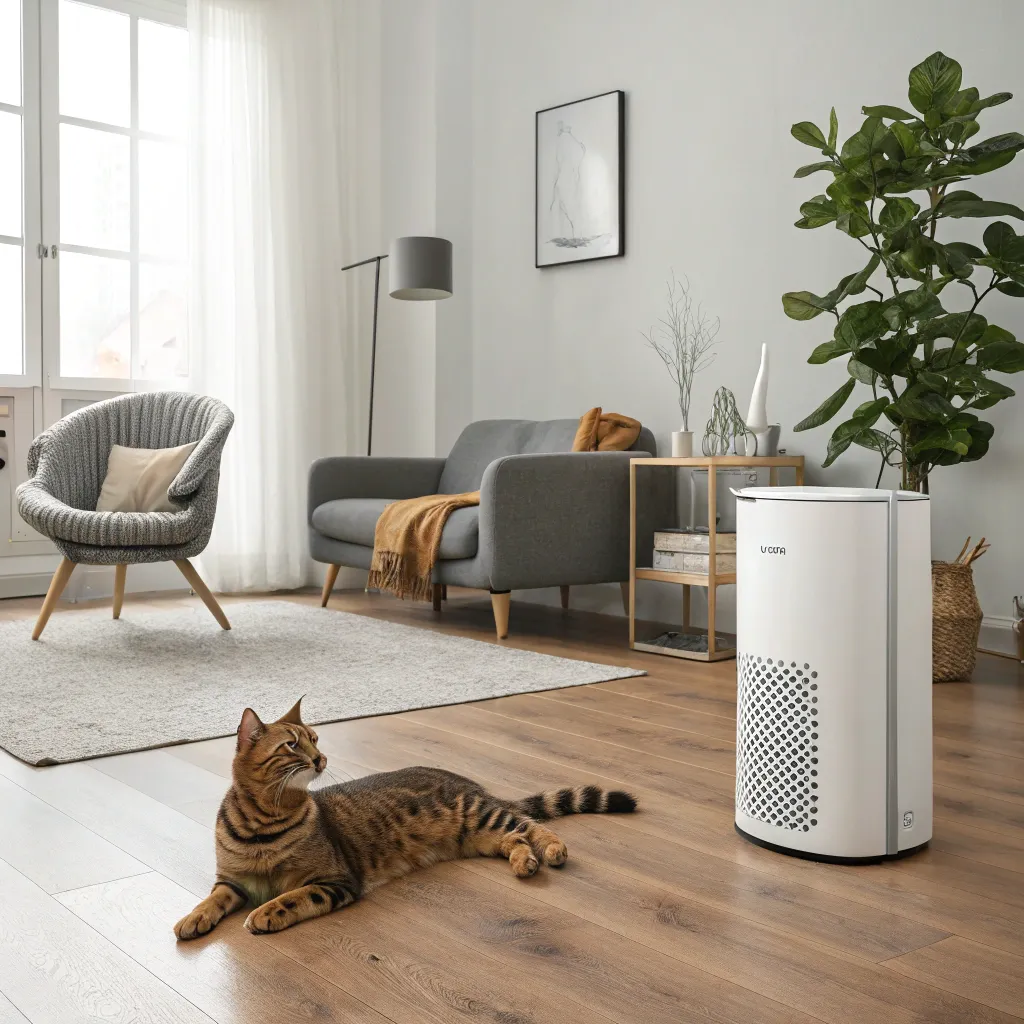
- Use HEPA air purifiers to trap dander.
- Vacuum regularly with a HEPA-filter vacuum.
- Wash bedding and curtains frequently.
- Limit carpeting, as it traps dander.
Bengal Cat Care to Minimize Allergens
Proper Bengal cat care can significantly reduce allergens. Feed your cat a high-quality diet to promote healthy skin and coat, which can lower dander production. Regular vet checkups ensure your cat stays in top health, further reducing allergen risks.
Bengal Cat Grooming Tips for Allergy Sufferers
Grooming is a game-changer for managing Bengal cat allergies. Here’s how to do it right:
Regular Brushing
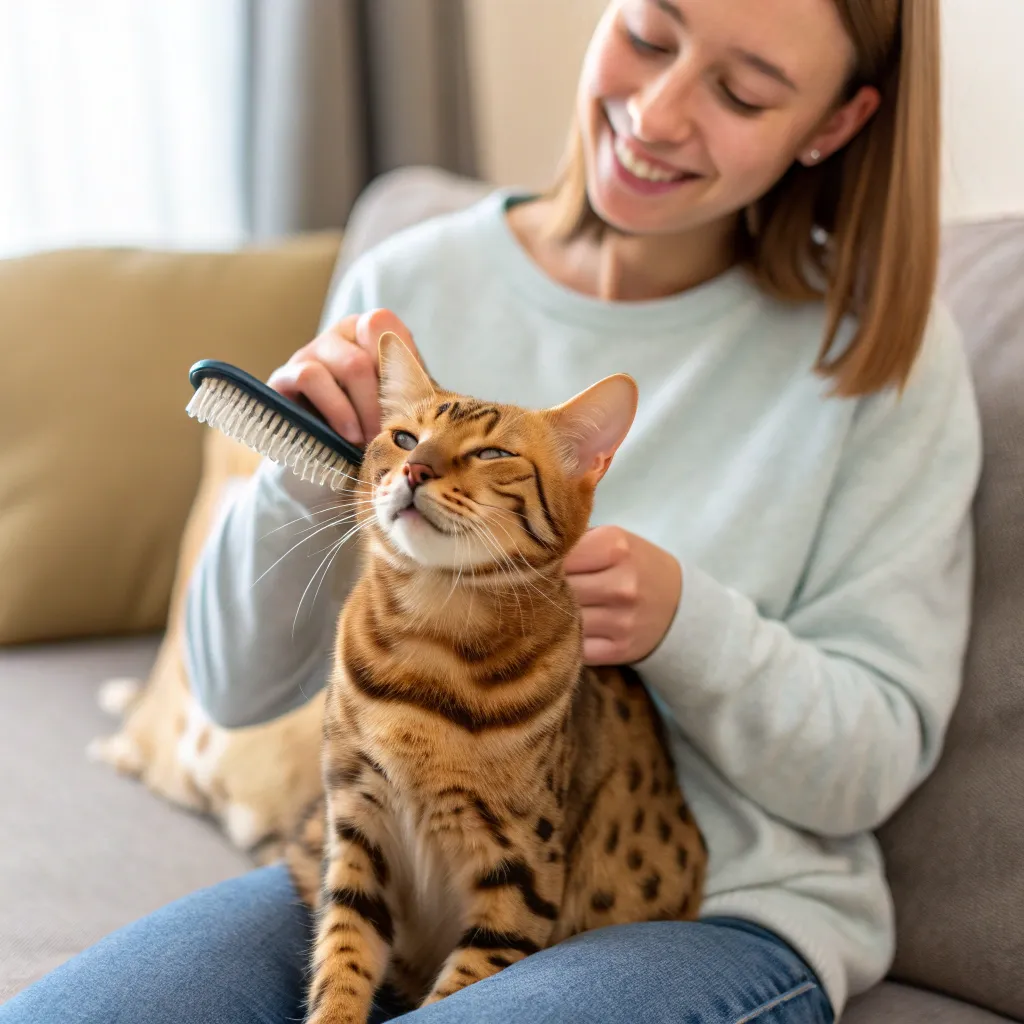
Brush your Bengal weekly with a soft-bristled brush to remove loose fur and dander. This not only keeps their coat shiny but also reduces allergens in your home.
Bathing Your Bengal Cat
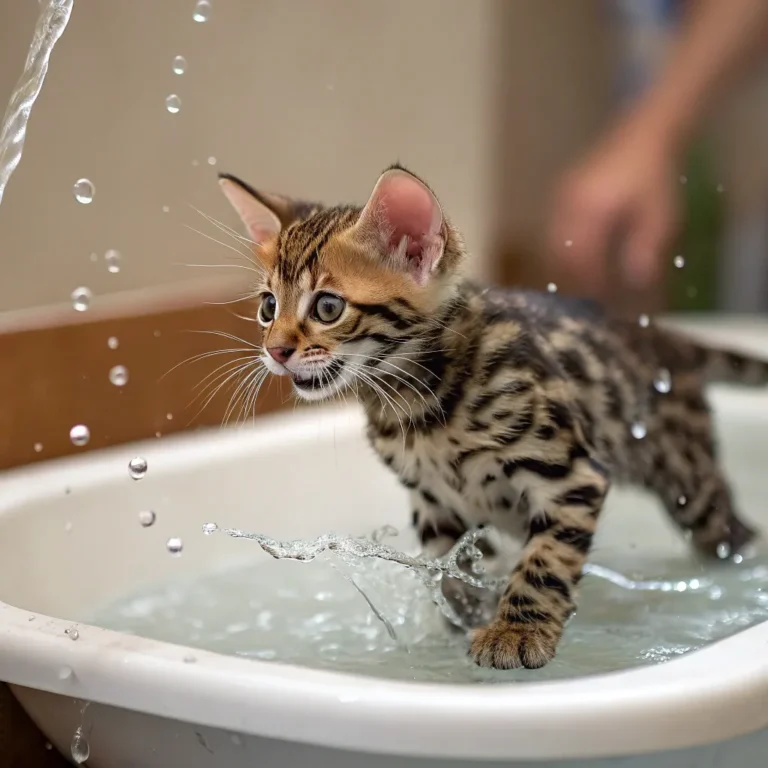
Bathe your Bengal every 4–6 weeks using a cat-safe shampoo. This removes excess dander and Fel d 1 from their coat. Be gentle, as Bengals can be sensitive to water.
Nutrition for a Healthy Coat
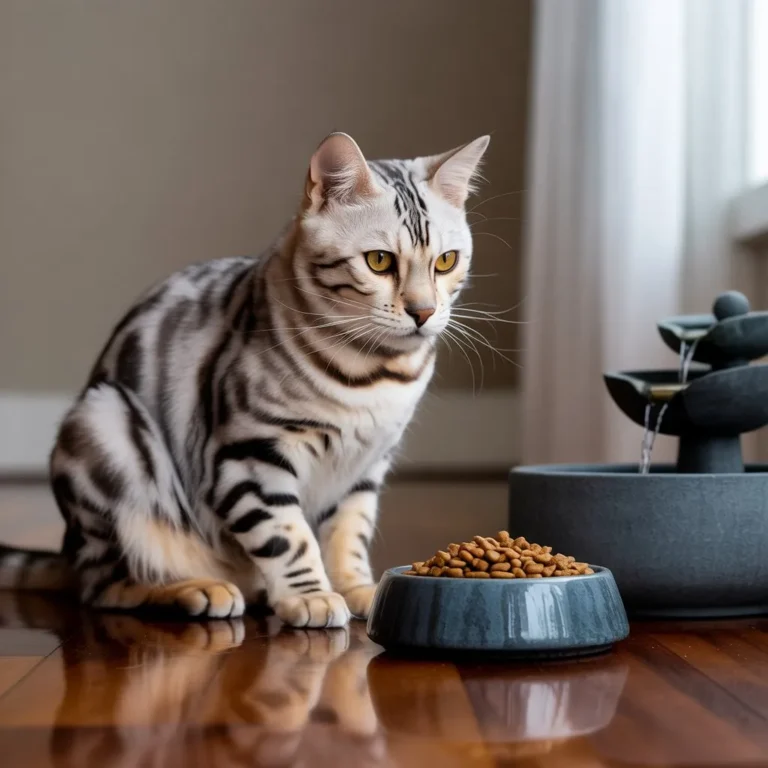
A diet rich in omega-3 fatty acids supports skin health, reducing flaking and dander. Look for high-quality cat food formulated for skin and coat health.
Choosing the Best Litter for Allergy Sufferers
Litter choice matters for allergy sufferers. Opt for low-dust or dust-free litters, like crystal or pine-based options, to minimize airborne particles. Self-cleaning litter boxes can also reduce your exposure to dander and dust, keeping your home cleaner.
Frequently Asked Questions
Are Bengal cats hypoallergenic?
Bengal cats are considered low-allergen cats due to lower Fel d 1 production and minimal shedding, but they’re not completely hypoallergenic.
What causes cat allergies?
Cat allergies are primarily caused by the Fel d 1 protein in cat saliva, skin, and urine, which spreads to dander and fur.
What are common cat allergy symptoms?
Symptoms include sneezing, itchy eyes, runny nose, skin rashes, and asthma in severe cases.
Are hypoallergenic cats allergen-free?
No cat is completely allergen-free, but hypoallergenic breeds like Bengals produce fewer allergens.
Why are Bengal cats considered hypoallergenic?
Their short coats, minimal shedding, and potentially lower Fel d 1 production make them a good choice for some allergy sufferers.
How do Bengal cats compare to Siberian cats?
Siberians may produce less Fel d 1, but Bengals shed less, making them comparable for allergy sufferers.
What signs show I’m allergic to my Bengal cat?
Look for sneezing, itchy eyes, or skin reactions after spending time with your cat.
How can I live with a Bengal cat if I have allergies?
Regular grooming, a clean home, and personal hygiene habits like hand-washing can help manage allergies.
Why is brushing important for reducing allergens?
Brushing removes loose fur and dander, reducing allergens in your home.
What litter is best for allergy sufferers?
Low-dust litters like crystal or pine, and self-cleaning litter boxes, minimize allergen exposure.
Wrapping Up
Bengal cats aren’t fully hypoallergenic, but their low-shedding coats and potentially lower Fel d 1 production make them one of the best cats for allergy sufferers. With proper Bengal cat grooming, a clean home, and smart habits, many people with mild allergies can enjoy life with a Bengal. Always test your reaction before adopting, and consult an allergist if needed. Ready to welcome a Bengal into your home? With the right care, these stunning cats can be a purr-fect fit!