Train Your Bengal Cat to Master the Cat Door with Ease!
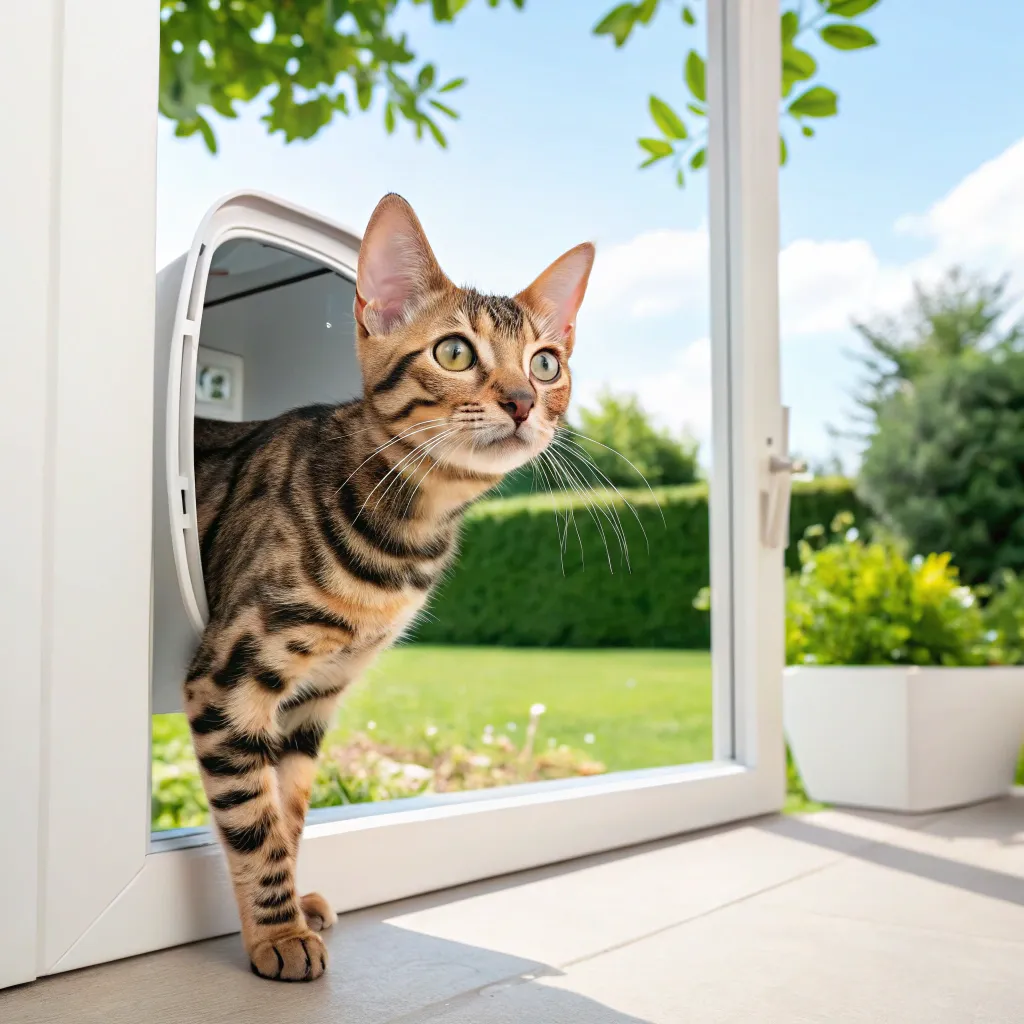
Bengal cats are known for their striking looks and vibrant personalities, making them a joy to train. Their intelligence and curiosity make Bengal cat training, especially for tasks like using a cat door, both fun and rewarding. This guide dives into teaching your Bengal cat to use a cat door, offering easy cat training tips to ensure success. Let’s explore how to harness your Bengal’s unique traits to make them a pro at navigating cat doors!
Why Bengal Cats Excel at Learning New Skills
Bengal cats stand out for their sharp minds and adventurous spirits. Understanding Bengal cat behavior is key to effective training.
Sharp Intelligence and Curiosity
Bengals are quick learners, often picking up new tasks faster than other breeds. Their curiosity drives them to explore, making cat door training a natural fit.
High Energy and Playfulness
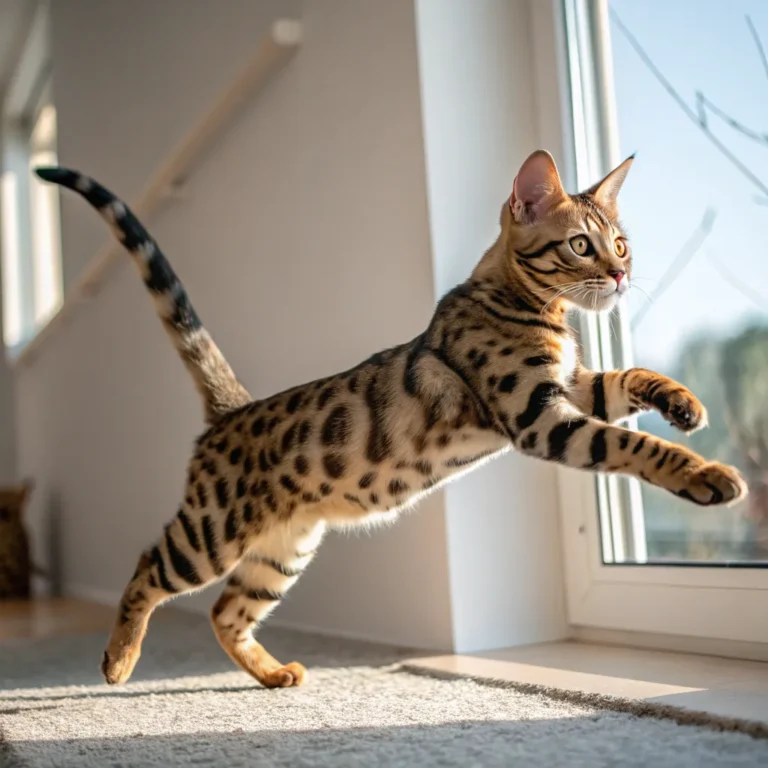
These cats have boundless energy, which you can channel into training sessions. Short, engaging sessions keep them focused and eager to learn.
Hunting Instincts at Play
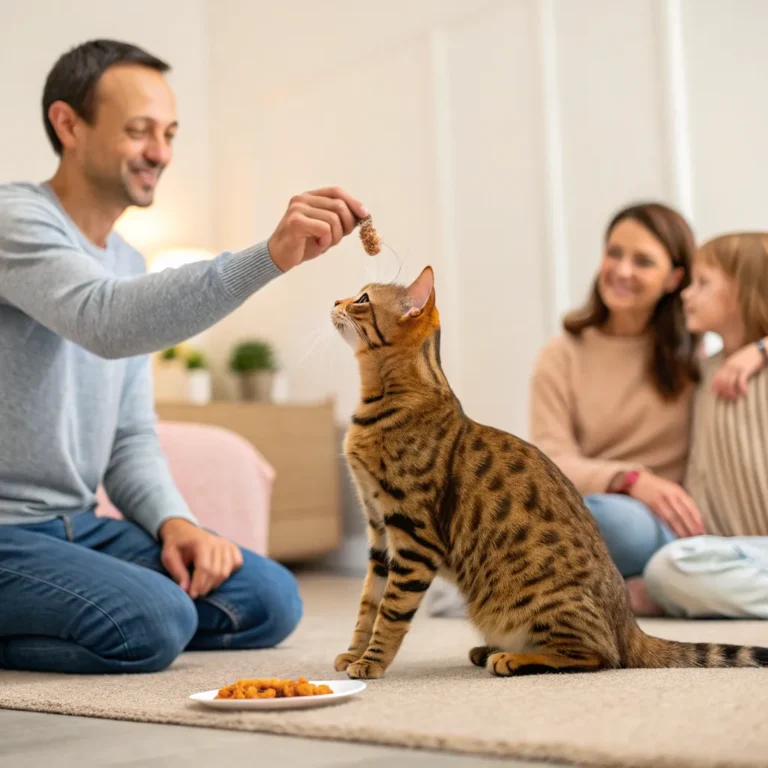
Bengals’ natural hunting instincts make them responsive to rewards like treats or toys, which are perfect for teaching a Bengal cat to use a cat door.
Benefits of Teaching Your Bengal Cat to Use a Cat Door
Training your Bengal to use a cat door offers more than just convenience. It enriches their life and strengthens your bond.
Mental Stimulation for a Happier Cat
Learning new skills keeps your Bengal mentally sharp, reducing boredom and destructive behaviors.
Freedom and Independence
A cat door for Bengal cats gives them the freedom to explore safely, satisfying their need for adventure.
Stronger Connection with Your Pet
Training sessions build trust, making your relationship with your Bengal even more rewarding.
Why Cat Doors Are Perfect for Bengal Cats
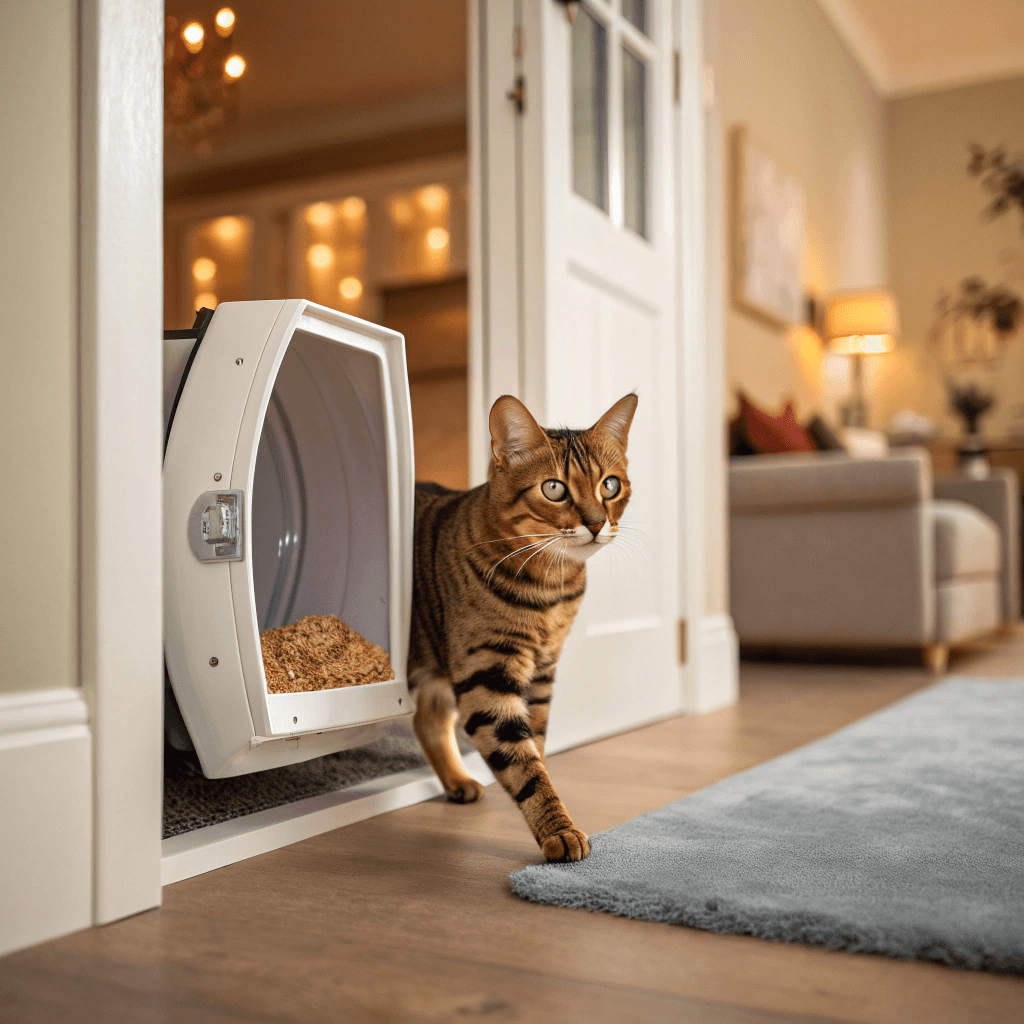
Bengals’ adaptive nature and love for exploration make them ideal candidates for mastering cat doors. Their desire to roam and investigate means they’ll quickly see a cat door as a gateway to fun.
Setting Up for Successful Cat Door Training
Preparation is key to smooth training. Here’s how to create the perfect setup.
Picking the Right Cat Door
Choose a cat door that’s the right size for your Bengal—large enough for comfort but secure. Look for durable, easy-to-use designs that suit both indoor and outdoor use.
Creating a Safe Training Space
Ensure the area around the cat door is quiet and free of distractions. A calm environment helps your Bengal focus on learning.
Tools You’ll Need
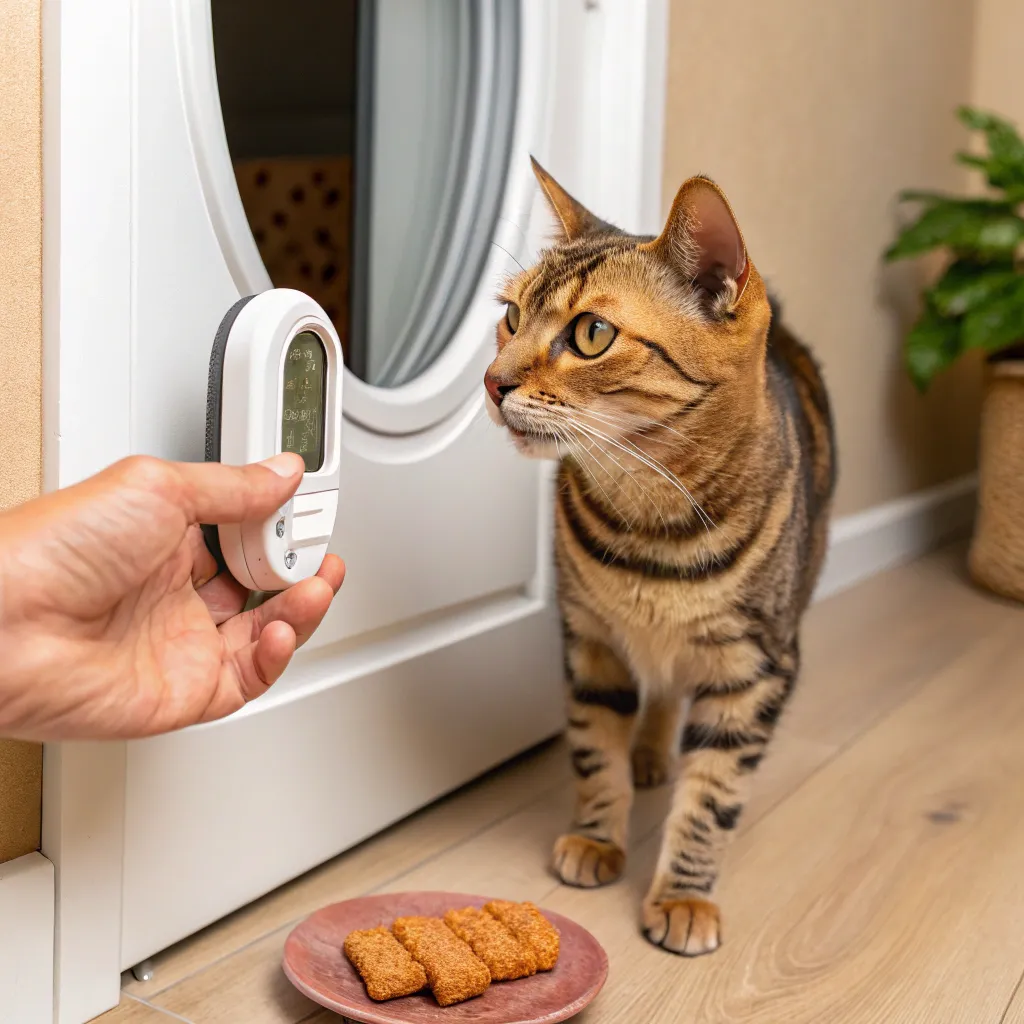
Stock up on high-value treats, a clicker for training, and a favorite toy to motivate your cat. These tools make training cats to use doors more effective.
Step-by-Step Guide to Cat Door Training
Follow these steps to teach your Bengal cat to confidently use a cat door.
Step 1: Introduce the Cat Door
Start by propping the cat door open. Let your Bengal explore it naturally, using treats to encourage sniffing or touching.
Step 2: Encourage Interaction
Gently guide your cat through the open door, rewarding them with treats or praise each time they pass through. Keep sessions short and positive.
Step 3: Build Confidence with the Flap
Gradually lower the flap, encouraging your Bengal to push through. Use treats or a toy on the other side to lure them.
Step 4: Practice Independent Use
Once your cat is comfortable, practice with the flap fully closed. Reward them for going through on their own, reinforcing the behavior.
Using Clicker Training to Boost Results
Clicker training is a powerful tool for Bengal cat training, especially for mastering cat doors.
How Clicker Training Works
A clicker marks the exact moment your cat does something right, followed by a treat. This clear signal helps them learn faster.
Applying Clickers to Cat Door Training
Click when your Bengal touches or passes through the cat door, then reward immediately. This builds a strong association with the action.

Motivating Your Bengal with Rewards
Keep your Bengal engaged with the right incentives.
High-Value Treats
Use small, irresistible treats like freeze-dried chicken or fish. These keep your cat eager to train.
Adding Play to the Mix
Incorporate toys like feather wands to make training feel like a game, tapping into your Bengal’s playful side.
Overcoming Common Training Challenges
Every cat is unique, and some hurdles may arise during cat door training.
Handling Hesitation or Fear
If your Bengal seems nervous, go slow. Prop the door open longer and use extra treats to build confidence.
Solving Refusal to Use the Door
If your cat avoids the door, try placing a favorite toy or treat on the other side. Patience is key to overcoming resistance.
Training for Indoor and Outdoor Access
Whether your Bengal uses the cat door for indoor or outdoor exploration, consistency is crucial.
Preparing for Outdoor Adventures
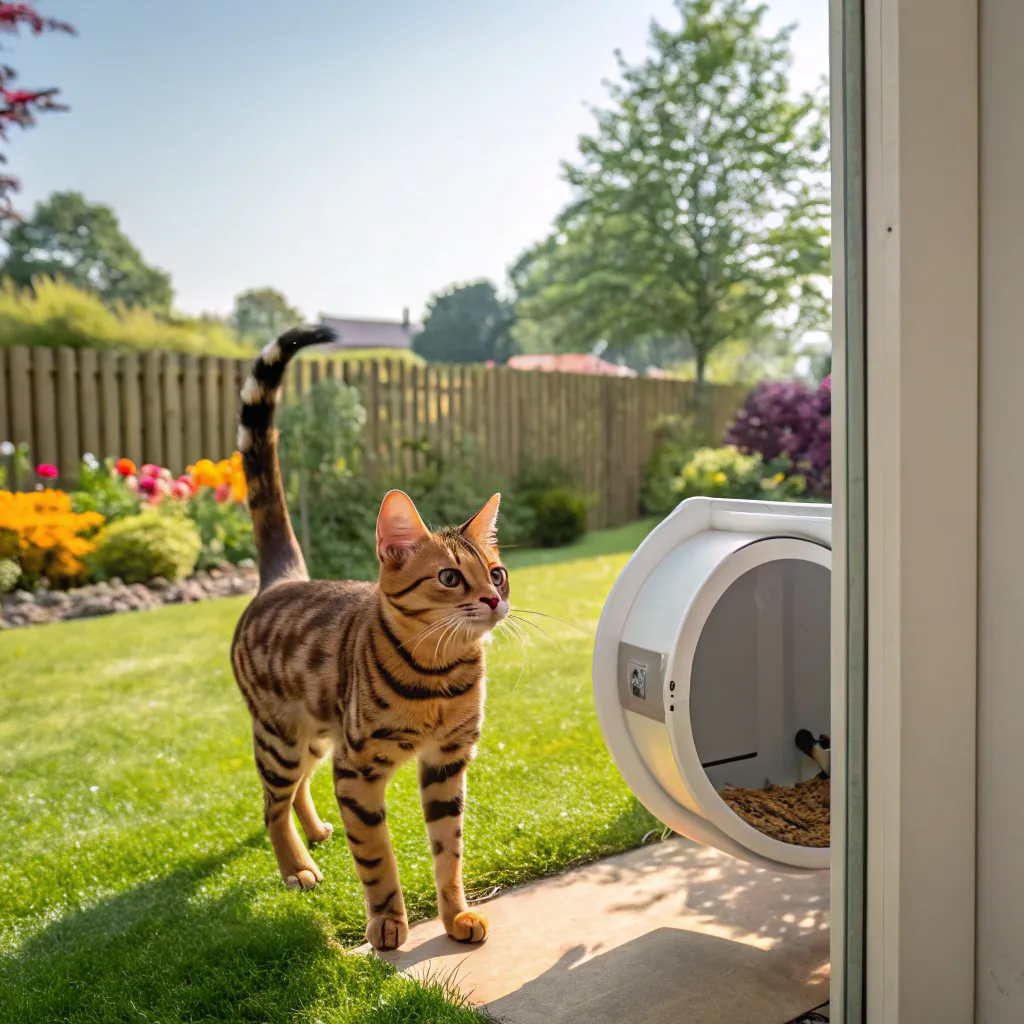
Ensure the outdoor area is safe, with no hazards like busy roads. Supervise initial outdoor trips to build confidence.
Keeping Indoor Use Consistent
Practice using the cat door in both directions indoors to reinforce the habit, ensuring your Bengal is comfortable no matter where they’re headed.
Wrapping Up
Training your Bengal cat to use a cat door is a rewarding journey that taps into their intelligence and curiosity. With easy cat training tips, the right tools, and a bit of patience, your Bengal will be zooming through cat doors in no time. Start today, and watch your cat thrive with their newfound freedom!
Frequently Asked Questions
Why are Bengal cats so good at learning to use cat doors?
Their intelligence and curiosity make them quick to adapt to new tasks like navigating cat doors.
What treats work best for training a Bengal cat?
High-value treats like freeze-dried meat or fish are perfect for keeping your Bengal motivated.
How do I start teaching my Bengal cat to use a cat door?
Begin by propping the door open and using treats to encourage exploration, gradually building confidence.
How can I help my Bengal cat if they’re scared of the cat door?
Go slow, keep the door propped open, and use plenty of rewards to make the experience positive.
How does clicker training help with cat door training?
Clicker training reinforces the exact moment your cat interacts with the door, speeding up learning.
What makes a good training environment for a Bengal cat?
A quiet, distraction-free space with a secure cat door and plenty of rewards sets the stage for success.