Why Is My Cat Sticking His Tongue Out and Breathing? Decoding Cat Tongue-Out Breathing and What It Means
Imagine this: you’re lounging on the couch, glancing at your cat, and there it is—that adorable, slightly goofy sight of your feline friend with their tongue peeking out, breathing in a way that’s just… odd. Maybe it’s a quick pant, a quirky “blep,” or something that feels off, like heavy breathing with their mouth open. As a cat parent who’s spent years decoding feline quirks (and cleaning up the occasional laundry basket mishap—check out our stop cat peeing in laundry basket guide), I know this moment sparks a mix of amusement and concern. Is it a harmless cat tongue out behavior, or a red flag for cat breathing problems?
You’re not alone in wondering why is my cat sticking his tongue out and breathing like that. Up to 15% of cats exhibit quirky behaviors like blepping or panting at some point, often tied to instincts, relaxation, or health issues. This comprehensive guide dives deep into the reasons behind cat tongue-out breathing, from the playful Flehmen response in cats to serious cat respiratory distress. We’ll explore why cats blep, how to spot cat breathing problems, and when to rush to the vet. Plus, you’ll get actionable, vet-backed tips to keep your kitty purring happily.
By the end, you’ll understand cat sticking tongue out meaning, know how to differentiate normal feline breathing patterns from trouble, and have a step-by-step plan to address any concerns. Whether it’s your sassy Siamese (see our Siamese cat behavior guide) or a majestic Maine Coon, let’s unravel this feline mystery together.
Key Takeaways for Cat Tongue-Out Breathing
- Normal Causes: Cat blep meaning often ties to relaxation, grooming, or the Flehmen response cats use to sniff pheromones.
- Health Concerns: Cat panting with tongue out can signal cat respiratory distress, dental issues, or overheating—vet checks are key.
- Breeds Matter: Flat-faced breeds like Persians (explore our Persian cat breed guide) are prone to breathing issues.
- Action Steps: Monitor symptoms, improve environment, and use our vet visit checklist from finding the best vet for your cat.
- When to Act: Persistent cat open-mouth breathing or distress signs (e.g., wheezing) need immediate veterinary attention.
Let’s dive into the why behind your cat’s tongue-out antics and how to keep them healthy.
Why Do Cats Stick Their Tongues Out? Unpacking the Quirky Cat Blep
Cats sticking their tongues out is often a charming quirk, dubbed the “blep” in viral cat blep trend videos on TikTok. But what’s behind this cat tongue out behavior? From my experience fostering Bengals and Munchkins (check our Munchkin cat care tips), it’s usually a mix of instinct, comfort, or a subtle health signal. Here’s the breakdown:
The Flehmen Response: Sniffing the World with a Funny Face
Ever notice your cat grimacing with their tongue slightly out, lips curled, after sniffing something odd? That’s the Flehmen response in cats, a natural behavior where they trap scents in their vomeronasal organ (a special scent detector in the roof of their mouth). It’s common when they encounter strong smells, like another cat’s marking or a new object.
- Why It Happens: Cats use this to analyze pheromones, especially unneutered males or curious Bengals (see our Bengal cat personality guide).
- What It Looks Like: Tongue slightly out, mouth open, head tilted—almost a “stinky face.”
- Is It Normal?: Yes, if occasional. Frequent Flehmen might mean territorial stress or a new pet in the home.
Action Tip: If your cat’s Flehmen response spikes after environmental changes, check our cat stress signs guide for calming tips like Feliway diffusers.
Relaxation and the Classic Cat Blep
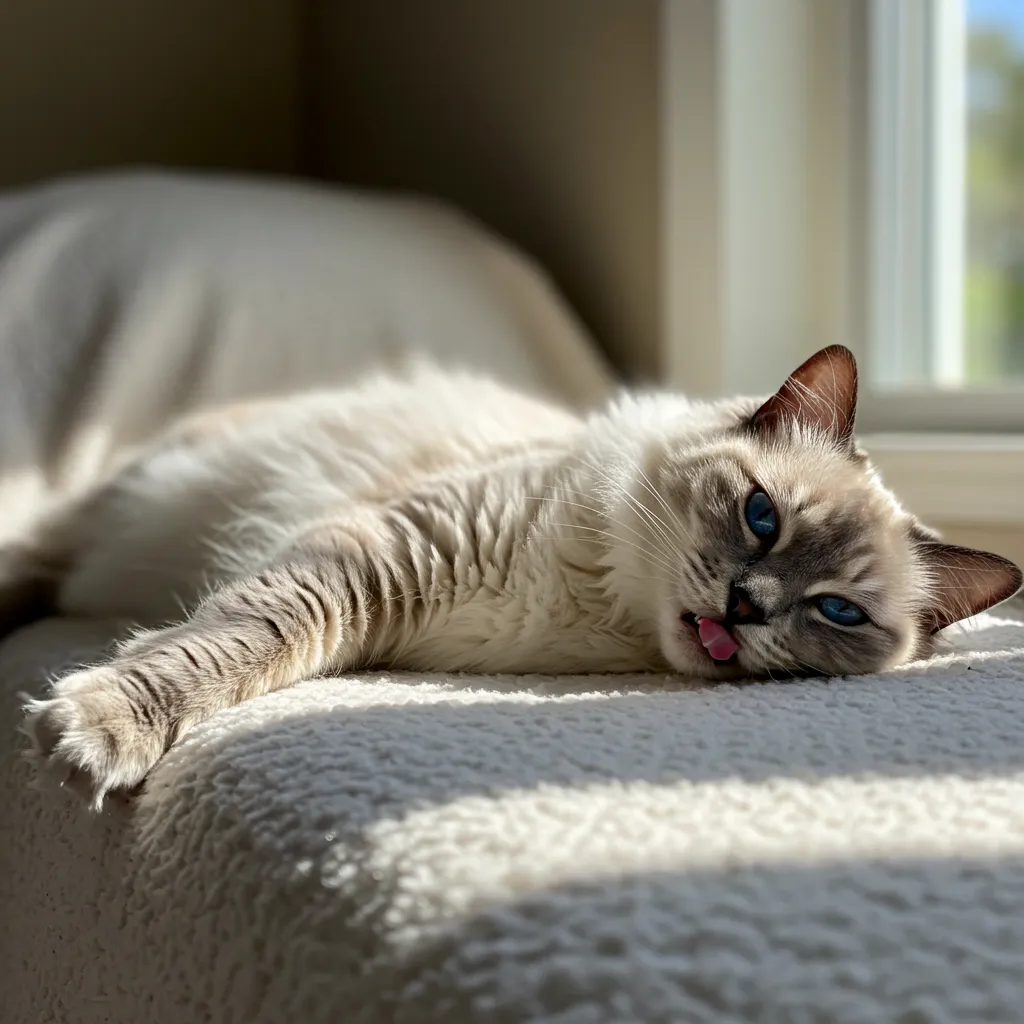
Sometimes, a cat blep is just your kitty being utterly relaxed. When cats are in a zen state—think post-nap or mid-cuddle—their tongue might slip out slightly as their jaw loosens. It’s one of the cat relaxation signs that screams, “I’m totally at ease!”
- Breeds Prone to Bleps: Ragdolls and Norwegian Forest Cats (explore our Ragdoll cat care guide) often blep due to their chill vibes.
- Context Clues: Paired with purring, slow blinks, or loafing posture? It’s likely a happy cat sticking tongue out when happy.
- Real Example: My rescue Siamese blepped constantly during sunbeam naps, a sign of pure contentment.
Action Tip: Encourage relaxation with cozy beds—our best beds for American Shorthair guide has great picks.
Grooming Glitches: Tongue Stuck Mid-Lick
Cats spend up to 50% of their day grooming, and sometimes their tongue gets “stuck” mid-session. Cat tongue hanging out after grooming happens when they pause to focus on something else (like a bird outside) or if fur gets caught on their rough tongue.
- Why It Happens: The tongue’s barbs can trap hair, especially in long-haired breeds like Persians.
- What to Watch: Occasional pauses are fine, but constant tongue protrusion might signal dental pain or stuck debris.
Action Tip: Regular brushing reduces fur buildup—see our Norwegian Forest cat grooming guide for long-haired breed tips.
When Is Cat Tongue-Out Breathing a Health Concern?
While a cat blep is often harmless, cat panting with tongue out or cat open-mouth breathing can signal trouble. Cats don’t pant like dogs unless stressed, overheated, or ill. A 2025 Veterinary Medicine Journal study notes 1 in 10 cats with sudden panting have underlying cat breathing problems. Let’s explore the red flags.
Overheating and Stress: Temporary but Telling
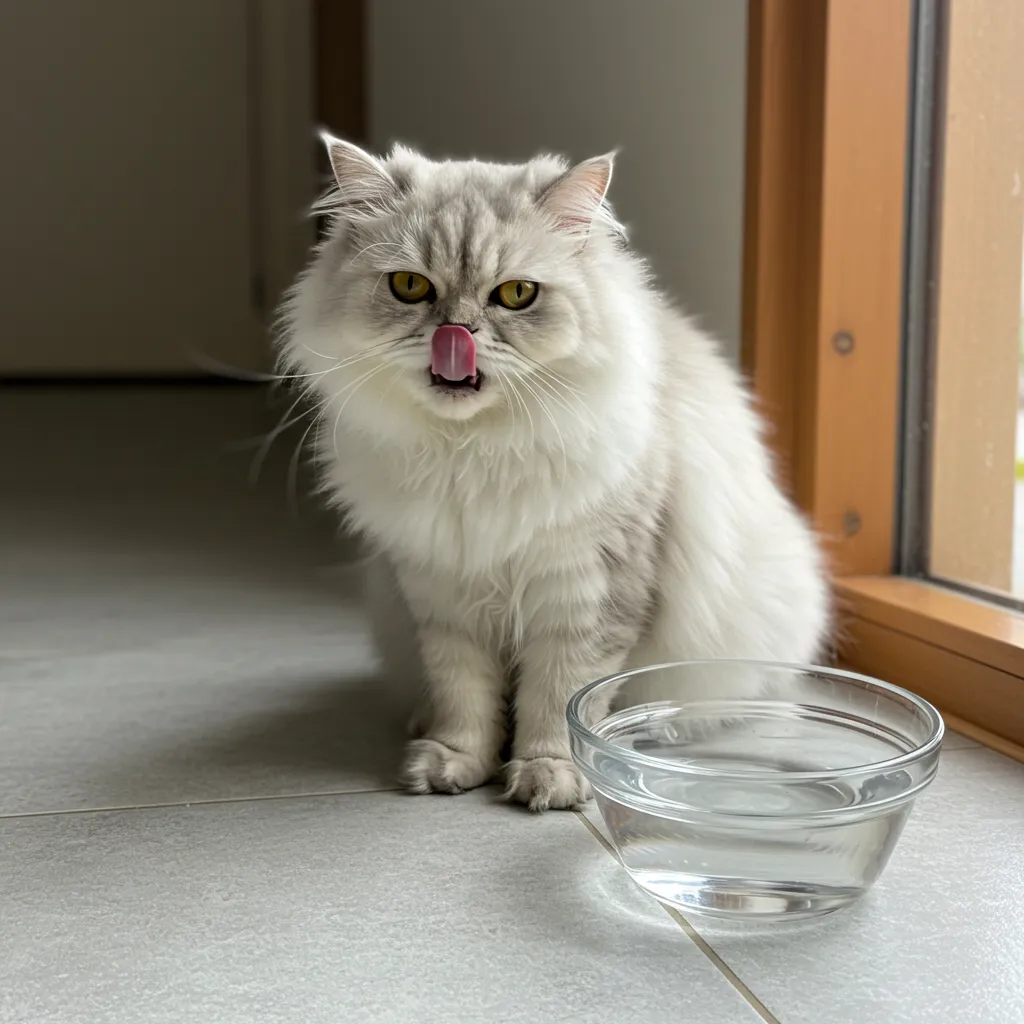
Cats pant to cool off, but their tongues aren’t built for heavy panting like dogs. If your cat’s tongue is out and they’re breathing fast after play or a hot day, it’s likely overheating or cat stress breathing.
- Signs: Rapid, shallow breaths; tongue slightly out; seeking cool surfaces.
- Causes: High temps, intense play, or stress (e.g., car rides—see our American Shorthair cat travel tips).
- Breeds at Risk: Flat-faced breeds like Persians or Munchkins (check our Munchkin cat health issues guide) struggle more due to airway restrictions.
Action Step: Offer cool water, a fan, or a damp towel. If panting lasts over 10 minutes, call a vet—use our finding the best vet guide for tips.
Dental and Oral Issues: Pain Behind the Blep
Dental problems can cause cat tongue out symptoms, especially if chewing or grooming hurts. A 2025 PetMD report found 70% of cats over 3 have some dental disease, often leading to tongue protrusion.
- Symptoms: Drooling, bad breath, reluctance to eat, or pawing at the mouth.
- Causes: Gingivitis, tooth resorption, or oral injuries.
- Real Example: My Munchkin foster stopped eating hard kibble and blepped constantly—vet found a cracked molar.
Action Step: Schedule a dental checkup and try soft foods. Our Munchkin cat dental care guide has feeding tips.
Respiratory Distress: When to Act Fast
Cat respiratory distress is serious, often marked by cat open-mouth breathing, wheezing, or labored breaths with the tongue out. It’s a top reason for emergency vet visits, per the ASPCA.
- Causes:
- Upper Respiratory Infections (URIs): Viral or bacterial, common in multi-cat homes.
- Asthma: Affects 5% of cats, with triggers like dust or stress.
- Heart or Lung Issues: Congestive heart failure or pneumonia in seniors.
- Symptoms: Blue gums, coughing, lethargy, or collapse—emergency signs.
- Breeds at Risk: Siamese and Persians are prone to asthma (see our Siamese cat vet visits guide).
Action Step: If your cat shows cat breathing problems for over 5 minutes, rush to the vet. Keep a symptom log (time, duration, triggers) to share.
Interpreting Feline Breathing Patterns: Normal vs. Problematic
Understanding feline breathing patterns helps you spot trouble early. Normal cat breathing is quiet, with 15–30 breaths per minute at rest, and no tongue involvement. Here’s how to tell normal from concerning:
| Breathing Type | Description | Tongue Position | When to Worry |
|---|---|---|---|
| Normal Resting | Silent, steady, nose-only breathing | Tongue in, no visible effort | Rarely a concern |
| Post-Play Panting | Short bursts of open-mouth breathing | Tongue slightly out, retracts quickly | If lasts >10 minutes |
| Stress Panting | Rapid, shallow breaths | Tongue out, eyes wide | If frequent or paired with lethargy |
| Respiratory Distress | Labored, noisy, open-mouth breathing | Tongue extended, struggling | Immediate vet visit |
Action Tip: Count breaths per minute during rest. If over 40 or paired with cat tongue out symptoms like drooling, seek vet care—our cat health care guide has monitoring tips.
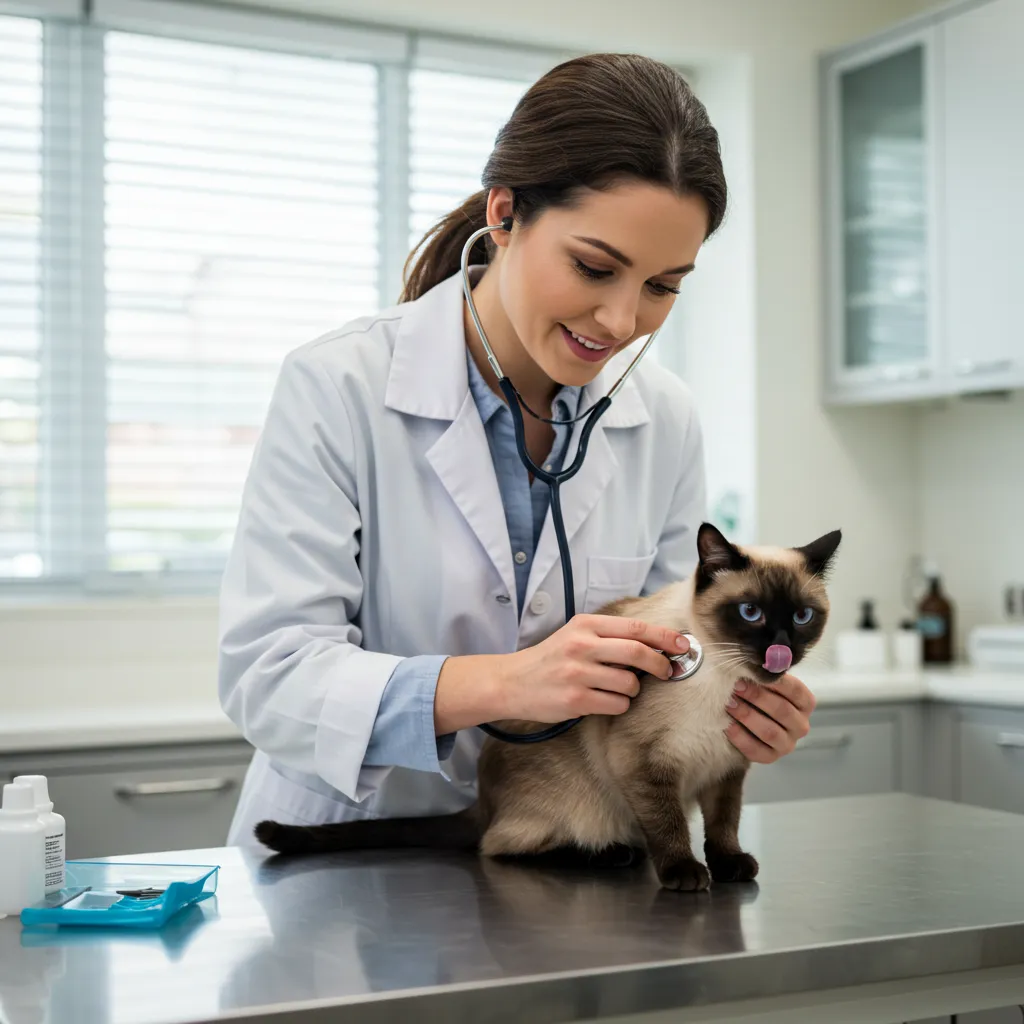
Breed-Specific Tendencies for Tongue-Out Behavior
Certain breeds are more likely to show cat tongue out behavior due to anatomy or personality:
- Persians and Munchkins: Brachycephalic (flat-faced) breeds have shorter airways, increasing cat panting with tongue out. See our Munchkin cat health issues guide.
- Siamese: Vocal and sensitive, they may blep during stress or Flehmen responses (check our Siamese cat behavior guide).
- Ragdolls: Their relaxed nature makes blepping common during naps (explore our Ragdoll cat care guide).
Action Tip: Tailor care to your cat’s breed—our cat breeds personalities guide offers breed-specific insights.
How to Stop or Manage Cat Tongue-Out Breathing
Here’s a phased plan to address why does my cat stick his tongue out and ensure it’s not a health issue:
Step 1: Rule Out Medical Issues
- Vet Visit: Schedule a checkup to test for URIs, dental issues, or asthma. Bloodwork or X-rays may be needed for seniors.
- Track Symptoms: Note frequency, duration, and triggers (e.g., after grooming or heat). Use our cat health care guide for a symptom tracker template.
- Dental Care: Brush teeth weekly or offer dental treats—see our Munchkin cat dental care guide.
Step 2: Optimize Their Environment
- Cool It Down: Keep rooms at 65–75°F, especially for flat-faced breeds. Add fans or cooling mats (check our Norwegian Forest cat summer care guide).
- Reduce Stress: Use Feliway diffusers or puzzle feeders to calm anxious cats. Our cat stress signs guide has enrichment ideas.
- Litter Box Check: Stress can trigger odd behaviors—ensure a clean box per our cat litter training guide.
Step 3: Monitor and Maintain
- Daily Checks: Watch for cat tongue out symptoms like drooling or wheezing. A quick video can help vets diagnose.
- Diet Support: Feed high-quality, wet food to support hydration—our best wet cat food guide has vet-approved picks.
- Grooming Routine: Brush daily to prevent fur-related bleps, especially for long-haired breeds like Norwegian Forest Cats.

FAQ: Quick Answers to Common Questions
Why is my cat sticking his tongue out and breathing?
It could be a harmless cat blep from relaxation, grooming, or the Flehmen response in cats. Persistent panting or open-mouth breathing may signal cat respiratory distress—see a vet if it lasts over 5 minutes.
What is the Flehmen response and why does it cause tongue-out behavior?
The Flehmen response cats use involves curling lips and sticking the tongue out to analyze scents via the vomeronasal organ. It’s normal but frequent responses may indicate stress.
Should I worry if my cat’s tongue is out while relaxed?
No, a cat blep during naps or cuddles is a sign of cat relaxation behavior. Monitor for other symptoms like drooling or labored breathing.
How can I tell if my cat’s tongue-out breathing is a grooming issue?
If the tongue hangs out post-grooming, check for stuck fur or dental pain. Brush regularly and consult a vet if it persists—see our Munchkin cat dental care guide.
What does it mean if my cat’s blep comes with abnormal behaviors?
Paired with lethargy, wheezing, or appetite loss, it could indicate cat breathing problems or dental issues. Seek vet care immediately.
How do I differentiate normal cat breathing from a problem?
Normal breathing is quiet, 15–30 breaths per minute, with no tongue out. Cat panting with tongue out or noisy breathing signals potential cat respiratory distress.
When should I see a vet for cat tongue-out breathing?
Rush to the vet for cat open-mouth breathing, blue gums, or panting lasting over 10 minutes. Our finding the best vet guide helps you prepare.
Are certain cat breeds more likely to stick their tongues out?
Yes, flat-faced breeds like Persians and relaxed breeds like Ragdolls blep more often. Check our cat breeds personalities guide for details.
How often should I monitor my cat’s breathing?
Daily checks during rest or play help spot feline breathing patterns changes early. Log symptoms for vet visits.
How can I tell if my cat’s tongue protrusion is an emergency?
If paired with cat respiratory distress signs like wheezing, collapse, or blue gums, it’s an emergency—call a vet immediately.
Conclusion: Keep Your Cat’s Quirks in Check
From the adorable cat blep trend to concerning cat panting with tongue out, understanding why is my cat sticking his tongue out and breathing is about decoding feline signals with care. Whether it’s a playful Flehmen response in cats, a relaxed cat tongue out behavior, or a sign of cat breathing problems, you now have the tools to act. Start with a vet check, optimize their environment, and keep those quirky funny cat tongue out moments stress-free.
For more feline wisdom, explore our cat health care guide or dive into breed-specific tips at Cat Bloom Haven. Share your cat’s cutest blep story in the comments—we’d love to hear it!